Whether a Bullmastiff Makes a Therapy Dog
Bringing your beloved Bullmastiff into a therapy setting might seem like a wonderful idea. After all, these gentle giants often possess an inherent calmness and a deep connection with their families, leading many owners to wonder if their big, cuddly companion could bring comfort to others. However, the path to becoming a certified therapy dog is unique for every breed and individual, and while a Bullmastiff's loving nature is a huge asset, their size, protective instincts, and specific training needs present considerations that are important to address upfront. This guide will walk you through what it takes for a Bullmastiff to potentially excel in therapy work, examining their natural attributes, the necessary training, and the practical realities involved.
Defining the Role: What Does a Therapy Dog Really Do?
Before we dive into whether your Bullmastiff is cut out for it, it’s crucial to understand what "therapy dog" truly means. It's not just about having a friendly dog; it's about a specific role with distinct responsibilities and temperament requirements. People often confuse therapy dogs with service dogs, but their jobs and the legal protections they receive are very different.
The Difference Between a Therapy Dog and a Service Dog
This is one of the most common misunderstandings in the dog world, and getting it straight is your first step. A service dog is specifically trained to perform tasks for an individual with a disability. Think about a guide dog for the blind, a hearing dog for the deaf, or a mobility assistance dog. These dogs have public access rights under laws like the Americans with Disabilities Act (ADA), meaning they can go almost anywhere their handler goes. They are working animals, not pets, and their focus is solely on their handler.
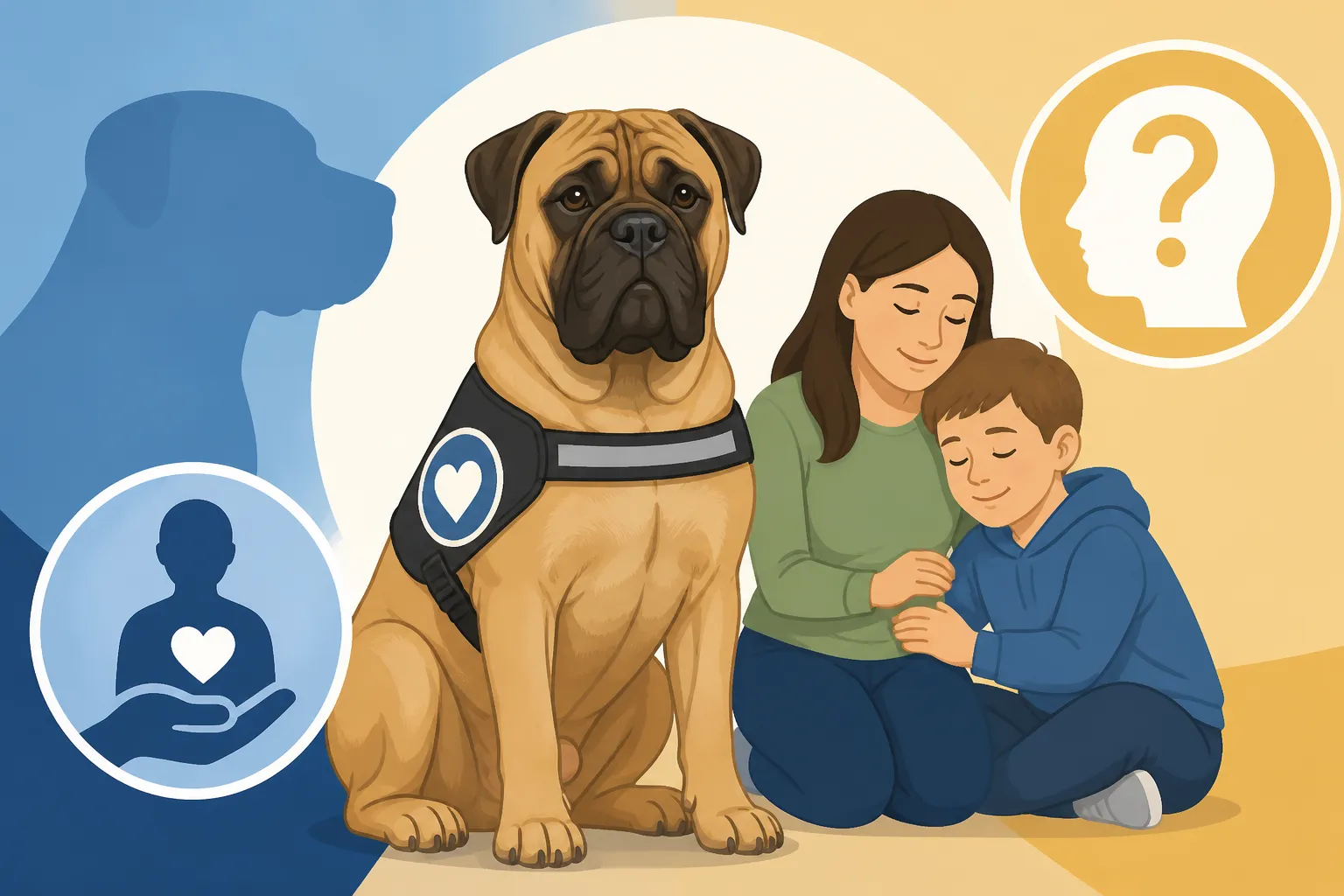
A therapy dog, on the other hand, is a family pet that, along with its handler, volunteers in settings like hospitals, nursing homes, schools, or disaster areas to provide comfort, affection, and emotional support to many different people. They are there to make others feel better, to reduce stress, and to offer a welcome distraction. Therapy dogs do not have the same public access rights as service dogs. They can only enter facilities by invitation and generally require specific certification from a therapy animal organization. It’s a voluntary and highly rewarding role, but it doesn’t come with automatic legal entry into all public spaces.
Temperament Traits Essential for Therapy Work
For a dog to be an effective and safe therapy animal, certain temperament traits are absolutely non-negotiable. These are the qualities that therapy dog evaluators look for, and they are what ensure both the dog's well-being and the safety and comfort of the people they visit. First and foremost, a therapy dog must possess an unwavering calmness and a gentle disposition. They will encounter people who might be frail, scared, or unfamiliar with dogs, and they need to react calmly and predictably.
An unflappable nature is also critical. Therapy dogs are often exposed to unusual sights, sounds, and smells – hospital equipment, crying children, loud alarms, wheelchairs, or sudden movements. A dog that startles easily, barks excessively, or shows fear in new environments is not suited for this work. They need to tolerate being petted awkwardly, hugged, or even having their tail pulled accidentally by an excited child or someone with limited motor control. Friendliness towards strangers is a given; a shy or aloof dog, no matter how loving at home, will struggle. Finally, a therapy dog needs to enjoy the interaction. If your dog only tolerates it, they won't truly thrive in the role, and it won't be fair to them.
The Bullmastiff Temperament: An Examination of Their Suitability
Now, let's talk about the Bullmastiff specifically. These magnificent dogs are often misunderstood due to their formidable size and appearance, but those who know them understand the deep well of gentleness they possess. This breed has many qualities that make them strong candidates for therapy work, but also some unique challenges to address.
The Bullmastiff's Innate Gentleness and Calmness
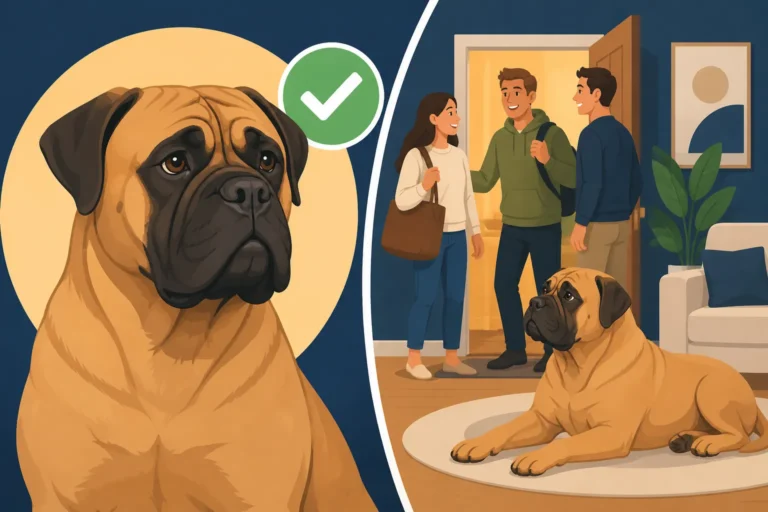
Many Bullmastiff owners will tell you that beneath the imposing exterior lies a true marshmallow. They are renowned for their sweet, devoted, and affectionate nature, particularly with their families. They are often described as "nanny dogs" because of their gentle interactions with children within their household. This natural inclination towards quiet companionship is a huge plus for therapy work. They tend to be calm indoors, preferring to lounge near their people, which is exactly the kind of relaxed presence you want in a therapy setting. Unlike some more boisterous breeds, a well-adjusted Bullmastiff often has a lower energy level indoors, making them less likely to accidentally bowl someone over.
Furthermore, Bullmastiffs are not typically excessive barkers. They were historically bred to be The Silent Guard: Why a Bullmastiff Barks So Little, designed to deter intruders quietly rather than announcing their presence with a ruckus. This quiet demeanor is invaluable in quiet environments like hospitals or libraries where loud noises would be disruptive. Their deep, rumbling "woof" is usually reserved for actual threats or significant events, not everyday greetings, which means they're less likely to cause alarm during a therapy visit. Their inherent desire to be close to people and offer comfort, often expressed through a gentle lean or a soft nudge, can be incredibly soothing for those in need.
Overcoming Size and Guarding Instincts
While their gentleness is undeniable, a Bullmastiff's sheer size cannot be overlooked. A hundred and thirty pounds of dog, no matter how sweet, can be intimidating to some, especially the elderly, very young children, or those who have had negative experiences with large dogs. This is a visual hurdle you’ll need to help people overcome, often through positive interactions and your confident handling. It means ensuring your Bullmastiff is impeccably clean, well-groomed, and calm, presenting an undeniable image of gentle power rather than imposing bulk.
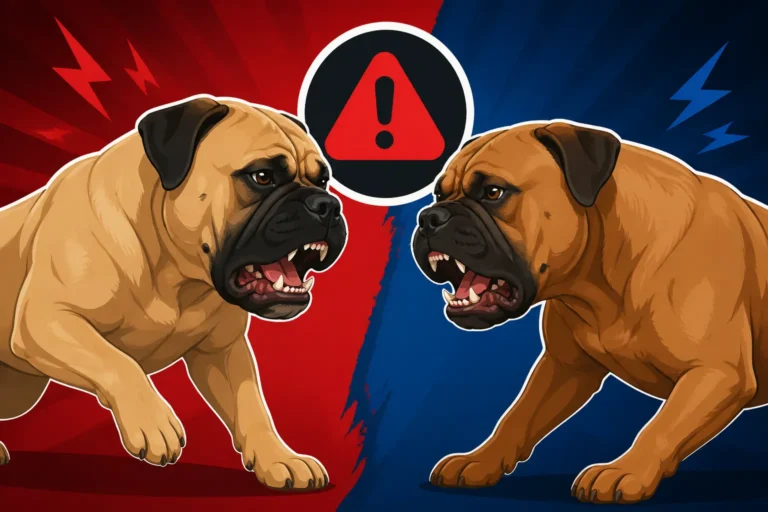
Another aspect to consider is their protective instinct. A Bullmastiff Was Bred to Hold a Man, Not Bite Him, and this guardian heritage means they are inherently watchful and protective of their family and territory. While a therapy dog should be friendly to all, this underlying instinct means that a Bullmastiff requires extensive socialization and training from a very young age to ensure they differentiate between a genuine threat and an innocent, albeit sometimes clumsy, interaction from a stranger. They need to learn that not all novel situations or people are a cause for concern. Without proper exposure, an underdeveloped protective instinct could manifest as suspicion or discomfort in unfamiliar settings or with people who behave unpredictably, which is common in therapy environments. This isn't aggression; it's often a manifestation of their deeply ingrained instinct to keep their loved ones safe, and it needs to be gently guided through consistent, positive training.
Training Your Bullmastiff for Therapy Work: Steps to Success
Having a naturally good temperament is a fantastic start, but it's only half the battle. To truly excel as a therapy dog, your Bullmastiff needs robust training and ongoing socialization to navigate the diverse and sometimes challenging environments they'll encounter.
The Importance of Early and Ongoing Socialization
Socialization is paramount for any large guardian breed, and for a therapy Bullmastiff, it needs to be extensive and continuous. From the moment you bring your puppy home, expose them to a wide variety of positive experiences. This means meeting different types of people (men with beards, women in hats, people in wheelchairs, children of all ages, people wearing uniforms), visiting different places (parks, pet-friendly stores, bustling town centers, quiet libraries), and encountering different sights and sounds (ambulances, lawnmowers, babies crying, loud laughter). The more positive experiences they have with the world, the less likely they are to be startled or wary as adults.
For an adult Bullmastiff, even if you missed some early socialization, it's never too late to begin. Start slowly, in controlled environments, using positive reinforcement to make every new experience a good one. Consider enrolling in puppy classes and then advanced obedience classes, as these provide structured opportunities for socialization with other dogs and people under supervision. Remember, the goal isn't just tolerance; it's for your Bullmastiff to be genuinely comfortable and happy in these varied situations. A good way to achieve this is by providing plenty of high-value treats (available on Amazon, for instance) for calm behavior in new scenarios.
Obedience Training and Public Manners
Rock-solid obedience is non-negotiable for a therapy dog. You need to have complete control over your Bullmastiff, no matter the distractions. This means cues like "sit," "stay," "down," "come," and "leave it" must be ingrained to perfection. Loose-leash walking is especially critical when you're handling a Training a Bullmastiff That Weighs More Than You Do. You need to be able to guide them gently without being pulled or having them lunge, ensuring both your safety and the comfort of those around you.
Bullmastiffs are intelligent, but they are also known for being thoughtful and deliberate. Sometimes it can feel like The Bullmastiff That Pauses to Decide Whether You Are Worth It before obeying a command. This isn't stubbornness; it's often careful consideration. Therefore, training requires immense patience, consistency, and positive reinforcement. Harsh corrections will likely shut down a Bullmastiff, making them less willing to engage. Focus on making training fun and rewarding. Programs like BAXTER & Bella offer comprehensive online training resources that can be incredibly helpful for systematically teaching these manners in a way that resonates with a Bullmastiff's learning style, often at your own pace from home. Aim for a Canine Good Citizen (CGC) certification as a baseline; many therapy organizations require it. This demonstrates that your dog is well-behaved and manageable in public.
Navigating Certification and Evaluations
Once your Bullmastiff has excellent public manners and has been thoroughly socialized, the next step is seeking certification from a reputable therapy animal organization such as Alliance of Therapy Dogs or Pet Partners. These organizations have specific evaluation criteria to ensure dogs are safe, reliable, and genuinely enjoy the work. The evaluation process is rigorous and designed to test your dog's temperament, obedience, and reaction to various stimuli they might encounter.
Evaluators will be looking for a dog that is calm, gentle, and friendly, but also one that is under control. They will assess how your Bullmastiff reacts to:
- Unfamiliar people, including those using mobility aids.
- Loud noises and sudden movements.
- Being touched in different ways (head, ears, tail, paws).
- Leaving food or toys on command.
- Meeting other dogs calmly.
While a Bullmastiff's size is not inherently a disqualifier, evaluators will pay close attention to how well you manage your dog's bulk and how gracefully they interact. Their tendency to lean, for example, needs to be managed so they don't accidentally unbalance a frail person. If your Bullmastiff passes the evaluation, you and your dog will be certified to visit approved facilities, bringing joy and comfort wherever you go.
Practical Realities and Considerations for a Therapy Bullmastiff
Even with the best temperament and training, there are some practical aspects unique to owning a large breed like a Bullmastiff that you need to consider when pursuing therapy work.
Physical Presence and Accessibility
The most obvious practical consideration is your Bullmastiff's size. While endearing to many, it means they might not be able to fit into every space. A crowded hospital room, a small patient bed, or a tight corridor might be challenging to navigate. You need to be mindful of their physical presence and ensure they don't accidentally knock into equipment, trip people, or overwhelm a small space. As they age, their mobility might also become a factor. Bedding and Joints for a Hundred and Thirty Pound Bullmastiff become incredibly important throughout their lives to prevent issues that could hinder their ability to move comfortably in therapy settings. You might need to carry a special mat for them to lie on, or a ramp to help them get into vehicles if transport becomes an issue.
Managing Drool and Grooming for Public Settings
Let's be real: Bullmastiffs drool. It's just a fact of life with this breed. While their drool is part of their charm at home, in a clinical setting, hygiene is paramount. No one wants to be slimed during a comforting moment! Drool Is the Daily Job With a Bullmastiff, and for therapy work, it's a daily job you have to take seriously. You'll need to keep plenty of drool rags on hand and be prepared to discreetly wipe their mouth frequently.
Beyond drool, a therapy dog must always be impeccably clean and well-groomed. This means regular baths, brushings to minimize shedding, and clean ears and teeth. Their short coat is relatively easy to maintain, but their facial wrinkles will need regular cleaning to prevent odors or skin issues. Presenting a pristine, fresh-smelling dog is crucial for making a positive impression and ensuring the comfort of everyone they meet.
Ensuring Your Bullmastiff's Comfort and Well-being
Perhaps the most important consideration of all is your Bullmastiff's comfort and emotional well-being. Not every dog, even a perfectly trained and good-natured one, enjoys being a therapy dog. This work requires a lot of "giving" from the dog – accepting pets from strangers, being calm in new environments, and staying focused despite distractions. It can be emotionally and physically tiring.
You, as their handler, are their advocate. You need to be vigilant for any signs of stress, fatigue, or discomfort in your Bullmastiff. These might include lip licking, yawning, turning away, stiffness, or excessive panting. If your dog isn't enjoying themselves, it's not fair to continue. Always keep visits short, allow for plenty of breaks, and ensure they have access to water and a quiet space if needed. The goal is to bring joy to others, but never at the expense of your wonderful Bullmastiff's happiness. If you decide to embark on this journey, the bond you share will become even stronger as you work together to spread comfort and cheer.
Disclaimer
This article is for general informational purposes only and does not constitute professional advice. Laws, prices and regulations vary by location and change over time. Consult a qualified professional for guidance on your specific situation.