How a Bullmastiff Accepts a New Dog
Bringing a new dog into a home where a Bullmastiff reigns supreme can feel like walking a tightrope – you want everyone to be happy, but the potential for friction is always there, especially with a breed as inherently protective and particular as a Bullmastiff. It’s a common worry for many owners: how will your beloved giant, who's used to being the center of attention (and perhaps the only dog), react to a fresh face? This guide will walk you through the nuances of introducing a new canine companion to your Bullmastiff, aiming for a peaceful and lasting co-existence.
The Bullmastiff's Instinctive Approach to New Canine Companions
Before you even think about bringing another dog home, it's crucial to understand the Bullmastiff's unique temperament and how it influences their interactions with other canines. These are not typically "go with the flow" dogs when it comes to their personal space or their perceived roles within the household. Their history as silent guardians means they are keenly observant and often reserved, especially with newcomers.
Understanding Their Territorial Nature
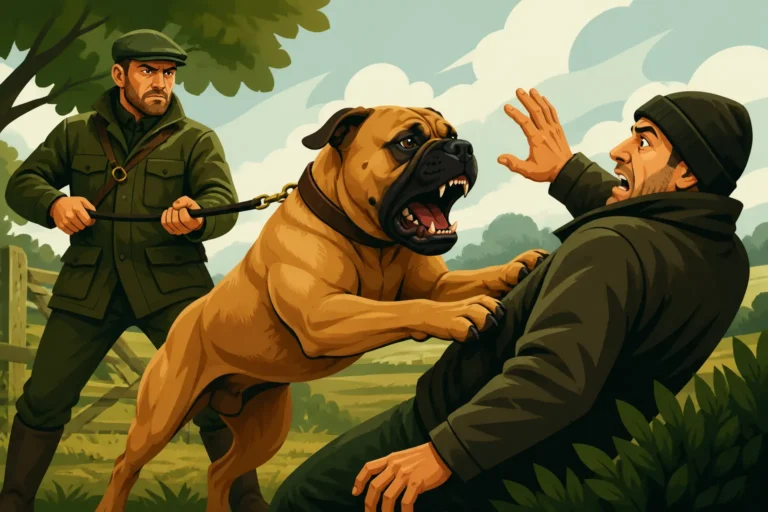
Bullmastiffs were originally bred to be estate guardians, apprehending poachers without causing severe injury. This historical role instilled in them a strong sense of territory and a natural protective instinct. While they are usually gentle giants with their human families, this territoriality can extend to their home environment and their human companions, seeing them as "theirs" to protect. When a new dog enters the picture, the Bullmastiff might initially view them as an intruder, or at least as someone who needs to understand the existing hierarchy and boundaries. This isn't necessarily aggression, but rather a display of their desire to maintain order and control within their perceived domain.
It's not uncommon for a Bullmastiff to be perfectly fine with other dogs outside the home, at a park or a training class, but completely different when those same dogs cross their threshold. This distinction is vital. They might tolerate or even enjoy play with unfamiliar dogs in neutral territory, only to become stiff or possessive when those dogs enter "their" space. Recognizing this nuanced territorial behavior is the first step in successful integration. You might find that your Bullmastiff leans on you or positions themselves between you and the new dog, a subtle but clear sign of their guarding instinct at play. How a Bullmastiff guards its food or toys can be an extension of this, so careful management is key.
Socialization as a Foundation
A Bullmastiff's previous socialization experiences play a monumental role in how they will accept a new dog. A Bullmastiff that was extensively socialized as a puppy and throughout adolescence, exposed to a variety of calm, well-mannered dogs in different settings, will generally have an easier time. They will have learned appropriate canine communication cues and developed confidence in novel situations. However, even a well-socialized Bullmastiff is still a Bullmastiff, and their inherent guarding traits won't disappear entirely.
On the flip side, a Bullmastiff with limited socialization or negative past experiences with other dogs might be much more challenging. They might be fearful, defensive, or even overtly aggressive. If your Bullmastiff falls into this category, it's not a lost cause, but it does mean you’ll need to proceed with extreme caution and likely professional guidance. Understanding How a Bullmastiff Treats Other Dogs can help you gauge your current dog's baseline behavior. Regardless of their history, rushing the introduction process can quickly undo any positive groundwork you've laid, leading to stress for both dogs and potentially dangerous confrontations.
The Importance of Leadership
With a Bullmastiff, clear and consistent leadership from you, the owner, is paramount. These are powerful dogs who need to understand that you are in charge of decisions, including who comes and goes in the household. If your Bullmastiff perceives a vacuum in leadership, they might try to fill it themselves, which can lead to conflicts with a new dog as they try to establish their own rules. A strong, confident owner who sets clear boundaries and expectations is essential for managing a multi-dog household, especially with a breed prone to being "the boss."
This isn't about dominance in an aggressive sense, but about clear communication and managing resources. Your Bullmastiff needs to trust that you will keep everyone safe and make fair decisions. This means you dictate when and where interactions happen, who gets attention first, and how resources like food, toys, and resting spots are distributed. If your Bullmastiff is used to pushing boundaries, or you haven't established consistent training, now is the time to reinforce your role as the benevolent leader. Training resources like those offered by BAXTER & Bella can be incredibly helpful for building this foundation of respect and clear communication with your dog before you even consider adding another.
Setting the Stage for a Smooth Introduction
Bringing home a new dog, whether it's a puppy or an adult, isn't something to do on a whim with a Bullmastiff. It requires careful planning and preparation to maximize the chances of a peaceful co-existence. Think of it like preparing for a new roommate; you wouldn't just spring it on your current one without any discussion or preparation, would you?
Choosing the Right Companion
The type of dog you bring home can significantly impact the success of the introduction. Not all dogs are a good match for a Bullmastiff's personality and physical presence. Generally, an opposite-sex companion often works best, as Same Sex Aggression in Bullmastiffs is a well-documented trait, particularly between two males. If you're set on another male, be prepared for a potentially much more challenging integration, and understand that it might not be possible to live harmoniously.
Consider the new dog's age and temperament. A confident, calm adult dog that isn't overly boisterous or challenging might integrate more easily than a high-energy, pushy youngster. A puppy, while seemingly innocent, can still annoy an older Bullmastiff with incessant play invitations or by crossing boundaries, so constant supervision is critical. On the other hand, an overly submissive or fearful new dog might inadvertently trigger the Bullmastiff's guarding instincts. Look for a dog with a stable, resilient temperament that can read canine cues well and isn't easily intimidated but also isn't looking to challenge. If adopting from a rescue, they often have a good sense of a dog's temperament around other dogs, which can be invaluable. Adopting a Bullmastiff From Rescue often means they've already been assessed for compatibility.
Preparing Your Home Environment
Before the new dog even steps paw inside, you need to prepare your home. This means creating separate spaces for each dog, at least initially. Set up a secure crate or a designated room for the new dog where they can feel safe and retreat. This is vital for decompression and for giving your Bullmastiff a break from the newcomer. Having separate feeding areas is non-negotiable to prevent resource guarding, which can escalate quickly. This can be as simple as feeding them in different rooms or at opposite ends of a long hallway.
Ensure all valuable resources – toys, beds, chews, food bowls – are managed. Initially, it's best to remove high-value items that might trigger possessiveness in your Bullmastiff. Gradually, you can reintroduce them under strict supervision, always providing duplicates and ensuring no competition. Baby gates, crates, and leashes will be your best friends during this period, allowing you to control interactions and prevent unsupervised confrontations. Think of it as creating "safe zones" for both dogs, giving them the ability to observe each other without direct, potentially overwhelming, contact. You might find some excellent, heavy-duty crates or gate systems on Amazon that are robust enough for a Bullmastiff.
Initial Neutral Ground Meetings
The very first introduction should always happen on neutral territory, outside the home where your Bullmastiff doesn't feel the need to defend its space. A quiet park, a friend's yard, or even just a nearby street can work. Both dogs should be on leashes, handled by separate, confident handlers. Keep the leashes loose; tension on the leash can transfer to the dogs and create anxiety. The goal is a calm, brief, and positive first impression.
Avoid direct face-to-face greetings immediately. Instead, start with parallel walks, allowing them to sniff the same ground and get used to each other's presence. Walk them side-by-side, maintaining a respectful distance, and gradually decrease the distance if they seem relaxed. Observe their body language carefully: loose bodies, wagging tails (not stiff flags), sniffing, and a general lack of tension are good signs. Stiff postures, direct stares, raised hackles, growling, or lunging are clear signals to increase distance and slow down. Keep these initial meetings short and positive, ending on a good note before either dog becomes overstimulated or stressed.
The Step-by-Step Introduction Process
Once the neutral ground meetings have gone well, you can begin the more structured introduction process, slowly moving towards integrating them into your home. Patience is key here; rushing will only create setbacks.
Leashed Greetings and Parallel Walks
Continue with leashed greetings in the neutral area, but now allow for very brief, supervised sniffing. The "meet and greet" should be quick, just a few seconds, then move them apart. The idea is to create positive associations without allowing them to become overly familiar too quickly. Continue with parallel walks, but incorporate more pauses where they can be near each other, perhaps even sitting or lying down calmly if both are relaxed. Reward calm behavior heavily with praise or small, soft treats.
Once they are consistently calm on neutral ground, you can try bringing them to your home's exterior, still on leash. Walk them around the perimeter of your yard, then briefly allow the new dog to enter, still on leash, while your Bullmastiff is also on leash, observing from a slight distance. This gradual exposure helps the Bullmastiff adjust to the idea of the new dog being in "their" space, without the full pressure of direct, off-leash interaction immediately. Remember, even entering the yard can be a big step for a territorial Bullmastiff.
Supervised Indoor Interactions
This is where your preparedness with separate spaces and management tools truly pays off. Start by bringing the new dog inside, on leash, into a common area, with your Bullmastiff also on leash. Keep the interactions brief, highly supervised, and always ending on a positive note. Use baby gates to create a visual barrier, allowing them to see and smell each other without direct physical contact initially. Feed them on opposite sides of the gate, so they associate each other's presence with positive experiences.
Once you feel confident about their leashed interactions, and they show no signs of stress or aggression through the gate, you can try short periods of off-leash time together, but only in a highly controlled environment and for very short durations. This is where you might need an extra set of hands. One person focuses on the Bullmastiff, the other on the new dog. Keep interactions brief and positive, rewarding calm behavior. If things escalate, you can immediately separate them back into their safe spaces without punishment, simply resetting the situation. Never leave them unsupervised until you are absolutely certain they are comfortable and safe together. This could take days, weeks, or even months.
Managing Resources and Space
Resource guarding is a common flashpoint between dogs, especially when one is a Bullmastiff. To prevent issues, always feed dogs separately in their crates or different rooms. Pick up all food bowls as soon as they are finished eating. High-value treats and toys should only be given when the dogs are separated. If you allow them access to toys when together, ensure there are more than enough for both, to minimize competition, and choose toys that aren't overly "possessable" (e.g., avoid squeaky toys that might incite a chase).
Provide multiple, comfortable resting spots for each dog in different areas of the house. This allows them to choose to be together or apart. Ensure your Bullmastiff still gets their usual attention and doesn't feel replaced. In fact, make sure they get attention first for a while, reinforcing their established status and helping them feel secure. This might seem counterintuitive, but it reassures your resident dog that their position in the family hierarchy is not threatened. Consider having a specific chew toy for each dog, perhaps sourced from Amazon, that they can enjoy independently.
| Scenario | Strategy for Introduction | Key Takeaways |
|---|---|---|
| First Meeting | Neutral territory, loose leashes, separate handlers, parallel walk, brief sniff. | Calm, short, positive. Avoid direct confrontation. |
| Entering Home Territory | Leashed walk around perimeter, then new dog enters on leash while Bullmastiff observes. | Gradual exposure to home scent/sight. Maintain control. |
| Supervised Indoor | Separate rooms, baby gates for visual/scent exchange, separate feeding. | Safety first, manage resources, positive associations through barriers. |
| First Off-Leash Time | Very short durations, highly supervised, multiple handlers, open space, no high-value items. | Set up for success, intervene before problems, reward calm behavior, quick resets if needed. |
| Long-Term Management | Separate feeding, multiple beds/toys, consistent owner leadership, continued supervision. | Ongoing vigilance, clear rules, prevent resource guarding, ensure personal space. |
Common Challenges and Troubleshooting
Even with the best intentions and preparation, integrating a new dog can present challenges. It's important to be realistic and know when to adjust your approach or seek professional help.
Recognizing Signs of Stress or Aggression
Understanding canine body language is crucial. A Bullmastiff can be subtle in their warnings before escalating. Signs of stress or discomfort include:
- Stiff body language: A rigid posture, tail held high and stiff, direct hard stare.
- Lip licking or yawning: Out of context, these can be displacement behaviors indicating stress.
- Whale eye: Seeing the whites of their eyes.
- Growling or snarling: Clear warnings that should never be ignored or punished, as punishing a growl takes away a dog's primary warning system.
- Resource guarding: Hovering over food, toys, or even a preferred resting spot.
- Escalation in play: What starts as play can quickly turn rough if one dog isn't respecting the other's boundaries.
If you observe these signs, immediately and calmly separate the dogs. Do not scold them, just create distance. This is an indicator that you've moved too quickly, or that the current situation is too much for one or both dogs. It’s also important to remember that Why a Bullmastiff Fights Its Own Sex often stems from social dynamics and perceived threats to status, so awareness is critical.
When to Seek Professional Help
There will be times when you simply cannot solve the problem on your own, and that's perfectly okay. Dog behavior is complex, especially with a powerful breed like the Bullmastiff. If you're seeing consistent growling, snapping, or any physical altercations, it's time to call in a professional. A certified professional dog trainer or a veterinary behaviorist can assess the situation, identify triggers, and develop a tailored behavior modification plan. They can also observe dynamics that you might miss.
Don't wait until a serious injury occurs. Early intervention can prevent escalation and save your dogs from a lifetime of stress or rehoming. A professional can help you understand the nuances of Training a Bullmastiff That Weighs More Than You Do and how to effectively manage their immense strength and drive during interactions. It might cost a bit, but ensuring the safety and harmony of your household is priceless. Programs like those offered by BAXTER & Bella often include access to trainers who can provide personalized guidance, even virtually, which can be a huge asset in these situations.
Long-Term Integration and Maintaining Harmony
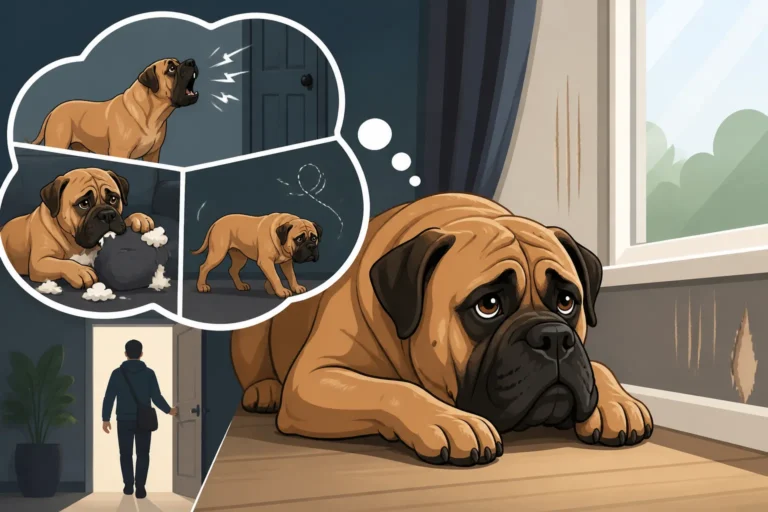
Even after a successful introduction, ongoing management is necessary. Don't assume that once they get along, all rules can be thrown out the window. Continue to supervise interactions, especially during high-excitement times like meal preparation or arrivals of guests. Separate them when you leave the house, at least until you are 100% confident in their unsupervised behavior. Continue to feed them separately to prevent any resurfacing of resource guarding.
Regular exercise and mental stimulation for both dogs will help keep them calm and content, reducing potential friction. Ensure both dogs receive individual attention from you. This reinforces your bond with each dog and prevents jealousy. A Bullmastiff thrives on routine and clear expectations, so maintaining a structured environment will benefit both dogs. Remember, true harmony comes from respect, clear boundaries, and consistent effort from you, the owner. Your Bullmastiff needs to know that you are managing the home, ensuring safety, and providing for everyone fairly.
Disclaimer
This article is for general informational purposes only and does not constitute professional advice. Laws, prices and regulations vary by location and change over time. Consult a qualified professional for guidance on your specific situation.