When It Is Too Hot to Walk a Bullmastiff
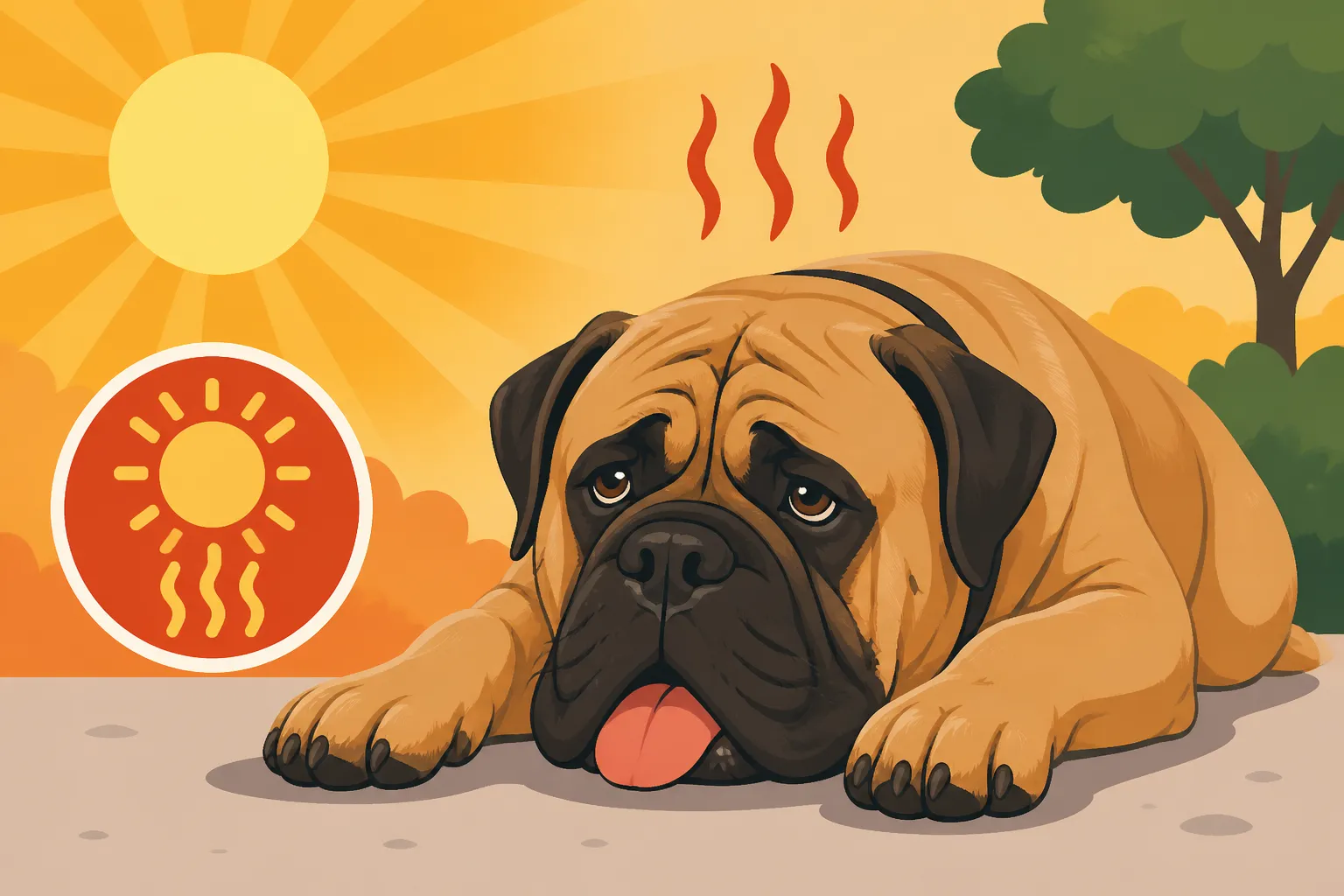
It's heartbreaking to see our big, beloved Bullmastiffs panting excessively, struggling even with short strolls, or worse, collapsing in the heat. Their sheer size, dense coats, and those magnificent but sometimes challenging brachycephalic features make summer a real minefield for exercise. This guide is dedicated to helping you understand exactly when it's too hot to walk your Bullmastiff safely, offering practical advice to keep them cool, comfortable, and out of harm's way during the warmer months.
Why Bullmastiffs Struggle So Much in the Heat
You’ve probably noticed your Bullmastiff starts panting pretty quickly, even on a mildly warm day. It's not just their generally laid-back nature; there are some very real physiological reasons why these big, wonderful dogs are particularly susceptible to overheating. Understanding these factors is the first step to keeping them safe.
Their Unique Anatomy: A Double-Edged Sword
First and foremost, our Bullmastiffs are a brachycephalic breed, meaning they have those adorable, relatively short muzzles and compacted airways. While this gives them their distinctive look, it also severely hinders their ability to cool themselves down. Dogs primarily regulate their body temperature through panting. With a shorter muzzle and often narrower nostrils, a Bullmastiff simply can't move air as efficiently over the moist surfaces in their mouths and throats as a long-nosed breed can. It's like trying to cool a large room with a tiny fan – the mechanism is working, but it's just not powerful enough for the job at hand. This struggle with heat exchange is why you’ll often hear discussions about Why a Bullmastiff's Short Muzzle Cannot Cool It. Their internal cooling system is inherently less efficient.
Bulk, Coat, and Activity Levels
Think about the sheer mass of a Bullmastiff. A hundred and thirty pounds of solid muscle and bone generates a significant amount of internal heat, especially during any physical activity. Combine that with their relatively dense, albeit short, coat, which acts like an insulating layer, and you have a recipe for rapid heat buildup. Unlike many smaller, leaner breeds, Bullmastiffs don't have the metabolic rate or body surface area to shed heat easily. Even a gentle walk for a healthy adult Bullmastiff requires effort, and that effort translates directly into internal heat. If they're not kept lean, an overweight Bullmastiff will struggle even more, as fat acts as further insulation and excess weight puts more strain on their cardiovascular system. It’s why Why a Bullmastiff Overheats So Easily is such a critical topic for us owners.
Defining "Too Hot": Temperature, Humidity, and Beyond
Knowing why your Bullmastiff gets hot is important, but the real question is, when is it simply too dangerous to take them out? It’s not just about the number on the thermometer; several environmental factors combine to create a hazardous situation.
The Temperature Thresholds
While every dog is an individual, there are general guidelines for temperature that should make any Bullmastiff owner pause. For our big, brachycephalic friends, these thresholds are lower than for many other breeds.
- Below 70°F (21°C): Generally considered safe for most Bullmastiffs to enjoy walks, assuming normal humidity and moderate activity. Always monitor, but the risk of overheating is low.
- 70°F – 80°F (21°C – 27°C): This is where caution becomes key. Even in this range, a Bullmastiff can overheat, especially if it's sunny, humid, or they are particularly excited or exerting themselves. Short walks, staying in the shade, and frequent water breaks are essential. This is often the point where many owners start wondering Whether a Bullmastiff Should Be Walked in Summer at all, or at least how to modify those walks drastically.
- Above 80°F (27°C): This is generally considered a high-risk zone for Bullmastiffs. Outdoor exercise should be strictly limited to very early mornings or late evenings, and only for short potty breaks. Paved surfaces can be scorching at these temperatures. For any prolonged period, it's safer to avoid walks altogether.
- Above 85°F (29°C): At this temperature, the risk of heatstroke becomes extreme for Bullmastiffs. Even short periods outside can be life-threatening. Avoid all outdoor activity except for quick trips to the bathroom, and ensure these are in deep shade. This is when we consider What Temperature Is Dangerous for a Bullmastiff.
The Sneaky Culprit: Humidity
Temperature alone doesn't tell the whole story. Humidity is a silent killer for dogs, especially Bullmastiffs. When the air is saturated with moisture, a dog's panting mechanism becomes far less effective. The evaporation of moisture from their tongue and respiratory tract is what cools them down, but if the air around them is already full of moisture, there's nowhere for that evaporated heat to go. A 75°F day with high humidity can be far more dangerous than an 85°F day with very low humidity. Always check the "feels like" temperature, which factors in humidity, before deciding on a walk.
Other Critical Factors to Consider
- Sun Exposure: Direct sunlight dramatically increases the surface temperature of your dog's coat and body. Seek shade whenever possible.
- Pavement Temperature: Asphalt and concrete absorb and retain heat, becoming dangerously hot. If you can't comfortably hold your hand on the pavement for five to ten seconds, it's too hot for your Bullmastiff's paws. Burned paw pads are painful and can lead to infection.
- Activity Level: A leisurely stroll on grass is different from a brisk walk on pavement, or playing fetch. The more vigorous the activity, the faster your Bullmastiff will generate internal heat.
- Individual Dog Factors: An older Bullmastiff or one with underlying health conditions like heart problems (see Subaortic Stenosis Is There Before a Bullmastiff's First Birthday), respiratory issues, or obesity will be at a much higher risk, even at moderate temperatures. Puppies also need special consideration as their thermoregulation isn't fully developed.
Here's a simple table to help visualize the risk:
| Ambient Temperature (F/C) | Humidity Level | Risk Level for Bullmastiffs | Recommended Action |
|---|---|---|---|
| < 70°F / 21°C | Low-Moderate | Low | Normal walks, monitor for exertion. |
| 70-75°F / 21-24°C | Low | Moderate | Shorter walks, seek shade, water breaks. |
| 70-75°F / 21-24°C | High | High | Very short walks, early/late, extreme caution, consider alternatives. |
| 75-80°F / 24-27°C | Low-Moderate | High | Brief potty breaks only, shade only, extreme caution. |
| 75-80°F / 24-27°C | High | Extreme | No outdoor exercise, seek indoor alternatives. |
| > 80°F / 27°C | Any | Extreme / Life-Threatening | Avoid outdoors completely unless absolutely necessary (potty breaks in shade). |
Recognizing the Red Flags: Signs of Overheating and Heatstroke
Even with the best precautions, accidents can happen, or conditions can change unexpectedly. Knowing the signs of overheating and, more critically, heatstroke, is vital for every Bullmastiff owner. Early recognition can be the difference between a minor scare and a life-threatening emergency.
Early Warning Signs of Overheating
Before full-blown heatstroke sets in, your Bullmastiff will likely display more subtle signs that they’re getting too hot. These are your cues to act immediately and cool them down.
- Excessive Panting: This is often the first and most obvious sign. While panting is normal for dogs, watch for panting that is unusually heavy, rapid, or persistent, especially if they haven't been exercising vigorously. It might sound strained or rasping.
- Bright Red Gums and Tongue: As their body temperature rises, blood vessels dilate, leading to very red, almost brick-colored, gums and tongue. Their normal healthy pink will deepen significantly.
- Increased Salivation/Drooling: While Bullmastiffs are known for their drool, an excessive amount, especially thick, stringy saliva, can indicate overheating. Their cooling system is working overtime, and they're trying to dissipate heat through evaporation. You might notice they're drooling more than usual after a drink, or just generally When a Bullmastiff Drools Most.
- Reluctance to Move or Slowing Down: Your usually eager-to-walk Bullmastiff might start lagging behind, wanting to stop, or just moving very slowly. They're telling you they're uncomfortable and can't keep going.
- Seek Shade/Water: They might actively try to find the shadiest spot or show an unusual preoccupation with drinking water.
- Anxiety or Restlessness: Some dogs become agitated, confused, or restless as they get too hot. They might pace or seem unable to settle.
If you see these signs, get your Bullmastiff to a cool, shaded area immediately. Offer cool water (not ice-cold, which can cause shock), and begin active cooling methods as described in the next section. Don't wait for things to worsen. These are all critical Signs a Bullmastiff Has Heatstroke that every owner needs to commit to memory.
The Emergency: Full-Blown Heatstroke
Heatstroke is a medical emergency that requires immediate veterinary attention. If your Bullmastiff progresses past the early signs, you'll see more severe symptoms:
- Weakness and Stumbling: They may become disoriented, lose coordination, stumble, or even collapse.
- Vomiting and Diarrhea: This can occur as internal organs begin to suffer damage from the extreme heat. The diarrhea might be bloody.
- Seizures: Uncontrolled muscle spasms or convulsions indicate severe neurological distress.
- Unconsciousness: In the most severe cases, your Bullmastiff may lose consciousness.
- Rapid Heart Rate: Their heart will be working overtime to try and circulate blood and cool the body.
- Glassy Eyes: Their eyes may appear unfocused or glazed over.
If you suspect heatstroke, call your veterinarian immediately while initiating first aid cooling measures. This isn't a situation where you can wait or just try to manage it at home. Prompt action and professional medical care are absolutely critical. Knowing What to Do When a Bullmastiff Overheats could save their life.
Keeping Your Bullmastiff Safe: Strategies for Summer and Hot Weather
Preventing overheating is always better than treating it. With a Bullmastiff, vigilance and proactive planning are absolutely essential once the temperatures begin to climb. Let's talk about practical strategies to navigate those warmer months.
Timing is Everything: The Early Bird (or Night Owl) Gets the Walk
The simplest and most effective strategy is adjusting your walking schedule. Forget those mid-day strolls once spring truly gives way to summer.
- Early Mornings: Aim for walks just after sunrise. This is often the coolest part of the day, before the sun has had a chance to bake the pavement or significantly warm the air. You'll likely enjoy the peace and quiet too!
- Late Evenings: After the sun has set and the asphalt has had time to cool down is another good window. Even if the air temperature is still warm, the lack of direct sunlight and cooler ground makes a huge difference. Avoid walks too close to peak heat hours, even if it's cloudy, as the ground can still be radiating heat. For some, this might mean a short walk before bedtime.
Remember, even at these times, you need to assess the conditions. A humid evening can still be dangerous. Always check the ground temperature with your hand before heading out.
Gear Up for Coolness and Hydration
Having the right accessories can significantly enhance your Bullmastiff's comfort and safety.
- Water, Water, Everywhere: Carry plenty of fresh, cool water for both of you. Collapsible bowls or specific dog-friendly water bottles are fantastic. Even for a short 10-minute potty break, having water on hand is crucial. You might find a good selection of these on platforms like Amazon.
- Cooling Vests/Bandanas: These innovative products are designed to keep your dog's core temperature down. They often work by evaporation or contain ice packs. Look for options that allow for good airflow and don't restrict your Bullmastiff's natural movement. Just be sure to find one that fits their large frame properly.
- Paw Protection: Dog boots or paw wax can help protect sensitive paw pads from hot surfaces. While many Bullmastiffs aren't thrilled about wearing boots, they can be a lifesaver for quick trips over hot pavement.
- Harness vs. Collar: A well-fitting harness distributes pressure across their chest and shoulders, rather than their neck, which is especially important for brachycephalic breeds who already have compromised airways. Ensure it's not too tight and allows for full range of motion.
When Walks are Out: Creative Indoor Enrichment
Sometimes, the weather simply dictates that outdoor walks are off-limits. This is where you need to get creative to keep your Bullmastiff physically and mentally stimulated indoors.
- Puzzle Toys and Food Dispensing Toys: These are fantastic for mental exercise. Filling them with kibble or healthy treats can keep your Bullmastiff engaged for a surprising amount of time. Licking mats can also be a calming, enriching activity.
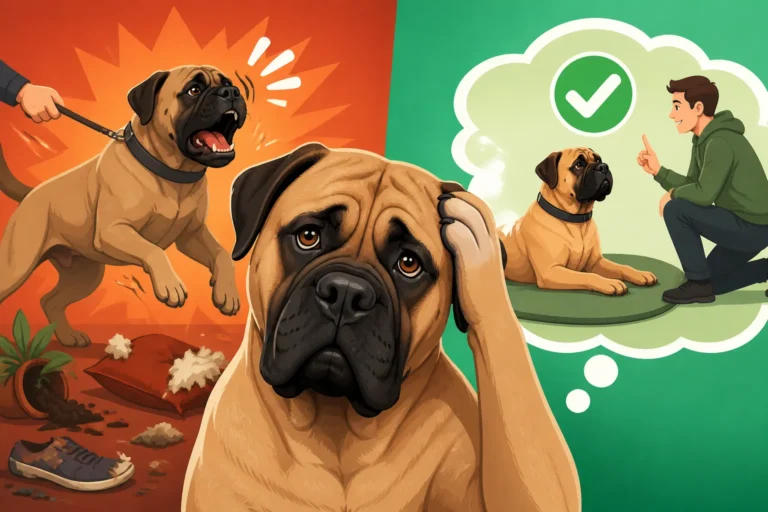
- Indoor Training Sessions: Use the time to practice basic obedience cues or teach new tricks. Short, frequent sessions (5-10 minutes) are best to maintain their attention and avoid over-excitement. Resources like BAXTER & Bella offer online training programs that can provide structured activities and help you teach your Bullmastiff new skills without ever stepping outside. This is a wonderful way to bond and build good habits.
- Hide-and-Seek: Hide treats or toys around the house and encourage your Bullmastiff to find them. This engages their powerful sense of smell and provides mental stimulation.
- Cooling Mats: These non-toxic gel mats can provide a cool spot for your Bullmastiff to lie down and regulate their temperature. They're especially helpful in rooms that tend to get warmer. Many varieties are available on Amazon.
- Controlled Play: If you have a large, cool indoor space, a short game of tug or gentle fetch can burn off some energy. Always watch for signs of overheating and stop before they get too winded.
- Frozen Treats: Homemade pupsicles made with dog-safe ingredients like bone broth, yogurt, or mashed banana can be a delightful and cooling treat.
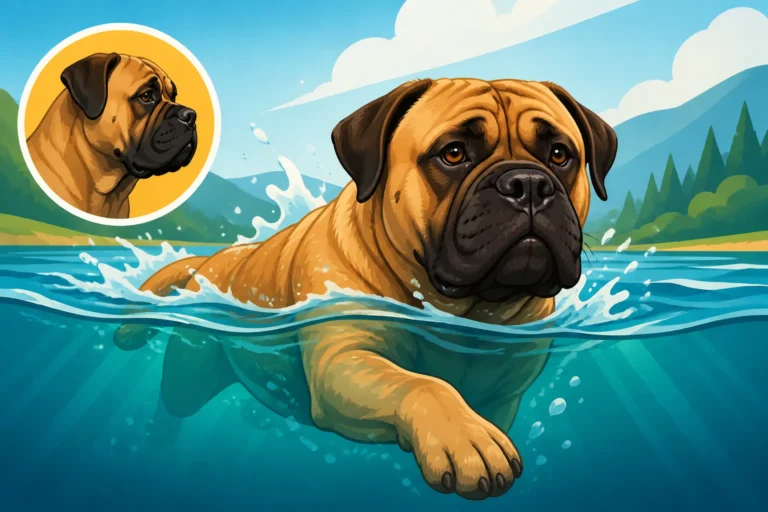
- Pool Time (with caution): If you have a kiddie pool, a shallow splash in cool (not cold) water can be a fun way to cool down. Always supervise closely, especially if your Bullmastiff isn't a confident swimmer. Remember, some Bullmastiffs are not natural swimmers due to their build. You might find more insight in Whether a Bullmastiff Swims Well.
By being mindful of the conditions and adapting your routine, you can ensure your big, beautiful Bullmastiff stays safe and happy, even when the mercury rises. Their short lifespan (around How Long a Bullmastiff Lives on Average) means every comfortable, safe moment counts, and proper care, especially in challenging weather, contributes to their overall well-being as they age towards being Caring for a Bullmastiff Past Six.
Disclaimer
This article is for general informational purposes only and does not constitute professional advice. Laws, prices and regulations vary by location and change over time. Consult a qualified professional for guidance on your specific situation.