What Bullmastiff Owners Wish They Had Trained First
It's a common story, isn't it? You bring home that adorable Bullmastiff puppy, all floppy ears and clumsy paws, and you just want to soak up every moment. You might tell yourself, "We'll get to serious training later," or perhaps you focus on the basics like potty training and a sit. But Bullmastiffs, those magnificent, powerful, and deeply affectionate dogs, grow fast. What's a cute jump from a 30-pound puppy becomes a serious hazard from a 130-pound adult. Many Bullmastiff owners, myself included, look back and realize there were a few key things we truly wished we'd prioritized from day one. This guide is all about those training regrets, so you can learn from our hindsight and set your Bullmastiff up for success from the very beginning.
The Overlooked Essentials: Foundations That Make a Difference
When you're sharing your life with a dog that can easily outweigh many adult humans, foundational training isn't just about good manners – it's about safety, control, and fostering a harmonious relationship. Without these building blocks, daily life can become a real wrestle, both figuratively and literally.
Leash Manners: Battling the Bullmastiff Pull
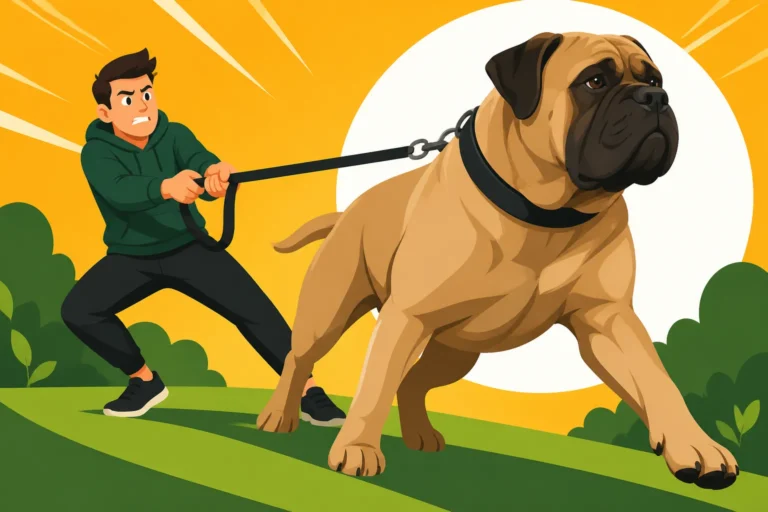
This is probably at the top of every Bullmastiff owner's "wish I'd done more" list. Imagine walking a dog that, even with the best intentions, has the power to drag you across the park or pull you off your feet when they spot a squirrel. It's not just embarrassing; it's genuinely dangerous for both you and your dog. Many of us underestimated just how quickly a Bullmastiff gains strength. One day they're a fluffy, easy-to-manage puppy, and the next, they're a solid 80-pound teenager who has suddenly decided the world is their oyster, and they are leading the expedition.
The regret often stems from letting those little puppy tugs slide, thinking they'd outgrow it or that it wasn't a big deal. The reality is, every time your puppy pulls and gets to sniff that interesting patch of grass, they're learning that pulling works. This positive reinforcement for an undesirable behavior builds a habit that's incredibly difficult to break once they're full-grown. It's far easier to prevent the habit than to try and untrain it later when you're contending with immense physical power. Starting with Teaching a Bullmastiff to Walk on Leash from the moment their tiny paws hit the pavement, even if it's just in your backyard, is crucial.
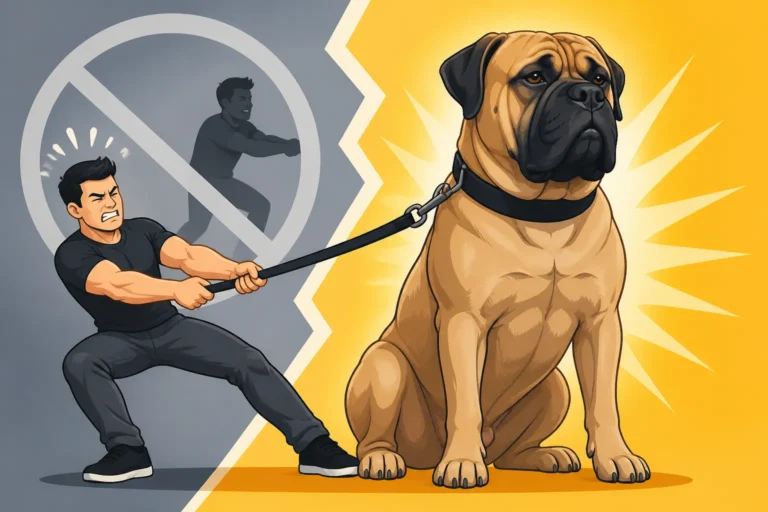
Proactive training involves teaching a loose-leash walk with consistency. Techniques like stopping every time the leash tightens and only moving forward when slack is created are vital. Changing direction frequently, playing "follow me" games, and rewarding heavily for attention and walking beside you make a huge difference. Using the right equipment helps tremendously too. A flat collar is rarely enough once they hit adolescence. Many owners find success with front-clip harnesses, which redirect their pulling power to the side, or head halters, which offer more control over the head and thus the body. Brands like Gentle Leader or Halti can be found on sites like Amazon and can be a game-changer for those moments when you need extra leverage. Remember, the goal isn't to punish the pull, but to make walking nicely far more rewarding and easier than pulling.
Impulse Control: The Gentle Giant's Challenge
Another major regret is not dedicating enough time to impulse control. Bullmastiffs are generally calm, but they are also big dogs with big desires. That means a happy leap to greet a guest can send someone sprawling, a quick lunge for a dropped piece of toast can be a major problem, or a charge out the front door can lead to a dangerous situation. These behaviors, while often not malicious, stem from a lack of self-control. It’s hard to blame a dog for being excited, but it’s our job as owners to teach them how to manage that excitement in a socially acceptable and safe way.
The "wait" command is a golden ticket here, and one many owners wish they'd perfected earlier. Teaching "wait" before going through a doorway, before eating their meal, or before greeting someone, instills a vital pause. This pause gives them a moment to think and allows you to reinforce the desired calm behavior. Similarly, "leave it" is an absolute non-negotiable for a large, powerful breed. Whether it's a dangerous item on the ground, a child's toy, or that delicious-smelling counter-surf opportunity, a solid "leave it" can prevent countless mishaps and emergency vet visits.
Real-life scenarios are where this training truly shines. Practicing "wait" at the threshold of your home every single time, even when you're in a hurry, will save you from the stress of a door-dashing Bullmastiff later on. Using "leave it" during walks for interesting smells or dropped food, or even when you're preparing their meals, builds a strong foundation. The more you practice these commands in low-distraction environments and gradually increase the challenge, the more reliable your Bullmastiff will become. This is where online training programs, like those offered by BAXTER & Bella, can provide structured lessons and support to ensure you’re hitting these crucial developmental milestones.
Socialization and Boundaries: Shaping a Well-Adjusted Guardian
A Bullmastiff's natural guardian instinct is one of their most beloved traits, but without proper socialization and clear boundaries, this can sometimes lead to misunderstandings or undesirable behaviors. Many owners reflect on wishing they'd approached these aspects more intentionally from the start.
Early Socialization: More Than Just Puppy Play
It's tempting to think socialization just means letting your puppy play with other dogs. While that's part of it, true socialization is much broader. Many Bullmastiff owners find themselves regretting not exposing their young dogs to a wider variety of sights, sounds, people, and experiences during those critical early weeks and months. A Bullmastiff puppy who isn't properly socialized might grow into an adult who is fearful, reactive, or overly wary of strangers, unusual objects, or new environments. Given their size and strength, a fearful or reactive Bullmastiff can be a handful, to say the least.
The key to effective socialization is controlled, positive exposure. It's not about throwing your puppy into every situation possible, but about introducing them gradually and ensuring each experience is pleasant. Think about all the things your Bullmastiff will encounter in their adult life: people of different ages and appearances, other dogs, cats, bicycles, skateboards, loud noises, car rides, vet offices, different floor textures, even umbrellas! Each new encounter should be paired with treats and praise, building positive associations. A shy or fearful reaction should prompt you to back off, reduce the intensity, and try again in a less overwhelming way. Don't be afraid to carry your puppy, or use a cart for an older puppy who is still too young for long walks, to expose them to new sights and sounds safely.
This broad exposure helps your Bullmastiff learn that the world isn't a scary place and that new things are often sources of good things (like treats!). This proactive approach significantly reduces the likelihood of developing fear-based aggression or anxiety later in life, which are far more challenging to address. When considering How a Bullmastiff Greets a Stranger, remember that early, positive introductions lay the groundwork for a confident, polite adult. Without this foundation, you might find yourself managing a dog who views every visitor as a potential threat rather than a welcomed guest.
Respecting Space: Setting Household Rules
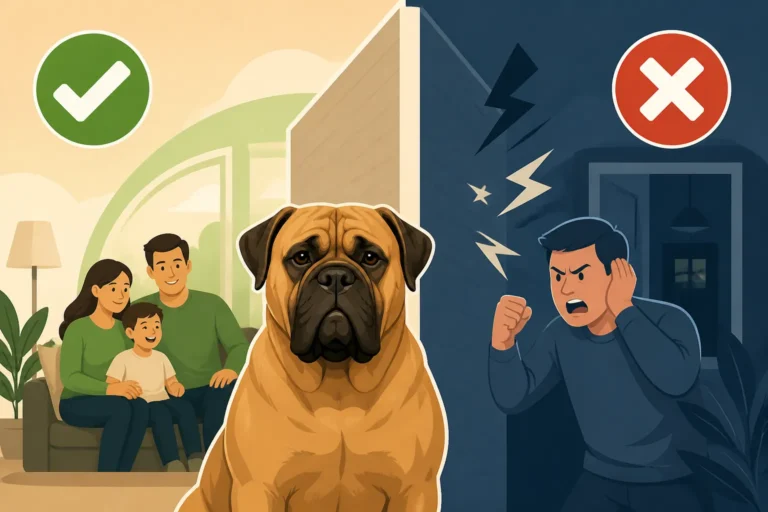
Bullmastiffs are leaners, cuddlers, and often believe they are lap dogs, regardless of their impressive bulk. While endearing, this can lead to issues if boundaries aren't established early. Many owners wish they had been more consistent about setting rules regarding furniture privileges, personal space, and not pushing past people to get what they want. It might seem harmless for a tiny puppy to claim the sofa or jump up for attention, but a 120-pound dog doing the same can be disruptive, damaging, and even dangerous, especially around children or elderly family members.
Teaching a solid "off" command for furniture and people is critical. Just like leash training, consistency is paramount. If you allow it sometimes, but not others, your Bullmastiff will simply learn to try their luck. A dedicated "place" command, teaching them to go to their bed and stay there, is invaluable for managing excited greetings or when you need them to settle while guests are over. This isn't about being mean; it's about clear communication and teaching them how to behave respectfully within the family unit.
Boundaries also extend to resource guarding. While not all Bullmastiffs exhibit this, some can become protective of their food, toys, or even their favorite human. Starting early with positive reinforcement for sharing, trading toys, and approaching their food bowl calmly (by adding extra tasty treats while they eat) can prevent these issues from developing. Understanding Whether a Bullmastiff Should Be Guard Trained clarifies that their natural protective instincts are sufficient; formal guard training can actually exacerbate problems if not handled by highly experienced professionals, and it’s often unnecessary and potentially dangerous for a family pet. Setting clear, consistent boundaries from day one helps channel their protective nature into appropriate, calm guardianship rather than aggressive defense.
Preventative Health and Handling: Comfort for Life
As our Bullmastiffs get older, or if they face health challenges, the training we did (or didn't do) around handling and cooperative care becomes incredibly apparent. Many owners express regret over not making these interactions stress-free from the start, realizing how much easier things would be during a crisis.
Cooperative Care: Making Vet Visits and Grooming Easy
Few things are more disheartening than having a giant dog who is terrified of the vet, fights every nail trim, or struggles with ear cleaning. These tasks, which are essential for a Bullmastiff's health and comfort, can become monumental struggles that stress both dog and owner. The regret often comes when a Bullmastiff develops an injury or illness that requires frequent vet visits, injections, or difficult examinations, and their fear makes the process traumatic for everyone involved. How Often a Bullmastiff's Nails Need Trimming is a recurring task, and if it's a battle every time, it impacts their foot health and your sanity.
Cooperative care is all about teaching your Bullmastiff to not just tolerate, but actively participate in their own health and grooming routines. This involves desensitization and counter-conditioning. Start small, with gentle touches to their paws, ears, and mouth, immediately followed by a high-value treat and praise. Gradually increase the duration and intensity of the touch. Introduce grooming tools like nail clippers, Dremels, and ear wipes slowly, allowing them to sniff and investigate, pairing them with treats. The goal is for your Bullmastiff to associate these tools and touches with positive rewards.
Practicing mock vet exams at home – feeling their limbs, gently looking in their ears, touching their belly – can make a world of difference when a real emergency arises. Imagine trying to explain to a vet that your injured, in pain, 130-pound dog needs an X-ray, but no one can get near their leg without a muzzle and multiple handlers because they were never taught to tolerate handling. Starting this "happy handling" from puppyhood makes all the difference for future physicals, blood draws, wound cleanings, and more. This proactive approach saves stress, time, and potentially even money by avoiding the need for sedation for routine procedures.
Bloat Prevention and Emergency Response
Bullmastiffs, like many large, deep-chested breeds, are unfortunately at risk for bloat (Gastric Dilatation-Volvulus or GDV), a life-threatening condition where the stomach fills with gas and can twist. The speed at which this can become fatal means that every second counts. Many owners regret not having trained their Bullmastiff for emergencies or not being fully prepared to recognize and act immediately on the signs. This isn't traditional "training" in the sense of commands, but it’s critical preparedness that falls under the umbrella of responsible ownership.
One aspect of training regret related to bloat often involves their eating habits. While not a direct cause, gulping food or eating too fast can be a contributing factor. Teaching your Bullmastiff to eat calmly and slowly, perhaps using a slow-feeder bowl or by feeding smaller, more frequent meals, can be beneficial. These are readily available from retailers such as Amazon. More importantly, knowing the Signs a Bullmastiff Is Bloating is a form of owner-education that many wish they had thoroughly mastered before an emergency struck. Recognizing symptoms like restlessness, unproductive retching, a distended abdomen, or excessive drooling means you can act immediately.
Beyond recognition, some owners regret not having their Bullmastiff comfortable with being quickly loaded into a car or handled by unfamiliar people in a stressful situation. In a bloat emergency, you need to get to the vet now, and having a dog who resists getting in the car or being touched by a vet tech can waste precious minutes. Practicing car rides and making them positive experiences, and ensuring your Bullmastiff tolerates being picked up (if small enough) or guided firmly, is invaluable. Having an emergency fund or pet insurance (What a Bullmastiff's Emergency Fund Should Hold) is another critical piece of preparedness that, while financial, allows you to make rapid, life-saving decisions without hesitation.
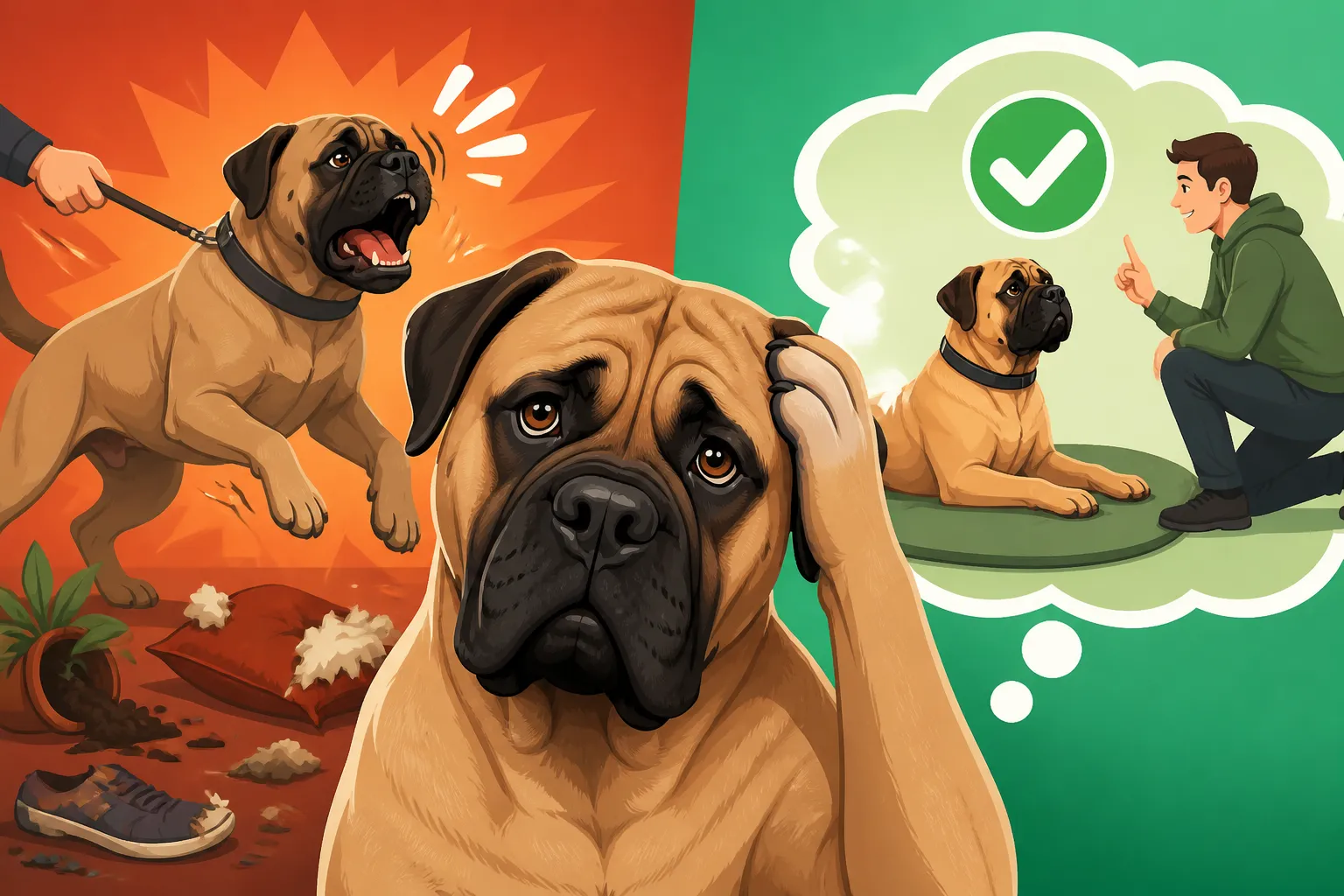
It's clear that the path to a well-adjusted, well-behaved Bullmastiff is paved with proactive, consistent training from an early age. While every Bullmastiff is an individual, many owners share common regrets that, with a little foresight, can be entirely avoided. Focusing on these foundational areas will not only make your life easier but will also ensure your Bullmastiff lives a happier, healthier, and safer life as a cherished member of your family.
| Training Aspect | Proactive Approach | Common Regret if Overlooked | Benefit to Owner & Dog |
|---|---|---|---|
| Leash Manners | Consistent loose-leash training with appropriate tools | Constant pulling, arm strain, risk of injury | Enjoyable walks, safe control in public, reduced stress |
| Impulse Control | Solid "wait" and "leave it" commands from puppyhood | Jumping on guests, counter-surfing, door dashing, grabbing items | Calm greetings, household harmony, safety from dangerous objects |
| Early Socialization | Wide, positive exposure to sights, sounds, people, places | Fear, reactivity, aggression towards strangers/dogs | Confident, adaptable dog; easy integration into various environments |
| Household Boundaries | Clear rules for furniture, personal space, resource guarding | Destructive chewing, pushy behavior, resource guarding | Respectful cohabitation, reduced conflict, clear communication |
| Cooperative Care | Positive reinforcement for handling and grooming | Terrified vet visits, battles for nail trims/ear cleaning | Stress-free essential health care, better vet/groomer experiences |
| Emergency Preparedness | Bloat symptom knowledge, car comfort, handling tolerance | Delayed emergency response, increased stress during crisis | Rapid action in emergencies, potentially life-saving outcomes |
Disclaimer
This article is for general informational purposes only and does not constitute professional advice. Laws, prices and regulations vary by location and change over time. Consult a qualified professional for guidance on your specific situation.