How Much a Bullmastiff Drools
If you've ever spent more than five minutes with a Bullmastiff, you've probably noticed it: the wet sheen on their jowls, the tell-tale string of saliva, or maybe even a delightful flick of drool across your shirt. It’s an undeniable part of owning this magnificent breed, and for many prospective owners, the question of "how much drool" is a very real, and sometimes messy, concern. This guide will dive deep into why Bullmastiffs drool, what causes those legendary slobber events, and how you can manage the mess while still celebrating your big, beloved companion.
The Wet Truth: Why Bullmastiffs Drool So Much
Let's face it, Bullmastiffs aren't exactly known for their neat eating habits or bone-dry mouths. While every dog drools to some extent – it's a vital part of their digestive process and oral health – Bullmastiffs often take it to a whole new level. This isn't a flaw; it's a characteristic built right into their impressive anatomy, a consequence of their unique facial structure and powerful jawline. Understanding the mechanics behind their legendary drool production is the first step toward living harmoniously with your big, beautiful slobber monster.
The Anatomy of a Drooler: Jowls, Lips, and Gravity
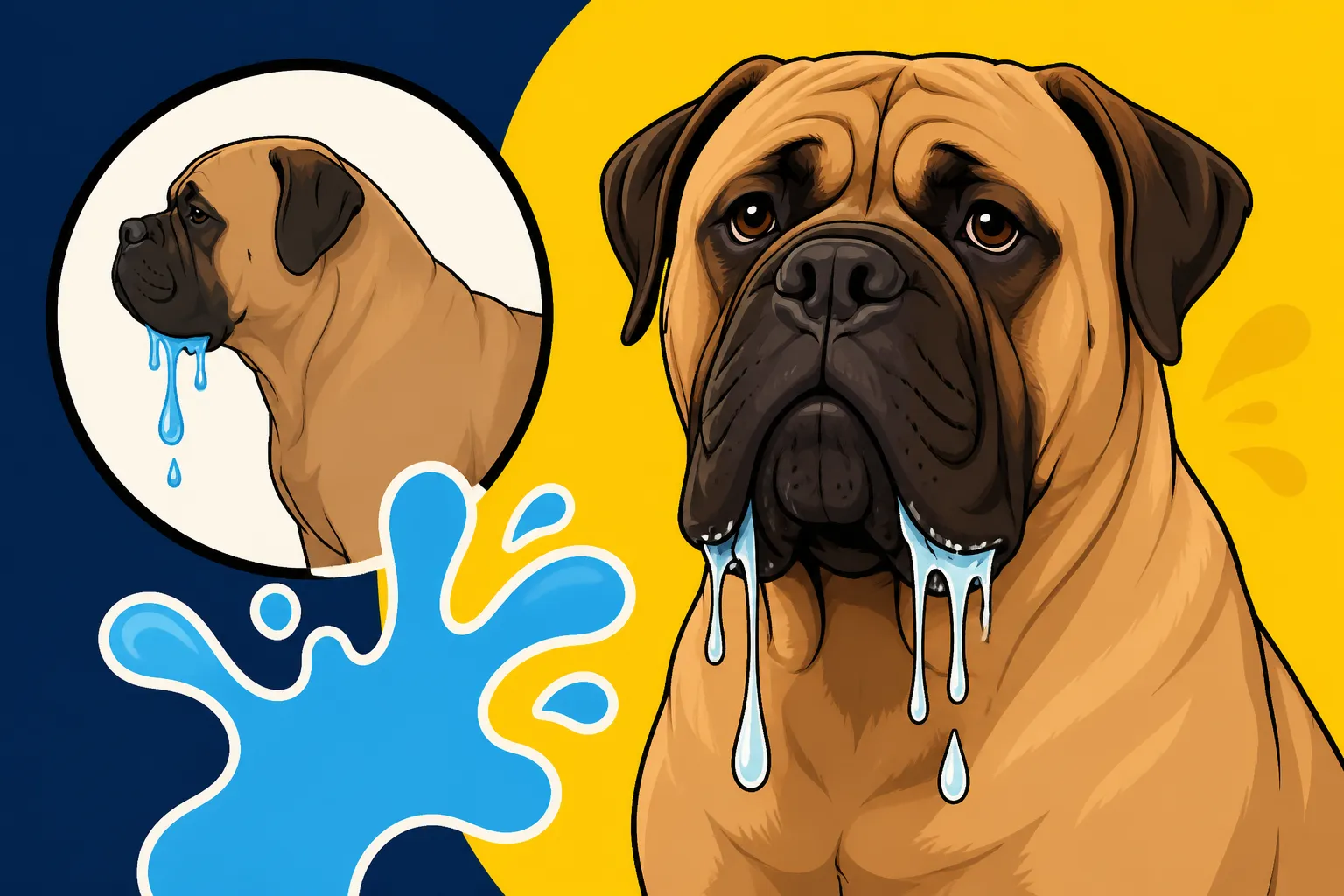
The primary reason Bullmastiffs are such prolific droolers lies in their distinctive facial conformation, particularly their jowls and lips. Unlike breeds with tight, dry lips that contain saliva effectively, Bullmastiffs possess loose, pendulous flews that hang down. These aren't just for show; they served a purpose in the breed's historical role. When a Bullmastiff historically apprehended a poacher, it was bred to hold rather than bite, and those jowls would have provided some protection. However, a byproduct of these wonderful, wrinkly jowls is that they create natural pockets where saliva collects.
Think of it like a leaky bucket. Your Bullmastiff's salivary glands are working just fine, producing all the necessary digestive juices. But instead of being neatly swallowed or staying within the confines of a taut mouth, that saliva pools in these loose folds. When your dog shakes their head, yawns, drinks, or gets excited, gravity and momentum take over, sending those strings and droplets flying. It's not that they produce more saliva than other dogs per se; it's that their facial structure is less efficient at containing it. The sheer size of a Bullmastiff's head also means there's more surface area and more "bucket" to fill.
Natural Saliva Production and Its Purpose
Saliva is crucial for a dog's health and well-being, regardless of breed. It kickstarts the digestive process by breaking down food, moistens dry kibble to make it easier to swallow, and helps clean teeth by washing away food particles and bacteria. Saliva also contains enzymes that protect against tooth decay and gum disease, though Bullmastiffs, like all dogs, still need regular dental care. Their larger size, and potentially larger meals, might mean their bodies produce a robust amount of saliva to handle the task.
For a Bullmastiff, an adequate amount of saliva helps them process their food effectively, especially if they're eating quickly. It's also a part of their instinctual responses, particularly when they anticipate food. So, while the visible drool can be a nuisance, remember that it's a sign of a healthy, functioning digestive system and a dog ready for its next meal or exciting treat. It's a natural bodily function, just a bit more… external in the Bullmastiff compared to, say, a German Shepherd.
What Triggers the Floodgates: Common Drool Scenarios
If you own a Bullmastiff, you quickly learn that some situations are almost guaranteed to lead to a symphony of slobber. These aren't random events; they're predictable triggers rooted in their physiology, instincts, and even their emotional state. Understanding these common scenarios can help you prepare for the inevitable and perhaps even get a chuckle out of the sheer volume.
Mealtime Mania and Anticipatory Drooling
Ah, the "dinner bell" effect! This is perhaps the most common and dramatic cause of Bullmastiff drool. The moment they hear the rustle of the food bag, the clatter of the bowl, or catch the scent of their favorite treat, their salivary glands go into overdrive. It's a classic Pavlovian response: their body prepares for food by producing an abundance of saliva to aid digestion. This is often accompanied by excited tail wags, insistent stares, and sometimes, a little whine.
You'll see it as thick ropes of drool stretching from their jowls, sometimes even creating a small puddle on the floor. If you’re cooking something particularly aromatic, like a juicy steak or chicken, don't be surprised if your Bullmastiff posts up in the kitchen, offering moral support (and plenty of drool) while you prepare your meal. It’s their way of saying, "I'm ready, let's eat!" and their bodies are already anticipating the deliciousness to come.
Heat, Exercise, and Brachycephalic Breathing
Bullmastiffs, with their short muzzles and dense builds, are highly susceptible to overheating, and excessive drooling often accompanies their efforts to cool down. Unlike humans who sweat all over their bodies, dogs primarily cool themselves through panting. When a Bullmastiff pants vigorously, especially in warm or humid conditions, they produce a lot of saliva, and that saliva quickly drips and flies from their open mouths and loose jowls. This is why you'll notice a significant increase in drooling after a walk on a warm day, or if they've been playing energetically in the yard.
Humidity exacerbates this issue because it makes it harder for dogs to cool themselves effectively through evaporation. If you live in a hot, humid climate, your Bullmastiff will likely be a much droolier dog than one living in a cooler, drier environment. It's a critical sign to watch for; increased panting and drooling in high temperatures can quickly escalate into a dangerous situation like heatstroke. Always be vigilant about Why a Bullmastiff Overheats So Easily and ensure they have access to shade and cool water, especially during the warmer months.
Stress, Anxiety, and Car Sickness
Just like humans might get a dry mouth when nervous, dogs can sometimes do the opposite: produce an excess of saliva when stressed or anxious. For Bullmastiffs, this can manifest as an increase in drooling. Common triggers include trips to the vet, visits from unfamiliar guests, loud noises like thunderstorms or fireworks, or even separation anxiety if left alone for too long. Their bodies react to perceived threats or discomfort by ramping up certain physiological responses, and hypersalivation can be one of them.
Car sickness is another common culprit. Many dogs, particularly puppies or those not acclimated to car travel, can experience motion sickness. This often presents with excessive drooling, licking lips, yawning, and sometimes eventually vomiting. If you notice your Bullmastiff drooling profusely in the car, it's worth considering if they might be feeling nauseous. Addressing the underlying anxiety or car sickness can help reduce this type of drooling.
Beyond Normal Drool: When to Be Concerned
While a certain amount of drool is par for the course with a Bullmastiff, it's important to recognize when excessive or unusual drooling might signal an underlying health issue. Not all slobber is created equal, and a sudden change in volume, consistency, or accompanying symptoms should always prompt a call to your veterinarian. Early detection of problems can make a big difference in your dog's health and comfort.
Dental Issues and Oral Pain
One of the most common causes of increased drooling, or drooling that seems unusual, is pain or irritation in the mouth. Just imagine if you had a toothache; you might find yourself salivating more or trying to chew differently. For a Bullmastiff, dental problems can range from plaque and tartar buildup leading to gingivitis, to a fractured tooth, an abscess, or even a foreign object lodged between their teeth or in their gums. These issues can cause discomfort, making them hypersalivate.
Beyond just the quantity, pay attention to the quality of the drool. Is it thicker, stringier, or does it have an unusual odor? Foul-smelling breath, difficulty eating, pawing at the mouth, or swelling around the jawline, combined with increased drooling, are all red flags that warrant a veterinary check-up. Regular dental care and routine checks are vital for your Bullmastiff's overall health. Remember, How Often a Bullmastiff's Teeth Need Cleaning can directly impact their comfort and how much they might drool from pain.
Nausea, GI Upset, and Other Health Concerns
Drooling can also be a significant indicator of nausea or general gastrointestinal upset. If your Bullmastiff has eaten something they shouldn't have, is experiencing an adverse reaction to food, or is coming down with an illness, increased salivation is often one of the first signs of nausea before vomiting begins. This kind of drooling might appear foamy or frothy.
More gravely, a sudden onset of profuse, foamy drooling, especially if accompanied by restlessness, pacing, unproductive retching, or a distended abdomen, can be a symptom of bloat (gastric dilatation-volvulus or GDV). This is a life-threatening emergency common in deep-chested breeds like the Bullmastiff. If you suspect bloat, time is absolutely critical, and you need to seek emergency veterinary care immediately. Understanding Signs a Bullmastiff Is Bloating could save your dog's life. Other, less acute, internal issues can also cause increased drooling, so if it's persistent and unexplained, a vet visit is always prudent.
Allergies, Infections, or Skin Folds Issues
Bullmastiffs, with their lovely wrinkles and folds, particularly around their muzzle and jowls, can sometimes develop skin fold dermatitis or infections in these areas. Moisture and warmth create a perfect breeding ground for bacteria or yeast. If the skin within these folds becomes irritated, red, itchy, or infected, your dog might produce more saliva as a response, or the existing drool could exacerbate the infection, leading to a vicious cycle. You might notice them rubbing their face more, or the drool might have a noticeable odor.
Additionally, environmental allergies can sometimes manifest with excessive drooling, as dogs may lick or chew at irritated areas around their mouths. Keep an eye out for redness, swelling, or any unusual discharge from the skin folds. Regular cleaning and drying of these areas are crucial preventive measures. For more in-depth information, you can read about Skin Fold Infections on a Bullmastiff. If you notice persistent irritation or a foul smell, consult your vet for appropriate treatment.
Practical Strategies for Living with a Drooly Bullmastiff
Living with a drooly Bullmastiff isn't about eliminating drool entirely – that's impossible and unnatural. Instead, it's about managing it effectively, keeping your home clean, and ensuring your dog is comfortable and healthy. With a few simple strategies and the right mindset, you can keep the slobber under control without dampening your love for your gentle giant.
Wiping, Bibs, and Cleaning Routines
The most direct line of defense against Bullmastiff drool is good old-fashioned wiping. Keep dedicated "drool rags" strategically placed throughout your home: near their food and water bowls, by the front door, on the sofa, and even in your car. Microfiber cloths work wonders for their absorbency and are easy to wash. Old hand towels or even dedicated pet towels found on platforms like Chewy or Amazon are excellent choices. You'll quickly become an expert at the discreet, swift jowl wipe.
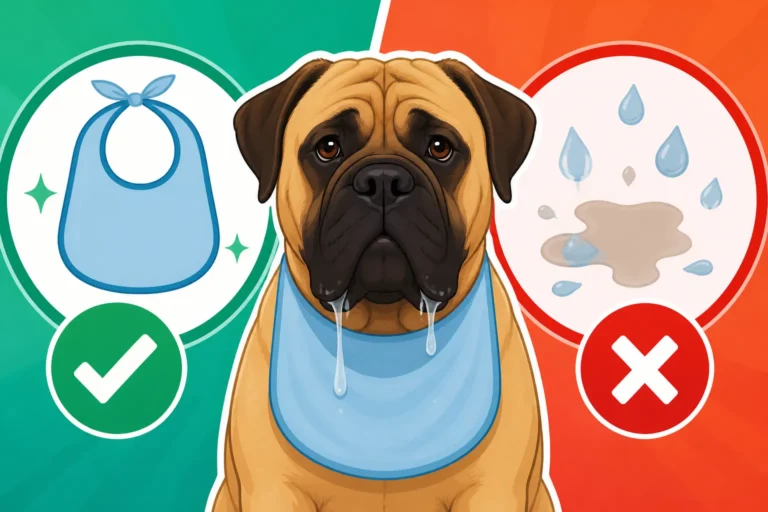
For those truly epic droolers, or for specific situations like car rides or vet visits, a drool bib can be a lifesaver. These are essentially absorbent bandanas that catch the drips before they hit your clothes or furniture. Many styles are available, from simple cotton to more waterproof-backed options, offering a practical solution. To explore this further, check out Whether a Bullmastiff Needs a Drool Bib. Beyond immediate wiping, regular cleaning of your Bullmastiff's jowls and facial folds is crucial. This not only removes dried drool and odor but also prevents skin irritation and infections. A quick daily wipe with a damp cloth, followed by thorough drying, can make a huge difference. For a detailed guide on this, refer to How to Clean a Bullmastiff's Jowls.
Smart Feeding Choices and Environment Management
How and what your Bullmastiff eats can also influence drool production and mess. While some owners experiment with food types, there's no magic bullet food that will eliminate drool. However, feeding practices can help. Consider using a slow feeder bowl if your Bullmastiff tends to gulp down their food. Eating more slowly can reduce the frantic anticipation and accompanying drool, and it's also beneficial for digestion and bloat prevention. Some owners also prefer to feed fresh, moist foods, like those offered by brands such as Ollie, though the overall consistency of the food might still generate drool. It's often more about the excitement of the meal itself.
After meals, it’s a good idea to immediately wipe your Bullmastiff's mouth and jowls. Encourage them to rest quietly for a period after eating and drinking to reduce the chances of post-meal drool flinging. Position water bowls in easy-to-clean areas, and consider a deep, heavy bowl that's harder to tip over but easier for them to drink from without making too much of a splash. You might also notice more drool if your Bullmastiff drinks from a standard-height bowl, as they have to bend down more awkwardly.
Protecting Your Home and Possessions
Preparing your home for a drooly Bullmastiff involves a mix of practical choices and a dash of acceptance. Investing in washable furniture covers and throws is a smart move. Look for durable, machine-washable slipcovers on Amazon that can be easily removed and laundered. Leather or faux leather furniture can also be a good choice, as it's easier to wipe clean than fabric. Strategically placed towels on favorite sleeping spots or near doorways can catch incidental drips.
When it comes to cleaning drool off surfaces, acting quickly is key. For walls, a damp cloth with a mild all-purpose cleaner usually does the trick. For furniture, check the cleaning instructions for the fabric. For more detailed advice, you can find a dedicated guide on How to Clean Bullmastiff Drool Off a Wall. Remember, it’s not just about cleaning, but also about choosing materials that are forgiving and easy to maintain. Accepting that your home might have a perpetual "lived-in" feel with a few drool marks is part of the Bullmastiff owner experience.
The Bullmastiff Drool Factor: A Labor of Love
Ultimately, owning a Bullmastiff means accepting a certain level of drool. It's an integral part of their unique charm, a quirky characteristic that comes with the territory of sharing your life with such a magnificent and loving breed. While the occasional string of slobber on your clothes or a mysterious wet spot on the floor might test your patience, the joy and companionship these dogs offer far outweigh the minor inconveniences.
Acceptance: It's Part of the Breed's Charm
For many Bullmastiff owners, the drool becomes less of a problem and more of an endearing quirk. It's a sign of their breed, a testament to their powerful presence and affectionate nature. You learn to carry a "slobber cloth" with pride and develop a zen-like acceptance of the occasional wet facial greeting. It's just part of their Bullmastiff-ness, a reminder of their historical role, their impressive build, and their deeply loyal personality.
Instead of fighting it, embrace it. Teach your family and friends the art of the quick wipe. Laugh when a perfect drool strand hangs mid-air, catching the light just so. The drool is a small price to pay for the unwavering devotion, calm demeanor, and incredible protective instinct that makes the Bullmastiff such a special companion. Many owners reflect that Whether a Bullmastiff Is Worth the Short Years, including the drool, is an unequivocal yes.
Preparing for a Lifetime of Loving Slobber
Before bringing a Bullmastiff into your home, it's wise to set realistic expectations. Understand that drool will be a part of your daily life. This means thinking about your lifestyle, your home furnishings, and your tolerance for a bit of mess. Do you have delicate fabrics everywhere? Are you a stickler for pristine, spotless surfaces? If so, you might need to adjust your expectations or invest heavily in protective measures.
However, with proper preparation—stocking up on cleaning supplies, choosing washable furniture, and establishing a regular wiping routine—you can keep the drool manageable. More importantly, focus on the incredible bond you'll build with your Bullmastiff. Their gentle nature, loyalty, and imposing yet affectionate presence will quickly make you forget about the minor inconveniences of a little extra slobber. It’s a small trade-off for the immense love and joy they bring into your life.
Disclaimer
This article is for general informational purposes only and does not constitute professional advice. Laws, prices and regulations vary by location and change over time. Consult a qualified professional for guidance on your specific situation.