What a Bullmastiff Puppy Eats at Four Months
Welcoming a four-month-old Bullmastiff puppy into your home is an absolute joy, filled with clumsy paws, adorable wrinkles, and a seemingly endless appetite. But let's be honest, feeding a giant breed puppy can feel like navigating a minefield, with so much conflicting advice out there about growth, nutrients, and how much is too much. This guide is here to cut through the noise, offering clear, empathetic advice on exactly what your four-month-old Bullmastiff puppy needs to eat for healthy, steady growth.
The Bullmastiff Puppy at Four Months: A Period of Critical Development
At four months old, your Bullmastiff puppy is in a whirlwind of growth, transforming from a hefty bundle of fluff into a more substantial, albeit still awkward, adolescent. This phase is exhilarating to watch, but it also carries significant responsibilities, particularly regarding their diet. Getting their nutrition right now can literally shape their health for years to come, influencing everything from their joint integrity to their overall lifespan. It's not just about getting them big; it's about getting them right.
Understanding Their Growth Trajectory
Bullmastiff puppies, like all giant breeds, grow at an astonishing rate during their first year, often gaining several pounds a week at this age. This rapid increase in size is exciting for proud owners, but it's a double-edged sword. While it’s natural for them to grow quickly, it's crucial that this growth is controlled and steady, not accelerated. Their bones, joints, and organs are under immense developmental pressure, and any undue stress during this period can have serious, long-lasting consequences. It’s far more beneficial to aim for a lean, gradual growth curve than to push for maximum size in record time.
This period is particularly significant because your puppy's growth plates – the areas of cartilage at the ends of long bones where new bone is produced – are still open and highly vulnerable. Over-nutrition, especially an excess of calories or a skewed balance of certain minerals, can force these plates to close prematurely or to grow unevenly. This directly increases the risk of developmental orthopedic diseases, such as hip and elbow dysplasia, which Bullmastiffs are already genetically predisposed to. It’s a delicate balance to strike, providing ample sustenance without overtaxing their still-forming skeletal structure. Many new owners, understandably, want their puppies to be robust, but a chunky four-month-old Bullmastiff is actually a red flag, indicating potential future orthopedic issues. We often talk about Why a Bullmastiff Puppy Should Be Kept Lean, and this critical concept truly begins with understanding and managing their unique growth trajectory from this young age.
Unique Nutritional Needs for Growing Giant Breeds
It's vital to recognize that a four-month-old Bullmastiff puppy isn't just a bigger version of a small or medium-breed puppy; their nutritional requirements are fundamentally distinct. A diet perfectly suitable for a Chihuahua or a Labrador puppy could be detrimental to a Bullmastiff. Giant breeds need a diet specifically formulated to support slower, more controlled growth, primarily through carefully calibrated levels of protein, fat, and, most critically, precise mineral ratios. High-calorie, nutrient-dense foods designed for "all puppy sizes" can often be far too rich and contribute to the very rapid growth we are trying to avoid in Bullmastiffs.
The key differentiator in giant breed puppy food lies in the precise balance of calcium and phosphorus. While all puppies require these minerals for bone development, too much calcium, or an incorrect calcium-to-phosphorus ratio, can severely interfere with the normal maturation of a Bullmastiff’s bones. This can lead to conditions like osteochondrosis dissecans (OCD), where cartilage fails to develop into bone properly, creating painful flaps within joints. These specialized large breed formulas aim for optimal bone development rather than simply maximizing bone mass, helping to mitigate the skeletal problems that unfortunately plague many rapidly growing large breeds. It truly highlights that it’s not merely about providing enough food, but about providing the right kind of food, with the correct nutritional profile for their unique needs. Understanding Which Calcium and Phosphorus Levels a Bullmastiff Needs is a cornerstone of responsible giant breed puppy feeding.
Deciphering the Diet: Choosing the Best Food Type and Ingredients
Navigating the pet food market can be overwhelming, with countless brands and varieties vying for your attention. For your four-month-old Bullmastiff puppy, making the right choice now is paramount, as it lays the foundation for their health. This isn't a time for guesswork; it's a time for informed decisions that prioritize their long-term well-being over trendy fads.
Why Large Breed Puppy Food is Essential
When you're sifting through the vast options available, whether you're browsing the aisles of your local pet store or scrolling through pages on Chewy or Amazon, your focus for your Bullmastiff puppy should narrow dramatically to only those formulas specifically labeled "large breed puppy" or "giant breed puppy." This isn't just clever marketing; it’s a critical health distinction that every Bullmastiff owner needs to understand and adhere to. These specialized foods are intentionally crafted to be lower in calories and fat compared to generic "all life stages" or "regular puppy" foods. This caloric reduction is deliberate, designed to prevent the undesirable rapid weight gain and accelerated growth that can damage a Bullmastiff's developing joints.
Crucially, large breed puppy formulas also feature carefully adjusted calcium and phosphorus levels. As we've touched upon, an excess of these minerals, particularly calcium, can be incredibly damaging to a rapidly growing Bullmastiff's skeletal system. These diets are formulated to promote optimal, steady bone development, rather than promoting maximum growth speed, which directly reduces the risk of developmental orthopedic diseases like hip and elbow dysplasia. These are conditions that Bullmastiffs are already predisposed to, and proper nutrition can be a powerful preventative tool. Choosing the right food early on is an investment in their future mobility and comfort, potentially saving you from expensive and painful joint issues later in life, issues that might otherwise arise around the time you’d be thinking about The Age a Bullmastiff Gets Arthritis. Think of it as building a strong, stable skyscraper slowly, rather than rushing to throw up walls on an unstable foundation.
Key Ingredients and What to Look For (and Avoid)
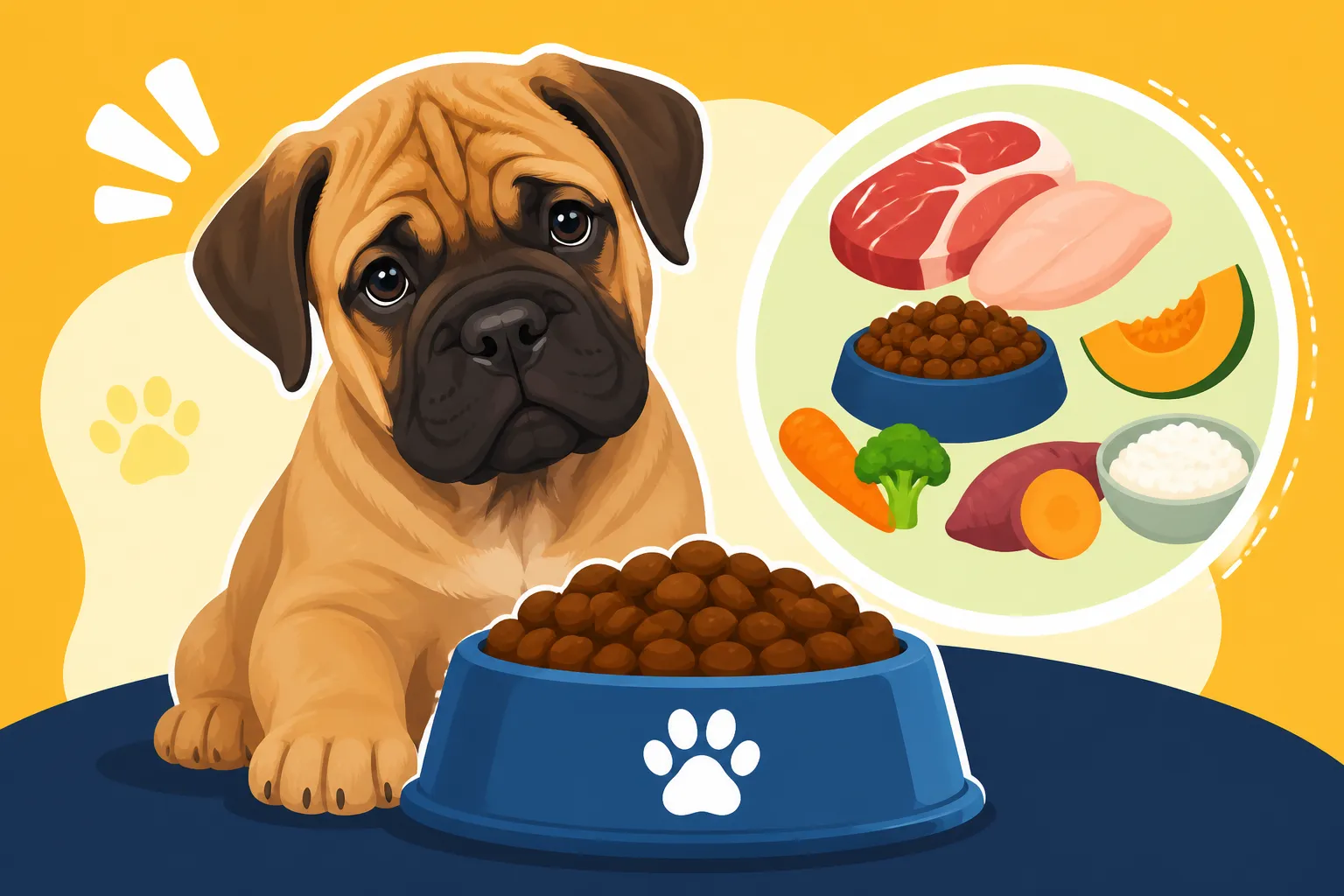
Once you've smartly narrowed your choices to large breed puppy foods, it's time to become a detective and scrutinize the ingredient list. The first ingredient listed should always be a named, high-quality meat protein, such as chicken, lamb, beef, or salmon. This indicates that the food's primary protein source is from an animal, which is essential for muscle development and overall health. Avoid foods where the first few ingredients are vague "meat meals" without specification, or where the list starts predominantly with grains or plant-based proteins, as this can signal a lower quality protein source.
Look for digestible carbohydrates like brown rice, oats, barley, or sweet potatoes. These provide sustained energy for your active, growing puppy without causing blood sugar spikes. Healthy fats, often sourced from animal fats (like chicken fat) or plant-based options like flaxseed, are also vital for skin and coat health, cell function, and providing concentrated energy. On the flip side, be wary of ingredients lists laden with artificial colors, flavors, and preservatives. These offer absolutely no nutritional benefit to your Bullmastiff and can sometimes trigger sensitivities or digestive upsets. Generally, a simpler, more transparent ingredient list with recognizable whole foods is a good sign of a well-formulated diet.
While grain-free diets enjoyed immense popularity for a time, recent research and reports from veterinary cardiologists have raised concerns about a potential link to dilated cardiomyopathy (DCM) in some breeds. Unless your veterinarian specifically recommends a grain-free diet due to a confirmed, diagnosed allergy in your individual Bullmastiff puppy, a diet that includes healthy, digestible grains is generally considered a safer and more balanced choice for long-term health. Always prioritize foods that have undergone rigorous feeding trials and meet or exceed the nutritional standards set by organizations like the Association of American Feed Control Officials (AAFCO) for large breed puppy growth. The question of Whether a Bullmastiff Should Eat Grain Free is a complex one, and it's always best to have that conversation with your trusted veterinarian to make the most informed decision for your unique dog.
Practical Feeding: How Much, How Often, and the Right Environment
Choosing the right food is only half the battle; how you actually feed your four-month-old Bullmastiff puppy is equally critical. Portion control, meal scheduling, and even the post-meal routine can all significantly impact their health, especially for a giant breed prone to certain conditions.
Portion Control: Getting the Quantity Just Right
The feeding guidelines printed on your bag of large breed puppy food are a necessary starting point, but it's crucial to understand that they are just that – guidelines. Every Bullmastiff puppy is an individual, and their metabolic rate, activity level, and exact growth rate will vary. At four months, your puppy is indeed gaining weight rapidly, but the overriding goal is controlled, steady growth, not maximum heft. This means you, as their owner, need to become adept at regularly assessing your puppy’s body condition. This isn't something you can set and forget.
You should be able to easily feel your four-month-old Bullmastiff puppy's ribs with gentle pressure, similar to feeling the back of your hand, but you shouldn't see them prominently. When viewed from above, your puppy should have a discernible "waist" – an inward tuck behind their rib cage. From the side, there should be an abdominal tuck, where their belly isn't hanging low but curves up towards their hind legs. If you struggle to feel their ribs without significant pressure, or if they look distinctly round and bulky, you are likely overfeeding. Conversely, if their ribs are very prominent and they appear too lean, they might need a slight increase in their daily intake. It's always best to consult your veterinarian for an accurate assessment and to help you fine-tune portion sizes based on their expert eye. They can teach you How to Feel a Bullmastiff's Ribs properly, ensuring you’re not guessing.
Remember, an extra handful of kibble here and there can quickly accumulate, especially for a giant breed puppy whose caloric needs are already substantial. It is far, far better to err on the side of slightly lean during this critical growth period. An overweight puppy is placing undue, dangerous strain on its developing joints, dramatically increasing the risk of lifelong orthopedic issues and chronic pain. Don’t be afraid to adjust their daily intake by a quarter or half cup as needed, monitoring their body condition closely week by week. Your veterinarian is your best partner in this delicate balancing act.
Meal Schedule and Preventing Bloat
For a four-month-old Bullmastiff puppy, feeding two to three times a day is generally the recommended approach. Splitting their total daily caloric intake into multiple smaller meals offers several significant benefits. Firstly, it helps prevent them from eating too quickly and consuming a large volume of food all at once, which is a major contributing factor to gastric dilatation-volvulus (GDV), commonly known as bloat. Bloat is a life-threatening emergency that Bullmastiffs are particularly susceptible to, where the stomach fills with gas and can twist, cutting off blood supply. A consistent, regular feeding schedule also aids in more stable digestion and can even help with house training by creating predictable potty times.
After each meal, it is absolutely, unequivocally crucial to enforce a strict period of rest. For at least one to two hours, your Bullmastiff puppy should not engage in strenuous exercise, boisterous play, or excessive running. This quiet period allows their stomach to digest food without being jostled or twisted, serving as a vital preventative measure against bloat. Many owners, eager for their puppies to burn off energy, underestimate how critical this post-meal rest period is. A quiet chew toy, a short training session focusing on calm behaviors, or simply a cuddle on the sofa is perfect; no zoomies, no wrestling with other dogs, no long walks. This advice is not just good practice; it's a critical safety measure, as discussed in Why a Bullmastiff Should Rest After Eating.
To further slow down rapid eaters (and many Bullmastiffs will vacuum their food in seconds!), consider investing in a slow-feeder bowl or spreading their kibble across a wide, flat baking sheet. This forces them to forage and eat at a more measured pace, reducing the amount of air they might swallow along with their food. While the debate continues on the effectiveness of raised bowls for bloat prevention, some owners find them more comfortable for their large, growing puppies. However, the consistent schedule and strict post-meal rest are truly non-negotiable for their safety.
Additional Considerations for Your Bullmastiff Puppy’s Diet
Beyond the main meals, there are other aspects of your Bullmastiff puppy's diet that require careful attention. Treats, supplements, and even simple hydration all play a role in their overall health and development. Making wise choices in these areas can further support their well-being and prevent common pitfalls.
The Role of Treats and Supplements
Treats can be an incredibly powerful and positive tool for training and bonding with your four-month-old Bullmastiff puppy. They are fantastic motivators for teaching new commands and reinforcing good behavior. However, moderation is absolutely key. The calories from treats contribute to your puppy's total daily intake, and it’s surprisingly easy to inadvertently overfeed a giant breed puppy if you're too generous with snacks. Opt for small, low-calorie training treats, or even better, use a portion of their regular kibble as rewards during training sessions. Avoid giving large amounts of human food, as many common human foods can be unhealthy, toxic, or simply too rich, potentially upsetting their delicate digestive systems and leading to nutritional imbalances or obesity.
When it comes to supplements, a "less is more" approach is often the wisest. If your Bullmastiff puppy is on a high-quality, commercially formulated large breed puppy food, it should already contain all the necessary vitamins, minerals, and nutrients in the correct, balanced ratios for optimal growth. Adding extra calcium or other "bone-building" supplements without specific veterinary guidance can actually be harmful, contributing to the very skeletal development issues we’re trying to prevent. While your vet might recommend a joint supplement later in your Bullmastiff's life, at four months, it’s usually unnecessary and potentially counterproductive to their natural, controlled growth. This directly relates to the important question of Whether a Bullmastiff Needs Joint Medication Early.
Always, always discuss any potential supplements with your veterinarian first. They can assess your puppy's individual needs, evaluate their current diet, and recommend specific products if there's a genuine deficiency or a diagnosed medical condition that warrants supplementation. Remember, commercial pet foods are formulated by veterinary nutritionists to be nutritionally complete and balanced; trying to "improve" upon them with unresearched or unnecessary supplements can do more harm than good, especially during such a crucial and sensitive growth phase.
Water Intake and Avoiding Common Mistakes
Fresh, clean water should be available to your four-month-old Bullmastiff puppy at all times. Hydration is absolutely vital for every single bodily function, including efficient digestion, proper nutrient absorption, waste elimination, and critical temperature regulation. Bullmastiffs, being large dogs, have significant water needs and can drink a surprising amount throughout the day. Ensure their water bowl is always full and sparkling clean, changing the water multiple times a day to keep it fresh and free of debris. If you ever notice a sudden, drastic increase or decrease in your puppy's water intake, it’s definitely worth a call to your veterinarian, as it can be an indicator of underlying health issues.
One of the most common and potentially detrimental mistakes new Bullmastiff owners make is switching their puppy to adult dog food too early, or opting for an "all life stages" food without thoroughly verifying its suitability. While some "all life stages" foods might technically meet large breed puppy nutritional guidelines, it is imperative to confirm this with the manufacturer and your vet. The safest and most recommended approach for your Bullmastiff's long-term health is to stick to a specifically formulated large breed puppy food until they are closer to 12-18 months of age, and sometimes even up to two years, depending on their individual growth rate and your veterinarian's advice. The question of When a Bullmastiff Moves to Adult Food isn't just about calendar age, but about skeletal maturity.
Another critical pitfall to actively avoid is blindly following bag measurements without also considering your puppy’s individual body condition score. As we discussed earlier, every puppy is unique. Make it a routine practice to regularly feel their ribs, check their waistline, and consult your veterinarian during check-ups to ensure they are maintaining an ideal, lean weight and growing steadily, rather than appearing chunky or overweight. This proactive, hands-on approach to feeding will set your Bullmastiff up for the healthiest possible start, significantly minimizing the risks of painful and costly orthopedic issues later in their life. Your dedication now will pay dividends in their happiness and longevity.
| Aspect | Recommendation for 4-Month-Old Bullmastiff Puppy | Why It's Important |
|---|---|---|
| Food Type | Large/Giant Breed Puppy Formula | Formulated for controlled growth; balanced calcium/phosphorus to protect joints. |
| Ingredients | Named meat protein first; digestible carbs; healthy fats; minimal fillers. | Ensures high-quality muscle development and sustained energy without unnecessary additives. |
| Meal Frequency | 2-3 meals per day | Reduces bloat risk; aids digestion; helps regulate blood sugar. |
| Portion Control | Based on body condition (ribs easily felt, visible waist) | Prevents overfeeding and rapid growth, protecting vulnerable growth plates and joints. |
| Post-Meal Activity | 1-2 hours of strict rest | Critical for bloat prevention; allows food to digest without stomach torsion risk. |
| Treats | Small, low-calorie, or kibble portions | Useful for training but avoid excess calories and human food to maintain nutritional balance and weight. |
| Supplements | Generally unnecessary unless vet-prescribed | Quality large breed food is balanced; excess minerals can harm bone development. |
| Hydration | Fresh, clean water available at all times | Essential for all bodily functions, digestion, and temperature regulation. |
Disclaimer
This article is for general informational purposes only and does not constitute professional advice. Laws, prices and regulations vary by location and change over time. Consult a qualified professional for guidance on your specific situation.