Raw Feeding a Bullmastiff
The idea of feeding your Bullmastiff a raw diet often comes from a deep desire to give them the absolute best, something that feels more natural, primal even. You might be looking at all those processed kibbles and wondering if there's a better way, a way to boost their health, shine their coat, and give them energy that truly reflects their magnificent breed. It’s a compelling thought, but diving into raw feeding for such a large, unique breed like a Bullmastiff comes with its own set of considerations, responsibilities, and sometimes, a whole lot of questions that can feel overwhelming. This guide is here to help you navigate those waters, understanding what raw feeding truly entails, its potential benefits, the critical risks, and the practicalities of making it work safely for your big, lovable companion.
Understanding What Raw Feeding Really Means for Your Bullmastiff
When people talk about "raw feeding" for dogs, it's not always a single, straightforward concept. It actually encompasses a few different approaches, all centered around feeding uncooked, unprocessed ingredients. For a breed like the Bullmastiff, whose robust build and specific health concerns demand careful nutrition, understanding these nuances is key.
The Philosophy Behind Raw Diets
At its heart, raw feeding seeks to replicate the diet a wild canine might consume, before domestication and the advent of commercial kibble. The proponents of raw feeding often argue that dogs, despite thousands of years of evolving alongside humans, still thrive best on a diet rich in raw meat, bones, and organs, with some plant matter thrown in for good measure. They believe this approach provides superior nutrition, leading to benefits that can range from better digestion and cleaner teeth to improved coat health and more stable energy levels. It’s about getting back to basics, avoiding fillers, artificial preservatives, and highly processed ingredients that some believe can contribute to various health issues over time. This philosophy resonates deeply with many Bullmastiff owners who are committed to proactive health management for their beloved giants.
Different Approaches to Raw Feeding
There isn't just one way to "go raw." The two most common methods you'll hear about are the BARF (Biologically Appropriate Raw Food or Bones and Raw Food) diet and the Prey Model Raw (PMR) diet. Both aim for a similar outcome but differ slightly in their composition.
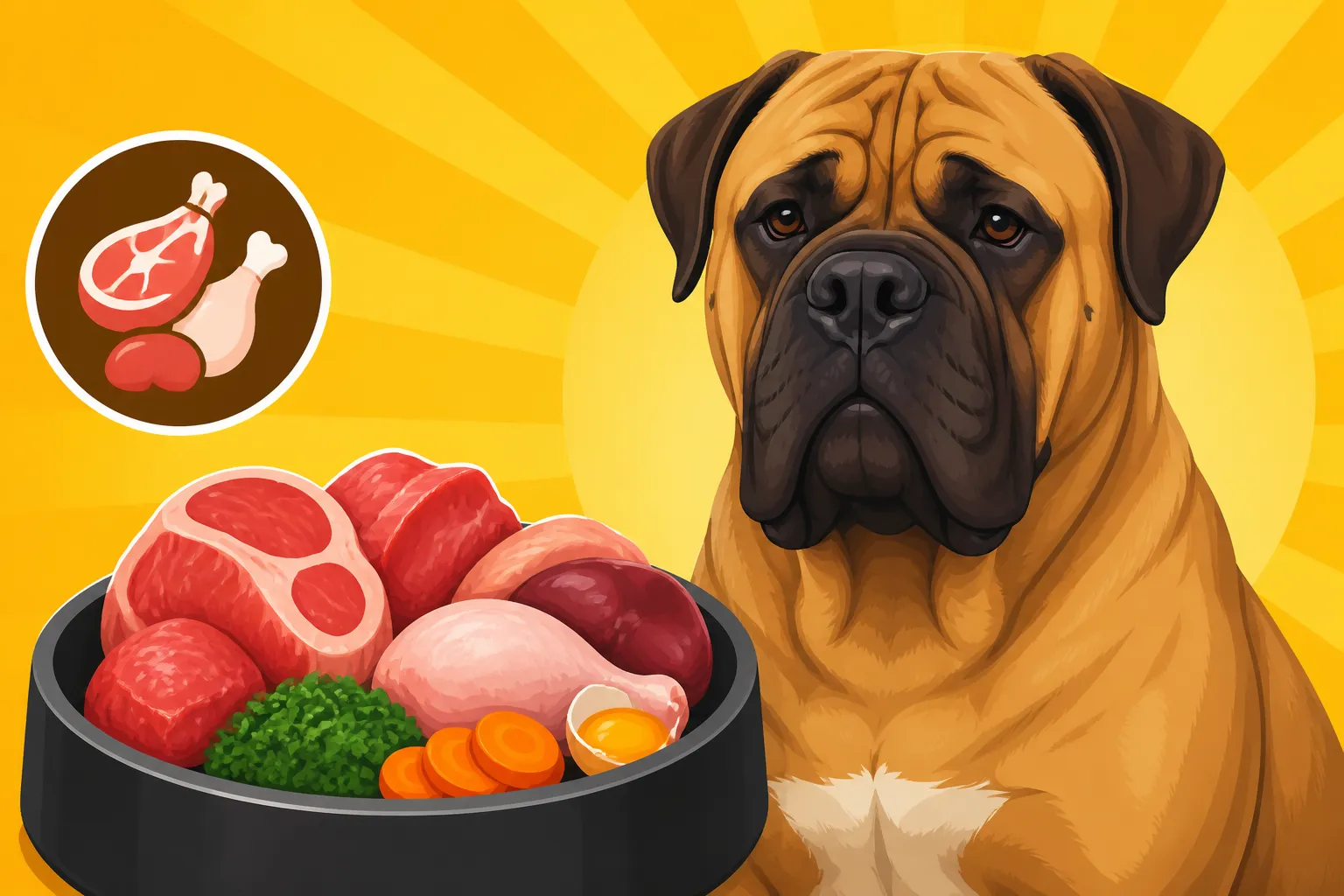
- BARF Diet: This approach is perhaps the most widely known. It typically consists of about 70-80% raw muscle meat, 10% raw bone (often ground or whole, depending on the dog and bone type), 5-10% organs (liver and other secreting organs), and 5-10% fruits, vegetables, and sometimes supplements like eggs or fermented foods. The idea here is to provide a balanced diet that includes a wider variety of nutrients, including those found in plant matter, mimicking what a wild animal might consume from the stomach contents of its prey, or foraging. For a Bullmastiff, getting the bone content right is absolutely crucial, especially if you're dealing with a growing puppy, as too much or too little can lead to serious developmental problems. Feeding a Bullmastiff Puppy So It Grows Slowly is a must-read if you're considering raw for a young pup.
- Prey Model Raw (PMR) Diet: This approach is simpler and closer to what a wild predator would eat: 80% raw muscle meat, 10% raw edible bone, and 10% organs (half of which should be liver). There are no fruits, vegetables, or grains in a pure PMR diet, as the belief is that dogs do not need these components and obtain all necessary nutrients directly from the animal source. This model often involves feeding whole prey items or large cuts of meat to encourage natural chewing and digestion, which can be quite a sight with a Bullmastiff!
- Commercial Raw Diets: For those who are intrigued by raw feeding but daunted by the DIY aspect, there's a growing market for commercially prepared raw dog food. Brands like Ollie offer pre-portioned, balanced meals that take the guesswork out of ratios and nutrient balance. Many pet supply retailers, including online giant Chewy, also carry a range of frozen or freeze-dried raw options. These can be a fantastic way to ease into raw feeding without the extensive research and preparation involved in a homemade diet. However, they can also come with a higher price tag and require careful storage, which is a significant consideration when you're feeding a large dog like a Bullmastiff.
Regardless of the approach, the core principle remains: fresh, uncooked, biologically appropriate food. The goal is always a complete and balanced diet over time, providing everything your Bullmastiff needs to thrive.
The Potential Upsides and Serious Downsides of Raw Feeding Your Bullmastiff
Deciding on a raw diet for your Bullmastiff is a big commitment, and it's essential to weigh the potential benefits against the very real risks. While many raw feeders swear by the improvements they see, it's not a path without its challenges, especially with a breed of this size and specific health considerations.
The Promises of a Raw Diet
Many Bullmastiff owners who embrace raw feeding report observing a host of positive changes in their dogs. These often include:
- Improved Dental Health: Chewing raw meaty bones can act like a natural toothbrush, helping to scrape away plaque and tartar. This can lead to noticeably cleaner teeth and fresher breath, potentially reducing the need for costly professional dental cleanings down the line. For a large breed with powerful jaws, this natural abrasion can be very effective.
- Shinier Coats and Healthier Skin: Owners frequently notice a dramatic improvement in coat quality – it often becomes softer, shinier, and less prone to shedding (though a Bullmastiff will always shed!). Skin conditions, allergies, and hot spots might also see a reduction, which is a huge relief for dogs prone to such issues. This is often attributed to the high-quality proteins and essential fatty acids present in raw ingredients.
- Better Digestion and Stool Quality: Many dogs on raw diets produce smaller, firmer, and less odorous stools. This suggests that their bodies are more efficiently utilizing the nutrients from the food, resulting in less waste. For a Bullmastiff, who can produce quite a lot of waste on a standard diet, this can be a welcome change. Anecdotally, some owners find their dogs experience fewer bouts of diarrhea or constipation.
- Increased Energy and Vitality: With a diet rich in highly digestible nutrients, some Bullmastiffs show an increase in energy, stamina, and overall vitality. While Bullmastiffs are not known for being hyperactive, improved energy can translate to more enthusiastic walks and play sessions, which is great for maintaining a healthy weight. Keeping a Bullmastiff Lean Is the Best Thing You Can Do emphasizes the importance of managing their weight for long-term health.
- Weight Management: A raw diet, when properly balanced and portioned, can help maintain an ideal weight. High protein and low carbohydrate content can contribute to satiety and muscle maintenance, which is vital for preventing obesity in a large breed. How Much an Adult Bullmastiff Eats will be a critical read for determining portions.
The Critical Risks and Challenges
Despite the enthusiasm, raw feeding carries significant risks that every Bullmastiff owner must be aware of and actively mitigate. Ignoring these can lead to severe health consequences for your dog and even your family.
- Bacterial Contamination: This is arguably the biggest concern. Raw meat can harbor harmful bacteria like Salmonella, E. coli, and Listeria. These bacteria can cause serious illness in dogs, leading to vomiting, diarrhea, and even life-threatening systemic infections. More critically, these pathogens can be shed in your dog's feces, posing a risk to humans (especially children, the elderly, or immunocompromised individuals) and contaminating surfaces in your home. Proper hygiene is paramount, and it's something we'll discuss further.
- Nutritional Imbalances: Crafting a complete and balanced raw diet that meets all the nutritional requirements of a large breed like a Bullmastiff is incredibly complex. Generic recipes or guesswork can lead to deficiencies or excesses of vital nutrients, particularly calcium, phosphorus, and other minerals crucial for bone development. For growing Bullmastiff puppies, an incorrect calcium-to-phosphorus ratio can cause irreversible skeletal deformities and lead to orthopedic issues like hip or elbow dysplasia. This is a massive concern for a breed already predisposed to joint problems. Hip Dysplasia in a Bullmastiff and Elbow Dysplasia in a Bullmastiff highlight these risks. It's not enough to just feed "meat and bones"; the precise ratios matter immensely.
- Choking Hazards and Internal Injuries: Feeding whole bones, even seemingly appropriate ones, carries a risk. Bones can splinter, causing choking, obstructions in the digestive tract, or even perforating the stomach or intestines. While raw bones are generally less likely to splinter than cooked bones, the risk is still present. For a powerful chewer like a Bullmastiff, selecting appropriate bone types and sizes is critical.
- Cost and Convenience: Feeding a Bullmastiff can be expensive, and raw feeding often amplifies this cost. High-quality meats and organs are not cheap, and the sheer volume required for a dog weighing well over a hundred pounds adds up quickly. Furthermore, raw diets demand significant freezer space, meticulous meal preparation, and strict hygiene practices, making them less convenient than simply scooping kibble.
- "Bloat" Risk: While not directly caused by raw feeding, Gastric Dilatation-Volvulus (GDV), commonly known as bloat, is a life-threatening condition for deep-chested breeds like Bullmastiffs. While there's no definitive link between diet type and bloat, some studies suggest that certain factors related to meal timing or single large meals could play a role. Regardless of diet, owners of Bullmastiffs should always be aware of the signs of bloat and take preventative measures. Bloat in a Bullmastiff offers crucial information.
Practicalities: Sourcing, Preparation, and Safety for Your Bullmastiff's Raw Diet
If you're still considering raw feeding after weighing the pros and cons, the next step is to understand the practical aspects. This isn't just about throwing a piece of meat into a bowl; it's about a disciplined approach to sourcing, preparation, and hygiene to ensure your Bullmastiff's health and your household's safety.
Sourcing Quality Ingredients
The foundation of a good raw diet is high-quality, fresh ingredients. This means:
- Human-Grade Meats: Ideally, you want to source meats that are fit for human consumption. This doesn't mean you need to buy prime cuts from the butcher for your dog, but certainly, look for reputable suppliers. Local butchers, farmers' markets, or co-ops that offer "for pet consumption" deals can be great resources. Some online retailers specialize in raw pet food ingredients. You might find good deals on larger quantities of muscle meat, organs, and raw meaty bones from these sources.
- Variety is Key: Don't stick to just one type of meat. Rotate through different protein sources like beef, chicken, turkey, lamb, and even less common options like duck or rabbit. Each protein offers a slightly different nutritional profile, contributing to a more balanced diet over time. Organs, especially liver, should be included regularly but in strict moderation (around 5% of the total diet).
- Safe Bones: For bone content, focus on raw, edible bones that are appropriately sized for your Bullmastiff. Chicken necks, backs, and wings, or lamb ribs, can be good options. Avoid weight-bearing bones from large animals (like beef femurs) as they are too dense and can easily crack teeth or splinter. Never feed cooked bones, as they become brittle and dangerous. If you're nervous about whole bones, using ground raw bone products from a reputable supplier is a safer alternative, especially for puppies whose delicate growth plates are still developing.
Meticulous Preparation and Hygiene
This cannot be stressed enough: raw feeding requires restaurant-level hygiene practices to prevent bacterial contamination.
- Dedicated Tools: Have a separate cutting board, knives, and bowls specifically for your Bullmastiff's raw food. Do not use these for human food preparation.
- Sanitization: After every meal prep session, thoroughly clean and sanitize all surfaces, utensils, and bowls that came into contact with raw meat. Use hot, soapy water, followed by a sanitizing solution. Bleach diluted in water (1 tablespoon per gallon) is an effective sanitizer.
- Safe Storage: Raw meat should be stored frozen and thawed in the refrigerator, never at room temperature. Meals should be prepared fresh or portioned and frozen, then thawed as needed. A Bullmastiff eats a lot, so you'll need ample freezer space! How Much Food a Bullmastiff Needs will give you an idea of the volume.
- Handling Raw Meat: Always wash your hands thoroughly with soap and water before and after handling raw meat. Treat it as if you were preparing it for a human baby – because essentially, you are.
- Feeding Area: Designate a specific, easy-to-clean area for your Bullmastiff to eat, ideally a non-porous surface like tile or linoleum that can be easily sanitized after each meal. This helps contain any potential bacteria from their drool or food.
Nutritional Balance: This is Where It Gets Complicated
Achieving a nutritionally complete and balanced diet is the hardest part of DIY raw feeding. It's not intuitive, and mistakes can have severe consequences for your Bullmastiff's health.
- Consult a Veterinary Nutritionist: This is perhaps the most important piece of advice. Before starting a raw diet, especially if you plan to prepare it yourself, consult a board-certified veterinary nutritionist. They can help you formulate a diet that is specifically tailored to your Bullmastiff's age, weight, activity level, and any underlying health conditions. They can also ensure the correct calcium-to-phosphorus ratios, essential fatty acids, and trace minerals are present. Many vets are hesitant about raw feeding due to the risks, so finding one knowledgeable in raw nutrition is key.
- Supplementation: Even with careful planning, some raw diets may require supplementation. This isn't a sign of failure but a recognition of the complexities of canine nutrition. Your vet nutritionist can advise on appropriate supplements for essential nutrients that might be lacking, or for joint health, which is a common concern for Bullmastiffs. You can find many reputable pet supplements on platforms like Amazon or Chewy. Whether a Bullmastiff Needs Joint Medication Early is a topic to discuss with your vet.
- Monitoring: Regularly monitor your Bullmastiff's weight, coat condition, energy levels, and stool quality. Any changes could indicate a nutritional imbalance or other issue. Regular veterinary check-ups and bloodwork are essential to catch any deficiencies or health problems early.
Making the Decision: Is Raw Right for Your Bullmastiff?
Ultimately, the decision to raw feed your Bullmastiff is a deeply personal one, weighing your commitment, resources, and comfort level with the potential benefits and significant risks. There’s no single “right” answer for every dog or every family.
Considerations for Your Bullmastiff's Life Stage
- Puppies: Raw feeding a Bullmastiff puppy requires extreme caution and expert guidance. Their rapid growth and developing bones are incredibly vulnerable to nutritional imbalances, particularly calcium and phosphorus. Too much or too little of either can cause lifelong orthopedic problems. If you choose raw for a puppy, working with a veterinary nutritionist who specializes in large breed puppy nutrition is non-negotiable. Slow, steady growth is paramount for Why a Bullmastiff Puppy Should Not Grow Fast.
- Adults: For adult Bullmastiffs, a well-balanced raw diet can offer many of the benefits discussed. The risks of skeletal deformities are lower once their growth plates have closed, but nutritional balance and pathogen control remain critical.
- Seniors: An aging Bullmastiff may benefit from the highly digestible nature of a raw diet, especially if they have sensitive stomachs or dental issues. However, specific nutrient requirements for senior dogs (e.g., joint support, kidney health) must be carefully addressed with your vet. Caring for an Aging Bullmastiff covers many of these considerations.
Assessing Your Lifestyle and Resources
Raw feeding is a lifestyle choice for you, not just your dog. Consider:
- Time Commitment: Do you have the time for meticulous meal preparation, sourcing ingredients, and rigorous cleaning?
- Financial Commitment: Are you prepared for the potentially higher cost of raw ingredients, supplements, and possibly more frequent veterinary check-ups (especially initially)? What a Bullmastiff Costs Over Its Lifetime shows how veterinary care can accumulate, and raw feeding can add to that.
- Space: Do you have adequate freezer space to store large quantities of raw meat for your big Bullmastiff?
- Comfort Level with Risks: Are you comfortable handling raw meat, adhering to strict hygiene protocols, and understanding the risks of bacterial contamination to both your dog and your family?
The Importance of Professional Guidance
No matter how much research you do online, there is no substitute for professional veterinary advice. Talk openly with your veterinarian. If your regular vet isn't supportive of raw feeding, seek out a vet who has experience and knowledge in raw nutrition or consider consulting a board-certified veterinary nutritionist. They can provide unbiased, science-backed guidance to help you create a safe, balanced, and appropriate diet for your specific Bullmastiff. Remember, their health is your priority, and informed decisions are the best ones.
A raw diet can be a fantastic option for some Bullmastiffs and their families, but it's not a decision to take lightly. It demands dedication, education, and an unwavering commitment to safety and proper nutrition.
Disclaimer
This article is for general informational purposes only and does not constitute professional advice. Laws, prices and regulations vary by location and change over time. Consult a qualified professional for guidance on your specific situation.