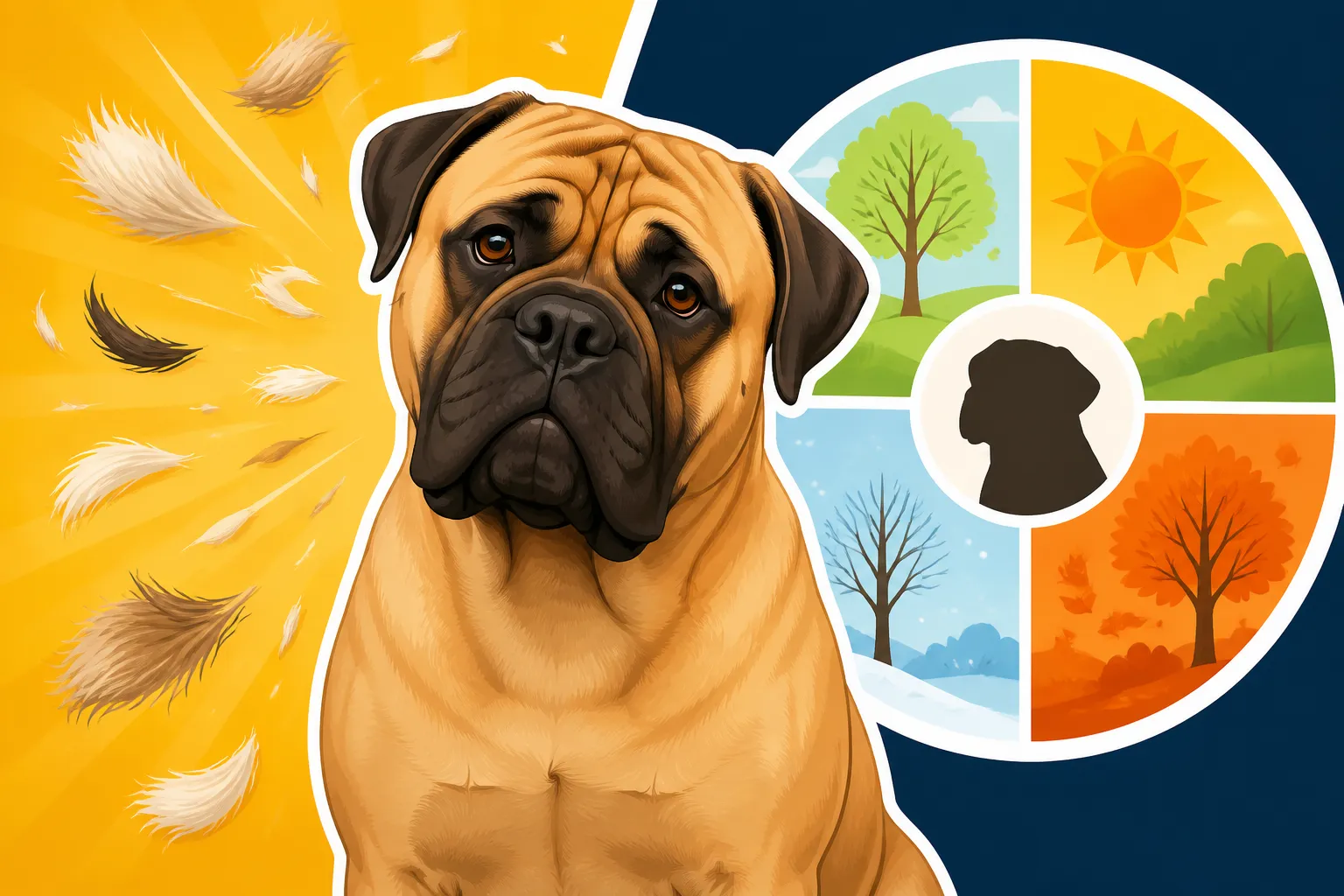
When a Bullmastiff Sheds Most
If you're living with a Bullmastiff, you know their presence is massive, both in loyalty and in physical stature. But one thing many owners quickly discover is that along with their impressive size comes a surprising amount of shedding, especially at certain times of the year. It can feel like your home is in a constant battle with a fine layer of fur, making you wonder if this is normal and when it will ever let up. This guide is here to shed some light (pun intended!) on when your Bullmastiff is likely to shed the most, why it happens, and what you can do to manage the fur situation year-round.
Understanding the Bullmastiff Coat and Normal Shedding
Bullmastiffs have a coat that, at first glance, seems quite low-maintenance. They sport a short, dense coat that lies close to the body, typically in fawn, red, or brindle. You might think, "Great, short hair, less shedding!" And while it's true they don't have the long, flowing locks of a Collie or the thick double coat of a Husky, their short hairs are constantly renewing. This constant turnover means that while you might not find huge clumps of fur like you would with a longer-coated breed, you'll still encounter a consistent amount of fine, stiff hairs throughout your home.
Think of it like this: every single hair on your Bullmastiff's body has a life cycle. It grows, it rests, and then it eventually falls out to make way for a new one. This is a perfectly natural process, crucial for maintaining a healthy skin and coat. The issue isn't if they shed, but how much and when. The density of their coat, even if short, means there are a lot of hairs packed into that large frame. When those hairs decide to let go, it can feel like a small snowstorm of fawn or brindle fur. Don't worry, you're not alone in noticing this, and it's part of living with these magnificent dogs. If you're wondering What a Bullmastiff's Coat Should Feel Like, it should be smooth and dense, hinting at just how many hairs are present.
The Bullmastiff's Single Coat Explained
Unlike many breeds bred for colder climates, Bullmastiffs generally possess a single coat. This means they don't have that super thick, insulating undercoat that breeds like German Shepherds or Labradors are known for. That's a bit of a relief, right? It means you won't be dealing with massive "coat blows" where they dump their entire undercoat twice a year. However, don't let the term "single coat" fool you into thinking they don't shed. It simply means the shedding tends to be a more continuous, moderate affair, rather than two enormous, overwhelming events.
This single-coat characteristic is part of their breeding history, designed for agility and less bulk, allowing them to move quickly and silently when working with gamekeepers. A thick, heavy undercoat would have been a hindrance. But even a single coat has its cycles. Each strand is constantly being replaced, so while you might not be filling vacuum bags with vast amounts of fluff, you'll certainly be regularly encountering those short, bristly hairs on your floors, furniture, and clothes. It’s a subtle but persistent shedding, a daily reminder of your beloved gentle giant.
Why Your Bullmastiff's Shedding Seems Constant
It really does feel constant, doesn't it? One day you vacuum, and the next, there's a fresh layer of fur ready to greet you. The seemingly constant nature of Bullmastiff shedding comes down to that continuous hair growth cycle. Unlike humans, whose hair grows in phases that aren't tied to seasonal changes in the same dramatic way, dogs' hair growth is often influenced by factors like light, temperature, and hormones. Because the Bullmastiff doesn't have a distinct undercoat to "blow," their shedding process is more evenly distributed, meaning there isn't a dramatic "shedding season" as much as there are peak shedding times within an ongoing process.
Even when it's not a peak season, you'll still find hairs. These are the normal, everyday hairs completing their life cycle. It's the reason a good daily or every-other-day brush is often recommended, not just for specific shedding seasons, but as a general maintenance routine. It helps capture those loose hairs before they migrate to your sofa or stick to your black pants. Understanding this perpetual cycle helps set realistic expectations; you're managing shedding, not eliminating it entirely.
The Peak Shedding Seasons for Your Bullmastiff
While Bullmastiffs are known for their consistent shedding, there are definitely times of the year when it ramps up. You'll often find yourself reaching for the vacuum or lint roller more frequently during these periods. These peak seasons are largely driven by changes in light exposure and temperature, which signal to your dog's body that it's time to adjust their coat for the upcoming weather.
Spring: The Great "Winter Coat" Release
Ah, spring! The flowers bloom, the birds sing, and your Bullmastiff decides it's time to de-coat for warmer weather. This is arguably the most noticeable shedding season for many dog owners, even those with single-coated breeds. As the days grow longer and temperatures begin to rise after winter, your Bullmastiff's body senses the change. The slightly thicker coat they developed for insulation during the colder months is no longer needed, and a lighter coat is prepared for the summer.
During this spring shed, you'll find a definite increase in the amount of hair coming off your dog. It's not the dramatic "blow" of a double-coated breed, but it's enough to leave a substantial impression on your furniture and floors. Brushing during this time becomes less of a suggestion and more of a necessity. It's a natural process, but it can be frustrating to constantly be cleaning up after them. Think of it as your Bullmastiff's way of saying, "Winter is over, time for a fresh start!" Many owners ask How Much a Bullmastiff Sheds and the answer during spring is "more than usual!"
Fall: Preparing for Winter's Chill
Just as spring signals the shedding of winter's warmth, fall heralds the preparation for winter's chill. As the days shorten and the air becomes crisp, your Bullmastiff's body begins to thicken its coat in anticipation of colder temperatures. This often involves shedding some of the lighter summer hairs to make way for new, denser growth that will provide better insulation.
While usually not as dramatic as the spring shed, the fall shedding can still be quite noticeable. You might find more hairs around the house as your dog swaps out their summer threads for their winter wardrobe. Again, regular brushing is your best friend during this period. It helps remove the old hairs efficiently, stimulates blood flow to the skin, and encourages the growth of a healthy new coat. It's a subtle but important adaptation that keeps your Bullmastiff comfortable through the changing seasons.
Beyond the Seasons: Other Factors Influencing Bullmastiff Shedding
While seasonal changes are the primary drivers of increased shedding, they're not the only culprits. Several other factors can impact how much fur your Bullmastiff leaves behind, sometimes making you feel like you're fighting a losing battle. Understanding these can help you address potential underlying issues and better manage the situation.
Diet and Nutrition: Fueling a Healthy Coat
What your Bullmastiff eats plays a huge role in the health of their skin and coat, and by extension, how much they shed. A diet lacking in essential nutrients, particularly fatty acids like Omega-3 and Omega-6, can lead to dry, brittle hair that sheds more easily. Think of it like a plant that's not getting enough water – it wilts and loses leaves. The same principle applies to your dog's coat.
A high-quality dog food, formulated for large breeds, provides the necessary building blocks for a strong, healthy coat. If your Bullmastiff is on a diet with fillers, artificial ingredients, or low-quality protein, you might notice excessive shedding. Sometimes, adding a supplement like fish oil to their diet can make a world of difference, improving coat health and reducing shedding. Brands like Ollie offer fresh, balanced meals that often contribute to better coat health, while Chewy offers a vast selection of high-quality kibble and supplements to choose from. Always check with your vet before introducing any new supplements. Providing a good diet is also critical for Keeping a Bullmastiff Lean Is the Best Thing You Can Do, which further promotes overall health.
Stress and Anxiety: A Furry Symptom
Just like humans can lose hair due to stress, dogs can too. If your Bullmastiff is experiencing anxiety, fear, or stress, you might notice an increase in shedding. This can manifest during trips to the vet, moving to a new home, introduction of a new pet or family member, or even during loud events like thunderstorms or fireworks. The body's stress response can cause hair follicles to release hairs prematurely.
If you suspect stress is a factor, try to identify the source of anxiety and address it. Providing a safe, quiet space, consistent routines, positive reinforcement, and sometimes even calming aids or behavioral training can help. A happy, relaxed Bullmastiff is likely to have a healthier coat and shed less.
Health Issues: When Shedding Signals a Problem
Sometimes, excessive or unusual shedding can be a red flag for an underlying health issue. While normal shedding is natural, a sudden, dramatic increase in shedding, accompanied by bald patches, skin irritation, dull coat, or changes in behavior, warrants a visit to the vet. Skin allergies are a common culprit; if your Bullmastiff has Skin Allergies in a Bullmastiff, they may scratch more, leading to hair loss. Parasites like fleas or mites can also cause intense itching and subsequent hair loss.
Hormonal imbalances, such as Signs a Bullmastiff's Thyroid Is Low (hypothyroidism), can also manifest as a dull coat and increased shedding. Nutritional deficiencies, infections, or even autoimmune diseases can impact coat health. If you notice anything unusual about your Bullmastiff's shedding pattern, don't hesitate to consult your veterinarian. They can perform diagnostic tests to rule out any medical conditions and provide appropriate treatment.
Pregnancy and Lactation: Hormonal Shifts
Female Bullmastiffs will often experience significant hormonal changes during pregnancy and especially after giving birth, while lactating. These shifts can trigger a period of heavy shedding. It's very common for new mothers to "blow" their coat a few weeks or months after whelping, as their hormones return to normal and their body recovers from the demands of nurturing puppies.
This type of shedding is typically temporary and resolves once hormone levels stabilize and the nursing period ends. While it can be a lot of fur, it's generally considered a normal physiological response. Maintaining excellent nutrition during this time is crucial to support both the mother's recovery and the health of her coat.
Managing Your Bullmastiff's Shedding Throughout the Year
Dealing with Bullmastiff shedding might seem like a never-ending task, but with a consistent routine and the right tools, you can keep the fur under control. It's all about proactive management and making it a regular part of your care regimen.
The Power of Consistent Brushing
This is, hands down, your most effective weapon against Bullmastiff fur. Regular brushing, especially daily or every other day during peak shedding seasons, will remove loose hairs before they fall onto your furniture and floors. For a Bullmastiff, a short-bristled brush, a rubber curry comb, or a deshedding tool like a Furminator (found easily on Amazon) works wonders.
Here’s a simple brushing routine:
- Daily Quick Brush: A few minutes each day with a rubber curry comb can pick up a surprising amount of loose hair. It also massages their skin, promoting healthy circulation and oil distribution.
- Weekly Deep Brush: Once or twice a week, use a deshedding tool or a stiffer bristled brush to really get into the coat and pull out the hairs that are ready to go. You'll be amazed at the piles of fur you collect, preventing them from spreading throughout your home.
- During Peak Shedding: Ramp up the deep brushing to every other day or even daily during spring and fall. The more hair you remove directly from your dog, the less hair you'll find elsewhere.
This routine is not just about cleanliness; it's also a bonding experience for you and your Bullmastiff. Most dogs enjoy being brushed, and it's a great way to check their skin for any lumps, bumps, or irritations. If you need tips on Which Brush Suits a Bullmastiff or How Often a Bullmastiff Needs Brushing, consider a rubber curry comb as a starting point. And yes, Whether a Bullmastiff Needs Deshedding is a resounding yes during those seasonal changes!
Bathing and Grooming Routine
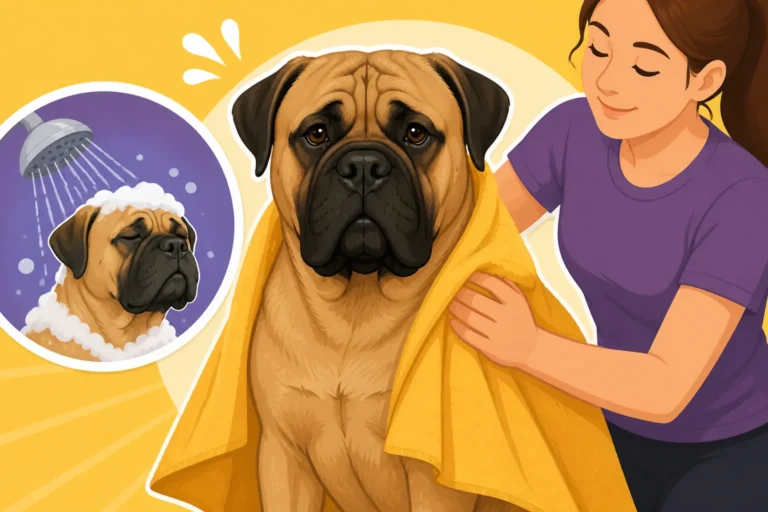
While not a daily task, regular bathing can also help with shedding. A good bath, using a quality dog shampoo, helps loosen dead hair, making it easier to remove during the subsequent towel-drying and brushing. Just be sure not to over-bathe, as this can strip natural oils from their skin and actually worsen dryness and shedding. Aim for a bath every few weeks to a month, or as needed if they get particularly dirty.
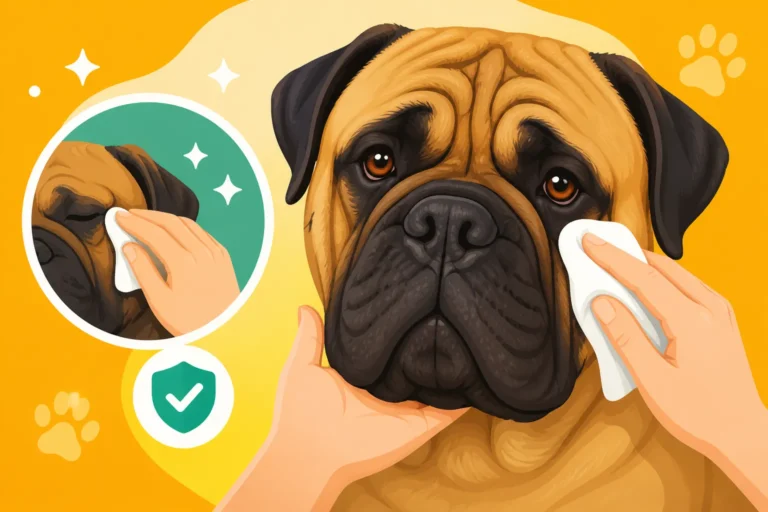
After a bath, a thorough brushing session is key. As the coat dries, those loosened hairs can be brushed away. This is also a good time to check their skin folds, particularly around their face, for any moisture or irritation that could lead to issues.
Smart Home Cleaning Strategies
Even with diligent brushing, some fur is inevitable. Having a few smart cleaning strategies in place can make a big difference.
- High-Quality Vacuum Cleaner: Invest in a vacuum designed for pet hair, with strong suction and good attachments for furniture. Robot vacuums can also be a lifesaver for daily maintenance, picking up the constant trickle of fur.
- Lint Rollers: Keep lint rollers handy near exits and in common areas for quick touch-ups on clothes and furniture.
- Washable Covers: Use washable covers on your furniture, especially in your Bullmastiff's favorite lounging spots. This makes cleaning a breeze and protects your upholstery.
- Hard Floors: If possible, consider hard flooring like wood, tile, or laminate in areas where your Bullmastiff spends a lot of time. They are much easier to clean than carpets. If you have carpet, regular vacuuming and possibly professional cleaning will be necessary.
- Air Purifiers: Some air purifiers can help trap airborne pet dander and hair, improving air quality and reducing the amount of fur settling on surfaces.
Nutritional Support and Supplements
Beyond a high-quality diet, sometimes targeted nutritional support can help manage shedding. As mentioned, Omega-3 and Omega-6 fatty acids are crucial for skin and coat health. Many large breed dog foods already include these, but a supplement like fish oil can be beneficial if shedding is still excessive.
You can find a variety of skin and coat supplements on platforms like Chewy or Amazon. Look for products containing fish oil, flaxseed oil, or evening primrose oil. Always discuss any new supplements with your veterinarian to ensure they are appropriate for your Bullmastiff and won't interact with any existing medications or conditions. What an [Adult Bullmastiff Eats] directly impacts its coat health, so choose wisely.
Table: Seasonal Shedding & Management Overview
Here's a quick overview of what to expect and how to handle shedding throughout the year:
| Season | Shedding Intensity | Primary Reason | Management Focus | Key Actions |
|---|---|---|---|---|
| Spring | High | Losing winter coat, preparing for summer | Intensive hair removal | Daily deshedding brush, regular baths, vacuuming |
| Summer | Moderate | Continuous turnover of light summer coat | Maintenance of healthy skin and coat | Regular brushing (every few days), monitor for hot spots, good hydration |
| Fall | Moderate to High | Losing summer coat, preparing for winter | Removing old hair, encouraging new growth | Increased brushing, ensuring nutrient-rich diet, warm baths |
| Winter | Low to Moderate | Insulated coat, less active growth/shedding | Protect coat from dryness, maintain warmth | Regular brushing (weekly), humidify indoor air, consider fatty acid supplements |
This table provides a generalized guide. Individual Bullmastiffs may vary based on genetics, environment, diet, and overall health.
When to Consult Your Veterinarian
While shedding is normal, it's important to know when it might be a symptom of something more serious. If you observe any of the following, it's time to make an appointment with your vet:
- Sudden or Excessive Hair Loss: Beyond typical seasonal changes, if your Bullmastiff is losing hair rapidly or in large clumps.
- Bald Patches or Thinning Coat: Areas where hair is completely gone or noticeably sparse.
- Skin Irritation: Redness, inflammation, scabs, rashes, or sores on the skin beneath the fur.
- Dull, Brittle, or Greasy Coat: A significant change in the texture or appearance of their coat.
- Itching or Scratching: Persistent scratching, licking, or chewing at their skin, which can indicate allergies, parasites, or infections.
- Changes in Behavior: Lethargy, loss of appetite, or other behavioral shifts accompanying the shedding.
Your vet can perform a thorough examination, including skin scrapings, blood tests, or other diagnostics, to determine the cause of the abnormal shedding and recommend the appropriate treatment. Early intervention can prevent minor issues from becoming more serious and keep your Bullmastiff comfortable and healthy.
Living with a Bullmastiff means embracing a certain level of fur in your life, but it doesn't have to be overwhelming. By understanding their natural shedding cycles, addressing contributing factors, and implementing a consistent grooming and cleaning routine, you can keep the fur under control and enjoy all the love and companionship these wonderful dogs offer.
Disclaimer
This article is for general informational purposes only and does not constitute professional advice. Laws, prices and regulations vary by location and change over time. Consult a qualified professional for guidance on your specific situation.