Where a Bullmastiff Gets Pressure Calluses
Oh, the dreaded pressure callus! If you've got a big, beautiful Bullmastiff, you've probably noticed them or, at the very least, worried about them. These thick, hardened patches of skin are a common, yet often frustrating, reality for owners of giant breeds, and they're a clear sign that your gentle giant is spending a lot of time resting on hard surfaces. This guide is here to walk you through exactly where these pesky calluses tend to pop up on your Bullmastiff, why they happen, and what you can do to prevent and manage them, ensuring your big dog stays as comfortable as possible.
Understanding Pressure Calluses in Your Bullmastiff
It’s easy to spot a pressure callus once you know what you’re looking for, but understanding why they form is the first step in tackling them head-on. These aren't just cosmetic issues; they can lead to discomfort, and in some cases, more serious problems.
What Exactly Are Pressure Calluses?
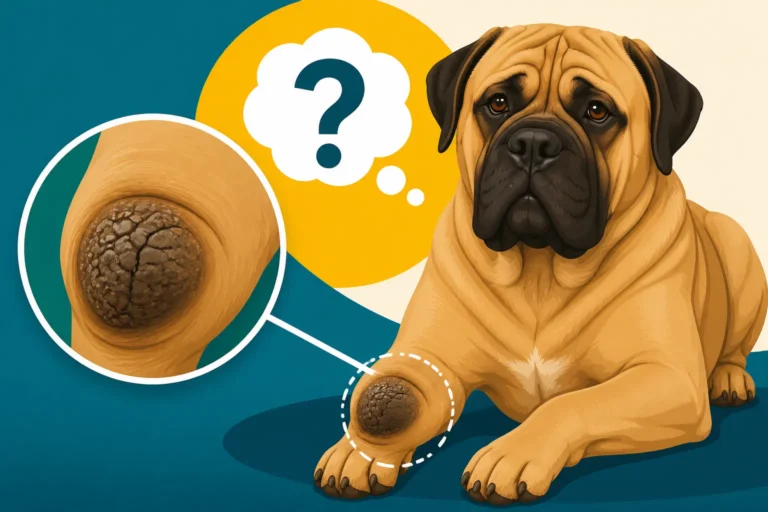
Think of a pressure callus as your dog's body trying to protect itself. When a Bullmastiff – or any large dog – repeatedly lies down on hard surfaces like concrete, tile, or even thin carpet over a hard floor, the pressure against their bony prominences restricts blood flow and irritates the skin. In response, the skin thickens and hardens, forming a callus. It's essentially a protective shield, but it's often coarse, dry, and can even crack or lose hair. Over time, these areas can become quite tough, almost like elephant hide, and appear gray or discolored compared to the surrounding skin. You might even find them a bit warm to the touch if there's underlying inflammation.
Why Bullmastiffs Are Prone to Them
Bullmastiffs, bless their heavy hearts, are practically custom-made for pressure calluses. Their sheer size and weight are the primary culprits. Imagine carrying over a hundred pounds on those joints – it's a lot of mass pressing down on relatively small areas like elbows and hocks when they lie down. Combine this with their relatively short, dense coat, which offers less natural padding than a longer-haired breed, and you have a recipe for callus formation. Their loving, often lazy nature also plays a role; Bullmastiffs are champions of napping, often choosing the coolest, hardest spot on the floor for their extensive rest periods. It’s part of their charm, but it’s also why we have to be extra vigilant about their comfort and skin health. The Median Bullmastiff Lives Eight and a Half Years, and we want every one of those years to be as comfortable as possible for them.
Common Locations for Pressure Calluses on a Bullmastiff
Knowing the usual suspects is half the battle. While calluses can technically form anywhere there's sustained pressure, Bullmastiffs have a few prime locations you should be checking regularly.
Elbows: The Most Frequent Hotspot
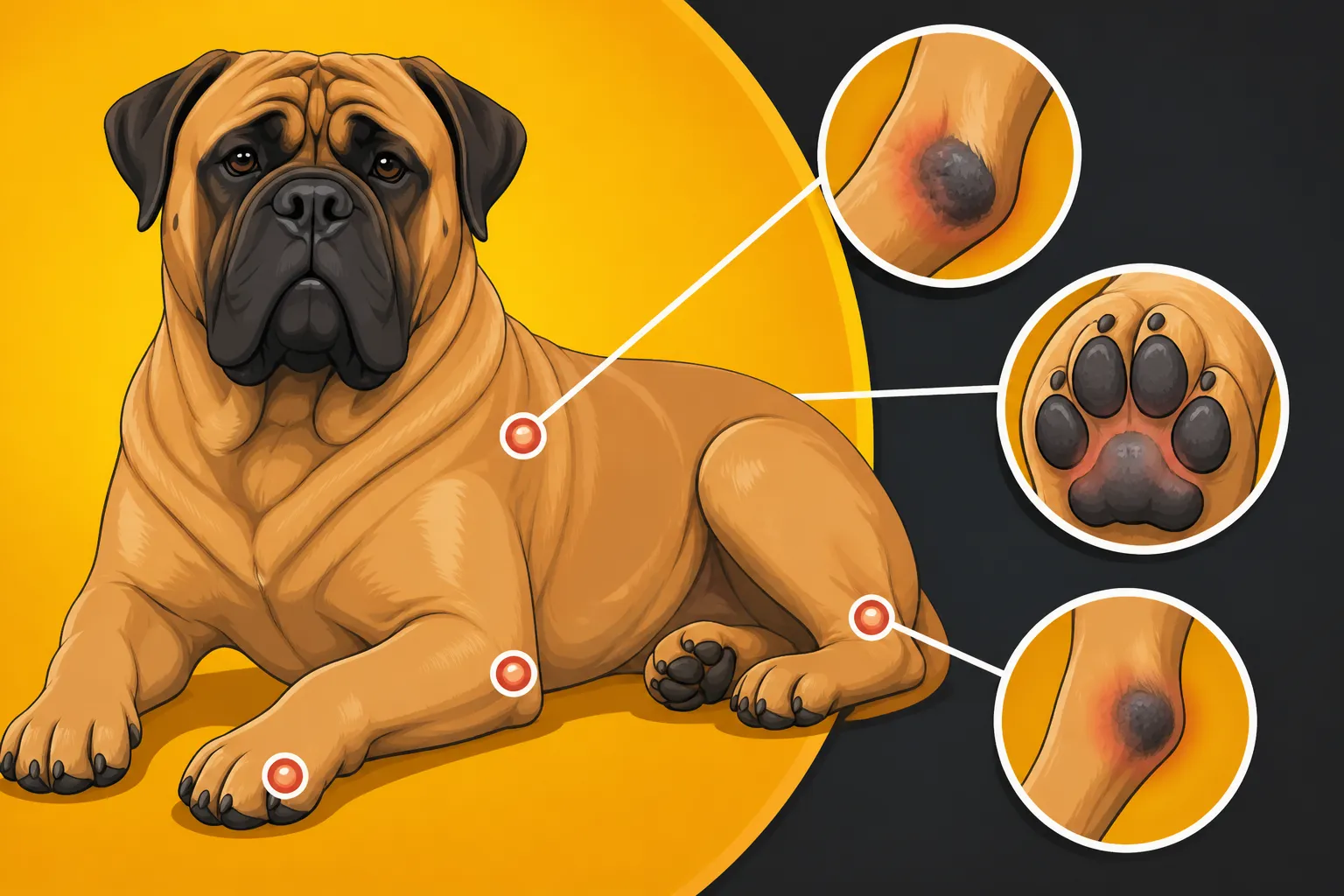
Without a doubt, the elbows are the number one site for pressure calluses on a Bullmastiff. When your big dog lies down, especially on their side with their legs extended, their elbows are often the first point of contact with the ground. This constant friction and pressure, day in and day out, causes the skin to thicken, leading to those familiar, often bald, patches. These elbow calluses can range from small, slightly discolored areas to large, crusty formations. I’ve seen some that look like miniature knee pads, completely devoid of hair and quite dark. These are often the first place owners notice an issue, and they tend to be the most stubborn to manage because of the constant pressure they endure.
Hocks, Hips, and Other Bony Prominences
Beyond the elbows, you'll want to pay close attention to other bony areas. The hocks (the joint above their paws on the hind legs, equivalent to our ankles) are another common spot, especially if your Bullmastiff tends to "frog-leg" out when they lie down, with their back legs splayed. Their hips, particularly the prominent bone on the side of their pelvis, can also develop calluses, though these are often less pronounced than elbow calluses. Similarly, the points of their shoulders can be affected, especially if they favor lying on one side consistently. It’s all about where that significant body weight makes continuous contact with the ground. This is especially true as they get older, and perhaps Why an Aging Bullmastiff Struggles to Rise means they spend more time lying down.
Unexpected Areas: Sternum and Sides of the Paws
Sometimes, calluses pop up in places you might not immediately think of. The sternum, or breastbone, located on their chest, can develop a callus, particularly if your Bullmastiff enjoys lying on its belly with its chest flat against a hard surface. This is a favorite position for many big dogs seeking to cool down. Less common, but still possible, are calluses on the sides of their paws or digits. This typically happens if your dog has an unusual way of resting their paws, perhaps folding them under awkwardly or if they have a condition that makes them drag their feet slightly, creating friction. While these are less frequent, it's a good reminder to always do a full-body check on your gentle giant, feeling for any changes in skin texture or hair loss.
Preventing and Managing Pressure Calluses
The good news is that preventing and managing pressure calluses is largely within your control. It requires a bit of vigilance and commitment, but your Bullmastiff will thank you for it!
The Critical Role of Proper Bedding
This is, hands down, the most important factor in preventing and treating calluses. A soft, supportive bed acts as a buffer between your Bullmastiff's bony joints and the hard floor. We're not talking about a thin, flimsy mat that flattens in a week. Your Bullmastiff needs serious orthopedic support. Look for beds with dense, high-quality foam that doesn't "bottom out" under their weight. Memory foam is often an excellent choice because it conforms to their body, distributing pressure evenly.
Consider having multiple beds in different rooms where your Bullmastiff likes to relax. If they spend time in the kitchen while you cook, a bed there is a must. If they nap in the living room, another one there. You can find excellent options from retailers like Chewy or on Amazon, often with waterproof liners and washable covers, which are huge bonuses when you're dealing with a drooling Bullmastiff! Remember, a comfortable bed encourages them to use it, preventing them from seeking out cold, hard tile floors which might feel nice initially but exacerbate callus issues. Don't cheap out on this; it's an investment in their long-term comfort and health. Which Bed a Bullmastiff Needs is a serious consideration.
Maintaining a Healthy Weight
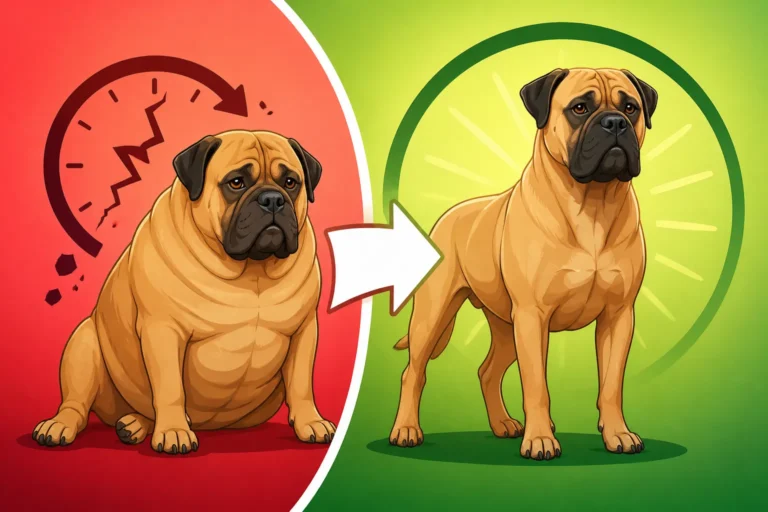
Keeping your Bullmastiff lean is paramount, not just for preventing calluses but for their overall health and longevity. Every extra pound on a Bullmastiff means more pressure on those joints and bony prominences when they lie down. An overweight dog will develop calluses more easily and those calluses will be harder to heal. Work closely with your vet to determine What an Adult Bullmastiff Should Weigh and feed them accordingly. It can be tempting to give in to those soulful Bullmastiff eyes, but overfeeding can lead to a host of problems, including exacerbating callus formation and putting undue strain on their Hips and Elbows Under a Hundred and Thirty Pound Bullmastiff.
Regular, appropriate exercise and portion control are key. If you're struggling to keep the weight off, review How to Put a Bullmastiff on a Diet for practical tips. Remember, Keeping a Bullmastiff Lean Is the Best Thing You Can Do for their health, including preventing these tough skin issues. You can find high-quality, weight-management specific dog foods through places like Ollie, which often allows for custom portioning based on your dog's specific needs, or browse major pet supply sites like Chewy for a wide range of options.
Regular Skin Checks and Hydration
Make it a habit to routinely check your Bullmastiff's entire body for any signs of calluses, especially in the areas we've discussed. Feel for changes in skin texture, look for hair loss, and note any discoloration. Early detection means easier management.
If you find a callus, keep it clean and moisturized. There are many dog-safe balms and emollients available that can help soften the hardened skin. Some owners even use coconut oil or specially formulated paw balms. The goal is to keep the skin supple and prevent cracking, which can lead to infection. Always ensure any product you use is safe for dogs, as they will inevitably try to lick it off. Good hydration from within also supports healthy skin, so always ensure your Bullmastiff has access to fresh, clean water.
When to Seek Veterinary Advice
While many calluses are manageable at home, there are times when a vet visit is absolutely necessary. Don't hesitate to reach out to your veterinarian if you see any concerning changes.
Signs of Infection or Severe Irritation
A simple callus can quickly become a serious problem if it gets infected. Watch out for these red flags:
- Redness and Swelling: The area around the callus becomes visibly red and inflamed, perhaps even warm to the touch.
- Pain or Sensitivity: Your Bullmastiff flinches or shows discomfort when you touch the callus. They might even start limping or favoring the affected limb.
- Pus or Discharge: Any oozing, pus, or foul smell coming from the callus is a strong indicator of infection.
- Cracking or Bleeding: If the callus cracks deeply and starts to bleed, it creates an open wound susceptible to bacteria.
- Lethargy or Fever: If your dog seems generally unwell, has a decreased appetite, or feels warm, an infection might be spreading.
These signs mean it's time to call your vet. Do not try to treat a deep infection yourself. How Often a Bullmastiff Needs a Wellness Exam should be a regular discussion with your vet about these issues too.
Treatment Options Your Vet Might Recommend
When a callus becomes problematic, your vet has a range of treatment options. For infected calluses, they will likely prescribe oral antibiotics to clear up the bacterial infection. They might also recommend a topical antiseptic or antibiotic ointment to apply directly to the area, possibly with a protective bandage to keep it clean and prevent your dog from licking it. In some severe cases, if a callus has become very thick and persistently painful, or developed a deep fluid-filled sac called a hygroma, surgical intervention might be considered to remove the damaged tissue, though this is usually a last resort due to the potential for complications and recurrence.
Preventing severe calluses with good bedding and weight management is always preferable to treating them once they've become serious. Your vet can also offer specific product recommendations for moisturizing and protecting your Bullmastiff's skin, helping you manage these areas effectively and keep your loyal companion comfortable and healthy for all their years.
Disclaimer
This article is for general informational purposes only and does not constitute professional advice. Laws, prices and regulations vary by location and change over time. Consult a qualified professional for guidance on your specific situation.