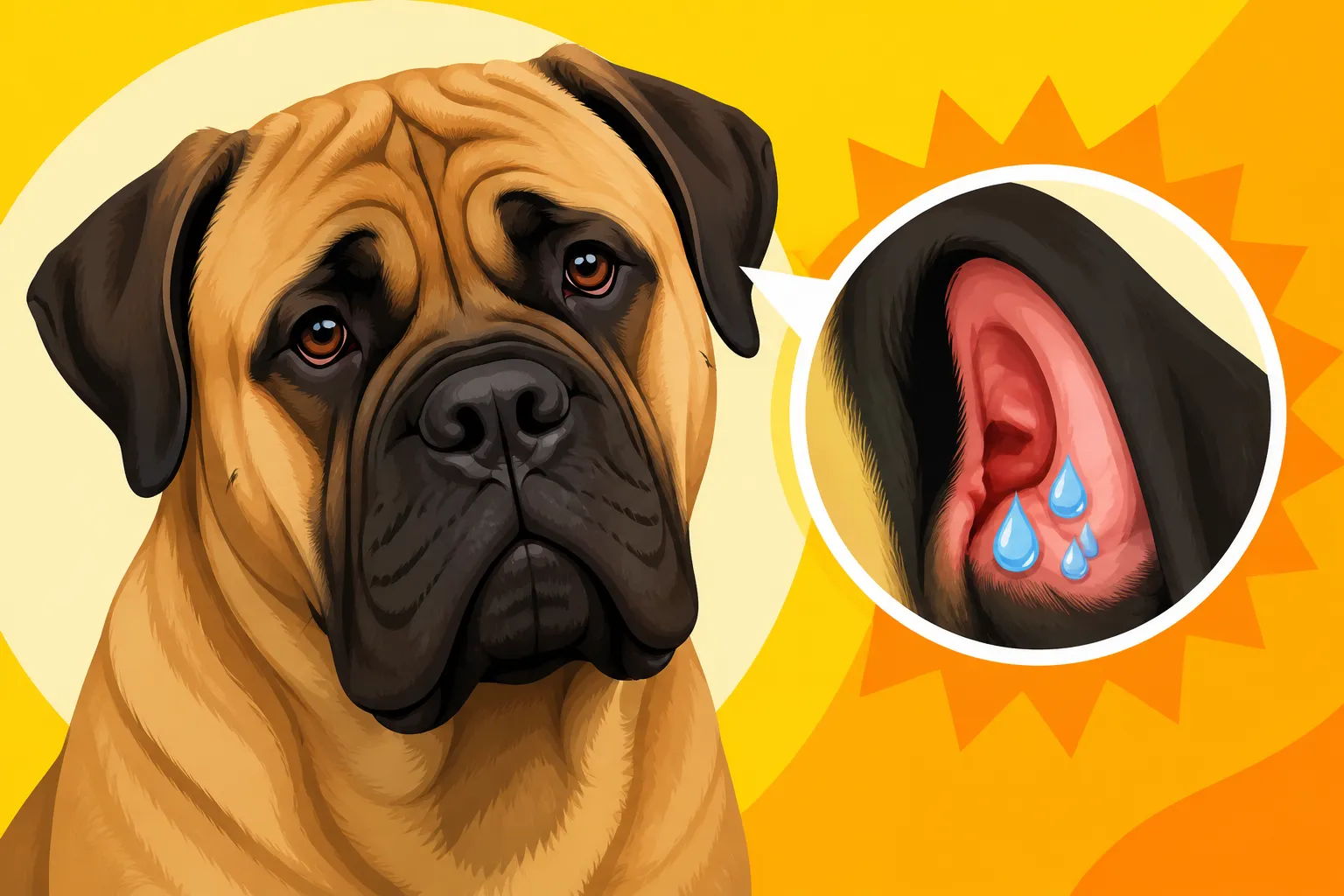
Why a Bullmastiff’s Ears Trap Moisture
If you've ever found yourself constantly checking your Bullmastiff's ears, or worse, dealing with a persistent ear infection, you're certainly not alone. It's a common frustration for us Bullmastiff owners, who often wonder why our beloved giants seem to struggle so much with their ears. The truth is, their unique anatomy and lifestyle choices create a perfect storm for moisture to get trapped, leading to a host of problems. This guide will dive deep into the specific reasons why your Bullmastiff's ears are prone to trapping moisture and what you can do about it.
The Unique Anatomy of a Bullmastiff's Ear
When you look at a Bullmastiff, their magnificent head is one of their most defining features. But beneath that impressive exterior lies an ear structure that, while charming, can be a real magnet for moisture and subsequent issues. It's not just a superficial problem; it's rooted in how their ears are designed.
The Pendulous Ear Flap
Think about the classic image of a Bullmastiff: those lovely, V-shaped ears that fold over, sitting close to the head. This "pendulous" or drop-ear type is a hallmark of the breed, giving them that gentle, thoughtful expression we all adore. However, this very feature is a primary culprit in trapping moisture. Unlike dogs with erect, prick ears that allow for plenty of airflow, a Bullmastiff's ear flap acts like a lid, covering the opening of the ear canal.
This natural covering significantly reduces air circulation inside the ear. Imagine trying to dry a wet dish while keeping a cloth draped over it – it’s just not going to happen effectively. The lack of air movement means that any moisture that enters the ear, whether from bathing, swimming, or even just high humidity, has a much harder time evaporating. It creates a warm, dark, and damp microclimate that, while cozy for your dog, is the ideal breeding ground for unwanted guests like bacteria and yeast. This is why keeping their ears dry is so crucial, a challenge compounded by their ear shape.
The Structure of the Ear Canal
Beyond the visible ear flap, the Bullmastiff's internal ear canal structure also plays a significant role in trapping moisture and debris. Most dogs, including Bullmastiffs, have an ear canal that isn't just a straight tube. Instead, it forms a distinct "L" shape. There's a vertical canal that runs downwards from the opening, and then it takes a sharp turn, becoming a horizontal canal that leads deeper into the ear.
This anatomical quirk is fantastic for protecting the delicate inner ear from external harm, but it's a nightmare for drainage and cleaning. Gravity, which would normally help draw liquids out of a straight tube, is essentially thwarted by this bend. Water, earwax, and any foreign debris can easily settle at the bottom of the vertical canal or get stuck in the elbow of the "L." When moisture gets trapped in this deep, hidden pocket, it's incredibly difficult for it to escape on its own. This is also why How to Clean a Bullmastiff's Ears With the right technique and tools is so vital; you need to be able to gently navigate this bend without causing harm.
Hair Growth Within the Ear
While Bullmastiffs have a short, dense coat overall, the amount of hair growth within their ear canal can vary quite a bit from one dog to another. Some Bullmastiffs might have relatively sparse hair inside their ears, while others can have a surprising amount of fine, downy fur growing deep within the canal. This internal hair, while seemingly innocuous, can significantly contribute to moisture trapping.
Think of these fine hairs as tiny sponges. When water enters the ear, these hairs can soak it up and hold onto it, preventing it from drying out naturally. Furthermore, dense hair growth can physically obstruct the ear canal, creating another barrier to airflow and making it even harder for moisture to evaporate. This obstruction also makes it more challenging for earwax and debris to move out of the ear naturally, leading to a buildup that further exacerbates the damp environment. If your Bullmastiff consistently struggles with ear issues, checking for excessive hair growth inside the ear during vet visits or grooming sessions is a worthwhile consideration.
How External Factors Contribute to Moisture Accumulation
It’s not just about what’s inside or on your Bullmastiff’s ear; the world around them plays a huge part too. Our big, goofy companions love to explore, play, and sometimes get a little messy, all of which can introduce unwanted moisture into those already vulnerable ear canals.
Swimming and Water Exposure
Bullmastiffs generally aren't known as avid swimmers like some retriever breeds, but many do enjoy a dip in the pool or a splash in a lake, especially on a hot day. Even if they don't fully submerge, a bath at home or playing with the garden hose can easily introduce water into their ears. And once that water gets past the outer ear flap and into that L-shaped canal, it's very reluctant to leave.
Think about what happens after a bath. You towel-dry your dog’s coat, perhaps even use a dryer on a cool setting, but how often do you specifically and thoroughly dry inside their ears? That residual moisture, nestled deep within the canal, can quickly become a problem. Even just shaking their head vigorously after a swim doesn't always dislodge all the water from those deep, narrow passages. It's a common oversight, but crucial for breeds like the Bullmastiff where the ear structure already works against natural drying. A thorough post-water ear drying routine is paramount to prevent problems from escalating into something more serious, like Ear Infections in a Bullmastiff.
Humidity and Climate
The environment your Bullmastiff lives in can also be a significant factor. If you live in a region with high humidity, especially during the warmer months, your Bullmastiff's ears are fighting an uphill battle against moisture accumulation even without direct water exposure. The air itself is heavy with moisture, and this humidity readily seeps into the enclosed, low-airflow environment of a pendulous ear.
In such climates, the natural evaporation that might occur in drier air is severely hindered. This constant dampness creates a perpetually hospitable environment for yeast and bacteria to flourish. It's like trying to keep a bathroom dry in the tropics – a constant challenge. Owners in places like Florida or the Gulf Coast often find they have to be extra vigilant with ear care, perhaps even cleaning more frequently, simply due to the ambient conditions. Why a Bullmastiff Overheats So Easily is another concern in humid climates, and while unrelated to ear moisture directly, it highlights how environmental factors can uniquely impact this breed.
Allergies and Skin Issues
While not a direct source of external moisture, allergies, both environmental and food-related, can drastically increase the internal moisture and inflammation within a Bullmastiff's ears, effectively trapping it. When a Bullmastiff has an allergic reaction, their body often responds with inflammation. In the ears, this can lead to swelling of the delicate tissues lining the ear canal, further narrowing the passage and making airflow even worse.
Beyond inflammation, allergies frequently trigger an overproduction of earwax and other secretions. This excess discharge, combined with the swelling and reduced ventilation, becomes a thick, sticky trap for any existing moisture. It’s a vicious cycle: allergies cause inflammation and excess wax, which traps moisture, which then creates an ideal breeding ground for secondary infections. These infections then cause more inflammation, and so on. If your Bullmastiff is constantly battling ear problems despite diligent cleaning, it’s worth discussing potential underlying allergies with your veterinarian. Sometimes, addressing the systemic allergy is the most effective way to manage chronic ear issues. This might involve exploring specialized diets, perhaps found on platforms like Chewy or Ollie, or working with your vet on a comprehensive allergy management plan.
The Role of Ear Wax and Debris in Trapping Moisture
Even in a perfectly healthy ear, there's a natural process of wax production and debris accumulation. But in a Bullmastiff's ear, these normal occurrences can quickly become problematic, creating a sticky, damp environment where moisture loves to linger and infections are happy to set up shop.
Natural Wax Production
Ear wax, or cerumen, is a completely natural and necessary substance. Its job is to protect the delicate ear canal by trapping dust, dirt, and other foreign particles, and to provide a protective, water-repellent coating to the skin. In a healthy ear, wax is produced in small amounts and slowly migrates out of the ear canal, carrying trapped debris with it.
However, in Bullmastiffs, particularly those prone to ear issues, this natural process can go awry. Their enclosed ear environment and sometimes underlying factors like allergies can lead to an overproduction of wax. This excess wax can then become a problem because it's a sticky, oily substance that readily holds onto moisture. Instead of helping to expel debris, it can become a thick, waxy plug that traps water deep within the ear canal, further reducing airflow and creating that damp, warm environment we've been discussing. Distinguishing between normal, healthy wax and problematic, excessive wax is key to effective ear care.
Dirt and Debris Accumulation
Bullmastiffs are wonderful, often outdoorsy dogs. Whether they're rolling around in the yard, sniffing through bushes on a walk, or just enjoying a breezy day, their ears are exposed to a world of potential irritants. Dirt, dust, pollen, grass seeds, and even tiny insects can easily find their way into those open ear canals. And once inside, they don't always have an easy exit.
The pendulous ear flap and the L-shaped canal, while offering some protection, also act as a funnel and a trap. These foreign particles get caught in the folds and bends of the ear, where they can mix with any existing moisture and earwax. This creates a messy, irritating concoction that not only blocks airflow further but also provides a buffet for opportunistic bacteria and yeast. This is particularly true if your Bullmastiff is an avid explorer. Regularly inspecting their ears, perhaps after every outdoor adventure, can help you catch these unwelcome guests before they settle in and cause a full-blown problem. A quick wipe with a soft cloth can often remove surface debris, preventing deeper issues. The Wrinkles and Folds on a Bullmastiff's Face also collect debris, and the principle is similar for the ears.
Impact on Ear Health
When you combine a Bullmastiff's unique ear anatomy with external moisture, excessive wax, and accumulated debris, you have a recipe for disaster. This constantly damp, warm, and nutrient-rich environment is an absolute paradise for microorganisms that would otherwise exist in harmless numbers. Yeast, which is normally present on a dog's skin, can begin to overgrow, leading to a foul-smelling, itchy infection. Bacteria, similarly, can multiply rapidly, causing painful, inflamed, and often pus-filled infections.
The prolonged presence of moisture and irritants also breaks down the delicate skin barrier inside the ear canal, making it even more susceptible to infection. This can lead to intense itching, head shaking, scratching at the ears, and sometimes even a noticeable tilt of the head. If left unchecked, these issues can become chronic, causing significant discomfort for your Bullmastiff and potentially leading to more severe problems like a ruptured eardrum or even hearing loss. That's why understanding why their ears trap moisture is the first step in proactive care to prevent these painful outcomes. Signs a Bullmastiff's Fold Is Infected can give you an idea of what to look for, as the signs are often similar for ear infections.
Practical Steps to Manage Ear Moisture in Bullmastiffs
Knowing why your Bullmastiff's ears trap moisture is half the battle. The other half is proactively managing it to prevent discomfort and serious infections. It's a commitment, but one that will save your dog pain and you costly vet bills in the long run.
Regular Cleaning and Inspection
Consistent, gentle ear care is perhaps the single most important thing you can do for your Bullmastiff. This isn't just about cleaning when there's a problem; it's about prevention. For most Bullmastiffs, a weekly ear check-up is a good baseline, with cleaning as needed. If your dog is prone to allergies, swims frequently, or lives in a very humid environment, you might need to clean more often.
When choosing an ear cleaner, look for one specifically formulated for dogs that is non-irritating and designed to dry out the canal. Your vet can recommend a good product, and you can often find suitable options at pet stores or online retailers like Chewy or Amazon. To clean, gently lift the ear flap, apply the cleaner into the vertical canal (following product instructions), massage the base of the ear to help break up wax, and then allow your dog to shake their head. Finally, use a soft cotton ball or gauze wrapped around your finger to wipe away any discharge and excess cleaner from the visible parts of the ear. Never use cotton swabs deep inside the ear canal, as this can push debris further in or damage the eardrum. For more details on this, see What to Clean a Bullmastiff's Ears With. Remember, a regular sniff and visual inspection can help you catch problems early. How Often a Bullmastiff's Ears Need Cleaning will depend on individual factors, but consistency is key.
Post-Water Activity Care
This might seem obvious, but it's often overlooked. Any time your Bullmastiff gets wet – whether it's a bath, a romp in a puddle, or a swim – their ears need special attention. After drying their coat, make sure to thoroughly dry the visible parts of their ears with a soft, absorbent cloth or cotton ball. For deeper drying, consider using an ear drying solution specifically designed for dogs, particularly if your Bullmastiff loves to swim. These solutions help to evaporate residual moisture.
You can also gently lift their ear flaps and hold them open for a few minutes to encourage air circulation. A cool setting on a hairdryer, held at a safe distance, can also help, but be extremely careful not to use heat or direct the air directly into the canal. The goal is to remove as much moisture as possible from the outer and accessible inner parts of the ear. This simple step can dramatically reduce the risk of creating that damp environment perfect for infections. If you know your dog is going to get wet, planning for post-water ear care should be as routine as drying their coat.
Addressing Underlying Issues
Sometimes, managing moisture is more than just cleaning; it's about addressing deeper health concerns. If your Bullmastiff experiences chronic ear infections despite diligent cleaning and drying, it’s a strong signal that there might be an underlying issue at play. Allergies are a primary suspect, whether they are environmental (pollen, dust mites) or food-related. Your veterinarian can help you determine the cause through diagnostic tests. This might involve allergy testing or an elimination diet to pinpoint food sensitivities. Services like Ollie, with their customizable meal plans, can sometimes be helpful in managing food sensitivities once identified by your vet.
Other less common but possible underlying causes include hypothyroidism, which can affect skin and coat health, including the ears. Signs a Bullmastiff's Thyroid Is Low could include chronic ear infections. Certain ear mites or foreign bodies lodged deep within the canal might also be contributing. A thorough veterinary examination, which might include an otoscopic exam to look deep inside the ear or even cytology of ear discharge, is essential to get an accurate diagnosis. Treating the root cause, rather than just the symptoms, is crucial for long-term ear health and your Bullmastiff's comfort. Remember, How a Bullmastiff Hides Pain, so even subtle signs of discomfort warrant investigation. Regular How Often a Bullmastiff Needs a Wellness Exam includes ear checks, so stick to those appointments!
Here’s a quick overview of factors contributing to trapped ear moisture in Bullmastiffs:
| Factor | Description | Impact on Moisture Trapping | Management Strategy |
|---|---|---|---|
| Pendulous Ear Flap | Heavy, folded ear leather covering the ear canal opening. | Significantly reduces air circulation, creating a warm, humid environment. | Regularly lift and air out; thorough drying after baths. |
| L-Shaped Ear Canal | Internal canal has a vertical and horizontal bend. | Hinders natural drainage of liquids, allowing moisture to pool deep inside. | Use appropriate ear cleaners; gentle massage to loosen debris. |
| Internal Hair Growth | Fine hairs growing within the ear canal. | Acts like a sponge, holding onto moisture and blocking airflow. | Discuss with vet; plucking (if recommended and performed by pro). |
| Water Exposure | Swimming, bathing, rain, high humidity. | Directly introduces moisture that is then difficult to evaporate. | Thorough drying immediately after exposure; use ear drying solution. |
| Allergies | Environmental or food sensitivities causing inflammation and excess wax. | Swells canal tissues, increases wax production, which traps more moisture. | Vet diagnosis and treatment of underlying allergies. |
| Excess Ear Wax | Overproduction of cerumen due to genetics, allergies, or irritation. | Sticky, oily substance that readily traps and holds onto water. | Regular, gentle cleaning with appropriate ear cleaner. |
| Dirt & Debris | Dust, pollen, grass seeds, foreign bodies entering the ear. | Mixes with wax and moisture, creating an ideal breeding ground for microbes. | Frequent inspections; careful wiping of outer ear; regular cleaning. |
Disclaimer
This article is for general informational purposes only and does not constitute professional advice. Laws, prices and regulations vary by location and change over time. Consult a qualified professional for guidance on your specific situation.