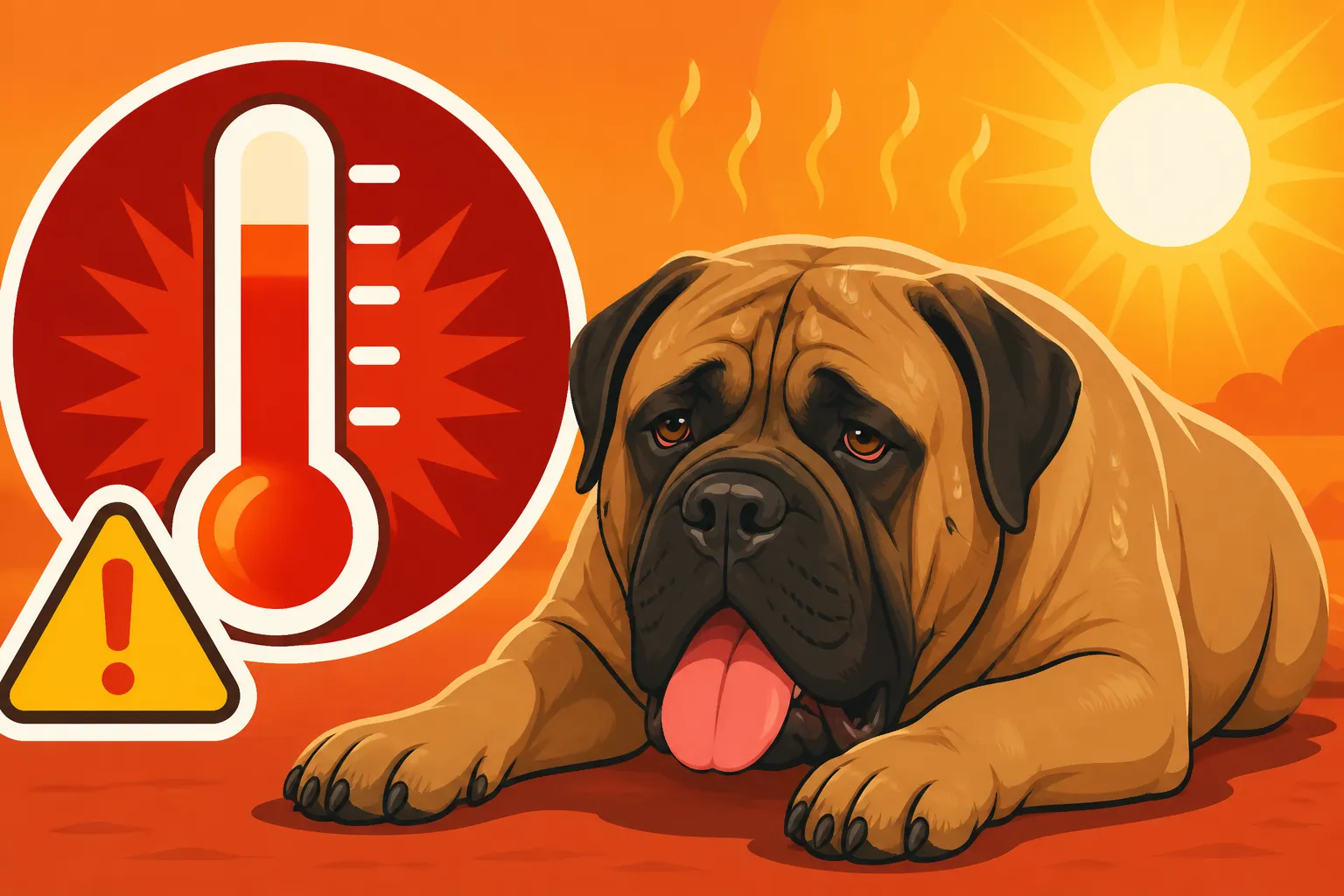
Why Eighty Degrees Is Dangerous for a Bullmastiff
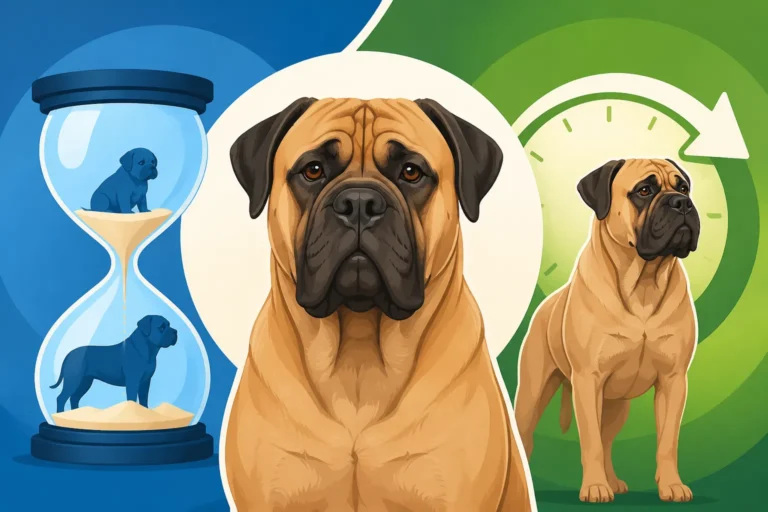
One of the most heartbreaking realities of owning a magnificent Bullmastiff is discovering just how fragile they can be, especially when it comes to something as seemingly innocuous as a warm day. You see your sturdy, powerful companion, and it's easy to assume they can handle anything, but the truth is, temperatures we find merely pleasant can quickly turn dangerous for them. This guide is here to shed light on precisely why an 80-degree Fahrenheit day is a serious red flag for your Bullmastiff and, more importantly, what you can do to keep them safe and comfortable.
Understanding the Bullmastiff's Unique Vulnerability to Heat
It's not just about their size; several distinct physiological characteristics make Bullmastiffs far more susceptible to overheating than many other breeds. These traits, while contributing to their impressive appearance, unfortunately work against them when the mercury rises.
The Brachycephalic Challenge: A Short Muzzle's Limits
The hallmark deep-set muzzle and broad head of a Bullmastiff, which many find so endearing, is actually their greatest Achilles' heel in warm weather. Unlike breeds with longer snouts, which have a larger surface area in their nasal passages to cool inhaled air and allow for efficient heat exchange through panting, a Bullmastiff's respiratory system is compressed. This means they simply cannot pant effectively enough to cool their body down when temperatures start to climb.
Imagine trying to cool a steaming pot by blowing on it through a very narrow straw. It’s incredibly inefficient. That's essentially what a brachycephalic dog like a Bullmastiff experiences. Their airways are often narrower, their soft palate can be elongated, and the folds of tissue in their throat can obstruct airflow. This structural difference means that as they pant harder to try and cool down, they're actually generating more internal heat through the effort, creating a dangerous positive feedback loop. This struggle is why a Bullmastiff's short muzzle cannot cool it efficiently.
This inefficiency becomes critical because panting is a dog's primary method of cooling down. When a Bullmastiff struggles to move air over the moist surfaces of its tongue and nasal passages, it can't evaporate moisture quickly enough, and without that evaporation, heat builds up in their core. This isn't just about feeling uncomfortable; it's about a fundamental failure of their built-in cooling system, which can rapidly lead to a life-threatening situation.
A Dense Coat and Heavy Build: Insulators, Not Ventilators
While their short, dense coat might seem less problematic than a thick, long-haired one, it still acts as an insulator, trapping heat close to their body rather than allowing it to dissipate. Coupled with their massive, muscular build, this creates a formidable challenge for heat regulation. A Bullmastiff can weigh anywhere from 100 to 130 pounds or more, and that substantial body mass generates a significant amount of metabolic heat.
Think of it this way: a large engine naturally produces more heat than a small one. The Bullmastiff's powerful musculature, designed for guarding and holding, means they are essentially carrying around a built-in heat source. This muscle mass isn't easily cooled. Unlike smaller, leaner dogs or breeds with open coats that allow for better air circulation, a Bullmastiff's physical structure is designed for strength and power, not for hot weather agility or endurance. This is why a Bullmastiff overheats so easily.
Owners often underestimate the insulating properties of a Bullmastiff's coat, assuming that because it's short, it must be light and airy. However, the density of their coat prevents air from circulating freely over the skin, which is crucial for carrying away excess heat. Combined with their substantial body weight, this makes them highly prone to retaining heat and struggling to release it, turning them into a walking heat trap when temperatures rise.
Low Exercise Tolerance in Heat: A Breed Designed for Cool Climates
Historically, the Bullmastiff was developed in England by gamekeepers to catch poachers. Their work was primarily conducted at night, when temperatures were much cooler, and their role was to hold, not chase for long distances. This background means they are not genetically predisposed to high-endurance activities, especially in warm climates. Their physiology is simply not built for it.
Even a seemingly harmless short walk or a few minutes of play in 80-degree weather can be profoundly dangerous for a Bullmastiff. Their impressive strength and stoicism can often mask their distress until it's too late. They might push themselves to please you or out of sheer will, but internally, their body is struggling immensely. This is why eighty degrees is dangerous for a Bullmastiff.
Activities that might be perfectly safe for a Border Collie or a German Shorthaired Pointer—a jog, a vigorous game of fetch, or even extended time outdoors—can quickly become a medical emergency for a Bullmastiff. Their purpose-bred physique, combined with their compromised cooling system, demands a careful reassessment of exercise routines and outdoor time whenever temperatures start to rise above comfortable levels. Understanding their history helps us appreciate their needs in our modern world.
The Critical Danger Zone: Why 80 Degrees Fahrenheit is a Red Flag
Many people think 80 degrees is a lovely summer day, perfect for outdoor activities. For a Bullmastiff, it’s a warning sign, a temperature where the risks of heat stress and heatstroke escalate dramatically.
The "Feels Like" Factor: Humidity's Amplifying Effect
It's not just the number on the thermometer that matters; humidity plays a massive role in how a Bullmastiff experiences the heat. Dogs cool themselves primarily through evaporative cooling from their respiratory tract via panting. When the air is saturated with moisture—high humidity—this evaporation becomes incredibly inefficient. The air simply can't absorb any more moisture, so the Bullmastiff's panting does little to dissipate heat.
Imagine trying to dry your clothes on a rainy, humid day. It takes forever, if it happens at all. The same principle applies to your dog. An 80-degree day in a dry climate like Phoenix, Arizona, while still challenging, is fundamentally different from an 80-degree day with high humidity in a place like Orlando, Florida. In humid conditions, the "feels like" temperature for your Bullmastiff is much higher, and the danger accelerates exponentially.
This often catches owners off guard. A day that feels comfortable to you, perhaps with a slight breeze, can be a death trap for your Bullmastiff if the humidity is stifling. It’s crucial to consider the heat index, not just the ambient temperature. If you feel sticky and sweaty, your Bullmastiff is likely struggling even more, as their inability to sweat (except through their paw pads to a very limited degree) leaves them reliant on a panting mechanism that humidity can render almost useless.
Internal Temperature Regulation: A Bullmastiff's Struggle
A Bullmastiff's core body temperature is naturally higher than a human's, typically ranging from 101 to 102.5 degrees Fahrenheit. When they start to overheat, this temperature can climb rapidly and dangerously. Their heavy body mass and dense coat act like an oven, trapping heat. Unlike humans who can sweat profusely to cool down, Bullmastiffs rely almost entirely on panting, which, as we’ve discussed, is already compromised due to their brachycephalic structure.
The scary part is how quickly their internal temperature can spiral out of control. What starts as a mild elevation can surge past 104 degrees, then 105, and beyond, in a matter of minutes, especially with any exertion. At these temperatures, their body's internal systems begin to shut down. The proteins in their cells start to denature, much like an egg cooking. This process can cause irreversible damage to vital organs before you even see obvious external signs of distress.
You might notice subtle early signs a Bullmastiff has heatstroke, such as excessive drooling, glazed eyes, or an unusually rapid heart rate. But by the time these become apparent, their core temperature may already be dangerously high. This is why proactive measures are so critical; waiting for visible symptoms means you're already playing catch-up in a race against time. The speed at which internal temperatures can escalate makes 80 degrees a perilous threshold for these magnificent dogs.
The Silent Threat of Heatstroke Onset
Heatstroke in Bullmastiffs isn't a gradual process; it's often a rapid and catastrophic event. One moment they might seem a little warm, and the next, they could be in a full-blown medical emergency. This rapid onset is particularly terrifying for owners because it leaves very little room for error or delayed reaction. The window for effective intervention can be incredibly small.
This is not a dog that can "power through" the heat. Their body simply doesn't have the physiological mechanisms to cope. The initial signs might be dismissed as general discomfort or laziness, but beneath the surface, irreversible damage could be occurring. When a Bullmastiff collapses from heatstroke, it's often because their internal organs are already struggling to function, their brain is deprived of oxygen, and their cardiovascular system is in crisis.
The silent nature of its progression means you might not hear frantic barking or see dramatic displays of pain until it's far too late. They might simply slow down, seek shade, or lie down, which can easily be misinterpreted as normal behavior for a large, calm breed. This deceptive quietness is precisely why owners need to be so vigilant and understand the extreme danger of temperatures like 80 degrees for their beloved Bullmastiffs.
Recognizing the Alarming Signs of Heat Stress and Heatstroke
Knowing what to look for is your first line of defense. Bullmastiffs are stoic creatures, and they won't always make it obvious they're suffering until they're in a critical state. Early detection is everything.
Early Warning Signals: Don't Dismiss the Subtle Clues
When a Bullmastiff is starting to feel the heat, they will often exhibit subtle changes that, if caught early, can prevent a full-blown emergency. The first and most noticeable sign is usually excessive panting, often louder and more labored than their usual breath. This isn't just a slightly increased respiratory rate; it's a deep, persistent pant that sounds like they're trying to gulp air. Their tongue might be hanging out further than usual, and they might start drooling excessively, with thick, ropey saliva.
Beyond panting and drooling, look for behavioral cues. Your typically calm Bullmastiff might become restless, unable to settle, constantly shifting positions, or trying desperately to find a cooler spot, even if that means lying on a cold tile floor in a bizarre position. They may also appear glassy-eyed or disoriented, looking "spaced out" or confused. Some may show an increased heart rate, which you might feel by placing your hand on their chest. These are signs a Bullmastiff has heatstroke in its very early stages.
It’s important to differentiate this from normal panting after mild exertion on a cool day. In warmer conditions, the panting will be more intense, prolonged, and accompanied by other changes. If your Bullmastiff, known for its calm demeanor, seems unusually agitated or lethargic in warm weather, do not dismiss it. These subtle signals are your Bullmastiff's way of silently crying for help before things become critical.
Advanced Symptoms: When Immediate Action is Required
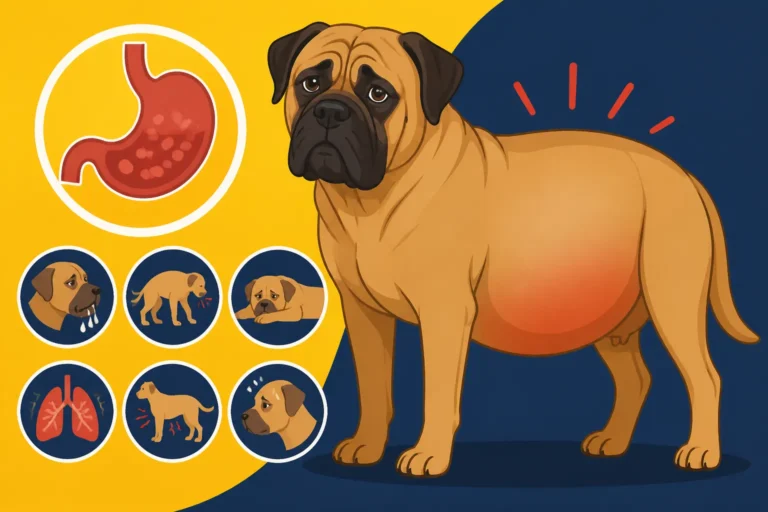
If the early warning signs are missed or ignored, a Bullmastiff can quickly progress to advanced stages of heatstroke, which are true medical emergencies. At this point, the symptoms become much more dramatic and alarming, indicating severe systemic distress. You might see staggering or an inability to stand, leading to collapse. Their gums may appear very red or even bluish, indicating poor oxygenation, or they might be pale if they are going into shock.
Vomiting and diarrhea, sometimes bloody, are common as the internal organs begin to fail. Their eyes might appear sunken, and their breathing will become extremely labored, almost gasping, or paradoxically, very shallow. Muscle tremors, seizures, and loss of consciousness are also possible, indicating severe neurological damage. In these critical moments, every second counts.
Never wait to see if these advanced symptoms improve on their own. By this stage, the Bullmastiff's internal temperature is likely dangerously high, and irreversible organ damage is already occurring. This is the moment to initiate immediate first aid and seek emergency veterinary care. There's no time for hesitation; your Bullmastiff's life depends on your swift and decisive action.
Differentiating Heatstroke from Other Emergencies
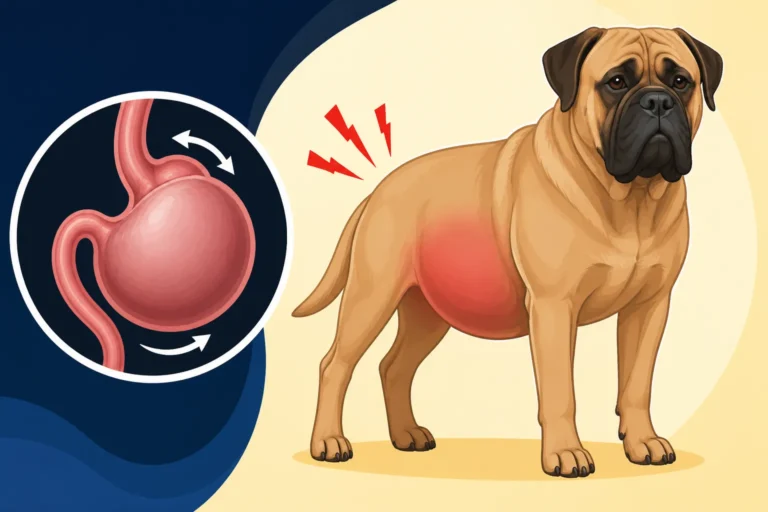
While the symptoms of advanced heatstroke are quite distinct, it’s worth noting that some signs can mimic other serious conditions. For example, collapse, vomiting, and lethargy can also be indicative of a sudden onset of Bloat in a Bullmastiff, which is another life-threatening emergency common in large, deep-chested breeds. Similarly, an extremely rapid heart rate or fainting could point to underlying cardiac issues like Subaortic Stenosis Is There Before a Bullmastiff's First Birthday or Dilated Cardiomyopathy in a Bullmastiff.
However, when you observe these symptoms in warm weather, especially after any physical exertion or exposure to high temperatures (like an 80-degree day), always assume heatstroke first. It’s the most rapidly progressing and temperature-dependent emergency. While a vet will conduct a full differential diagnosis, your initial priority is to address the heatstroke.
The key differentiator is the context: recent exposure to heat. If your Bullmastiff starts showing these signs after even a short time in the sun, after a brief walk in the afternoon, or while merely sitting in a warm room, heatstroke must be your primary concern. Don't waste precious minutes trying to figure out if it's something else; cooling measures and immediate transport to an emergency vet are paramount. Veterinary professionals are highly experienced with these types of emergencies in Bullmastiffs and will know exactly what to do upon arrival.
First Aid for an Overheating Bullmastiff: Every Second Counts
When your Bullmastiff is showing signs of heat stress or, worse, heatstroke, you need to act quickly and correctly. Panic won't help; clear, decisive action will.
Moving to Safety and Initiating Cooling
The very first thing you must do is get your Bullmastiff out of the hot environment immediately. Move them indoors to an air-conditioned space, or at the very least, into a shaded area with a fan. Do not force them to walk if they are staggering or collapsing; gently help them move, or carry them if possible, especially if they are a puppy or a smaller female.
Once in a cooler spot, the goal is to gently lower their body temperature. Use cool (not ice-cold) water to wet their coat, especially concentrating on areas where major blood vessels are close to the surface: the armpits, groin, and neck. You can use a hose on a gentle setting, wet towels, or simply pour water over them. The key is cool, not freezing. Ice-cold water can cause the blood vessels to constrict, trapping heat inside their core, and can also send them into shock.
Apply a fan directly to their wet body to maximize evaporative cooling. If you have rubbing alcohol, you can very sparingly wipe it on their paw pads; it evaporates quickly, drawing heat away. Continuously monitor their condition. Do NOT try to force them to drink water, especially if they are disoriented or unconscious, as they could aspirate it into their lungs. Your focus is on external cooling while preparing for the next crucial step.
Transporting to Emergency Veterinary Care
Once you've initiated immediate cooling measures, the next critical step is to get your Bullmastiff to the nearest emergency veterinary clinic without delay. Even if they seem to be recovering, internal damage could still be occurring, and professional medical intervention is essential. Call the vet clinic while you are en route to let them know you are coming and that you suspect heatstroke in your Bullmastiff. This allows them to prepare for your arrival, saving precious minutes.
During transport, continue your cooling efforts as best you can. Keep the air conditioning in your car on high, direct vents towards your dog, and if possible, continue to apply cool, wet towels. Avoid covering them with blankets, even if they seem to be shivering, as this can trap heat. Keep them as calm and still as possible to minimize further heat generation from exertion or stress.
Understand that even after their temperature drops, heatstroke can cause delayed complications such as kidney failure, liver damage, neurological issues, and clotting disorders (DIC). A veterinarian will need to assess their internal temperature, monitor organ function, provide IV fluids, and potentially administer other treatments to mitigate these severe risks. Quick transport can dramatically improve their prognosis. Your immediate actions, combined with professional vet care, offer the best chance of survival. Insurance plans like Healthy Paws can be incredibly helpful in covering these unexpected emergency expenses, providing peace of mind during such a stressful time.
Post-Emergency Care and Monitoring
After an emergency heatstroke event, even if your Bullmastiff seems to have pulled through, the road to full recovery can be complex, and diligent post-emergency care is crucial. Your vet will likely want to keep them for observation, monitoring their blood work for signs of organ damage (kidneys, liver) and checking for complications like disseminated intravascular coagulation (DIC), a severe clotting disorder that can occur after heatstroke.
When your Bullmastiff comes home, strict rest will be necessary, and you'll need to follow your vet's instructions precisely regarding medication, diet, and activity restrictions. They might be more sensitive to heat in the future, so continued vigilance and preventative measures become even more critical. Monitor their appetite, thirst, urination, and energy levels closely, and report any concerning changes to your vet immediately.
Long-term, some Bullmastiffs may experience lasting health issues, even if they appear to make a good recovery. This could include chronic kidney disease, neurological deficits, or a heightened susceptibility to future heat-related illnesses. Regular follow-up appointments with your veterinarian will be essential to monitor their ongoing health. This experience serves as a stark reminder of why being hyper-aware of What Temperature Is Dangerous for a Bullmastiff and consistently proactive with prevention is so important.
Practical Strategies for Protecting Your Bullmastiff in Warm Weather
Preventing heatstroke is always easier and safer than treating it. With a Bullmastiff, vigilance and planning are your best tools during warmer months.
Managing Exercise Routines: Timing and Intensity are Key
When the temperature starts to climb, especially towards 80 degrees, a complete overhaul of your Bullmastiff's exercise routine is non-negotiable. Forget midday walks or strenuous play sessions. The safest times for any outdoor activity are typically very early morning (before the sun has had a chance to heat up the ground and air) and late evening, well after sunset. Even during these times, keep walks short, leisurely, and focus on cooler, shaded paths.
The intensity of exercise must be drastically reduced. Instead of a brisk walk, think of it as a meandering stroll. Avoid any activity that involves sustained running, jumping, or pulling. Remember, your Bullmastiff's ancestors were night watchdogs in cool climates; their bodies are not built for heat endurance. This means skipping the dog park during summer afternoons and opting for mental stimulation indoors instead of physical exertion outside. You can read more about When It Is Too Hot to Walk a Bullmastiff for detailed guidance.
Always carry water for your Bullmastiff on any outdoor excursion, no matter how short. Offer it frequently. If you notice any signs of panting or discomfort, cut the walk short immediately and head back to a cool environment. It's far better to err on the side of caution and end an outing prematurely than to push your dog into a dangerous situation. Their life literally depends on your discretion during warm weather.
Creating a Cool and Safe Home Environment
Your home becomes your Bullmastiff's sanctuary from the heat. Air conditioning is not a luxury; it's a necessity for these breeds when temperatures rise. Keep your home comfortably cool throughout the day. If you don't have central air, use fans to circulate air, but remember that fans primarily cool by increasing evaporative cooling, which isn't as efficient for dogs as it is for humans, especially in high humidity.
Beyond air conditioning, designate specific "cool zones" in your home. This might be a spot on a tile floor, an elevated cooling bed that allows air to circulate underneath, or a specialized cooling mat. Make sure these areas are always accessible to your Bullmastiff. Keep curtains and blinds closed during the hottest parts of the day to prevent sunlight from heating your indoor spaces.
Crucially, never, ever leave your Bullmastiff in a car, even with the windows cracked, for even a few minutes. The internal temperature of a car can skyrocket to dangerous levels in a shockingly short amount of time, turning it into a death trap. A study showed that on an 80-degree day, the inside of a car can reach 109 degrees in just 10 minutes, and 120 degrees within 30 minutes. This is why How Fast a Bullmastiff Overheats in a Car is such an important topic to understand. It's a risk that is simply not worth taking, ever.
Hydration and Nutrition Considerations
Ensuring your Bullmastiff stays well-hydrated is paramount in warm weather. Always provide multiple bowls of fresh, cool water throughout your home, in accessible locations. You might consider adding ice cubes to their water bowls to keep the water colder for longer, or even offering ice cubes as refreshing treats. Some owners find that a large ceramic or stainless steel bowl helps keep water cooler than plastic.
You can also boost their hydration by adding a little extra water or broth (low sodium, dog-safe) to their meals. During peak heat, some vets recommend feeding smaller meals during the coolest parts of the day (early morning, late evening). Digestion itself generates a small amount of metabolic heat, so avoiding large meals during the hottest hours can subtly contribute to keeping their core temperature lower.
While diet doesn't directly prevent heatstroke, keeping your Bullmastiff at a lean, healthy weight is one of the best things you can do for their overall health, including their ability to cope with heat. Overweight dogs have an extra layer of insulation (fat) that traps heat, and they often struggle with respiratory and cardiovascular issues that further compromise their heat tolerance. Ensuring they have constant access to water and managing meal timing are simple yet effective strategies to support their well-being in warmer temperatures.
Long-Term Health Implications of Heat Stress and Prevention
Surviving heatstroke is a battle, but the war isn't always over. Heatstroke can leave lasting damage, making prevention even more vital for a Bullmastiff's overall longevity and quality of life.
Organ Damage and Secondary Complications
The catastrophic internal temperature rise during heatstroke doesn't just make a dog feel bad; it literally cooks their internal organs. Even if a Bullmastiff recovers, they can suffer from long-term organ damage. The kidneys are particularly vulnerable, and heatstroke can lead to acute kidney injury or chronic kidney disease, requiring lifelong management. The liver can also be damaged, affecting its crucial role in detoxification and metabolism.
Furthermore, heatstroke can cause neurological damage, leading to seizures, behavioral changes, or persistent disorientation. The gastrointestinal tract often suffers, leading to severe inflammation, ulcers, and sometimes chronic digestive issues. One of the most dangerous complications is Disseminated Intravascular Coagulation (DIC), a severe bleeding disorder where the blood inappropriately clots and then fails to clot, which can be fatal even days after the initial heatstroke event.
It's a sobering reality that even Bullmastiffs who seemingly "bounce back" quickly might have silent internal damage that only manifests weeks or months later. This is why thorough veterinary follow-up and careful monitoring are essential after any severe heat stress episode. The consequences underscore why preventing heatstroke in the first place is the ultimate goal, as the cost of treatment, both financial and in terms of your dog's health, is incredibly high.
Pre-existing Conditions and Increased Risk
Certain pre-existing health conditions can significantly elevate a Bullmastiff's risk of heatstroke and worsen its prognosis. Dogs with respiratory issues, such as severe brachycephalic airway syndrome, laryngeal paralysis (which can cause Whether a Bullmastiff Has Breathing Problems), or other underlying lung diseases, already struggle to breathe efficiently, making cooling through panting even more difficult.
Cardiac conditions, like Subaortic Stenosis Is There Before a Bullmastiff's First Birthday or Dilated Cardiomyopathy in a Bullmastiff, can compromise a Bullmastiff's heart function, making it harder for their cardiovascular system to cope with the stress of overheating. Obese Bullmastiffs are at a much higher risk, as the extra fat acts as an insulating layer, trapping heat, and they often have more strenuous respiratory and circulatory systems. This is why keeping a Bullmastiff lean is the best thing you can do.
Even seemingly minor conditions or medications can play a role. Discuss your Bullmastiff's full health history and any medications they are on with your veterinarian to understand their specific heat risk profile. For example, some anti-anxiety medications or diuretics can affect hydration and heat tolerance. Knowledge of these factors allows you to tailor your prevention strategies and be even more vigilant, potentially guiding discussions about proactive veterinary care and ensuring you have appropriate pet insurance, such as Healthy Paws, to manage any emergent health concerns.
Proactive Planning: Vet Consults and Emergency Preparedness
Being proactive is the most responsible approach to Bullmastiff ownership, especially regarding heat safety. Before summer officially hits, schedule a wellness check with your veterinarian. Discuss your concerns about heat sensitivity, especially if you live in a region prone to high temperatures or humidity, like those found in Whether a Bullmastiff Can Live in a Hot State. Your vet can assess your Bullmastiff’s overall health, discuss any underlying conditions, and provide tailored advice on safe exercise limits, cooling strategies, and emergency protocols.
Create a clear emergency plan. Know the location and contact information for the nearest 24-hour emergency veterinary hospital, not just your regular vet. Save their number in your phone. Familiarize yourself with the quickest route. If you travel with your Bullmastiff, identify emergency vet clinics along your route or at your destination beforehand.
Consider creating a small "heatstroke kit" for your car or home, containing cool towels, a spray bottle with water, and a small fan. This preparedness can make all the difference in those critical first few minutes if an emergency arises. It’s about being ready for the worst, so you can hope for the best. Remember, being prepared is a sign of a truly caring Bullmastiff owner.
Dispelling Myths and Common Misconceptions
There are many myths surrounding canine heat tolerance, and for a Bullmastiff, believing them can have deadly consequences. Let's set the record straight.
"They'll Tell Me If They're Too Hot": The Myth of Canine Communication
This is one of the most dangerous misconceptions, especially with stoic breeds like Bullmastiffs. Many owners believe their dog will whine, bark, or overtly show distress when they are too hot. The unfortunate reality is that dogs, by nature, are incredibly adept at hiding pain and discomfort. This is an evolutionary survival trait from their wild ancestors, who wouldn't show weakness to predators.
Your Bullmastiff might simply slow down, seek shade, or lie down quietly, which can easily be misinterpreted as them just being "lazy" or "content." They don't have the words to tell you, "Hey, my internal organs are starting to shut down!" By the time they exhibit dramatic signs like staggering or collapse, they are already in a critical state. Their desire to be with you or to please you might even make them push past their limits silently.
Therefore, the responsibility falls squarely on the owner to be hyper-aware of the environmental conditions and their dog's subtle cues. You must be their advocate and protector, constantly monitoring temperatures, humidity, and your Bullmastiff's behavior, assuming they are vulnerable even if they're not overtly complaining. Relying on them to "tell you" is a gamble you cannot afford to take with a Bullmastiff.
"Just a Quick Dip": Water Safety and Cooling Effectiveness
While water can be a great way to cool a dog down, "just a quick dip" in a pool or lake isn't always the safest or most effective solution for a Bullmastiff, and it comes with its own set of risks. Firstly, not all Bullmastiffs are strong swimmers. Their dense, heavy bodies and brachycephalic faces mean they can struggle to keep their heads above water, making them prone to aspiration pneumonia if they accidentally inhale water.
Furthermore, a sudden immersion in very cold water can cause a shock to their system, potentially leading to cardiac arrest in vulnerable individuals. If you do use water for cooling, it should be cool, not icy cold, and introduced gradually. A shallow kiddie pool where they can stand and splash, or simply hosing them down with a garden hose (again, cool, not freezing) is often safer than deep water.
The most effective way to cool a Bullmastiff with water is to wet their coat thoroughly and then use a fan to promote evaporative cooling, focusing on the undersides and armpits. Swimming, if your Bullmastiff enjoys it and is supervised, should be done in a controlled environment, in shallow water, and always with a canine life vest. This ensures their safety while offering some relief, but it should never be seen as a substitute for keeping them out of dangerous temperatures in the first place.
"They're Tough, They Can Handle It": Challenging Assumptions
This is perhaps the most insidious myth, perpetuating a dangerous misunderstanding of the Bullmastiff breed. Because they are large, muscular, and historically bred for demanding work, many people assume they are inherently "tough" and can withstand harsh conditions. This couldn't be further from the truth when it comes to heat. Their "toughness" refers to their protective instincts and physical power, not their physiological resilience to high temperatures.
Their impressive physique, which might deter an intruder, unfortunately, works against them in the heat. Their strength and stoicism can trick owners into believing they are fine when, internally, they are in dire straits. This dangerous assumption often leads to preventable tragedies, where owners push their Bullmastiffs too hard on a warm day or leave them in conditions that would be uncomfortable for a human, believing the dog can handle it.
As responsible Bullmastiff owners, we must challenge this assumption vigorously. Our love for these magnificent animals means understanding their specific vulnerabilities and actively protecting them from dangers, even those that seem minor to us. They depend entirely on our informed decisions. Prioritizing their safety means recognizing that their physical prowess does not extend to an ability to tolerate heat.
| Feature / Condition | Bullmastiff (Brachycephalic, Dense Body) | Example Long-Nosed Breed (e.g., Labrador Retriever) | Impact at 80°F Ambient Temperature |
|---|---|---|---|
| Muzzle Length | Short, compressed airways | Longer, open nasal passages | High Danger: Severely inefficient panting, difficulty dissipating heat, increased risk of airway swelling. |
| Body Mass | Heavy, dense musculature (100-130+ lbs) | Moderate, athletic build (55-80 lbs) | High Danger: Generates significant metabolic heat, acts as an insulator, harder to cool entire body mass. |
| Coat Type | Short, dense | Double coat, single coat, etc. (varies) | Moderate Danger: Traps heat close to body despite being short, less airflow to skin. |
| Panting Efficiency | Poor, labored, less effective evaporative cooling | Highly efficient, large surface area for heat exchange | Critical Issue: Primary cooling mechanism is compromised, leading to rapid core temperature rise. |
| Humidity Impact | Severely exacerbated risk | Still sensitive, but less acutely affected | Extreme Danger: In humid 80°F, evaporation near impossible, rapid internal overheating. |
| Exercise Tolerance | Extremely low | Moderate to high | Zero Tolerance: Even light exercise can trigger heatstroke; strenuous activity is a severe risk. |
| Time to Overheat | Very rapid (minutes) | Slower (longer exposure/exertion) | Immediate Threat: Can reach dangerous temperatures incredibly quickly, especially in enclosed spaces or with exertion. |
| Heatstroke Risk | Very High | Moderate | Constant Vigilance Required: Requires extreme caution and proactive management. |
Disclaimer
The information provided in this article is for general informational purposes only and is not intended as a substitute for professional veterinary advice, diagnosis, or treatment. Always seek the advice of your veterinarian or other qualified animal health provider with any questions you may have regarding a medical condition or the health and well-being of your Bullmastiff. Never disregard professional veterinary advice or delay in seeking it because of something you have read here.