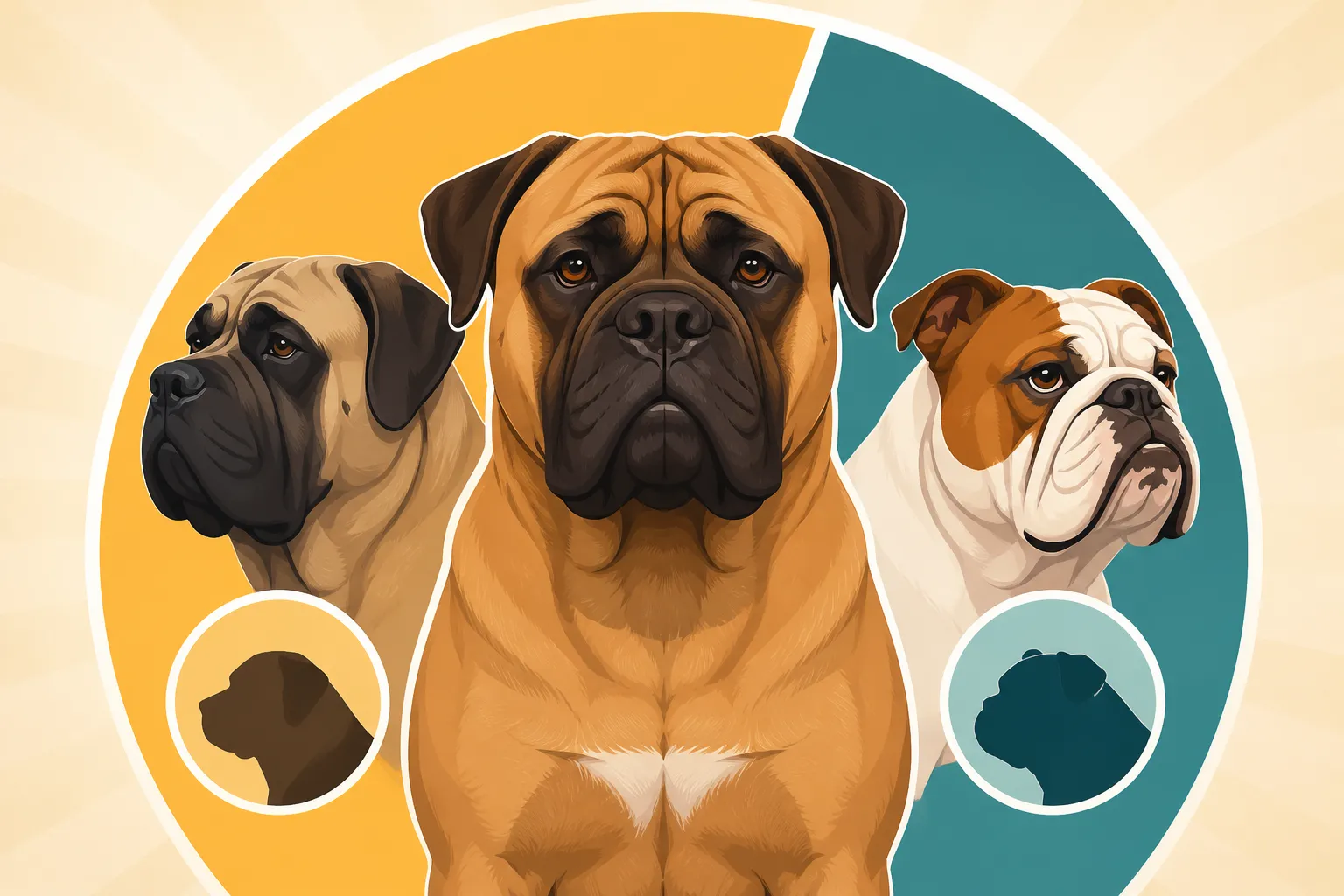
The Bullmastiff Is Sixty Percent Mastiff and Forty Percent Bulldog
Many people look at a Bullmastiff and see a magnificent, imposing dog, but they might not fully grasp the incredibly precise engineering that went into creating this unique breed. It's not just a big dog; it’s a living testament to a specific purpose, a careful blend designed for a demanding job. This guide dives deep into the fascinating genetic recipe that makes a Bullmastiff: sixty percent Mastiff and forty percent Bulldog, exploring how this specific combination shaped their history, physical traits, and unwavering temperament.
The Genesis of a Gamekeeper's Dog: Blending Power and Agility
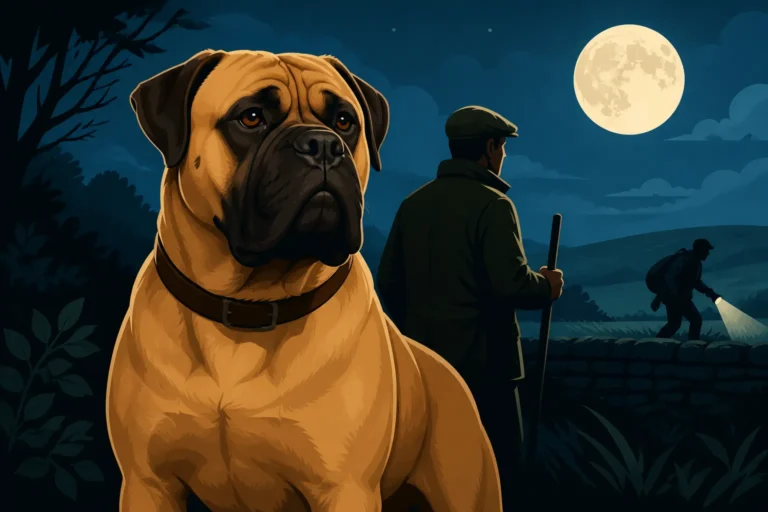
Imagine the sprawling estates of 19th-century England, teeming with game but also plagued by poachers. Gamekeepers needed a dog that could cover ground swiftly, quietly apprehend an intruder, and then hold them without causing grievous harm. Neither the pure Mastiff nor the pure Bulldog of the era fit the bill perfectly, leading to the deliberate creation of a new kind of canine guardian.
Necessity: Why the Bullmastiff Was Needed
The challenge for gamekeepers was immense. Poachers were often desperate, sometimes armed, and always looking to exploit the vast, dimly lit forests. A dog was needed that acted as a silent alarm, a deterrent, and an apprehension tool all in one. The existing breeds had their strengths, but also their fatal flaws for this highly specialized work. The idea wasn't to create a pet, but a working tool, and that tool needed a very specific set of attributes. Without the dire need to protect game and property, the Bullmastiff as we know it might never have come to be. It truly was a case of necessity breeding invention, or in this case, a new breed.
The Mastiff's Contribution: Unmatched Size and Strength
The Mastiff brought the undisputed bulk and formidable presence. These dogs were giants, and their sheer size was often enough to deter a casual trespasser. When confrontation was unavoidable, their strength was immense. They possessed a natural guarding instinct, a deep loyalty to their territory and people, and a relatively calm, dignified demeanor. However, a pure Mastiff, while powerful, could sometimes be too slow or perhaps even too aggressive, potentially harming a poacher more than desired. Gamekeepers needed a dog that was imposing but also manageable, one that could apply force without causing permanent injury. This massive dog laid the foundation for the Bullmastiff's impressive physique and protective nature. How a Bullmastiff Differs From a Mastiff really gets into these distinctions.
The Bulldog's Infusion: Tenacity and Lower Center of Gravity
The "Old English Bulldog" of the 19th century was a far cry from the lovable, squat companion we know today. These were athletic, tenacious dogs bred for bull-baiting and dog fighting – not for their sweet disposition, but for their incredible courage, powerful jaws, and low center of gravity. They could move quickly, change direction rapidly, and, crucially, hold onto something with unwavering determination. This tenacity was exactly what the Mastiff lacked in agility and swiftness, and their lower build made them harder for a man to kick or throw off. The Bulldog's contribution ensured the new breed wouldn't just look formidable, but could also act with swift, decisive force when needed, giving the resulting Bullmastiff its distinctive blend of power and unyielding grip.
Unpacking the "Sixty Percent Mastiff": Legacy of the Ancient Guardian
The larger portion of the Bullmastiff's heritage comes from the Mastiff, and this is evident in many of the core characteristics we recognize today. This isn't just about physical size, though that's certainly a part of it, but also the inherent behavioral traits that make a Bullmastiff such a unique guardian.
Size, Substance, and Stature: The Mastiff's Enduring Influence
When you look at a Bullmastiff, you're looking at a dog that clearly inherited the Mastiff's substantial build. They are large, powerful dogs, often weighing well over 100 pounds, with deep chests and strong bone structure. This impressive substance gives them their undeniable presence. A gamekeeper needed a dog that looked the part, a creature that would inspire second thoughts in anyone contemplating illegal activity. This imposing stature isn't just for show; it's designed to command respect and deter potential threats simply by existing. The density of their bone and muscle reflects this Mastiff legacy, creating a dog that feels incredibly solid and powerful. How Much a Bullmastiff Weighs gives you an idea of the sheer mass we're talking about.
The Guardian Instinct: A Deep-Seated Loyalty
The Mastiff blood endowed the Bullmastiff with a profound and unwavering guardian instinct. These dogs are inherently protective of their families and their home. They see their people as their pack, and they take their role as protectors very seriously. This isn't an aggressive, attack-dog mentality, but rather a watchful, territorial loyalty. They are observant and will often position themselves to keep an eye on their surroundings, always aware of who belongs and who doesn't. This natural inclination to guard comes from centuries of Mastiffs protecting homes and livestock. It's a quiet, ever-present readiness that makes Bullmastiffs feel like a constant, reassuring presence in the home.
Temperament Traits: Calmness, Dignity, and Deliberation
While capable of explosive action, a well-bred Bullmastiff, thanks to its Mastiff heritage, is typically a calm, confident, and dignified dog. They aren't prone to frantic barking or nervous energy. Instead, they often exhibit a thoughtful, almost deliberate approach to new situations. They observe, assess, and then react, rather than impulsively diving in. This composed demeanor is a hallmark of the Mastiff type and is essential for a dog that needs to make discerning judgments in potentially tense situations. This calmness is a huge part of why they are often referred to as "gentle giants" within their family unit, providing a stark contrast to their working capability.
The "Forty Percent Bulldog": Adding the Edge to the Equation
The Bulldog component, while smaller in percentage, contributed critical elements that refined the Bullmastiff into the perfect working companion for a gamekeeper. It added traits that were essential for the active apprehension aspect of their job, balancing the Mastiff's mass with agility and an uncompromising will.
Athleticism and Drive: The Bulldog's Original Purpose
The Bulldogs of old were incredibly athletic for their build, possessing explosive power and surprising speed over short distances. This agility and drive were crucial for a dog that needed to cover ground quickly to intercept a fleeing poacher. They could spring into action, move through varied terrain, and maintain their focus. While the Bullmastiff isn't a long-distance runner, that burst of speed and ability to maneuver quickly comes directly from its Bulldog ancestry. It's the difference between a heavy-duty truck and a heavy-duty truck with a sports car's engine – still robust, but with a surprising kick when needed. This drive makes them engaged and ready for action, even if they spend most of their time napping on the couch.
Head and Muzzle: Distinguishing Features from the Bulldog Line
The Bullmastiff's distinctive head, with its broad skull and relatively shorter muzzle, is a clear nod to its Bulldog heritage. While not as extreme as the modern Bulldog, that characteristic shape provides powerful jaws and a strong grip. The broadness of the head often signals great strength and a tenacious hold, a vital attribute for physically holding a poacher. This blend gives them the powerful bite needed to hold without causing severe injury, adhering to the "hold, not harm" principle. The wrinkles and folds around their muzzle are also a visible link, requiring regular care to prevent skin issues. The Wrinkles and Folds on a Bullmastiff's Face discusses how to manage these features.
Unwavering Resolve: Tenacity and Fearlessness
Perhaps the most invaluable contribution of the Bulldog was its sheer tenacity and fearlessness. Once a Bulldog committed to a task, it rarely let go. This unwavering resolve was paramount for a gamekeeper's dog, ensuring that once a poacher was apprehended, they stayed apprehended until the gamekeeper arrived. This isn't about being aggressive, but about having an absolute commitment to the job. A Bullmastiff won't easily back down from a perceived threat, not because they are looking for a fight, but because they are deeply resolute in their protective duties. This mental toughness, often manifesting as a certain stubbornness in training, is a direct inheritance from their Bulldog ancestors.
Beyond the Percentages: How the Blend Shaped the Bullmastiff's Role
The 60/40 ratio wasn't a random guess; it was a deliberate calculation aimed at creating a canine specialist. Every aspect of their original purpose, from apprehension to quiet surveillance, was a direct result of balancing the best traits of their parent breeds.
The Ideal Poacher Catcher: A Balance of Attributes
The goal was to create a dog that was physically formidable enough to deter and contain an adult human, but also agile and intelligent enough to execute the job precisely. The Mastiff provided the raw power and intimidating presence, while the Bulldog added the necessary speed, agility, and uncompromising grip. This combination resulted in a dog that could track, corner, and hold a man effectively without resorting to mauling, which was crucial for legal reasons at the time. What a Bullmastiff Was Bred to Do to a Poacher outlines the specifics of this historical role. It was truly a tailor-made solution for a very specific problem.
Silence and Stealth: Crucial for Night Work
A loud dog would have been useless for a gamekeeper. Poachers worked under the cover of darkness, and a barking dog would have given away its presence, allowing the poacher to escape or prepare for a confrontation. The Bullmastiff inherited a strong inclination towards silent work, particularly from its Mastiff side, which was not known for excessive barking. This quiet nature meant they could patrol and apprehend without alerting everyone in the vicinity. This stealth, combined with their imposing appearance once discovered, made them highly effective guardians of the night. It's why The Silent Guard: Why a Bullmastiff Barks So Little is such a defining characteristic of the breed even today.
The "Holding" Instinct: Restraint, Not Aggression
One of the most remarkable aspects of the Bullmastiff's historical job was its "holding" instinct. Unlike dogs bred purely for attack, the Bullmastiff was trained to tackle and hold a poacher, pinning them to the ground by leaning on them or holding their clothing, rather than biting to injure. This nuance comes from the careful balance of the two breeds. The Mastiff's bulk made leaning an effective tactic, while the Bulldog's grip provided the necessary firmness. This trait underscores the intelligence and control inherent in the breed, a testament to the thoughtful breeding that went into their creation. The Bullmastiff Was Bred to Hold a Man, Not Bite Him is an absolute core tenet of their original design.
Modern Bullmastiff: Echoes of its Ancestry in Today's Companion
While their original job is largely obsolete, the Bullmastiff's 60/40 genetic makeup continues to manifest in their physical appearance, their typical behavior, and even their health predispositions, influencing how they live as beloved family companions today.
Physical Traits in the Show Ring: Honoring the Standard
Today's Bullmastiff standard meticulously describes a dog that embodies this 60/40 blend. Judges look for a substantial, powerful dog with a large, square head (though not extremely brachycephalic like a modern Bulldog), a deep chest, and well-muscled limbs. The impression should be one of strength and agility, not just ponderous mass. The powerful muzzle and dark mask are iconic, as is the relatively short, dense coat. Any deviation that might suggest an imbalance – too much Mastiff sluggishness or too much Bulldog extreme in the head – is considered a fault. The goal is to preserve that perfect working balance. What a Bullmastiff Judge Puts a Hand On First is often the overall impression of balance and power.
Behavioral Tendencies at Home: What to Expect
In a home setting, the 60/40 blend translates into a dog that is typically calm and devoted, but always aware. They are usually quiet indoors, often content to lounge near their people. However, that guardian instinct is ever-present; they will typically be reserved with strangers and quick to alert their family to anything unusual. Their Bulldog tenacity can manifest as stubbornness during training, requiring patience and positive reinforcement, while their Mastiff dignity means they respond poorly to harsh methods. They thrive on companionship and can be quite sensitive despite their formidable appearance, needing to feel like a true part of the family. A Bullmastiff Is Not Grown Up Until Three also speaks to their prolonged puppyhood and maturation.
Health Considerations: A Legacy of Both Breeds
Unfortunately, the genetic blend also means Bullmastiffs can inherit health concerns from both sides of their ancestry. Like many large, deep-chested breeds, they are prone to bloat. Their size, inherited from the Mastiff, puts them at risk for orthopedic issues like hip and elbow dysplasia. Their brachycephalic tendencies, even if less extreme than the modern Bulldog, mean they can struggle with heat and respiratory issues. Understanding this combined genetic legacy is crucial for responsible ownership, including proactive health screenings and vigilant care to manage potential risks. Hips and Elbows Under a Hundred and Thirty Pound Bullmastiff is a common concern owners need to be aware of.
Living with the 60/40 Blend: Training and Care Considerations
Owning a Bullmastiff means understanding and respecting their unique genetic heritage. Their size, strength, and inherent protective instincts demand a specific approach to training and daily care that acknowledges their Mastiff and Bulldog contributions.
Managing the Mighty Physique: Exercise and Joint Health
Their Mastiff-derived size and Bulldog-derived athleticism mean that while Bullmastiffs don't need endless hours of strenuous exercise, they do need consistent, moderate activity to maintain muscle tone and joint health. Over-exercising a young Bullmastiff can be detrimental to their developing joints, particularly given their rapid growth. As adults, short, brisk walks or play sessions are usually sufficient. Due to their weight and potential for orthopedic issues, quality nutrition, keeping them lean, and providing supportive bedding are all critical. Think about where a massive dog like this will spend its downtime; an orthopedic bed from a retailer like Chewy can make a huge difference in their comfort and long-term joint health.
Nurturing the Protective Nature: Socialization and Training
The Bullmastiff's natural guarding instinct, a blend of Mastiff loyalty and Bulldog fearlessness, requires careful socialization from a young age. Exposing them to a wide variety of people, places, and other dogs in a positive, controlled manner is paramount to ensure they grow into well-adjusted, confident adults rather than overly suspicious or reactive ones. Early and consistent obedience training, too, is vital. Given their potential size and strength, teaching them good manners, especially on a leash, is not just helpful, it's a safety imperative. Training a Bullmastiff That Weighs More Than You Do is a serious topic for any owner. This isn't a breed for a hands-off approach; they need guidance and a strong, confident leader.
Grooming the Unique Features: Wrinkles and Coat
The Bullmastiff's short, dense coat, combined with those distinctive facial wrinkles (especially around the muzzle and eyes from their Bulldog influence), means their grooming needs are fairly straightforward but require attention to detail. Regular brushing helps manage shedding, and while they don't generally need frequent baths, their skin folds must be kept clean and dry to prevent infections. Daily wiping with a soft cloth and ensuring moisture doesn't get trapped in these areas is crucial. You might find a good selection of gentle cleaning wipes and brushes on Chewy that are perfect for maintaining their healthy skin and coat. Neglecting these areas can lead to discomfort and veterinary visits.
Dispelling Myths: What the 60/40 Doesn't Mean
While the "sixty percent Mastiff, forty percent Bulldog" breakdown provides an excellent framework for understanding the Bullmastiff, it's also easy to misinterpret. It doesn't mean they are a simple 50/50 split or that they are just a "Mastiff-Bulldog mix" in the modern sense.
Not Just a Hybrid: A Distinct, Purpose-Bred Breed
It's important to recognize that the Bullmastiff, while originating from a cross, is its own distinct breed, meticulously developed over generations. It's not a casual hybrid where you might get a random mix of traits from two modern breeds. The early breeders had a very specific vision and worked tirelessly to stabilize the desired characteristics, creating a consistent type. This means a Bullmastiff isn't simply a "Designer Dog" but a recognized, established breed with its own standard and predictable traits, different from either its Mastiff or Bulldog ancestors. Which Breeds Went Into the Bullmastiff explains this historical process in more detail.
Beyond Brute Force: Intelligence and Sensitivity
Because of their impressive physical attributes, some might mistakenly believe the Bullmastiff is all brawn and no brains. This couldn't be further from the truth. While they possess immense physical power, they are also intelligent, discerning, and often quite sensitive dogs. Their intelligence is more about problem-solving and making judgments than rote obedience, stemming from their original role of working independently in the dark. They form deep bonds with their families and can be surprisingly empathetic, picking up on the moods and feelings of their human companions. They may be physically powerful, but their emotional depth is equally profound.
Understanding the "Old" Bulldog vs. Modern Bulldog
A critical distinction to remember is that the "Bulldog" in the Bullmastiff's lineage refers to the Old English Bulldog, a very different animal from the compact, heavily wrinkled, and often less athletic "English Bulldog" of today. The Old English Bulldog was more agile, taller, and possessed an incredible drive and grit, traits that were intentionally selected for in the Bullmastiff. If you imagine a modern English Bulldog being 40% of anything, you'd get a very different breed! This historical context is vital to truly appreciate the athletic and tenacious contribution that the Bulldog side brought to the Bullmastiff.
Here's a quick look at how those percentages break down into primary influences:
| Characteristic | Primary Influence: 60% Mastiff | Primary Influence: 40% Bulldog |
|---|---|---|
| Size | Overall large, heavy build | Agility, lower center of gravity |
| Temperament | Calm, dignified, watchful | Tenacious, courageous, resolute |
| Guard Instinct | Protective, territorial | Fearless, assertive hold |
| Head Shape | Broad skull, dignified expression | Shorter muzzle, powerful jaws |
| Movement | Powerful stride, endurance | Quick bursts of speed, agility |
| Purpose | Intimidation, strength | Apprehension, unwavering grip |
| Barking | Generally quiet | Quiet (for stealth) |
Disclaimer
This article is for general informational purposes only and does not constitute professional advice. Laws, prices and regulations vary by location and change over time. Consult a qualified professional for guidance on your specific situation.