Why the Bulldog Half Was Added to the Bullmastiff
If you've ever looked at a Bullmastiff and wondered about its unique blend of power and athleticism, you're not alone. This magnificent breed carries a specific historical blueprint, one crafted by English gamekeepers who needed a very particular kind of dog. This guide will take you deep into the fascinating reasons why the sturdy, tenacious Bulldog was absolutely essential in creating the Bullmastiff we know and love today.
The Gamekeeper's Urgent Need for a Better Protector
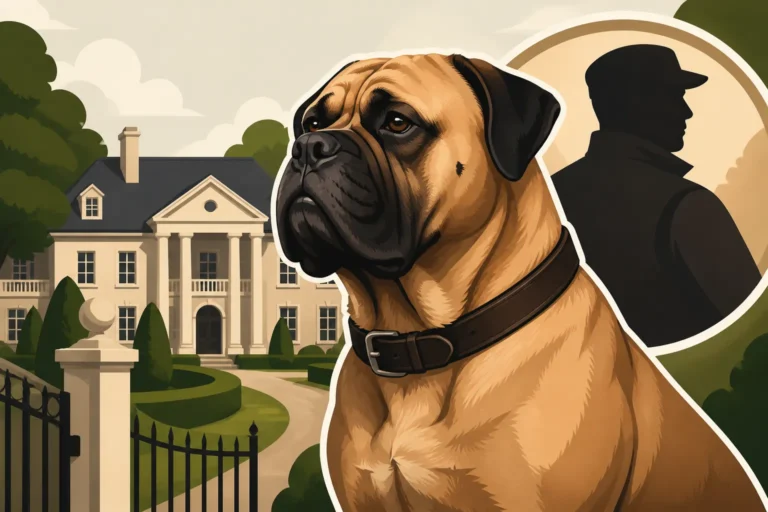
Imagine late 19th-century England, a time when sprawling estates and their valuable game preserves were constantly under threat from poachers. These were not just opportunistic scavengers; many were desperate men, often armed and dangerous, making rounds under the cover of darkness. Estate owners and their gamekeepers needed a formidable deterrent, a guardian that could patrol vast lands and apprehend intruders without resorting to lethal force. This wasn't about killing a man; it was about holding him until the authorities arrived, a fine line that required a very specific set of skills from a canine companion.
The Problem: Poaching on Victorian Estates
Back in those days, game animals like deer, pheasants, and rabbits weren't just for sport; they were a significant economic asset to the landed gentry. The penalties for poaching were severe, but the lure of a quick meal or a profitable sale was often too strong for the impoverished rural population to resist. Gamekeepers, therefore, found themselves in a perpetual cat-and-mouse game across thousands of acres, often alone and vulnerable to confrontation. They needed a partner, a canine ally, that could give them an undeniable advantage in these nocturnal encounters. The sheer scale of the problem demanded more than just a loud bark; it required a silent, effective, and imposing presence. For a more detailed look at this challenging environment, read What Poaching Meant on a Victorian Estate.
Crafting the Ideal Night Watchman
The "night dog," as it became known, had a very specific job description. It needed to be large and powerful enough to intimidate and control an adult man, yet agile and silent enough to surprise an intruder in the dark. Speed was crucial for covering ground quickly, but brute strength was equally important for the ultimate apprehension. Most importantly, this dog couldn't be a snarling, biting machine. Its purpose was to hold, to pin a poacher down, disabling them without causing grievous harm. This specific requirement, a non-lethal take-down, was the core challenge in its creation. Traditional guard dogs often lacked the restraint required for such a nuanced role. The quest for this ideal led breeders to look beyond existing purebreds. Why Gamekeepers Needed a Dog That Worked at Night delves into these requirements further.
The Mastiff: A Powerful Foundation with a Missing Piece
When gamekeepers began thinking about what kind of dog could fulfill their demanding requirements, the English Mastiff was an obvious starting point. These enormous dogs were already renowned for their size, strength, and intimidating presence. They embodied the sheer physical power needed to stand up to a human adversary. However, while impressive, the pure Mastiff wasn't quite the complete package for the specific task at hand.
The Mastiff's Unmatched Size and Natural Guarding Instinct
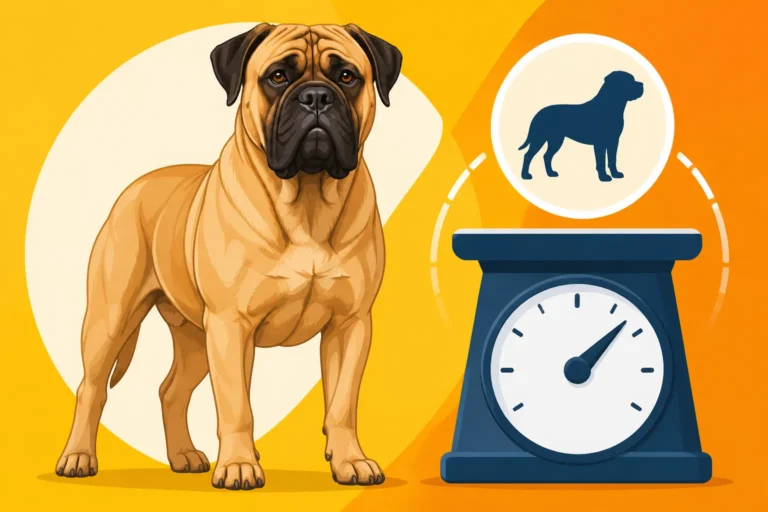
The English Mastiff brought incredible bulk and an undeniable air of authority to the table. Standing tall and weighing well over a hundred pounds, sometimes significantly more, they were formidable just by their sheer presence. Their natural guarding instincts were strong; they were devoted protectors of their homes and families, often showing a quiet watchfulness that could erupt into powerful defense when necessary. This inherent protective nature, combined with their imposing physique, formed the core of what the gamekeepers wanted in their ideal dog. They provided the "mass" in "Bullmastiff," lending gravitas and power. To appreciate the full size, consider How Much a Bullmastiff Weighs in comparison to its ancestor.
Why a Pure Mastiff Wasn't Enough
Despite their admirable qualities, pure Mastiffs had a few drawbacks for the gamekeeper's specific needs. While loyal and protective, they could sometimes be too slow or ponderous for quickly tracking and apprehending a fleeing poacher across uneven terrain. Their immense size, while intimidating, could also make them less agile when maneuvering in the dark or through dense undergrowth. Furthermore, while they were guardians, their method of apprehension wasn't always the precise, non-lethal "hold" that was critical. They might be inclined to simply block or even bite, rather than the specific pinning action required. This meant that while they provided the essential "might," they lacked the dynamic "mode" of operation the gamekeepers truly desired. For more on this, check out Why a Mastiff Alone Was Too Slow for the Job.
The Bulldog's Essential Contributions: Tenacity and Agility
This is where the Bulldog enters the story, not the squat, lovable companion we often picture today, but its earlier, more athletic ancestor. The infusion of Bulldog blood was the genius stroke that transformed the Mastiff's raw power into the agile, tenacious, and controlled force of the Bullmastiff. It added the missing ingredients for the perfect "gamekeeper's night dog."
Understanding the "Old English Bulldog"
It's absolutely crucial to understand that the "Bulldog" referred to in the Bullmastiff's lineage was not the contemporary English Bulldog. The Bulldog of the 19th century was a very different animal: taller, more athletic, with a less exaggerated head and an incredible drive for gripping and holding. These dogs were bred for bull-baiting, a brutal sport that required immense courage, pain tolerance, and the ability to latch on and hold fast. They possessed powerful jaws, incredible determination, and a surprising burst of speed for their size. This historical Bulldog brought an entirely different set of skills to the genetic mixing pot. If you're curious about the difference, the article Whether the Old Bulldog Was the Modern Bulldog offers more insight into this ancestral breed.
The Unrivaled Tenacity and Grip Factor
The old Bulldog's most famous attribute was its unparalleled tenacity and grip. Once it latched onto something, it was incredibly difficult to make it let go. This was precisely the quality gamekeepers needed for the non-lethal apprehension of poachers. A Mastiff might corner a man, but a Bulldog could actively engage and hold him down using its powerful jaws and low center of gravity. This grip wasn't meant to injure severely but to incapacitate, pinning the individual by latching onto an arm or leg, preventing escape until the gamekeeper arrived. This ability to hold, often combined with a lower, more stable stance, was the defining characteristic the Bulldog brought. Without it, the "hold, not harm" directive would have been nearly impossible to achieve reliably. This is truly Why the Bulldog Half Was Added to the Bullmastiff.
To support a strong-jawed dog like a Bullmastiff, durable chew toys are always a good idea. You can often find a wide variety of robust options at places like Chewy, ensuring your dog has appropriate outlets for that inherent strength.
Injecting Agility and "Fight" into the Blend
Beyond sheer gripping power, the Bulldog also contributed crucial elements of agility and a certain "fight" or drive that complemented the Mastiff's more placid nature. While Mastiffs are imposing, they can be somewhat deliberate. The Bulldog, on the other hand, was known for its explosive bursts of energy and a willingness to engage directly. This meant the resulting Bullmastiff would have the quickness to chase down a fleeing individual and the resolve to tackle and hold them, even if the individual resisted. This combination of speed, low-slung power, and unwavering determination meant the gamekeepers were creating a dog that was both a deterrent and an effective, active apprehending agent. To understand the limitations of relying solely on the Bulldog's size for this role, explore Why a Bulldog Alone Was Too Small for the Job.
Blending the Best: The Bullmastiff's Ideal Qualities Emerge
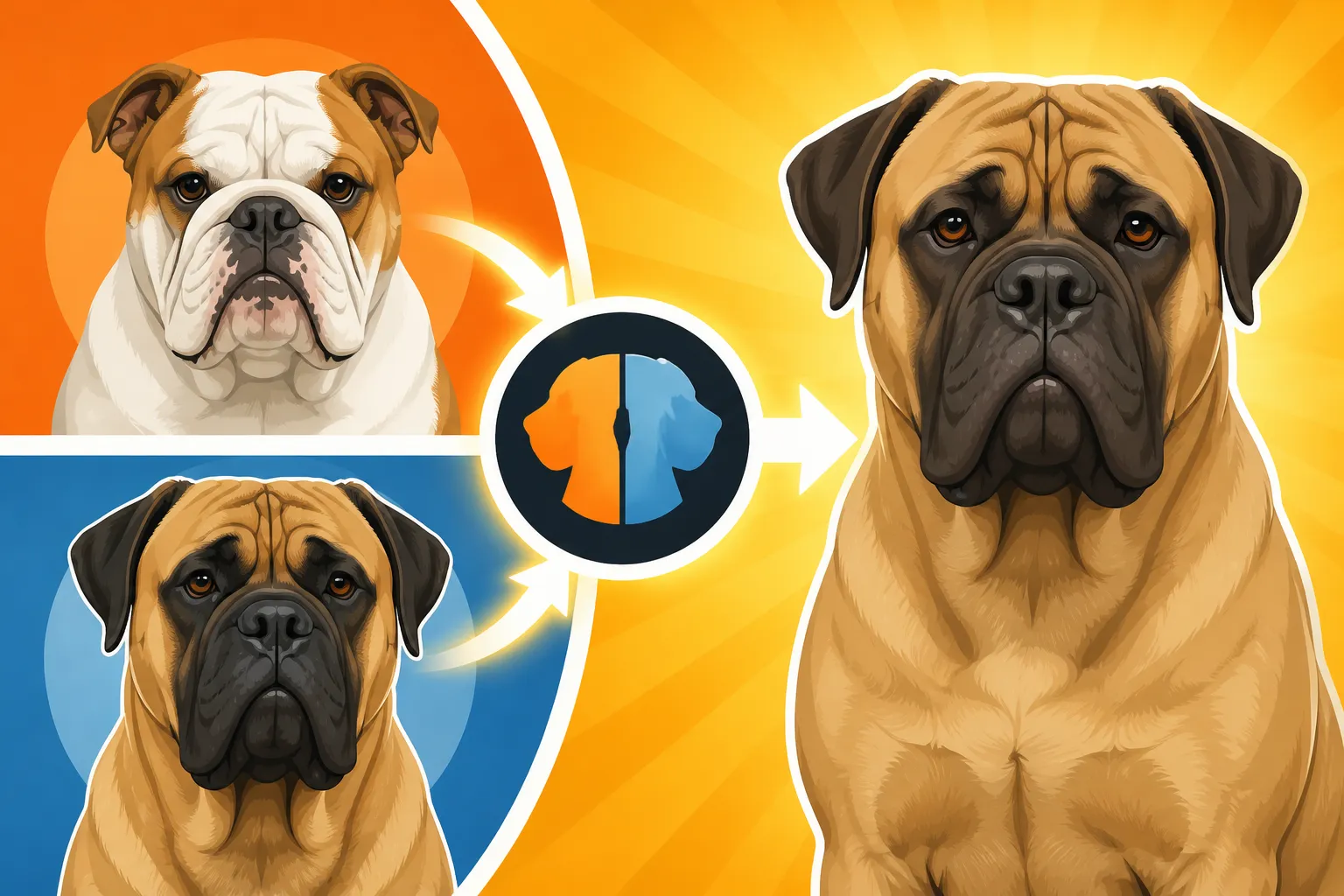
The deliberate cross-breeding of the Mastiff and the Bulldog wasn't a haphazard experiment; it was a carefully calculated genetic formula. The goal was to create a dog that embodied the strengths of both parent breeds while mitigating their weaknesses for the specific task of guarding game preserves. The result was a dog that became an icon of controlled power.
The Sixty-Forty Formula: A Perfect Balance
The commonly accepted ratio for the Bullmastiff's genetic makeup is famously 60% Mastiff and 40% Bulldog. This wasn't just a number; it represented a strategic balance. The larger percentage of Mastiff blood ensured the necessary size, weight, and overall intimidating presence, maintaining the core "guardian" aspect. The 40% Bulldog contribution provided the crucial elements of tenacity, agility, a powerful gripping jaw, and the distinctive brachycephalic (short-nosed) head that is characteristic of the breed. This balance was meticulously developed over generations, resulting in a dog that was powerful enough to deter and hold, yet agile enough to patrol and pursue. For a deeper dive into this historical blueprint, see Where the Bullmastiff's Sixty Forty Formula Came From.
The "Catch Dog" Instinct: To Hold, Not to Harm
The Bullmastiff's primary function was that of a "catch dog" or "gamekeeper's night dog," and its method of apprehension was unique. Unlike some guard dogs bred to bite and injure, the Bullmastiff was specifically developed to incapacitate an intruder by pinning them to the ground and holding them, often by their clothing or a limb, until the gamekeeper arrived. This "hold, not harm" philosophy was paramount, as serious injury to a poacher could lead to legal trouble for the estate owner. The Bulldog's tenacious grip and lower stance were instrumental in instilling this instinct, allowing the Mastiff's bulk to be used for control rather than aggression. This critical function is beautifully described in A Bullmastiff Was Bred to Hold a Man, Not Bite Him.
The Bullmastiff's Distinctive Physical and Temperamental Blend
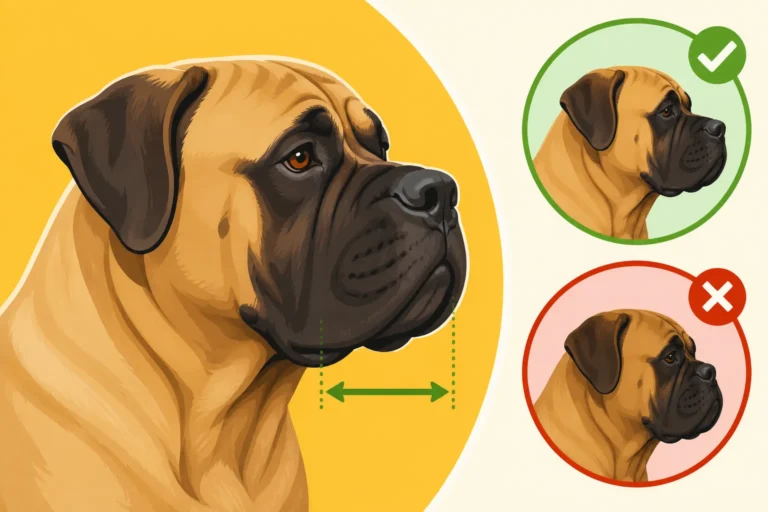
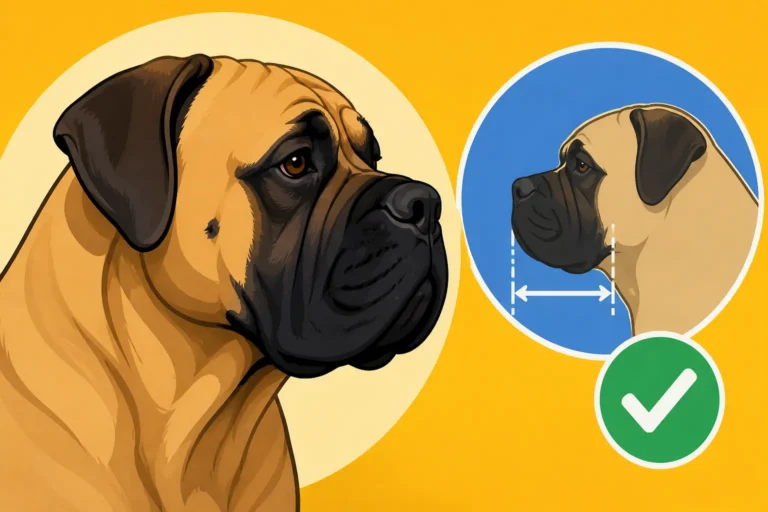
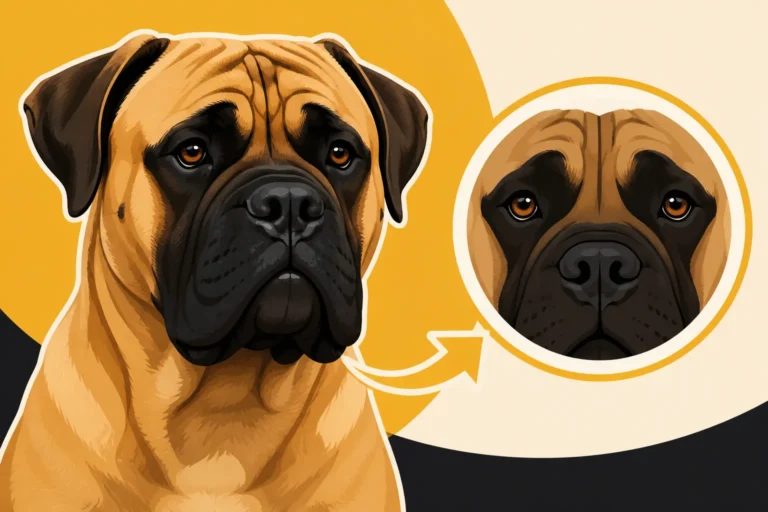
The combination of these two powerful breeds resulted in a dog with a very particular physical appearance and temperament. Physically, the Bullmastiff gained the impressive muscle and bone of the Mastiff, but with a more compact and athletic build thanks to the Bulldog. Its head, while still large, often shows the broader skull and more defined stop of the Bulldog, leading to its characteristic black mask and powerful muzzle. The strong, somewhat undershot jaw, capable of an incredible grip, is also a clear Bulldog legacy.
Temperamentally, the Bullmastiff inherited the Mastiff's devotion and calm demeanor, combined with the Bulldog's underlying courage and readiness to act. This created a dog that is typically serene and confident, often quiet and watchful indoors, but capable of explosive action and unwavering resolve when provoked or when its family is threatened. This blend makes them exceptional guardians, self-assured and protective without being overtly aggressive. For those looking for sturdy bowls or heavy-duty leashes for such a powerful companion, retailers like Chewy often carry a good selection that can withstand a Bullmastiff's strength.
The Evolution of a Breed: From Crossbreed to Canine Royalty
The journey from a practical working cross to a formally recognized breed was a significant one for the Bullmastiff. It speaks to the success of the gamekeepers' initial breeding efforts and the subsequent dedication of early fanciers who saw the breed's intrinsic value beyond its original purpose. The Bulldog's initial influence continues to shape the breed standard and characteristics we admire today.
Standardizing the Gamekeeper's Night Dog
For many years, the Bullmastiff existed as a "gamekeeper's night dog" – a type rather than a true breed, with bloodlines being carefully managed on individual estates. However, as their effectiveness became widely recognized, dedicated breeders saw the potential for formalizing these impressive dogs. S.E. Moseley, a prominent early breeder, played a pivotal role in standardizing the breed, meticulously recording pedigrees and promoting consistency in type and temperament. His work, along with others, led to the breed's eventual recognition by the English Kennel Club in 1924, cementing its status as a distinct and valuable breed. This milestone event is detailed further in When the Kennel Club Recognized the Bullmastiff.
The standardization process meant defining what a Bullmastiff should look like and how it should behave, moving it beyond a mere utility dog. This included setting specific requirements for size, color, head shape, and temperament, all of which still echo the blend of its Mastiff and Bulldog ancestors.
The Enduring Legacy of the Bulldog Influence
Even today, the Bulldog's contribution is undeniably etched into every Bullmastiff. You can see it in their powerful, broad heads, their strong, wide muzzles, and the deep, purposeful set of their eyes. The Bullmastiff's often slightly undershot jaw, while not as pronounced as in some Bulldogs, is a direct nod to its tenacious ancestor's anatomy. Their muscular, compact body, though larger than a Bulldog's, also reflects that athleticism rather than purely the massive frame of a Mastiff.
This legacy extends beyond physical traits. The Bullmastiff's renowned courage, unwavering devotion, and that occasional streak of determined stubbornness (which every Bullmastiff owner knows well!) are all facets inherited from its Bulldog lineage. While the Bullmastiff is unequivocally its own breed, a truly unique and magnificent creation, it owes a profound debt to both its Mastiff and Bulldog forebears. Understanding How the Bulldog Half Shows in a Bullmastiff's Head gives you a clear visual of this historical blend. When you're looking for gear for your Bullmastiff, consider products designed for strong breeds – even basic items like collars and leashes on Chewy are often available in heavy-duty versions suitable for a dog with such a powerful build.
Comparing the Ancestors and the Offspring
To truly appreciate the unique blend that is the Bullmastiff, it's helpful to look at the key characteristics contributed by each of its foundational breeds. This table highlights how the "gamekeeper's night dog" was expertly engineered for its specific task.
| Trait / Breed | English Mastiff | Old English Bulldog (Historical) | Bullmastiff |
|---|---|---|---|
| Primary Role | Guarding, companionship | Bull-baiting, farm work, guarding | Apprehending poachers (hold, not harm) |
| Size/Weight | Very large, massive, heavy-boned (often 180-230 lbs+) | Medium-large, athletic, muscular (often 50-80 lbs) | Large, powerful, athletic (100-130 lbs) |
| Speed/Agility | Slower, ponderous | Quick, explosive bursts, agile | Fast for its size, agile, deliberate |
| Tenacity/Grip | Moderate, protective but less "gripping" | Extreme, renowned for strong, unwavering grip | High, strong grip, known for sustained holding |
| Head Shape | Large, somewhat refined, less exaggerated brachycephaly | Broad skull, powerful jaws, pronounced brachycephaly | Broad skull, powerful jaws, distinct black mask |
| Temperament | Calm, devoted, reserved, protective | Courageous, fierce, determined, resilient | Confident, devoted, alert, courageous, self-assured |
| Apprehension Style | Deterrent, block, general guarding | Gripping, holding onto prey | Pinning and holding, preventing escape without injury |
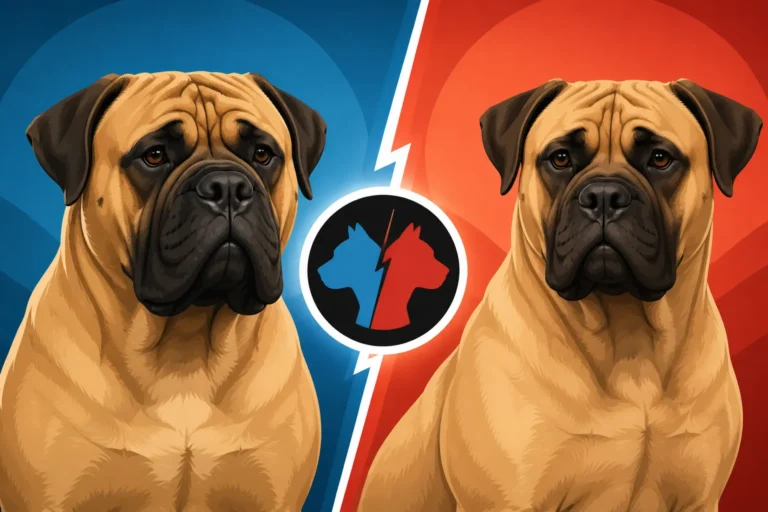
This comparison clearly illustrates that the Bullmastiff wasn't just a bigger Bulldog or a faster Mastiff. It was a completely new creation, meticulously designed to be the ultimate guardian for its very particular historical purpose. The bulldog's contribution was indeed pivotal, shaping the very essence of this magnificent breed.
Disclaimer
This article is for general informational purposes only and does not constitute professional advice. Laws, prices and regulations vary by location and change over time. Consult a qualified professional for guidance on your specific situation.