How the Bulldog Half Shows in a Bullmastiff’s Head
When you look at a Bullmastiff, there's an undeniable gravitas, a powerful presence that immediately captures your attention, and much of that comes from their distinct head. Many people observe the sturdy, broad head and wonder about its unique characteristics, often recognizing hints of other breeds. This guide will delve into the very essence of that magnificent head, exploring how the legacy of the Bulldog, one of the foundational breeds, profoundly shaped the Bullmastiff’s most defining cranial features. It’s a fascinating journey into breed history, function, and the subtle anatomical details that create the Bullmastiff we know and love today.
The Historical Blending of Two Powerhouses
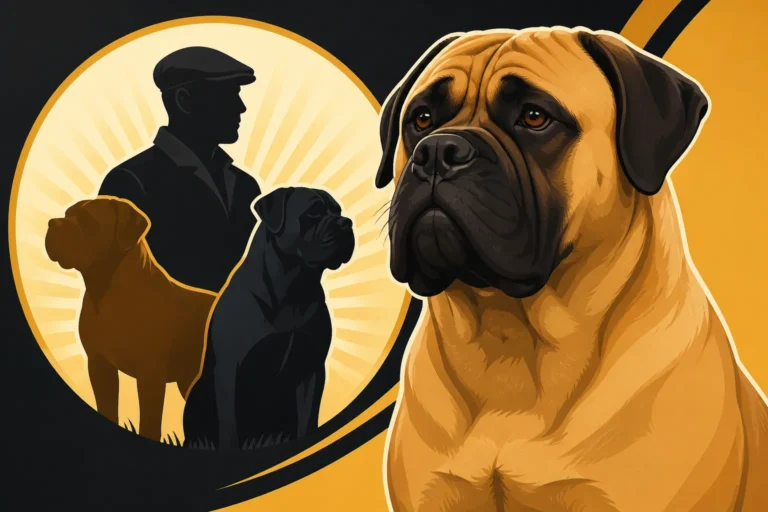
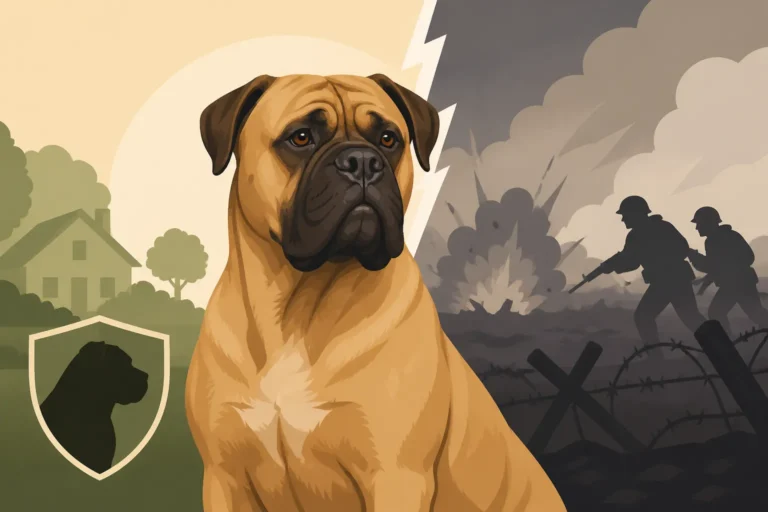
To truly understand the Bullmastiff's head, we need to go back in time to its origins on vast English estates. This breed wasn't simply a random mix; it was a meticulously crafted animal designed for a very specific, demanding job. The original breeders, primarily gamekeepers, had a clear vision for a dog that could track, corner, and hold poachers without mauling them. This required a dog with a formidable physique, a keen sense of duty, and a powerful, yet non-aggressive, bite.
The Gamekeeper's Vision and the Bulldog's Role
The gamekeepers of the 19th century were facing a serious problem: widespread poaching on their employers' estates. They needed a deterrent, a silent guardian that could patrol vast areas at night, locate intruders, and then hold them until the gamekeeper arrived. The existing breeds, like the Mastiff, were large and powerful but often too slow for the chase. Bulldogs, on the other hand, possessed incredible tenacity, courage, and a powerful, gripping bite, but they lacked the sheer size and tracking ability. The solution was to combine these strengths.
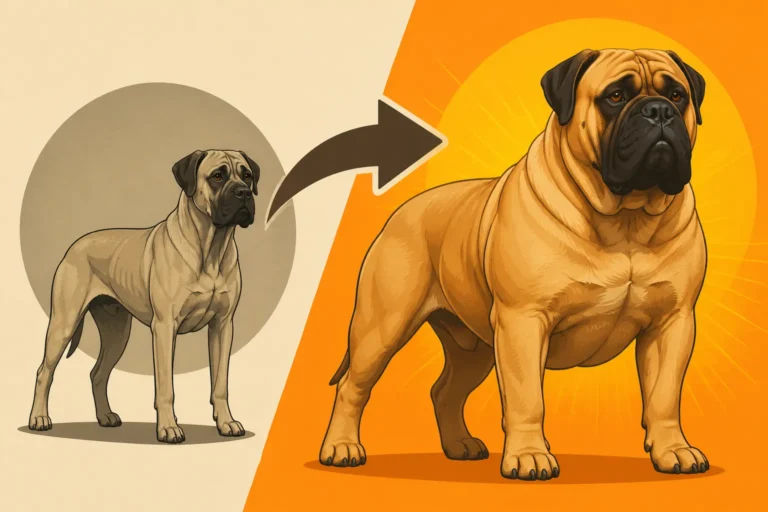
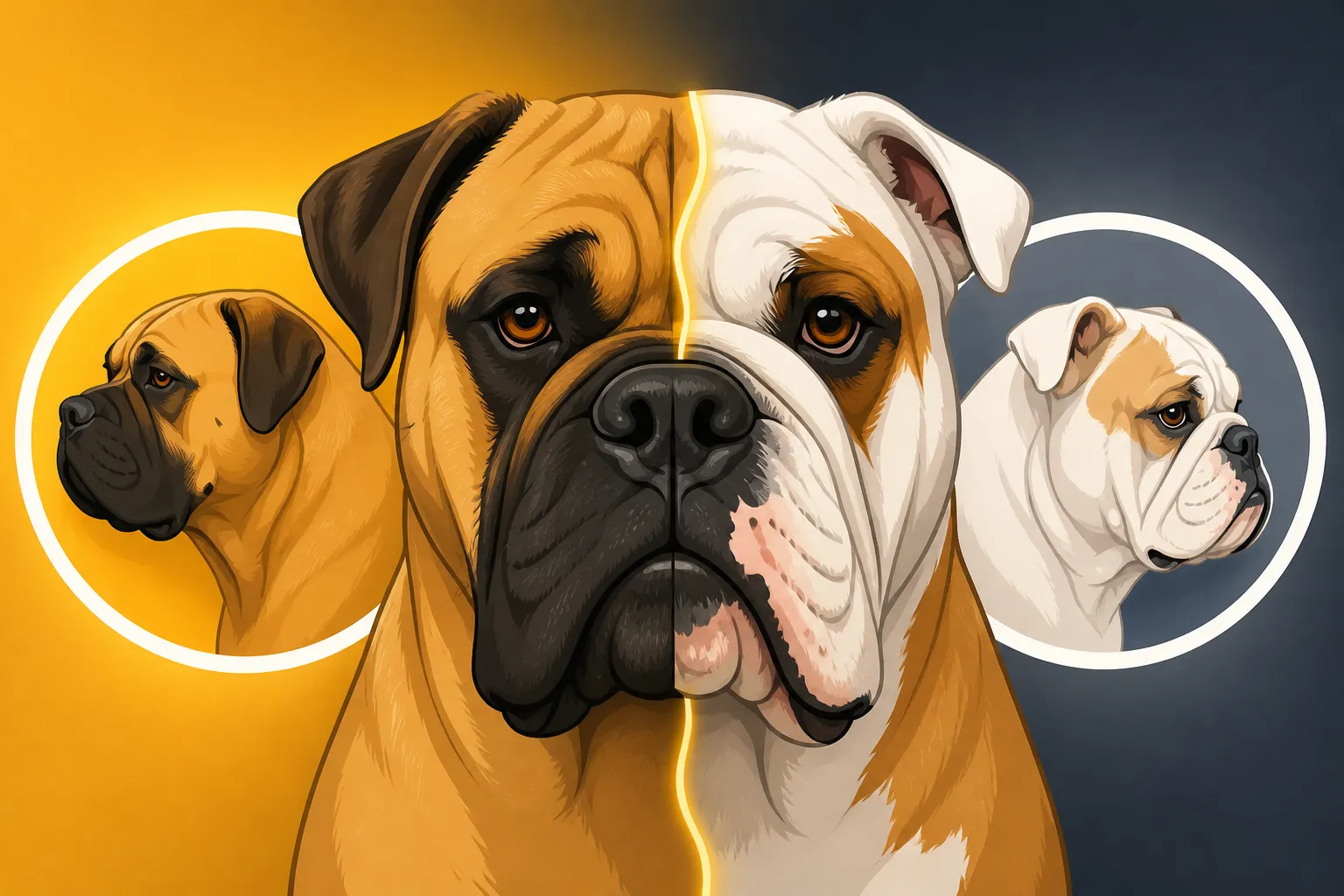
The Bullmastiff, therefore, became a carefully calculated blend, traditionally cited as 60% Mastiff and 40% Bulldog. This ratio wasn't just about creating a physically imposing animal; it was about integrating specific traits from each parent breed to create a dog perfectly suited for its role. The Mastiff contributed the impressive size, endurance for patrolling, and a more amenable temperament, while the Bulldog brought the crucial elements of courage, a strong holding bite, and a distinctive head shape that was invaluable for gripping and subduing without inflicting severe injury. This historical necessity laid the groundwork for the Bullmastiff's unique cranial structure. You can read more about Which Breeds Went Into the Bullmastiff.
Beyond Just Size: What the Bulldog Brought
While the Mastiff provided the raw bulk and stature, the Bulldog's contribution to the Bullmastiff's head went far beyond just adding a bit of tenacity. The Bulldog was prized for its broad skull, powerful jaws, and its ability to latch on and hold without releasing. These were precisely the traits the gamekeepers needed in a dog that was meant to "hold a man, not bite him." The wider jaw and shorter, broader muzzle of the Bulldog lineage meant immense bite strength and a configuration that allowed for a powerful grip across a wider surface area.
Furthermore, the Bulldog's distinctive head also lent itself to a certain kind of visual deterrence. Its appearance, even when not actively working, conveyed immense strength and seriousness. The specific set of the eyes, the breadth of the skull, and the development of the jowls all stem from this Bulldog influence, contributing to the Bullmastiff's intimidating yet noble expression. It was a perfect marriage of brute force and controlled power, all encapsulated in the design of the head. This specific focus on a holding bite is critical to understanding Why the Bulldog Half Was Added to the Bullmastiff.
Key Bulldog Influences on the Bullmastiff Skull
When you first observe a Bullmastiff, the head is often the most striking feature, immediately conveying strength and character. It's a hallmark of the breed, and within its structure, you can see distinct echoes of its Bulldog ancestry, blended harmoniously with the Mastiff's influence. This isn't just about aesthetics; these features played a crucial role in the breed's original function.
The Broad Skull and Powerful Jaw
One of the most immediate and defining features that the Bulldog contributed to the Bullmastiff is the remarkable breadth of its skull. Stand in front of a Bullmastiff, and you’ll notice the width between their ears, a substantial expanse of bone and muscle. This broadness isn't merely for show; it houses powerful chewing muscles, known as masseters, which give the Bullmastiff its incredible jaw strength. The Bulldog, known for its formidable bite and tenacity, passed down this very characteristic.
This wide skull is paired with a jaw that is equally robust. While not as exaggeratedly undershot as some modern Bulldogs, the Bullmastiff often has a slightly undershot bite or a level bite, which contributes to the powerful, scissor-like action of its jaws. This structural integrity was vital for its original purpose of holding onto a poacher. A weaker, narrower jaw would simply not have been effective for subduing a struggling adult male without causing undue harm. The sheer muscularity around the jowls and cheeks further emphasizes this powerful, Bulldog-derived jawline.
Muzzle Length and Shape: A Balance Struck
The Bullmastiff's muzzle is another fascinating area where the Bulldog influence is evident, yet expertly refined. Compared to the longer, more elegant muzzle of many Mastiffs, the Bullmastiff's muzzle is distinctly shorter and broader. It’s a compromise, a sweet spot between the extreme brachycephaly (short-headedness) of the Bulldog and the longer, more traditional Mastiff snout. The standard often calls for the muzzle to be approximately one-third the length of the entire head, and to be broad from eye to nose.
This shorter, wider muzzle configuration gives the Bullmastiff a powerful grip, allowing it to breathe more easily than a severely brachycephalic dog while still retaining the "holding" advantage. It's not a flat-faced breed, but the push-in quality around the nose and the deep stop (the indentation where the muzzle meets the forehead) are direct nods to its Bulldog heritage. This particular muzzle structure is a delicate balance, aiming for functionality without the extreme breathing challenges that can plague some flatter-faced breeds. Understanding What a Bullmastiff's Muzzle Length Should Be is key to appreciating this balance.
The Deep-Set Eyes and Expression
Take a moment to truly look into a Bullmastiff’s eyes. You’ll notice they are typically dark, medium-sized, and set relatively wide apart. Critically, they are also deep-set, protected by a prominent brow bone. This deep-set nature is a protective feature, again, a direct legacy from its Bulldog ancestors, which needed to protect their eyes in close-quarter struggles. The expression created by these eyes, combined with the prominent forehead and often furrowed brow, is one of unwavering seriousness, intelligence, and often a touch of soulful wisdom.
This deep-set eye placement also contributes to the Bullmastiff's distinctive "guarding" gaze. Their eyes often have a direct, steady quality, allowing them to observe their surroundings with a calm intensity. The skin around the eyes can sometimes have a slight looseness, adding to the thoughtful or even slightly concerned expression. This is another subtle yet powerful visual cue that hints at the Bulldog's contribution to the Bullmastiff's overall head profile and its unique, watchful demeanor.
Wrinkles, Jowls, and the Iconic Black Mask
Beyond the foundational bone structure, the Bullmastiff's head possesses softer, more pliable features that nonetheless contribute significantly to its iconic appearance and function. These elements – the wrinkles, jowls, and that unmistakable black mask – are all deeply intertwined with its Bulldog lineage, marking it as a breed with a distinct and recognizable look.
The Tell-Tale Wrinkles and Folds
One of the charming and sometimes challenging aspects of a Bullmastiff's head is the presence of wrinkles and folds, particularly on the forehead and around the muzzle. These aren't just aesthetic; they are a direct inheritance from the Bulldog, a breed celebrated for its generous skin folds. In the Bullmastiff, these wrinkles are less extreme than in some Bulldogs but are still very much present, especially when the dog is alert, focused, or curious. When a Bullmastiff cocks its head or raises an eyebrow, those forehead wrinkles become beautifully pronounced, adding to their expressive faces.
These folds can range from subtle to quite prominent, especially over the eyes and across the top of the skull. While they add character, they also require a little extra care from us, their human companions. Regular cleaning is essential to prevent moisture and debris from accumulating in the folds, which can lead to skin irritation or infections. Products like a gentle pet wipe from Chewy can be invaluable for keeping these areas clean and healthy. It's a small price to pay for such a distinctive and historically significant feature. Understanding The Wrinkles and Folds on a Bullmastiff's Face is crucial for their well-being.
Generous Jowls and Their Function
The Bullmastiff's mouth and jowls are another unmistakable link to its Bulldog ancestry. They have wonderfully thick, pendulous jowls that hang down on either side of their mouth. While these give them that endearing, slightly mournful or stoic expression, they also serve a purpose. These jowls, often referred to as "flews," allowed the Bulldog to breathe easily even when gripping something firmly, as the loose skin would not obstruct airflow.
For Bullmastiffs, these generous jowls contribute to their ability to produce a fair amount of drool – a daily reality for many Bullmastiff owners! The loose skin around the mouth acts almost like a reservoir, collecting saliva that can then be flung with surprising force, often onto walls, furniture, or unsuspecting guests. It’s part of the package, a reminder of their heritage. Maintaining good hygiene around the jowls, wiping them down after meals and drinks, is essential to prevent odor and irritation. This can be achieved with specially designed grooming wipes or even a simple damp cloth, ensuring their comfort. This characteristic is why Why a Bullmastiff's Jowls Hold Saliva is a common query among owners.
The Mandatory Black Mask: A Nod to Both Sides
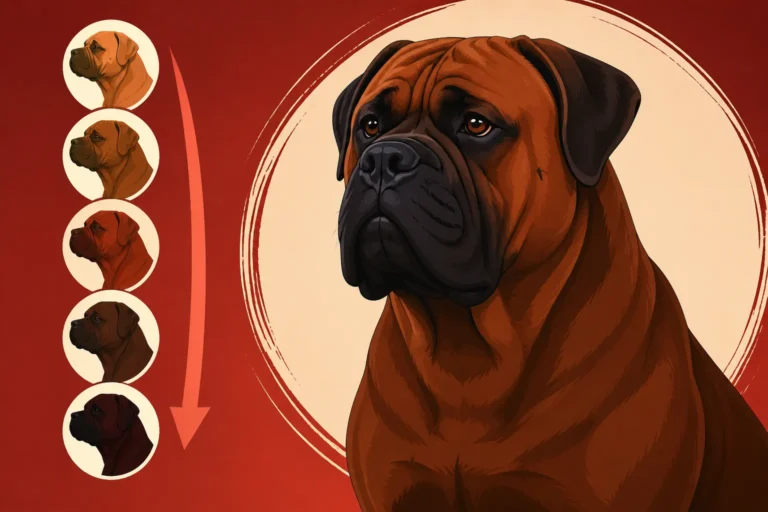
Perhaps the most iconic facial feature of the Bullmastiff, and one that beautifully blends its Mastiff and Bulldog heritage, is its black mask. Every Bullmastiff, regardless of its fawn or red coat color, must have a distinct black mask that darkens around the muzzle and often extends to the eyes. This isn't just a beauty mark; it's a piece of breed history. Originally, the dark brindle Bullmastiffs were preferred by gamekeepers for their camouflage at night. The black mask provided further concealment for the face.
The intensity and spread of the black mask can vary, but its presence is non-negotiable for a well-bred Bullmastiff. While many Mastiff breeds also have masks, the Bulldog's facial pigmentation likely played a role in reinforcing this trait in the Bullmastiff. It adds incredible depth and gravitas to their expression, making their eyes stand out and emphasizing the powerful shape of their muzzle and jaw. It's a signature feature that sets them apart and ties them directly back to their working past. The standard is very clear on The Black Mask Every Bullmastiff Must Have.
Ear Placement and Overall Head Proportion
Beyond the immediate impact of the broad skull, short muzzle, and expressive features, the way a Bullmastiff's ears sit and how all these elements come together contribute to the breed's distinct head proportion. These aspects, too, bear the indelible mark of its Bulldog ancestry, carefully integrated to achieve the ideal working and aesthetic form.
The High-Set, V-Shaped Ears
The Bullmastiff's ears are another feature that helps define its head. They are typically set high on the skull, wide apart, and are V-shaped, folding back against the head. When the dog is alert, these ears might lift slightly, but they should never stand erect or be "rose" ears like some Bulldogs. The high set is often seen as a Mastiff influence, contributing to the noble and attentive expression, but the V-shape and thickness can have a subtle Bulldog echo.
The texture of the ears is also important; they should be relatively thin to the touch and a darker color than the body, often black, to blend seamlessly with the black mask. This combination of shape, set, and texture creates a framing effect for the face, drawing attention to the eyes and muzzle. Properly placed ears contribute significantly to the overall balanced appearance of the head, ensuring it doesn't look too heavy or too light for the dog's powerful body. The details of How a Bullmastiff's Ears Should Sit are part of the breed's characteristic look.
Achieving the Desired Head Proportion
Ultimately, the Bullmastiff's head is a masterpiece of careful proportion, bringing together elements from both its Mastiff and Bulldog ancestors. The goal was to create a head that was large and powerful, but never disproportionate to the body. It should give the impression of immense strength and squareness from every angle. The broad skull, the medium-short muzzle, the strong underjaw, the deep-set eyes, and the high-set ears all combine to form this distinct and balanced impression.
From the front, you should see the broadness of the skull tapering slightly to the muzzle, with the eyes set wide apart. From the side, the deep stop is evident, and the muzzle should appear square. This robust, intelligent, and serious expression is precisely what the gamekeepers were aiming for – a dog that looks capable of holding its own but also possesses a calm, watchful demeanor. It's a head designed for both function and intimidation, a perfect testament to its heritage.
The Functional Impact of Bulldog Head Traits
While the Bullmastiff's head is undeniably handsome and imposing, the traits inherited from its Bulldog side aren't purely cosmetic. They have very real functional implications, impacting everything from how the dog breathes to how it interacts with the world. Understanding these practical aspects is crucial for responsible ownership and ensuring the health and well-being of your Bullmastiff.
Breathing Considerations and Brachycephaly
The shorter muzzle, a clear nod to the Bulldog’s contribution, means that Bullmastiffs are considered a brachycephalic breed, though not to the extreme degree of a modern Bulldog. While this shorter muzzle was historically beneficial for a strong grip, it can come with certain respiratory challenges. Dogs with shorter muzzles often have narrower nostrils (stenotic nares), an elongated soft palate, or a hypoplastic trachea, which can impede airflow.
This means Bullmastiffs are particularly sensitive to heat and exertion. Their respiratory system isn't as efficient at cooling the body as a longer-nosed breed, making them prone to overheating. Owners must be vigilant, especially in warmer climates or during vigorous exercise. Activities that might be fine for a German Shepherd, like a long run in midday summer heat, could be life-threatening for a Bullmastiff. Keeping them cool, exercising them during the cooler parts of the day, and providing ample water are non-negotiable. This is why it's vital to understand Why a Bullmastiff's Short Muzzle Cannot Cool It and to be aware of What Temperature Is Dangerous for a Bullmastiff. Signs of distress, like heavy panting or noisy breathing, warrant immediate attention.
Dental Alignment and Jaw Strength
The powerful, broad jaw and slightly undershot bite, both inherited from the Bulldog, also have implications for the Bullmastiff's dental health. While this jaw configuration provides incredible strength for holding, it can sometimes lead to dental misalignment or overcrowding of teeth. The structure that allowed them to grip a poacher also means that food can sometimes get trapped in crevices or that certain teeth might wear unevenly.
Regular dental care is paramount. This includes daily brushing, providing appropriate chew toys (like dental chews from Chewy designed for large breeds), and routine veterinary dental check-ups. Addressing any dental issues early can prevent more serious problems down the line. Despite potential dental quirks, the sheer strength of a Bullmastiff's jaw is undeniable. They can be incredibly strong chewers, so providing durable toys and ensuring proper training to prevent destructive chewing are important aspects of living with this powerful breed.
Here's a quick comparison of how the Bulldog and Mastiff influences shape the Bullmastiff's head:
| Feature | Primary Bulldog Influence | Primary Mastiff Influence | Bullmastiff Outcome |
|---|---|---|---|
| Skull Breadth | Extremely broad, muscular | Broad but less exaggerated | Very broad, powerful, but not overly domed |
| Muzzle Length | Very short, "pushed-in" | Longer, more rectangular | Medium-short, broad, 1/3 head length, square-ish |
| Jaw Structure | Strong, often undershot, powerful gripping ability | Strong, scissor or level bite, more refined | Strong, deep, often level or slightly undershot, immense bite power |
| Forehead Skin | Pronounced wrinkles, loose skin | Tighter skin, less prominent wrinkles | Moderate wrinkles, especially when alert or focused |
| Jowls/Flews | Very pendulous, loose, aids breathing while gripping | Less pendulous, tighter | Generous, pendulous, contributes to drool and characteristic look |
| Eye Set | Deep-set, protected, wide apart | Medium depth, expressive | Deep-set, dark, wide apart, protected by brow |
| Ear Set | Rose ears, small | High-set, v-shaped, hanging | High-set, V-shaped, folded against head |
| Mask Color | Often dark pigmentation around face | Often dark mask, though not universal in all Mastiff types | Mandatory black mask, strong pigmentation around muzzle and eyes |
In conclusion, the Bullmastiff's head is a living testament to its meticulously planned ancestry. Every broad plane, every muscle, every wrinkle, and even the iconic black mask tells a story of its Bulldog past, married with its Mastiff heritage, to create the "Gamekeeper's Night Dog." It's a head that speaks of power, intelligence, and a stoic demeanor, all while carrying the unique features that make the Bullmastiff such a beloved and distinctive companion.
Disclaimer
This article is for general informational purposes only and does not constitute professional advice. Laws, prices and regulations vary by location and change over time. Consult a qualified professional for guidance on your specific situation.