Whether a Bullmastiff Can Have Light Eyes
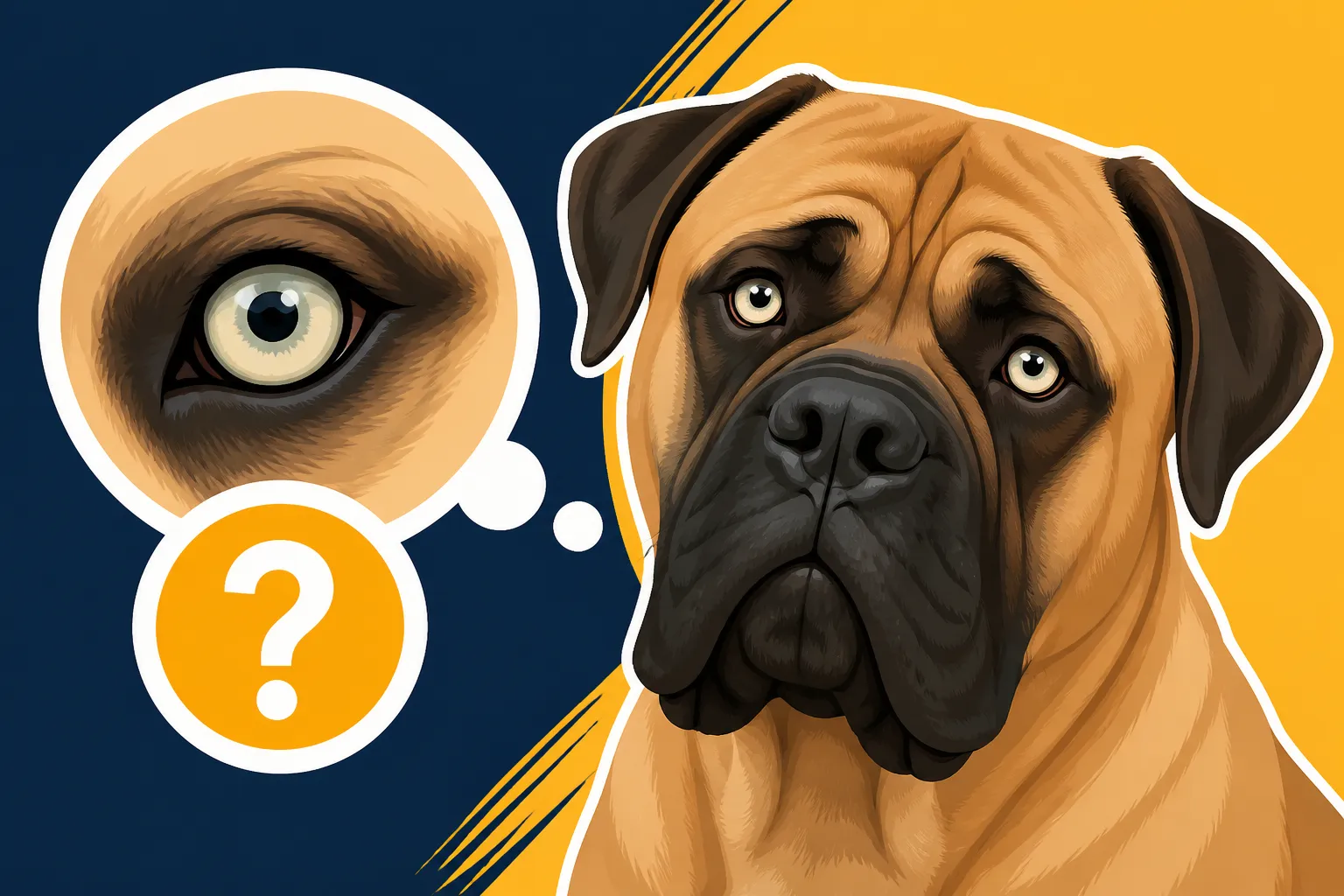
A Bullmastiff can have eyes that look lighter than deep brown, but whether that’s considered acceptable depends on the breed standard being used. Hazel eyes may fit some standards; distinctly pale, yellow, or blue eyes deserve a closer look. This guide explains what eye color can mean, how to tell normal variation from a possible health change, and when to ask your veterinarian.
What eye colors are expected in a Bullmastiff
Dark brown and hazel are the usual colors
Bullmastiff standards generally describe the eyes as dark or hazel, with some wording varying by kennel organization. “Hazel” can cover a range of shades, so an eye that looks lighter brown in bright daylight may still fall within that description. A dog’s eyes can also appear different in photographs or under indoor lighting, making a quick visual judgment unreliable.
If you are assessing a puppy, keep in mind that appearance can change as the dog matures. Eye color may look lighter or less settled when a puppy is young, then deepen over time. Rather than deciding that a puppy has unusually light eyes from one photo, look at both eyes in natural light and ask the breeder or veterinarian what they observe.
The breed standard is about appearance, not a diagnosis. A healthy Bullmastiff may have eyes that seem lighter than you expected, while a dog with dark eyes can still develop an eye problem. For a broader look at the breed’s defining features, see The Black Mask Every Bullmastiff Must Have and What a Bullmastiff's Black Mask Should Look Like.
When light eyes may be outside the standard
A light hazel eye is not automatically the same as a clearly pale or yellow eye. Some standards allow dark or hazel shades, while treating very light eyes as undesirable. If you plan to show your dog, check the rules of the specific registry and ask an experienced, reputable breed mentor to assess the eye color in person. A photo can distort color, and casual descriptions such as “gold” or “light brown” are not precise enough to settle a show-standard question.
For a family pet, being outside a show preference does not make a dog less deserving of care or affection. Eye color alone does not tell you whether a Bullmastiff is healthy, well bred, or a good companion. It is one detail among many, and it should not outweigh sound temperament, appropriate care, and health information.
Coat color does not reliably predict eye color. A fawn, red, or brindle Bullmastiff may have dark or hazel eyes; the coat shade is not a dependable shortcut for deciding whether the eyes are normal. The coat-color overview in Fawn, Red or Brindle: the Only Colors a Bullmastiff Comes In can help separate coat descriptions from eye-color questions.
A quick comparison of eye appearances
| What you notice | What it may mean | Sensible next step |
|---|---|---|
| Both eyes look evenly dark brown or hazel | Common variation in the breed | Mention it at routine wellness visits |
| Both eyes look lighter in a bright photo | Lighting or camera effects may be involved | Check in natural light before drawing conclusions |
| A young puppy’s eyes seem to change shade | Eye color may still be developing | Ask the breeder or veterinarian what to expect |
| One eye changes color or looks cloudy | A new change may need medical attention | Contact your veterinarian |
| Redness, squinting, discharge, or apparent pain | Possible irritation or an eye problem | Seek veterinary advice promptly |
The table is a guide to observations, not a way to diagnose an eye condition. A veterinarian can examine the eye itself and determine whether the appearance is harmless variation or something that needs attention.
How to tell light-colored eyes from a change in the eye
Look at both eyes in calm, natural light
Start by checking your Bullmastiff’s eyes when the dog is relaxed and the room is evenly lit. Avoid judging color using flash photography, strong sunlight, or a tinted window, since these can make the iris look paler or create reflections. Compare the two eyes, then compare what you see with an older photo taken in similar light.
A naturally lighter iris is usually a stable feature. A new change is more concerning, especially if it affects just one eye or develops alongside redness, watering, swelling, cloudiness, squinting, or sensitivity to light. If you notice a sudden difference, take a clear photo for your records and contact your veterinary clinic rather than waiting to see whether it disappears.
Do not try to confirm an eye problem by shining a bright light into the eye or pulling the eyelids open forcefully. If your dog resists, seems uncomfortable, or avoids having the face handled, stop. Your veterinarian can examine the eyes more safely and thoroughly.
Know what blue, gray, and cloudy appearances can signal
A pale blue or gray appearance is not just another way of describing hazel. It can be a reflection, a camera effect, or a visible change in the eye, and those possibilities cannot be distinguished reliably from a description alone. Cloudiness, in particular, should not be written off as an unusual breed feature, especially if it is new or paired with behavior changes.
Watch how your dog moves through familiar spaces. Hesitating at a step, bumping into furniture, missing a toy, or reacting differently when approached from one side can be useful observations to share with your veterinarian. These signs do not prove a vision problem, but they add context that may help the clinic decide how quickly an examination is needed.
Some eye concerns need prompt veterinary attention. Contact a clinic urgently if the eye looks painful, your Bullmastiff is holding it closed, there is a sudden change in vision, or the eye appears injured. Avoid using human eye drops or leftover pet medication unless a veterinarian specifically tells you to use it.
Check for other signs, not color alone
A stable hazel iris in a comfortable dog is different from a suddenly red, cloudy, or painful eye. Keep an eye out for frequent rubbing, repeated pawing at the face, unusual discharge, persistent tearing, or a change in how your dog reacts to light. These signs matter more than whether the iris looks a shade lighter than a breed-standard description.
Bullmastiffs have prominent facial features, but that does not make every eye change a normal part of the breed. If you have questions about facial structure and its relationship to breathing or eye comfort, Whether a Bullmastiff Is Brachycephalic and What a Bullmastiff's Muzzle Length Should Be offer useful background. Neither appearance nor breed type replaces an individual veterinary exam.
What to do if your Bullmastiff has light eyes
If the eyes have always looked that way
If both eyes have looked consistently hazel or light brown, and your dog is comfortable and behaving normally, note the color at the next routine checkup. It is reasonable to ask the veterinarian to confirm that the eyes look healthy during the examination. If your dog is a puppy, ask the breeder whether the parents had similar eye color and whether the puppy’s eyes have changed as it has grown.
For buyers considering a puppy, eye color should not become the only focus. Ask about health screening, the parents’ general health, and the breeder’s willingness to discuss concerns openly. You can learn more about the role of eye care in Whether a Bullmastiff's Eyes Should Be Checked Yearly. If you are evaluating a dog for a show home, consult the applicable registry standard rather than relying on a seller’s description.
If the color seems newly different
A newly lighter, darker, cloudy, or uneven eye is worth discussing with a veterinarian. Make a note of when you first noticed it, whether one or both eyes are affected, and whether anything else has changed. A photo can help show how the appearance has progressed, but it should support—not replace—an examination.
When you call the clinic, describe what you see plainly: “The left eye looks cloudier than it did last week,” for example, is more useful than simply saying the eyes look odd. Mention any rubbing, discharge, squinting, or change in navigation around the home. The clinic can advise you on how soon your dog should be seen.
Keep eye care gentle and simple
Do not put household products, human eye drops, or unprescribed solutions into your Bullmastiff’s eyes. If there is mild debris around the face, ask your veterinarian what is safe to use and how to clean the area without irritating the eye. For routine facial care, use a clean, soft cloth and avoid rubbing directly across the eyeball.
If your veterinarian recommends a particular non-medicated wipe for the skin around the eyes, you might compare ingredient information at retailers such as Chewy, then confirm that the product is appropriate for your dog. A product sold for pets is not automatically suitable for every dog or every eye concern. When choosing wipes through Chewy or another retailer, follow the veterinary advice and product directions rather than applying them to the eye itself.
Some Bullmastiffs have watery eyes or facial folds that need ordinary upkeep, but persistent tearing, odor, redness, or irritated skin merits a professional opinion. For practical cleaning guidance, see Whether a Bullmastiff's Eyes Need Wiping and Why a Bullmastiff's Eyes Water. If you are buying a vet-approved cleaning product through Chewy, check that it is intended for the specific area your veterinarian discussed; don’t use a general face wipe as a substitute for prescribed treatment.
Choosing a Bullmastiff with light eyes
Ask for clear information, not just a color label
If you are choosing a puppy, ask the breeder to describe the eye color in person and provide current photos taken in ordinary light. Ask whether the appearance is consistent in both eyes and whether a veterinarian has examined the puppy. A label such as “amber,” “gold,” or “hazel” may mean different things to different people, so a direct conversation is more useful than relying on a listing.
Responsible breeders should be comfortable discussing the puppy’s health and the parents’ health history, even when the question is about a visible feature. Be cautious if someone insists that a distinctly pale eye is a special or rare advantage but cannot answer basic questions about the puppy’s care or health. Eye color alone is not evidence of quality.
For a rescue dog, you may not have a complete history or puppy photos. That is okay. Ask the rescue what they have observed, whether the dog has shown signs of discomfort, and whether a veterinary exam is planned or has already taken place. A new home is a good time to arrange a general wellness visit and bring up any eye-color concerns.
Keep appearance in perspective
A Bullmastiff with lighter hazel eyes can still be a wonderful, healthy companion. The key distinction is between a stable color that has always been present and a new or abnormal-looking change, particularly one accompanied by discomfort or vision-related behavior. If the eyes seem pale, cloudy, uneven, or irritated, let a veterinarian assess them rather than trying to identify the cause yourself.
If you are considering the dog for conformation showing, check the relevant standard and ask a knowledgeable breed specialist to assess the dog in person. If you are choosing a family companion, prioritize health, temperament, responsible breeding or rescue support, and a veterinary check. Light eyes may prompt a question, but they should not be the whole story.
Disclaimer
This article is for general informational purposes only and does not constitute professional advice. Laws, prices and regulations vary by location and change over time. Consult a qualified professional for guidance on your specific situation.