The Age Subaortic Stenosis Is Found in a Bullmastiff
It's incredibly jarring and often terrifying to hear that your beloved Bullmastiff puppy might have a heart condition, especially one as serious as subaortic stenosis. Many owners are blindsided, having no idea that this quiet, yet impactful, disease could be silently developing in their young companion. This guide will walk you through when subaortic stenosis is typically found in Bullmastiffs, what the diagnosis means, and how you can be prepared for this significant health challenge.
Understanding Subaortic Stenosis in Bullmastiffs
When you think about the health challenges that can affect a powerful breed like the Bullmastiff, often hip or elbow issues come to mind, or perhaps even certain cancers later in life. But heart conditions, specifically subaortic stenosis, are a serious concern from the very beginning. It's not something that just appears overnight; it's a congenital defect, meaning it's present at birth, even if the symptoms aren't immediately obvious.
What Subaortic Stenosis Actually Means
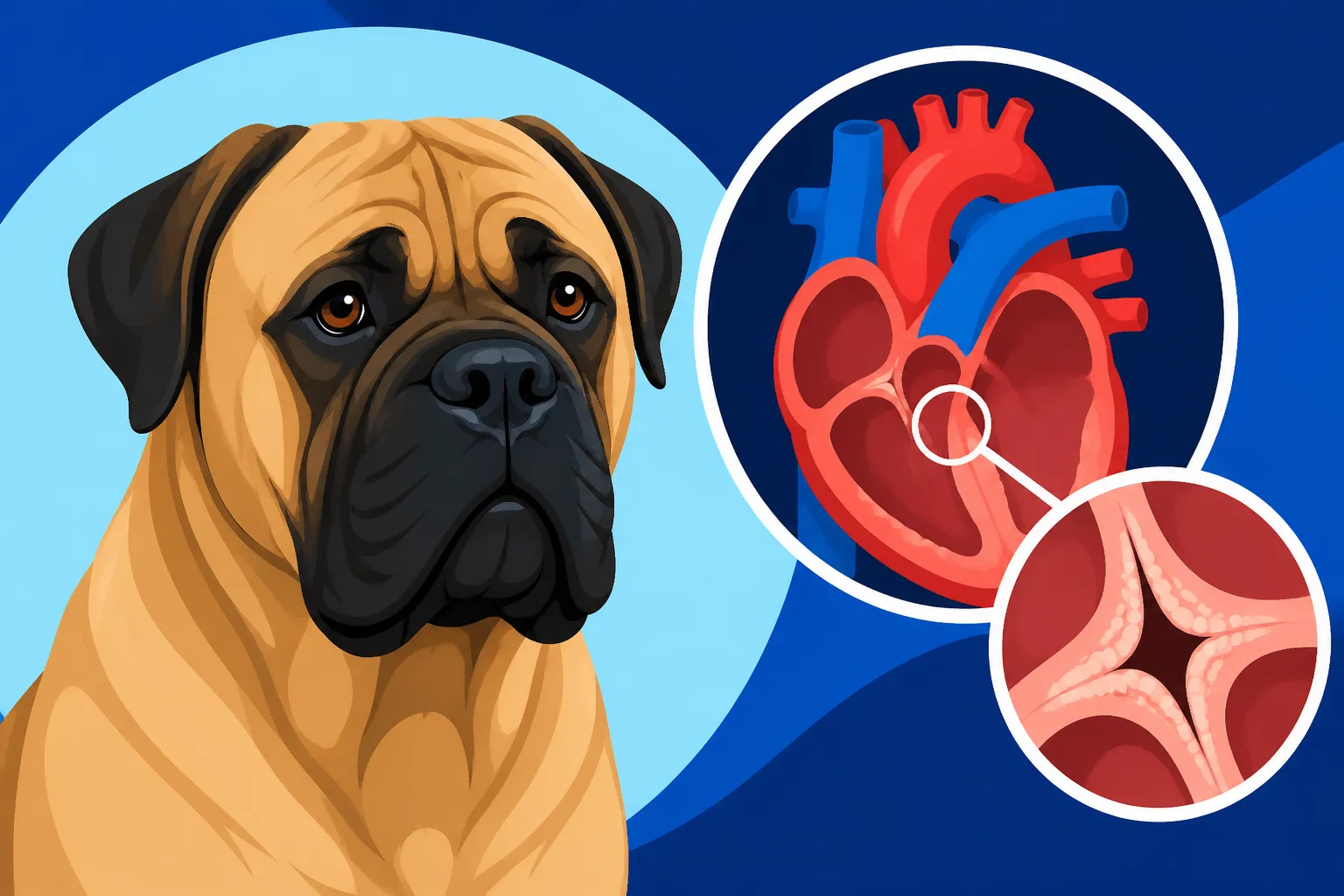
Subaortic stenosis, often abbreviated as SAS, is a condition where there's a narrowing (stenosis) just below the aortic valve in the heart. Imagine your heart pumping blood out to the rest of your body through a large, clear pipe – the aorta. With SAS, there's a ring of fibrous tissue, or an abnormal growth, that constricts this pipe right where it leaves the heart. This means the heart has to work much, much harder to push blood through that narrowed opening.
This increased workload can lead to several problems over time. The muscle of the left ventricle, which is responsible for pumping blood into the aorta, can thicken and enlarge (hypertrophy). While this initially helps the heart compensate, it eventually makes the heart less efficient and can lead to heart failure, abnormal heart rhythms, or even sudden death. It's a progressive disease, meaning it tends to worsen over time, and its severity can vary greatly from dog to dog. If you want to delve deeper, you can learn more about What Subaortic Stenosis Does to a Bullmastiff to truly grasp the mechanical and physiological impact of this condition.
Why Bullmastiffs Are Prone to This Heart Condition
It’s heartbreaking, but Bullmastiffs, along with other large and giant breeds like Golden Retrievers, Newfoundlands, and Rottweilers, are genetically predisposed to subaortic stenosis. This isn't just bad luck; it's a hereditary condition. This means that if a Bullmastiff's parents or other close relatives carried the gene for SAS, there's a higher chance their offspring will inherit it. Responsible breeders try to screen for this, but the genetic puzzle can be complex.
The specific genetic markers linked to SAS in Bullmastiffs are still being researched, but the prevalence is undeniable. This breed’s genetic makeup makes them uniquely susceptible to developing these fibrous rings below the aortic valve. It emphasizes why a thorough health history of the parents, and even grandparents, is so crucial when considering a Bullmastiff puppy. Understanding How Subaortic Stenosis Is Inherited in Bullmastiffs can provide more insight into the breed-specific challenges.
When Subaortic Stenosis Typically Shows Up
The tricky thing about subaortic stenosis is that it's present from birth, but it's not always detectable right away. The fibrous ring can grow and thicken as the puppy develops, meaning a murmur that might be mild or absent at eight weeks could become much more pronounced by four or six months of age. This developmental aspect is why timing for cardiac screenings is so critical for Bullmastiffs.
The Critical Puppy Screening Window
For Bullmastiff puppies, the typical age range where a heart murmur suggestive of subaortic stenosis is first detected is usually between 8 to 16 weeks of age, though it can sometimes be heard earlier or a bit later. Many ethical breeders will have their entire litter screened by a board-certified veterinary cardiologist before they go to their new homes, often around 8-10 weeks. This initial screening is usually a physical exam that includes careful auscultation (listening to the heart with a stethoscope). The murmur associated with SAS is typically heard best on the left side of the chest, near the base of the heart.
It's absolutely essential for a Why a Bullmastiff Puppy Needs a Cardiac Exam to be done, ideally by a cardiologist. A general practitioner might hear a murmur, but a specialist has the trained ear and experience to better assess its characteristics and likelihood of being pathological versus an innocent "flow" murmur that many puppies have and outgrow. If a murmur is detected, it’s a red flag, and further diagnostics will be recommended.
How a Heart Murmur Leads to a Diagnosis
A heart murmur is often the first clue that something is amiss. It's essentially the sound of turbulent blood flow, and in the case of SAS, it's the sound of blood forcing its way through that narrowed subaortic area. Your vet or cardiologist will grade the murmur, usually on a scale of 1 to 6, with higher numbers indicating a louder murmur. However, the loudness of a murmur doesn't always directly correlate with the severity of the stenosis. A very quiet murmur could still indicate significant underlying disease, especially if the dog is large or has a thick chest.
If a murmur is heard, particularly in a Bullmastiff puppy, the next step is almost always an echocardiogram. This is a non-invasive ultrasound of the heart that allows the cardiologist to visualize the heart's structure and function in real-time. They can see the fibrous ring, measure the degree of narrowing, assess the blood flow velocity through the aorta, and determine if the left ventricle is thickening. This is how the definitive diagnosis is made and the severity of the SAS is graded. Knowing How a Vet Grades a Bullmastiff's Murmur can help you understand the initial findings.
Here’s a general timeline for SAS detection in Bullmastiffs:
| Age Range | Typical Findings | Recommended Action |
|---|---|---|
| 6-8 Weeks | Possible faint or no murmur. | Initial vet check, listen for murmurs. |
| 8-16 Weeks | Murmur often audible, potentially increasing. | Cardiac specialist exam (auscultation and potentially echo). |
| 4-6 Months | Murmur usually clearer, severity can be assessed. | Echocardiogram for definitive diagnosis and grading. |
| 6 Months – 1 Year | Murmur stable or progressing. | Follow-up echocardiograms to monitor progression. |
| Adult (1+ Year) | Condition established, regular monitoring vital. | Ongoing veterinary care, medication if needed. |
It's important to note that even with a clear echo at 10-12 weeks, some cardiologists recommend a re-check echo at 6-12 months, as the fibrous ring can sometimes continue to develop or change in thickness after the initial puppy screening. This ensures nothing was missed and provides a more accurate long-term prognosis.
The Journey from Suspicion to Confirmation
Finding out your Bullmastiff might have a heart condition is a lot to process. The initial suspicion from a murmur can quickly escalate into a series of appointments and tests. It’s crucial to understand this process, as early and accurate diagnosis is key to managing the condition.
The Role of the Veterinary Specialist
When your regular veterinarian detects a heart murmur in your Bullmastiff, their first and best recommendation will be a consultation with a board-certified veterinary cardiologist. While your general vet is fantastic for overall health, a cardiologist has specialized training and equipment specifically for diagnosing and managing heart conditions. They are the experts who can truly interpret the nuances of your Bullmastiff's heart sounds and imagery.
They will perform a thorough physical exam, which includes a very detailed auscultation to precisely locate and characterize the murmur. They'll also review your dog's history and any previous vet records. Their expertise is invaluable, not just for diagnosis, but for guiding you through the treatment options and giving you the most accurate prognosis. This specialist care is why it’s so important to find a good referral; it makes all the difference in understanding What a Cardiac Exam Costs for a Bullmastiff and ensuring the best possible outcome.
Diagnostic Tools and What They Reveal
The gold standard for diagnosing subaortic stenosis is an echocardiogram. This isn't just a simple test; it's a highly sophisticated procedure performed by the cardiologist. During an echocardiogram, your Bullmastiff will lie comfortably on a special table, often on their side, while the cardiologist uses an ultrasound probe to look at their heart. It’s completely painless and usually doesn't require sedation, although very anxious dogs might benefit from a mild sedative to ensure clear imaging.
The echocardiogram allows the cardiologist to:
- Visualize the Subaortic Area: They can see the fibrous ring or shelf-like lesion directly below the aortic valve.
- Measure Blood Flow Velocity: Using Doppler technology, they can measure how fast blood is flowing through the narrowed opening. Higher velocities indicate more severe stenosis.
- Assess Heart Chamber Size and Wall Thickness: They can determine if the left ventricle has thickened or enlarged due to the extra workload.
- Check for Other Abnormalities: Sometimes, other concurrent heart issues might be present.
Based on these findings, the cardiologist will grade the SAS as mild, moderate, or severe. This grading is critical because it dictates the prognosis and treatment recommendations. For example, When an Echocardiogram Is Needed on a Bullmastiff is usually when a murmur is persistent or significantly concerning. The details captured during this procedure are paramount, as they directly impact your Bullmastiff's future care plan.
Living with a Bullmastiff Diagnosed with SAS
Receiving an SAS diagnosis for your Bullmastiff can feel overwhelming. It's natural to worry about their future and what this means for their quality of life. The good news is that with careful management and consistent veterinary care, many Bullmastiffs with SAS can still lead fulfilling lives, depending on the severity of their condition.
Managing the Condition Based on Severity
Management of SAS largely depends on its severity.
- Mild SAS: Bullmastiffs with mild SAS might not require any medication and can often lead relatively normal lives. However, regular monitoring with repeat echocardiograms (usually annually or bi-annually) is crucial to detect any progression of the disease. While they might be able to live normally, it's still important to understand Whether a Bullmastiff With Mild Stenosis Lives Normally means being vigilant and proactive.
- Moderate SAS: These dogs typically benefit from medication, most commonly beta-blockers like atenolol. Beta-blockers help the heart beat less forcefully and reduce its oxygen demand, which can protect the heart muscle from further damage and reduce the risk of arrhythmias. Exercise restriction is usually recommended to prevent overexertion and sudden collapse.
- Severe SAS: Bullmastiffs with severe SAS face the most guarded prognosis. They usually require medication, often a combination of drugs, and strict exercise restrictions. Unfortunately, even with aggressive medical management, these dogs are at a higher risk of complications, including sudden cardiac death. It’s a harsh reality that owners of Bullmastiffs with severe SAS may encounter, and understanding Why a Bullmastiff With Severe Stenosis Collapses is part of preparing for that possibility.
In all cases, limiting strenuous exercise, especially in hot weather, is advised. Keeping your Bullmastiff at a lean, healthy weight is also vital to reduce strain on the heart. Dietary modifications are generally not a primary treatment for SAS, but a heart-healthy diet can support overall well-being. Surgical intervention, while available for some forms of SAS in humans, is generally not a common or highly successful option for dogs due to the nature of the fibrous ring and potential complications.
Long-Term Outlook and Monitoring
The long-term outlook for a Bullmastiff with subaortic stenosis is highly variable and directly tied to the severity of the condition. Dogs with mild SAS can often live many years without significant issues, though they are always at a slightly elevated risk compared to an unaffected dog. Those with moderate SAS, with careful medication and management, can also live good lives, but they require diligent monitoring. For Bullmastiffs with severe SAS, the prognosis is unfortunately much shorter, often measured in months to a few years, even with treatment.
Regular re-evaluations with a veterinary cardiologist are non-negotiable. These check-ups typically include physical exams and echocardiograms to assess for any progression of the disease, changes in heart function, or the development of complications like arrhythmias. The frequency of these check-ups will be determined by your cardiologist based on your Bullmastiff's specific condition. It's also critical to discuss Whether a Bullmastiff With Stenosis Should Be Bred with your vet, as passing on this hereditary condition can have significant impacts on future generations.
Financial Considerations and Proactive Planning
A diagnosis of subaortic stenosis in your Bullmastiff isn't just emotionally taxing; it also comes with significant financial implications. The cost of diagnostic tests, specialist consultations, ongoing medications, and potential emergency care can quickly add up. Being prepared for these expenses is an important part of responsible Bullmastiff ownership.
Understanding the Costs of Cardiac Care
The initial diagnostic process for SAS can be quite expensive. A consultation with a board-certified veterinary cardiologist, followed by an echocardiogram, can range anywhere from $500 to $1,500 or more, depending on your location and the specific clinic. Follow-up echocardiograms and consultations, which are necessary for monitoring the condition, will incur similar costs each time.
If your Bullmastiff requires medication, such as beta-blockers, this will be an ongoing monthly expense for the rest of their life. The cost will vary based on the drug, dosage, and your dog’s weight, but it can easily be $50 to $200 per month. Should complications arise, such as severe arrhythmias or heart failure, emergency veterinary visits, hospitalizations, and more advanced treatments could cost thousands of dollars. It's a stark reality that What an Echocardiogram Costs on a Bullmastiff is just one piece of a much larger financial puzzle.
The Value of Early Pet Insurance
Given the high costs associated with diagnosing and managing chronic conditions like subaortic stenosis, pet insurance can be a literal lifesaver for your wallet. The key, however, is to enroll your Bullmastiff in a pet insurance plan before any signs of heart disease are detected. Most pet insurance policies consider pre-existing conditions, meaning if your Bullmastiff is diagnosed with a heart murmur or SAS before you enroll or during the waiting period, future claims related to that condition may not be covered.
Companies like Healthy Paws are well-regarded for their comprehensive coverage, but their policies, like most, will have clauses about pre-existing conditions. Enrolling a Bullmastiff puppy at 8 weeks old, right after you bring them home, is the best way to ensure that any health issues that arise later, including SAS, will be covered. This proactive step can significantly reduce the financial burden of a chronic illness, allowing you to focus on your dog's health rather than worrying about the bills. Discussing Why a Bullmastiff Should Be Insured From Eight Weeks is not just a recommendation, it's a critical piece of advice for this breed.
Imagine the peace of mind knowing that if your vet recommends an echocardiogram, or if your Bullmastiff needs lifelong medication, a significant portion of those costs will be reimbursed. Without insurance, these bills can put immense strain on your finances, sometimes leading to difficult decisions about care. Investing in a good policy from Healthy Paws or another reputable provider is an investment in your Bullmastiff's future health and your financial stability.
Prevention and Responsible Breeding Practices
While subaortic stenosis is a hereditary condition, responsible breeding practices can significantly reduce its prevalence in future generations of Bullmastiffs. This isn't just about individual dogs, but about the health of the entire breed.
Screening Parents to Reduce Risk
The most effective way to prevent subaortic stenosis is for breeders to thoroughly screen all potential breeding dogs. This means that both the sire and dam should undergo cardiac evaluations by a board-certified veterinary cardiologist. These evaluations should include auscultation and, crucially, an echocardiogram. The cardiologist can then certify that the breeding dogs are clear of SAS, or if a mild form is detected, advise against breeding.
Reputable breeders will be transparent about their dogs’ health clearances and should readily provide documentation from organizations like the Orthopedic Foundation for Animals (OFA) or the Canine Health Information Center (CHIC), which maintain databases of health testing results. A breeder who screens their dogs for SAS is actively working to minimize the risk of passing this serious condition on to their puppies. This diligence is why finding a breeder who screens hearts is paramount.
The Ethical Dilemma of Breeding Affected Dogs
It is generally accepted within the veterinary and responsible breeding communities that dogs diagnosed with even mild subaortic stenosis should not be bred. While a dog with mild SAS might live a relatively normal life, they carry the genetic predisposition and can pass it on to their offspring, potentially resulting in puppies with more severe forms of the disease. Breeding affected dogs perpetuates the problem in the breed line.
This can be a tough decision for breeders, especially if an otherwise excellent dog develops SAS. However, prioritizing the long-term health and well-being of the breed and individual puppies must take precedence. Understanding these genetic risks and making ethical choices is crucial for improving the overall health of Bullmastiffs. It's a key part of responsible dog ownership to ensure that genetic health issues are not knowingly passed down.
Disclaimer
Please remember that this information is intended for educational purposes only and should not be taken as professional medical advice. Always consult with a qualified veterinarian or veterinary cardiologist regarding any health concerns or before making any decisions about your Bullmastiff's care. Every dog is an individual, and medical conditions can manifest differently.