When a Bullmastiff Should Be X Rayed
It’s a tough moment when your majestic Bullmastiff, who usually carries themselves with such quiet dignity, starts showing signs of discomfort or illness. Their stoic nature means they often hide pain until it’s significant, leaving us dog parents agonizing over what’s wrong. This guide aims to demystify when an X-ray might be the crucial diagnostic tool your vet needs to get to the bottom of your Bullmastiff's health mysteries, from puppyhood to their golden years.
Early Life Screening: X-rays for Puppy Development
Bringing home a Bullmastiff puppy is an exciting time, but it also comes with the immense responsibility of nurturing their health from the ground up. These gentle giants are prone to certain breed-specific conditions, many of which can be detected or monitored through X-rays early in life. It's not about being alarmist, but about being proactive to give them the best possible start.
Hip and Elbow Dysplasia Screening
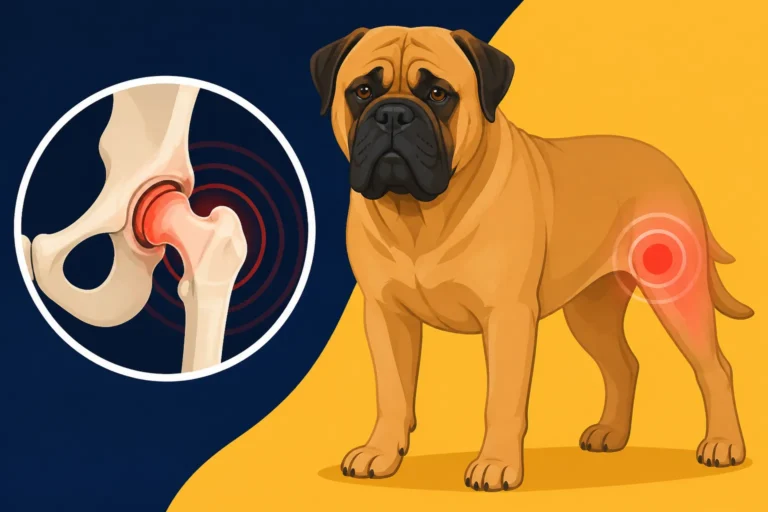
Few things are as heartbreaking as learning your young Bullmastiff might be destined for a life of joint pain. Hip and elbow dysplasia are unfortunately common in large breeds, including Bullmastiffs. These conditions involve abnormal development of the hip or elbow joints, leading to instability, pain, and eventually arthritis. While not always evident in a playful puppy, the underlying structural issues are there. Reputable breeders typically screen their breeding stock for these conditions, but even with careful selection, it's not a guarantee.
Your vet might recommend X-rays for hip and elbow screening around 16 to 24 months of age, once the growth plates have largely closed, to get an official evaluation. This is often done under sedation to ensure optimal positioning and clear, diagnostic images. Organizations like the Orthopedic Foundation for Animals (OFA) provide certification based on these X-rays, giving you a clear picture of your dog's joint health. Catching these issues early, even if surgical intervention isn't immediately necessary, allows you to implement management strategies like controlled exercise, weight management, and supplements that can significantly improve your Bullmastiff's quality of life. Understanding Hip Dysplasia in a Bullmastiff and Elbow Dysplasia in a Bullmastiff fully can help you prepare for these screenings.
Cardiac Evaluations for Inherited Conditions
While X-rays aren't the primary diagnostic tool for all heart conditions, they play a supportive role in assessing the overall size and shape of the heart and lungs, which can be affected by cardiac disease. Bullmastiffs, like many large breeds, can be predisposed to certain heart issues, such as subaortic stenosis (SAS) or dilated cardiomyopathy (DCM). A cardiac exam, often including listening for murmurs, is a standard part of a puppy's initial vet visits. If a murmur is detected, or if there's any family history of heart disease, your vet may recommend an echocardiogram (a specialized ultrasound of the heart) as the gold standard for diagnosis.
However, thoracic (chest) X-rays might be taken to evaluate for fluid in the lungs, an enlarged heart, or changes in the pulmonary blood vessels, all of which can be secondary signs of heart disease or heart failure. These images provide valuable context and help determine the severity and progression of conditions identified by other means. This is why Why a Bullmastiff Puppy Needs a Cardiac Exam is so critical, even before symptoms appear. For ongoing care and potential diagnostic procedures like X-rays and echocardiograms, having a robust pet insurance plan, such as one from Healthy Paws, can provide immense peace of mind.
When Growth Plate Monitoring Becomes Crucial
Bullmastiff puppies grow at an astonishing rate, sometimes gaining several pounds a week. This rapid growth puts immense stress on their developing skeletal system, particularly their growth plates, which are areas of soft, growing tissue near the ends of long bones. Injuries to these plates can lead to permanent lameness or limb deformities if not addressed promptly. Sometimes, a puppy might experience a seemingly minor limp or an awkward gait that doesn't resolve with rest.
In such cases, your vet might recommend X-rays to assess the growth plates. They'll be looking for any signs of fracture, premature closure, or abnormal development. Because the growth plates are still open (and visible) on X-rays in young dogs, these images can provide definitive answers about the source of pain or abnormal growth. Monitoring them can also be helpful if there are concerns about growth disparities between limbs. Ensuring your Bullmastiff puppy grows slowly and healthily is paramount, as discussed in Why a Bullmastiff Puppy Should Be Kept Lean. Early intervention based on X-ray findings can make all the difference in preventing lifelong orthopedic problems.
Diagnosing Lameness and Orthopedic Issues
As Bullmastiffs age, their sheer size and activity levels make them susceptible to a range of orthopedic problems. Whether it's a sudden injury from a boisterous play session or the gradual onset of age-related stiffness, X-rays are often the first port of call for diagnosing the root cause of lameness. It's frustrating to see your big, loving dog struggling, and getting clear answers is always the goal.
Sudden Limping and Acute Injuries
Imagine your Bullmastiff, who was just romping around the yard, suddenly comes up three-legged, or refuses to put weight on a paw. It’s a frightening moment. Acute injuries can range from simple sprains and strains to more serious fractures or ligament tears. Without an X-ray, it's often impossible to differentiate between these issues, and treatment approaches vary wildly.
Your vet will typically perform a thorough physical examination, feeling for swelling, pain, and instability. If pain is localized or severe, or if the vet suspects a bone injury, X-rays will be ordered immediately. These images can reveal bone fractures, dislocations, or even significant soft tissue swelling that suggests a sprain or muscle tear. For a giant breed, even a seemingly minor limp warrants investigation because their weight can exacerbate issues quickly. For example, a stress fracture that might heal with rest in a smaller dog could quickly become a complete break in a 130-pound Bullmastiff if not identified and managed.
Chronic Pain and Progressive Arthritis
It's a sad reality that most large breed dogs, including our beloved Bullmastiffs, will eventually face arthritis. The Age a Bullmastiff Gets Arthritis can vary, but it's often a progressive condition that starts subtly. You might notice your dog is slower to rise, seems stiffer after naps, or hesitates to jump into the car. These are all classic signs of chronic pain, often stemming from degenerative joint disease.
X-rays are invaluable for diagnosing and monitoring arthritis. They can show changes in joint spaces, bone spurs (osteophytes), and sclerosis (increased bone density) around affected joints. While arthritis can't be cured, knowing which joints are most affected and the severity of the changes allows your vet to create a targeted pain management plan. This might include anti-inflammatory medications, joint supplements, physical therapy, or even alternative therapies. Regular X-rays, perhaps every 6-12 months, can help track the progression of the disease and adjust treatment as needed, ensuring your Bullmastiff remains as comfortable as possible for as long as possible. Many pet insurance plans, like those from Healthy Paws, will cover diagnostic imaging for chronic conditions once a policy is in force and the waiting periods have passed.
Cruciate Ligament Tears and Meniscal Damage
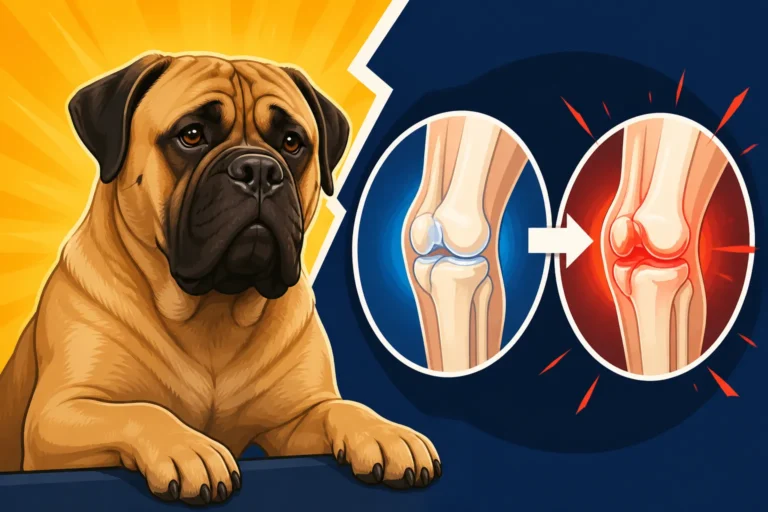
One of the most common and debilitating orthopedic injuries in large dogs is a tear of the cranial cruciate ligament (CCL), often simply called a "cruciate tear." This ligament is vital for stabilizing the knee joint, and when it tears, it causes significant lameness and pain. While a skilled vet can often diagnose a full tear through physical manipulation (the "cranial drawer test"), X-rays are crucial for confirmation and for ruling out other issues.
X-rays can show secondary signs of a cruciate tear, such as fluid in the joint, early onset arthritis due to instability, or changes in the angle of the tibia. They can also reveal concurrent meniscal damage, which often accompanies CCL tears. Understanding Cruciate Tears in a Bullmastiff is key, because treatment often involves complex surgery, such as Tibial Plateau Leveling Osteotomy (TPLO) or Tibial Tuberosity Advancement (TTA), followed by extensive rehabilitation. X-rays are not only used for initial diagnosis but also for pre-surgical planning and post-surgical assessment to ensure proper healing and implant placement.
Emergency Situations: When Every Second Counts for a Bullmastiff
Bullmastiffs are big, and sometimes, their sheer size can make emergencies even more daunting. When an acute crisis strikes, rapid diagnosis is paramount, and often, an X-ray is the quickest way to get vital information about what's happening inside their large bodies.
Suspecting Bloat or Gastric Dilatation-Volvulus (GDV)
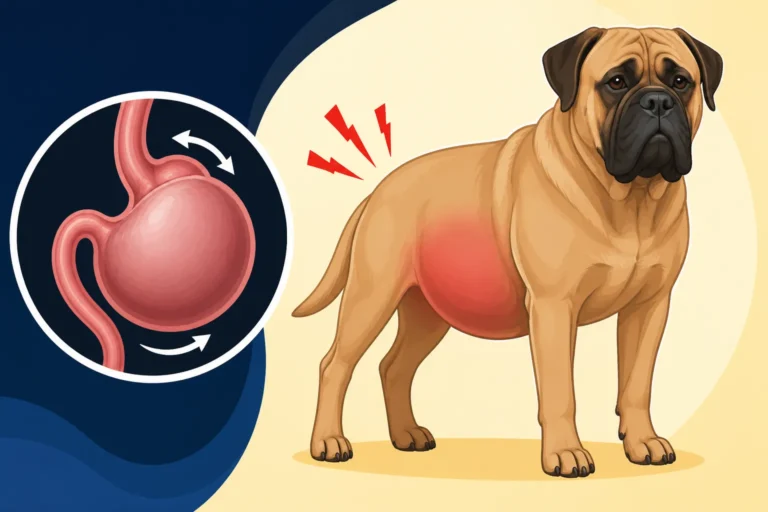
Few conditions strike as much fear into the hearts of large breed owners as bloat, or more accurately, gastric dilatation-volvulus (GDV). Bloat in a Bullmastiff is a life-threatening emergency where the stomach fills with gas and often twists, cutting off blood supply and leading to rapid shock. Signs like a distended abdomen, unproductive retching, restlessness, and excessive drooling are terrifying indicators.
If you suspect bloat, you need to get your Bullmastiff to an emergency vet immediately. Time is absolutely critical. Upon arrival, one of the first diagnostic steps will be an X-ray of the abdomen. A specific X-ray view (right lateral recumbency) is used to confirm GDV, as it will show a characteristic "double bubble" or "Popeye arm" appearance of the stomach, indicating that it's distended and twisted. This X-ray confirms the diagnosis and guides the surgical team. Delaying an X-ray for GDV can be fatal, making it one of the most urgent reasons for imaging. For pet parents, recognizing Signs a Bullmastiff Is Bloating can literally be a life-saver.
Ingested Foreign Objects and Intestinal Obstructions
Bullmastiffs, despite their calm demeanor, can sometimes have a mischievous streak, especially when they're puppies or young adults exploring the world with their mouths. This can occasionally lead to them ingesting non-food items – toys, socks, rocks, or even parts of their bedding. While some small objects might pass naturally, larger or irregularly shaped items can cause an intestinal obstruction, a serious and painful condition.
If your Bullmastiff is vomiting repeatedly, refuses to eat, is straining to defecate, or has abdominal pain, your vet will likely recommend abdominal X-rays. While not all foreign objects are "radiopaque" (meaning they show up clearly on an X-ray, like metal), many are. Even non-radiopaque objects can be indirectly visualized by the gas patterns they create in the intestines or by distension of the bowel loops. Sometimes, multiple X-rays over several hours, or even a barium study (where your dog drinks a special liquid that shows up on X-rays), might be needed to confirm an obstruction and pinpoint its location. Early diagnosis via X-ray can prevent severe complications, including bowel perforation and septic peritonitis.
Traumatic Injuries and Internal Bleeding
Accidents happen, even to our well-cared-for giants. A fall, a car accident, or an unexpected collision during play can result in traumatic injuries. While external wounds are obvious, internal injuries and bleeding can be insidious and life-threatening.
If your Bullmastiff has experienced significant trauma, X-rays will be a critical part of their emergency workup. Chest X-rays can reveal pneumothorax (collapsed lung), pulmonary contusions (bruised lungs), or internal bleeding around the heart or lungs. Abdominal X-rays can help identify fluid in the abdomen (suggesting internal hemorrhage), organ damage, or even a fractured pelvis or ribs. These images guide the emergency vet in prioritizing treatments, whether it's stabilizing a bleeding organ, performing surgery, or managing pain and shock. A comprehensive pet insurance policy, like one from Healthy Paws, is invaluable in covering the significant costs of emergency diagnostics and treatments for such unforeseen events.
Uncovering Internal Illnesses and Suspicious Growths
Beyond acute injuries and developmental concerns, X-rays serve as a powerful tool for investigating a variety of internal illnesses and for the crucial process of cancer detection and staging, which is unfortunately a significant concern for Bullmastiffs.
Investigating Persistent Coughs or Breathing Difficulties
A persistent cough or any sign of difficulty breathing in a Bullmastiff should never be ignored. Their brachycephalic (short-nosed) tendencies, though less pronounced than in Bulldogs, can sometimes predispose them to respiratory issues, and their propensity for heart disease can also manifest with respiratory signs.
If your Bullmastiff develops a chronic cough, wheezing, or struggles to breathe after even mild exercise, your vet will almost certainly recommend chest X-rays. These images can reveal a host of problems: an enlarged heart pressing on the trachea, fluid in or around the lungs (pulmonary edema, pleural effusion), lung tumors, pneumonia, or even changes related to asthma or bronchitis. Sometimes, foreign bodies lodged in the airway can also be seen. X-rays help differentiate between cardiac and respiratory causes of symptoms, which is vital for effective treatment. For example, if X-rays show fluid in the lungs due to heart failure, the treatment path is very different than if they show pneumonia.
Staging Cancer and Assessing Spread
Cancer is a devastating reality for many Bullmastiff owners. Lymphoma Kills More Bullmastiffs Than Anything Else, but they are also prone to other cancers like mast cell tumors and osteosarcoma. When a mass is detected externally or a diagnosis of cancer is made (e.g., via biopsy), X-rays become critical for "staging" the cancer. Staging involves determining the extent of the cancer's spread throughout the body.
Thoracic (chest) X-rays are routinely performed to check for metastasis (spread) to the lungs, a common site for many canine cancers. Abdominal X-rays might be taken to look for enlarged lymph nodes or masses on internal organs. For bone cancers like osteosarcoma, localized X-rays of the affected limb are essential for diagnosis and assessing the extent of bone involvement. This information is vital for determining prognosis and guiding treatment decisions, whether it's surgery, chemotherapy, or radiation. Understanding What Staging a Bullmastiff's Lymphoma Involves is crucial for any owner facing this diagnosis. The ability of X-rays to visualize internal spread is a cornerstone of modern veterinary oncology, helping vets tailor the most effective treatment plan for your beloved Bullmastiff.
Evaluating Organ Size and Abdominal Concerns
Sometimes, your Bullmastiff might present with vague symptoms like lethargy, decreased appetite, weight loss, or persistent vomiting and diarrhea. These non-specific signs can point to a multitude of abdominal issues, from organ disease to inflammatory conditions. A physical exam might reveal abdominal discomfort or an enlarged organ.
In such cases, abdominal X-rays are often the first step in non-invasive diagnostics. They can help your vet assess the size, shape, and position of internal organs like the liver, spleen, kidneys, and bladder. X-rays can also reveal the presence of abnormal gas patterns, fluid accumulation, or unusual densities that might indicate tumors, stones (in the bladder or kidneys), or inflammatory bowel disease. While X-rays provide a static image, they offer valuable clues that can guide further diagnostics, such as ultrasound or blood tests, or even indicate the need for exploratory surgery.
Monitoring Senior Bullmastiffs: Proactive X-rays for Quality of Life
Our Bullmastiffs may only live The Median Bullmastiff Lives Eight and a Half Years, so every year, especially after they turn six, is precious. As they enter their senior years, maintaining their comfort and quality of life becomes a primary focus. Regular check-ups are vital, and X-rays play an important role in proactively managing age-related conditions. Understanding Caring for a Bullmastiff Past Six means being prepared for these health changes.
Managing Arthritis and Degenerative Joint Disease
As mentioned earlier, arthritis is almost a given for a senior Bullmastiff. The large breed X-rays for chronic pain are even more relevant for an aging dog. Even if your dog isn't overtly limping, subtle signs of stiffness or reluctance to move might indicate progressing joint disease.
Routine X-rays, perhaps as part of an annual senior wellness exam or if new mobility issues arise, can help your vet monitor the progression of arthritis in your Bullmastiff's hips, elbows, spine, and other joints. These images allow for objective comparison over time, helping to fine-tune pain management strategies. You might find that a combination of medications, supplements, and physical therapy is needed to keep your Bullmastiff comfortable. X-rays help confirm which joints are contributing most to their discomfort, enabling more targeted interventions. For example, if shoulder arthritis is worsening, a specific therapeutic injection might be considered. Knowing precisely what is going on helps you provide the best support as your dog ages.
Checking for Age-Related Organ Changes
While X-rays are not as detailed as ultrasound for soft tissue organs, they can still provide important general information about age-related organ changes in senior Bullmastiffs. An enlarged heart, changes in lung patterns, or kidney stones are all things that can show up on an X-ray during a wellness check.
For instance, if your senior Bullmastiff is experiencing increased thirst and urination, or unexplained weight loss, abdominal X-rays might be part of the workup to rule out certain kidney or bladder issues. Similarly, if there's a new cough or fatigue, chest X-rays can help assess for heart enlargement or lung changes. These images provide a baseline and can flag abnormalities that warrant further investigation with more advanced imaging or blood tests. Proactive monitoring through tools like X-rays, as part of How Often a Bullmastiff Needs a Wellness Exam, can catch problems early when they are often more manageable.
Assessing Spinal Health as They Age
Just like humans, Bullmastiffs can develop degenerative changes in their spine as they get older. This can manifest as back pain, hind leg weakness, difficulty with stairs, or even neurological symptoms. Their heavy bodies place considerable strain on their vertebral column and intervertebral discs over a lifetime.
X-rays of the spine can reveal common age-related issues such as spondylosis deformans (bone spurs along the vertebrae), narrowing of intervertebral disc spaces, or even signs of disc herniation. While plain X-rays don't show the spinal cord itself, they can identify bony changes that might be impinging on nerves or causing instability. This information is crucial for managing pain and mobility. If X-rays suggest significant spinal issues, your vet might recommend advanced imaging like an MRI or CT scan for a more detailed look at the soft tissues of the spinal cord. However, X-rays are a vital first step in localizing the problem and understanding the extent of bony changes, helping to guide management strategies to keep your senior Bullmastiff moving as comfortably as possible.
Here's a quick overview of common reasons for Bullmastiff X-rays:
| Reason for X-ray | Typical Age/Scenario | What it helps diagnose | Urgency Level |
|---|---|---|---|
| Hip & Elbow Screening | 16-24 months | Dysplasia, early arthritis | Routine |
| Cardiac Evaluation | Puppyhood (if murmur), Senior | Heart enlargement, lung fluid (secondary to heart disease) | Routine/Urgent |
| Growth Plate Monitoring | Puppyhood (if lameness) | Fractures, abnormal growth, limb deformities | Urgent |
| Acute Lameness | Any age | Fractures, dislocations, severe sprains, ligament tears | Emergency |
| Chronic Pain/Arthritis | Adult to Senior | Degenerative joint disease, bone spurs, joint changes | Routine/Urgent |
| Cruciate Tear | Adult | Ligament tears, meniscal damage, secondary arthritis | Urgent |
| Suspected Bloat (GDV) | Adult | Gastric dilatation-volvulus (twisted stomach) | Emergency |
| Ingested Foreign Object | Any age | Intestinal obstruction, foreign body location | Emergency |
| Traumatic Injury | Any age | Internal bleeding, fractures, organ damage, collapsed lung | Emergency |
| Persistent Cough/Dyspnea | Any age | Pneumonia, heart enlargement, lung tumors, fluid in lungs | Urgent |
| Cancer Staging | Adult to Senior | Metastasis (spread) to lungs/organs, tumor size/location | Urgent |
| Abdominal Concerns | Any age | Organ enlargement, masses, fluid, gas patterns, stones | Urgent |
| Spinal Issues (Aging) | Senior | Spondylosis, disc space narrowing, nerve impingement | Routine/Urgent |
Remember, your Bullmastiff relies on you to advocate for their health. Don't hesitate to discuss any concerns with your veterinarian. They are your best resource for determining when an X-ray is the right diagnostic step to take for your big, beautiful companion.
Disclaimer
This article is intended for informational purposes only and does not constitute veterinary advice. Always consult with a qualified veterinarian for any health concerns or before making any decisions about your Bullmastiff's care.