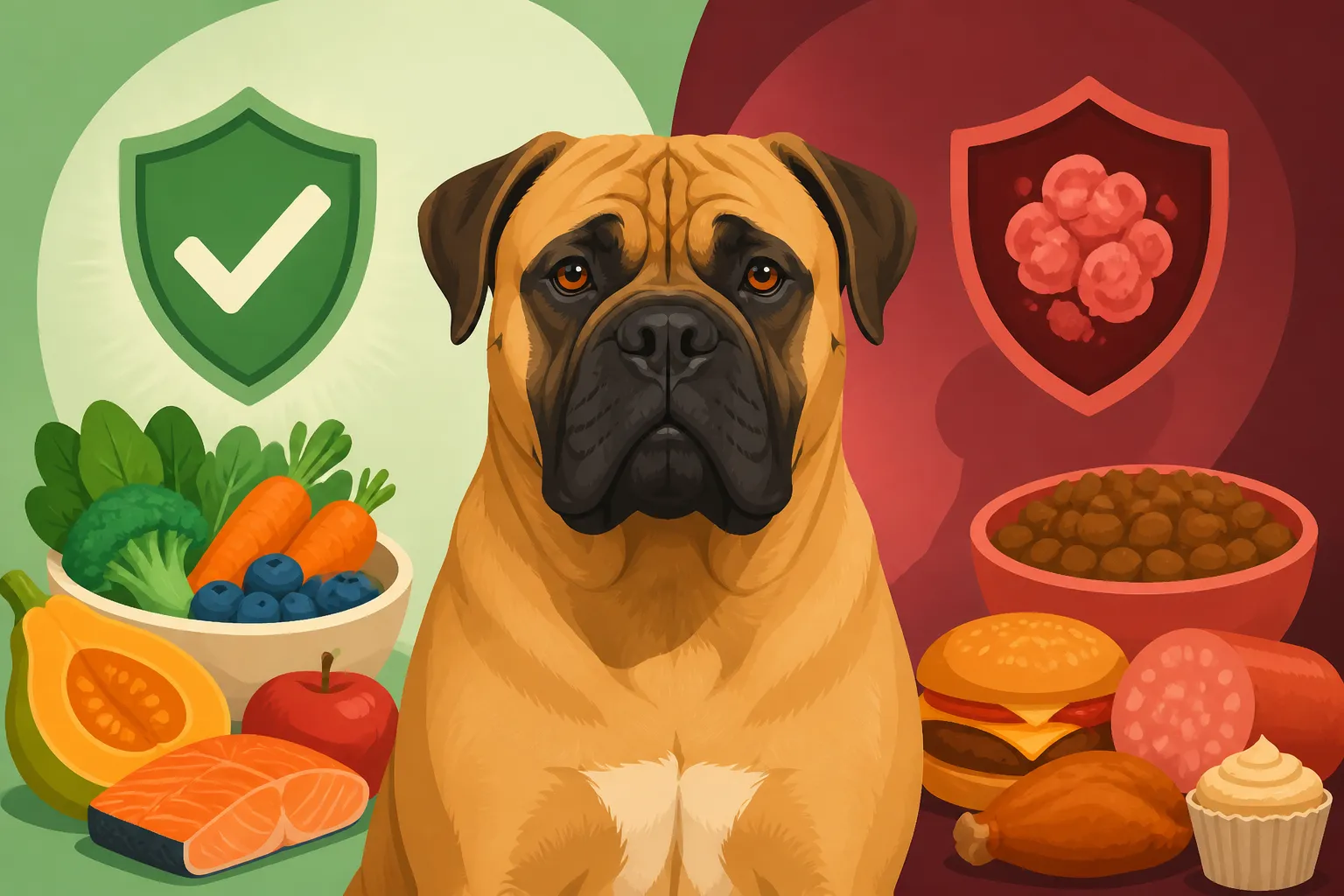
Whether Diet Affects a Bullmastiff’s Cancer Risk
It's completely natural to worry about your Bullmastiff's health, especially when you hear about how prone they can be to certain serious conditions like cancer. You want to do everything in your power to give them the longest, healthiest life possible, and naturally, diet comes up as a major question. You scour ingredient lists, debate kibble versus raw, and wonder if what goes into their bowl truly makes a difference. This guide is here to untangle the complexities of canine nutrition and cancer risk for our beloved Bullmastiffs, offering practical insights and peace of mind.
The Complex Link Between Canine Diet and Cancer Risk
When you share your home with a magnificent Bullmastiff, the thought of cancer can feel like a heavy shadow. These gentle giants, unfortunately, are genetically predisposed to certain types of cancers, making every decision about their health feel incredibly significant. It's not just a passing concern; it's a real, tangible worry that often sits with us as we watch them grow and age. Understanding this vulnerability is the first step in exploring how diet might play a supportive, preventative role.
Understanding Bullmastiff Vulnerability to Cancer
Bullmastiffs, like many large and giant breeds, face a heightened risk of developing specific cancers. We often hear about Lymphoma Kills More Bullmastiffs Than Anything Else, for instance, and Mast Cell Tumors and the Lumps on a Bullmastiff are another common concern that keeps us checking every new bump and lump. This genetic predisposition means that while diet might not be a magic bullet, it becomes an even more critical piece of the wellness puzzle. It’s not about curing cancer through food, but about creating an internal environment that is less hospitable to disease and supports overall immune function.
The statistics can be disheartening, reminding us Why a Bullmastiff's Lymphoma Risk Is Five Times a Mixed Breed's compared to other dogs. This inherent risk makes owners hyper-aware and eager to control whatever factors they can. You might feel a sense of frustration, wondering if it's an uphill battle, but it’s important to remember that genetics don't tell the whole story. Environmental factors, including diet and lifestyle, constantly interact with those genetic predispositions, influencing whether certain genes are expressed or suppressed.
So, for us Bullmastiff parents, the question of diet isn't just about weight management or shiny coats; it's deeply intertwined with the hope of warding off or delaying serious health issues. We want to nourish their bodies from the inside out, providing them with every possible advantage. This focus on prevention through nutrition is a proactive step we can take, empowering us to contribute positively to their long-term health, even when faced with intimidating breed-specific health challenges.
General Nutritional Principles for Cancer Prevention in Dogs
When we talk about nutrition for cancer prevention, we're really talking about a holistic approach to health that emphasizes balance, quality, and natural ingredients. Think less about a single "superfood" and more about an overall dietary pattern that reduces inflammation, supports a healthy immune system, and minimizes exposure to potential toxins. This means prioritizing whole, unprocessed foods over highly refined ones, mirroring the kind of healthy eating we strive for in our own lives.
A cornerstone of any cancer-preventative diet is a strong emphasis on lean protein. High-quality animal proteins provide essential amino acids for tissue repair and immune function without contributing to excess fat or inflammation. Coupled with this, a robust intake of beneficial fats, particularly omega-3 fatty acids, is crucial. These fats are powerful anti-inflammatories, which can be vital in creating an internal environment where cancer struggles to thrive. Many pet owners choose to supplement with fish oil for this reason.
Furthermore, a diet rich in antioxidants, vitamins, and minerals derived from fresh fruits and vegetables can offer significant protective benefits. These micronutrients combat oxidative stress, a process that can damage cells and contribute to cancer development. Avoiding artificial preservatives, colors, and flavors, along with minimizing exposure to environmental contaminants in food, also plays a role in reducing the overall burden on your Bullmastiff's body. The goal is to feed a diet that supports cellular health and robust immunity, giving your Bullmastiff the best possible chance against disease.
Specific Dietary Elements and Their Potential Impact
Delving deeper into how diet impacts cancer risk means breaking down the individual components of your Bullmastiff's meals. It’s not just about what kind of food, but also about the quality and quantity of specific macronutrients like carbohydrates, proteins, and fats, as well as the micronutrients that often get overlooked. Each element plays a role in the intricate biochemistry of your dog’s body, influencing everything from inflammation to cellular repair.
The Role of Carbohydrates and Glycemic Load
The debate around carbohydrates in canine diets, especially concerning cancer, can be confusing. Some theories suggest that diets high in simple carbohydrates (like corn, wheat, or white rice) can contribute to inflammation and provide a ready fuel source for cancer cells, which often thrive on glucose. For a large breed like a Bullmastiff, managing carbohydrate intake isn't just about weight; it might also be about minimizing unnecessary glycemic spikes that could, theoretically, fuel unhealthy cell growth.
While dogs are capable of digesting carbohydrates, their ancestral diet was meat-based and naturally lower in starches. This doesn't necessarily mean "grain-free" is always the answer, as some grain-free foods replace grains with other high-starch ingredients like potatoes or peas. The focus should rather be on the type and amount of carbohydrates: opting for complex carbohydrates with a lower glycemic load, such as sweet potatoes, oats, or quinoa, if carbs are included. These release sugar more slowly, reducing sudden spikes in blood glucose and insulin.
Ultimately, balancing carbohydrates in your Bullmastiff's diet involves understanding their energy needs and avoiding overfeeding. A sedentary Bullmastiff, for instance, won't need the same level of carbohydrates as an active working dog. By choosing nutrient-dense, lower-glycemic options, you’re providing energy without potentially overstimulating cellular processes that could be detrimental in the long run.
Protein Sources and Quality
Protein is fundamental for every dog, acting as the building blocks for muscles, organs, and a strong immune system. For a Bullmastiff, a breed known for its powerful musculature, high-quality protein is non-negotiable. However, when we talk about cancer, the source and digestibility of that protein become even more critical. Cheap protein sources, often found in lower-quality commercial foods, can be harder to digest and may contribute to inflammation or allergic reactions in sensitive dogs.
The emphasis should always be on lean, highly digestible animal proteins. Think fresh chicken, turkey, beef, lamb, or fish. These provide all the essential amino acids your Bullmastiff needs without excess fat, which can be a concern for a breed that needs to maintain a healthy weight to protect its joints. You want protein that supports a robust immune system and cellular repair, helping the body to naturally fight off disease and maintain healthy tissues.
While concerns sometimes arise about high-protein diets in dogs with kidney issues, for healthy Bullmastiffs, adequate high-quality protein is vital. It’s not about feeding too much protein, but about feeding the right kind in appropriate amounts to support their large, muscular frame and overall health without stressing their systems. Prioritizing lean, whole-food protein sources over highly processed protein meals is a wise strategy for any Bullmastiff owner focused on long-term wellness.
Fats: The Good, the Bad, and the Essential
Fats often get a bad rap, but they are absolutely essential for canine health, providing concentrated energy, supporting cell function, and aiding in nutrient absorption. For cancer prevention, the type of fat is paramount. Omega-3 fatty acids, particularly EPA and DHA found in fish oil, are powerful natural anti-inflammatories. Chronic inflammation is increasingly linked to cancer development, so incorporating these beneficial fats can be a proactive step in creating a healthier internal environment for your Bullmastiff.
On the flip side, excessive amounts of certain fats, especially omega-6 fatty acids when out of balance with omega-3s, can be pro-inflammatory. Many commercial dog foods contain high levels of omega-6s (from ingredients like chicken fat, corn oil, or sunflower oil) but lack sufficient omega-3s. Achieving a proper omega-3 to omega-6 ratio is key. Aim for sources rich in omega-3s, such as wild-caught salmon, sardines, or a high-quality fish oil supplement like those from Nordic Naturals or Carlson Labs.
Beyond the type of fat, the freshness of fat is also important. Rancid fats, often found in cheaper or improperly stored kibble, can create harmful free radicals in the body, contributing to oxidative stress and cellular damage. Always choose high-quality foods and supplements, store them properly, and be mindful of expiration dates to ensure your Bullmastiff is getting beneficial fats that support health, not harm it.
Antioxidants, Vitamins, and Phytochemicals
These are the unsung heroes of a cancer-preventative diet. Antioxidants, like vitamins C and E, and selenium, work by neutralizing free radicals in the body that can damage cells and DNA, potentially leading to cancer. While commercial foods often include synthetic versions, nothing quite compares to the bioavailability and synergistic effects of antioxidants found naturally in whole foods.
Phytochemicals, found in plants, are non-nutritive compounds that have powerful protective effects. Think of the vibrant colors in blueberries, spinach, or carrots – those pigments often represent a wealth of beneficial compounds like flavonoids, carotenoids, and polyphenols. Turmeric, for instance, contains curcumin, which has been studied for its anti-inflammatory and anti-cancer properties. Certain medicinal mushrooms, like Turkey Tail or Reishi, are also gaining traction for their immune-modulating effects.
Incorporating a variety of fresh, whole fruits and vegetables (in appropriate, small amounts, always checking for dog-safe options) into your Bullmastiff's diet can provide a powerful boost of these protective elements. Steamed broccoli, carrots, green beans, blueberries, and apples (without seeds) are excellent choices. While supplementation can be considered, consulting your veterinarian is crucial to ensure appropriate dosages and avoid any interactions, especially given the Bullmastiff's propensity for certain health issues.
Practical Dietary Considerations for Your Bullmastiff
Transitioning from theory to practice can feel overwhelming when it comes to your Bullmastiff's diet. You want to make the best choices, but with so many options and conflicting advice, it's hard to know where to start. This section will guide you through practical steps, from selecting commercial foods to considering fresh food diets and, crucially, maintaining a healthy body weight.
Choosing the Right Commercial Dog Food
Navigating the pet food aisle can be a minefield of marketing claims and confusing ingredient lists. For your Bullmastiff, choosing the "right" commercial food starts with focusing on quality and transparency. Look for brands that clearly state they meet AAFCO (Association of American Feed Control Officials) nutritional standards for "all life stages" or "adult maintenance" for large breeds. This ensures the food is nutritionally complete and balanced.
Beyond that, scrutinize the ingredient list. The first few ingredients should be identifiable, high-quality animal protein sources (e.g., deboned chicken, lamb meal, fish). Avoid foods where corn, wheat, or soy are among the first ingredients, as these are often fillers and can be common allergens. Look for whole food ingredients, natural preservatives (like mixed tocopherols), and ideally, a good source of omega-3 fatty acids. Brands like Acana, Orijen, and Taste of the Wild often feature high-quality ingredients with a focus on meat.
Remember that "large breed" formulations are usually designed with controlled growth rates for puppies and appropriate calorie and mineral levels for adults to support bone and joint health. Even with the best intentions, unexpected health issues can arise, and having robust pet insurance like Healthy Paws can provide peace of mind, knowing that if a cancer diagnosis requires specialized food or expensive treatment, a significant portion of the cost could be covered. It's a pragmatic step for any Bullmastiff owner.
The Benefits of a Fresh Food Approach
For many Bullmastiff owners, the desire for greater control over their dog's nutrition leads them to explore fresh food diets, either homemade or commercially prepared raw/cooked options. The primary benefit of a fresh food approach is knowing exactly what goes into your Bullmastiff's bowl, allowing you to select high-quality, whole ingredients free from artificial additives, excessive fillers, and questionable by-products. This can be particularly appealing when trying to minimize potential carcinogens or inflammatory agents.
Homemade diets offer the ultimate control, letting you tailor meals to your Bullmastiff's specific needs, whether that's managing allergies, weight, or supporting a sensitive stomach. However, it's crucial that a homemade diet is meticulously balanced with the guidance of a board-certified veterinary nutritionist. Without proper formulation, these diets can lead to dangerous nutrient deficiencies or excesses, particularly for a large, rapidly growing breed. They aren't something to guess at.
Commercially prepared raw or gently cooked diets can offer a convenient middle ground. Brands like Stella & Chewy's, Primal Pet Foods, or The Farmer's Dog provide balanced, human-grade ingredients, often flash-frozen or lightly cooked to preserve nutrients. While these options are typically more expensive, they can provide many of the benefits of fresh food without the daily hassle of meal preparation and balancing. If you're considering this route, research brands thoroughly and always introduce new foods slowly to avoid digestive upset in your Bullmastiff.
Maintaining a Healthy Weight: A Cornerstone of Cancer Prevention
This is perhaps one of the most impactful dietary factors within our control, and it's something we preach constantly: Keeping a Bullmastiff Lean Is the Best Thing You Can Do. Obesity in dogs is not just about aesthetics; it's a serious health hazard that contributes to a myriad of problems, including increased inflammation, orthopedic issues, and a significantly higher risk of various cancers. Excess fat tissue isn't inert; it's metabolically active, producing hormones and inflammatory mediators that can fuel cancer growth.
For a Bullmastiff, whose The Median Bullmastiff Lives Eight and a Half Years, every effort to extend their healthy lifespan counts. Maintaining an ideal body condition means your Bullmastiff's ribs should be easily palpable without being visible, and they should have an obvious waist when viewed from above. It's easy for us to spoil our big dogs with extra treats, but those extra pounds truly take a toll. Regularly checking Signs a Bullmastiff Is Overweight and acting quickly to implement Getting Weight Off a Bullmastiff are critical.
Portion control is key, based on their activity level and ideal weight, not just what the bag says. Measure their food accurately, and factor in all treats. Opt for low-calorie, healthy snacks like carrot sticks or apple slices instead of high-fat dog biscuits. This commitment to leanness is one of the most powerful, yet often underestimated, tools we have in the fight against cancer and for overall longevity in our beloved Bullmastiffs.
Beyond the Bowl: Other Influences on Cancer Risk
While diet is a crucial component of your Bullmastiff's overall health and can play a supportive role in cancer prevention, it's never the sole factor. Cancer is a complex disease influenced by a confluence of genetics, environment, and lifestyle. Understanding these other contributing elements allows for a more comprehensive, holistic approach to keeping your Bullmastiff as healthy as possible.
The Undeniable Role of Genetics
As much as we focus on diet, the truth is that genetics play a profound and undeniable role in a Bullmastiff's cancer risk. This breed is known to carry a predisposition for certain types of cancer, a factor that diet can influence but not entirely erase. It’s why you hear about specific cancers showing up in certain lines more than others. We need to acknowledge that even with the most pristine diet, some dogs will still develop cancer due to their inherent genetic makeup.
This reality underscores the importance of choosing a reputable breeder who prioritizes health screening and transparency. Asking about the health history, particularly cancer incidence, in a puppy's lineage is vital. While Whether a Genetic Test for Bullmastiff Lymphoma Exists is still an area of ongoing research, responsible breeders are typically tracking health issues within their lines and making informed breeding decisions. They should be able to openly discuss the health of their dogs and provide information about the lifespan and causes of death of the parents and grandparents. This dedication to tracking health is essential, and savvy buyers should always ask Whether Bullmastiff Breeders Track Cancer in Pedigrees.
While genetics might seem beyond our control once we bring a dog home, understanding their inherent predispositions helps us be more vigilant about early detection and diligent about providing the best possible care through diet and lifestyle. It shifts the focus from blame to empowerment, knowing that while genetics load the gun, environment and care pull the trigger.
Lifestyle, Environment, and Stress
Beyond genetics and diet, your Bullmastiff's daily life and environment contribute significantly to their overall health and, by extension, their cancer risk. A sedentary lifestyle, for instance, can lead to obesity and chronic inflammation, both risk factors for cancer. Regular, appropriate exercise, tailored to your Bullmastiff's age and physical condition, not only helps maintain a healthy weight but also boosts circulation and immune function. Remember their specific needs – The Exercise Limit for a Bullmastiff Puppy is crucial to protect their growing joints.
Environmental toxins are another area of concern. Exposure to pesticides, herbicides, household cleaning chemicals, and even secondhand smoke can introduce carcinogens into your dog's system. Opting for pet-safe cleaning products, using natural pest control solutions, and avoiding smoking around your dog are simple yet impactful ways to reduce their toxic load. Even something as simple as providing clean, filtered water can make a difference over a lifetime.
Chronic stress can also suppress the immune system, making a dog more vulnerable to disease. While it's hard to measure stress in dogs, providing a consistent routine, ample mental stimulation (puzzle toys, short training sessions), and a secure, loving home environment can help mitigate stress. A holistic approach to health means looking at the whole picture: a healthy body, a healthy environment, and a healthy mind.
Regular Veterinary Care and Early Detection
Perhaps the most critical factor in managing cancer risk, especially for a predisposed breed like the Bullmastiff, is consistent and thorough veterinary care. Regular check-ups allow your veterinarian to establish a baseline for your dog's health, monitor for changes, and perform routine screenings. It’s during these visits that abnormalities like new lumps or subtle changes in behavior might be caught early, when treatment options are most effective. Don't underestimate How Often a Bullmastiff Should Be Checked for Cancer.
Early detection significantly improves the prognosis for many cancers. For example, catching Lymphoma Kills More Bullmastiffs Than Anything Else in its initial stages or identifying Mast Cell Tumors and the Lumps on a Bullmastiff before they become aggressive can mean the difference between palliative care and a chance at remission. Your vet can perform physical exams, blood work, and discuss any concerns you have, acting as your partner in your Bullmastiff's health journey.
It's also important to be financially prepared for potential health challenges. This is where pet insurance like Healthy Paws becomes invaluable. Knowing you have coverage can significantly ease the burden of unexpected diagnostic tests, specialist referrals, or expensive treatments if your Bullmastiff is ever diagnosed with cancer. It allows you to focus on getting your beloved companion the best possible care without the added stress of crushing vet bills, which can add up to What a Bullmastiff Costs Over Its Lifetime. This proactive step ensures that when a serious health concern arises, you're empowered to make decisions based on what's best for your Bullmastiff, not your wallet.
Here’s a quick overview of carbohydrate types and their general glycemic impact:
| Carbohydrate Source | Glycemic Index (General) | Notes |
|---|---|---|
| White Rice | High | Quickly digested, can cause blood sugar spikes. |
| Corn | High | Often used as a filler, can be inflammatory for some dogs. |
| Wheat | High | Common allergen, can lead to inflammation. |
| Potatoes (White) | High | Starchy, can contribute to blood sugar spikes. |
| Sweet Potatoes | Medium | More nutrient-dense, fiber-rich, slower sugar release. |
| Oats | Medium | Good source of fiber, complex carbohydrate. |
| Quinoa | Low | Complete protein, complex carb, good fiber. |
| Barley | Low | Good source of fiber, slow-releasing energy. |
| Lentils/Chickpeas | Low | Legumes, provide complex carbs and protein, should be cooked thoroughly. |
Disclaimer
The information provided in this article is for educational purposes only and should not be considered a substitute for professional veterinary advice. Always consult with a qualified veterinarian regarding any health concerns or before making any changes to your Bullmastiff's diet or healthcare routine.