Whether a Bullmastiff Should Be Neutered Late
As a Bullmastiff owner, you’re likely grappling with a decision that feels far more complicated than it should be: when to neuter your magnificent companion. For years, the standard advice was to spay or neuter around six months of age. But for a giant breed like the Bullmastiff, that timeline is increasingly being questioned, leaving many of us feeling confused and anxious about making the "right" choice for their long-term health and well-being. This guide delves deep into the evolving science and practical considerations of late neutering for Bullmastiffs, empowering you to navigate this complex decision with confidence.
The Traditional Wisdom Versus Current Understanding of Neutering
For decades, the standard recommendation for spaying or neutering dogs was straightforward: get it done young, usually around six months old. This blanket advice was often given regardless of breed, size, or individual health considerations. The prevailing wisdom was that early sterilization prevented unwanted litters, reduced the risk of certain cancers, and could curb some undesirable behaviors. It seemed like a simple, responsible choice for pet ownership, and most veterinarians routinely advised it without much debate.
The Historical Approach to Spaying and Neutering
Historically, the push for early spay/neuter was heavily influenced by population control efforts. Animal shelters were, and still are, overwhelmed with unwanted animals, and early sterilization was seen as a key strategy to prevent accidental breedings. On the health front, concerns about mammary tumors in females and testicular cancer in males were often cited as primary reasons for early intervention. For male dogs, the fear of roaming, marking, and aggression was also a strong motivator for many owners to neuter young. We were taught that it was the best thing to do, end of story, and few questioned the timing. You’d get your puppy, take them for their vaccinations, and then schedule the neuter, almost as a matter of course.
The ease of the procedure on younger, smaller dogs also played a role. Recovery was often quicker, and the thought of an invasive surgery on a fully grown, massive dog could be daunting for both owners and vets. So, the six-month mark became a widely accepted, almost automatic, part of puppy care. However, as our understanding of canine physiology and breed-specific health challenges has grown, particularly for larger and giant breeds like our Bullmastiffs, this one-size-fits-all approach has started to look less like a universal truth and more like a simplification that might not always serve our dogs best.
Why the Recommendations Are Changing
The conversation around neutering timing has shifted dramatically in recent years, especially concerning large and giant breeds. Research has begun to highlight the crucial role that sex hormones play in a dog's growth and development, far beyond just reproduction. These hormones, primarily testosterone and estrogen, are vital for the closure of growth plates in bones, the development of muscle mass, and the maturation of various organ systems. When a dog is neutered before these growth plates have naturally closed, it can lead to bones growing longer than they otherwise would have, altering their joint angles and overall skeletal structure.
For a heavy, powerful breed like the Bullmastiff, this has significant implications. Their sheer size and weight already put considerable stress on their joints. Any structural changes caused by early neutering could exacerbate existing predispositions to orthopedic issues. Vets and researchers are now advocating for a more individualized approach, taking into account breed-specific health risks, the dog's size, and its maturation rate. The goal isn't to avoid neutering altogether, but rather to consider waiting until a dog is more physically mature, allowing their hormones to complete their natural developmental work. This evolving understanding is certainly more complex than the old advice, but it promises to help us make better-informed decisions for our Bullmastiffs' long-term health.
Orthopedic Health and the Role of Hormones in Bullmastiffs
One of the most compelling arguments for delaying neutering in large and giant breeds like Bullmastiffs revolves around their orthopedic health. These powerful dogs are prone to significant joint issues, and emerging research suggests that the timing of neutering can either mitigate or worsen these risks. It's a heavy thought, knowing a single decision can have such a profound impact on their physical comfort and mobility for their entire, sometimes too short, life.
Impact on Joint Development
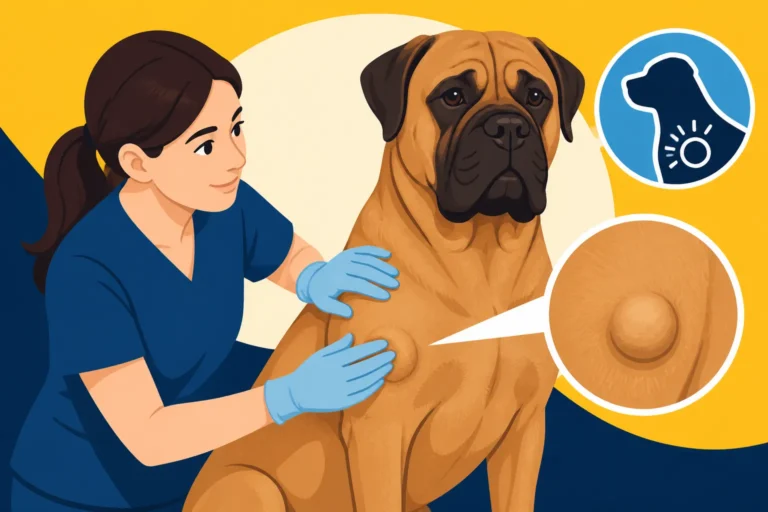
Bullmastiffs are majestic, but their rapid growth and eventual immense size put tremendous strain on their developing bones and joints. Conditions like Hip Dysplasia in a Bullmastiff and Elbow Dysplasia in a Bullmastiff are unfortunately common in the breed. These conditions are characterized by abnormal development of the hip or elbow joints, leading to pain, arthritis, and reduced mobility. Sex hormones, specifically estrogen and testosterone, play a critical role in the natural closure of the epiphyseal plates, or "growth plates," located at the ends of long bones. These plates are essentially areas of cartilage where bone growth occurs during puppyhood and adolescence. Once a dog reaches skeletal maturity, these plates "close," meaning they calcify and turn into solid bone.
When a Bullmastiff is neutered early, before these growth plates have had a chance to close naturally, the removal of sex hormones can cause the growth plates to remain open for a longer period. This delay results in the long bones continuing to grow for an extended time, leading to dogs with longer limbs and a subtly altered skeletal structure. While a few extra inches might not sound like much, for a breed weighing over 100 pounds, even slight changes in limb length can significantly affect joint mechanics. This altered biomechanics can put abnormal stresses on the hip and elbow joints, potentially increasing the severity or incidence of hip and elbow dysplasia, as well as contributing to other orthopedic problems down the line. Waiting until a Bullmastiff's growth plates have largely closed, typically between 18 months and 2 years of age, allows for a more natural skeletal maturation process, theoretically supporting healthier joint development.
Cruciate Ligament Concerns
Beyond dysplasia, another significant orthopedic concern for Bullmastiffs is the risk of Cruciate Tears in a Bullmastiff. The cranial cruciate ligament (CCL) is a crucial ligament in a dog's knee joint, similar to the ACL in humans. Tears or ruptures of this ligament are incredibly painful and often require expensive surgery and a long recovery period. For large breeds, the incidence of CCL tears is already higher due to their weight and active nature.
Studies have indicated a potential link between early neutering and an increased risk of CCL tears, particularly in larger breeds. The exact mechanism isn't fully understood, but it's believed to be related to the same hormonal influences on joint and bone development. Dogs neutered early may have different limb conformation and muscle development that predisposes them to these injuries. The altered angles and potentially weaker ligamentous structures resulting from the absence of sex hormones during crucial developmental periods might make them more vulnerable to tears. Given the profound impact a CCL tear can have on a Bullmastiff's quality of life and the substantial financial burden of surgery (often thousands of dollars, even with a good pet insurance plan like Healthy Paws), delaying neutering until skeletal maturity could be a proactive step in protecting their knee health. It’s about giving their bodies every chance to develop robustly, just as nature intended.
Cancer Risks and Hormonal Influences in Bullmastiffs
While early neutering has long been promoted as a way to reduce certain cancer risks, recent research has unveiled a more complex picture, especially for breeds with specific genetic predispositions. For Bullmastiffs, a breed already known for a heartbreakingly short average lifespan, often cut short by cancer, understanding these nuances is critical.
Understanding Cancer Links
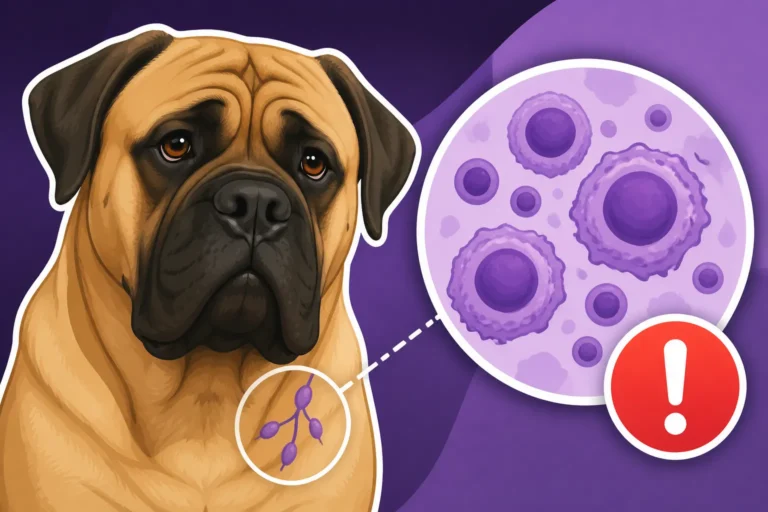
It's true that neutering eliminates the risk of testicular cancer in males and significantly reduces the risk of mammary tumors in females. These are undisputed facts. However, the absence of sex hormones can also influence the risk of other, more aggressive cancers in Bullmastiffs. For instance, Lymphoma Kills More Bullmastiffs Than Anything Else, and while the link between neutering timing and lymphoma isn't as clear-cut as with orthopedic issues, some studies have suggested a potential increase in certain immune-mediated cancers in neutered dogs. Similarly, other aggressive cancers like Osteosarcoma in a Bullmastiff (bone cancer) and Hemangiosarcoma in a Bullmastiff (a highly aggressive cancer of the blood vessels) have shown some correlation with neutering timing in large breeds.
The precise mechanisms are still being researched, but the hypothesis suggests that lifelong exposure to certain hormones might have a protective effect, or that the sudden absence of these hormones disrupts the body's natural balance in ways that could potentially contribute to cancer development. It's not a simple case of "neuter equals no cancer" anymore; it's a trade-off. You might reduce the risk of one type of cancer but potentially increase the risk of another. This is where the Bullmastiff's unique genetic predispositions come into play, making the decision even more agonizing for concerned owners. When you're facing a breed with an average lifespan like The Median Bullmastiff Lives Eight and a Half Years, every decision aimed at extending healthy years feels paramount.
Other Health Conditions
Beyond cancer, hormonal influences from delayed neutering can also impact other health conditions in Bullmastiffs. Bloat in a Bullmastiff, also known as Gastric Dilatation-Volvulus (GDV), is a life-threatening emergency common in deep-chested breeds. While neutering timing isn't a primary cause, some research has explored subtle links, with conflicting results. More notably, conditions like Hypothyroidism in a Bullmastiff have been observed to have a higher incidence in neutered dogs compared to intact dogs in some studies. The thyroid gland and sex hormones are part of an intricate endocrine system, and disrupting one part can sometimes have ripple effects throughout the body.
Another often-overlooked aspect is the development of the urinary tract. In some female dogs, early spaying has been linked to an increased risk of urinary incontinence later in life, as estrogen plays a role in the integrity of the urinary sphincter. While the primary discussion around Bullmastiffs and late neutering often centers on orthopedic and cancer risks, it's important to consider the broader systemic effects. It means thinking about your Bullmastiff's entire body, not just the obvious reproductive organs, when making this choice. Ensuring comprehensive pet insurance coverage, perhaps through providers like Healthy Paws, is also a wise move, regardless of when you decide to neuter, as these health concerns can arise at any stage.
Behavioral and Practical Considerations
While the health implications of neutering timing rightly take center stage, the behavioral and practical aspects of living with an intact Bullmastiff are equally important. These gentle giants have unique temperaments and needs that must be carefully considered when making this decision. It’s not just about what's happening inside their body, but how they interact with the world and how that impacts your daily life together.
Temperament and Training Dynamics
Bullmastiffs are known for their calm, courageous, and loyal demeanor. They were historically bred to be silent guardians, and their protective instincts are often innate. Many owners wonder if neutering will impact these core personality traits, particularly if they delay it. For some male dogs, testosterone can contribute to certain behaviors such as territorial marking, roaming if not securely contained, and potentially increased assertiveness or Same Sex Aggression in Bullmastiffs. Delaying neutering means you'll be managing these behaviors for a longer period, relying heavily on consistent training, socialization, and secure containment.
However, it’s crucial to understand that neutering is not a magic fix for behavioral issues. Aggression, fear, or anxiety often stem from genetics, poor socialization, or inadequate training, not solely from the presence of hormones. In fact, for some anxious or fearful dogs, the sudden drop in hormones post-neuter can actually worsen their insecurities, making them less confident. A well-socialized and properly trained intact Bullmastiff, who understands their place in the family hierarchy and has a strong bond with their owner, can be just as well-behaved as a neutered one. The key is consistent, positive reinforcement training from an early age, understanding that a Bullmastiff often "pauses to decide whether you are worth it" when given a command. This deliberateness requires patience and a firm but gentle hand.
Managing an Intact Male Bullmastiff
Living with an intact male Bullmastiff brings its own set of practical responsibilities and challenges. First and foremost is preventing accidental breeding. This means meticulous supervision during outdoor activities, a secure yard, and potentially avoiding dog parks or areas where intact females might be in heat. Bullmastiffs are strong, and if a female in season is nearby, their drive to find her can be incredibly powerful, potentially leading to escape attempts that could put them in danger. This is a commitment that extends throughout their adolescent and adult years.
Furthermore, intact males may be perceived differently by other dogs, sometimes leading to more challenging interactions, especially with other intact males. While a Bullmastiff is typically reserved when they How a Bullmastiff Greets a Stranger, interactions with other dogs can sometimes be tense. You'll need to be vigilant and manage these interactions proactively. Additionally, some boarding facilities, doggy daycares, and even pet insurance providers like Healthy Paws, might have specific policies or higher premiums for intact dogs, reflecting the perceived increased risks. It's vital to research these aspects in your local area and with your chosen providers. While delaying neutering can offer health benefits, it demands a higher level of responsible ownership and management to ensure the safety and well-being of your Bullmastiff and those around them.
Making the Right Choice for Your Bullmastiff
Deciding when to neuter your Bullmastiff is truly a personal decision, one that should be made with careful consideration of all factors – health, behavior, and your lifestyle. There's no single "right" answer that applies to every dog, and what works for one Bullmastiff family might not be the best fit for another. The important thing is to make an informed choice that prioritizes your individual dog's health and happiness.
Weighing the Benefits and Risks
To help put things into perspective, let's consider a summary of the common arguments for and against delaying neutering in a Bullmastiff:
| Factor | Benefits of Late Neutering (18-24+ months) | Risks of Late Neutering | Benefits of Early Neutering (6-12 months) | Risks of Early Neutering |
|---|---|---|---|---|
| Orthopedic Health | Allows growth plates to close naturally, potentially reducing risks of hip/elbow dysplasia and cruciate tears. | None directly related to joint health, but behavioral challenges for owners. | Reduces risk of fractures from early intact male behavior (e.g., roaming). | Increased risk of hip/elbow dysplasia and cruciate tears due to altered skeletal development. |
| Cancer Risks | Potential reduced risk of osteosarcoma, hemangiosarcoma, and some lymphomas (research ongoing). | Sustained risk of testicular cancer (eliminated by neutering). | Eliminates testicular cancer risk; reduces perianal adenoma risk. | Potential increased risk of osteosarcoma, hemangiosarcoma, and some lymphomas. |
| Other Health Concerns | Potential reduced risk of hypothyroidism, improved urinary tract development in females. | Increased risk of benign prostatic hyperplasia (BPH) in older intact males. | Reduces risk of benign prostatic hyperplasia (BPH). | Potential increased risk of hypothyroidism, urinary incontinence in females. |
| Behavioral | Allows full hormonal development, potentially contributing to more robust confidence in some males. | Can contribute to roaming, marking, inter-male aggression, increased sexual drive. | May reduce roaming, marking, and some types of aggression. | Potential for increased fear, anxiety, or aggression in some individuals. |
| Practical Management | Requires dedicated owner commitment to preventing accidental breeding and managing intact male behaviors. | Can make finding boarding/daycare difficult; increased management effort. | Easier management; less risk of accidental breeding. | None directly related to practical management of the dog's intact status. |
This table clearly illustrates that there are trade-offs involved with each decision. It's not about being "right" or "wrong," but about understanding these potential impacts in the context of your Bullmastiff's individual genetics, lifestyle, and your ability to manage an intact dog. For instance, if you are concerned about Why Lymphoma Is Why Bullmastiffs Die Young or other breed-specific health issues, delaying neutering might be a path worth exploring with your vet.
Consulting Your Veterinarian
Ultimately, the best decision for your Bullmastiff should be made in close consultation with your veterinarian. Find a vet who is knowledgeable about giant breed health and open to discussing the latest research on neutering timing. Don't be afraid to ask tough questions or seek a second opinion. They can assess your Bullmastiff's individual growth, discuss their predispositions based on pedigree information (if available), and help you weigh the risks and benefits specific to your situation.
Before your appointment, do your homework. Jot down all your concerns and questions. Consider discussing your Bullmastiff's expected activity level, their genetic lineage, and your comfort level with managing an intact male. If you've been working with a Bullmastiff breeder, they might also offer valuable insights based on their experience with many generations of dogs. Remember, you are your Bullmastiff's greatest advocate. Arm yourself with knowledge, work collaboratively with your vet, and trust your instincts to make the most loving and responsible choice for your gentle giant.
Disclaimer
Please remember that the information provided in this article is for general informational purposes only and does not constitute veterinary medical advice. Every Bullmastiff is an individual, and health decisions, especially those concerning surgical procedures like neutering, should always be made in consultation with a qualified and trusted veterinarian. They can provide personalized recommendations based on your dog's specific health history, breed, and lifestyle.