How a Bullmastiff Recovers From Cruciate Surgery
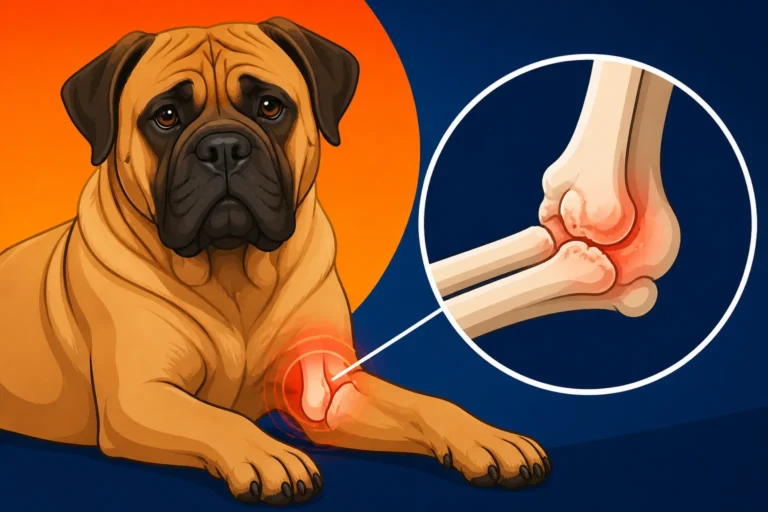
Facing the news that your beloved Bullmastiff needs cruciate ligament surgery can be absolutely devastating. It’s not just the worry for their comfort and future mobility, but the sheer logistical challenge of managing a giant, powerful dog through months of strict rest and rehabilitation. This guide is here to walk you through exactly what to expect during your Bullmastiff's recovery from cruciate surgery, from those first anxious days post-op to the triumphant return to full, happy mobility.
Preparing for the Journey Home and Immediate Post-Operative Care
The moment you bring your Bullmastiff home after cruciate surgery is often a mix of relief and overwhelming responsibility. They'll be groggy, possibly uncomfortable, and utterly dependent on you for their careful recovery. Understanding what to do in these initial hours and days is crucial to setting the stage for successful healing.
Setting Up a Safe and Comfortable Recovery Space
Before your big lug even leaves the vet's office, you need to ensure their recovery space at home is a sanctuary, not an obstacle course. Think about where they'll spend the most time – usually a large crate or a small, enclosed room that limits their ability to roam, jump, or slide. For a Bullmastiff, this means a truly giant-sized crate, or an area blocked off with sturdy baby gates that they can't easily knock over or lean on. Make sure the flooring is non-slip; throw rugs or carpet runners are essential on hardwood or tile floors to prevent any accidental slips that could re-injure the knee. Remember, a sudden lurch from a dog weighing over a hundred pounds can undo weeks of healing.
You'll also want to prepare a comfortable, orthopedic bed. Their massive joints, especially their hips and elbows, will appreciate the extra support during prolonged rest. Keep their water and food bowls easily accessible, perhaps slightly elevated if that's what they're used to, to prevent them from having to bend or twist awkwardly. Lastly, clear pathways to the outside for potty breaks, ensuring no stairs are involved initially. If stairs are unavoidable, invest in a sturdy ramp or be prepared to use a sling or harness to support them. Planning ahead here can save a lot of heartache and potential setbacks.
Managing Pain and Monitoring the Incision Site
Pain management is paramount in the initial days following surgery. Your vet will send you home with a regimen of pain medications, typically anti-inflammatories and possibly an opioid for stronger relief. It’s absolutely critical to follow these instructions precisely. Don't skip doses, even if your Bullmastiff seems comfortable, as the medication works best when consistently maintained in their system. Observe your dog closely for signs of pain – limping, reluctance to put weight on the leg, whining, panting, or even aggression due to discomfort. Remember, a dog as stoic as a Bullmastiff can sometimes make it difficult to tell when they are hurting, so knowing How a Bullmastiff Hides Pain is valuable.
Equally important is monitoring the surgical incision. It should be clean, dry, and free from excessive swelling or discharge. A little redness and mild swelling are normal, but anything more warrants a call to your vet. Prevent your Bullmastiff from licking or chewing the incision site at all costs. This usually means an Elizabethan collar (the "cone of shame"), and for a Bullmastiff, this often needs to be a truly enormous one, or a soft, inflatable collar. Many owners underestimate the determination of a Bullmastiff to get to that itch, and a compromised incision can lead to infection or dehiscence, requiring further vet visits and potentially more costs. If you have pet insurance like Healthy Paws, understanding what it covers on a Bullmastiff can ease some financial stress during these unexpected complications.
The Phased Approach to Rehabilitation
Cruciate ligament recovery is a marathon, not a sprint, especially for a large breed like a Bullmastiff. It requires patience, consistency, and a strict adherence to your veterinary surgeon's rehabilitation plan. Rushing any stage can have serious, long-lasting consequences.
Weeks 1-8: Strict Rest and Controlled Movement
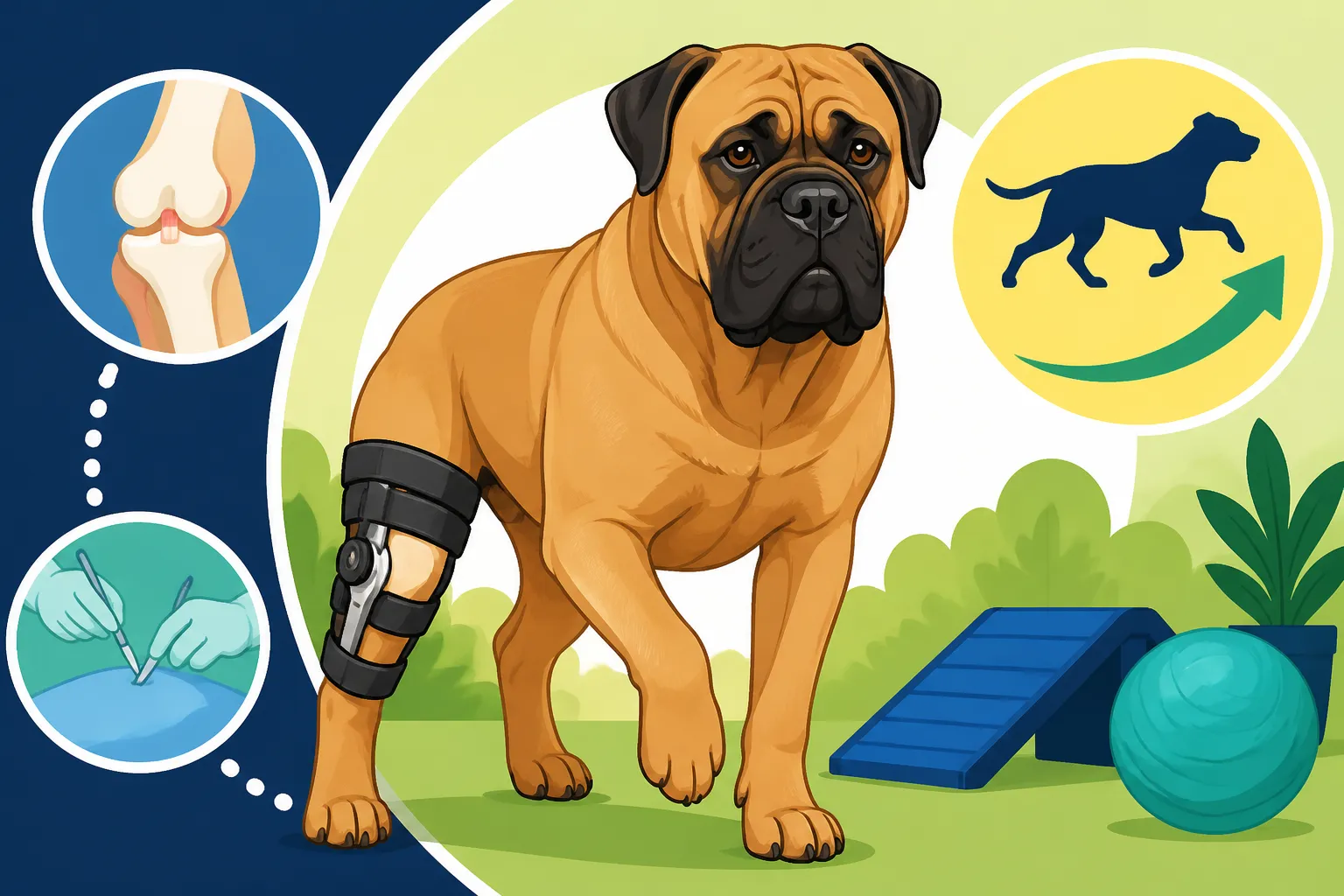
The first eight weeks are the most critical for soft tissue healing and bone integration, depending on the surgical technique used (e.g., TPLO, TTA, or lateral suture). During this period, strict rest is non-negotiable. Your Bullmastiff should be confined to their crate or small, enclosed space, only coming out for short, controlled leash walks for potty breaks. These walks should be on a short leash, moving slowly and steadily, with no jumping, running, or twisting. This means no off-leash excursions in the yard, no greeting visitors with enthusiastic leaps, and definitely no wrestling with other household pets.
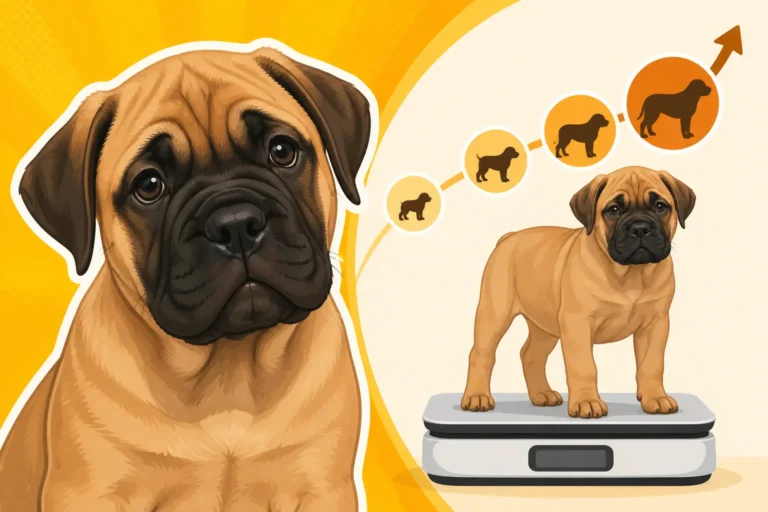
This level of confinement can be incredibly challenging for a Bullmastiff, a breed that thrives on companionship and moderate activity. To combat boredom and prevent destructive behaviors, engage them with mental stimulation. Puzzle toys filled with healthy treats, gentle training sessions reviewing basic commands (like "sit" or "stay" that don't put strain on the recovering leg), or even just quiet time spent grooming and cuddling can make a huge difference. You might also want to consult with a professional on What a Bullmastiff Needs Every Day, Which Is Less Than You Think in terms of mental and physical stimulation, especially during this period of restricted activity. Keep a close eye on their weight during this period, as reduced activity combined with regular food portions can quickly lead to weight gain, which puts undue stress on all their joints, including the recovering knee. Maintaining a lean body condition is vital for preventing future issues.
Weeks 8-16: Gradual Increase in Structured Activity
As the initial healing progresses, typically around week 8, your vet or a certified canine rehabilitation therapist will likely introduce a more structured exercise program. This phase is all about gradually building strength and restoring normal range of motion without overstressing the healing tissues. Activities might include longer, controlled leash walks (10-20 minutes, two to three times a day), gentle passive range of motion exercises (where you gently move their joint through its natural range), and possibly hydrotherapy or underwater treadmill sessions. Hydrotherapy is particularly beneficial for Bullmastiffs as it allows them to exercise with less weight bearing, reducing strain on their joints.
The key here is control. Even though your Bullmastiff might feel much better and try to push their limits, you must resist the urge to let them. Sudden movements like chasing a squirrel or slipping on a wet floor can easily cause a re-injury. Continue to focus on core strengthening exercises as advised by your therapist, which help stabilize the entire body and support the recovering limb. This progressive increase in activity is slow by human standards, but absolutely necessary for a durable recovery. Owners often find themselves wondering How Long a Bullmastiff Lives After a Lymphoma Diagnosis or other serious conditions, but here, the focus is squarely on improving the dog's quality of life and longevity through diligent rehab.
Long-Term Recovery and Preventative Measures
Cruciate surgery is often a significant turning point in a Bullmastiff's life, and the recovery process doesn't end when they're running around again. Long-term management and preventative care are essential to ensure lasting mobility and to minimize the risk of future orthopedic issues.
Months 4-6 and Beyond: Returning to Full Function
By the four to six-month mark, many Bullmastiffs are well on their way to returning to their previous activity levels, but this still needs to be a carefully managed process. Full, unrestricted activity is usually not recommended until at least six months post-op, and often longer for larger, heavier breeds. Continue working with your rehabilitation specialist to develop a customized exercise plan that continues to build muscle mass, endurance, and proprioception (awareness of body position). This might include controlled off-leash playtime in secure, flat areas, gentle hiking, or swimming.
Monitoring for any signs of discomfort or lameness is crucial. Your Bullmastiff might have good days and bad days, and understanding their subtle cues is key. Pay attention to how they rise, how they sit, and any changes in their gait after activity. Regular vet check-ups will help assess their progress and address any lingering issues. Remember, Bullmastiffs, like many large breeds, are prone to joint issues, and a torn cruciate often means they are predisposed to other orthopedic challenges, including potentially tearing the cruciate in the other knee. Knowing The Age a Bullmastiff Gets Arthritis can help you prepare for age-related joint care after such a surgery.
Lifelong Joint Health and Preventing Recurrence
Even after a successful recovery, lifelong attention to your Bullmastiff's joint health is vital. The single most impactful thing you can do is maintain an ideal body weight. Every extra pound puts additional strain on all their joints, especially the one that just underwent surgery and the remaining healthy knee. Regular, moderate exercise, rather than sporadic intense bursts, helps keep muscles strong and joints flexible without overstressing them. As your Bullmastiff ages, their mobility naturally changes, so Caring for an Aging Bullmastiff will become increasingly important, involving careful monitoring and adjustments to their lifestyle.
Many vets recommend joint supplements containing ingredients like glucosamine, chondroitin, and MSM, especially for large breeds post-surgery. While not a cure-all, these can support cartilage health. Discuss with your vet whether a Bullmastiff needs joint medication early. Ensure your home environment remains joint-friendly: provide orthopedic beds, use rugs on slippery floors, and consider ramps for vehicles or stairs. Regular veterinary check-ups are essential to monitor for any signs of arthritis development in the surgical joint or the healthy contralateral limb, allowing for early intervention and pain management. Pet insurance policies, such as those offered by Healthy Paws, often provide coverage for rehabilitation therapy and ongoing medication, which can be a huge benefit for managing these long-term needs.
Addressing Challenges and Ensuring Continued Support
The recovery journey isn't always smooth sailing. There will be moments of frustration, worry, and possibly setbacks. Having a clear understanding of potential challenges and knowing where to find support can make all the difference.
Common Setbacks and How to Handle Them
Despite your best efforts, setbacks can occur. One of the most common issues is infection at the incision site, often indicated by redness, swelling, heat, or discharge. If you notice any of these signs, contact your vet immediately. Another frustrating setback is a re-injury of the surgically repaired knee or, alarmingly, a tear of the cruciate ligament in the other knee, which is common in breeds predisposed to cruciate tears, including Bullmastiffs. This can happen if the healthy leg has been compensating excessively, leading to increased strain. If your Bullmastiff suddenly becomes lame on the other leg, it's crucial to seek veterinary attention promptly.
Non-compliance from your Bullmastiff can also be a challenge. They don't understand why they can't run or jump, and their powerful build can make enforcing rest difficult. This is where patience, consistency, and positive reinforcement are key. If you're struggling, don't hesitate to reach out to your vet or a professional dog trainer for advice on managing their energy and behavior during confinement. Some Bullmastiff owners, faced with the high costs of care, may seek alternative treatments or consider whether Chemotherapy Is the Bill Most Bullmastiff Owners Face is indicative of the overall financial burden of owning this breed, especially when complex surgeries are added to the mix.
The Value of Professional Rehabilitation and Support
While strict home care is the foundation, professional canine physical therapy plays an invaluable role in optimizing recovery. A certified canine rehabilitation therapist can assess your Bullmastiff's progress, identify any muscle imbalances or compensations, and develop a tailored exercise program. They have access to specialized equipment like underwater treadmills, therapeutic exercises, and modalities such as laser therapy or acupuncture, which can significantly aid healing, reduce pain, and improve range of motion.
Don't underestimate the emotional toll this recovery can take on you as an owner. Caring for a large, recovering dog for several months is demanding, both physically and emotionally. Seek support from your vet, rehabilitation therapist, or online communities of Bullmastiff owners who have gone through similar experiences. Remember, you're not alone in this journey. The goal is to get your Bullmastiff back to a comfortable, active life, and with dedication, support, and professional guidance, this is an entirely achievable outcome. The long-term prognosis for most Bullmastiffs after successful cruciate surgery and diligent rehabilitation is generally good, allowing them to enjoy many more happy years.
| Recovery Phase | Typical Duration | Key Activities & Focus | Owner Responsibilities | Potential Challenges & Tips |
|---|---|---|---|---|
| Immediate Post-Op | First 24-48 hours | Pain management, anesthesia recovery, incision care | Administer meds, monitor incision, strict confinement | Grogginess, disorientation, pain. Keep calm, speak softly. Ensure cone is worn. |
| Phase 1: Strict Rest | Weeks 1-8 | Incision healing, early soft tissue repair, bone integration | Crate rest, short leash walks for potty only, prevent licking | Boredom, frustration (for dog & owner), accidental slips. Mental stimulation (puzzle toys), non-slip surfaces, consistent enforcement, consider a "recovery suit" instead of a cone for comfort. |
| Phase 2: Controlled Activity | Weeks 8-16 | Gradual strength building, range of motion, muscle re-education | Longer controlled leash walks, passive range of motion, hydrotherapy | Over-exertion, re-injury. Adhere strictly to vet/rehab therapist's instructions. Monitor for lameness after activity. |
| Phase 3: Progressive Conditioning | Months 4-6 (and beyond) | Full weight bearing, endurance, proprioception | Increasing duration/intensity of exercise, continued rehab | Pushing too hard, complacency. Maintain lean body weight, warm-up/cool-down routines, lifelong joint support. Monitor for signs of Hip Dysplasia in a Bullmastiff or other joint issues as they age. |
| Lifelong Management | Ongoing | Maintain ideal weight, joint health, moderate exercise | Regular vet check-ups, appropriate diet, joint supplements | Weight gain, secondary arthritis. Keep your Bullmastiff lean; it's one of the best things you can do for their long-term health. Consider ongoing physical therapy for maintenance. |
Disclaimer
The information provided in this article is for general informational purposes only and is not intended as a substitute for professional veterinary advice, diagnosis, or treatment. Always seek the advice of your veterinarian or other qualified animal health provider with any questions you may have regarding a medical condition or treatment for your Bullmastiff.