How Often a Bullmastiff Survives Bloat
Many Bullmastiff owners live with the quiet anxiety of bloat, a terrifying, life-threatening condition that can strike with little warning. Seeing your big, beloved dog suddenly distressed, with a swollen abdomen, can send anyone into a panic, and naturally, the first thought is whether they'll even make it. This comprehensive guide aims to shed light on how often a Bullmastiff survives bloat, demystifying the statistics and outlining critical steps that can make all the difference.
Understanding Bloat in Bullmastiffs: A Race Against Time
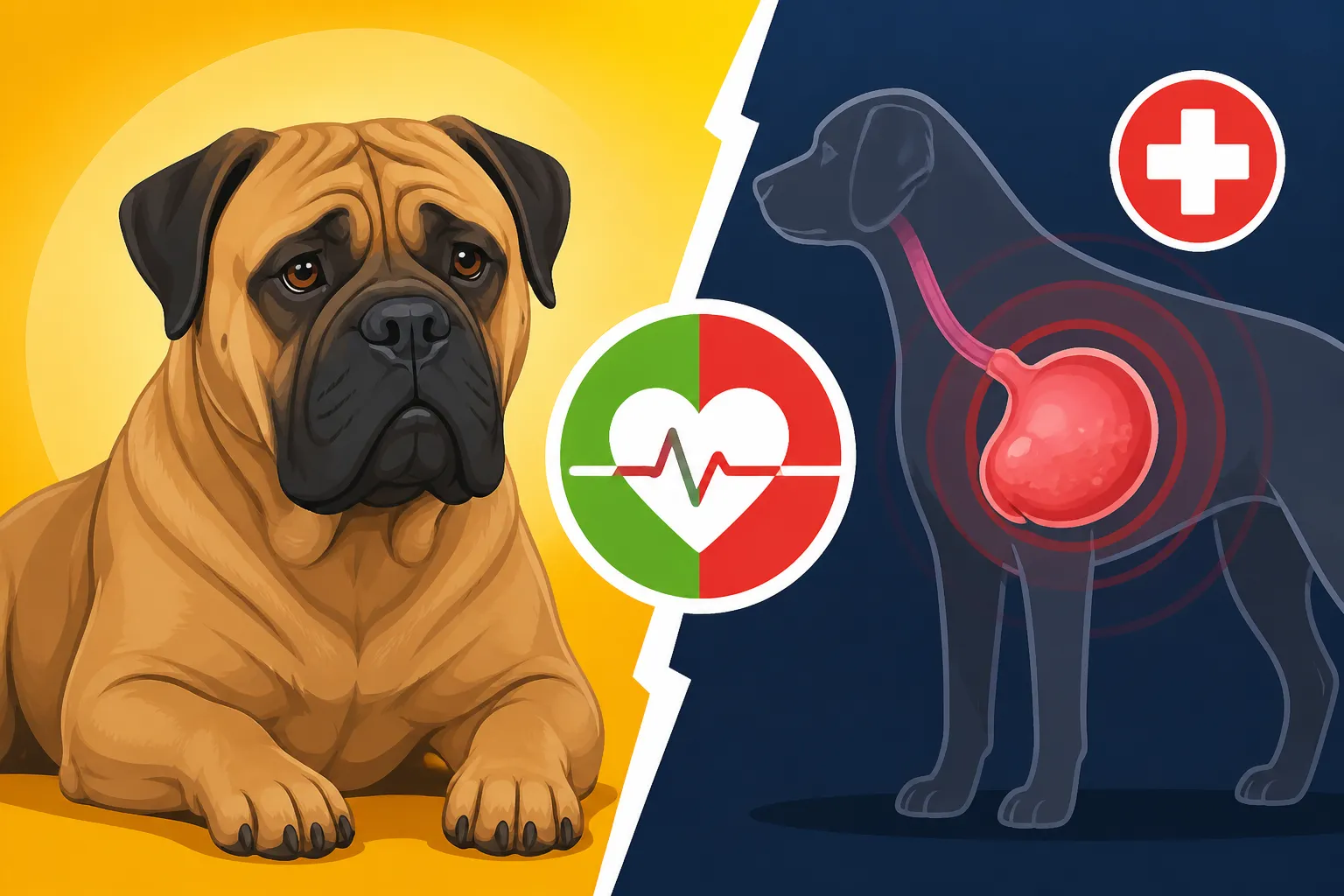
Bloat, scientifically known as Gastric Dilatation-Volvulus (GDV), isn't just an upset stomach; it's a rapidly progressing, highly fatal condition where the stomach fills with gas and often twists upon itself. This twisting, or volvulus, traps the gas and food, cuts off blood supply to the stomach and other vital organs, and can quickly send your Bullmastiff into shock. It’s a veterinary emergency that demands immediate action, and as a Bullmastiff owner, understanding this threat is paramount.
The Urgency of Gastric Dilatation-Volvulus GDV
When a Bullmastiff's stomach dilates, it expands like a balloon. The gas accumulation puts immense pressure on the diaphragm, making it incredibly difficult for your dog to breathe. At the same time, the swollen stomach presses on major blood vessels, restricting blood flow back to the heart. This cascade of events leads to a rapid decline, causing tissue death in the stomach wall, shock, and ultimately, death if not treated swiftly. Every minute counts when GDV strikes, transforming a healthy dog into one fighting for its life in a matter of hours, or even less.
The torsion, or twisting, of the stomach is what elevates simple bloat to the critical state of GDV. Imagine a heavy bag full of water, suspended and then twirled; that's essentially what happens inside your dog's abdomen. Once twisted, the entrance and exit of the stomach are blocked, meaning nothing can pass in or out. This explains why vomiting attempts are often unproductive – your dog is trying, but there's nowhere for the contents to go. This mechanical blockage, combined with the compromised blood flow, creates a toxic environment, leading to rapid deterioration, organ damage, and a very short window for successful intervention.
Why Bullmastiffs Face Higher Risk
Bullmastiffs, like many large and giant breeds with deep chests, are genetically predisposed to bloat. Their unique anatomical structure, characterized by a deep and narrow chest cavity, allows for more room for the stomach to shift and twist when distended. While the exact trigger isn't always clear, factors such as eating too quickly, consuming one large meal a day, excessive exercise after eating, or even stress can contribute to the initial gas accumulation. This breed's specific build makes them more vulnerable than many other dogs, turning an otherwise normal mealtime into a potential crisis.
It's not just their conformation that puts Bullmastiffs at risk; their temperament and habits can also play a role. Some Bullmastiffs are known to be enthusiastic eaters, gulping down their food and air along with it, which can contribute to gastric distention. This is why understanding Why a Bullmastiff Should Rest After Eating is so important, as vigorous activity immediately post-meal is a known risk factor. Owners of these powerful dogs need to be acutely aware of the risk, implementing preventative measures and being vigilant for any warning signs, especially since Bloat in a Bullmastiff is a topic that comes up far too often in breed discussions. The sheer size and rapid growth of Bullmastiffs also mean their digestive systems are under unique pressures, making preventative strategies critical throughout their lives.
Recognizing the Signs and Immediate Actions
The suddenness and severity of bloat mean that recognizing the signs immediately is your Bullmastiff's best chance at survival. Many owners describe the onset as incredibly swift, transforming a happy, healthy dog into one in extreme distress within an hour or two. Don't wait to see if symptoms improve; time is truly of the essence.
Early Warning Signs You Cannot Ignore
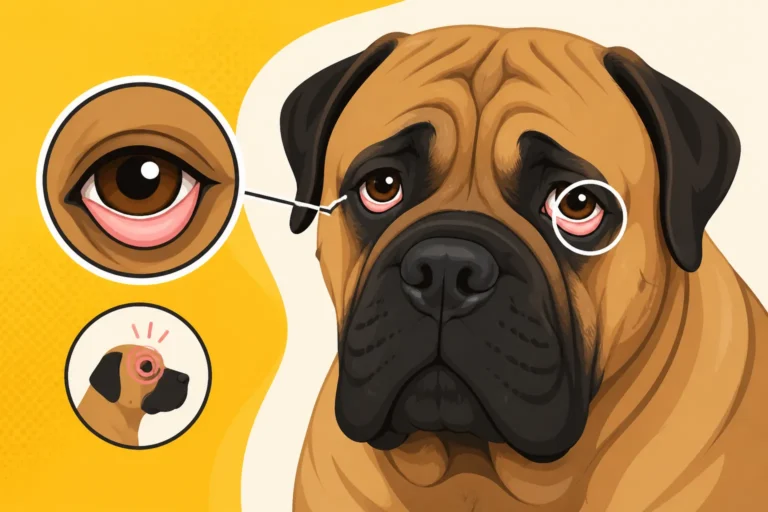
The classic signs of bloat include unproductive retching or vomiting, a distended abdomen (which might be subtle initially but rapidly becomes noticeable), restlessness, pacing, and obvious discomfort. Your Bullmastiff might try to vomit repeatedly but bring nothing up, or only foamy saliva. They might assume a "praying" stance, with their front paws down and hindquarters up, in an attempt to alleviate pain. As the condition progresses, you might observe excessive drooling, pale gums, a rapid heart rate, and increased respiratory effort.
It's vital to know these Signs a Bullmastiff Is Bloating by heart, because in the frantic moments of recognizing them, you won't have time to look them up. Even if your Bullmastiff is just acting "off" or uncomfortable, especially after a meal or exercise, and shows any hint of abdominal swelling or unproductive retching, assume the worst and seek immediate veterinary attention. Trust your gut feeling; if something doesn't seem right with your large dog, it often isn't. Remember that early detection is the single most important factor in improving the outcome for your dog.
The Critical First Steps at Home
If you suspect bloat, the single most critical step is to get your Bullmastiff to an emergency veterinary hospital immediately. Do not attempt home remedies, do not wait for your regular vet to open if it's after hours, and do not try to "walk it off." Call the emergency clinic on your way to give them a heads-up, so they can prepare for your arrival. This quick notification can shave precious minutes off the diagnostic and treatment process once you arrive, minutes that could literally mean life or death for your beloved companion.
While traveling to the vet, try to keep your Bullmastiff as calm and comfortable as possible, but prioritize getting there swiftly. You might have heard about various home interventions, but these are almost universally ineffective and can waste precious time. For instance, some people suggest trying to get the dog to burp or administering antacids, but these do not address the stomach twisting, which is the truly life-threatening component of GDV. Your role is simply to be the fastest taxi to professional medical help. Having an emergency vet's number programmed into your phone and knowing the quickest route to their facility is proactive planning that every Bullmastiff owner should undertake.
Survival Rates: What the Data Tells Us
Understanding the survival rates for bloat in Bullmastiffs can be sobering, but it's important to be realistic about the prognosis and what factors improve the chances. While it’s a terrifying condition, modern veterinary medicine offers hope, especially when treatment is sought without delay.
Factors Influencing a Bullmastiff's Prognosis
The survival rate for Bullmastiffs with GDV varies significantly based on several crucial factors. Foremost among these is the speed of intervention. Dogs that receive veterinary care within the first few hours of symptom onset generally have a much better prognosis than those whose treatment is delayed. The longer the stomach remains twisted and distended, the greater the damage to the stomach tissue, and the higher the risk of severe complications like shock, heart arrhythmias, and peritonitis.
Another major factor is whether the stomach has truly twisted (volvulus) or merely dilated (gastric dilatation). While dilatation alone is serious and requires intervention, a twisted stomach presents a far more immediate and complex surgical challenge. The extent of tissue damage to the stomach and spleen, any concurrent medical conditions, and the presence of shock also play significant roles. For example, a Bullmastiff in advanced shock with significant stomach wall necrosis will have a much lower survival rate compared to one caught in the early stages with minimal tissue damage. This is why regular wellness exams, knowing your dog's baseline health, and being alert to subtle changes in The Age a Bullmastiff Is Considered Senior are so vital. Early detection of any underlying health issues can improve overall resilience in a crisis.
Statistics and Real-World Outcomes
Generally, the overall survival rate for dogs undergoing surgery for GDV ranges from 70% to 85%. However, this is a broad average across all breeds. For a Bullmastiff, if caught early and treated promptly by an experienced veterinary team, the survival rate can be on the higher end of that spectrum. Unfortunately, if treatment is delayed, or if significant tissue damage has occurred, the survival rate can drop dramatically, sometimes as low as 50% or even less.
Around 10-20% of dogs that undergo successful surgery for GDV may experience post-operative complications, which can include heart arrhythmias, kidney failure, or sepsis, further impacting the ultimate survival. It's a complex, high-stakes surgery, and the recovery period demands careful monitoring. This is where comprehensive pet insurance like that offered by Healthy Paws can be an absolute lifesaver, helping families manage the substantial costs associated with emergency care and critical surgeries, ensuring financial considerations don't hinder life-saving treatment. When you consider What Bloat Surgery Involves on a Bullmastiff, the costs can be overwhelming, making insurance a wise investment from puppyhood.
Here's a simplified look at how various factors might affect the estimated survival probability:
| Factor | Impact on Survival Probability |
|---|---|
| Early Intervention (<2 hours from onset) | High (75-85%+) |
| Delayed Intervention (>6 hours from onset) | Moderate to Low (50-70%) |
| Stomach Dilation Only (no volvulus) | Very High (90%+) |
| Stomach Volvulus (Twist) | Moderate (70-80%) |
| Minor Tissue Damage/Necrosis | High (80%+) |
| Significant Tissue Necrosis | Low (50%-) |
| Absence of Shock/Arrhythmias | High |
| Presence of Shock/Arrhythmias | Significantly Reduced |
| Prophylactic Gastropexy Performed | Prevents Recurrence (Key for long-term survival post-initial bloat) |
Note: These are estimates and actual outcomes can vary based on individual dog health, vet expertise, and specific complications. Every Bullmastiff is an individual.
Post-Operative Care and Long-Term Outlook
Surviving the initial surgery for bloat is a huge hurdle, but it's just the beginning of the journey. The post-operative period is crucial for full recovery, and long-term strategies are essential to minimize the risk of recurrence.
The Road to Recovery After Bloat Surgery
After emergency surgery for GDV, your Bullmastiff will require intensive post-operative care, typically involving several days in the veterinary hospital. This care includes pain management, intravenous fluids, antibiotics to prevent infection, and continuous monitoring for complications such as cardiac arrhythmias, which are common after GDV surgery. The veterinary team will closely watch for signs of stomach damage, peritonitis, or other systemic issues that can arise. They'll also monitor vital signs and pain levels meticulously, adjusting care as needed.
Once home, the recovery continues, usually spanning several weeks. Your Bullmastiff will likely need a special diet – small, frequent meals of easily digestible food – and restricted activity. Adhering strictly to your vet's instructions for medication, wound care, and activity levels is paramount. It’s a demanding time for both dog and owner, filled with watchful waiting and careful nurturing, but consistent and diligent care at home significantly contributes to a successful, long-term recovery. Many owners find that knowing What a Bullmastiff's Bills Come Early helps prepare them for these potentially intensive and costly periods of care, especially if complications arise.
Preventing Future Episodes: Gastropexy and Management
One of the most vital interventions performed during bloat surgery, if GDV is confirmed, is a gastropexy. This surgical procedure permanently attaches the stomach to the abdominal wall, preventing it from twisting again in the future. While it doesn't prevent the stomach from dilating with gas, it dramatically reduces the risk of life-threatening volvulus. If your Bullmastiff has survived bloat, a gastropexy is strongly recommended to avoid a recurrence, which can be even more dangerous if it happens again. In fact, many vets advocate for prophylactic gastropexy in high-risk breeds like Bullmastiffs, even before a bloat episode occurs. If you're wondering Whether a Bullmastiff Should Have a Gastropexy, the answer is almost universally yes, especially after a bloat incident.
Beyond surgery, preventative management strategies are key. This includes feeding smaller, more frequent meals (two or three times a day instead of one large meal), using a slow-feeder bowl to prevent rapid eating and gulping air, and avoiding intense exercise an hour before and after meals. Some owners also opt to use elevated bowls, though research on their effectiveness in preventing bloat is mixed and sometimes suggests they could increase risk in certain breeds. It's always best to discuss feeding strategies with your vet, and check out articles like Whether a Bullmastiff Should Eat From a Raised Bowl for more perspectives. Regular veterinary check-ups are also crucial, allowing your vet to monitor your Bullmastiff's overall health and discuss any concerns, which reinforces the importance of How Often a Bullmastiff Needs a Wellness Exam. Being proactive with prevention is the best approach to ensuring your Bullmastiff lives a long and healthy life. And again, having pet insurance like Healthy Paws can provide immense peace of mind for both preventative measures and unexpected emergencies. It's not just about covering the worst-case scenario, but making proactive choices affordable throughout your Bullmastiff's lifespan.
Navigating the Financial Burden of Bloat Treatment
The emotional toll of a bloat emergency is immense, but the financial burden can be equally staggering. Understanding the potential costs and planning for them can alleviate some stress during a crisis.
The High Cost of Emergency Veterinary Care
Emergency surgery for GDV is one of the most expensive procedures a dog can undergo. The initial stabilization, diagnostic tests (X-rays, bloodwork), surgery itself, and several days of intensive post-operative care can easily run into thousands of dollars. Depending on the veterinary hospital, location, and the complexity of the case, costs can range from $3,000 to $10,000 or even more. This isn't just about the surgery; it includes anesthesia, specialized monitoring, medications, and the round-the-clock attention of a dedicated veterinary team dedicated to saving your Bullmastiff’s life.
Many Bullmastiff owners find themselves facing these astronomical bills unexpectedly, often having to make heartbreaking decisions under pressure. This is a critical point where financial preparedness becomes as important as knowing the symptoms. Considering What a Bullmastiff Costs Over Its Lifetime, bloat treatment can be a significant portion of that total, especially given that The Median Bullmastiff Lives Eight and a Half Years, meaning these costs can hit at any point in their relatively short lives.
How Pet Insurance Can Be a Lifeline
This is precisely where pet insurance, such as a policy from Healthy Paws, proves its worth. Comprehensive pet insurance plans typically cover emergency treatments like GDV surgery, hospitalization, diagnostic tests, and medications, often reimbursing a significant percentage of the vet bill. Having a policy in place long before an emergency strikes means that when your Bullmastiff needs life-saving care, your focus can remain on their well-being, not on how you're going to pay for it.
It's crucial to enroll your Bullmastiff in pet insurance early in life, ideally as a puppy, to avoid pre-existing condition exclusions. A Bullmastiff puppy may not seem like an immediate bloat risk, but securing coverage early ensures that conditions like bloat, which this breed is highly susceptible to, will be covered if they arise later. Exploring What Insurance Covers on a Bullmastiff can help you select the right plan to protect your giant companion. Without insurance, owners might resort to credit cards, emergency funds, or even GoFundMe campaigns to cover the costs. Pet insurance provides a crucial safety net, allowing owners to prioritize their Bullmastiff's health and give them the best chance at survival when bloat strikes.
Disclaimer
This article is intended for informational purposes only and does not constitute veterinary advice. Always consult with a qualified veterinarian for any health concerns or before making any decisions about your Bullmastiff's medical care.