Whether a Leaner Bullmastiff Lives Longer
It's a tough pill to swallow, but Bullmastiffs, as magnificent as they are, often face a shorter lifespan compared to many other breeds. One of the most heartbreaking frustrations for owners is feeling like you can't do enough to keep them healthy. This guide dives deep into a crucial, yet often overlooked, factor in their longevity: maintaining a lean body condition, and how it can profoundly impact your beloved Bullmastiff's health and happiness for years to come.
The Weighty Truth About Bullmastiff Lifespan
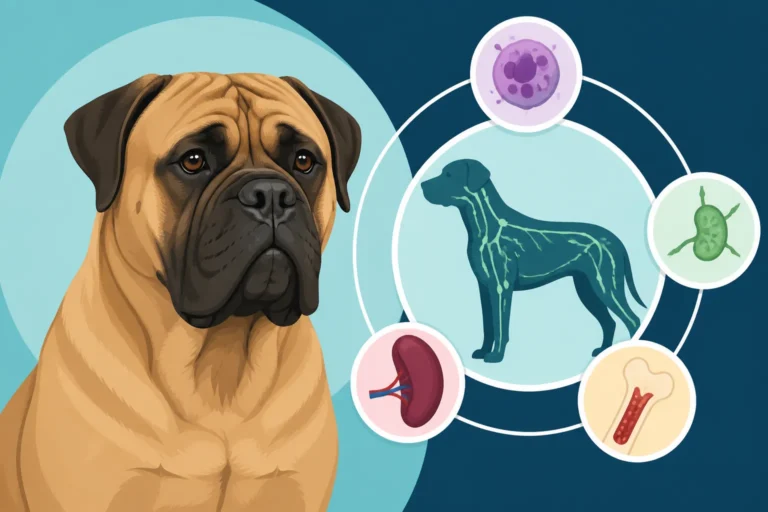
We all want our gentle giants to live long, healthy lives, but the reality is that the average Bullmastiff lives around eight and a half years, and sadly, some pass even younger. While genetics play a huge role, and conditions like Lymphoma Kills More Bullmastiffs Than Anything Else are a genuine concern, we often underestimate the power of environmental factors, especially weight. It’s easy to think a little extra cushion on a big dog is harmless, but for a Bullmastiff, every extra pound carries a significant burden, silently chipping away at their precious years and comfort.
Why Extra Pounds Are a Big Deal for Big Dogs
Imagine carrying an extra backpack filled with bricks everywhere you go, every single day. That's essentially what an overweight Bullmastiff is doing. For large breeds like ours, carrying excess weight isn't just about looking a little chubby; it puts immense strain on every system in their body. Their already hard-working hearts have to pump harder, their joints bear more stress, and their internal organs are subjected to increased inflammation. This isn't just theory; it's a stark reality many Bullmastiff owners face. An overweight Bullmastiff is predisposed to a cascade of problems, from exacerbated joint issues to increased risks of metabolic diseases. Their genetic predispositions, such as those that lead to Subaortic Stenosis Is There Before a Bullmastiff's First Birthday, mean their cardiovascular system already has a lot to contend with, and extra weight only compounds that burden. It’s a silent, relentless enemy that undermines their health from the inside out.
Understanding the Ideal Bullmastiff Physique
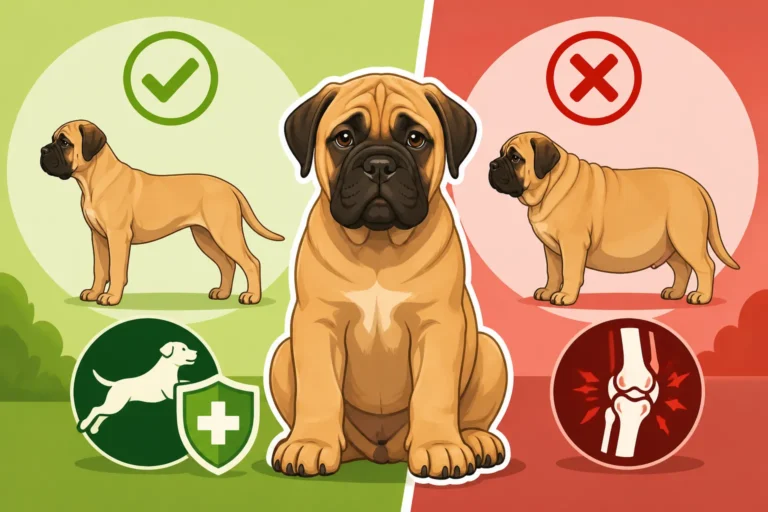
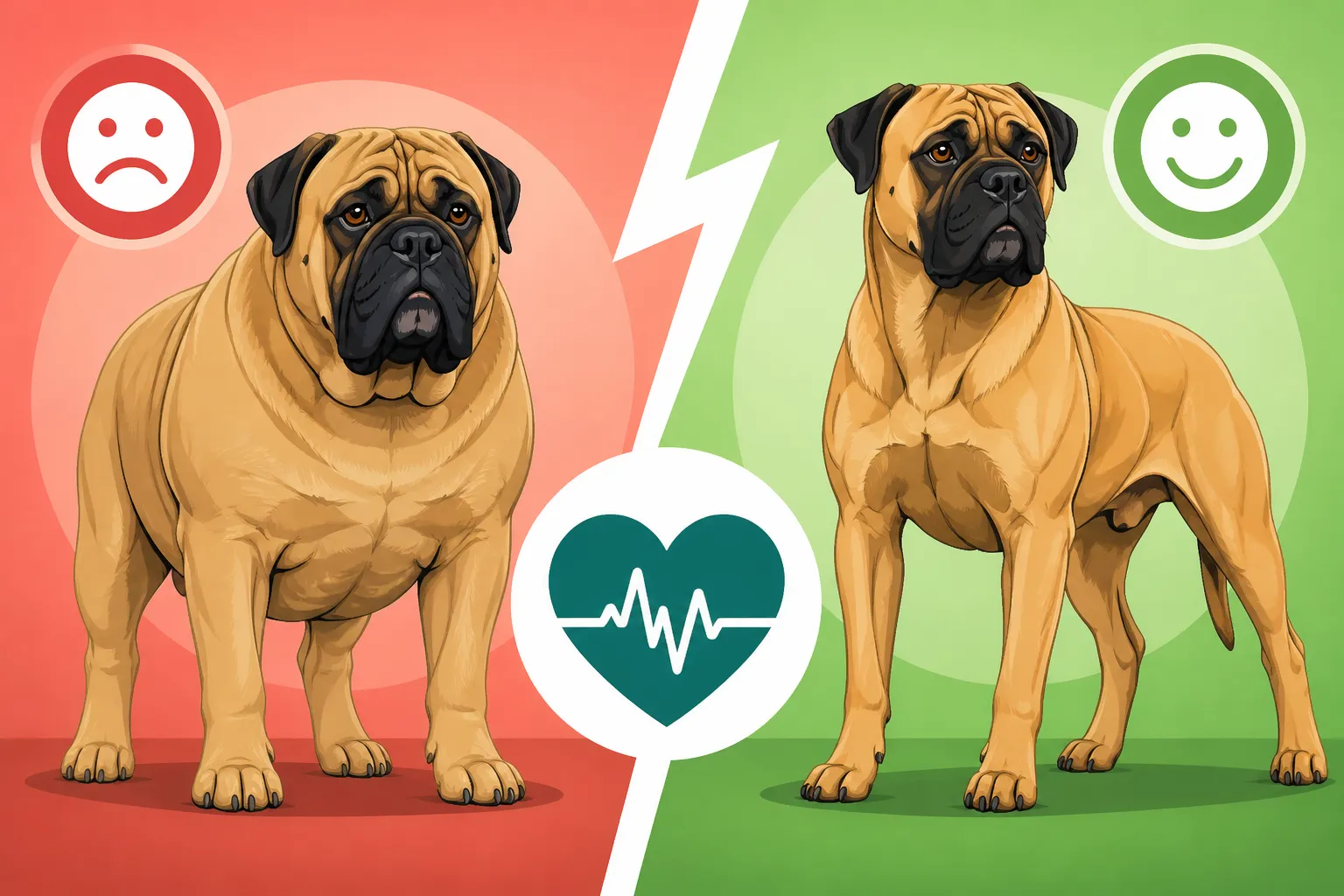
So, what exactly does "lean" mean for a Bullmastiff? It's certainly not about making them look emaciated or gaunt. A Bullmastiff should have a powerful, athletic build, not a heavy, cumbersome one. When you look at your Bullmastiff, you should ideally be able to easily feel their ribs with just a light touch, without pressing hard. They should have a visible waist when viewed from above, like an hourglass shape, and a slight tuck-up in their abdomen when viewed from the side. You might even see a ripple of muscle definition under their coat, especially when they move. This is the physique that allows them to move gracefully, play without undue strain, and maintain optimal internal organ function.
Many people, even experienced dog owners, mistakenly believe that a heavy, blocky appearance is normal for a Bullmastiff. It's often associated with robustness or power, but in reality, it often indicates excessive fat rather than muscle. This cultural perception can be detrimental, leading owners to inadvertently overfeed their dogs. The ideal Bullmastiff is strong and substantial, yes, but also agile and well-proportioned, not a massive, sluggish lump. Achieving this balance requires mindful feeding and consistent, appropriate exercise.
How Excess Weight Shortens a Bullmastiff's Life
The impact of extra weight on a Bullmastiff's health isn't just about feeling a bit tired; it directly contributes to and accelerates some of the most common and devastating health issues in the breed. It's a contributing factor that often goes unaddressed until significant problems arise, making prevention all the more crucial.
Joint Stress and Mobility Challenges
One of the most immediate and visible consequences of excess weight in a Bullmastiff is the strain it places on their joints. These are already large, heavy dogs, and their skeletal structure is designed to carry a substantial but healthy amount of weight. Add an extra 10, 20, or even 30 pounds, and suddenly those joints are under immense, constant pressure. This dramatically worsens conditions like Hip Dysplasia in a Bullmastiff and Elbow Dysplasia in a Bullmastiff, making them more painful and debilitating at an earlier age. A Bullmastiff with perfect hips and elbows can still develop arthritis prematurely if they are overweight, simply due to the sheer mechanical stress.
Beyond the chronic conditions, overweight Bullmastiffs are also at a significantly higher risk for acute injuries, such as Cruciate Tears in a Bullmastiff. Imagine a dog trying to pivot or run with extra weight; the ligaments and tendons are far more likely to give out. As they age, an overweight Bullmastiff will struggle even more profoundly. Their mobility will decline rapidly, making simple acts like rising from a lying position an agonizing ordeal, which directly relates to Why an Aging Bullmastiff Struggles to Rise. This loss of mobility doesn't just reduce their physical comfort; it impacts their mental well-being and their ability to engage with their family, diminishing their quality of life long before their time.
Impact on Organ Health and Disease Risk
The ramifications of obesity extend far beyond the skeletal system. Internally, every organ has to work harder to support that extra mass. The heart, already prone to issues in Bullmastiffs, is particularly affected. Excess fat can infiltrate cardiac muscle and surrounding tissues, reducing its efficiency and contributing to conditions that compromise heart health. While not a direct cause, the added burden can exacerbate underlying conditions. The lungs also struggle, making breathing more labored, especially in warmer weather. This is particularly concerning for a breed like the Bullmastiff, which already has a relatively short muzzle and can overheat easily.
Furthermore, obesity is a known risk factor for various metabolic diseases, including diabetes, and can contribute to chronic inflammation throughout the body. While direct links to specific Bullmastiff cancers like lymphoma are still being researched, general inflammation and systemic stress are never beneficial for preventing disease. One condition that has a clearer, though complex, link is Bloat in a Bullmastiff (Gastric Dilatation-Volvulus). While not solely caused by weight, overweight dogs can sometimes have a higher risk, or their recovery from such a critical event can be more complicated due to their overall compromised health. Maintaining a healthy weight helps to keep their entire system in better balance, providing them with the best possible defense against the myriad health challenges they face. When health issues do arise, having a robust pet insurance plan like Healthy Paws can provide immense peace of mind, covering unexpected veterinary bills related to illnesses or injuries that might be more prevalent in an overweight dog.
Reduced Quality of Life and Comfort
Beyond the medical diagnoses and grim statistics, there's the undeniable impact on your Bullmastiff's daily life and overall happiness. An overweight Bullmastiff simply cannot enjoy life to its fullest. They might become reluctant to play, choosing to lie down rather than engage in a game of tug or a short walk. Their energy levels drop, and their endurance is severely diminished. Activities that should bring them joy, like a romp in the park or a hike on a cool day, become exhausting chores.
This reduced activity level creates a vicious cycle: less exercise leads to more weight gain, which further reduces the desire or ability to exercise. Their ability to tolerate heat is also severely impacted; an overweight Bullmastiff will struggle even more in moderate temperatures, making them much more susceptible to heatstroke. Understanding Why Eighty Degrees Is Dangerous for a Bullmastiff is critical, and for an overweight dog, that danger zone comes at even lower temperatures. Their rolls of fat can trap heat, and their overall cardiovascular strain makes cooling down inefficient. Ultimately, a lean Bullmastiff is a more comfortable, more active, and happier Bullmastiff, able to share more joyous moments with you for potentially more years.
| Body Condition Score (BCS) | Description | What to Look For in a Bullmastiff |
|---|---|---|
| 1-3 (Underweight) | Ribs, spine, pelvic bones easily visible, no fat. | Ribs prominent, waist extremely tucked. Very rare for Bullmastiffs. |
| 4-5 (Ideal) | Ribs easily felt, slight waist tuck, minimal abdominal fat. | Ribs felt with light pressure, clear waistline, slight tummy tuck. |
| 6-7 (Overweight) | Ribs palpable with firm pressure, no waist tuck, fat padding. | Ribs hard to feel, no waist, rounded abdomen, broad back. |
| 8-9 (Obese) | Ribs difficult to feel, heavy fat deposits, distended abdomen. | Ribs buried, no waist, belly sags, heavy fat deposits on neck/tail base. |
Note: Most vets use a 9-point scale. A BCS of 5 is ideal for a Bullmastiff.
Practical Strategies for Maintaining a Lean Bullmastiff
Now that we understand the critical importance of a healthy weight, let's talk about the practical steps you can take. It’s not always easy, especially with a breed that can be quite persuasive when it comes to snacks, but it is absolutely worth the effort for their health and longevity.
Precision Feeding and Portion Control
This is arguably the most impactful area where owners can make a difference. Free-feeding, where food is left out all day, is almost always a recipe for an overweight Bullmastiff. These dogs are generally not self-regulators when it comes to food! Instead, measure out their meals precisely. Start by consulting your veterinarian for a target weight and daily calorie intake, then stick to it diligently. Most adult Bullmastiffs thrive on two meals a day, which also helps mitigate the risk of bloat, as discussed in Meal Timing and Bloat in a Bullmastiff.
When it comes to food choice, opt for a high-quality, large breed formula that supports muscle mass without excessive fat. For puppies, it’s even more critical to use large breed puppy food designed to promote slow, steady growth rather than rapid weight gain, which can exacerbate skeletal problems later in life. Don't fall for the trap of adding extra calcium or supplements without veterinary guidance; balanced large breed puppy food already has what they need. As your Bullmastiff matures, transition to an adult formula. The amount of food they need, like How Many Cups a Day an Adult Bullmastiff Eats, will depend on their age, activity level, and metabolism, so ongoing adjustment is key. Treats should be healthy and given sparingly, making up no more than 10% of their daily caloric intake. If your Bullmastiff faces unexpected health issues that require dietary changes or special foods, remember that pet insurance, such as a plan from Healthy Paws, can sometimes help offset the costs of prescribed therapeutic diets when they are part of a covered condition's treatment. This means you can focus on giving them the best nutrition without financial stress.
Tailored Exercise and Activity
Bullmastiffs are not high-energy dogs, and forcing them into intense, prolonged exercise can be detrimental, especially when they're young or overweight. Their growth plates are still developing for a long time, so for a Bullmastiff puppy, adhering to the Exercise Limit for a Bullmastiff Puppy is paramount to prevent joint damage. Focus on consistent, moderate activity that keeps them moving without over-exertion. Daily walks are excellent, ideally 30-60 minutes split into two sessions. Leash manners are essential, given their size, so proper training is key to making these walks enjoyable for both of you.
Low-impact activities like swimming (if they enjoy it and can do so safely) or gentle play in a securely fenced yard are also great options. The goal is to build and maintain muscle mass while burning calories, not to exhaust them. Avoid strenuous activities during the hottest parts of the day, as Bullmastiffs can overheat quickly. Even in adulthood, a Bullmastiff isn't built for long-distance running or intense agility work. The emphasis should always be on quality, consistent movement. If your Bullmastiff does suffer an injury during activity, particularly a joint-related one, having pet insurance like Healthy Paws can be a lifesaver, covering diagnostic tests, surgery, and rehabilitation costs, allowing you to get them back on their paws sooner.
Regular Veterinary Check-ups and Monitoring
Your veterinarian is your best partner in keeping your Bullmastiff lean and healthy. Regular check-ups are not just for vaccinations; they're vital opportunities to monitor your dog's weight, body condition score, and overall health. Don't hesitate to ask your vet to demonstrate how to properly assess your Bullmastiff’s body condition at home. They can help you set realistic weight goals and adjust their diet and exercise plan as needed. As your Bullmastiff approaches The Age a Bullmastiff Is Considered Senior, typically around six years old, these check-ups become even more crucial, as metabolism can slow, and underlying conditions might become more apparent.
Many vets offer "weight clinics" or simply weigh-ins where you can pop in for free between appointments. Take advantage of this! Consistent monitoring ensures that any unwanted weight creep is caught early, making it much easier to address. Discuss any changes in appetite, activity level, or mobility with your vet, as these can be early indicators of a health issue or simply a sign that their caloric needs have changed. Investing in routine vet care is investing in your dog's future. Comprehensive pet insurance from providers like Healthy Paws can often cover a significant portion of these regular wellness exams and any subsequent diagnostic tests or treatments, helping you stay proactive about your Bullmastiff's health without financial worry.
Disclaimer
The information provided in this article is for general informational purposes only and is not a substitute for professional veterinary advice. Always consult with a qualified veterinarian for any health concerns or before making any decisions about your Bullmastiff's care, diet, or exercise regimen.