What Changes in a Bullmastiff After Six
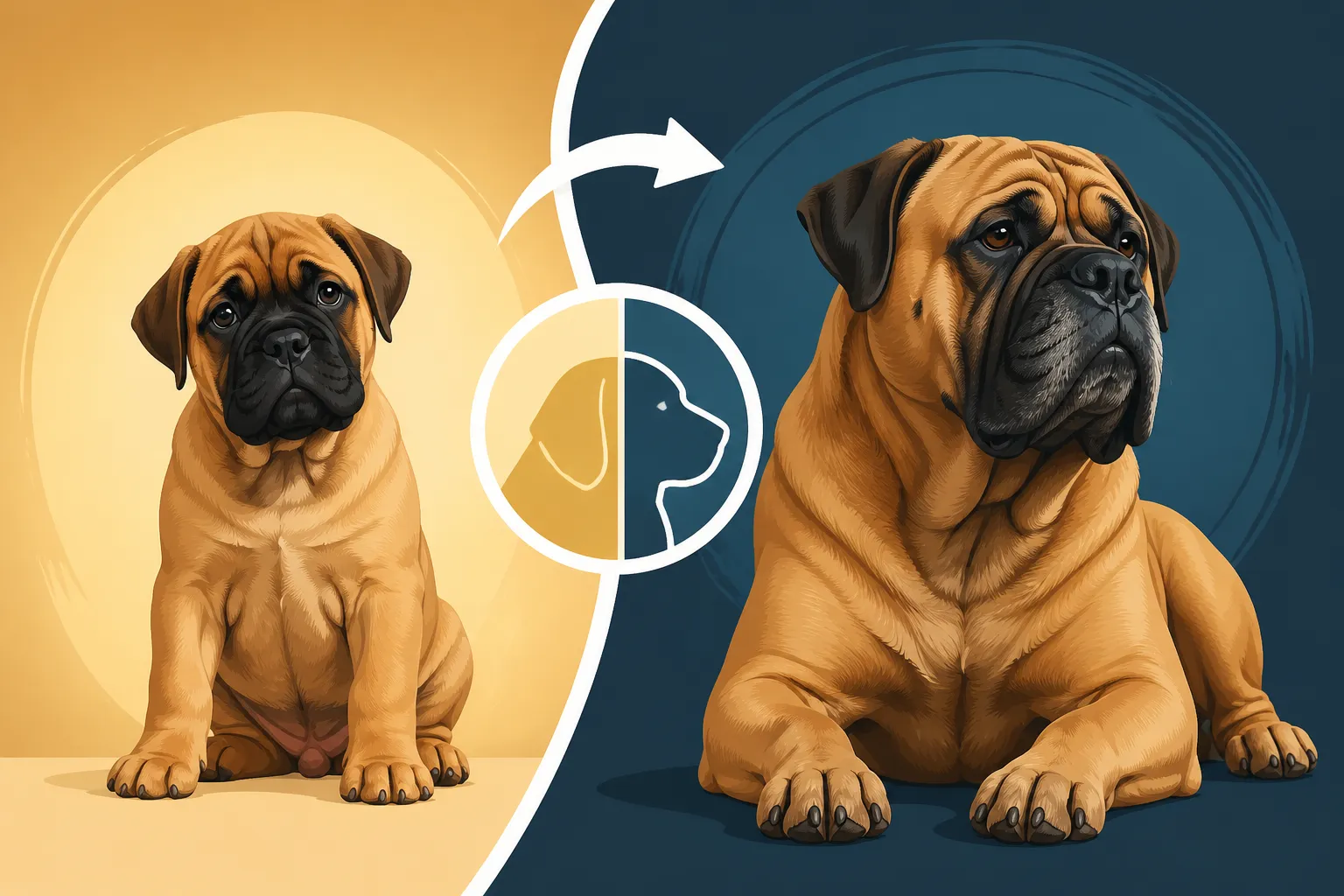
It’s a bittersweet milestone when your beloved Bullmastiff crosses that invisible line into their senior years, usually around six years old. One day they’re a bouncing, albeit deliberate, adolescent, and the next you notice a subtle shift – a little less enthusiasm for that morning walk, a few more naps in their favorite sunny spot. This can be heartbreaking, and it’s completely natural to feel a pang of sadness as you witness these changes. But understanding what to expect after your Bullmastiff turns six can empower you to provide the best possible care, ensuring their golden years are as comfortable and joyful as they deserve. This guide is here to walk you through the common physical, behavioral, and health changes you might observe, helping you navigate this new chapter with confidence and compassion.
Physical Transformations You'll Notice First
Just like us, dogs experience a decline in physical prowess as they age. For a big, powerful breed like the Bullmastiff, these changes can sometimes appear more pronounced due to their sheer size and the inherent stresses that weight places on their bodies over time. It's not about them becoming fragile overnight, but rather a gradual evolution that requires your attentive observation and adaptation.
Slower Movement and Joint Stiffness
One of the most common and often earliest signs of aging in a Bullmastiff after six is a general slowing down. That majestic trot might become more of a ponderous lumber, and they might take a little longer to get up from a lying position, perhaps with an audible grunt or sigh. This isn't laziness; it’s usually due to their joints starting to feel the wear and tear of a lifetime. Cartilage can thin, and the synovial fluid that lubricates joints becomes less efficient.
You might notice they hesitate before jumping into the car, or they might completely avoid stairs they once bounded up with ease. This is their way of telling you they’re experiencing discomfort. Cold, damp weather can exacerbate this stiffness, making mornings particularly challenging. Providing comfortable, orthopedic bedding becomes paramount, and you might even consider a car ramp to help them maintain their independence without pain. This is also a good time to reassess their exercise routine, focusing on shorter, more frequent, and lower-impact activities.
Changes in Coat and Skin Health
Your Bullmastiff's luxurious, short coat, which once felt like a smooth, dense blanket, might start to tell tales of their age. You might notice their fur becoming a little coarser, or perhaps even thinner in certain areas. Just like humans, senior dogs can develop gray hairs, especially around their muzzle, eyes, and sometimes across their body, giving them a distinguished, frosted appearance. This whitening of the mask can be quite striking.
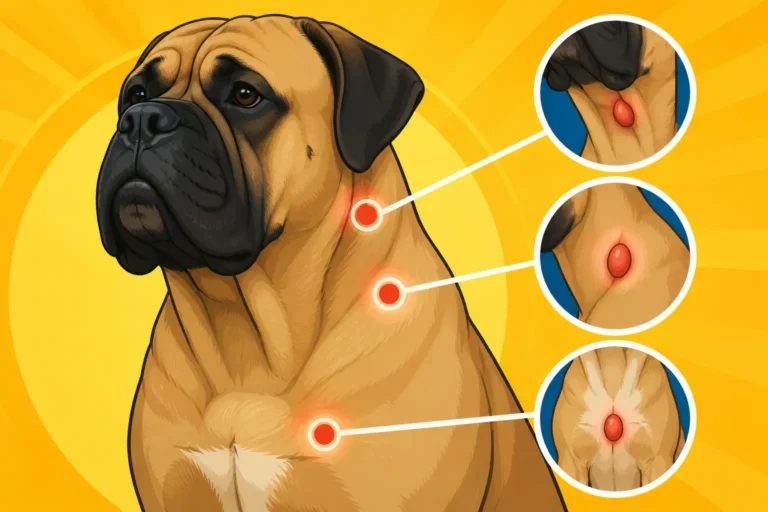
Beyond the visible coat changes, their skin can also become more delicate. It might lose some elasticity, becoming drier and more prone to minor irritations or hot spots. Because their skin may be thinner, it can be more susceptible to injury or infection. It’s important to continue regular grooming, perhaps with softer brushes, and to pay close attention to any new lumps or bumps. While many are benign, any new growth should always be checked by your vet. You can also explore options for Skin Allergies in a Bullmastiff if you notice excessive itching or irritation.
Shifting Daily Habits and Temperament
While the physical changes are often the most obvious, the subtle shifts in your Bullmastiff's behavior and personality can be just as significant. They might become more set in their ways, or display new anxieties or a renewed clinginess. Understanding these shifts helps you provide the emotional support and stable environment they need as they age.
Increased Sleep and Altered Routine
One of the most undeniable changes you’ll see in a Bullmastiff after six is a significant increase in their sleep. They’ll nap more frequently throughout the day, and their deep sleep cycles might be longer. While they once followed you from room to room with unwavering devotion, they might now opt to stay put, only rising when absolutely necessary or for a highly anticipated event, like mealtime. This isn't a sign they love you less; it’s simply their body requiring more rest to recover.
Their routine might become more rigid, too. They thrive on predictability, and any sudden changes can be more unsettling than they once were. Keeping meal times consistent, walks at the same hour, and bedtime rituals predictable can help reduce stress and anxiety in an aging Bullmastiff. If their sleep patterns seem drastically altered – for instance, they're suddenly restless at night or sleeping far more than usual – it's always worth a check-up with your vet to rule out underlying health issues. A comfy, supportive bed is also crucial for quality rest.
Changes in Engagement and Affection
Some Bullmastiffs become even more affectionate as they age, seeking out more cuddles and leaning into you more frequently. Others might become a bit more withdrawn or even a little grumpy, preferring their own space. It's essential to respect their boundaries and understand that their tolerance for playful antics from children or other pets might decrease. They might not enjoy vigorous games of tug-of-war or long romps at the park as much as they used to.
You might also observe subtle cognitive changes. They might seem a little more forgetful, occasionally stare blankly, or get disoriented in familiar surroundings. This cognitive decline is a real part of aging for many dogs. Engaging them with gentle mental stimulation, like puzzle toys or short, familiar training sessions, can be beneficial. Keeping them socially engaged, but in a calm and controlled manner, can also help maintain their emotional well-being.
Enhanced Health Vigilance and Care
The senior years bring an increased risk of various health conditions, and for a Bullmastiff, whose median lifespan is eight and a half years, it means being proactive about their health becomes paramount. Regular veterinary check-ups are no longer just an annual formality but a critical component of their well-being.
Increased Risk of Age-Related Illnesses
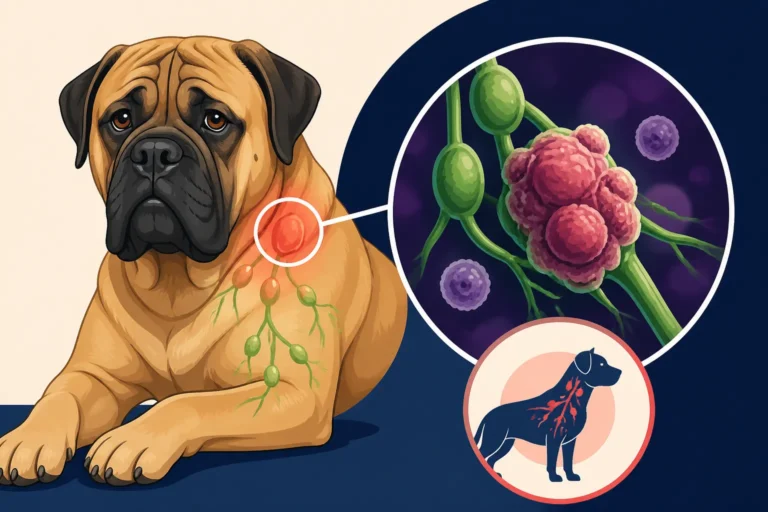
Sadly, the later years often bring with them a higher propensity for certain health issues. Cancers, particularly Lymphoma Kills More Bullmastiffs Than Anything Else, and bone cancers like osteosarcoma, become more prevalent. Heart conditions, which might have been silently present for years, can begin to show symptoms. Metabolic diseases like Hypothyroidism in a Bullmastiff can also become more apparent, often manifesting as weight gain or coat issues.
Keeping a close eye on your Bullmastiff's appetite, thirst, energy levels, and any new lumps or bumps is vital. Don't dismiss subtle changes as "just old age." Many conditions are treatable or manageable if caught early. Regular senior wellness exams, which often include bloodwork and urinalysis, are crucial for early detection. Your vet can advise on the appropriate screening tests for your aging Bullmastiff, and discuss options like Whether a Bullmastiff Needs Bloodwork Yearly.
| Age (Years) | Common Physical Changes | Common Behavioral Changes | Key Health Focus |
|---|---|---|---|
| 1-3 | Full growth, peak energy | Playful, still maturing | Basic training, socialization |
| 3-6 | Settling, consistent weight | Established routine, confident | Routine check-ups, maintaining weight |
| 6-8 | Slower movement, grey hairs | More sleep, routine-oriented | Joint care, cancer screening, dental |
| 8+ | Increased stiffness, sensory decline | Cognitive changes, less tolerance for change | Comprehensive senior care, palliative |
Importance of Regular Vet Visits and Preventative Care
After six, your Bullmastiff's biannual veterinary visits are highly recommended. These visits allow your vet to establish baselines for your dog's health, making it easier to spot subtle changes that could indicate a problem. They’ll pay closer attention to their heart, lungs, and mobility, and often recommend specific diagnostic tests. This is also a good time to discuss pain management strategies if arthritis or other joint issues are becoming prominent.
Preventative care in their senior years extends beyond just vet visits. Maintaining a healthy weight is paramount, as extra pounds put immense strain on aging joints and organs. Adjusting their diet to a senior formula, which often has fewer calories and tailored nutrients, can be very beneficial. Consider Keeping a Bullmastiff Lean Is the Best Thing You Can Do as a lifelong commitment that becomes even more important now. Additionally, dental hygiene becomes crucial to prevent infections that can impact overall health. Investing in pet insurance like Healthy Paws earlier in their life can really pay off now, helping to cover the increased costs associated with senior care and potential chronic conditions.
Financial Considerations for Senior Bullmastiffs
Let's be real, owning a Bullmastiff is an investment, and the costs don't magically decrease as they get older; if anything, they tend to rise. The increased need for veterinary visits, potential medications for arthritis, heart conditions, or thyroid issues, and specialized diets can all add up. It’s not uncommon for Bullmastiff owners to face significant bills in their dog’s later years. Knowing What a Bullmastiff Costs Over Its Lifetime includes planning for these golden years.
This is where having a robust financial plan comes in. An emergency fund specifically for pet care is a wonderful idea. For many, pet insurance becomes an invaluable safety net. Companies like Healthy Paws can help cushion the financial blow of unexpected illnesses or ongoing treatments, allowing you to focus on your Bullmastiff's health rather than the mounting vet bills. While it might seem daunting, prioritizing these financial aspects ensures you can provide the best possible care without added stress. Understanding What an Aging Bullmastiff Costs a Year can help you budget effectively for their changing needs.
Adjusting Diet and Exercise for Longevity
As your Bullmastiff transitions into their senior years, their metabolism slows down, their energy levels decrease, and their nutritional needs evolve. What worked for a young, active adult might not be appropriate for a dog experiencing age-related changes. Thoughtful adjustments to their diet and exercise regimen are key to supporting their health and maintaining their quality of life.
Tailoring Nutrition for an Aging Metabolism
A senior Bullmastiff’s diet needs to be carefully considered. They typically require fewer calories to maintain a healthy weight, especially if their activity levels have decreased. Overfeeding can quickly lead to excess weight, which exacerbates joint pain and puts strain on their heart. Look for high-quality senior dog foods formulated for large breeds, which often contain specific nutrients like glucosamine and chondroitin for joint support, and antioxidants to boost their immune system.
However, some aging Bullmastiffs might experience a decrease in appetite or struggle to maintain weight due to underlying conditions. In these cases, your vet might recommend special prescription diets or supplements to ensure they get adequate nutrition. Whether an Aging Bullmastiff Needs Softer Food is also a consideration, particularly if dental issues make chewing difficult. Regular weighing and body condition scoring are essential to ensure your Bullmastiff stays at their ideal lean weight. Discussing these dietary changes with your veterinarian is crucial to ensure you're meeting your senior dog's specific requirements.
Adapting Exercise Routines for Comfort
While their energy may wane, exercise remains vital for a senior Bullmastiff to maintain muscle tone, joint flexibility, and mental well-being. The key is adaptation, not elimination. Instead of one long, strenuous walk, consider shorter, more frequent outings throughout the day. Gentle leash walks on soft surfaces like grass are preferable to hard pavements, which can be tough on aching joints. Swimming can also be an excellent low-impact exercise if your Bullmastiff enjoys it and you ensure proper safety.
Avoid high-impact activities, sudden stops, or long periods of running that can stress their joints. Pay close attention to their cues: if they slow down, lag behind, or seem stiff afterward, it's a sign you've pushed them too far. Just like humans, a bit of daily movement helps keep them mobile and prevents stiffness. During inclement weather, indoor play or mental games can keep them engaged without the physical strain. And remember, sometimes just a gentle stroll around the block is enough to keep their spirits up and their body moving. Companies like Healthy Paws often cover rehabilitative therapies like hydrotherapy for conditions like arthritis, making these gentle exercises more accessible.
Disclaimer
This article is for general informational purposes only and does not constitute professional advice. Laws, prices and regulations vary by location and change over time. Consult a qualified professional for guidance on your specific situation.