Whether Uninsured Bullmastiff Owners Regret It
It's a harsh reality that owning a Bullmastiff, while incredibly rewarding, often comes with significant financial responsibilities, especially when unexpected health issues arise. Many owners, looking back after facing a crisis without the safety net of pet insurance, deeply regret not having that coverage. This guide will delve into the profound impact of those unbudgeted vet bills, the emotional toll they take, and why so many Bullmastiff owners find themselves wishing they had invested in insurance from the start.
The Weight of Unexpected Vet Bills on a Bullmastiff Owner
The initial cost of a Bullmastiff puppy is just the beginning; the real financial challenges often emerge with their health. These magnificent, large dogs, unfortunately, are predisposed to several serious health conditions that can lead to astronomical veterinary bills. When you're standing in an emergency vet clinic at 3 AM, or sitting across from a specialist, the price tag attached to saving your beloved companion can be truly staggering, and without insurance, that burden falls squarely on your shoulders.
The Scourge of Cancer and Its Treatments
For Bullmastiffs, cancer is an ever-present specter, a heartbreaking reality that far too many owners face. Lymphoma Kills More Bullmastiffs Than Anything Else, and it's not uncommon for these dogs to develop other forms of cancer, like mast cell tumors or osteosarcoma. When you get that devastating diagnosis, your vet will likely discuss a range of treatment options, from surgery to chemotherapy, all of which come with a hefty price tag.
Imagine being told your otherwise vibrant Bullmastiff needs chemotherapy for lymphoma. Each session, the consultations, the blood work, the medications – it all adds up incredibly fast. Chemotherapy Is the Bill Most Bullmastiff Owners Face, and it's not just a single bill, but a series of them, stretching over weeks or months. You might be looking at diagnostics alone, such as biopsies and ultrasounds, running into thousands, before even starting treatment. Then comes the chemotherapy protocol, which for a large dog like a Bullmastiff, means higher doses of medication and often more intensive monitoring. Owners without insurance often find themselves in an agonizing position, having to choose between their dog's life and their financial stability, leading to profound regret if they can't pursue the best possible care.
Orthopedic Challenges in a Giant Breed
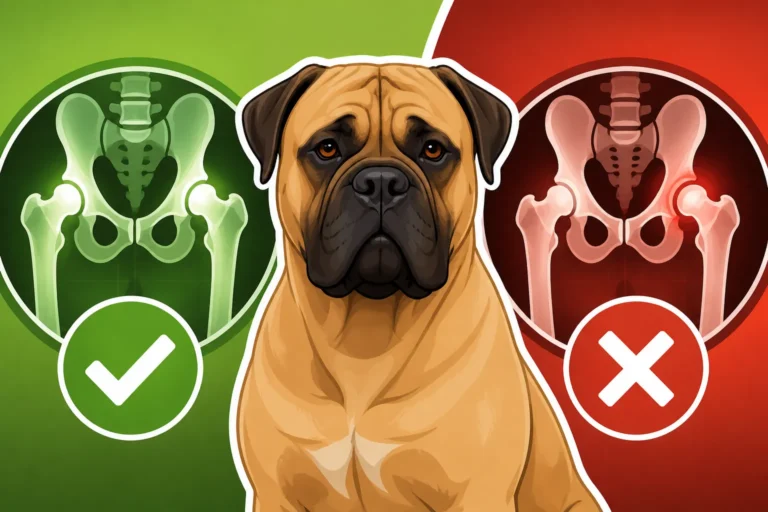
Bullmastiffs are undeniably impressive in stature, but that very size puts immense strain on their joints. Hip and elbow dysplasia are unfortunately common, leading to chronic pain and debilitating arthritis as they age. Hips and Elbows Under a Hundred and Thirty Pound Bullmastiff are not just theoretical concerns; they are daily realities for many.
Consider a young Bullmastiff diagnosed with severe hip dysplasia. The veterinarian might recommend corrective surgery, which can be incredibly effective but also incredibly expensive. Or perhaps your middle-aged Bullmastiff suddenly develops a limp, and it turns out to be a torn cranial cruciate ligament – the canine equivalent of an ACL tear. Cruciate Tears in a Bullmastiff are notoriously common and require complex orthopedic surgery, often followed by extensive physical therapy. This isn't a small procedure; it's a major operation that can run into the thousands of dollars, easily. Many owners recall the initial signs, like a slight stiffness or a hesitant jump, and then the gut-wrenching moment the vet lays out the surgical estimate. Without insurance, these are costs that can force families to make truly heartbreaking decisions about their pet's quality of life.
Acute Emergencies: Bloat and Heatstroke
Beyond chronic conditions, Bullmastiffs are also susceptible to sudden, life-threatening emergencies that demand immediate, expensive intervention. Gastric Dilatation-Volvulus, more commonly known as bloat, is a prime example. This condition, where the stomach twists, is a true emergency that can kill a Bullmastiff within hours if not treated. Bloat in a Bullmastiff can strike without warning, often in the middle of the night, leading to an emergency veterinary visit that quickly escalates into surgery.
The cost of bloat surgery is almost universally high due to its emergency nature, the intensity of the procedure, and the post-operative care required. What Bloat Surgery Costs on a Bullmastiff can easily climb into five figures, and that's not including the initial emergency exam or follow-up care. Similarly, due to their brachycephalic (short-nosed) structure and heavy build, Bullmastiffs are highly prone to heatstroke, especially in warmer climates or during strenuous activity. An emergency vet visit for heatstroke can involve IV fluids, cooling measures, oxygen therapy, and monitoring for organ damage, racking up bills just as quickly. Owners who've faced these sudden crises often express profound regret for not having insurance, as the financial strain is compounded by the terrifying race against time to save their dog.
The Emotional Toll of Financial Strain
It's not just about the money, though that's certainly a huge part of it. The deeper regret for uninsured Bullmastiff owners often stems from the emotional anguish and the difficult choices they are forced to make when facing a pet's serious illness. This strain can impact every aspect of an owner's life, from their daily routine to their mental well-being.
The Agonizing Choice to Compromise on Care
When funds are limited, and your beloved Bullmastiff needs expensive medical intervention, you might find yourself in the unenviable position of having to compromise on care. This isn't about choosing not to treat your dog; it's about being unable to afford the best or most comprehensive treatment available. Perhaps the specialist is out of budget, or a certain advanced diagnostic test isn't feasible.
For instance, with a cancer diagnosis, an oncologist might recommend a specific chemotherapy protocol, but the cost might be prohibitive. Instead, you might opt for a less aggressive, less expensive palliative treatment like prednisone alone. While prednisone can offer temporary relief and quality of life improvements, it's not a curative path for most cancers, and knowing you couldn't pursue the option with the highest chance of remission can lead to immense guilt and regret. This isn't a position any loving pet owner wants to be in, and the memory of those compromises can haunt them long after their pet is gone.
The Guilt, Stress, and Sleepless Nights
The financial burden of an uninsured Bullmastiff's major illness extends far beyond the vet's office. It permeates every aspect of daily life, causing significant stress, anxiety, and guilt. You might find yourself working extra hours, dipping into savings meant for other emergencies, or even going into debt.
The guilt of not having been prepared, the stress of constantly worrying about the next bill, and the sleepless nights spent agonizing over treatment options can take a severe toll on an owner's mental and physical health. It can strain relationships, affect job performance, and diminish the joy of pet ownership. Many owners speak of the profound sense of failure, even if they've done everything humanly possible, simply because they couldn't provide all the recommended care due to cost. This emotional weight is often the most significant and lasting form of regret.
The Haunting "What Ifs"
Perhaps the most insidious aspect of being an uninsured Bullmastiff owner facing a health crisis is the relentless parade of "what ifs." What if I had gotten insurance when they were a puppy? What if I had chosen a plan with better coverage? What if I hadn't let that policy lapse? These questions can be torturous, especially if the outcome for your dog wasn't as positive as you'd hoped, or if they suffered longer than they might have with more aggressive treatment.
When a Bullmastiff's lifespan is already shorter than many other breeds, with The Median Bullmastiff Lives Eight and a Half Years, every moment counts. If financial constraints lead to delayed diagnosis or limited treatment options, the feeling that you could have bought your dog more time, or a better quality of life, becomes a heavy burden. The "what ifs" underscore the deep regret of not having a financial safety net in place when it mattered most, highlighting that insurance is not just about money, but about options, peace of mind, and the ability to fight for your beloved companion without financial compromise.
When Insurance Makes All the Difference
It's easy to focus on the negative scenarios, but the flip side is how pet insurance can fundamentally change the experience of owning a Bullmastiff, transforming potentially devastating financial crises into manageable situations. When you have a solid policy, the conversation shifts from "can we afford this?" to "what's the best course of action?"
Peace of Mind: A Proactive Approach
Having pet insurance, particularly for a breed with known health predispositions like the Bullmastiff, offers an unparalleled sense of peace of mind. Instead of living in constant dread of an unexpected diagnosis or emergency, you can rest easier knowing that a significant portion of those bills will be covered. This proactive approach to financial planning means you're not scrambling to find funds when your dog is ill.
Companies like Healthy Paws offer various plans that can cover accidents, illnesses, and even some emergency treatments. When you get that call about a suspicious lump, or your Bullmastiff starts showing signs of lameness, your first thought won't be about the cost, but about getting them to the vet immediately. This mental freedom allows you to focus solely on your dog's well-being, which is an invaluable gift during stressful times. It's about empowering you to be your dog's best advocate without financial paralysis. What Insuring a Bullmastiff Costs a Month is a small price to pay for this peace of mind.
Access to Advanced and Specialized Treatments
One of the biggest advantages of pet insurance is the ability to say "yes" to advanced and specialized treatments that might otherwise be out of reach. For a Bullmastiff, this could mean everything from seeing an orthopedic specialist for Hip Dysplasia in a Bullmastiff to pursuing aggressive chemotherapy with an oncology specialist for cancer.
| Type of Treatment/Service | Without Insurance (Typical Scenario) | With Insurance (Typical Scenario) |
|---|---|---|
| Emergency Exam | Full cost out-of-pocket | Reimbursement after deductible |
| Complex Surgery | Full cost out-of-pocket | Significant reimbursement (e.g., 80-90%) |
| Chemotherapy Course | Full cost out-of-pocket | Significant reimbursement for each session |
| Diagnostic Imaging | Full cost out-of-pocket | Reimbursement after deductible |
| Specialist Consult | Full cost out-of-pocket | Reimbursement after deductible |
| Prescription Medications | Full cost out-of-pocket | Often included in reimbursement |
When a specialist recommends an echocardiogram to assess Subaortic Stenosis Is There Before a Bullmastiff's First Birthday, or suggests a specific, expensive medication for a chronic condition, insurance helps bridge that financial gap. Without it, many owners find themselves having to decline life-saving or quality-of-life-improving procedures, leading to deep and lasting regret. How a Bullmastiff's Lymphoma Is Treated often involves expensive drugs and frequent vet visits; insurance can make these protocols feasible.
Understanding Policy Limitations and Maximizing Coverage
While pet insurance is a powerful tool, it's crucial to understand its limitations. The biggest one? Pre-existing conditions. Most policies will not cover conditions that were present or diagnosed before the policy took effect or during the waiting period. This is why many experienced Bullmastiff owners will tell you to get insurance as soon as possible, ideally when they are a puppy. Why a Bullmastiff Should Be Insured From Eight Weeks is common advice for this very reason.
It's also important to compare plans from different providers. Some, like Healthy Paws, focus on accident and illness coverage with unlimited payouts, which can be critical for high-cost conditions like cancer or major surgeries. Others might offer different reimbursement percentages, deductibles, or annual limits. Reading reviews and comparing what's covered for issues relevant to Bullmastiffs, such as Whether a Bullmastiff's Cancer Is Covered, is key. While no plan covers everything, a well-chosen policy can protect you from the most catastrophic financial blows and allow you to make medical decisions based on what's best for your Bullmastiff, not your wallet.
Considering Alternatives and Prevention
For those who have opted against insurance, or are considering it, there are alternatives and preventative measures that can help mitigate some of the risks. However, it's important to approach these with realistic expectations, understanding that they may not offer the same comprehensive protection as a robust insurance policy.
The Self-Insurance Route: Building an Emergency Fund
One common alternative to pet insurance is "self-insurance," which involves setting aside a dedicated emergency fund specifically for your Bullmastiff's medical needs. This fund should ideally be easily accessible and substantial enough to cover major unexpected expenses. For a breed like a Bullmastiff, given the potential costs of issues like bloat surgery or a full course of chemotherapy, this fund would realistically need to be many thousands of dollars.
The benefit here is that you control the money; if your dog remains perfectly healthy, you still have the funds. However, the downside is significant: it takes discipline to build and maintain such a fund, and if a major medical crisis hits early in your dog's life before the fund is substantial, you're back in the position of facing overwhelming bills. Many owners who attempted this path and then faced a five-figure vet bill express deep regret, realizing their fund was simply not enough. What a Bullmastiff's Emergency Fund Should Hold would need to be a considerable amount to truly be a viable alternative to insurance.
Proactive Health Management and Breeder Selection
While you can't prevent all health issues, proactive health management and careful breeder selection can certainly reduce some risks. Choosing a responsible breeder who performs all recommended health screenings for Bullmastiffs is paramount. This includes screening for hip and elbow dysplasia, cardiac issues like subaortic stenosis, and having a transparent history of cancer in their lines.
Beyond breeder choice, maintaining your Bullmastiff's ideal weight through a balanced diet (perhaps with quality food from Chewy or specialized options like Ollie) and appropriate exercise can significantly reduce the strain on their joints, potentially delaying or lessening the severity of conditions like Hip Dysplasia in a Bullmastiff. Regular vet check-ups are also crucial for early detection of any emerging issues, which can sometimes lead to less expensive and more effective treatment. While these measures are vital for any Bullmastiff owner, they are not a substitute for financial protection against unforeseen illnesses or accidents.
A Candid Cost-Benefit Analysis
Ultimately, the decision of whether to insure your Bullmastiff comes down to a personal cost-benefit analysis. Consider the average lifespan of a Bullmastiff, their predispositions to expensive health conditions, and your own financial capacity for unexpected, large veterinary bills. If the thought of a multi-thousand-dollar emergency bill sends shivers down your spine, or if you know you would want to pursue every possible treatment option for your dog without financial hesitation, then pet insurance is almost certainly a wise investment.
For many Bullmastiff owners who have experienced the crushing weight of uninsured medical expenses, the regret is palpable. It's a testament to the deep bond we form with our dogs and the desire to provide them with the best possible care throughout their lives, however short those precious years may be. Understanding the potential financial pitfalls upfront allows you to make informed decisions that can prevent that profound regret down the road.
Disclaimer
This article is for general informational purposes only and does not constitute professional advice. Laws, prices and regulations vary by location and change over time. Consult a qualified professional for guidance on your specific situation.