How Long the Waitlist for a Bullmastiff Runs
Waiting for a Bullmastiff puppy can feel like an eternity, especially when you're eager to welcome one of these magnificent, loyal giants into your home. The reality is that finding a responsibly bred Bullmastiff often means joining a waitlist, and the length of that wait can vary dramatically. This guide will walk you through why waitlists are so common, what factors influence their duration, and how you can navigate the process of bringing your Bullmastiff home.
Understanding Bullmastiff Breeder Waitlists
When you first decide a Bullmastiff is the right addition to your family, you might envision a quick search and an immediate puppy. However, the world of ethical Bullmastiff breeding operates quite differently. Reputable breeders aren't running puppy mills; they are dedicated hobbyists who invest immense time, effort, and resources into producing healthy, well-tempered dogs that adhere to the breed standard. This dedication naturally leads to fewer litters and, consequently, demand that often outstrips supply.
Why Waitlists Are the Norm for Responsible Breeders
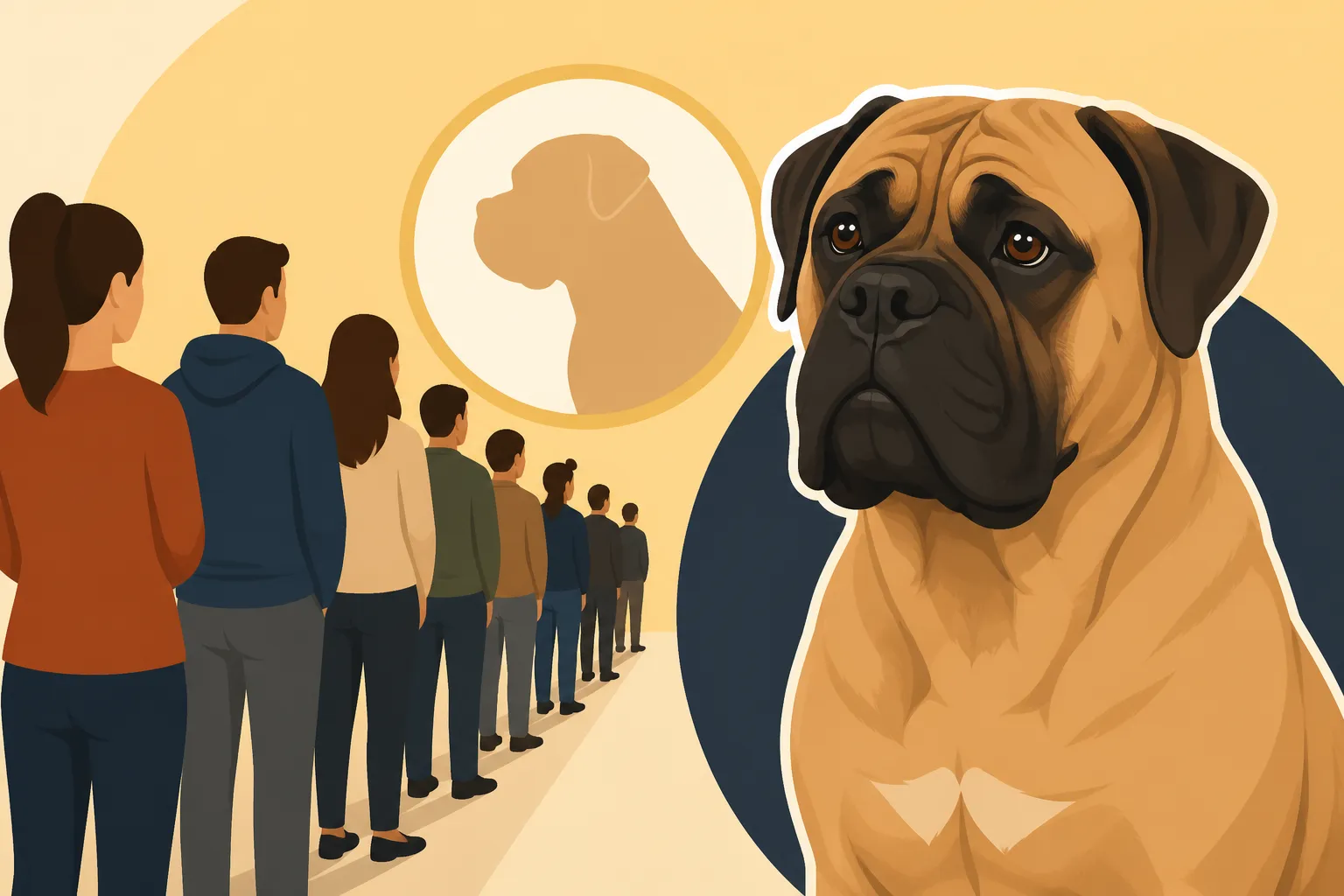
The primary reason for waitlists is simple: responsible breeding is not about mass production. These breeders typically have a limited number of breeding females, and those females are only bred when they are at peak health, temperament, and maturity, and only a few times in their lives. They also put considerable thought into selecting the right stud dog to complement their female, aiming to improve the breed with each generation. This careful, measured approach means that litters are planned meticulously, sometimes years in advance, rather than being constantly available. When you see a breeder with an immediate supply of puppies of various ages, that's often a red flag, suggesting they might not be prioritizing the health and welfare of their dogs. It's often a sign of a high-volume operation, which reputable Bullmastiff enthusiasts typically avoid.
Another crucial aspect is demand. Despite their massive size and unique needs, Bullmastiffs are beloved for their calm demeanor and protective instincts. This makes them highly sought after by families looking for a loyal companion and guardian. When a breeder has a strong reputation for producing exceptional puppies, their list of prospective owners grows long very quickly.
Factors Affecting Waitlist Length
Several elements can directly impact how long you might be on a Bullmastiff waitlist. It's not a one-size-fits-all situation; your patience will be tested differently depending on these variables.
First, the individual breeder's popularity and reputation play a huge role. A breeder known for consistently producing top-tier, healthy dogs with stable temperaments will naturally have a longer list of interested parties. Their puppies might be so coveted that some individuals are willing to wait a year or even longer. On the flip side, a lesser-known breeder might have shorter wait times, but you'll need to do even more due diligence to ensure they meet high standards.
Second, specific preferences you might have, such as gender or color, can also extend your wait. While fawn, red, and brindle are the accepted colors, some people have a strong preference for one over another, or a specific gender. If a litter produces more males than females, or fewer brindles than fawns, those with very specific requests might be pushed back to the next litter. Being flexible can sometimes shorten your wait considerably. For example, if you're open to either a fawn or a brindle male, you might get a puppy sooner than someone who insists on only a deep red female.
Third, the region you're in, or willing to travel to, also matters. Some areas have a higher concentration of reputable breeders, which might offer more options, while others have very few. If you are willing to travel across state lines, or even nationally, for the right puppy, your pool of breeders and thus your chances of finding a puppy sooner, increase. However, this also adds to the overall cost and logistical challenge. Knowing How Far Buyers Travel for a Bullmastiff can give you an idea of the dedication involved.
Finally, the frequency of a breeder's litters and the typical litter size are key. Some breeders only have a litter every year or two, while others might have two litters a year. Bullmastiffs generally have moderate-sized litters, usually ranging from 5 to 10 puppies, but this can fluctuate greatly. A smaller litter means fewer puppies to go around, potentially lengthening the wait for everyone on the list. You can ask breeders directly How Many Bullmastiff Litters Are Bred a Year to get an idea of their typical schedule.
The Role of a Breeder Contract and Deposit
Once you've found a breeder you feel good about, they will typically require an application and, if approved, a deposit to secure your place on their waitlist. This isn't just about money; it signifies your serious commitment to a puppy and helps the breeder plan their litters and allocate puppies to appropriate homes.
The deposit acts as a reservation fee. It tells the breeder you're serious and not just "tire-kicking." It's common for these deposits to be non-refundable, especially if the breeder has turned away other prospective buyers based on your commitment. This protects the breeder from last-minute changes of heart that could leave them with unsold puppies. Always make sure to read the What a Bullmastiff Breeder Contract Requires very carefully. These contracts usually outline everything from health guarantees to return policies and what happens if you change your mind.
For example, a typical contract might state that if you back out, your deposit is forfeited, but if the breeder cannot provide a puppy within a certain timeframe (e.g., 18-24 months) or cannot produce a puppy of your specified gender/color, the deposit may be refunded or rolled over to a future litter. Understanding these terms before you put down a deposit is absolutely critical. Don't be afraid to ask questions until you fully grasp every clause.
Factors Influencing How Long You'll Wait
Let's dive deeper into the specific elements that can truly dictate how long you'll be waiting for your Bullmastiff puppy. It's often a combination of these factors that results in a shorter or longer timeline.
Breeder Popularity and Reputation
It's a simple truth: the best breeders are often the busiest. Breeders who consistently produce healthy, well-socialized Bullmastiffs that embody the breed's ideal temperament are in high demand. These are the breeders who dedicate themselves to health screening, meticulous record-keeping, and providing exceptional early socialization for their puppies. They are often active in dog shows, working dog events, or breed clubs, and their dogs have a proven track record.
For instance, a breeder whose dogs regularly excel in conformation or who has numerous testimonials from happy owners about the wonderful temperaments of their Bullmastiffs will likely have a waitlist stretching a year or more. People are willing to wait because they know the quality and support they will receive are worth it. Conversely, a less established breeder might have shorter wait times, but you'll need to be extra diligent in verifying their practices. Always ask for references and check their health testing results for the parent dogs, not just promises of good health. Which Health Tests a Bullmastiff Breeder Should Run is a critical question to ask.
Geographic Location and Willingness to Travel
Where you live can play a significant role. If you reside in an area with few Bullmastiff breeders, or if the existing ones are highly popular, your wait could be lengthy. Conversely, if you're open to traveling, perhaps even flying, to pick up your puppy from a breeder several states away, your options multiply, potentially reducing your wait time.
However, traveling comes with its own set of considerations. You'll need to factor in travel costs, the logistics of transporting a puppy, and the time commitment. Some people are willing to make a significant journey for their ideal puppy, viewing it as part of the overall commitment to responsible ownership. Others prefer to find a breeder closer to home. If you're willing to consider a wider geographic search, resources like national breed club websites can help you locate reputable breeders across the country. Remember, while convenience is a factor, prioritizing a responsible breeder over a nearby one is always the best choice for the puppy's well-being and your future as an owner.
Specific Preferences: Gender, Color, and Type
Having very specific requirements for your future Bullmastiff can definitely extend your time on a waitlist. Most litters are a mix of genders and colors. If you're set on a specific gender and a specific color (e.g., a reverse brindle female), you might have to wait for several litters until one fits your exact criteria.
For example, a breeder might have a litter of mostly fawn males. If you're on the list for a red female, you'll simply have to wait for the next litter, hoping for a different distribution. Being flexible can be a huge advantage here. If you're open to either gender or any of the standard Bullmastiff colors (fawn, red, brindle), your chances of getting a puppy from the next available litter increase dramatically. Whether a Brindle Bullmastiff Costs More is a common question, but remember that cost should never be the primary driver for a specific color; health and temperament always come first.
Litter Frequency and Health Screening Protocols
A key differentiator between ethical breeders and less scrupulous ones is the frequency of litters. Responsible breeders do not breed their females back-to-back. They allow ample time for recovery, physical maturity, and ensuring the female is in prime health before considering another breeding. This means fewer litters overall, which naturally translates to longer waitlists.
Furthermore, these breeders perform extensive health screenings on both parents before breeding. This includes testing for conditions common in Bullmastiffs, such as hip and elbow dysplasia, cardiac issues (like subaortic stenosis), and sometimes eye disorders. Whether a Bullmastiff Breeder Screens for Heart Disease is a crucial point of inquiry. These tests are expensive and time-consuming, but vital for minimizing the risk of inherited health problems in the puppies. If a breeder has a thorough health testing regimen, they might only breed when both parents have optimal results, further limiting the frequency of litters. This rigorous approach, while prolonging your wait, ultimately gives you a much better chance of getting a healthy puppy, saving you heartbreak and significant vet bills down the line.
Navigating the Waitlist and What to Expect
Once you've committed to a breeder and joined their waitlist, the journey shifts from searching to preparing. This period can be exciting, but it also requires patience and proactive engagement.
Initial Inquiry and Application Process
Before you even get on a waitlist, most reputable Bullmastiff breeders will have a thorough application process. This isn't meant to be an interrogation; it's the breeder's way of ensuring their puppies go to suitable, loving homes. Expect questions about your living situation (do you have a yard, is it fenced?), your experience with large breeds, your family dynamics (children, other pets), your lifestyle (how much time do you spend at home?), and your philosophy on dog training and care. They might ask about your vet references and financial readiness for a giant breed. Be honest and thorough in your responses. A good breeder is looking for a good match, not perfection. This also gives you the chance to ask Which Questions to Ask a Bullmastiff Breeder about their practices, health clearances, and support.
After reviewing your application, the breeder might schedule a phone call or even an in-person visit. This is your opportunity to build rapport, see their facilities (if local), and meet their adult dogs. It’s a two-way street; you're interviewing them as much as they are interviewing you.
Deposit and Reservation: Securing Your Spot
Once you and the breeder have decided it's a good match, a deposit will be requested to secure your place on the waitlist. What a Deposit on a Bullmastiff Puppy Holds is essentially your promise to purchase a puppy and the breeder's promise to offer you one when available. The amount can vary significantly, so be prepared and understand the terms. As mentioned, these are often non-refundable.
After placing your deposit, you'll typically be given an estimated timeframe for when a litter might be available. This is often an educated guess, as nature doesn't always adhere to schedules. Be prepared for flexibility – a breeding might not take, or a planned litter might be smaller than expected. Your patience will be tested, but remember, the wait is often a sign of a responsible breeder who prioritizes quality over quantity.
Communication During the Wait
During the waiting period, communication is key. A good breeder will keep you updated, though the frequency might vary. They might notify you when a breeding has taken place, when pregnancy is confirmed (via ultrasound), and of course, when the puppies are born. Many breeders share photos and videos as the puppies grow, giving you a glimpse into their development.
Don't expect daily updates, but a monthly or bi-monthly check-in, especially once a litter is on the way, is reasonable. If you have questions, don't hesitate to reach out to your breeder. They are often a wealth of information and can guide you through the anticipation. Building a good relationship with your breeder during this time can also be invaluable for future support and advice throughout your Bullmastiff's life.
Preparing for Your Puppy's Arrival
While you're waiting for your puppy, there's plenty you can do to prepare for their arrival. This isn't just about buying toys; it's about setting up your home and lifestyle for a large breed dog.
- Research and Education: Dive deep into Bullmastiff-specific training, socialization, and health needs. Read books, join breed-specific online groups, and talk to other Bullmastiff owners. Understanding What a Bullmastiff Needs Every Day, Which Is Less Than You Think is vital.
- Essential Supplies: Start gathering necessary items. A giant-sized crate, orthopedic bedding (to support those heavy joints), large food and water bowls, appropriate leash and collar, and sturdy chew toys are essential. Many owners use platforms like Chewy for convenient delivery of large-sized dog food and supplies.
- Vet Appointment: Schedule a vet check-up for your puppy shortly after arrival. Find a veterinarian experienced with giant breeds.
- Pet Insurance: Seriously consider pet insurance. Bullmastiffs are prone to certain health issues, and vet bills for a giant breed can be substantial. Look into providers like Healthy Paws. Getting Why a Bullmastiff Should Be Insured From Eight Weeks is a smart move, as waiting until an issue arises means it might be considered a pre-existing condition.
- Food: Discuss food with your breeder. They will usually advise you on the specific large-breed puppy food they use, which helps prevent rapid growth that can lead to orthopedic problems. Brands like Ollie offer customized meal plans, which some owners find appealing, but always transition slowly and consult with your breeder or vet.
- Puppy-Proofing: Get down on your hands and knees and puppy-proof your home from a Bullmastiff's perspective. Remove anything dangerous or valuable that can be chewed or swallowed.
- Training Plan: Outline a training and socialization plan. Early and consistent training is crucial for a Bullmastiff. Consider puppy classes and familiarize yourself with positive reinforcement methods. When to Start Training a Bullmastiff Puppy is generally as soon as they come home.
Alternatives to Long Waitlists
If the idea of a lengthy waitlist feels daunting, or if you're looking to give a deserving Bullmastiff a second chance, there are certainly other avenues to consider.
Adopting a Bullmastiff from Rescue
Bullmastiff rescues are dedicated organizations that take in Bullmastiffs who, for various reasons, need a new home. This can be an incredibly rewarding experience, and often the wait time for an adoptable dog is significantly shorter than for a puppy from a breeder.
- The Appeal of Rescue: Many rescue Bullmastiffs are already house-trained, past the destructive puppy phase, and may even have some basic obedience training. While some might come with behavioral baggage due to previous circumstances, many are simply victims of owner surrender dueences like lifestyle changes, financial hardship, or misunderstandings about the breed's needs. Why Bullmastiffs Come Into Rescue is often more heartbreaking than due to inherent flaws in the dog.
- What to Expect: Rescue organizations typically have an application process that is just as thorough, if not more so, than a breeder's. They want to ensure a perfect match to prevent the dog from ending up in rescue again. You'll likely undergo home visits and interviews. The What a Bullmastiff Rescue Adoption Fee Covers usually helps defray the costs of veterinary care, spaying/neutering, and sometimes training.
- Finding a Rescue: National and regional Bullmastiff rescue groups exist across the country. A simple online search for "Bullmastiff rescue [your state]" will often yield results. Websites like Petfinder or Adoptapet also list Bullmastiffs available for adoption. Be prepared to travel, as Where Bullmastiff Rescues Operate can be widespread.
Considering an Adult Bullmastiff
Whether from a rescue or occasionally from a breeder, considering an adult Bullmastiff can be a wonderful option.
- Benefits of Adults:
- Known Personality: With an adult dog, their personality, temperament, and size are already established. You know what you're getting, rather than trying to guess how a puppy will develop.
- Less Training Intensive: Many adult Bullmastiffs are already house-trained, leash-trained, and have a grasp of basic commands. This can significantly reduce the initial training workload compared to a puppy.
- Immediate Companionship: You get an immediate companion without the lengthy waiting period or the intense demands of puppyhood.
- Easier to Assess Health: While not always guaranteed, adult dogs often have a clearer health history, and any chronic conditions might already be known. However, always ask Whether a Rescue Bullmastiff's Heart Has Been Checked and inquire about all health records.
- Drawbacks:
- Limited Availability: Adult Bullmastiffs become available less frequently than puppies.
- Adjustment Period: An adult dog might require an adjustment period to settle into a new home and routine, especially if they've come from a difficult background. Patience and understanding are key.
Being Flexible with Your Preferences
As discussed earlier, strict preferences for gender, color, or even specific markings can lengthen your wait significantly. If your primary goal is to bring a healthy, well-tempered Bullmastiff into your life, consider being flexible.
- Open to Either Gender: If you're open to a male or female, your chances of a quicker placement from an upcoming litter are much higher.
- Any Standard Color: While you might initially be drawn to a specific color, all Bullmastiff colors are beautiful. Being open to fawn, red, or brindle can broaden your options considerably.
- Show vs. Pet Quality: Some breeders might have puppies that are "pet quality" due to a minor fault (e.g., a slightly undershot jaw that is fine for a pet but not for the show ring). These puppies are still wonderful companions and often become available sooner or at a slightly lower cost. Always prioritize temperament and health over show ring potential unless you intend to show the dog yourself.
Ultimately, whether you choose to join a waitlist for a carefully bred puppy or open your home to a rescue Bullmastiff, the journey to finding your gentle giant is an exciting one. Understanding the process, being prepared, and exercising patience will ensure a smooth transition for both you and your new furry family member.
Here's a quick overview of how different factors can influence your waiting time:
| Factor | Impact on Waitlist Length | Notes |
|---|---|---|
| Breeder Popularity | High popularity = Longer wait | Established reputation for health/temperament draws more demand. |
| Specific Preferences | Strict (e.g., color/gender) = Longer wait | Being open to any standard color or gender can shorten the wait. |
| Geographic Flexibility | Wider search area = Shorter wait | Willingness to travel to other states increases options. |
| Litter Frequency | Fewer litters per year = Longer wait | Responsible breeders prioritize quality over quantity, meaning fewer breedings. |
| Litter Size | Smaller litters = Longer wait | Fewer puppies available from each breeding means more people roll over to the next litter. |
| Health Screening Protocols | Rigorous testing = Potentially longer wait | Breeders who wait for optimal health clearances may breed less frequently. |
| Deposit Terms | Non-refundable = Demonstrates commitment | Understand if deposit rolls over to next litter or is forfeited if you change your mind. What a Deposit on a Bullmastiff Puppy Holds |
| Considering an Adult/Rescue | Often no waitlist, immediate availability | Excellent alternative for those willing to forego puppyhood or seeking to help a dog in need. Adopting a Bullmastiff From Rescue |
Disclaimer
This article is for general informational purposes only and does not constitute professional advice. Laws, prices and regulations vary by location and change over time. Consult a qualified professional for guidance on your specific situation.