What a Bullmastiff Needs Every Day, Which Is Less Than You Think
Bringing a magnificent Bullmastiff into your life is an incredible joy, but many new owners, and even experienced ones, often overestimate the sheer amount of rigorous physical activity these gentle giants need every single day. The truth is, while they are large and powerful, their daily requirements lean more towards consistent, thoughtful engagement and routine, rather than endless hours of high-impact exercise. This guide will walk you through exactly what a Bullmastiff truly needs to thrive, helping you build a happy, healthy, and balanced life together that might surprise you with its manageability.
Understanding the Bullmastiff's Temperament and History
To truly grasp what a Bullmastiff needs each day, we first have to understand where they came from and what they were originally bred to do. These aren't dogs designed for miles of running or constant high-energy tasks. Their history shapes their modern temperament and, consequently, their daily needs.
The "Gamekeeper's Night Dog" Legacy
Imagine the English countryside centuries ago, gamekeepers patrolling vast estates, often alone, protecting their lord's land from poachers. They needed a dog, yes, but not a fierce attacker or a tireless tracker. They needed a silent, powerful deterrent, one that could cover ground quickly, catch a man, and hold him without savaging him. This is the origin story of our beloved Bullmastiff. They were literally bred to be The Bullmastiff Was Built to Catch Poachers in the Dark. This history explains their reserved nature, their inherent guarding instinct, and their surprisingly low energy levels for such a massive dog. They were sprinters, not marathon runners, and silent observers, not barkers.
This historical role means that a Bullmastiff's innate instincts are geared towards vigilance and protection, but not necessarily constant motion. They are observant, often taking in their surroundings with a quiet intensity. Their "job" was often to wait, watch, and then act decisively when needed. This deep-seated calm is why they are often referred to as "couch potatoes" later in life, and why forcing them into a high-octane lifestyle can actually be detrimental to their physical and mental well-being. They appreciate routine and a clear understanding of their role within the family unit, which often means being the resident guardian of comfort and naps.
The Deliberate, Thoughtful Nature
If you've spent any time with a Bullmastiff, you'll notice they tend to approach situations with a calm, almost philosophical air. They aren't prone to frantic reactions or impulsive decisions. This characteristic extends to their learning and how they process information. They might not respond with lightning speed to a command, not because they don't understand, but because they are often taking a moment to process the request, consider its implications, and then decide if it's worth their effort. This is perfectly encapsulated by the idea that The Bullmastiff That Pauses to Decide Whether You Are Worth It.
This deliberate nature means that training a Bullmastiff requires patience, consistency, and a deep understanding of what motivates them. They respond best to positive reinforcement and a clear, fair approach. They are intelligent dogs, but they also possess an independent streak and a certain stubbornness that is often charming but can be challenging if you're expecting instant obedience. Their thoughtful approach isn't a flaw; it's a fundamental part of their personality, requiring owners to engage with them on a deeper, more respectful level. Understanding this aspect helps shape your daily interactions, from training sessions to simply asking them to move from their favorite sunny spot.
Daily Exercise: Quality Over Quantity
When people see a Bullmastiff, they often assume such a powerful dog needs hours of running, hiking, or intensive activity. This is one of the biggest misconceptions, and pushing them too hard can actually lead to health problems, especially during their critical growth phases. For a Bullmastiff, it's all about appropriate, low-impact exercise that respects their unique physiology and history.
Structured Walks and Leash Training
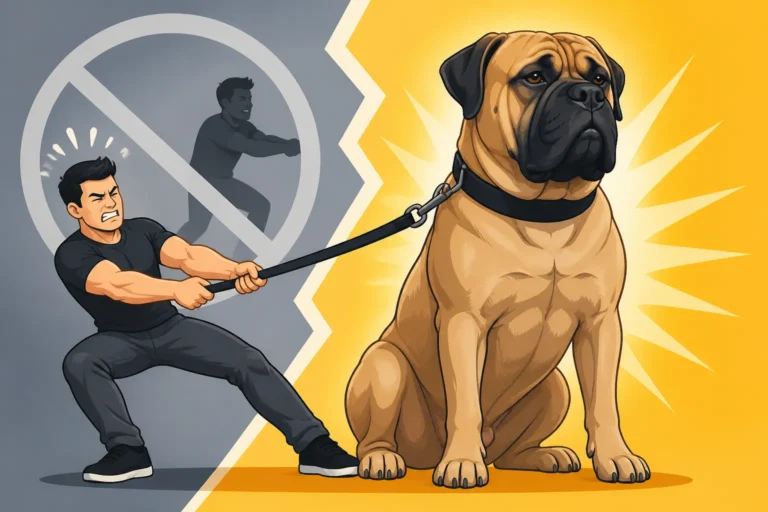
For most adult Bullmastiffs, one or two moderate walks a day, lasting around 20-30 minutes each, are usually sufficient. These aren't forced marches or jogs; they are opportunities for sniffing, exploring, and moving their big bodies. The emphasis here is on structured, controlled walks, especially because Training a Bullmastiff That Weighs More Than You Do can be a real challenge if they haven't learned proper leash manners. A solid harness and leash are essential tools. Focus on pleasant strolls where they can engage their senses, rather than trying to tire them out physically with intense speed or distance.
Remember, Bullmastiffs are a brachycephalic (short-nosed) breed, making them prone to overheating, especially in warmer weather. Always be mindful of the temperature and humidity. Early morning or late evening walks are often best during hot seasons. The goal of these walks is not just physical exertion but also mental stimulation from exploring their environment and practicing good leash etiquette. They get to see the world, smell new things, and spend quality time with you. This daily ritual strengthens your bond and provides a predictable outlet for their energy.
Safe Play and Mental Stimulation
Beyond walks, playtime should also be low-impact and focused on engagement. Tug games, gentle fetch in the yard, or hide-and-seek with toys or treats can be excellent ways to burn off some energy without overdoing it. Remember, their joints are particularly vulnerable during their growth stages, so excessive jumping or hard stops should be avoided, especially with puppies. Puzzle toys, where they have to figure out how to get a treat, are fantastic for mental stimulation and can be purchased from places like Amazon, providing a quiet but engaging activity.
Mental stimulation is often more tiring for a Bullmastiff than physical exertion. Training sessions, even short 5-10 minute bursts throughout the day, where they learn new commands or practice old ones, are invaluable. This taps into their thoughtful nature and provides a "job" for their minds. A common mistake is to try and exhaust them purely physically, leading to over-tiredness and potential injury, rather than addressing their need for cognitive challenges. These play sessions also offer a great chance for bonding, reinforcing positive behaviors in a fun way.
The Importance of Rest and Recovery
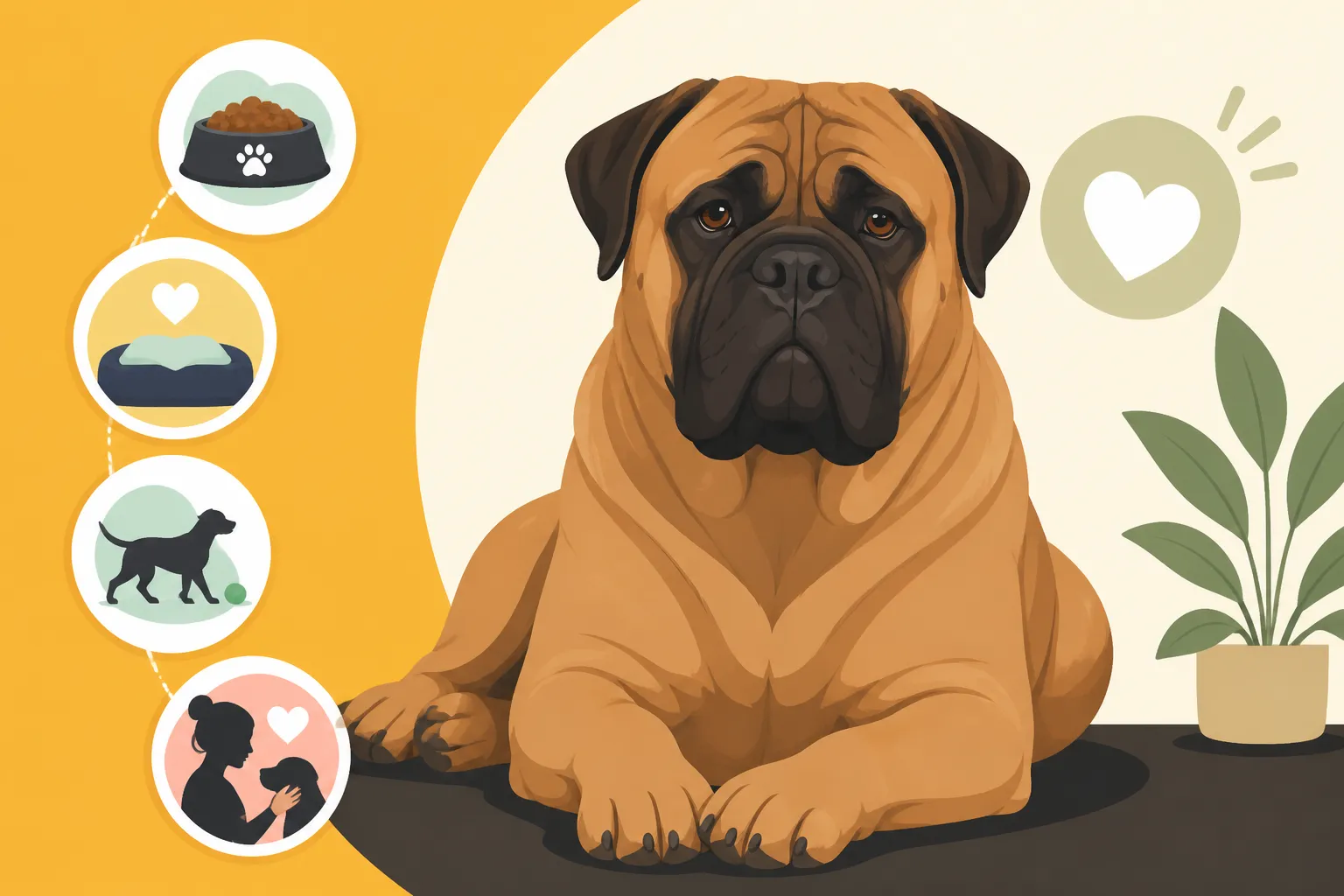
Just as crucial as their limited exercise is the ample rest and recovery time a Bullmastiff needs. They are large dogs, and their bodies require significant downtime to maintain joint health and overall well-being. You'll find they are quite content to nap for hours, often following the sunbeams around the house. This isn't laziness; it's a necessary part of their physiological makeup. Providing a comfortable, orthopedic bed is paramount for these heavy dogs to protect their joints.
Don't mistake their love for napping as a sign they are bored or unwell. It's simply their natural rhythm. Ensuring they have a quiet, undisturbed place to rest is vital. Too much activity, especially for growing puppies, can put undue stress on their developing bones and ligaments, potentially exacerbating issues like hip and elbow dysplasia later in life. A relaxed Bullmastiff is a happy Bullmastiff, and a large part of that happiness comes from knowing they have a secure, comfortable space to unwind and recover from their daily adventures, however mild those adventures might be.
Mental Engagement: Keeping That Big Brain Busy
While their physical exercise needs are relatively low, a Bullmastiff's mental needs are quite significant. These are intelligent, thinking dogs, and a bored Bullmastiff can become a destructive one. Keeping their minds engaged through consistent training, problem-solving, and varied experiences is key to a well-adjusted companion.
Consistent, Positive Reinforcement Training
Training isn't just about teaching commands; it's about building a language and a bond with your Bullmastiff. Due to their size and strength, early and consistent training is not just recommended, it's essential. Positive reinforcement methods work best, rewarding desired behaviors with treats, praise, or toys. Harsh corrections or force will only make a Bullmastiff shut down or become resistant, as Why Harsh Correction Fails on a Bullmastiff explains. Start young, keep sessions short and fun, and be consistent. This builds a foundation of respect and cooperation.
Think of training as a daily conversation. Even if your Bullmastiff knows "sit" perfectly, asking them to do it before dinner or before going outside reinforces the command and keeps their mind active. It's less about achieving competitive obedience titles (though some Bullmastiffs do excel!) and more about having a well-mannered, thoughtful companion who understands and respects your boundaries. Resources like BAXTER & Bella offer excellent online programs that can guide you through positive reinforcement techniques from the comfort of your home, catering to all stages of a Bullmastiff's development. This ongoing mental workout is crucial for their happiness and your peace of mind.
Puzzle Toys and Scent Work
To keep their minds sharp and prevent boredom, incorporate puzzle toys and scent work into their daily routine. Puzzle toys, which dispense treats only when manipulated correctly, challenge their problem-solving skills. There's a wide variety available on platforms like Amazon, from simple treat-dispensing balls to more complex interactive games. These can keep a Bullmastiff engaged for a surprisingly long time and fulfill their natural drive to "work" for a reward.
Scent work is another fantastic way to tap into their instincts. Hiding treats around the house or yard and encouraging your Bullmastiff to find them uses their powerful nose and provides a mentally stimulating "hunt." This activity doesn't require much physical exertion but leaves them wonderfully satisfied and tired. Even simply allowing them plenty of time to sniff on walks fulfills a primal need and provides a rich sensory experience that is incredibly enriching for them. A mentally stimulated Bullmastiff is much less likely to invent their own, less desirable, forms of entertainment, like redecorating your couch.
Socialization Beyond the Home
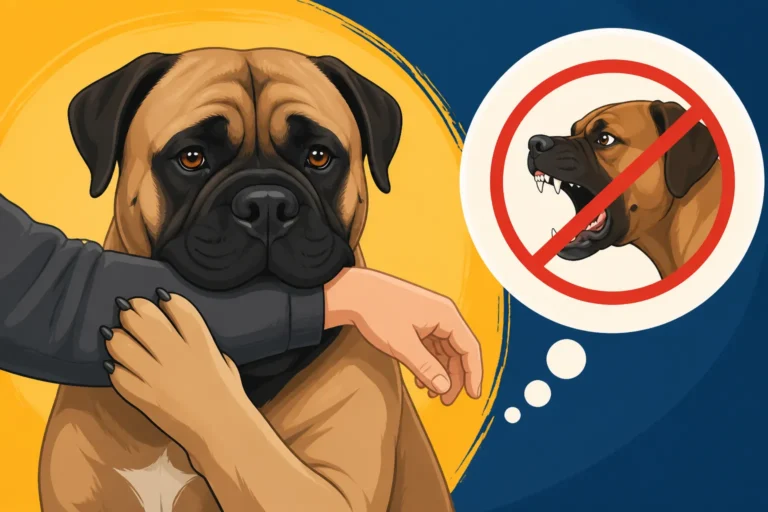
While Bullmastiffs are naturally protective and reserved with strangers, proper socialization from a young age is vital. This doesn't mean forcing them to interact with every person or dog they meet, but rather exposing them to a variety of sights, sounds, people, and well-behaved dogs in a positive and controlled manner. The goal is for them to be confident and calm in new situations, rather than fearful or overly reactive. How a Bullmastiff Greets a Stranger is often a measured, careful assessment, and good socialization helps them make appropriate judgments.
Daily exposure to the world, whether it's a short trip to a pet-friendly store (if they're calm enough), sitting on a park bench watching people go by, or simply encountering different sounds in your neighborhood, helps them become well-adjusted members of society. This constant, low-key exposure teaches them that most new experiences are not threats, allowing their natural protective instincts to be channeled appropriately rather than becoming anxiety-driven. Think of it as broadening their understanding of the world, making them more resilient and confident in their daily lives.
Routine and Structure: A Bullmastiff's Comfort Zone
Bullmastiffs thrive on routine. Predictability provides a sense of security and reduces anxiety, making them happier and more well-behaved companions. Establishing a consistent daily schedule for feeding, walks, playtime, and rest is one of the most important things you can do for your Bullmastiff.
Feeding Schedules and Bloat Prevention
When it comes to meals, a consistent schedule is crucial, especially for preventing serious health issues like bloat. Bloat in a Bullmastiff is a life-threatening condition that all owners of large, deep-chested breeds must be aware of. Splitting their daily food into two or even three smaller meals, rather than one large one, can help. It's also important to avoid strenuous exercise for at least an hour before and after meals. Some owners opt for a gastropexy surgery during spay/neuter to tack the stomach in place, which can significantly reduce the risk of bloat; Whether a Bullmastiff Should Have a Gastropexy is a serious consideration for many.
Beyond timing, the consistency of what they eat is also important. Sudden changes in diet can upset their digestive system. If you need to switch foods, do so gradually over several days. Ensure they have access to fresh water at all times. A routine feeding schedule also helps regulate their bowel movements, making house-training easier for puppies and maintaining a predictable rhythm for adults. It's not just about getting food into them; it's about doing it in a way that supports their health and well-being.
Designated Rest Areas
Given their size and love for napping, providing a designated, comfortable rest area is non-negotiable for a Bullmastiff. This could be a large crate, an orthopedic bed in a quiet corner, or even a specific dog-friendly couch. This space becomes their sanctuary, a place where they can retreat and feel secure. Consistency means ensuring this spot is always available and undisturbed.
If you choose crate training, it should be a positive experience, never used for punishment. The crate should be large enough for them to stand up, turn around, and stretch out comfortably. Many Bullmastiffs learn to love their crates as their personal den. Even without a crate, having a specific bed or area that is exclusively theirs helps them understand where they belong and gives them a sense of ownership and security within the home. This contributes greatly to their overall calm demeanor and sense of belonging.
Grooming and Health Checks as Routine
While Bullmastiffs have a relatively low-maintenance coat, daily or weekly grooming sessions should become part of your routine. This isn't just about aesthetics; it's a crucial time for bonding and health checks. A quick brush a few times a week helps remove loose hair and distribute natural oils, keeping their coat healthy. More importantly, these sessions are a chance to inspect their skin for lumps, bumps, or infections, especially in their facial folds. Their short coat means any changes are usually easy to spot.
Regular checks of their ears, eyes, and paws should also be routine. Wiping their facial wrinkles daily helps prevent skin fold dermatitis. Introducing these practices from puppyhood makes them more accepting as adults. It's also an excellent opportunity to handle their feet and claws regularly, making nail trims less of a battle. This consistent physical interaction allows you to catch any potential health issues early and strengthens the trust between you and your Bullmastiff, making vet visits less stressful in the long run.
Social Connection: More Than Just a Pet
Bullmastiffs are loyal and devoted companions. They form deep bonds with their families and thrive on social connection. For them, being a part of the family isn't just a preference; it's a fundamental need. They want to be where you are, even if it's just quietly observing from a comfortable spot nearby.
Being Part of the Family Unit
Unlike some breeds that are content to be left alone for long stretches in a yard, Bullmastiffs want to be with their people. They are not outdoor dogs, and isolating them can lead to behavioral problems like anxiety or destructive tendencies. Their ideal day involves lounging near their family, following you from room to room, and generally participating in the ebb and flow of household life. They might be snoring loudly in the corner, but they are still "with" you.
This means considering their emotional well-being as much as their physical needs. Regular interaction, affection, and inclusion in family activities are vital. They are gentle souls beneath their tough exterior and cherish their bond with their humans. For families, A Bullmastiff With Children can be a wonderful, patient nanny, but supervision is always key, especially given their sheer size. Their presence adds a calming, steady energy to the home, making them truly members of the family, not just pets.
Managing Interactions with Strangers and Other Pets
Due to their protective instincts, managing interactions with strangers and other animals is a daily reality for Bullmastiff owners. While good socialization helps them accept new people and situations, they will always retain a natural wariness. This means actively managing greetings at the door, ensuring visitors respect your Bullmastiff's space, and supervising introductions to new dogs.
Consistency in your approach is key. If you decide guests should ignore your Bullmastiff until they calm down, ensure everyone follows that rule. If you have other pets, a Bullmastiff can often coexist peacefully, especially if raised with them. However, individual personalities vary, and their immense size means any disagreements can be serious. Being proactive in managing these interactions, providing clear boundaries, and continuing positive socialization efforts will ensure a harmonious multi-pet household and safe interactions with outsiders.
Addressing Separation Anxiety
Bullmastiffs, with their strong bonds to their families, can sometimes be prone to separation anxiety if not properly prepared for alone time. It's crucial to teach them from a young age that being alone is okay. This involves gradually increasing the time they spend by themselves, starting with just a few minutes, and providing engaging distractions like long-lasting chews or puzzle toys when you leave.
A structured routine that includes periods of calm, independent activity, even when you are home, can also help. Avoid making a big fuss when you leave or return, as this can heighten their anxiety. If your Bullmastiff struggles with being left alone, professional guidance might be necessary. But for most, a solid routine, proper training, and making sure their social needs are met when you are home will help them cope with the necessary periods of solitude.
Nutritional Needs: Fueling a Gentle Giant
Feeding a Bullmastiff isn't just about pouring kibble into a bowl; it's about providing the right nutrition to support their massive frame, protect their joints, and ensure a long, healthy life. Their dietary needs evolve from puppyhood to old age, and understanding these changes is a daily responsibility.
Choosing the Right Food for Growth and Maintenance
For Bullmastiff puppies, it's absolutely critical to feed a high-quality large-breed puppy food. This isn't just a marketing gimmick; these formulas are specifically designed to promote slow, steady growth. Rapid growth in large breeds can lead to developmental orthopedic diseases like hip and elbow dysplasia. Feeding a Bullmastiff Puppy So It Grows Slowly is paramount to their long-term joint health. Avoid foods with excessive protein or calcium, which can contribute to too-rapid growth. Your veterinarian can recommend appropriate brands and portion sizes.
Once they reach adulthood, typically around 12-18 months, they should transition to a large-breed adult formula. Again, quality is key, focusing on balanced nutrition that supports muscle mass and joint health without leading to excessive weight gain. Always check the ingredients and prioritize whole, identifiable protein sources. Every Bullmastiff is an individual, so monitor their body condition closely and adjust their food intake as needed.
Hydration and Healthy Weight
Access to fresh, clean water at all times is essential for your Bullmastiff. These are big dogs, and they need a lot of water for proper digestion, temperature regulation, and overall organ function. Ensure their water bowl is always full, especially after exercise or on warm days. Consider having multiple water stations around the house if you have a large home.
Maintaining a healthy weight is one of the most impactful things you can do for your Bullmastiff's longevity and quality of life. Even a few extra pounds can put significant strain on their joints, already susceptible to issues. You should be able to easily feel their ribs without pressing hard, and they should have a discernible waist when viewed from above. Keeping a Bullmastiff Lean Is the Best Thing You Can Do for their health. Regular body condition scoring, ideally with your vet's guidance, helps ensure they stay within a healthy range. Portion control, limiting treats, and regular monitoring are daily tasks that make a huge difference.
| Daily Need | Typical Expectation (Often Wrong) | Actual Bullmastiff Need | Why the Difference Matters |
|---|---|---|---|
| Physical Exercise | Hours of running/vigorous activity | 2x 20-30 min moderate walks + play | Prevents joint stress, respects brachycephalic limits. |
| Mental Stimulation | Minimal; just physical activity | Daily training, puzzle toys, scent work | Prevents boredom, satisfies thoughtful nature, reduces destructive behavior. |
| Social Interaction | Independent; fine alone for long periods | Constant family inclusion; moderate alone time | Prevents separation anxiety, fulfills deep bond, ensures emotional well-being. |
| Training Intensity | Fast learning, immediate obedience | Patient, consistent, positive reinforcement | Respects deliberate nature, avoids stubbornness, builds trust. |
| Rest & Recovery | Little needed; always active | Significant daily naps, comfortable beds | Crucial for joint health, growth, and overall well-being. |
| Home Environment | Outdoor living; kennel | Indoor, climate-controlled, family proximity | Prevents overheating, ensures social connection, provides security. |
Environmental Comforts: A Safe and Secure Home
A Bullmastiff's daily life is deeply intertwined with their home environment. Because they are so large, ensuring their comfort, safety, and security within your living space is a critical aspect of their care. This means thinking about everything from where they sleep to how they navigate your home.
Indoor vs. Outdoor Living
As mentioned, Bullmastiffs are not suitable for outdoor living. Their dense coats, combined with their brachycephalic structure, make them highly susceptible to heatstroke in warm climates. Conversely, they can also struggle in extreme cold. They need to live indoors, as part of the family, with access to climate control. This isn't just about comfort; it's about their health and safety. A daily need for them is a comfortable, temperature-regulated indoor space where they can be near their people.
Providing a secure, fenced yard is beneficial for supervised outdoor potty breaks and gentle play, but it should never be considered a substitute for indoor living. Their guarding instincts can also be problematic if they are constantly left unsupervised in a yard, as they may become overly territorial or reactive to passersby. Their calm, thoughtful nature truly shines when they are integrated into the rhythm of a home.
Crates and Beds for Large Breeds
Given their immense size and weight, providing appropriate bedding is essential for a Bullmastiff's long-term joint health. A hard floor offers no support and can lead to pressure sores and exacerbate joint issues. An orthopedic bed, specifically designed for large and giant breeds, is a daily necessity. Look for high-density foam that provides firm support and doesn't flatten out quickly.
If you choose to crate train, the crate must be robust and large enough to accommodate their full adult size, allowing them to stand, turn around, and stretch out comfortably. A well-chosen bed or crate provides not just a place to sleep, but a personal den where they feel safe and secure, contributing to their overall mental well-being. This investment in their comfort pays dividends in their health and happiness over their lifespan.
Disclaimer
This article is for general informational purposes only and does not constitute professional advice. Laws, prices and regulations vary by location and change over time. Consult a qualified professional for guidance on your specific situation.