How to Walk a Bullmastiff That Outweighs You
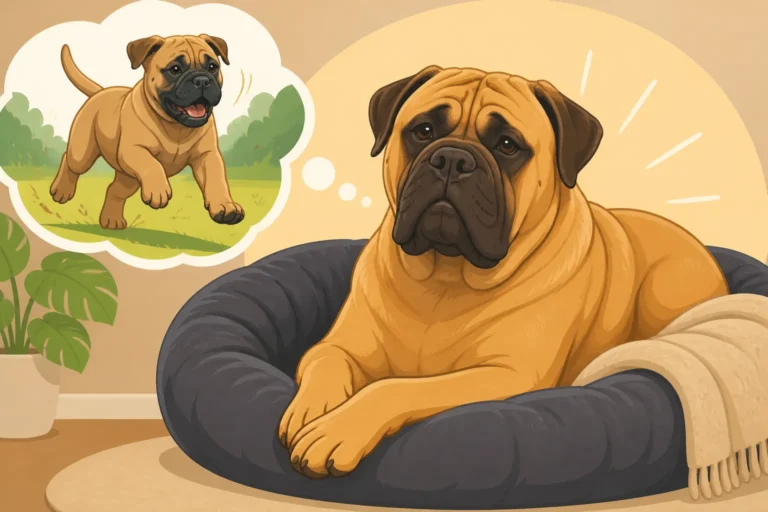
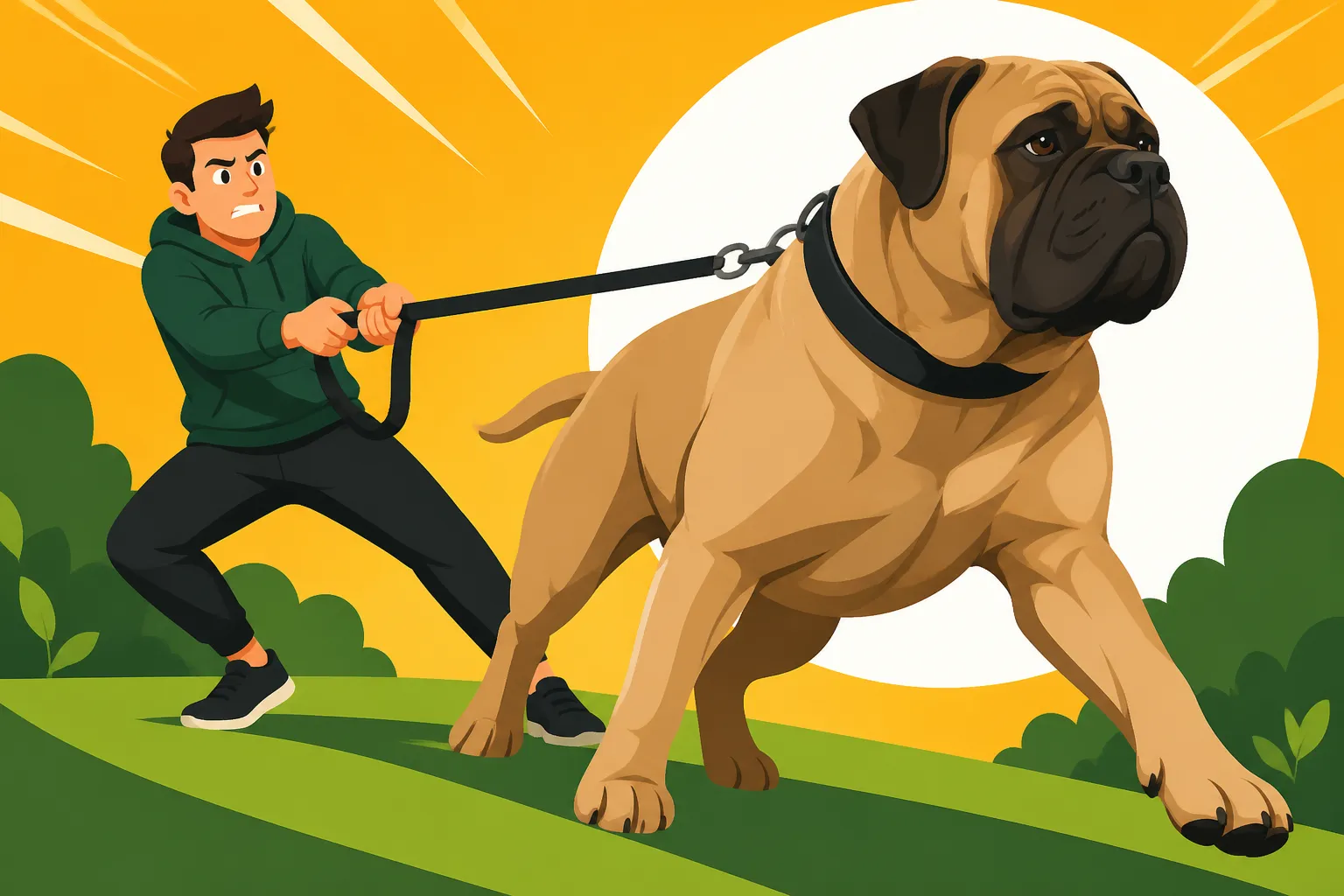
Walking a Bullmastiff can feel like trying to steer a freight train with a piece of string, especially when your gentle giant weighs a good deal more than you do. It's a common frustration for many Bullmastiff owners – that moment when your beloved companion decides to investigate an interesting smell, lunge at a squirrel, or greet a passing dog, and you suddenly feel like you're water skiing without the skis. This guide is dedicated to helping you master the art of walking your strong Bullmastiff confidently and comfortably, ensuring both of you enjoy your outings without the struggle.
Understanding the Challenge: Why Walking a Bullmastiff is Different
Let's be real, a Bullmastiff isn't your average lapdog, and their leash manners often require a different approach than what you might use for a smaller, less powerful breed. Their sheer size and innate personality traits make "just walking" them a unique undertaking that needs careful consideration and consistent training.
The Sheer Power of a Bullmastiff
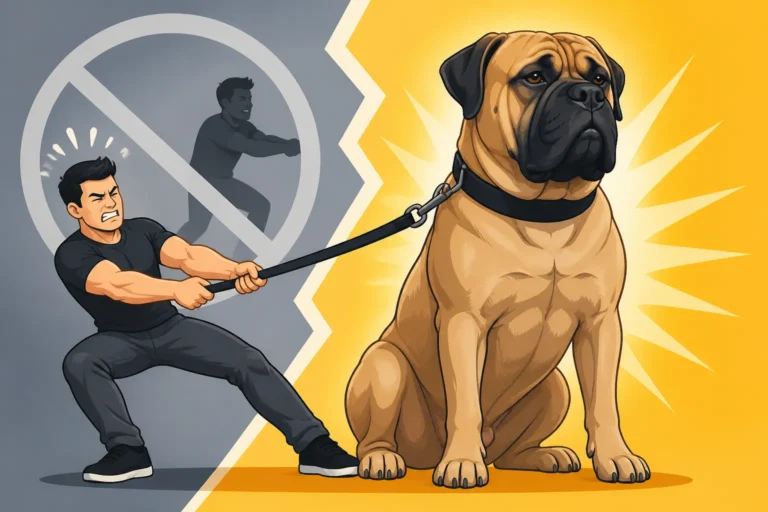
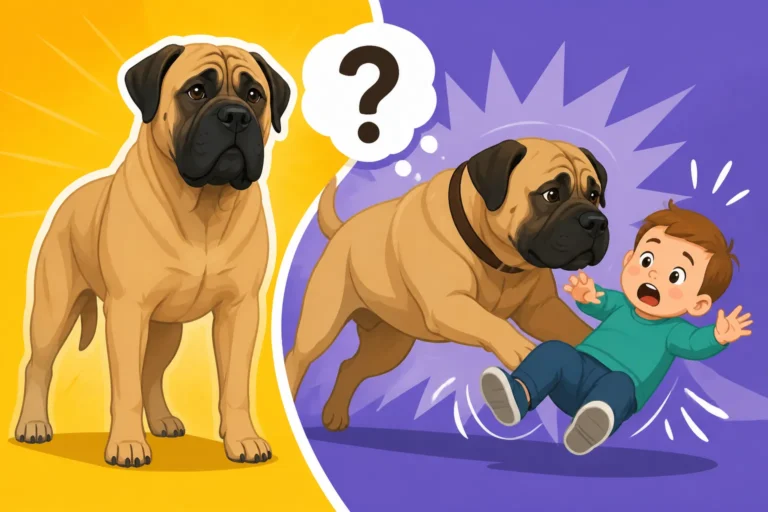
Imagine trying to hold back a hundred and thirty pounds of muscle and determination with just your arm strength. That's the reality many Bullmastiff owners face daily. These dogs were bred for a specific job: to catch and hold poachers, which means they possess incredible physical power and a low center of gravity that makes them surprisingly hard to move when they don't want to. Even a calm Bullmastiff can exert significant force with an unexpected lunge or a sudden decision to change direction. Their weight, combined with their natural drive and powerful neck and shoulders, means that if they decide to pull, they will pull. This isn't usually out of defiance, but often simply a lack of understanding of proper leash etiquette and the sheer physical capability to ignore your subtle cues. Owners often describe feeling like they're being taken for a walk, rather than doing the walking themselves, which can quickly become disheartening and even dangerous if you lose your footing.
Bullmastiff Temperament and Leash Behavior
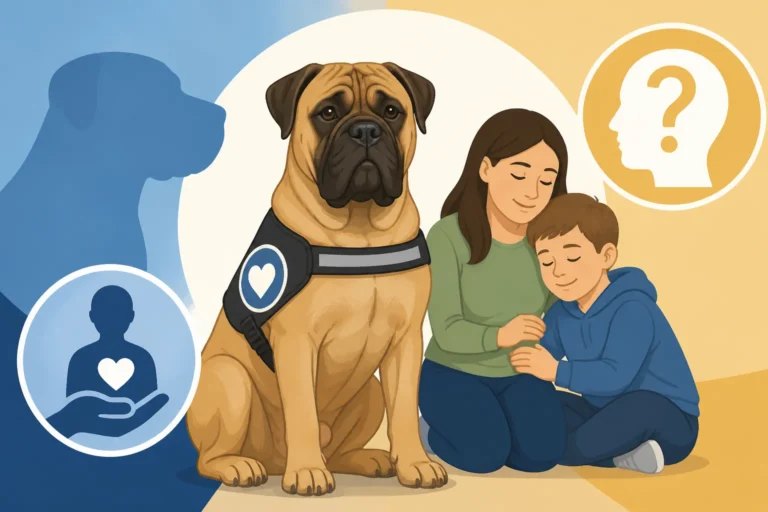
While often described as "gentle giants" indoors, the world outside is a vibrant, stimulating place, and a Bullmastiff's inherent temperament can certainly influence their behavior on a leash. They are known for being deliberate, thinking before they act, which can sometimes be misinterpreted as stubbornness. When something catches their attention – be it another dog, a person, or an intriguing scent – their protective instincts or natural curiosity can take over. They were A Bullmastiff Was Bred to Hold a Man, Not Bite Him, which means they are confident and often fearless. This confidence, combined with their size, means they don't easily back down from what they perceive as important, whether it's investigating a rustle in the bushes or deciding they absolutely must meet that poodle across the street. Understanding this deliberate nature is key. You can't simply drag a Bullmastiff; you have to convince them, motivate them, and guide them with consistent expectations. Their natural guarding instincts, though usually passive and protective rather than aggressive, can also manifest as a strong interest in their surroundings, making them more prone to pulling towards perceived threats or novelties. Recognizing these breed traits helps you anticipate their reactions and train proactively.
Essential Equipment for Leash Training Success
Choosing the right gear is not just about fashion; it’s about safety, control, and effective communication with your powerful Bullmastiff. The wrong equipment can exacerbate pulling, cause discomfort, or even injure your dog. Investing in the right tools from the start makes a world of difference.
Harnesses: The Right Choice for Control and Comfort
For a breed as robust as the Bullmastiff, a sturdy, well-fitting harness is often the unsung hero of leash training. Forget the flimsy ones designed for smaller dogs; you need something that can handle serious muscle. A back-clip harness, while comfortable, often gives a powerful dog like a Bullmastiff more leverage to pull, essentially turning them into a sled dog. This is where front-clip or "no-pull" harnesses shine. By attaching the leash at the dog's chest, any pulling action turns the dog sideways, redirecting their attention back to you rather than allowing them to surge forward. Brands like Balance Harness, Freedom No-Pull Harness, or Ruffwear offer robust options. When shopping for these, especially online on platforms like Amazon, pay close attention to sizing charts and material durability. You need wide, padded straps that won't chafe your dog's skin, particularly in their sensitive armpit area. A well-fitted harness should be snug but not restrictive, allowing full range of motion without slipping or rubbing. Some harnesses also have a handle on the back, which can be incredibly useful for quickly managing your Bullmastiff in tight spots or for added control when you need to prevent an accidental lunge.
Leashes: Durability and Length for a Giant Breed
Your leash is your direct line of communication with your Bullmastiff, so its quality and length are paramount. Opt for a strong, thick nylon or leather leash, ideally about 6 feet long. This length provides enough slack for your dog to explore a bit without getting too far ahead, while still keeping them close enough for you to maintain control. Resist the urge to use retractable leashes. While they might seem convenient, they teach your dog that pulling extends their range, which is the opposite of what you want. They also offer very little direct control when you suddenly need to stop or redirect your Bullmastiff, and the thin cord can cause severe rope burns or even break under the force of a full-grown Bullmastiff. For safety, ensure the hardware – the clasp that attaches to the harness – is heavy-duty and secure. A cheap clasp can bend or break, leading to a sudden, terrifying escape. Keeping a reliable, fixed-length leash is crucial for establishing consistent expectations about how far your dog can range and for effectively implementing training techniques.
Collars: More Than Just ID Tags
While a collar is essential for holding identification and rabies tags, it's generally not the primary tool for leash control with a Bullmastiff. A standard flat buckle collar should be worn, but relying on it for managing a puller can strain your dog's neck or throat. Martingale collars can be a good option for Bullmastiffs due to their thick necks, as they prevent the collar from slipping off without exerting constant pressure like a choke chain. When the dog pulls, the martingale tightens only enough to prevent escape. However, even with a martingale, the primary control for a pulling Bullmastiff should come from a well-fitted harness. Avoid choke chains, prong collars, or electronic collars for regular walking, especially if you're not experienced in their precise application. These tools can cause physical discomfort or pain, potentially leading to a negative association with walks or even behavioral issues if used incorrectly. Our goal is to build a positive relationship and teach appropriate behavior through guidance and reward, not aversion. When your Bullmastiff is well-trained, a simple flat collar is perfectly adequate for calm walks, but until then, use it for tags, and let the harness do the heavy lifting for control.
| Leash/Collar Type | Best Use for Bullmastiff | Pros | Cons |
|---|---|---|---|
| Front-Clip Harness | Primary control for walking | Redirects pulling, less strain on neck, good for training | Can tangle front legs if not fitted well, dog might chew straps |
| Back-Clip Harness | Good for already loose-leash walkers, car safety | Comfortable, doesn't interfere with natural gait | Gives pulling power, not ideal for training a puller |
| Flat Buckle Collar | ID tags, basic restraint | Simple, comfortable for ID | Ineffective for strong pullers, can cause neck strain |
| Martingale Collar | Prevents escape for thick-necked dogs | Tightens only to prevent slipping, gentle correction | Still applies pressure to neck, not ideal for severe pulling |
| Standard Fixed-Length Leash (4-6 ft) | Everyday walking and training | Durable, consistent communication, good control | No flexibility in length |
| Retractable Leash | Not recommended | None for Bullmastiffs | Teaches pulling, poor control, safety hazard |
Foundational Training Techniques for Leash Manners
Once you have the right gear, it's time to lay down the groundwork for good leash manners. This isn't just about stopping pulling; it's about building a partnership where your Bullmastiff understands and respects your cues, even when distractions abound.
Starting Early: Puppyhood Pointers
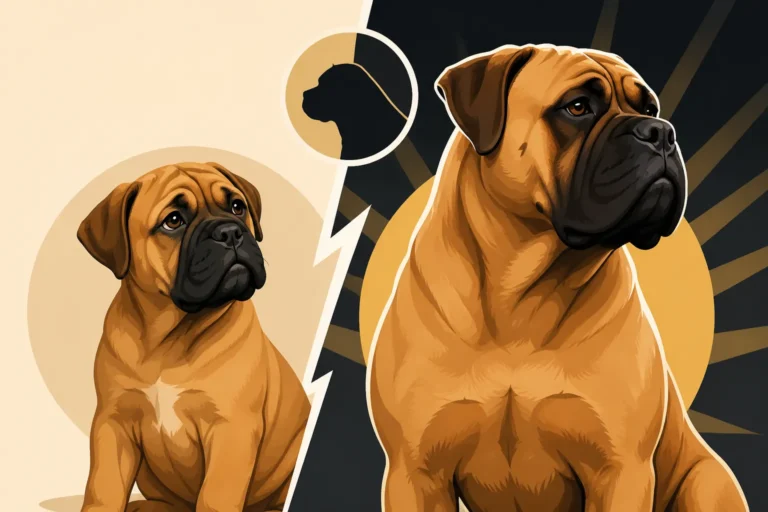
The best time to teach a Bullmastiff proper leash behavior is when they're a tiny, adorable lump that hasn't quite realized its full power yet. Introducing the leash and collar or harness early, even just for a few minutes at a time indoors, helps them get used to the feel. Positive reinforcement is key here – lots of treats, praise, and happy associations with the gear. Don't wait until they're a massive teenager. Start practicing short, fun "walks" around the living room or yard. The First Year With a Bullmastiff Puppy is crucial for setting these foundational behaviors. This early exposure helps them associate the leash with positive experiences, reducing resistance later on. Socialization is also paramount; introduce your puppy to different sights, sounds, and environments while on a leash. A well-socialized Bullmastiff is less likely to react fearfully or over-excitedly to novel stimuli, which often translates to calmer leash behavior. Enroll in a puppy class if you can – it's a fantastic environment for both of you to learn, and the trainer can offer hands-on guidance for handling your growing giant. Remember, what feels like a gentle tug with a small puppy can become a full-body drag with a strong adolescent.
The Art of Loose-Leash Walking
Teaching loose-leash walking is an exercise in patience and consistency. The goal isn't to walk with a perfectly taut leash, but one that hangs in a gentle "J" shape, indicating your Bullmastiff is walking beside you without tension. The moment your Bullmastiff puts tension on the leash, you stop. Not yank, not scold, just stop. Stand still until the leash loosens, even for a second, then immediately reward with a treat and praise, and start walking again. If they pull again, you stop again. This "stop-and-go" method teaches them that pulling gets them nowhere, but a loose leash earns them forward momentum and rewards. You might feel a bit silly stopping every few steps at first, but this consistency is vital. You can also incorporate a "watch me" command to get their attention before they get too distracted. Practice in low-distraction environments first, like your backyard, before moving to busier parks or sidewalks. Many owners find virtual training programs, like those offered by BAXTER & Bella, incredibly helpful for detailed, step-by-step guidance on loose-leash walking, allowing you to practice in your own environment at your own pace. The key is to reward the desired behavior – the loose leash – not just the absence of pulling.
Handling Distractions and Reactivity
Even with the best training, distractions will happen, and your Bullmastiff might react. A sudden squirrel darting across the path, another dog barking, or a child on a scooter can trigger a lunge or a hard pull. The strategy here is management and proactive intervention. Pay attention to your surroundings. If you see a potential distraction coming, immediately work to get your Bullmastiff's attention before they notice it. Use high-value treats to create positive associations. For example, if another dog approaches, start giving your Bullmastiff treats as soon as they notice the other dog, continuing until the dog passes. This teaches them that the presence of other dogs means good things happen, rather than a reason to pull or react. If they do lunge, use your front-clip harness to gently redirect them. Don't try to out-muscle them; instead, pivot your body and move in the opposite direction, making them follow you. This breaks their focus and requires them to re-engage with you. Consistency is crucial here. Every time you allow them to pull and get to the distraction, you reinforce the pulling behavior. For dogs with significant reactivity, consulting a professional trainer is highly recommended. Training a Bullmastiff That Weighs More Than You Do is a marathon, not a sprint, and dealing with these real-world challenges requires dedication.
Building Strength and Confidence for Both of You
Walking a powerful dog is as much about your physical and mental preparedness as it is about your dog's training. You are a team, and both members need to be up to the task.
Physical Conditioning for the Handler
Let's face it, wrangling a Bullmastiff can be a workout! While proper training minimizes the need for brute strength, it's still smart to be physically prepared. Core strength is your best friend when walking a large dog. A strong core helps you maintain your balance and stability if your dog makes an unexpected move, preventing you from being pulled off your feet. Regular exercise like planks, squats, and lunges can make a big difference in your ability to stand your ground. Beyond general fitness, focus on good posture and engaging your core when you walk. Keep your elbows bent and close to your body, holding the leash firmly but not rigidly, creating a stable anchor point. Your body acts as a counterbalance. If you anticipate a pull, brace yourself by planting your feet slightly apart and leaning slightly into the pull rather than away from it. This isn't about fighting your dog, but about safely redirecting their momentum. Think of it as being a steady tree rather than a bending reed. Remember, the goal is for your Bullmastiff to respect your cues, but having the physical capability to handle the unexpected adds an essential layer of safety and confidence to your walks.
Mental Preparation and Consistency
Walking a Bullmastiff who outweighs you isn't just a physical act; it's a mental game. Your dog picks up on your emotions. If you're anxious or unsure, they can sense it, which might make them more prone to pulling or testing boundaries. Approach each walk with a calm, confident demeanor. You are the leader, and your Bullmastiff looks to you for direction. Establishing a consistent routine also helps. Dogs thrive on predictability. Walk at similar times, use the same commands, and maintain the same expectations for leash manners every single time you step out the door. Inconsistency is a Bullmastiff's best friend when it comes to undesirable behaviors – if you let them pull "just this once," they learn that sometimes pulling works. This applies to everyone who walks your Bullmastiff; make sure all family members are on the same page with training techniques and commands. How Stubborn a Bullmastiff Is can be a factor if they perceive an opportunity to get their own way. Consistency ensures that expectations are clear, reducing confusion and making it easier for your Bullmastiff to learn what's expected of them. Your calm confidence becomes their calm confidence.
The Role of Professional Guidance
Sometimes, despite your best efforts, you might feel like you're hitting a wall, or perhaps your Bullmastiff's pulling or reactivity is becoming a safety concern. This is when seeking professional help is not just a good idea, but often essential. A certified professional dog trainer, especially one experienced with large, strong breeds, can provide invaluable insights and hands-on techniques tailored to your specific situation. They can observe your dog's behavior, identify the root cause of issues, and teach you how to effectively communicate and motivate your Bullmastiff. Look for trainers who use positive reinforcement methods and understand breed-specific traits. Avoid anyone who suggests harsh corrections or force, as this can damage your relationship with your Bullmastiff and potentially escalate behavioral problems. A good trainer can not only refine your loose-leash walking skills but also help you address any underlying behavioral challenges, like fear, over-excitement, or even Same Sex Aggression in Bullmastiffs that might be contributing to difficult walks. Think of it as investing in a happier, safer future for both you and your magnificent companion.
Advanced Tips and Troubleshooting Common Issues
Even with a solid foundation, owning a Bullmastiff means you'll encounter unique challenges. Knowing how to troubleshoot common issues can prevent frustration and keep your walks enjoyable.
What to Do When Your Bullmastiff Refuses to Move
Ah, the "Bullmastiff plant." It's a classic move where your gentle giant decides, for reasons known only to them, that they are not moving another inch. This can be infuriating, especially when you're on a busy sidewalk! Why a Bullmastiff Pauses Before Obeying is often less about defiance and more about their deliberate nature, or perhaps a sudden distraction or discomfort. The worst thing you can do is pull harder; a Bullmastiff's weight and stubbornness will almost always win that battle. Instead, try to re-engage them. Use an upbeat, happy voice to call their name, jiggle a high-value treat in front of their nose, or offer a favorite toy. Sometimes simply changing direction, even a tiny shift, can break their focus and get them moving. If they're truly dug in, walk a few steps away from them (while still holding the leash, of course), call them, and when they eventually take a step towards you, reward them lavishly. This teaches them that coming with you is rewarding. Patience is paramount here. Don't make a big deal out of it; remain calm, persistent, and more interesting than whatever has captured their attention (or lack thereof).
Managing Multiple Dogs on Leash
If you're lucky enough to have more than one Bullmastiff, or a Bullmastiff paired with another strong dog, walking them together adds another layer of complexity. The combined force of two large dogs pulling can be overwhelming. Ideally, each dog should be trained to walk politely on its own before attempting tandem walks. When you do walk them together, consider using a splitter or a coupler that attaches to two leashes, or simply walk one on each side of you, holding their individual leashes. However, for initial training, walking them separately is often more effective. This allows you to focus solely on each dog's individual leash manners without the added distraction or potential for one dog to egg the other on. Ensure both dogs are wearing appropriate harnesses, like front-clip harnesses, to manage their individual pulling power. If one dog is a strong puller and the other is a good loose-leash walker, the puller can quickly teach the good walker bad habits. For serious multi-dog challenges, a professional trainer can help you master the coordination and control needed to walk your pack safely and enjoyably.
Walking in Different Environments
Once your Bullmastiff is doing well in low-distraction environments, it's time to slowly introduce them to more varied settings. Walking in a quiet park is very different from navigating a bustling downtown sidewalk or a crowded farmers market. Each new environment presents its own set of unique smells, sounds, and people, all of which can be intensely stimulating for a Bullmastiff. Start with short excursions to slightly busier areas and gradually increase the duration and intensity of the environment. Always be hyper-aware of your surroundings. If you anticipate a challenging situation (like a group of children running by or a dog park with many off-leash dogs), preemptively get your Bullmastiff's attention with a "watch me" command and reward them heavily for maintaining focus on you. This teaches them to look to you for guidance in potentially overwhelming situations. Remember, a Bullmastiff's safety and well-being, especially in places where they might overheat, is crucial. When It Is Too Hot to Walk a Bullmastiff is a factor, as their short muzzle makes them susceptible to heatstroke. Always prioritize their comfort and safety over completing a long walk. By gradually exposing them to different environments and maintaining consistent training, you build their confidence and reinforce good behavior, no matter where your adventures take you.
Disclaimer
This article is for general informational purposes only and does not constitute professional advice. Laws, prices and regulations vary by location and change over time. Consult a qualified professional for guidance on your specific situation.