How Sensitive a Bullmastiff Is
If you're a Bullmastiff owner, or considering becoming one, you've probably noticed something unique about their temperament: they can be incredibly sensitive. It’s easy to mistake a thoughtful pause for stubbornness, or a worried look for defiance, but often, it's a deep-seated sensitivity that influences how they interact with the world around them. This guide will help you understand the nuances of a Bullmastiff’s sensitive nature, how it impacts their behavior and training, and how you can foster a strong, trusting bond with your gentle giant.
The Bullmastiff's Temperament: A Closer Look at Sensitivity
Bullmastiffs are majestic dogs, often described as "gentle giants," but beneath that formidable exterior lies a tender heart. Their sensitivity isn't a weakness; rather, it's a defining characteristic that shapes their responses to their environment, their human companions, and even other animals. Understanding this core trait is paramount to building a successful relationship with your Bullmastiff. They are attuned to subtle shifts in emotion and atmosphere in a way that many other breeds might not be, making them deeply empathetic but also easily overwhelmed if not handled with care.
Emotional Sensitivity to Your Tone and Mood
One of the most striking aspects of a Bullmastiff's sensitivity is how acutely they pick up on human emotions, especially yours. Raise your voice in anger, even if it's not directed at them, and you might see your Bullmastiff slump, retreat, or look genuinely distressed. They don't just hear the words; they feel the intention and the energy behind them. This isn't always about being "guilty" of something; it's often a direct response to perceived tension or sadness.
Imagine a typical evening: you've had a tough day, and you walk through the door feeling stressed. Your Bullmastiff might greet you with their usual enthusiasm, but if your energy is off, you might notice them quiet down quickly, perhaps leaning into you more than usual, or even giving you more space. They're processing your mood. Yelling at them, even for something like a house training accident, can be particularly damaging. Instead of learning, a sensitive Bullmastiff might shut down, becoming fearful or anxious, which then makes future training much harder. They thrive on calm, consistent energy and a stable emotional environment, which helps them feel secure and understood.
Physical Sensitivity to Correction and Handling
Given their size and strength, you might assume a Bullmastiff needs a firm, heavy-handed approach to training. However, nothing could be further from the truth. Bullmastiffs are remarkably sensitive to physical corrections. A harsh yank on the leash, a tap on the nose, or any form of intimidation can easily backfire, leading to a dog that is either fearful and submissive or, paradoxically, more resistant and withdrawn. Their powerful build means they could be intimidating, but their spirit is often quite soft.
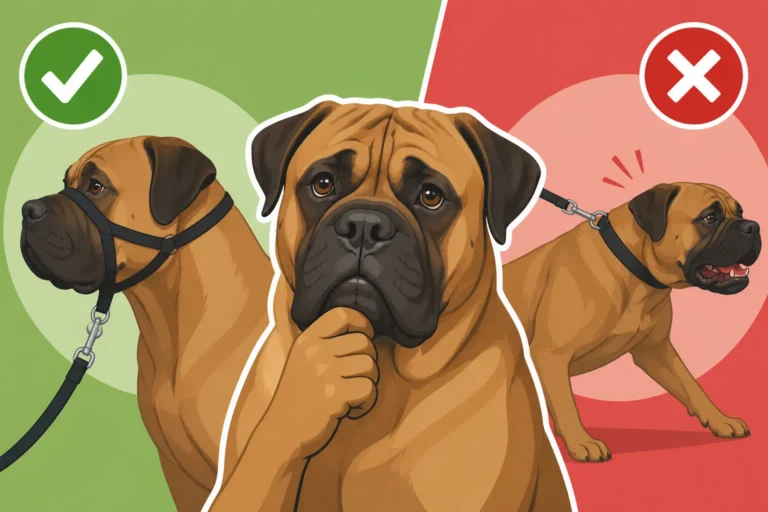
Consider leash training, a common challenge for many large breeds. If you're constantly yanking the leash to correct pulling, your Bullmastiff might learn to dread walks or develop an aversion to the leash entirely. Instead, they respond much better to gentle guidance, positive reinforcement, and clear communication. If you're struggling with a Bullmastiff that pulls on the leash, you might find that equipment designed for gentle pressure, like a front-clip harness or head halter, combined with consistent positive training, yields far better results than harsh corrections. They remember unpleasant physical experiences vividly and can easily become distrustful if they feel unfairly treated or roughly handled. This is why understanding Why Harsh Correction Fails on a Bullmastiff is so important.
Understanding Their Deliberate Nature, Not Stubbornness
Many Bullmastiff owners, especially those new to the breed, often describe their dogs as stubborn. They might give you "the look" when asked to do something, or take their sweet time responding to a command. While it can certainly feel like stubbornness in the moment, it's often more accurately interpreted as a combination of their thoughtful, deliberate nature and their underlying sensitivity. They're not intentionally trying to defy you; they're processing, evaluating, and sometimes, simply deciding if your request is worth their effort or if there's a perceived threat or discomfort. This "pause" is a hallmark of the breed's intelligence and independent thought. It's often said that The Bullmastiff That Pauses to Decide Whether You Are Worth It is a common trait.
The Thought Process Behind Their "Pause"
Unlike some high-drive breeds that react instantly to commands, a Bullmastiff tends to take a moment. This pause isn't necessarily defiance; it's a processing delay. They might be weighing the command against their current comfort level, external distractions, or even their understanding of why you're asking them to do something. They're not automatons; they're thinkers. This internal dialogue often involves assessing the reward for compliance versus the effort required, or evaluating if the situation feels safe and predictable.
For example, asking your Bullmastiff to "come" in a distracting environment might result in a slow, meandering response, or even a direct stare as they consider their options. They're not ignoring you as much as they're deciding if the squirrel is more interesting or if your call carries enough weight to warrant interrupting their focus. This thoughtfulness requires patience and consistency from their owners. Pushing them too hard during this "pause" can trigger their sensitive side, causing them to retreat further rather than comply. It's about respecting their internal process while still providing clear leadership.
How Their Sensitivity Affects Training
Their sensitive and deliberate nature profoundly impacts training. Traditional, coercive training methods that rely on intimidation or heavy-handed corrections will almost always fail with a Bullmastiff. Instead, they thrive on positive reinforcement, clear communication, and rewards-based training. They need to understand what you want, feel secure in attempting it, and believe there's a worthwhile payoff for their cooperation. This means patience, high-value treats, and praise become your best tools.
Training a Bullmastiff is less about forcing compliance and more about building a partnership based on mutual respect and understanding. If your Bullmastiff seems to be "ignoring" a cue they know, it might not be defiance but a moment of doubt or a response to an unnoticed external factor. This is where high-quality training resources, such as those offered by BAXTER & Bella's online puppy school, can be incredibly valuable. They emphasize positive, trust-building methods that resonate well with a sensitive breed. Consistent, short training sessions, ending on a positive note, are much more effective than long, frustrating ones. Knowing What Motivates a Bullmastiff will be your secret weapon, whether it's a favorite treat, a squeaky toy, or simply your enthusiastic praise.
Environmental Sensitivity and Socialization
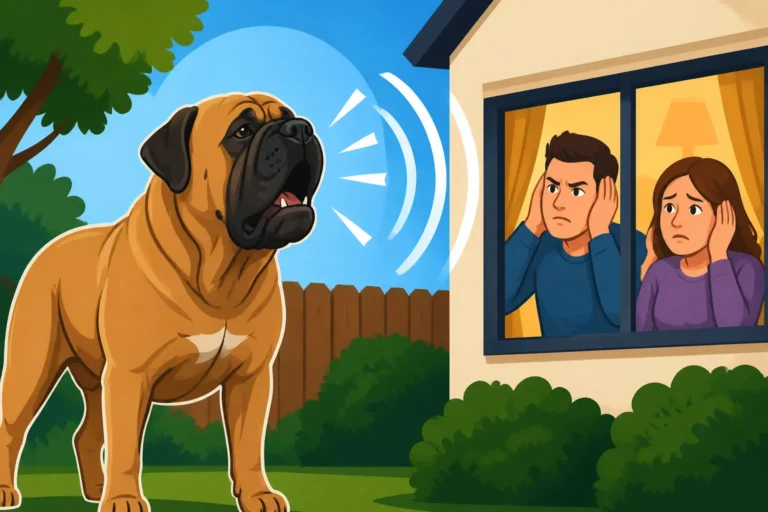
Beyond their direct interactions with you, Bullmastiffs can also be quite sensitive to their environment. Loud noises, unfamiliar places, and chaotic situations can be overwhelming for them, often leading to anxiety or avoidance behaviors. This isn't shyness; it's their intrinsic guarding nature combined with a strong desire for predictability and safety. Their role as a "silent guard" meant they had to be keenly aware of their surroundings, and that hyper-awareness often translates into a sensitivity to sudden or unexpected stimuli.
Reacting to Loud Noises and Busy Environments
Imagine taking your Bullmastiff to a bustling city park on a weekend, or a noisy outdoor market. While some dogs might revel in the stimulation, a sensitive Bullmastiff might become visibly stressed. Loud bangs, sudden screams from children, or the constant whir of traffic can be unsettling. You might see them try to hide behind you, pull desperately on the leash to leave, or even freeze in place. This isn't ideal for a dog that needs to be confident and well-socialized.
Early and consistent, positive exposure to a variety of sights and sounds is crucial. This means controlled, gradual introductions rather than being thrown into the deep end. Start with quiet walks in new neighborhoods, then gradually introduce slightly busier areas, always ready to retreat if your dog shows signs of distress. Use high-value treats to create positive associations with these experiences. For sound-sensitive dogs, desensitization soundtracks, often available on platforms like Amazon, can be helpful when played quietly at home, gradually increasing volume over time. Remember, the goal is not to eliminate their sensitivity but to build their confidence in navigating a complex world.
Sensitivity in Social Interactions with Strangers and Other Dogs
Bullmastiffs are naturally reserved with strangers, a trait stemming from their original purpose as estate guardians. They don't typically rush up to everyone with wagging tails. This reserve, combined with their sensitivity, means they need careful, positive introductions to new people and other dogs. They observe and assess, often taking their time to decide if someone is worthy of their trust. A direct, overbearing approach from a stranger can be perceived as a threat, causing the Bullmastiff to either retreat or, if feeling cornered, to react defensively.
When introducing your Bullmastiff to new people, advocate for your dog. Ask people to approach slowly, avoid direct eye contact initially, and let the Bullmastiff approach them on their own terms. For interactions with other dogs, careful selection of playmates is essential. They generally prefer calm, well-mannered dogs over overly boisterous ones. A negative experience with another dog can leave a lasting impression on a sensitive Bullmastiff. Socialization should always be about quality over quantity, ensuring positive experiences that reinforce their confidence rather than eroding it. Read up on How a Bullmastiff Greets a Stranger to better understand their typical cautious approach.
Practical Approaches to Managing a Sensitive Bullmastiff
Living with a sensitive Bullmastiff is incredibly rewarding, but it does require a specific approach to care and training. It's about creating an environment where their gentle nature can flourish, and they feel secure enough to trust your guidance. Remember, you're raising a large, powerful dog, and while they are sensitive, they still need clear boundaries and consistent expectations. The key is delivering these with kindness and understanding.
Building Trust Through Positive Reinforcement
The cornerstone of working with a sensitive Bullmastiff is building and maintaining trust. This means relying almost exclusively on positive reinforcement training. When your Bullmastiff performs a desired behavior, reward them immediately with something they truly value – a favorite treat, enthusiastic praise, or a quick game with a special toy. This creates a strong positive association, making them more likely to repeat the behavior. Avoid punishment or harsh corrections, as these erode trust and can make a sensitive Bullmastiff fearful or withdrawn. Instead of punishing an unwanted behavior, redirect it to an acceptable one and reward that.
For example, if your Bullmastiff nudges your hand for attention, instead of pushing them away, teach them to sit politely for attention, and then reward the sit. This teaches them what to do rather than what not to do. Consistency is also vital. Everyone in the household needs to be on the same page with commands and rewards. Inconsistent responses can confuse a sensitive dog and make them hesitant to try. A great resource for structured, positive reinforcement training that caters to the complexities of dog behavior is the BAXTER & Bella online puppy program, which can guide you through these crucial steps with a sensitive breed. It's about nurturing their willingness to cooperate, not forcing it.
Creating a Secure and Predictable Environment
A predictable routine and a safe, stable home environment are invaluable for a sensitive Bullmastiff. Knowing what to expect reduces anxiety and allows them to relax and thrive. This includes consistent feeding times, regular potty breaks, and a predictable schedule for walks and playtime. Changes in routine, even minor ones, can be upsetting, so introduce new elements gradually and with plenty of reassurance.
Provide your Bullmastiff with a designated safe space, like a comfortable crate or a special bed in a quiet corner. This is their sanctuary, where they can retreat when they feel overwhelmed or just need some alone time. Ensure this space is always positive and never used for punishment. Make sure their sleeping arrangements are comfortable; remember Bedding and Joints for a Hundred and Thirty Pound Bullmastiff are important for their long-term health. Regularly inspect their favorite spots for wear and tear and replace items as needed to maintain their comfort. The goal is to make their world feel as secure and manageable as possible, so their sensitive nature doesn't become a source of constant stress. This stable base also helps when you need to introduce new concepts, like teaching a young [Bullmastiff Puppy to Walk on Leash].
The Importance of Early, Gentle Socialization
Because of their inherent protectiveness and sensitivity, early and careful socialization is absolutely non-negotiable for a Bullmastiff. This doesn't mean dragging them to every dog park or throwing them into boisterous puppy classes. Instead, it means controlled, positive exposures to a wide variety of people, places, sounds, and other calm, vaccinated dogs, starting from a very young age. The emphasis should always be on quality over quantity, ensuring each experience builds confidence rather than fear.
For example, introduce your puppy to different types of people – men with hats, children, people with mobility aids – one at a time, always pairing the new experience with high-value treats and praise. Allow them to observe from a distance at first, gradually reducing the distance as they show comfort. Supervised positive interactions with calm adult dogs who teach good manners are incredibly beneficial. A sensitive Bullmastiff needs to learn that the world isn't a scary place and that new things can be associated with good outcomes. This proactive, gentle approach helps shape a well-adjusted adult dog that can navigate various situations without becoming overly anxious or reactive. This is especially true for interactions with children; How a Bullmastiff Behaves With Children is often a testament to early, gentle socialization.
| Trait | What It Looks Like | How to Respond |
|---|---|---|
| Emotional Sensitivity | Retreats, slumps, avoids eye contact when voice is raised or mood is tense. | Maintain calm, consistent tone. Use gentle reassurance. Adjust your energy first. |
| Physical Sensitivity | Shies away from firm handling, pulls back from leash corrections. | Use positive reinforcement only. Employ gentle leader or front-clip harness. Avoid physical punishment. |
| Deliberate Nature | Takes a moment to respond to commands, "the Bullmastiff stare." | Be patient. Repeat command clearly. Wait for response. Reward heavily when they comply. |
| Environmental Sensitivity | Appears stressed or overwhelmed by loud noises, busy crowds, new places. | Gradual, positive exposure. Create positive associations with treats. Provide a safe retreat. |
| Social Sensitivity | Reserved with strangers, cautious with new dogs. | Allow them to approach on their terms. Supervise interactions. Prioritize calm, positive experiences. |
Understanding and embracing your Bullmastiff's sensitivity is key to unlocking their true potential as a loving, loyal companion. They may not be the fastest to respond, or the most outgoing in new situations, but their deep emotional connection and thoughtful nature make them incredibly rewarding dogs for those who are willing to meet them with patience, kindness, and understanding.
Disclaimer
This article is for general informational purposes only and does not constitute professional advice. Laws, prices and regulations vary by location and change over time. Consult a qualified professional for guidance on your specific situation.