Whether a Dog Park Suits a Bullmastiff
As a Bullmastiff owner, you’ve probably looked at those bustling dog parks, full of happy pups running free, and wondered if your big, lovable guardian would enjoy it. It’s a completely natural thought! We all want our dogs to be well-socialized and have fun, but the truth is, the chaotic energy and unpredictable nature of many dog parks can be a real gamble for a breed as unique and powerful as a Bullmastiff. This guide will help you weigh the realities and decide if a dog park is truly the right environment for your gentle giant, or if safer, more controlled alternatives might be a better fit.
Understanding Your Bullmastiff's Unique Temperament
Before we even consider stepping paw into a dog park, it's absolutely vital to grasp the core of what makes a Bullmastiff tick. They aren't your average Golden Retriever or Labrador, and understanding their inherent traits is key to ensuring their safety and the safety of others. Their history as "gamekeepers' night dogs" profoundly shaped their temperament, making them different from many other breeds.
The Instinct to Guard and Protect
Bullmastiffs were specifically bred to be guardians, to silently track and hold poachers without mauling them. This means they possess a strong protective instinct, often perceiving strangers or unusual situations with a discerning eye. They aren't typically "everyone's friend" like some breeds. While wonderfully affectionate with their own families, their default setting with unknowns is often quiet observation, sometimes aloofness, and if they perceive a threat, decisive action.
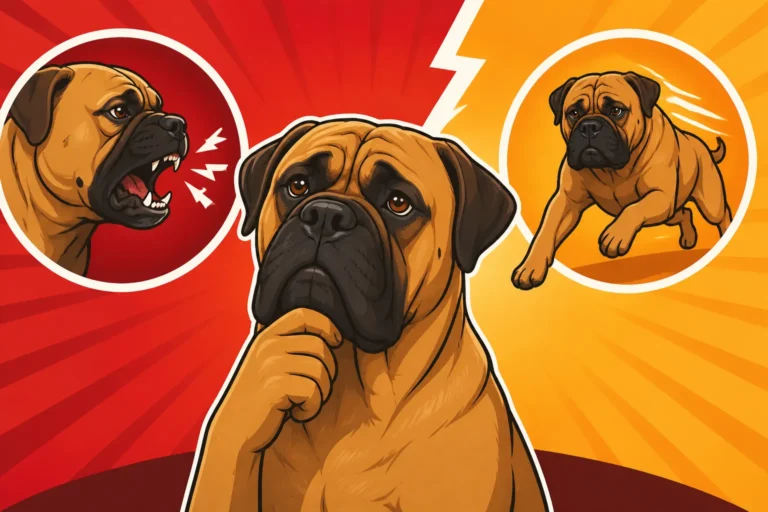
In a dog park, this can translate into a few scenarios. Imagine a boisterous, off-leash dog rushing your Bullmastiff. While many dogs might see this as an invitation to play, your Bullmastiff might interpret it as an infringement on your space or even a challenge. Their response, while hopefully not aggressive, could be a stiffening, a low growl, or a body block that sends the smaller dog tumbling. It's not malice; it's instinct. It’s important to remember that A Bullmastiff Was Bred to Hold a Man, Not Bite Him, but the sheer size and power of a Bullmastiff mean even a defensive action can have serious consequences for a smaller, less robust dog.
This protective streak extends to you, their human. If another dog gets too rough with you, or even just jumps up playfully, your Bullmastiff might step in, placing themselves between you and the perceived "threat." This can be terrifying for the other dog's owner and could escalate a situation quickly. Their silent, deliberate nature can also be a double-edged sword; they don't always give obvious warning barks or growls before acting, which is a major factor to consider in an uncontrolled social setting.
Socialization is Key, But Not Always in Crowds
It's a common misconception that throwing a dog into a dog park is the best way to socialize them. For a Bullmastiff, true socialization is about building confidence, understanding appropriate boundaries, and learning how to exist calmly around other dogs and people, rather than just tolerating chaos. For a Bullmastiff puppy, this means careful, positive introductions to a wide variety of sights, sounds, people, and well-behaved dogs in controlled environments.
Exposing a young Bullmastiff to overwhelming dog park experiences too early can actually backfire, leading to fear or reactivity. A Bullmastiff puppy is growing incredibly fast, and what seems like rough-and-tumble play can quickly become dangerous if size differences aren't respected. It's crucial to remember that When a Bullmastiff Finishes Maturing isn't until they're about three years old, meaning their emotional maturity lags behind their physical size. This prolonged adolescence requires patience and careful guidance, especially regarding social interactions.
Instead of a free-for-all, think about structured playdates with known, stable dogs, or enrollment in obedience classes where they learn to focus on you amidst distractions. The goal is positive experiences that build good habits, not just exposure. Your Bullmastiff needs to learn that other dogs can be friendly, but also that they need to look to you for guidance in new situations. This kind of controlled socialization builds a solid foundation for their adult temperament.
Potential for Same-Sex Aggression
It’s an uncomfortable truth for many Bullmastiff owners, but same-sex aggression, particularly between two males, can be a real concern for the breed. While not every Bullmastiff will exhibit this, the predisposition is there due to their guarding heritage and strong personalities. Dog parks are, by definition, environments where dogs of varying temperaments, training levels, and sexes are interacting without much oversight.
Imagine bringing your otherwise well-behaved male Bullmastiff to a park, only to encounter another intact or assertive male. What might start as a stiff body posture or intense stare can quickly escalate. Bullmastiffs are powerful dogs, and a fight between two of them can be devastating, not only for the dogs involved but also for anyone trying to break it up. Same Sex Aggression in Bullmastiffs is a serious topic that needs to be acknowledged and planned for.
Even females can exhibit same-sex intolerance, though it might manifest differently, perhaps with more posturing or resource guarding. The problem with a dog park is that you cannot control the other dogs, their owners, or their previous experiences. A single negative interaction can quickly sour your Bullmastiff's opinion of other dogs, leading to lasting issues that are much harder to address than preventing the situation in the first place.
Assessing the Dog Park Environment
So, you understand your Bullmastiff a bit better. Now, let’s talk about the actual dog park. Not all dog parks are created equal, and some are definitely more suitable (or less unsuitable) than others. It's not just about the space, but the culture and the people who frequent it.
Size, Layout, and Fencing Matters
First and foremost, a dog park for a Bullmastiff needs to be adequately sized and securely fenced. A tiny, crowded patch of grass where dogs are constantly bumping into each other is a recipe for disaster. Bullmastiffs need space – space to move, space to observe, and space to retreat if they feel overwhelmed. A larger park with distinct areas, perhaps even a separate section for smaller dogs, can be a better option, as it helps prevent accidental collisions or perceived threats.
Look at the fencing. Is it truly secure? A Bullmastiff can be surprisingly agile when motivated, and while they aren't typically escape artists, a flimsy fence is an open invitation for trouble, especially if they decide to "guard" something or someone on the other side. You need fences tall and sturdy enough to contain a powerful dog that weighs well over a hundred pounds. Also, consider the ground. Is it soft grass or hard, abrasive gravel? For a large, heavy-boned breed prone to joint issues, softer surfaces are always preferable for their comfort and long-term joint health. Bedding and Joints for a Hundred and Thirty Pound Bullmastiff is something to keep in mind even when considering their exercise environment.
Finally, think about the layout. Are there hidden corners or blind spots where a dog fight could break out unnoticed? Are there water stations and shaded areas, which are absolutely crucial for a breed that can overheat so easily? Why Eighty Degrees Is Dangerous for a Bullmastiff is not an exaggeration. Overheating can happen rapidly, even on a seemingly mild day, if they are exerting themselves in direct sun with no access to water or shade.
Observing the Human Element
This is arguably the most critical factor. A dog park is only as good as its human visitors. Are the owners attentive, engaged, and responsible? Or are they distracted by phones, chatting, or letting their dogs run wild without any supervision? A good dog park experience relies on owners who understand their own dog's behavior, intervene when necessary, and respect other dogs and their people.
Before you even bring your Bullmastiff in, take some time to observe from a distance. Watch how owners interact with their dogs and with each other. Do they break up intense play? Do they retrieve their dog if it’s bothering another? Are there owners who bring in dogs that are clearly aggressive, overly dominant, or resource guarders? These are huge red flags. Even the most well-behaved Bullmastiff can be provoked or injured by an unruly dog whose owner isn't paying attention.
It's also worth noting how people react to your Bullmastiff's size. Some people are genuinely intimidated, while others might think it's fun to let their small dog "play" with a giant, without understanding the risk. You, as the owner, will often be the first line of defense, educating others or removing your dog from potentially unsafe interactions. Don't be afraid to leave if the vibe isn't right; your dog's safety is paramount.
The Mix of Dogs Present
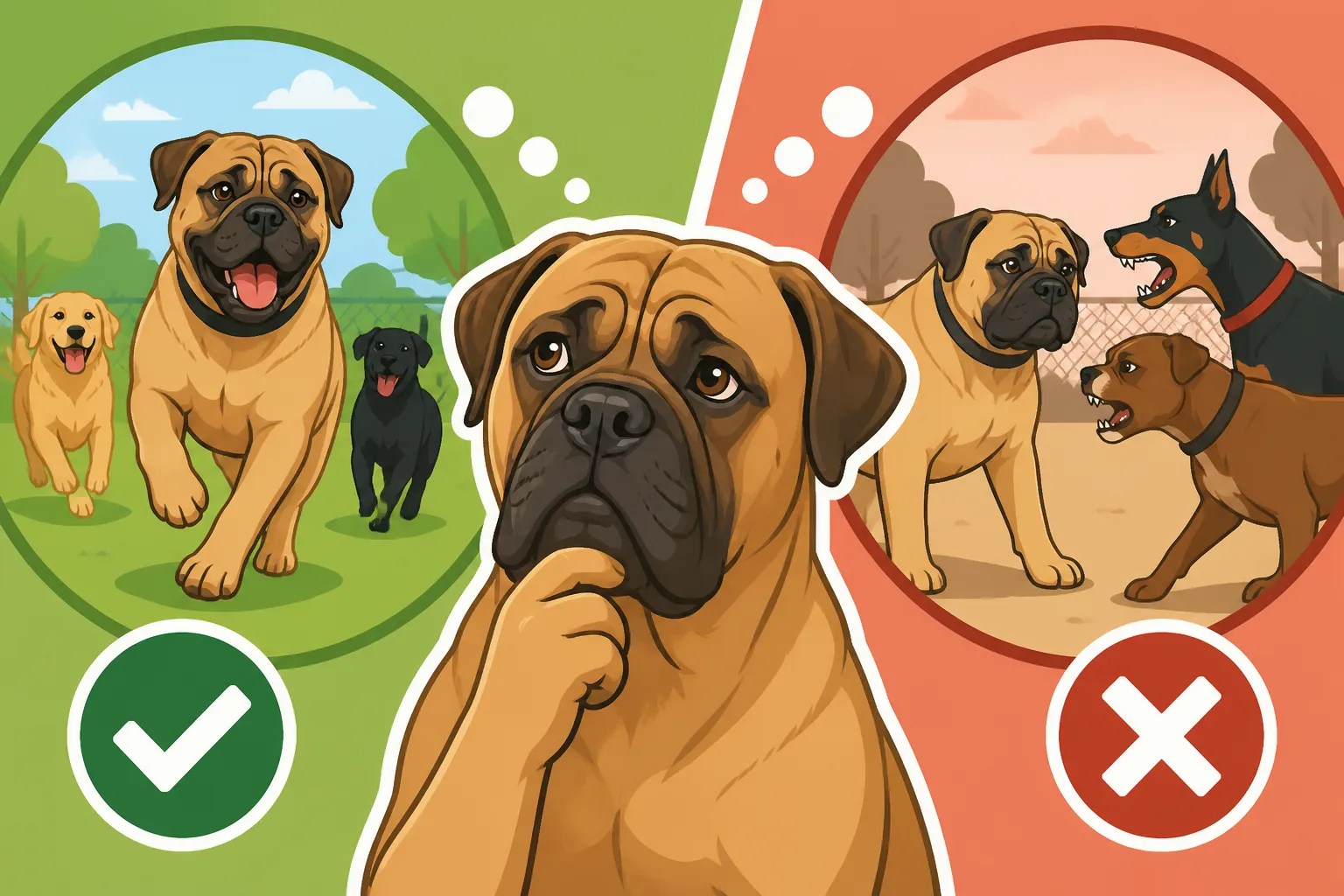
The type of dogs typically present at a dog park can make or break the experience for your Bullmastiff. Are they mostly small, yappy dogs? Overly rambunctious adolescents? Or a calm mix of well-socialized adults? A Bullmastiff, with its deliberate nature and immense size, might not enjoy or even be safe in a park dominated by high-energy, fast-moving dogs that view them as a giant plaything.
Consider the energy levels. A Bullmastiff often prefers a good sniff around and a brief, respectful interaction over relentless, high-speed chasing. If the park is full of dogs that thrive on constant, physical play, your Bullmastiff might quickly become overwhelmed or annoyed. This is where their "patience to decide if you are worth it" temperament comes in; they might tolerate it for a bit, but then their tolerance runs out, and their sheer mass can accidentally cause harm.
Also, look for signs of appropriate play versus bullying. Are dogs taking breaks? Are their body languages relaxed? Or are there dogs consistently pinning, chasing, or ganging up on others? A Bullmastiff is not usually one to instigate trouble, but they will defend themselves. If they are repeatedly pestered or challenged, their patience will wear thin. It's a sad reality that some dog park regulars might mistake your Bullmastiff's quiet demeanor for weakness or an invitation to be rude.
Alternatives and Preparing Your Bullmastiff for Socialization
If a traditional dog park seems too risky or simply not a good fit after your careful assessment, don't despair! There are many excellent ways to socialize and exercise your Bullmastiff that are far more controlled and often more beneficial.
Structured Socialization and Training
Instead of the free-for-all of a dog park, consider organized activities. Puppy classes, followed by intermediate and advanced obedience classes, are invaluable. They teach your Bullmastiff to focus on you even with distractions, provide controlled exposure to other dogs, and strengthen your bond and communication. Brands like BAXTER & Bella offer online puppy training programs that are fantastic for getting a head start on foundational skills in a low-stress home environment, before even thinking about public settings. Learning how to manage How Stubborn a Bullmastiff Is in a controlled class setting is far better than in a chaotic park.
Group walks with trusted dog-owning friends can also be wonderful. This allows your Bullmastiff to learn how to walk politely alongside other dogs, practice good leash manners, and enjoy the company without the pressure of off-leash interactions. How to Walk a Bullmastiff That Outweighs You is a skill best honed in predictable settings, not suddenly tested when a squirrel or another dog causes a lunging incident in a park.
Enrolling in dog sports like Canine Good Citizen classes, therapy dog work (if your Bullmastiff has the temperament), or even just trick training can provide immense mental stimulation and build confidence. These activities offer structured interaction with other dogs and people under supervision, fostering positive associations. Remember, What Mental Work a Bullmastiff Needs is just as important as physical exercise.
One-on-One Playdates and Controlled Settings
For actual play with other dogs, opt for one-on-one playdates with dogs you know and trust, ideally in a secure, private yard. This allows you to supervise closely, ensure appropriate play, and intervene immediately if things get too rough or uncomfortable for either dog. Introducing new dogs slowly, on neutral territory, and then moving to a secure area, is always the safest bet.
If you absolutely want your Bullmastiff to have off-leash time with other dogs, seek out private dog groups or clubs that rent secure fields or facilities. These often have strict membership rules, ensuring that all dogs are well-vetted, vaccinated, and have non-aggressive temperaments. This provides the social interaction without the constant worry of unpredictable dogs or irresponsible owners.
Even walking your Bullmastiff in less crowded, well-maintained parks where dogs are required to be on-leash can offer valuable exposure to different sights and sounds without the stress of off-leash interactions. A sturdy, comfortable leash and harness, easily found on platforms like Amazon, are essential for these outings. This allows your Bullmastiff to enjoy the outdoors, observe the world, and bond with you, which is truly what they cherish most. How Much Exercise a Bullmastiff Needs is often less than people think, and quality, controlled walks are far better than chaotic sprints.
Potential Risks and Mitigation Strategies
Even with the best intentions and careful assessment, dog parks carry inherent risks for any dog, and especially for a Bullmastiff. Being prepared for these possibilities is part of responsible ownership.
Aggression and Conflict
The most obvious risk is conflict. As discussed, Bullmastiffs can be protective and may react to perceived threats or overly boisterous dogs. A smaller dog might try to assert dominance or incessantly harass your Bullmastiff, who might tolerate it for a while, but then react with a force that is disproportionate to the instigation, simply due to their size.
Mitigation:
- Know your dog's limits: Pay attention to your Bullmastiff's body language. Signs of discomfort include lip licking, yawning, turning away, stiff body, raised hackles, or a low growl. If you see these, it’s time to leave.
- Avoid peak hours: Crowded parks increase the likelihood of unwelcome interactions. Choose times when fewer dogs are present.
- Keep your distance: If a particular dog or group of dogs seems overly rowdy or aggressive, steer your Bullmastiff clear. You are your dog’s advocate.
- Practice recall: Your Bullmastiff must have a reliable recall in a distracting environment. If a situation starts to escalate, you need to be able to call them away instantly. How Reliable a Bullmastiff's Recall Is can be challenging, so consistent training is vital.
- Consider a muzzle (for training, not punishment): A well-fitted basket muzzle, which allows for panting and drinking, can be a valuable tool during initial controlled introductions or if you are concerned about your dog's reactions in a new environment. It's a safety measure, not a sign of an aggressive dog, and allows for learning in a secure way.
Injuries and Health Hazards
Beyond outright fights, injuries can occur accidentally due to size disparity during play, or even just running on uneven terrain. Bullmastiffs are heavy, and while sturdy, they can still suffer sprains, strains, or impact injuries.
Mitigation:
- Check the ground: Ensure the park surface is safe and free of debris that could cut paws.
- Watch for lameness: If your Bullmastiff suddenly limps or is favoring a leg after running or playing, get them out of the park and consult your vet. Hip Dysplasia in a Bullmastiff and Elbow Dysplasia in a Bullmastiff are concerns for the breed, and vigorous, uncontrolled activity can exacerbate these issues.
- Hydration and cooling: Always bring fresh water and a bowl. Monitor your Bullmastiff for signs of overheating, especially on warmer days. If they are panting excessively, drooling heavily, or stumbling, get them to a cool, shaded area immediately and offer water.
- Vaccinations and parasite prevention: Ensure your Bullmastiff is fully vaccinated and up-to-date on all parasite preventatives. Dog parks are hotbeds for illnesses like kennel cough, canine influenza, giardia, and fleas/ticks. Your vet can advise on the best protocol for your area.
Overwhelm and Stress
For a thoughtful, deliberate breed like the Bullmastiff, constant stimulation and unpredictable encounters can be incredibly stressful, even if no overt aggression occurs. Stress can manifest in subtle ways, from excessive panting to a change in appetite or increased anxiety at home. A dog that is constantly stressed during outings isn't having a good time, and it's not beneficial for their mental well-being.
Mitigation:
- Short visits: If you do decide to visit a dog park, keep initial visits very short, perhaps 15-20 minutes, to gauge your dog's reaction.
- Read the room (and your dog): If the park is too busy, too loud, or if your Bullmastiff seems overwhelmed, leave. Don't push them to "just get used to it."
- Cool-down periods: Allow your Bullmastiff to decompress after a park visit. A quiet walk on leash or some calm time at home can help them process the experience.
- Prioritize quality over quantity: A few well-managed, positive interactions with known dogs are far more valuable than frequent, stressful visits to a crowded dog park.
Ultimately, the decision of whether a dog park suits your Bullmastiff is a personal one, and it largely depends on your individual dog's temperament, your ability to read and manage situations, and the specific dog park environment itself. For many Bullmastiff owners, the risks outweigh the benefits, and they find more controlled, safer ways to socialize their magnificent companions.
Disclaimer
This article is for general informational purposes only and does not constitute professional advice. Laws, prices and regulations vary by location and change over time. Consult a qualified professional for guidance on your specific situation.