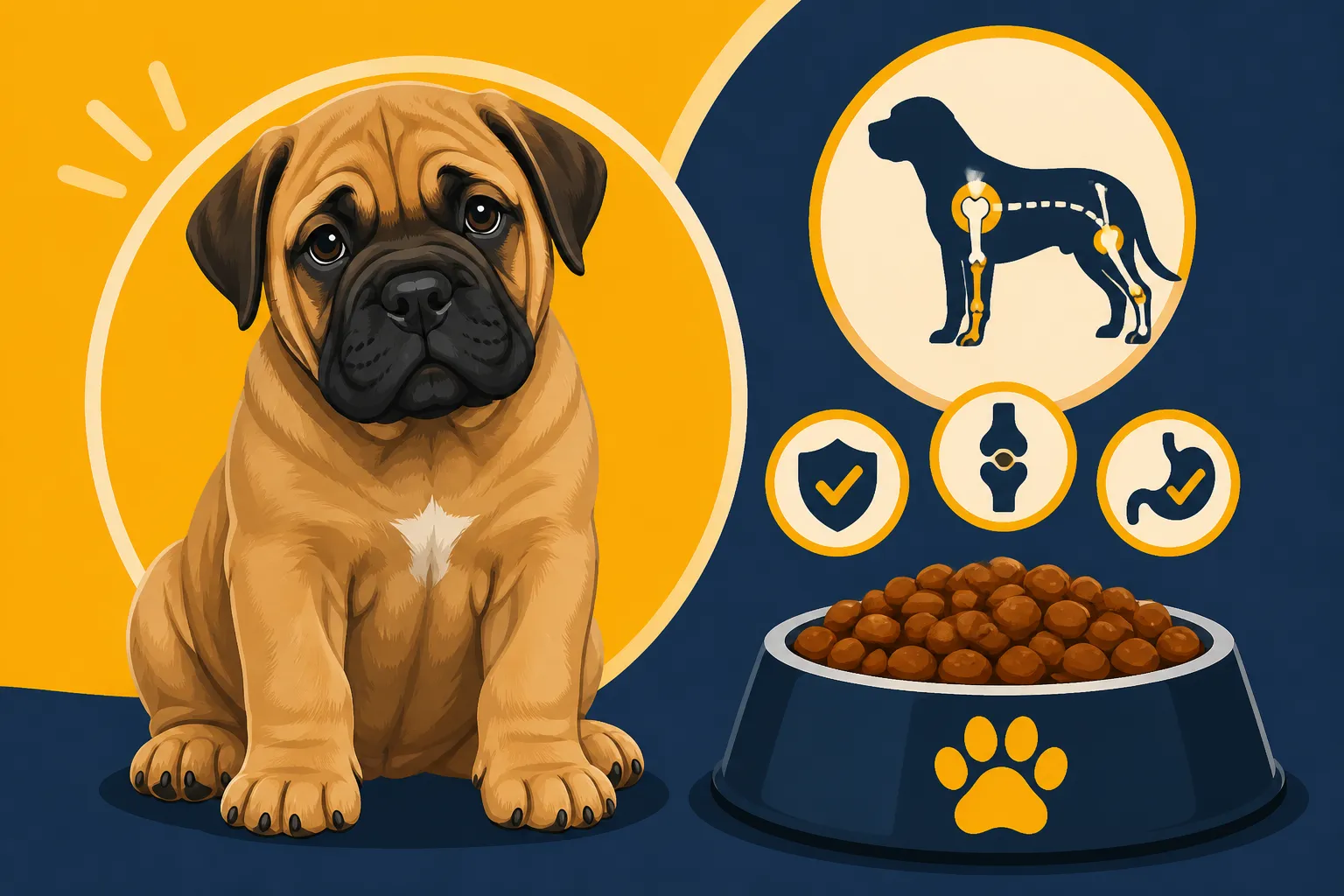
Why a Bullmastiff Puppy Needs Large Breed Food
Bringing home a Bullmastiff puppy is an exciting time, full of dreams of a loyal, gentle giant. But quickly, many new owners find themselves overwhelmed by the sheer size of their growing furball and the endless array of dog foods on the market. It’s easy to feel confused, wondering if that standard puppy kibble is truly enough for a pup that seems to double in size every few weeks. This guide is here to cut through the noise, explaining exactly why your Bullmastiff puppy has unique nutritional needs and why choosing the right large breed formula is absolutely critical for their long-term health and happiness.
The Unique Growth Trajectory of a Bullmastiff Puppy
When you look at a tiny Bullmastiff puppy, it's hard to imagine just how quickly they'll transform into the massive, powerful dogs we know and love. But this incredible growth rate isn't without its challenges, and understanding it is the first step in providing the best care. Their bodies are undergoing immense changes, developing bones, muscles, and organs at an accelerated pace compared to smaller breeds. This means their nutritional foundation during puppyhood is arguably more important than for almost any other dog.
Rapid Growth, Extended Development
Bullmastiffs don't just grow quickly; they grow for a long time. While many smaller breeds hit their adult size around 9-12 months, a Bullmastiff puppy continues to grow and develop structurally well into their second, and sometimes even third, year of life. This prolonged development period, especially for their skeletal system, means that any nutritional imbalances early on can have lasting consequences. It's not just about getting bigger; it's about getting bigger correctly.
Imagine building a skyscraper. You wouldn't use the same quick-drying cement for the foundation as you would for a single-story house. Bullmastiffs are the skyscrapers of the dog world, requiring a slow, steady, and meticulously balanced approach to nutrition that supports every beam and girder. Pushing too much growth too quickly can lead to structural weaknesses, much like a building rushed to completion might crack under its own weight. It’s a marathon, not a sprint, when it comes to a Bullmastiff's physical maturation, and their diet needs to reflect that.
Skeletal Development: A Delicate Balance
The bones of a Bullmastiff puppy are incredibly vulnerable during their rapid growth phases. Their growth plates, the areas of cartilage at the ends of long bones where new bone tissue is produced, remain open and susceptible to injury or abnormal development for a much longer time. An improper diet can interfere with the delicate balance required for these growth plates to mature and close properly. This isn't just about calcium; it's about the ratio of calcium to phosphorus and the overall energy density of the food.
If these growth plates develop too rapidly or unevenly, it can lead to various orthopedic issues, some of which are unfortunately common in large breeds. Think of it like a delicate construction project: too much material, or the wrong kind, can warp the structure before it's even finished. Ensuring the right balance is crucial for laying down strong, healthy bones that can support their eventual impressive weight. This is why When a Bullmastiff's Growth Plates Close is such a critical consideration for new owners.
Why Large Breed Puppy Food is Formulated Differently
It's tempting to think all puppy food is created equal, but nothing could be further from the truth, especially for a Bullmastiff. Regular puppy foods are often packed with higher calories, protein, and minerals to fuel the rapid growth of smaller breeds, but for a giant breed like ours, this can actually be detrimental. Large breed puppy formulas are specifically designed to address the unique physiological needs of these impressive dogs, focusing on controlled, steady growth rather than explosive development.
Calcium and Phosphorus Ratios: The Crucial Numbers
Perhaps the most critical difference in large breed puppy food lies in its calcium and phosphorus content and, more importantly, their precise ratio. Regular puppy foods often have higher calcium levels, which for a small breed might be fine. However, for a Bullmastiff, excessive calcium can lead to skeletal deformities and conditions like osteochondritis dissecans (OCD) and hypertrophic osteodystrophy (HOD). It’s not just the amount of calcium, but how it interacts with phosphorus that matters most.
Large breed formulas typically offer a lower, more controlled amount of calcium, usually between 1.0% and 1.5% on a dry matter basis, with a calcium-to-phosphorus ratio carefully maintained between 1.1:1 and 1.5:1. This precise balance is paramount for promoting healthy bone mineralization and preventing developmental orthopedic diseases. It helps ensure that bones grow at a rate appropriate for their size, giving them the time they need to solidify properly. This delicate balance is why Which Calcium and Phosphorus Levels a Bullmastiff Needs is a topic many breeders will discuss with you.
Protein and Fat Levels: Supporting Muscle, Not Excessive Weight
Another significant distinction is the protein and fat content. While high protein is often lauded as a good thing, overly high protein combined with excessive fat in a rapidly growing large breed puppy can contribute to faster-than-ideal weight gain. This extra weight puts undue stress on still-developing joints and bones, exacerbating the risk of orthopedic problems down the line. Large breed puppy foods aim for moderate protein and fat levels, providing enough to support healthy muscle development without encouraging an unhealthy growth spurt or packing on too many pounds too soon.
The goal isn't to restrict their growth but to manage it. A lean Bullmastiff puppy is a healthier Bullmastiff puppy, even if it means they don't look as "chunky" as some owners might expect. These formulas provide the building blocks for strong muscles and tissues without the caloric density that can accelerate growth unhealthily. Many brands you might find on Chewy or Amazon offer excellent large breed options that prioritize this balanced approach, focusing on lean muscle mass over bulk.
Added Joint Support Ingredients
Given the inherent risks of orthopedic issues in large and giant breeds, many large breed puppy foods also include ingredients aimed at supporting joint health. These often include glucosamine and chondroitin, which are natural components of cartilage. While the efficacy of supplemental glucosamine and chondroitin in puppies is a topic of ongoing research, their inclusion is based on the understanding of the immense strain a growing Bullmastiff's joints will endure.
These ingredients are meant to provide a little extra help to the cartilage, aiding in its development and resilience. While they are not a cure-all or a substitute for proper calcium/phosphorus balance, they can be a thoughtful addition to a comprehensive large breed puppy diet. Along with these, some formulas may also contain omega fatty acids (DHA and EPA) to support cognitive development and reduce inflammation, contributing to overall well-being. Keeping a Bullmastiff lean and providing joint support from an early age is often highlighted as the best way to care for their developing frame, echoing advice like Keeping a Bullmastiff Lean Is the Best Thing You Can Do.
The Risks of Feeding a Regular Puppy Food to a Bullmastiff
It’s easy to think, "Puppy food is puppy food, right?" Unfortunately, when it comes to a Bullmastiff, feeding a standard puppy formula designed for smaller, faster-maturing breeds can set the stage for a lifetime of pain and expensive veterinary bills. This isn't just about a slight deviation; it's about fundamentally misunderstanding their unique physiology and the careful balancing act required to nurture their enormous potential safely. The frustrations of dealing with preventable health issues later on can be truly heartbreaking.
Over-Nutrition and Accelerated Growth
One of the most immediate dangers of feeding regular puppy food to a Bullmastiff is over-nutrition. These foods are often calorie-dense, formulated to provide ample energy for small breeds that reach maturity quickly. For a Bullmastiff, this translates to too many calories, too much protein, and crucially, too much calcium. The result? Accelerated growth. While a puppy owner might initially be thrilled to see their pup getting so big, so fast, this rapid growth is a red flag, not a badge of honor.
Think of it this way: your Bullmastiff's bones and joints are trying to keep up with a body that's ballooning in size. If the growth is too fast, the skeletal system doesn't have time to properly develop and solidify, leading to weak points. It’s like inflating a balloon too quickly – the material stretches thin and becomes prone to bursting. This puts immense strain on their immature joints and can overwhelm the delicate processes of bone formation. Why a Bullmastiff Puppy Should Not Grow Fast is a critical piece of advice often overlooked.
Increased Risk of Orthopedic Issues
The primary and most devastating consequence of improper nutrition in a large breed puppy is the increased risk of developmental orthopedic diseases. These aren't minor aches and pains; they are debilitating conditions that can severely impact a Bullmastiff's quality of life and longevity. Conditions such as hip dysplasia, elbow dysplasia, osteochondritis dissecans (OCD), and panosteitis are all exacerbated, or even directly caused, by feeding a diet that promotes excessively rapid growth and incorrect mineral balances.
Hip and elbow dysplasia, for example, occur when the joints don't form correctly, leading to looseness, pain, and eventually debilitating arthritis. While genetics play a significant role, nutrition is a crucial environmental factor. A puppy’s genetic predisposition to hip dysplasia can be made much worse by a diet that pushes growth too fast or contains too much calcium. Owners often face the difficult reality that their early feeding choices contributed to a problem that could have been mitigated. Hip Dysplasia in a Bullmastiff and Elbow Dysplasia in a Bullmastiff are unfortunately common concerns that can be influenced by diet.
Long-Term Health Implications
Beyond the immediate orthopedic concerns, feeding an inappropriate diet during puppyhood can have long-term health implications for your Bullmastiff. Puppies that grow too quickly are often more likely to become overweight or obese as adults, which puts further strain on their joints and increases the risk of other health problems like diabetes, heart disease, and a shorter lifespan. It’s a cascading effect: one poor choice early on can lead to a host of problems later.
Furthermore, the stress placed on developing organs and systems by an unbalanced diet can sometimes have subtler, but still significant, impacts on overall health and resilience. A strong, healthy foundation built through proper nutrition in puppyhood contributes to a more robust immune system and better overall metabolic health throughout their adult years. Skipping this crucial step can mean a Bullmastiff who not only struggles with mobility but also generally isn't as healthy or long-lived as they could be. This is why many experienced Bullmastiff owners emphasize the importance of Why a Bullmastiff Puppy Should Be Kept Lean.
How to Choose the Right Large Breed Puppy Food
Navigating the pet food aisle, whether online at a place like Chewy or your local brick-and-mortar store, can feel like a labyrinth of marketing jargon and conflicting advice. For your Bullmastiff puppy, choosing the right food is not just a preference; it's a profound responsibility. You're looking for a specific nutritional profile designed to support their unique growth, not just the prettiest bag or the most expensive brand. It takes a bit of homework, but your Bullmastiff’s future health is worth every minute.
Understanding Nutritional Guarantees and AAFCO Statements
The first and most important thing to look for on any bag of dog food is the AAFCO (Association of American Feed Control Officials) statement. This statement confirms that the food is nutritionally complete and balanced for a particular life stage. For your Bullmastiff puppy, you need to find a bag that clearly states it is formulated for "growth of large size dogs" or "all life stages, including growth of large size dogs." If it simply says "for growth" or "for puppies," it might not have the correct calcium/phosphorus balance and calorie density for a giant breed.
Beyond the AAFCO statement, dive into the guaranteed analysis. You’re looking for those critical percentages:
- Calcium: Generally between 1.0% and 1.5% (dry matter basis).
- Phosphorus: Should be proportionally less than calcium, maintaining a ratio of 1.1:1 to 1.5:1 (Ca:P).
- Protein: Aim for a moderate range, typically 26-30% for large breed puppies.
- Fat: Again, moderate, usually 12-16%.
Many brands, often found on platforms like Amazon, make their guaranteed analysis readily available online, sometimes even with specific "large breed puppy" formulas that cater to these exact parameters. Don’t be swayed by buzzwords; let the numbers and the AAFCO statement guide you.
Key Ingredients to Look For (and Avoid)
Once you've confirmed the nutritional analysis is correct, then you can start looking at the ingredient list. The first few ingredients should ideally be whole, identifiable protein sources, such as deboned chicken, lamb meal, or salmon. Look for healthy sources of fat, like chicken fat or fish oil. Complex carbohydrates such as brown rice, oats, or sweet potatoes are generally good, providing sustained energy.
Here’s a quick guide:
| Category | Look For | Avoid |
|---|---|---|
| Protein | Deboned chicken, lamb, salmon; chicken meal, lamb meal, salmon meal (high-quality, concentrated protein) | "Meat by-products" or "poultry by-products" as primary protein (can be lower quality, less digestible); excessive plant-based protein as the main source |
| Fats | Chicken fat, fish oil (omega-3 fatty acids like DHA & EPA), flaxseed | Rendered fat without specific animal identification |
| Carbohydrates | Brown rice, oats, barley, sweet potatoes, peas, lentils | Large amounts of corn, wheat, soy (common allergens for some dogs, though not inherently bad for all) |
| Supplements | Glucosamine, chondroitin, prebiotics, probiotics (for gut health) | Artificial colors, flavors, or unnecessary preservatives |
Remember, the goal is balanced nutrition, not just "grain-free" or "high protein" for the sake of it. Always prioritize the AAFCO statement and the calcium/phosphorus ratio first.
Reputable Brands and Where to Find Them
Choosing a reputable brand is crucial, as they invest in research, quality control, and often conduct feeding trials to ensure their formulas are truly effective. Some well-regarded brands that typically offer large breed puppy formulas include Royal Canin, Purina Pro Plan, Eukanuba, Hill's Science Diet, and Orijen. There are many others, but these generally have a strong track record and robust nutritional science behind their products.
You’ll find these foods at most major pet supply retailers, both physical and online. Online stores like Chewy and Amazon offer a vast selection and often have detailed product descriptions, customer reviews, and even subscription services for convenience. These platforms make it easy to compare ingredients, guaranteed analysis, and read feedback from other large breed owners. Don't hesitate to consult with your veterinarian for specific recommendations tailored to your Bullmastiff's individual needs. They can provide invaluable insight and help you navigate the choices. This diligence early on is how you set the stage for your Bullmastiff to have Hips and Elbows Under a Hundred and Thirty Pound Bullmastiff that are as healthy as possible.
Feeding Schedule and Monitoring Growth
Once you've selected the perfect large breed puppy food, the next step is implementing a proper feeding schedule and diligently monitoring your Bullmastiff puppy's growth. It's not enough to just put the right food in the bowl; how and how much you feed matters immensely. This stage is about fine-tuning, ensuring your puppy gains weight steadily and appropriately without becoming overweight, which can be a real challenge with their endearing, bottomless appetites.
Establishing a Consistent Feeding Routine
Consistency is key for both digestion and training. Most Bullmastiff puppies thrive on 2-3 meals per day, spread evenly throughout the day. This helps regulate their metabolism, prevents them from getting excessively hungry (which can lead to bloat risk later in life), and provides consistent energy for their development. Avoid leaving food out all day for "free feeding," as this makes it impossible to monitor intake, leads to overeating, and can hinder house training.
Use the feeding guidelines on your chosen large breed puppy food bag as a starting point, but understand they are just that – guidelines. Every puppy is an individual, and their caloric needs will vary based on their metabolism, activity level, and environmental factors. Observe your puppy's energy levels, stool quality, and body condition to make adjustments. If your puppy seems overly hungry, you might slightly increase the portion, but if they're leaving food in the bowl or gaining weight too rapidly, you'll need to dial it back. You can find many large breed food options on Chewy that provide clear feeding charts to help you get started.
Assessing Your Bullmastiff Puppy's Body Condition
The most important tool for monitoring your Bullmastiff puppy's growth isn't a scale; it's your hands and eyes. You want your puppy to be lean, not chunky. A puppy with too much fat puts undue stress on its still-developing joints. You should be able to easily feel their ribs with a slight layer of fat over them, but not see them prominently. Their waist should be evident when viewed from above, and there should be an abdominal tuck when viewed from the side.
Regularly perform a "rib check" and compare your puppy's physique to a body condition score chart (easily found online). If you're seeing signs a Bullmastiff is overweight, even as a puppy, it's time to adjust their food intake and potentially increase their appropriate exercise (though remember, too much exercise for a growing giant breed is also harmful). Don't be afraid to talk to your vet about your puppy's body condition at every check-up; they are your best resource for objective assessment. This careful monitoring contributes significantly to their overall health and development.
When to Transition to Adult Food
Knowing when to transition your Bullmastiff puppy from large breed puppy food to an adult large breed formula is another critical decision. Given their extended development, Bullmastiffs typically stay on a large breed puppy food longer than smaller breeds – often until they are 18-24 months old, or even closer to 3 years old, especially if they are still showing signs of significant growth or filling out.
The key indicator is maturity: has your Bullmastiff reached their full skeletal height and largely filled out? Your vet can help you assess this. Transitioning too early might mean they miss out on the specific nutrients needed for the final stages of bone and joint maturation, while transitioning too late could lead to unnecessary calorie intake. When you do transition, do so gradually over 7-10 days by mixing increasing amounts of the new food with decreasing amounts of the old. This prevents digestive upset. Remember that How Much an Adult Bullmastiff Eats will be a different calculation, and it's essential to continue maintaining a lean body condition throughout their adult life.
Common Misconceptions About Puppy Nutrition
Even with the best intentions, new Bullmastiff owners can fall prey to common misconceptions about puppy nutrition. The sheer volume of information (and misinformation) out there can be dizzying. It's important to sift through the noise and understand that what might be good for a toy poodle is actively detrimental to a Bullmastiff. Let's clear up a few of those lingering myths.
The Myth of "More Protein is Always Better"
One of the most persistent myths is that more protein, particularly for a large, muscular breed, is always better. While protein is undeniably crucial for muscle development and overall health, excessive protein in a puppy’s diet, especially when combined with high fat and calorie levels, can contribute to accelerated growth. As we've discussed, accelerated growth in a Bullmastiff puppy is a bad thing, not a good thing.
High-quality, moderate protein levels are what you're aiming for – usually in the 26-30% range for large breed puppy formulas. This provides ample amino acids for building muscle without encouraging a growth rate that outstrips the skeletal system's ability to keep up. Focus on the quality of the protein source (identifiable meat) rather than just chasing the highest percentage number on the bag. Think of it as providing precisely what's needed for slow, steady, robust development, not an all-you-can-eat buffet that might lead to structural issues. This is why Whether a Bullmastiff Puppy Needs Extra Calcium is often misunderstood – it's not about more nutrients, but the right balance.
Supplementing a Balanced Puppy Diet
Another common mistake is adding extra supplements, especially calcium, to an already nutritionally complete large breed puppy food. Owners often mean well, believing their massive puppy needs "more" to grow strong bones. However, as noted earlier, large breed puppy foods are specifically formulated with the correct calcium and phosphorus levels. Adding more can throw this delicate balance completely off, leading to an excess of calcium.
An excess of dietary calcium is far more dangerous for a growing Bullmastiff than a slight deficiency. It can actively contribute to conditions like osteochondritis dissecans (OCD) and hypertrophic osteodystrophy (HOD) by disrupting normal bone formation. Unless specifically instructed by your veterinarian due to a diagnosed medical condition, avoid supplementing your Bullmastiff puppy's diet with extra vitamins, minerals, or calcium. Their food, when chosen correctly, already contains everything they need. The best supplement for a growing Bullmastiff is actually just sticking to the appropriate large breed puppy kibble and avoiding overfeeding.
"Free Feeding" and Its Dangers for Bullmastiffs
While some smaller breeds might manage free feeding (leaving food out all day), it is strongly discouraged for Bullmastiff puppies. There are several reasons for this, chief among them being the increased risk of bloat (Gastric Dilatation-Volvulus, or GDV) later in life, and the difficulty in controlling growth rate. Free feeding often leads to overconsumption, which, as we know, encourages rapid growth and weight gain, stressing developing joints.
Scheduled meals, 2-3 times a day, allow you to control portion sizes precisely, ensuring your puppy receives the right amount of calories to grow at a healthy, steady pace. It also helps establish a routine, which is beneficial for house training and overall behavioral development. Furthermore, observing your puppy eat at specific times allows you to notice any changes in appetite, which can be an early indicator of illness. While some products like slow feeder bowls, widely available on Amazon, can help a fast eater, the foundational practice should be scheduled meals. This disciplined approach to feeding from day one helps mitigate many of the risks associated with rapid growth in giant breeds.
Disclaimer
This article is for general informational purposes only and does not constitute professional advice. Laws, prices and regulations vary by location and change over time. Consult a qualified professional for guidance on your specific situation.