Whether a Bullmastiff Drools More in Heat
It’s a sight most Bullmastiff owners know all too well: a glistening string of drool, perhaps a damp spot on the floor, or even a delightful slobbery shake that decorates the nearest wall. Our magnificent, jowly companions are renowned for their drooling habits, and it’s natural to wonder if extreme weather, particularly heat, amplifies this charming quirk. The simple answer is yes, heat absolutely can increase your Bullmastiff's drooling, and understanding why is key to keeping them safe and comfortable.
The Everyday Reality of Bullmastiff Drool
Before we dive into the specifics of heat, let's just acknowledge the baseline. Owning a Bullmastiff means accepting a certain level of drool as part of the package. It’s not a flaw; it's just how they're built, and it’s something we adore about them, even if it means a little extra cleanup.
Why Your Bullmastiff is a Champion Drooler Normally
Our beloved Bullmastiffs, with their distinctive broad heads and powerful jaws, come equipped with some impressive jowls and loose flews. These aren't just for show; they serve a purpose, but they also contribute significantly to the everyday drool factor. The deep folds around their mouth and the way their lips hang mean that saliva naturally collects there rather than being fully contained in their mouth. It’s like a built-in reservoir! When they move their head, shake, or even just yawn, that accumulated saliva can easily escape, often creating those iconic "slobber strings." It's just a physical characteristic, much like their short, dense coat or their deep, resonant bark. Understanding Why a Bullmastiff's Jowls Hold Saliva helps temper any frustration when you find yet another wet spot.
Beyond the physical architecture, even their personality can play a role. A Bullmastiff can be quite an enthusiastic eater, and the mere anticipation of a meal can get those salivary glands working overtime. Think about it: you rattle the food bowl, or they smell their favorite Ollie meal being prepared, and suddenly, they're salivating like a waterfall. It’s a natural physiological response to hunger and the expectation of food. This isn’t a sign of distress; it’s just a sign they’re ready for dinner!
Triggers for Increased Drooling in Normal Circumstances
While some drool is always present, several common scenarios can dial up the slobber production in your Bullmastiff. Excitement is a huge one. When guests arrive, when you pick up the leash for a walk, or when you engage them in a favorite game, their emotional arousal can lead to more drool. It’s part of their expression of joy, even if it means you need to keep a drool rag handy. This is usually accompanied by a wagging tail, bright eyes, and an overall happy demeanor, so you know it’s just them being delightfully themselves.
Stress or anxiety can also trigger increased drooling. A visit to the vet, a car ride if they're not used to it, or even being left alone can cause some Bullmastiffs to drool more than usual. This is often an involuntary physical response to a perceived threat or discomfort. You might notice other signs of stress too, such as yawning, lip-licking, pacing, or even a refusal to take treats. Observing these accompanying behaviors helps distinguish stress-induced drooling from other causes.
Lastly, even intense physical activity, especially if it involves a lot of panting, can lead to more drool, even on a cool day. While not as dramatic as heat-induced drooling, a Bullmastiff who has been playing hard will naturally have more saliva to help with cooling through evaporation. They might also drool more after drinking water rapidly, as some of it simply escapes their loose jowls. It's often just a temporary increase that subsides once they've settled down.
The Summer Heat and Your Bullmastiff's Salivary Glands
This is where things get serious. While a little drool is part and parcel of Bullmastiff ownership, a significant increase in drooling when it's warm outside can be a crucial indicator that your dog is struggling with the heat. It's a sign that their body is working harder than it should to keep cool, and it warrants your immediate attention.
Bullmastiffs and the Battle Against Heat
Bullmastiffs, like many of their brachycephalic (short-nosed) cousins, face a unique set of challenges when it comes to regulating their body temperature, especially in warm or humid conditions. Their compact snouts mean they have a smaller surface area for air exchange and less efficient cooling mechanisms compared to longer-nosed breeds. Imagine trying to breathe through a straw – that's a bit like what it can feel like for them when they're trying to move a lot of air. Combine this with their dense, often dark coats and their sheer body mass, and you have a recipe for overheating. This is why it's vital to understand Why a Bullmastiff's Short Muzzle Cannot Cool It and to be incredibly vigilant when the temperature rises.
Their primary way of cooling down is panting. When a Bullmastiff pants, they rapidly move air over the moist surfaces of their tongue, mouth, and respiratory tract. As the moisture evaporates, it carries heat away from their body, much like how sweating cools humans. However, this system isn't perfect, especially when the ambient air is already warm and humid, making evaporation less effective. High humidity means the air is already saturated with water, making it harder for additional moisture to evaporate from your dog's mouth.
The Direct Link: Heat, Panting, and Excessive Drooling
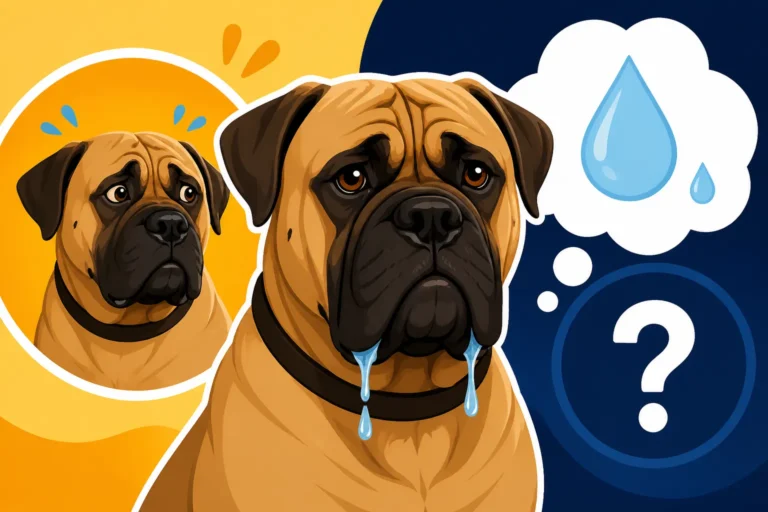
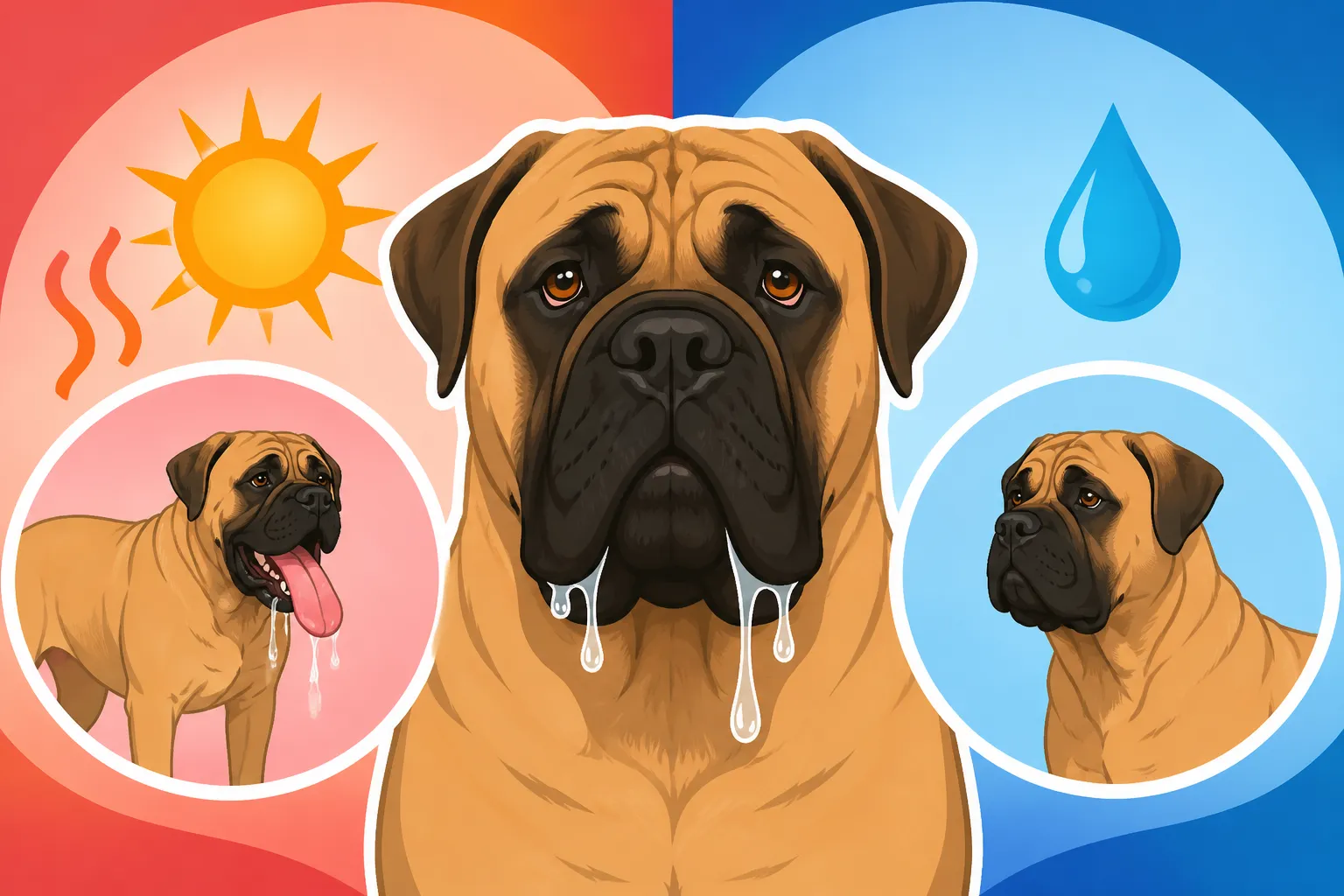
So, how does all this relate to drooling? When a Bullmastiff starts to overheat, their panting becomes more frantic and intense as their body desperately tries to shed excess heat. This increased rate of panting means more air is moving over their oral tissues, which rapidly dries out the mucous membranes in their mouth and throat. To counteract this drying and to facilitate further evaporative cooling, their salivary glands go into overdrive, producing a much larger volume of saliva. This isn't just a slight increase; it can be a deluge.
This isn't just about the volume, though. The consistency of the drool can also change. Instead of just a few clear drips, you might notice thicker, ropey, or foamy saliva. This is a tell-tale sign that your Bullmastiff is really struggling. The excessive moisture, combined with the frantic air movement, often creates bubbles and foam around their lips. It's their body's attempt to keep the evaporative process going, but it’s an unsustainable effort and a clear warning that they are heading towards a dangerous situation like heatstroke.
It's crucial to understand that this excessive, heat-induced drooling is not a passive, harmless occurrence. It indicates an active struggle for survival. Their body is working overtime, and if the external temperature isn't managed quickly, this struggle will continue to escalate, leading to more severe symptoms. The drooling itself becomes a symptom of the emergency, rather than just an inconvenient side effect.
Recognizing the Difference: Normal Drool vs. Heat Distress Drool
It can be tricky to tell the difference between typical Bullmastiff drool and the kind that signals trouble. Knowing the subtle (and sometimes not so subtle) cues is vital for your dog's safety. Here's a quick comparison to help you distinguish between the two:
| Feature | Normal Drooling | Heat Distress Drooling |
|---|---|---|
| Volume | Moderate, occasional drips or strings | Heavy, continuous, often appears excessive or gushing |
| Consistency | Clear, watery | Thicker, ropey, stringy, often foamy or bubbly around the mouth |
| Accompanying Symptoms | May have none, or signs of excitement/hunger | Intense, rapid panting; bright red gums; glazed eyes; lethargy; staggering; vomiting; diarrhea |
| Timing | When excited, hungry, stressed, or after drinking | During or after exposure to warm/hot temperatures; during exercise in heat |
| Dog's Demeanor | Alert, happy, engaged, normal energy | Anxious, restless, seeking cool spots, lethargic, unresponsive, distressed |
| Body Temperature | Normal | Elevated to the touch; ears and belly may feel very warm |
Remember, your Bullmastiff's behavior is often the biggest clue. If they are normally calm and suddenly drooling profusely with heavy panting, that's a red flag. If you are unsure, always err on the side of caution and treat it as a potential heat-related issue. Pay close attention to their gums: normal gums are pink, while heat-stressed gums can be bright red or even bluish as the situation worsens.
Proactive Steps to Manage Drooling in Warm Weather
Since we know that heat can exacerbate drooling and, more importantly, put your Bullmastiff at risk, proactive management is crucial. Prevention is always better than trying to treat heatstroke.
Environmental Management: Keeping Your Bullmastiff Cool
The most effective way to manage heat-induced drooling is to simply avoid the heat in the first place. This means carefully planning your day, especially during the warmer months. Keep your Bullmastiff indoors during the hottest parts of the day, typically between 10 AM and 4 PM. If you live in a climate where summer temperatures regularly soar, ensuring your home has good air conditioning is not a luxury, but a necessity for a Bullmastiff. Whether a Bullmastiff Needs Air Conditioning is not really a question—it's essential for their well-being.
When you do take them outside, always provide ample shade. A shady tree or a covered patio can make a huge difference. Never, ever leave your Bullmastiff in a car, even with the windows cracked, as temperatures can skyrocket in minutes. If you absolutely must be out, consider cooling vests designed for dogs, which can help regulate body temperature by using evaporative cooling. Elevated dog beds, often sold on sites like Chewy or Amazon, can also help by allowing air to circulate underneath them, keeping your dog off hot surfaces. Remember, concrete and asphalt can retain heat for hours after the sun goes down, so check the pavement with your hand before walking them, especially if you know What Temperature Is Dangerous for a Bullmastiff.
Hydration Strategies for a Drooling Bullmastiff
Keeping your Bullmastiff well-hydrated is paramount. Always ensure they have constant access to fresh, cool water. This isn't just a suggestion; it’s a critical part of their care. You might find that adding a few ice cubes to their water bowl helps keep it cool and can even entice them to drink more. However, be cautious about letting them gulp down large amounts of water very quickly, especially if they are already hot, as this can sometimes lead to bloat, a serious condition.
Consider investing in a large, heavy water bowl that won't easily tip over and can hold a good volume of water. Some owners even find gravity-fed water dispensers helpful to ensure there’s always water available. For walks or trips out, always carry a portable water bottle and a collapsible bowl. There are many options available on Amazon that are specifically designed for dogs on the go. Encouraging them to drink frequently, even small amounts, can help keep their body temperature stable and reduce the need for frantic panting. Remember, How Much Water a Bullmastiff Drinks a Day can increase significantly in hot weather.
Post-Drool Cleanup and Maintenance
Even with the best preventative measures, some drooling is inevitable with a Bullmastiff. Having a designated "drool rag" or a stack of small towels handy in various rooms is a lifesaver. You'll thank yourself when your furry friend decides to do a head shake after a drink. Wipe their jowls regularly, especially after meals or drinking, to prevent moisture from accumulating and potentially leading to skin irritation in their folds.
For protecting your home, consider washable covers for furniture where your Bullmastiff likes to lounge. Microfiber fabrics are often good at repelling moisture and are easy to clean. If your dog sleeps on your bed, a waterproof mattress protector is a wise investment. You might even consider placing washable mats or rugs in areas where they tend to spend a lot of time, particularly near their water bowl, to catch any splashes or drips. Regularly cleaning their jowls, as detailed in How to Clean a Bullmastiff's Jowls, is also good hygiene, heat or no heat.
When Drooling Signals a Deeper Problem
While the focus here is on heat-related drooling, it's important to remember that excessive drooling can be a symptom of various other health issues. Knowing when to simply grab a towel versus when to call the vet can be life-saving.
Beyond Heat: Other Causes of Excessive Drooling
Not all heavy drooling is about the heat. There are several other conditions that can cause your Bullmastiff to suddenly start drooling excessively. Dental problems, for instance, are a common culprit. A painful tooth, gum disease, or an abscess can make swallowing difficult or uncomfortable, leading to saliva pooling in the mouth and spilling out. Similarly, a foreign object lodged in the mouth or throat – a stick fragment, a piece of a chew toy – can irritate tissues and stimulate excessive saliva production as the dog tries to dislodge it.
Nausea, whether from car sickness, an upset stomach, or something more serious, also frequently causes increased drooling. If your Bullmastiff seems to be drooling and also licking their lips, swallowing frequently, or acting restless, they might be feeling queasy. Certain medications can also have drooling as a side effect, so always review new prescriptions with your vet if you notice a change. Finally, extreme anxiety or fear can also manifest as excessive drooling, even in a cool environment.
Recognizing Heatstroke: A Critical Distinction
This is the most crucial distinction you'll need to make as a Bullmastiff owner. While increased drooling is an early sign of overheating, severe and foamy drooling, especially when accompanied by other symptoms, can indicate heatstroke – a life-threatening emergency. Beyond the dramatic increase in drool, look for these additional Signs a Bullmastiff Has Heatstroke: heavy, uncontrolled panting that doesn't subside; bright red or very pale gums; a glazed or wild look in their eyes; staggering or loss of coordination; weakness or collapse; vomiting, sometimes with blood; diarrhea; and a body that feels hot to the touch.
If you suspect heatstroke, immediate action is vital. Get your Bullmastiff to a cooler environment immediately. Use cool (not icy cold) water to wet their coat, especially on their belly, armpits, and groin. A fan can also help with evaporative cooling. Crucially, call your veterinarian while you are doing this or head to the nearest emergency vet. Time is of the essence, and waiting can have dire consequences. Do not try to force water into their mouth if they are unresponsive.
Consulting Your Veterinarian
Any significant or sudden change in your Bullmastiff's drooling habits, particularly if it's not clearly linked to a normal trigger like food or excitement, warrants a call to your veterinarian. If the increased drooling comes with any other symptoms like lethargy, loss of appetite, changes in gum color, coughing, pawing at the mouth, or signs of pain, don't delay. It’s always better to be safe than sorry when it comes to your dog’s health.
Your vet can perform a thorough examination to rule out dental issues, foreign bodies, systemic illness, or other underlying conditions. They can also provide guidance on managing heat stress tailored to your Bullmastiff's individual needs and your local climate. Remember, you are your dog's best advocate, and noticing these changes can literally save their life.
Disclaimer
This article is for general informational purposes only and does not constitute professional advice. Laws, prices and regulations vary by location and change over time. Consult a qualified professional for guidance on your specific situation.