Whether an Aging Bullmastiff Sleeps More
It’s a quiet afternoon, and you glance over at your magnificent Bullmastiff, who seems to be doing what they do best: napping. But lately, you’ve noticed those naps are longer, more frequent, and perhaps a little deeper than they used to be. You might find yourself wondering if this increased sleep is just a normal part of their golden years or if it's a subtle signal that something more serious is going on with your beloved, aging companion. This guide will walk you through the nuances of an older Bullmastiff's sleep patterns, helping you understand what’s typical, what might be a cause for concern, and how you can best support their comfort as they age gracefully.
The Natural Progression of Sleep in Senior Bullmastiffs
Just like humans, dogs experience a shift in their energy levels and physical capabilities as they age. For a grand, stoic breed like the Bullmastiff, these changes can be particularly noticeable, largely because their sheer size and powerful build mean there's more of them to experience the effects of time. An aging Bullmastiff often embraces the slower pace of life, and more rest is a significant part of that transition. It’s not just about being lazy; it's a physiological need.
Why Older Dogs Need More Rest
As your Bullmastiff moves into their senior years, their body's internal systems aren't quite as efficient as they once were. Think about how a classic car, while still beautiful and powerful, might need more time in the garage or longer periods of rest between drives compared to a brand-new model. Their metabolism slows down, meaning they don't burn through energy as quickly, but they also don't generate it with the same youthful vigor. This reduced metabolic rate directly translates to lower energy levels throughout the day.
Beyond metabolism, the wear and tear of a lifetime of carrying such a substantial frame takes its toll. Every jump, every rough-and-tumble play session from their younger days, every long walk has contributed to the cumulative impact on their joints, muscles, and ligaments. Their bodies simply need more time to repair and recover from even minor exertions. A short walk that might have invigorated them as a younger dog could now leave them feeling genuinely tired, requiring a longer recovery snooze. It's a natural adaptation, allowing their body to conserve energy and manage the effects of aging.
Normal Changes in Sleep Patterns
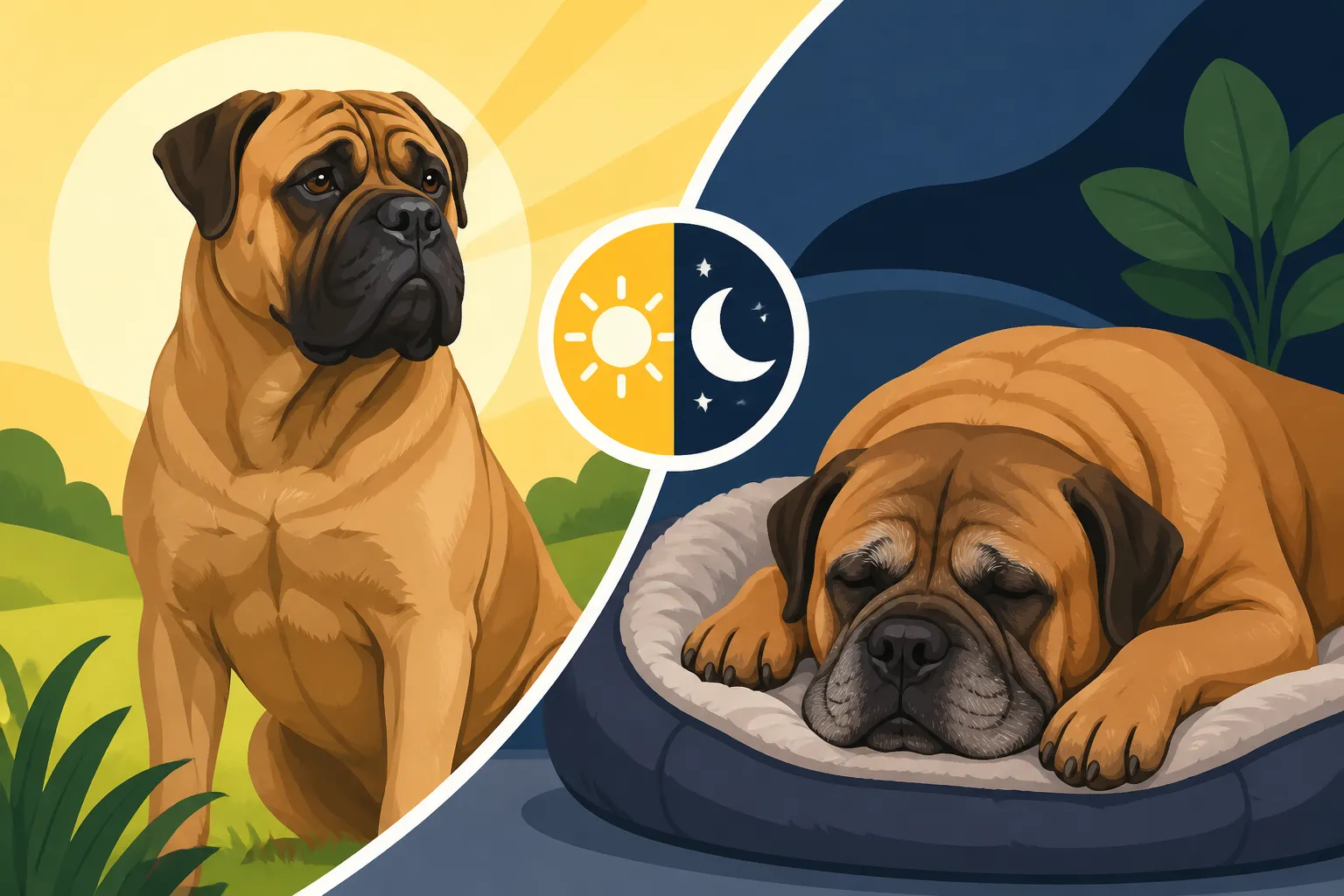
So, what does this increased need for rest actually look like in practice? For many senior Bullmastiffs, you'll observe more frequent naps spread throughout the day. Instead of one long, active stretch followed by a deep slumber, they might take several shorter naps, waking up for brief periods of activity or interaction before settling down again. These periods of wakefulness might also become shorter; they might get up for a drink, a potty break, or a quick cuddle, and then almost immediately seek out their comfortable bed again.
It's crucial to differentiate between this normal, deep sleep and true lethargy or unresponsiveness. When a senior Bullmastiff is simply enjoying a well-deserved nap, they should still be easily roused by a familiar voice, the jingle of keys, or the smell of their favorite treat. They might take a moment to stretch and gather themselves, but they will eventually respond. Their eyes should be clear, and their demeanor, once awake, should still be familiar. You might notice them choosing different places to sleep as they age, perhaps favoring warmer, softer spots. A giant orthopedic dog bed, easily found on sites like Amazon or Chewy, becomes less of a luxury and more of a necessity, providing crucial support for aching joints. They might also shift positions more often to find comfort, but these are generally subtle adjustments rather than signs of distress.
Distinguishing Normal Rest from Underlying Issues
While increased sleep is a common and often normal part of aging for a Bullmastiff, it's also true that many underlying health conditions can manifest as lethargy or a dramatic increase in sleep. As a responsible Bullmastiff owner, you become a detective of sorts, constantly observing your dog for subtle clues that might indicate a problem. Their stoic nature can sometimes make this detective work even harder.
Signs That More Sleep Might Be a Red Flag
When is "sleeping more" a cause for concern rather than just a cozy senior habit? The key lies in observing how they are sleeping and what other behaviors accompany it. If your Bullmastiff is suddenly sleeping significantly more than before, seems difficult to rouse, or appears disoriented when they do wake up, these are red flags. Lethargy, where they simply lack the energy or desire to engage in activities they once enjoyed, is different from comfortable napping.
Look for a combination of these signs:
- Difficulty Waking Up: If you have to call their name repeatedly, nudge them, or even gently shake them before they stir, that's unusual.
- Disorientation: When they finally wake, do they seem confused about where they are or what's happening around them? Do they stumble or seem uncoordinated?
- Refusal to Engage: If they show no interest in walks, playtime, meals, or even your affection, that's a significant change.
- Changes in Appetite or Thirst: A sudden decrease or increase in either, especially combined with excessive sleep, can signal illness.
- Accidents in the House: If your reliably house-trained Bullmastiff starts having accidents, it could be a sign of physical discomfort or cognitive decline affecting their ability to hold it or signal.
Remember, Bullmastiffs are inherently stoic. They were bred to be courageous and resilient, and this can sometimes mean they are masters at hiding pain or discomfort until it becomes quite severe. What might seem like a slight increase in napping could, in fact, be their way of coping with pain or illness. Because of this, even subtle, persistent changes in sleep or behavior warrant a call to your veterinarian. It’s always better to be overly cautious when it comes to their health. How a Bullmastiff Hides Pain emphasizes just how important it is to be vigilant.
Common Ailments That Increase Sleep in Senior Bullmastiffs
There are several age-related health issues that commonly affect Bullmastiffs and can lead to increased sleep or lethargy. Being aware of these can help you understand what your vet might be looking for during an examination.
-
Arthritis and Joint Pain: This is perhaps one of the most common culprits. As their large joints (hips, elbows, knees) wear down, moving becomes painful. A Bullmastiff in discomfort will naturally choose to rest more to avoid the pain of movement. They might struggle to get up, walk stiffly, or be reluctant to climb stairs. Conditions like hip and elbow dysplasia, often present from a younger age, can worsen significantly with age. The Age a Bullmastiff Gets Arthritis discusses how common this is, and Why an Aging Bullmastiff Struggles to Rise dives deeper into the mobility challenges. Medications and supplements can often help manage this pain, making movement less daunting. Many owners find joint supplements for large breeds helpful, which are readily available on sites like Chewy.
-
Hypothyroidism: An underactive thyroid gland can drastically slow down a dog's metabolism, leading to low energy, weight gain, and increased lethargy. It's a surprisingly common condition in Bullmastiffs. If your dog is sleeping more, seems sluggish, and perhaps has unexplained weight gain or skin issues, your vet might want to check their thyroid levels. Hypothyroidism in a Bullmastiff explains this condition, and Signs a Bullmastiff's Thyroid Is Low offers more specific symptoms.
-
Heart Conditions: As Bullmastiffs age, they can be susceptible to various heart issues, including dilated cardiomyopathy (DCM). A heart that isn't pumping blood efficiently can lead to fatigue, weakness, and reduced exercise tolerance. A dog with a compromised heart simply won't have the stamina they once did and will need to rest more. If you notice coughing, labored breathing, or a reluctance to move, along with increased sleep, seek veterinary attention immediately. Dilated Cardiomyopathy in a Bullmastiff delves into this serious condition.
-
Cognitive Dysfunction Syndrome (CDS): Sometimes referred to as "doggy dementia," CDS can disrupt a dog's normal sleep-wake cycle. They might sleep more during the day but become restless or disoriented at night. Other signs include confusion, anxiety, house-soiling, and changes in interaction. This condition affects their brain function and can certainly alter their rest patterns.
-
Cancer: Sadly, cancer is a leading cause of death in Bullmastiffs. What Most Bullmastiffs Die Of highlights this somber fact. Many forms of cancer, especially systemic cancers like lymphoma, can cause general malaise, pain, and fatigue, leading to a significant increase in sleep. Lymphoma Kills More Bullmastiffs Than Anything Else explains how prevalent this specific cancer is in the breed. If your Bullmastiff is sleeping excessively, losing weight despite eating, or showing any signs of discomfort or lumps, a thorough veterinary check-up is critical.
Supporting Your Senior Bullmastiff's Comfort and Health
As our Bullmastiffs age, our role as their caregiver shifts from managing boundless puppy energy to ensuring their golden years are as comfortable and dignified as possible. Providing proactive care, especially when it comes to rest and overall well-being, is paramount.
Creating an Optimal Rest Environment
Imagine trying to get a good night's sleep on a lumpy, uncomfortable mattress when your joints are aching. That's why providing the right resting environment for your senior Bullmastiff is non-negotiable.
-
Orthopedic Beds: This is not a luxury; it's a necessity. A high-quality orthopedic bed, often made with supportive memory foam, helps cushion their heavy joints, distribute their weight evenly, and alleviate pressure points. Investing in one from a reputable retailer like Chewy or Amazon can make a world of difference in their comfort and ability to get restorative sleep. Which Bed a Bullmastiff Needs and Why a Bullmastiff Needs Orthopedic Foam provide excellent guidance on selecting the best option. These beds keep them off hard floors, which can worsen joint pain and lead to uncomfortable calluses.
-
Quiet and Warm Spaces: Ensure your Bullmastiff has a designated resting area that is quiet, away from high-traffic household areas, and free from drafts. Older dogs are often more sensitive to temperature fluctuations, so a cozy spot that's not too hot or too cold will be appreciated. If your home has a lot of hard flooring, consider placing non-slip mats or rugs, which can also be sourced from Amazon, in their favorite lounging areas. This provides better traction for their aging paws when they get up and move around.
-
Accessibility: As mobility declines, consider adding ramps to help them get into the car or onto low furniture if that's where they prefer to rest. Avoid making them navigate stairs if possible, especially if you see them struggling. This reduces strain on their joints and helps prevent falls, which can be devastating for a large, heavy dog.
Nutrition and Exercise for Senior Bullmastiffs
Maintaining a healthy lifestyle, even in their senior years, plays a crucial role in managing sleep patterns and overall well-being.
-
Maintaining a Healthy Weight: One of the absolute best things you can do for an aging Bullmastiff is to keep them lean. Excess weight puts incredible strain on already compromised joints and exacerbates conditions like arthritis and heart disease. Talk to your vet about the ideal weight range for your individual dog and adjust their diet accordingly. Keeping a Bullmastiff Lean Is the Best Thing You Can Do cannot be stressed enough; it truly can add quality years to their life. Many brands offer senior-specific dog foods, which are often lower in calories and sometimes fortified with joint-supporting ingredients. Companies like Ollie provide fresh, tailored meal plans that can be excellent for managing an older dog's weight and nutritional needs, delivered right to your door.
-
Appropriate, Gentle Exercise: While they may sleep more, completely stopping exercise is not the answer. Gentle, consistent exercise, such as short, slow walks several times a day, helps maintain muscle mass, flexibility, and promotes healthy circulation. Avoid strenuous activities or long walks during the hottest parts of the day. The goal is to keep them moving without over-exerting them. A good rule of thumb is to let them dictate the pace and duration. Whether an Aging Bullmastiff Should Still Be Walked offers more insights into this important balance.
-
Mental Stimulation: Don't forget their brains! Mental engagement is just as important as physical exercise. Puzzle toys, gentle training sessions (reviewing old tricks), or even just new smells on a slow sniff walk can keep their minds active and prevent boredom, which can sometimes manifest as restlessness even when physically tired.
Regular Veterinary Care and Early Intervention
Your veterinarian is your most important partner in navigating your Bullmastiff's senior years. Regular check-ups are essential for catching potential problems early.
-
Routine Senior Check-ups: As your Bullmastiff enters their senior years, annual vet visits might not be enough. Many vets recommend twice-yearly check-ups for senior dogs. These visits allow for thorough physical examinations, blood work, and sometimes urinalysis, which can help detect conditions like kidney disease, liver issues, or hypothyroidism before they become advanced. How Often a Bullmastiff Needs a Wellness Exam and Caring for a Bullmastiff Past Six underline the critical nature of these regular appointments.
-
Open Communication with Your Vet: Don't hesitate to discuss any changes you observe, no matter how minor they seem. Even a slight increase in sleep, if accompanied by other subtle shifts in behavior or appetite, could be a valuable piece of information for your vet. Be honest about their activity levels, their eating habits, and how easily they are getting around. Your observations are invaluable in helping your vet connect the dots.
-
Proactive Management: If a condition like arthritis or hypothyroidism is diagnosed, adhere strictly to your vet's treatment plan. This might involve medications, supplements, or dietary changes. Proactive management can significantly improve your Bullmastiff's quality of life, reduce pain, and help them maintain a more comfortable and natural sleep-wake cycle. Remember, an ounce of prevention (or early detection) is worth a pound of cure, especially for our senior companions.
Navigating the senior years with a Bullmastiff is a unique journey. While more sleep is often a normal part of aging, it's our responsibility to understand the subtle distinctions and ensure their increased rest isn't a silent cry for help. By providing a comfortable environment, appropriate care, and regular veterinary attention, you can help your majestic Bullmastiff enjoy their well-deserved golden years with comfort and peace.
Here's a quick reference guide to help you distinguish between normal senior napping and potential red flags:
| Characteristic | Normal Senior Napping | Potential Red Flag |
|---|---|---|
| Duration/Frequency | More frequent, often shorter naps throughout the day | Sudden, dramatic increase in sleep; unusually long periods |
| Responsiveness | Easily roused by familiar sounds/voices | Difficult to wake; ignores attempts to rouse them |
| Post-Wake Behavior | Stretches, moves slowly but purposefully; familiar demeanor | Disoriented, confused, stumbling, reluctant to move |
| Engagement | Still interested in food, walks, cuddles, familiar interactions | Loss of interest in favorite activities, food, or interaction |
| Physical Signs | May shift positions for comfort, slight stiffness | Limping, obvious pain, panting, coughing, weight changes, lumps |
| Alertness | Alert and aware when awake | Dull eyes, lethargic, withdrawn, anxious |
Disclaimer
This article is for general informational purposes only and does not constitute professional advice. Laws, prices and regulations vary by location and change over time. Consult a qualified professional for guidance on your specific situation.