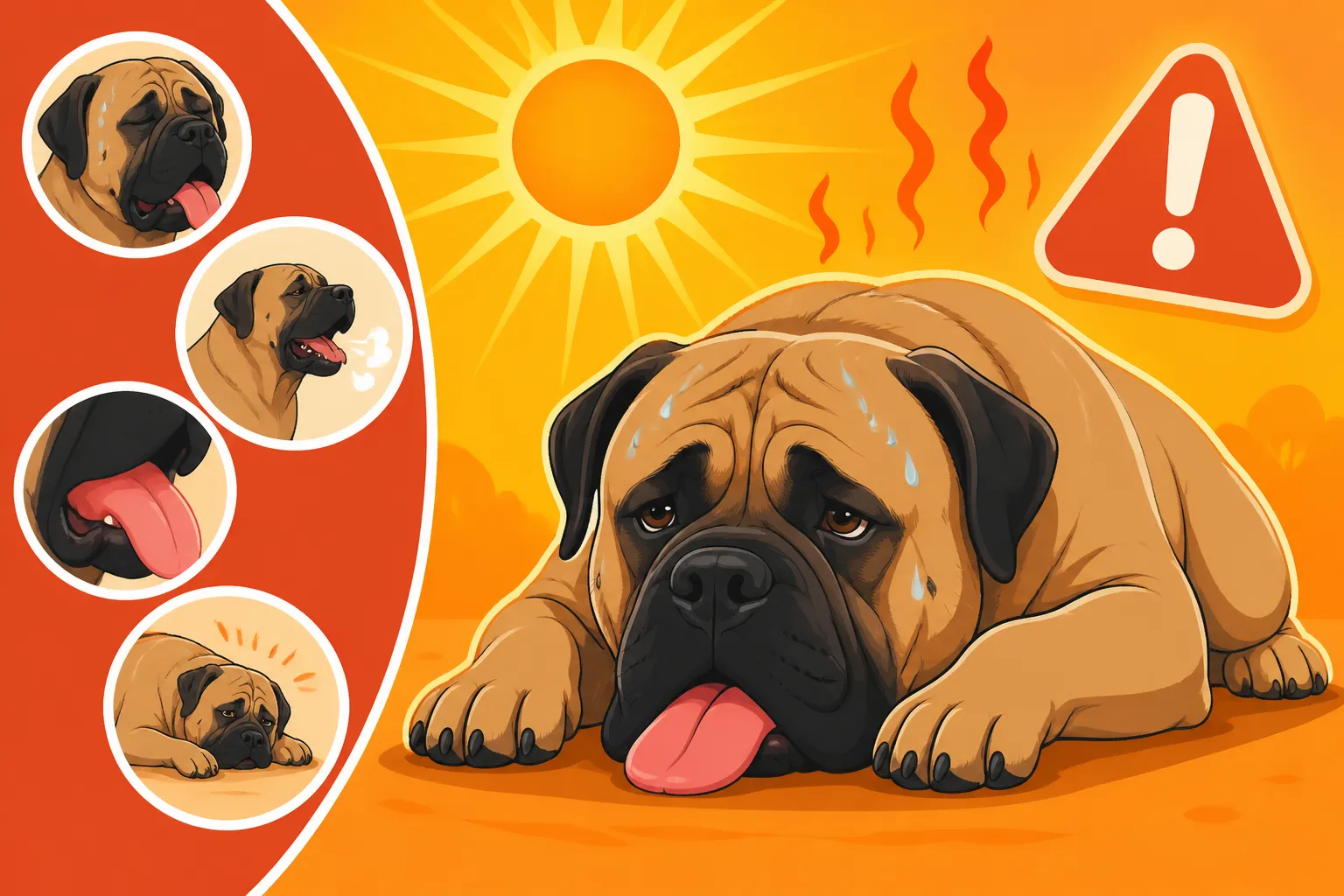
Signs a Bullmastiff Has Heatstroke
The summer months, or even just an unexpected spike in temperature, can bring a wave of anxiety for Bullmastiff owners. These magnificent dogs, with their impressive size and stoic demeanor, are alarmingly susceptible to heatstroke, and recognizing the early signs can literally be the difference between life and death. This guide will meticulously walk you through the subtle and overt indicators that your Bullmastiff might be in distress, empowering you to act swiftly and confidently.
Understanding Why Bullmastiffs Are So Vulnerable to Heatstroke
It’s not just bad luck that makes Bullmastiffs prone to overheating; it’s a confluence of their unique physical characteristics and physiology. They are, unfortunately, built in a way that makes cooling down a significant challenge, much more so than many other breeds. Understanding these inherent vulnerabilities is the first step in protecting your beloved companion from the dangers of heatstroke. It helps you anticipate problems and stay vigilant.
Their Brachycephalic Anatomy
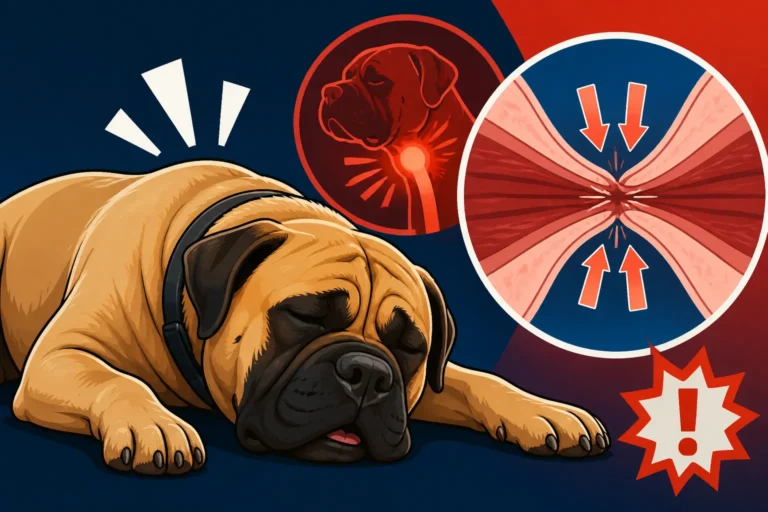
Bullmastiffs, like many other large, powerful breeds, possess a brachycephalic or "short-nosed" head structure. While not as extreme as a Bulldog or Pug, their shorter muzzles and often narrower windpipes mean they struggle to efficiently cool themselves through panting. Panting is a dog’s primary mechanism for heat exchange; as they rapidly inhale and exhale, moisture evaporates from the tongue and mucous membranes, carrying heat away from the body.
With a reduced surface area for evaporation and potentially obstructed airways, a Bullmastiff’s panting isn't as effective. This inefficiency means that even in moderately warm temperatures or with mild exertion, their core body temperature can rise rapidly and dangerously. You might notice them working harder to breathe even when seemingly at rest, a clear sign their respiratory system is already under strain. For more on this, you might find our article on Why a Bullmastiff's Short Muzzle Cannot Cool It particularly insightful.
Their Dense Coat and Large Body Mass
Imagine wearing a heavy fur coat in the middle of summer – that’s essentially what your Bullmastiff experiences. Their short, dense double coat, while excellent for protection in cooler climates, traps heat close to their body. This insulation prevents heat from dissipating easily, especially when combined with their sheer size.
A Bullmastiff can weigh anywhere from 100 to 130 pounds, or even more, which means there’s a lot of body mass to generate and retain heat. This large muscle mass produces a significant amount of metabolic heat during activity. Couple that with their insulating coat, and you have a recipe for rapid internal temperature increases. They don't have the same cooling surface area relative to their volume as smaller, leaner dogs, making every degree of ambient temperature a more significant challenge. This is why paying close attention to What Temperature Is Dangerous for a Bullmastiff is so critical.
Activity Levels and Exertion Risk
While Bullmastiffs aren't typically known for being hyperactive, even moderate exercise or excitement can quickly push them over the edge in warm weather. Their sheer enthusiasm during play, or even a brisk walk, can be deceptive. They might not show immediate signs of discomfort, especially if they are highly motivated by a toy or interaction. However, their internal temperature could be climbing precipitously.
Because they are prone to overheating, any strenuous activity in temperatures even slightly above comfortable levels can be dangerous. A seemingly innocent game of fetch or a walk around the block during midday can escalate into a heatstroke emergency surprisingly fast. It’s a sad reality that these dogs often don't self-regulate their activity enough to prevent overheating, especially when young and full of spirit.
Early Warning Signs: Subtle Cues You Might Miss
Catching heatstroke early is paramount. Many of the initial signs can be subtle, easily mistaken for general summer laziness or just "being a Bullmastiff." But for these sensitive giants, these small changes are critical indicators that their body is struggling to cope. Your attentive observation can prevent a mild heat stress incident from spiraling into a life-threatening emergency.
Increased Panting and Respiratory Distress
The most common early sign of heat stress is an increase in panting. While all dogs pant to cool down, a Bullmastiff in distress will pant more rapidly and intensely than usual, even if they haven't been exercising strenuously. It might sound louder, more labored, and persistent. Pay close attention to the sound of their breathing; if it transitions from a normal, steady pant to a harsh, noisy, or raspy sound, almost like they're struggling to get enough air, that's a red flag.
You might also notice their chest and abdomen working harder with each breath, an exaggerated effort to draw air in. Their tongue may extend further than normal, and their lips might be pulled back more severely. If you observe these changes and the weather is warm or they’ve had any physical activity, it’s time to take action. This labored breathing is a key indicator of Signs a Bullmastiff Has Heatstroke.
Lethargy and Behavioral Changes
A Bullmastiff is usually a calm, steady presence, but heat stress can dramatically alter their demeanor. One of the earliest signs is lethargy or a noticeable decrease in energy. They might be less enthusiastic about their usual activities, refuse to play, or seem unusually sluggish. Instead of greeting you with their typical enthusiasm, they might just lift their head, appearing too tired to move.
Beyond simple tiredness, you might observe a shift in their behavior. They may become restless, unable to settle comfortably, constantly shifting positions in an attempt to find a cooler spot. Conversely, some might become unusually quiet or withdrawn, seeking solitude in a corner. They might even appear confused or disoriented, staring blankly or responding slowly to commands. Any deviation from their normal, predictable behavior during warm weather warrants immediate investigation.
Gum Color and Capillary Refill Time
Checking your Bullmastiff's gums can provide valuable insight into their circulatory health and hydration status, offering a more objective measure than just visual observation of panting or behavior. Healthy gums should be a moist, vibrant bubblegum pink. If your Bullmastiff is overheating, their gums might appear darker, a brick-red color, indicating increased blood flow and body temperature. In more severe cases, they might become pale or even bluish (cyanotic) as oxygen circulation becomes compromised.
To check capillary refill time (CRT), gently press your finger against their gum line until the area turns white. Release the pressure and count how long it takes for the pink color to return. In a healthy dog, this should take less than two seconds. If it takes longer, it indicates poor circulation, a serious sign that their body is struggling to distribute blood and cool itself effectively. This simple check can be a vital early warning.
Rapidly Progressing and Severe Heatstroke Symptoms
If the early warning signs are missed or ignored, a Bullmastiff's condition can deteriorate with terrifying speed. These severe symptoms indicate that the body's internal cooling mechanisms have failed, and critical organs are beginning to suffer damage. At this stage, immediate, aggressive intervention is not just recommended, but absolutely necessary to save their life.
Excessive Drooling and Thick Saliva
While Bullmastiffs are known for their drool – it's practically a breed trait – the drooling associated with heatstroke is different and more extreme. As their body tries desperately to cool down, they will produce excessive amounts of saliva, often forming foamy bubbles around their mouth or dripping profusely. This isn't just their normal happy slobber; it's thick, stringy, and copious.
The consistency of the saliva is also a key indicator. Instead of being watery, it will become thick, sticky, and ropy, sometimes even forming a string that stretches from their mouth to the floor. This change in consistency is a sign of dehydration and the body's increasing inability to regulate fluids. Their efforts to pant may become less effective because their airways are coated with this thick, mucous-like saliva, further hindering heat exchange.
Disorientation, Stumbling, and Collapse
As a Bullmastiff's core body temperature continues to climb, neurological function begins to be affected. You might notice them looking confused, staring blankly, or failing to respond to their name. They may appear disoriented, bumping into objects, or having trouble recognizing familiar surroundings or people.
Their gait will also become unsteady. They might stumble, sway, or have difficulty maintaining balance, looking like they're drunk. Their legs might give out from under them, leading to weakness and eventual collapse. This loss of coordination and ability to stand is a grave sign, indicating that their brain and central nervous system are being severely impacted by the extreme heat. A Bullmastiff that has collapsed due to heatstroke is in a critical state and needs immediate veterinary attention.
Vomiting, Diarrhea, and Bleeding
Heatstroke affects more than just the brain and respiratory system; it can cause widespread systemic damage, including to the gastrointestinal tract. As the body’s temperature spikes, blood flow is diverted away from the internal organs to try and cool the skin, leading to cellular damage in the gut. This can manifest as severe vomiting, which may be projectile or contain bile.
Diarrhea is also a common and alarming symptom. It can range from watery stools to, in severe cases, bloody diarrhea. The presence of blood, either frank red blood or dark, tarry stools, indicates significant internal damage to the intestinal lining. This internal bleeding can rapidly lead to further dehydration and shock, exacerbating an already critical situation. These symptoms underscore the urgency of getting your Bullmastiff professional medical help.
Seizures and Loss of Consciousness
These are the most severe and life-threatening symptoms of heatstroke, signaling that the brain is critically damaged and the body is shutting down. Seizures can present as full-body convulsions, muscle twitching, paddling of the limbs, or unresponsive staring spells. They are incredibly frightening to witness and indicate severe neurological compromise.
Following seizures, or even without them, a Bullmastiff may lose consciousness, becoming unresponsive to stimuli. Their breathing may become shallow and irregular, or they may stop breathing altogether. Their gums may appear bluish-grey, indicating a severe lack of oxygen. At this stage, organ failure is imminent, and immediate, aggressive veterinary care is the only chance for survival. Recognizing How Fast a Bullmastiff Overheats in a Car is vital to prevent reaching this critical stage.
Immediate Actions and Emergency Response
Witnessing your Bullmastiff suffer from heatstroke is terrifying. Knowing exactly what to do and when to act can be the single most important factor in their recovery. Time is of the essence, and swift, decisive action on your part can significantly improve their prognosis.
First Aid: How to Initiate Cooling
As soon as you suspect heatstroke, your primary goal is to lower your Bullmastiff's core body temperature safely and quickly.
- Move to a Cooler Environment: Get your Bullmastiff out of the heat immediately. Bring them indoors to an air-conditioned space, or at least into the shade. If you are in a car, turn on the air conditioning to full blast.
- Apply Cool Water: Do NOT use ice-cold water, as this can cause blood vessels to constrict, trapping heat inside the body and potentially causing shock. Instead, use cool (not cold) tap water. Wet their entire body, paying special attention to areas with good blood flow like the armpits, groin, and paw pads. You can use a hose on a gentle setting, wet towels, or even a sponge.
- Use a Fan: Once wet, position a fan to blow air over their body. The evaporation of the water will help draw heat away.
- Wet the Paws and Ears: The paw pads and ears are areas where dogs release heat. Apply cool water to these areas consistently.
- Offer Small Amounts of Water: If they are conscious and able to swallow, offer small sips of cool (not ice-cold) water. Do not force water on them, especially if they are disoriented or unconscious, as this can lead to aspiration.
- Monitor Temperature (if possible): If you have a rectal thermometer, take their temperature. Your goal is to bring it down to 103°F (39.4°C). Once it reaches this point, stop cooling efforts to prevent hypothermia. Keep in mind, this is ideally done on the way to the vet, not as a delay.
Remember, these are first aid measures. They are designed to stabilize your dog before and during the journey to the vet. For a more detailed guide on immediate actions, check out What to Do When a Bullmastiff Overheats.
When to Rush to the Emergency Vet
Even if your Bullmastiff seems to improve with your initial cooling efforts, a trip to the emergency veterinarian is always necessary. Heatstroke causes internal damage that might not be immediately apparent. Organ damage, including kidney failure, liver damage, and clotting disorders, can develop hours or even days after the initial heat event.
Do not wait for your dog to fully recover at home. As soon as you begin cooling them, call your nearest emergency veterinary clinic to let them know you’re coming. Tell them your dog’s breed, weight, and suspected condition. This allows them to prepare for your arrival and begin immediate, advanced treatment as soon as you walk through the door. The sooner they receive professional medical attention, the better their chances of a full recovery.
The Role of Pet Insurance in Emergency Care
Emergency veterinary care for heatstroke can be incredibly expensive, often running into thousands of dollars, especially if your Bullmastiff requires hospitalization, IV fluids, medication, or blood work to assess organ damage. This financial burden, coupled with the emotional stress of a sick pet, can be overwhelming.
This is where pet insurance can be a literal lifesaver. Providers like Healthy Paws can help cover a significant portion of these unexpected emergency bills, allowing you to focus on your Bullmastiff's recovery without the added worry of cost. Many pet insurance plans, including those from Healthy Paws, cover emergency treatments for accidents and illnesses, which would include heatstroke. Having a policy in place, especially for a breed prone to specific health issues and emergencies, offers invaluable peace of mind. It’s a worthwhile investment that ensures you can always make the best medical decisions for your pet, regardless of the price tag.
Preventing Heatstroke: A Proactive Approach
The best treatment for heatstroke is always prevention. Given your Bullmastiff's inherent susceptibility, a proactive approach to their care during warm weather is not just a good idea – it's an absolute necessity. By understanding and implementing smart strategies, you can significantly reduce the risk of this dangerous condition.
Environmental Management and Shade
Controlling your Bullmastiff's environment is crucial. They should never be left unsupervised outdoors during warm or hot weather, even for short periods. Always ensure they have access to ample shade, whether from trees, an umbrella, or a covered patio. If they spend time outside, a cooling mat can also be a wonderful investment, providing a cool spot to lie down.
During peak heat hours, typically late morning to late afternoon, your Bullmastiff should be indoors, ideally in an air-conditioned space. This is not a luxury; for a Bullmastiff, it's a health requirement. If you don't have air conditioning, consider cooling fans, drawing blinds to block sunlight, and keeping windows open for cross-ventilation, although these might not be sufficient on truly hot days. You might find our article on Whether a Bullmastiff Needs Air Conditioning quite informative.
Hydration and Controlled Exercise
Keeping your Bullmastiff well-hydrated is fundamental. Always have fresh, cool water readily available, both indoors and outdoors. If you're out and about, carry a portable water bowl and a bottle of water for them. You can also add ice cubes to their water bowl to keep it cooler for longer.
When it comes to exercise, timing is everything. Avoid walking or playing with your Bullmastiff during the hottest parts of the day. Early mornings and late evenings are the safest times, when temperatures are cooler. Keep walks short and leisurely, focusing on sniffing and gentle exploration rather than strenuous activity. Pay close attention to the pavement temperature – if it's too hot for your bare hand, it's too hot for their paws. A good rule of thumb is if you're feeling hot and uncomfortable, your Bullmastiff is likely experiencing it much more intensely. For practical tips, refer to Getting a Bullmastiff Through Summer.
Recognizing Dangerous Temperatures and Humidity
It's not just the temperature you see on the thermometer; humidity plays a massive role in how effectively a Bullmastiff can cool down. High humidity prevents the evaporation of moisture from their lungs, making panting far less efficient. A temperature of 80°F (26.7°C) with high humidity can be just as dangerous, if not more so, than 90°F (32.2°C) with low humidity.
Always check the heat index, not just the ambient temperature. If the heat index is high, even moderate activity can be risky. For a Bullmastiff, any temperature above 80°F (26.7°C) should be approached with extreme caution, and anything above 85°F (29.4°C) with humidity is generally considered dangerous. Remember that dark pavement, asphalt, and cars absorb and radiate heat, making the "real feel" temperature much higher for your dog. Our article Why Eighty Degrees Is Dangerous for a Bullmastiff offers further details on this critical threshold.
Differentiating Heatstroke from Other Summer Ailments
Sometimes, the symptoms of heatstroke can mimic other health issues, leading to confusion and delayed treatment. While in doubt, always err on the side of caution and assume heatstroke, especially during warm weather. However, understanding the distinctions can help you communicate more effectively with your veterinarian.
Heat Exhaustion vs. Heatstroke
These terms are often used interchangeably, but there's a crucial difference. Heat exhaustion is the precursor to heatstroke. It occurs when a dog has been exposed to heat and is struggling to cool down, but their core body temperature has not yet reached dangerous, organ-damaging levels (typically above 104°F or 40°C). Symptoms of heat exhaustion include heavy panting, increased thirst, lethargy, mild weakness, and sometimes minor gastrointestinal upset.
Heatstroke, on the other hand, is a much more severe and life-threatening condition where the dog's core body temperature rises to critical levels, leading to cellular and organ damage. The symptoms are more extreme: profuse drooling, staggering, disorientation, vomiting, bloody diarrhea, seizures, and collapse. While both require immediate attention, heatstroke is a true medical emergency requiring professional intervention, even after initial cooling. If you suspect heat exhaustion, begin cooling immediately and monitor closely, but still contact your vet. If you suspect heatstroke, cool aggressively and head straight to the emergency clinic.
Allergic Reactions and Other Acute Issues
Some symptoms of heatstroke, like extreme panting, weakness, and collapse, could potentially be confused with severe allergic reactions (anaphylaxis), sudden cardiac events, or even poisoning. However, the context of the situation usually provides strong clues. If your Bullmastiff develops these symptoms after spending time in warm weather, exercising, or being in a hot car, heatstroke should be your immediate primary concern.
An allergic reaction might also cause facial swelling, hives, or intense itching, which are not typical of heatstroke. A cardiac event might occur without any prior heat exposure. Poisoning would typically involve exposure to a known toxin. While these other conditions are serious, heatstroke during warm weather demands immediate cooling as a first step. If you're unsure, it's always best to contact your veterinarian. They can help you triage the situation over the phone and advise on the fastest course of action. Having pet insurance, like a plan from Healthy Paws, means you're prepared for any unexpected emergency, whether it's heatstroke or another acute health crisis.
| Symptom Category | Early Heat Stress/Exhaustion | Severe Heatstroke | Immediate Action |
|---|---|---|---|
| Panting/Breathing | Increased, heavy, louder panting; persistent | Labored, noisy, gasping breaths; struggles for air | Move to cool area, begin cool water application, use fan. Prepare for vet visit. |
| Energy/Behavior | Lethargy, restlessness, seeking shade, reluctance to move | Disorientation, staggering, stumbling, collapse, unresponsive | Move to cool area, begin cool water application. Contact emergency vet immediately and transport. |
| Gums | Bright red, perhaps slightly sticky | Brick red, pale, or bluish-grey; very sticky, dry | Move to cool area, begin cool water application. Contact emergency vet immediately and transport. |
| Drooling | Increased, but normal consistency | Excessive, thick, ropey, foamy saliva | Move to cool area, begin cool water application. Contact emergency vet immediately and transport. |
| Gastrointestinal | Mild nausea, perhaps refusing food | Vomiting (may contain blood), severe diarrhea (may be bloody) | Move to cool area, begin cool water application. Contact emergency vet immediately and transport. |
| Neurological | Subtle confusion, slower responses | Seizures, muscle tremors, loss of consciousness | Move to cool area, begin cool water application. Contact emergency vet immediately and transport. |
| Body Temperature | Elevated (e.g., 102.5-104°F) | Very high (above 104°F, often 105-106°F+) | Monitor if possible, but immediate cooling is priority. Seek veterinary care regardless of temperature drop. |
Disclaimer
Please remember that this article provides general information and is not a substitute for professional veterinary advice. If you suspect your Bullmastiff is experiencing heatstroke or any other medical emergency, contact your veterinarian or nearest emergency veterinary clinic immediately. Prompt professional care is crucial for the best possible outcome.