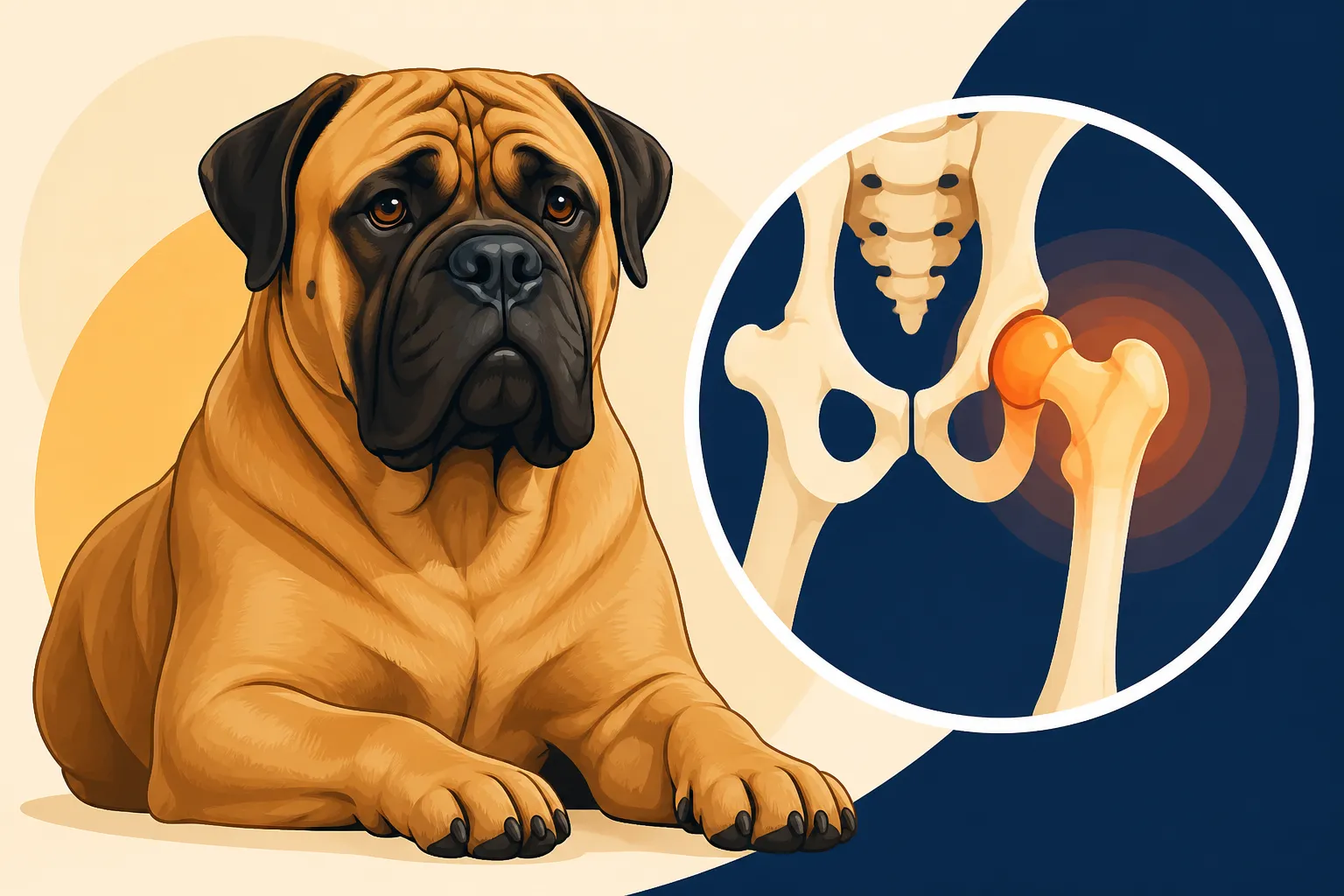
How Common Hip Dysplasia Is in Bullmastiffs
It's a truth almost every Bullmastiff owner eventually faces: the crushing worry about their giant companion's joints. These magnificent dogs are prone to a host of orthopedic issues, and hip dysplasia often sits at the top of that heartbreaking list. It's a condition that can steal their comfort, mobility, and frankly, a piece of your heart. This guide will walk you through just how common hip dysplasia is in Bullmastiffs, what it means for your furry family member, and what you can do to navigate this challenging health concern.
Understanding Hip Dysplasia in Bullmastiffs
Hip dysplasia isn't just a fancy medical term; it's a painful reality for far too many large breed dogs, and Bullmastiffs are no exception. Knowing what it is and why it affects our gentle giants is the first step in protecting them.
What Exactly Is Hip Dysplasia?
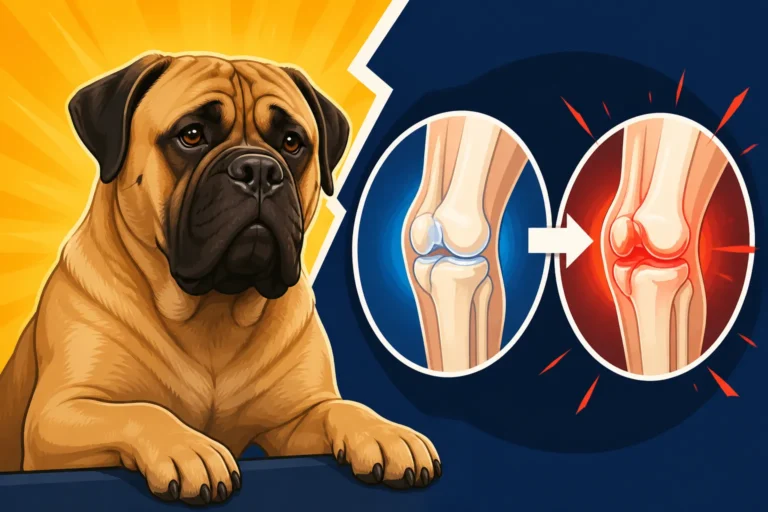
At its core, hip dysplasia is a developmental condition where the hip joint doesn't form correctly. Think of a ball and socket joint, like your shoulder or hip. In a healthy dog, the "ball" (the head of the femur, or thigh bone) fits snugly and smoothly into the "socket" (the acetabulum, part of the pelvis). When hip dysplasia is present, this fit is loose or malformed. The ball might be too flat, the socket too shallow, or both, leading to instability.
This poor fit causes the bones to rub and grind against each other over time, rather than gliding smoothly. This friction inevitably leads to wear and tear, pain, inflammation, and ultimately, degenerative joint disease or osteoarthritis. For a Bullmastiff, a dog that can weigh well over a hundred pounds, the stress on these already compromised joints is immense, making even simple movements incredibly painful and difficult. It's not just discomfort; it's a progressive disease that can severely impact their quality of life.
The Genetic Component and Bullmastiff Predisposition
The overwhelming consensus among veterinarians and geneticists is that hip dysplasia is primarily a hereditary condition, meaning it's passed down from parent dogs to their offspring. While environmental factors like rapid growth, excessive exercise in puppyhood, and nutrition can influence the expression and severity of hip dysplasia, the genetic predisposition is foundational. This genetic link is particularly strong in certain large and giant breeds, and sadly, our beloved Bullmastiffs fall squarely into this high-risk category.
Because of this genetic component, responsible breeding practices are absolutely crucial. Reputable Bullmastiff breeders go to great lengths to screen their breeding stock for hip dysplasia using established protocols like those from the Orthopedic Foundation for Animals (OFA) or PennHIP. Skipping these vital health clearances is a huge red flag because it perpetuates the cycle of this painful condition. Understanding that it's largely inherited also underscores why you should always ask about the hip health history of both parents when considering a Bullmastiff puppy.
How Common is Hip Dysplasia in the Breed?
This is the question that weighs heavily on the hearts of many prospective and current Bullmastiff owners. According to data from the Orthopedic Foundation for Animals (OFA) spanning decades, hip dysplasia is indeed quite common in the breed. While exact percentages can fluctuate slightly year by year and depend on how many dogs are submitted for evaluation, the trend shows that a significant portion of Bullmastiffs are affected. Looking at recent OFA statistics, it's not uncommon to see rates where anywhere from 20% to 30% or even higher of evaluated Bullmastiffs are found to have dysplastic hips.
To put this into perspective, this means roughly one in three or four Bullmastiffs tested will likely receive a rating of fair, borderline, or dysplastic. This is a higher prevalence compared to many other breeds, highlighting the urgent need for careful breeding and attentive ownership. It also underscores why a thorough examination, including X-rays, is so important for these dogs, even if they aren't showing obvious signs of pain. The severity can range from mild laxity, which might only cause issues later in life, to severe malformation, leading to debilitating pain and lameness even in young dogs. Early diagnosis can truly make a difference in managing the condition and improving their long-term comfort.
| OFA Hip Ratings Overview for Bullmastiffs (Sample Data, check current OFA for specifics) |
|---|
| Rating Category |
| Excellent |
| Good |
| Fair |
| Borderline |
| Mild Dysplasia |
| Moderate Dysplasia |
| Severe Dysplasia |
| Total Dysplastic (Borderline, Mild, Moderate, Severe) |
| Note: These percentages are illustrative and reflect common prevalence; actual OFA data should be consulted for the most up-to-date figures. |
Identifying and Managing Hip Dysplasia
It can be incredibly distressing to suspect your Bullmastiff is in pain. Their stoic nature often means they'll hide discomfort until it's quite advanced. Learning the subtle clues and understanding the diagnostic and treatment paths are vital for giving your dog the best possible outcome.
Signs Your Bullmastiff Might Be Hurting
Bullmastiffs are notoriously tough and often won't cry out in pain even when they're suffering. This means you, as their dedicated owner, need to be extra vigilant and pay close attention to subtle changes in their behavior and movement. One of the earliest signs you might notice is a reluctance to engage in activities they once enjoyed. Maybe they're hesitant to jump into the car, or they've stopped greeting you at the door with their usual enthusiasm. You might also observe difficulty rising from a lying position, especially after a nap. They may struggle, taking a few attempts, or stand up slowly and stiffly.
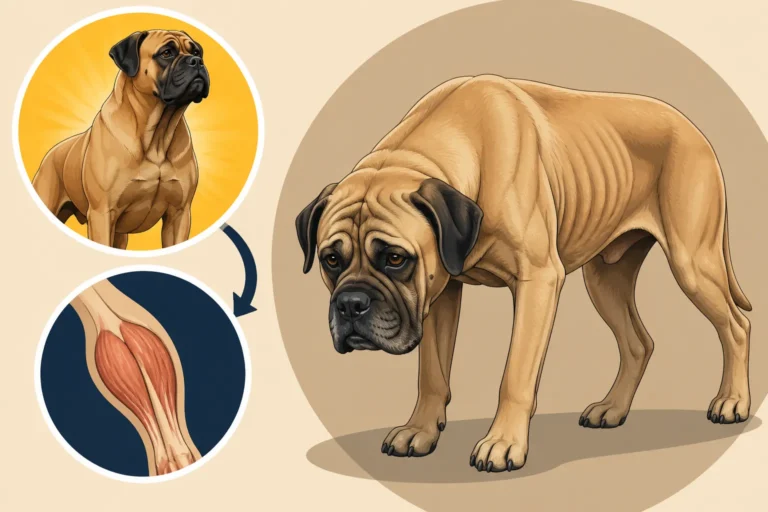
Another common indicator is a change in gait, often described as a "bunny hop" where both hind legs move together when running, or a noticeable lameness in one or both hind legs. They might shift weight more onto their front limbs, leading to increased muscle development there and atrophy in the hindquarters. You might also notice stiffness, particularly after rest or in colder weather. Look for a decrease in overall activity, a less playful demeanor, or even slight behavioral changes like grumpiness when touched on their hips or hindquarters. If you suspect any of these, it's time to talk to your vet. Don't let your Bullmastiff's stoicism trick you into waiting. For more in-depth information on what to look out for, you can check our guide on Signs a Bullmastiff's Hips Hurt.
Diagnosis and Treatment Options
If you suspect hip dysplasia, the first and most crucial step is a comprehensive veterinary examination. Your vet will perform a physical exam, manipulating your Bullmastiff's hips to assess range of motion, pain response, and joint laxity. However, a definitive diagnosis requires imaging, most commonly X-rays. For accurate readings, especially in a dog as large and powerful as a Bullmastiff, these X-rays are often performed under sedation. This ensures proper positioning, which is critical for clearly visualizing the hip joint and assessing the degree of dysplasia. Specialized X-ray techniques like OFA or PennHIP evaluations can provide a precise measurement of hip laxity and conformation. Remember, knowing When a Bullmastiff Should Be X Rayed can guide these discussions with your vet.
Once diagnosed, treatment approaches vary based on the severity of the dysplasia, the dog's age, and your family's circumstances. Conservative management is often the first line of defense for mild to moderate cases, especially in younger dogs, and involves a multi-pronged approach:
- Pain Management: Non-steroidal anti-inflammatory drugs (NSAIDs) like carprofen or meloxicam can significantly reduce pain and inflammation. Other medications, like gabapentin, might be used for neuropathic pain.
- Weight Management: Keeping your Bullmastiff lean is paramount. Excess weight puts immense strain on already compromised joints, accelerating degeneration and increasing pain. This is truly one of the most impactful things you can do for them, building on the concepts in Keeping a Bullmastiff Lean Is the Best Thing You Can Do.
- Physical Therapy & Controlled Exercise: Low-impact exercises like swimming, controlled leash walks, and therapeutic exercises can help build muscle strength around the joint, improving stability without causing further damage. Hydrotherapy is particularly beneficial.
- Joint Supplements: Glucosamine, chondroitin, MSM, and Omega-3 fatty acids can support cartilage health and reduce inflammation. Your vet can recommend appropriate brands and dosages. Our article on Whether a Bullmastiff Needs Joint Medication Early delves deeper into this.
For severe cases, or those that don't respond to conservative management, surgical options may be considered. These can include:
- Femoral Head Ostectomy (FHO): The head of the femur is removed, allowing a "false joint" to form. This is typically reserved for smaller dogs but can be an option for Bullmastiffs if other surgeries aren't feasible.
- Triple Pelvic Osteotomy (TPO) or Double Pelvic Osteotomy (DPO): These procedures involve cutting and rotating pelvic bones to improve the fit of the femoral head in the socket. They are most successful in younger dogs without significant existing arthritis.
- Total Hip Replacement (THR): Considered the gold standard, this involves replacing both the ball and socket with prosthetic implants, offering excellent long-term results and pain relief. However, it's a major surgery with a substantial cost and requires significant post-operative care.
The financial implications of treating hip dysplasia can be daunting, especially if surgery is required. For instance, What Hip Surgery Costs on a Bullmastiff can run into thousands of dollars per hip. This is where comprehensive pet insurance can be a literal lifesaver. Companies like Healthy Paws offer coverage that can help mitigate these steep veterinary bills, ensuring you can make decisions based on your Bullmastiff's health, not just your wallet. Having a plan like Healthy Paws in place early can provide immense peace of mind.
Prevention and Responsible Ownership
While hip dysplasia has a strong genetic component, proactive steps from the moment you bring a Bullmastiff puppy home can significantly influence their joint health and quality of life. Responsible ownership starts long before a diagnosis.
The Role of Responsible Breeding
As we’ve discussed, the genetic link in hip dysplasia is undeniable. This means the single most impactful preventative measure starts with choosing a responsible breeder. A truly ethical Bullmastmastiff breeder will prioritize health clearances for their breeding dogs. They will have documented proof from organizations like the OFA (Orthopedic Foundation for Animals) or PennHIP for both the sire and dam of any litter. OFA certifications typically involve X-rays taken at two years of age or older, with hips graded as Excellent, Good, or Fair. PennHIP evaluations can be done younger, often as early as 16 weeks, and provide a quantitative measure of hip laxity.
Never settle for a breeder who tells you they "know" their dogs have good hips without official certifications, or who claims their vet "checked" them. These are not sufficient. You should be able to see the official certificates, look up the dogs on the OFA public database, or understand the PennHIP scores. A breeder committed to the health of the breed understands that skipping these vital steps contributes to the prevalence of hip dysplasia. They'll also be transparent about the hip history of previous generations in their pedigrees. For a deeper dive into what to look for, consult our guide on What a Bullmastiff Breeder Should Have Screened. Choosing wisely at this stage is your first, and arguably most important, act of love for your future Bullmastiff.
Nurturing Healthy Joints from Puppyhood
Even with impeccable genetics, environmental factors during a Bullmastiff's rapid growth phase can profoundly impact their hip development. A Bullmastiff puppy grows at an astonishing rate, sometimes gaining several pounds a week. Their bones and joints are still soft and developing, making them vulnerable to injury and improper formation. Therefore, controlled exercise is paramount. Avoid activities that involve excessive jumping, hard stops and starts, or repetitive running on hard surfaces like concrete for your growing puppy. Long walks are fine, but keep them on soft ground and don't push them beyond their comfort level. Our article on The Exercise Limit for a Bullmastiff Puppy provides more specific guidance. Stairs should be minimized or avoided entirely until your Bullmastiff is at least a year old, ideally older.
Another critical factor is nutrition and maintaining a lean body weight. Overfeeding a large breed puppy can lead to excessively rapid growth, which puts undue stress on developing joints. Always feed a high-quality large breed puppy food specifically formulated to support slow, steady growth, with appropriate calcium and phosphorus levels. Our guide on Feeding a Bullmastiff Puppy So It Grows Slowly offers valuable insights here. You should be able to easily feel your puppy's ribs without seeing them prominently, and they should have a discernible waist. Keeping them lean throughout their life, as discussed in Why a Bullmastiff Puppy Should Be Kept Lean, is the single best thing you can do for their joint health. Proactive care during these formative months can significantly reduce the chances of environmental factors exacerbating any underlying genetic predispositions. For unexpected vet visits or specialist consultations during these crucial developmental years, having pet insurance like Healthy Paws can be incredibly helpful. They can help cover eligible conditions that might arise.
Long-term Care for Your Bullmastiff's Hips
Even if your Bullmastiff sails through puppyhood with seemingly perfect hips, long-term care remains crucial, especially as they age. Regular veterinary check-ups are essential to monitor their mobility and detect any subtle signs of joint discomfort before they become debilitating. Your vet can assess their gait, muscle mass, and overall joint health during these visits.
Continuing to manage their weight throughout their life is non-negotiable. An overweight Bullmastiff is an uncomfortable Bullmastiff, and every extra pound places additional strain on their hips. A healthy, lean body condition can delay the onset and reduce the severity of arthritis. Consider incorporating joint supplements like glucosamine, chondroitin, and omega-3 fatty acids into their daily routine, often starting proactively in middle age, even if they aren't showing signs of pain. These can support joint lubrication and reduce inflammation. Our article Whether a Bullmastiff Needs Joint Medication Early offers further details on this.
Providing supportive bedding is also a simple yet effective way to protect their joints. A thick, orthopedic bed can cushion pressure points and provide better support for their heavy bodies, preventing calluses and alleviating morning stiffness, a topic explored in Bedding and Joints for a Hundred and Thirty Pound Bullmastiff. As your Bullmastiff enters their senior years, which our article Caring for a Bullmastiff Past Six outlines in detail, you might consider ramps for cars or steps, and even physical therapy or hydrotherapy sessions to maintain muscle tone and flexibility. Remember, Healthy Paws can be a crucial part of your long-term care strategy, potentially covering chronic conditions like arthritis, making sure you don't have to compromise on ongoing treatments and medications that enhance your Bullmastiff's comfort and mobility as they age. These ongoing commitments demonstrate true responsible ownership and can dramatically improve your Bullmastiff's quality of life.
Disclaimer
Please remember that the information provided here is for educational purposes only and should not replace professional veterinary advice. Always consult with a qualified veterinarian for any health concerns or before making decisions about your Bullmastiff's care.