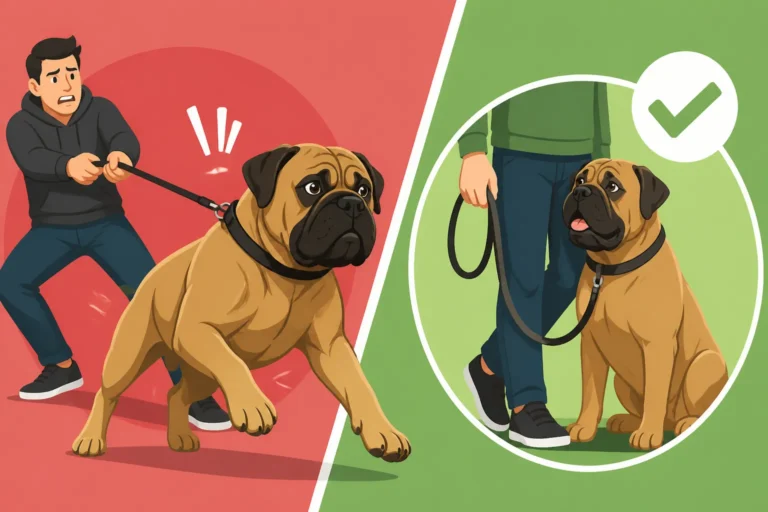
The Silent Guard: Why a Bullmastiff Barks So Little
It's often one of the most surprising traits for new Bullmastiff owners, or even just people meeting one for the first time: how incredibly quiet these giant, imposing dogs can be. You might expect a dog bred for protection to be a vocal alarm system, barking at every leaf that blows past the window. But more often than not, your Bullmastiff will simply observe, maybe offer a low grumble, and only truly let out a roar when something genuinely warrants it. This guide will delve deep into the fascinating reasons behind this breed's remarkably quiet nature, exploring their history, genetics, communication style, and what it means for living with one of these magnificent, silent guardians.
The Bullmastiff's Original Purpose: A Silent Hunter's Ally
To truly understand why your Bullmastiff is so wonderfully quiet, we have to travel back in time to the dense woodlands and sprawling estates of 19th-century England. This is where the Bullmastiff's story begins, not as a show dog or a family pet, but as a dedicated, highly specialized working dog. Their very existence was intertwined with a specific, demanding job, one that required absolute stealth and minimal vocalization.
Why Stealth Was Paramount for Gamekeepers
Imagine being a gamekeeper on a vast estate, tasked with protecting valuable game from poachers under the cover of darkness. The stakes were high, and the woods were often vast and unforgiving. A dog that barked indiscriminately would be a massive liability. Every bark would alert the poachers to the gamekeeper's presence, giving them ample time to escape, hide, or even prepare for confrontation. The ideal dog needed to move through the night like a shadow, detecting intruders without betraying its position or the gamekeeper's. This critical requirement for stealth profoundly shaped the breed's development.
The gamekeepers themselves were often solitary figures, operating in an environment where silence was literally golden. They needed a partner who could work in harmony with them, anticipating threats rather than announcing them. This meant the dog had to be exceptionally observant, relying on its keen senses of smell and sight, rather than its voice, to identify an issue. A Bullmastiff's quiet approach was its most potent weapon, allowing it to get close enough to a trespasser to fulfill its duty effectively. This ancient job description is the bedrock of their quiet temperament.
Breeding for Quiet Observation
When creating the Bullmastiff, gamekeepers weren't just looking for strength and courage; they were specifically selecting for dogs that exhibited minimal barking tendencies. They cross-bred the powerful, imposing Mastiff with the tenacious, athletic Bulldog. While both breeds have their moments, neither is typically known for incessant, high-pitched barking like some smaller, more excitable breeds. The Mastiff contributed its size, calm demeanor, and watchful nature, while the Bulldog added its fearlessness and powerful build. The combination was carefully curated to produce a dog that was naturally inclined to observe and act, rather than simply bark.
This selective breeding meant that puppies from lines known for being particularly vocal were likely culled or not chosen for breeding, reinforcing the quiet trait over generations. It wasn't about suppressing a natural instinct but rather choosing individuals where that instinct was already subdued. The goal was a dog that could detect a poacher from a distance, track them silently, and then, only when given the command or when the situation demanded, move in to physically prevent escape. The success of the early Bullmastiffs depended entirely on their ability to remain undetected until the decisive moment.
The "Holding" Instinct Over Aggression
Perhaps the most defining aspect of the Bullmastiff's historical role was its method of apprehending poachers. These dogs were not bred to attack, injure, or "bite down" on a person in the way some other protection breeds might. Instead, their primary function was to track and hold a trespasser, often by knocking them down and pinning them, using their immense weight and powerful build, until the gamekeeper arrived. This "holding" instinct is a crucial piece of the puzzle in understanding their quiet nature. A Bullmastiff Was Bred to Hold a Man, Not Bite Him delves into this in more detail.
An attacking dog might be prone to more excited, aggressive barking. A "holding" dog, however, needs to be controlled, deliberate, and focused. Barking would distract from the task, making it harder to surprise and contain the individual. The Bullmastiff's job was to be a silent, irresistible force, a living impediment to escape. This deliberate, controlled method of interaction further cemented the selection for quieter temperaments. They needed to be serious and formidable, but not prone to a frenzy of vocalization that could escalate a situation unnecessarily or make control difficult for their handler.
Genetics and Temperament: A Breed Apart
Beyond their historical job description, the very genetic makeup and inherent temperament of the Bullmastiff contribute significantly to their generally quiet disposition. They are a magnificent blend of two powerful breeds, each bringing traits that, when combined, create a dog known for its calm, deliberate nature.
The Mastiff Influence on Quietude
The Mastiff, one of the foundational breeds for the Bullmastiff, is renowned for its dignified and often quiet demeanor. These dogs are gentle giants, known for their calm presence and deep loyalty. They are watchful but rarely prone to excessive barking. A purebred Mastiff will often survey its surroundings with a steady gaze, processing information before reacting. If they do bark, it's typically a deep, booming sound meant to genuinely alert or warn, not a yappy, attention-seeking noise.
This inherent calm, passed down from the Mastiff side, is a huge factor in why Bullmastiffs bark so little. They possess that quiet, observant vigilance. They don't feel the need to vocalize every perceived change or movement. Instead, they store the information, evaluate it, and only then decide if a vocal response is truly warranted. It's a testament to their thoughtful nature that they inherited from their Mastiff ancestors, contributing to their reputation as The Silent Guard: Why a Bullmastiff Barks So Little.
The Bulldog Contribution
The other crucial component of the Bullmastiff's ancestry is the Old English Bulldog. While the modern Bulldog might be a bit more boisterous and prone to snorts and snores, the original working Bulldogs were tenacious, determined, and incredibly courageous. They were also not typically known for being high-strung barkers. Their focus was on the task at hand, whether it was working with cattle or, later, contributing to the development of the Bullmastiff.
The Bulldog's influence brought a strong sense of purpose and resilience. While some might think of Bulldogs as inherently noisy due to their breathing, their general communication style when it comes to alerts or territoriality leans more towards physical presence and a determined stare rather than a constant bark. This steadfastness, combined with the Mastiff's calm, produced a dog that is both fearless and thoughtful, choosing its moments to vocalize with care. The Bullmastiff embodies the best of both worlds: the quiet dignity of the Mastiff with the unwavering resolve of the Bulldog.
Inherited Traits of Deliberate Action
Bullmastiffs are not a breed known for frantic, impulsive reactions. Instead, they are characterized by deliberate, thoughtful action. This trait is deeply ingrained in their genetic makeup and is a direct inheritance from their working lineage. When a Bullmastiff encounters something new or potentially concerning, their first instinct isn't usually to bark wildly. Instead, they tend to observe, assess, and make a calculated decision about the appropriate response.
This deliberate nature means they take their responsibilities seriously. They aren't prone to "false alarms." If a Bullmastiff barks, it's generally because they have identified something they perceive as genuinely noteworthy or a potential threat. This discerning approach to vocalization sets them apart from many other breeds. It’s a quiet confidence that emanates from their very being, a profound understanding of their role as a protector without the need for constant, loud declarations. This is why A Bullmastiff Was Bred to Hold a Man, Not Bite Him rather than create a cacophony.
Understanding Bullmastiff Communication: More Than Just Barks
Because Bullmastiffs are not particularly vocal, understanding their nuanced communication style is absolutely essential for any owner. They "speak" in many ways that don't involve barking, and learning to read these subtle cues can help you understand your dog's moods, intentions, and alerts long before any sound is made.
Non-Vocal Warnings and Signals
A Bullmastiff's primary method of communication, especially when it comes to warnings or expressions of concern, is often non-vocal. They rely heavily on body language, which can be incredibly subtle or overtly clear, depending on the situation and the dog's individual personality. A Bullmastiff might first offer a hard stare, direct eye contact that conveys a clear message: "I see you, and I'm watching." Their posture might shift, becoming more rigid, their head held high, ears slightly alert, or a low, almost imperceptible growl might rumble in their chest.
They are masters of the "silent lean," a common Bullmastiff behavior where they press their heavy body against you, often a sign of affection, but it can also be a way to subtly assert presence or even to position themselves between you and something they perceive as a mild concern. Why a Bullmastiff Leans on People explores this trait. A Bullmastiff might also give a slow, deliberate "body block," positioning themselves to physically impede an approaching stranger without a sound, simply using their imposing size as a deterrent. These silent warnings are often far more effective and intimidating than a barrage of barks. Learning to recognize these cues is key to understanding your quiet giant.
The Deep, Resonant Warning Bark
While Bullmastiffs are known for barking little, it's crucial to understand that they absolutely can and will bark when they deem it necessary. And when they do, it's not a sound to be ignored. A Bullmastiff's bark is typically a deep, resonant, powerful sound that seems to come from their very core. It's not a yappy, frantic bark; it's a serious, authoritative declaration. This bark is usually reserved for genuine threats, strangers at the door that haven't been introduced, or unusual disturbances that genuinely warrant attention.
Think of it as a warning shot, not a constant cannonade. When your Bullmastiff barks, it's a clear signal that something has triggered their protective instincts. It's often accompanied by that imposing posture, possibly a lowered head, and a readiness to act. This deep bark is designed to deter and to alert you, and it's a sound that generally commands respect. It's a testament to their deliberate nature that they don't waste their powerful voice on trivialities, choosing instead to use it when its impact will be most felt. What a Bullmastiff's Bark Sounds Like truly is impressive when you hear it.
Grunts, Snores, and Conversational Noises
Just because Bullmastiffs don't bark much doesn't mean they are silent creatures. Far from it! They are often quite expressive with a wide range of other vocalizations that are incredibly endearing and unique to the breed. You'll hear a lot of grunts, groans, sighs, and rumbling sounds that are part of their daily "conversation." These are often expressions of contentment, mild irritation (like being woken up from a nap), or simply communicating their presence.
Many Bullmastiffs are champion snorers, a trait often attributed to their slightly brachycephalic (short-nosed) head structure, though not as extreme as some other breeds. These noises are rarely indicative of distress; they are simply part of living with a large, relaxed mastiff type. They might let out a soft "woof" or a low grumble when they want your attention, or a contented sigh when snuggled close. Why a Bullmastiff Grunts and Groans explains more of these delightful quirks. Learning to differentiate these everyday noises from a genuine warning bark is part of the joy of living with a Bullmastiff.
Socialization and Training: Reinforcing the Quiet Nature
While a Bullmastiff's quietness is largely inherent, proper socialization and consistent training play a vital role in nurturing and reinforcing this trait. A well-adjusted Bullmastiff is a confident one, and a confident dog is less likely to resort to excessive barking out of fear or insecurity.
Early Exposure to Diverse Sounds and People
One of the most crucial steps in raising a quiet, confident Bullmastiff is providing extensive early socialization. This means exposing your Bullmastiff puppy to a wide variety of sights, sounds, people, and experiences in a positive and controlled manner. Think of everyday noises: vacuums, doorbells, children playing, traffic, construction sounds. The goal isn't to desensitize them to the point of ignoring a genuine threat, but rather to teach them that most common sounds are not things to be feared or barked at.
Take your puppy to safe, public places where they can observe the world calmly. Introduce them to many different types of people – men, women, children, people wearing hats, people on bikes, people with umbrellas. Positive experiences during these formative months teach them that the world is generally a safe place, reducing the likelihood of fear-based or territorial barking as they mature. This builds a foundation of confidence, letting their natural quietude shine. A structured online puppy class, like those offered by BAXTER & Bella, can be an excellent resource for guiding you through these crucial early socialization experiences, even from the comfort of your home.
Teaching Appropriate Responses to Stimuli
Training isn't just about teaching commands; it's about teaching your Bullmastiff how to appropriately respond to the world around them. For a breed that's naturally quiet, this often means reinforcing their calm demeanor. When the doorbell rings, instead of allowing a rush to the door with barking, work on a "place" command. Teach them to go to a designated spot and remain calm while you answer the door. Reward them heavily for quiet, settled behavior in the face of common household stimuli.
If they do offer a low grumble or a single bark at something, acknowledge their alert, check it out, and then calmly tell them "thank you, quiet." Rewarding the quiet resolution, rather than the initial bark, helps them understand the appropriate response. The idea is to channel their protective instincts into a controlled, measured reaction rather than an uncontrolled vocal outburst. They are incredibly intelligent and keen observers, capable of learning these distinctions with consistent, patient guidance.
Discouraging Nuisance Barking
Even naturally quiet Bullmastiffs can develop nuisance barking habits if not properly managed. This might stem from boredom, anxiety, attention-seeking, or feeling constantly provoked by external triggers. If your Bullmastiff starts barking excessively, it's important to first identify the root cause. Are they not getting enough exercise or mental stimulation? Are they left alone for too long? Is there something outside constantly triggering them?
Addressing the underlying issue is key. For a bored Bullmastiff, consider puzzle toys, scent work, or longer, more engaging walks. For an anxious dog, gentle training, a consistent routine, and perhaps even professional guidance might be needed. If it's attention-seeking, ignore the barking and only reward them when they are quiet. For persistent external triggers, consider privacy film on windows, or even a solid fence if they are guarding a yard (though remember, Fencing High Enough for a Bullmastiff Costs a fair bit). Consistency is vital; everyone in the household needs to be on the same page to effectively manage and reduce any unwanted vocalizations.
Environmental Factors and Lifestyle: A Calm Home, A Quiet Dog
The environment and lifestyle you provide for your Bullmastiff play a huge role in supporting their quiet nature. A chaotic, inconsistent, or undersimulated environment can easily lead to a naturally quiet dog becoming more anxious and, consequently, more vocal.
The Importance of a Stable Home Environment
Bullmastiffs thrive on routine and a stable, predictable home environment. They are sensitive dogs, despite their imposing size, and constant changes, loud arguments, or a generally chaotic household can make them feel insecure or stressed. A calm household allows their natural placid temperament to flourish. They do best when they know what to expect, and their protective instincts are not constantly being put on high alert by inconsistent events.
Consistency in feeding times, walk schedules, and interaction with family members creates a sense of security. When a Bullmastiff feels secure, they are less likely to perceive minor events as threats that require vocalization. They will observe, trust your judgment as their leader, and only interject with a bark when they truly believe it's necessary. A peaceful home life fosters a peaceful, quiet companion. A Bullmastiff With Children can particularly benefit from a predictable environment.
Adequate Exercise and Mental Stimulation
It might seem counterintuitive for such a large dog, but Bullmastiffs generally don't require extreme amounts of exercise. However, they do need consistent, moderate physical activity to stay healthy and mentally balanced. A bored or restless Bullmastiff, while still less prone to barking than some other breeds, might engage in more pacing, destructive chewing, or indeed, more vocalizations out of sheer frustration. How Much Exercise a Bullmastiff Needs isn't as much as you might think.
Beyond physical exercise, mental stimulation is incredibly important. These are intelligent dogs who benefit from engaging their minds. Puzzle toys, short training sessions, scent games, and even just novel walks in different environments can help keep their minds active and prevent boredom. A mentally satisfied Bullmastiff is a calm Bullmastiff, and a calm Bullmastiff is a quiet Bullmastiff. Consider enrichment toys like those found on Amazon to keep their brains busy. Without adequate outlets, even the quietest dog can find ways to express their unmet needs, sometimes through increased barking.
Minimizing External Triggers
While we can't control everything outside our homes, minimizing constant external triggers can significantly contribute to a Bullmastiff's quietness. If your dog has a direct line of sight to a busy street, a neighboring dog, or frequent foot traffic, they might feel compelled to "alert" more often. For a Bullmastiff, this might not mean incessant barking, but it could mean more frequent low grumbles, body blocks, or serious stares.
Consider strategic placement of furniture, window films, or even taller privacy fencing to reduce visual stimuli that might constantly engage their guarding instincts. This isn't about making them oblivious, but about managing the constant influx of minor, non-threatening triggers. By reducing the frequency of these small "alerts," you allow your Bullmastiff to relax more in their home environment, reinforcing their natural inclination towards quiet observation rather than vocal declarations. It's about creating a personal "bubble" where they feel secure and don't feel the constant pressure to be on guard.
Comparing to Other Breeds: Why They Stand Out
The Bullmastiff's quiet nature is one of its defining characteristics, especially when compared to other breeds, including those often categorized as "guard dogs." This distinction highlights their unique approach to protection and companionship.
Bullmastiffs vs. Traditional Barking Guard Dogs
When most people think of a "guard dog," they often picture breeds like German Shepherds, Doberman Pinschers, or Rottweilers, dogs known for their sharp, often frequent, and intimidating barks as a primary deterrent. These breeds are often explicitly bred and trained to be vocal alarms, announcing any perceived intruder or unusual event with fervor. Their barking is an integral part of their protective strategy, designed to scare off threats and alert their owners.
The Bullmastiff, however, operates on a different philosophy. While they possess an equally strong protective instinct, their method is less about vocal announcement and more about silent, physical presence. Their imposing size and stoic demeanor are often enough to deter. If a bark is issued, it's not the initial warning system but usually a more serious, last-resort alert, signifying a heightened level of concern. This makes them a "silent guard," a stark contrast to breeds where a constant barrage of barks is the norm. Why a Bullmastiff Was Bred to Work Silently is directly linked to this history.
Bullmastiffs vs. Other Mastiff Types
While all Mastiff-type breeds (Molossers) generally share a calm and watchful temperament, there can be subtle differences in their vocal tendencies. For instance, the traditional English Mastiff is often even more laid-back and reserved, perhaps barking even less frequently than a Bullmastiff, though their sheer size can make their bark equally formidable. Breeds like the Cane Corso or Presa Canario, while also often quiet and observant, might have a slightly higher propensity for alert barking due to their slightly more active and reactive guarding styles. How a Bullmastiff Differs From a Mastiff sheds more light on these distinctions.
The Bullmastiff sits in a unique middle ground. They possess the calm, watchful nature of the Mastiff but with the added determination and slightly more active physical presence from the Bulldog lineage, which still largely emphasizes quiet, controlled action over vocal exuberance. Owners of other Molosser breeds will often attest to the deep grumbles, groans, and snores being common across the family, but the specific frequency and trigger for a full-throated bark can vary. The Bullmastiff consistently ranks among the quieter end of the spectrum for truly effective guardian breeds.
The Quiet Guardian
Ultimately, the Bullmastiff stands out as the quintessential "quiet guardian." Their effectiveness as a protector doesn't come from incessant barking, but from their sheer presence, their watchful eyes, and their deliberate, powerful actions when truly provoked. They embody a calm confidence that many find incredibly reassuring. You don't need a dog to constantly announce its presence to know it's there to protect you. A Bullmastiff's quiet vigilance is often far more intimidating than a yapping flurry.
This silent strength is part of their appeal for many owners who appreciate a dog that is serious about its job without being a noisy nuisance. They provide security and peace of mind without creating constant disruption. This makes them an ideal companion for those who desire a formidable protector but also value tranquility in their home. The Bullmastiff proves that true guardianship isn't always loud; sometimes, it's incredibly, profoundly quiet.
Addressing Misconceptions: The Myth of the "Silent" Dog
It's easy to misunderstand a Bullmastiff's quiet nature, leading to misconceptions about their capabilities or even their health. It's important to clarify that "barking little" is not the same as "never barking" and that their quietness speaks to their temperament, not a lack of awareness or emotion.
They Can Bark, and Will When Necessary
One of the biggest misconceptions about Bullmastiffs is that they are entirely silent or incapable of barking. This is simply not true. While they are known for barking little, they are perfectly capable of emitting a very deep, powerful, and intimidating bark when the situation warrants it. If you've never heard your Bullmastiff bark, it simply means they haven't encountered anything truly alarming in their environment. This is a testament to your calm home and their secure disposition.
A Bullmastiff's bark is a tool, not a constant form of expression. They reserve it for genuine alerts: a suspicious stranger on the property, an unfamiliar person coming through the door, or perhaps an unusual noise in the middle of the night. When that deep bark comes, it should be taken seriously. It's their way of saying, "Hey, I really need you to pay attention to this," or "This situation is not okay." It's important for owners to trust their Bullmastiff's judgment in these moments, as they are not prone to false alarms.
The Difference Between Quietness and Timidity
Another potential misconception is that a quiet Bullmastiff is a timid or fearful one. This couldn't be further from the truth. A Bullmastiff's quiet nature stems from their inherent confidence, their deliberate temperament, and their historical role. They don't need to bark to assert themselves or to signal a threat; their impressive physical presence and watchful gaze are often sufficient. A confident dog feels secure in its role and environment, and therefore doesn't feel the need for constant vocal reassurance or warnings.
Conversely, a truly timid or fearful dog might also be quiet, but their body language would tell a different story – tail tucked, ears back, cowering, avoiding eye contact. A quiet Bullmastiff, however, will typically hold itself with a dignified, self-assured presence. Their eyes will be alert and focused, their posture strong. It's crucial to understand this distinction. A Bullmastiff that is unusually quiet and displays fearful body language might need veterinary or behavioral consultation, but natural quietude from a confident Bullmastiff is a hallmark of the breed.
When Barking Signals a Problem
While rare, a sudden increase in barking from a typically quiet Bullmastiff can be a significant indicator that something is amiss. Just as their quietness is a sign of their nature, a deviation from that quietness can signal a problem. This isn't about the occasional alert bark, but a noticeable and persistent change in their vocal habits.
Consider these possibilities:
- Pain or Discomfort: Dogs often hide pain, but persistent barking, whining, or growling might be their way of signaling that they are in discomfort or have an injury. This would warrant an immediate vet check. How a Bullmastiff Hides Pain is something every owner should be aware of.
- Anxiety or Stress: Major changes in routine, separation anxiety, or new fears can manifest as increased barking. This could be accompanied by other stress signals like pacing, destructive behavior, or changes in appetite.
- Boredom or Lack of Stimulation: As mentioned earlier, even quiet dogs can become more vocal if their physical and mental needs aren't being met.
- Cognitive Decline in Older Dogs: In senior Bullmastiffs, a sudden increase in barking or vocalizations, especially at night, can be a sign of cognitive dysfunction (like canine dementia), confusion, or other age-related issues. Caring for a Bullmastiff Past Six often involves monitoring for these changes.
It's vital for owners to pay attention to any significant shift in their Bullmastiff's normal behavior, including their vocal patterns. A Bullmastiff's quiet nature is usually a blessing, but a sudden departure from it is always worth investigating.
| Bullmastiff Vocalizations | Description | Common Triggers | What it Means |
|---|---|---|---|
| Deep, Resonant Bark | Loud, serious, low-pitched. | Strangers at door, perceived threat, unusual outdoor sounds. | Serious alert, "pay attention now!" |
| Low Grumble/Rumble | Soft, deep sound from chest. | Approaching stranger, mild annoyance, surveying surroundings. | Pre-alert, observation, mild concern. |
| Grunt/Sigh | Short, expressive exhale/inhale. | Changing positions, waking up, settling down, contentment. | General communication, comfort. |
| Snoring | Loud, consistent breathing during sleep. | Relaxed sleep, brachycephalic tendency. | Normal, healthy sleep pattern. |
| Soft Woof/Puff | Gentle, short, low volume. | Seeking attention, acknowledging your presence, mild curiosity. | "Hello," "I'm here," "What's that?" |
Disclaimer
This article is for general informational purposes only and does not constitute professional advice. Laws, prices and regulations vary by location and change over time. Consult a qualified professional for guidance on your specific situation.