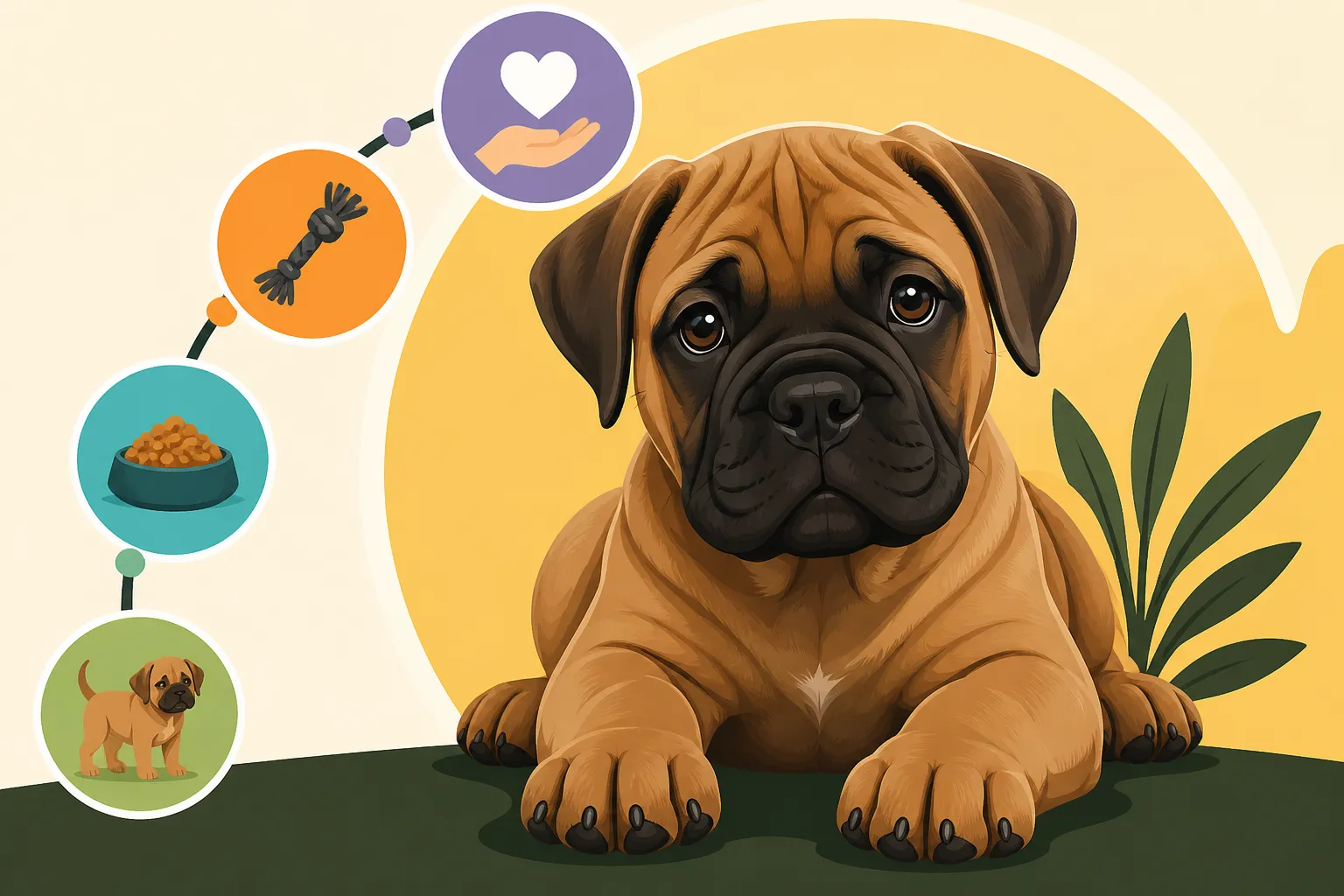
The First Year With a Bullmastiff Puppy
Bringing home a Bullmastiff puppy is an exciting, yet often daunting, experience. You're not just getting a cute, wrinkly bundle of joy; you're bringing a future giant into your life, one that will soon outweigh most adults. The sheer size and strength these dogs attain means that those crucial first twelve months are not just about cuteness and cuddles; they are about laying a solid foundation for behavior, health, and a harmonious life together. This guide will walk you through what to expect and how to navigate that pivotal first year, helping you raise a well-adjusted, confident, and manageable Bullmastiff.
Bringing Home Your Bullmastiff Puppy: The Early Days
The moment you decide to bring a Bullmastiff puppy into your home, your life changes in wonderful, profound ways. But before that furry bundle even crosses your threshold, there’s a whole lot of preparation that needs to happen, especially when you consider the sheer scale of the dog they will become. This isn’t a small terrier; this is a dog that will easily top 100 pounds, and preparing for that reality from day one is key to success.
Preparing for a Giant Puppy
Thinking about a Bullmastiff puppy means thinking big from the start. Your average puppy supplies just won’t cut it for long. That cute little bed? It’ll be shredded or outgrown in weeks. The small food and water bowls? They'll be tipped over or inadequate for their immense thirst and appetite. You need to invest in large, durable items that can withstand the rigors of a growing giant breed. This includes a robust, appropriately sized crate, big enough for them to stand, turn around, and lie down comfortably as an adult, not just as a tiny pup. Consider a heavy-duty dog bed that offers orthopedic support, even for a young dog, because those joints will appreciate the cushioning. You can often find a good selection of durable large-breed specific items on platforms like Amazon.
Beyond the physical items, your home environment needs to be puppy-proofed with a giant in mind. Anything within reach is fair game for exploration with a curious mouth, and a Bullmastiff puppy can reach surprisingly high. Secure cabinets, put away valuable or breakable items, and block off areas that are off-limits. Remember, what might be an inconvenience with a small puppy can be a serious safety hazard or significant damage with a Bullmastiff. Think about durable chew toys that can withstand powerful jaws, not just for entertainment but to redirect that natural chewing instinct away from your furniture legs.
Finally, prepare your family for the commitment. Bullmastiffs thrive on companionship, and they need consistent training and socialization from everyone in the household. Discuss rules and expectations for interacting with the puppy, especially if you have children. Everyone needs to be on the same page regarding training commands, house rules, and how to safely play with a large breed puppy. Consistency is your best friend when raising a Bullmastiff.
The First Week: Settling In and Socialization
The first week or so in your home is all about helping your Bullmastiff puppy adjust to their new environment. This is often called the "honeymoon phase," and while it's tempting to introduce them to everyone and everything, a slow and steady approach is best. Provide a safe, quiet space for them in their crate or designated bed. Establish a predictable routine for feeding, potty breaks, and playtime right away. This structure helps reduce anxiety and builds trust. Your puppy might be a little overwhelmed, and a calm, consistent environment is precisely what they need.
While the focus is on settling in, gentle, positive socialization needs to begin immediately. This isn't about throwing your puppy into chaotic situations; it's about controlled, positive introductions. Let them meet a few calm, vaccinated adult dogs one-on-one. Introduce them to a limited number of quiet, respectful new people. Offer treats and praise to create positive associations with these new experiences. Early positive experiences lay the groundwork for a confident, well-adjusted adult dog, preventing fear-based reactions later on.
During this period, pay close attention to your puppy's cues. Are they hiding? Are they overstimulated? Learn to read their body language. Remember that a Bullmastiff's protective instincts will develop naturally, but early positive experiences with various people and environments will ensure they are discerning and confident, rather than fearful or overly reactive. Focus on building a strong bond with your puppy through gentle handling, positive reinforcement, and lots of praise.
Early Training Foundations: Potty Training and Crate Training
Potty training and crate training are paramount for a Bullmastiff puppy, and frankly, they should start the very first day you bring your pup home. Imagine trying to manage a 120-pound adult dog who isn't reliably house-trained – it's a nightmare nobody wants. Consistency is absolutely crucial here. Take your puppy out frequently: first thing in the morning, last thing at night, after every meal and nap, and before and after playtime. Celebrate successes with enthusiastic praise and treats. Accidents will happen, so be prepared for them and clean them thoroughly without scolding your puppy, as that can make them afraid to potty in front of you.
Crate training, when done correctly, isn't a punishment; it's a safe haven for your dog and an invaluable tool for potty training and managing your puppy. Introduce the crate as a positive place, with treats, toys, and a comfy bed inside. Never use the crate for punishment. The goal is for your Bullmastiff to view their crate as their own personal den, a place where they feel secure and can rest peacefully. This is especially important for a large breed who will inevitably take up a lot of space in your home. A dog that is comfortable and quiet in their crate makes everyone's life easier, whether you're working, sleeping, or have guests over. What a Crate for a Bullmastiff Costs can be a concern, but it's an investment that truly pays off in the long run for peace of mind and canine security.
These early training foundations aren't just about convenience; they're about teaching your Bullmastiff structure, boundaries, and self-control from a young age. Given their eventual size and strength, a Bullmastiff who respects boundaries and is reliably potty-trained makes for a much more pleasant household companion. Consider resources like BAXTER & Bella for structured online puppy training programs that can guide you through these critical early stages with expert advice.
Growth and Development: Understanding the Bullmastiff Timeline
The Bullmastiff's growth isn't just about getting bigger; it's a complex journey of physical and mental development that unfolds over a longer period than many other breeds. Understanding this timeline is essential for providing appropriate care, training, and managing your expectations. They might look like an adult at a year, but trust me, they're still very much a puppy in many ways.
Physical Growth: Not Your Average Puppy
Watching a Bullmastiff puppy grow is truly something to behold. They sprout up at an incredible rate, quickly leaving behind their "puppy" size. However, this rapid growth also comes with a significant caveat: it needs to be slow and steady to protect their developing joints. Unlike smaller breeds, Bullmastiffs can be prone to orthopedic issues like hip and elbow dysplasia, which can be exacerbated by growing too quickly or being overweight. Why a Bullmastiff Puppy Should Not Grow Fast is a topic every Bullmastiff owner needs to understand deeply. You'll want to monitor their weight closely, often Weighing a Bullmastiff Puppy Every Week during the most rapid growth phases, to ensure they are on a healthy trajectory.
During the first year, a Bullmastiff puppy will go through several awkward growth stages. They might look gangly and uncoordinated, with huge paws and a disproportionately large head. This is entirely normal! Their bones and muscles are developing, and they're figuring out how to manage their rapidly changing body. Provide soft, non-slip surfaces for them to walk on and avoid excessive jumping or prolonged, strenuous exercise. Protecting those growing joints is paramount for their long-term health and mobility.
By the time they hit their first birthday, most Bullmastiffs will have reached close to their adult height and much of their adult weight, though they will continue to fill out and gain muscle mass until they are two or even three years old. It’s a marathon, not a sprint, and managing their nutrition and exercise carefully throughout this period is crucial for ensuring a strong, healthy adult.
Mental Maturity: The Slow Burn
While their bodies grow at an astounding pace, a Bullmastiff's mental and emotional maturity takes a lot longer to catch up. Many Bullmastiffs are not truly "grown up" until they are around two to three years old. This means that for much of their first year, and well into their second, you'll be dealing with an adolescent dog in a giant's body. They might have the size and strength of an adult, but they still possess the curiosity, impulsiveness, and sometimes stubbornness of a teenager. When a Bullmastiff Finishes Maturing is a key concept to grasp.
During this extended adolescence, you'll notice periods where they might "forget" their training, test boundaries, or become more easily distracted. This isn't defiance; it's often a normal part of their developmental process as their brain continues to mature. Patience, consistency, and continued positive reinforcement training are absolutely vital. Don't assume that because they knew a command last week, they'll perform it perfectly this week. Revisit basics often and celebrate small successes.
This slow mental maturity also influences how they perceive and react to the world. Their confidence builds over time, and their natural guarding instincts, which might begin to appear around 8-12 months, need to be carefully guided through continued socialization and training. You want a discerning guardian, not an over-reactive one. Understanding that their emotional state is still evolving helps you approach challenges with empathy and a long-term perspective.
Adolescent Challenges: Testing Boundaries
Around six to eighteen months, your Bullmastiff puppy will officially enter adolescence. This phase can be a rollercoaster! They’re no longer a tiny pup, but they’re not yet a fully mature adult. Imagine a human teenager, but one who weighs over 100 pounds and has a powerful will of their own. This is when they really start testing boundaries, pushing limits to see what they can get away with. Don't be surprised if they suddenly "forget" commands they've mastered, or if their recall mysteriously vanishes when there's something more interesting to investigate.
One common challenge during adolescence is increased stubbornness. Bullmastiffs are known for being deliberate thinkers, and in their teenage phase, this can manifest as outright refusal or a "wait and see" attitude towards commands. This isn't personal; it's just them exercising their developing independence. This is where consistent, fair, and firm training becomes even more crucial. Keep training sessions short, fun, and highly rewarding to maintain their engagement. If you allow them to get away with bad behaviors now, it will be significantly harder to correct them when they are fully grown and even more powerful.
Another aspect of adolescence is the emergence of their protective instincts. Around this age, you might notice them becoming more aware of strangers or new situations, sometimes exhibiting a cautious or watchful demeanor. It's important to differentiate between natural guardian behavior and fear-based aggression. Continue positive socialization experiences, ensuring they learn to discern between a true threat and a friendly visitor. Enroll in advanced obedience classes or consider a trainer if you're struggling to manage these adolescent behaviors, especially with a breed of this size.
Training a Hundred-Pound Puppy: Building Good Habits Early
Training a Bullmastiff is an ongoing journey, but the first year is the most critical for establishing good habits. You're not just training a dog; you're shaping a future giant. The sheer size and strength of an adult Bullmastiff mean that you must have control, and that control comes from consistent, positive training that starts from day one. Training a Bullmastiff That Weighs More Than You Do isn't just a catchy phrase; it's a daily reality you need to prepare for.
Leash Training a Future Giant
Leash training is arguably one of the most important skills for a Bullmastiff, and it needs to be impeccable. A full-grown Bullmastiff pulling on a leash can easily drag an unprepared adult, causing injury to both dog and handler. Start early, with short, positive sessions in a low-distraction environment. Introduce the collar and leash in a fun way, letting your puppy wear them for short periods, associating them with treats and praise. Focus on teaching loose-leash walking from the very beginning. Every time they pull, stop moving. Only resume walking when the leash is slack. This teaches them that pulling gets them nowhere.
Invest in appropriate gear. A strong, comfortable harness can distribute pressure more evenly across their chest rather than their neck, which is especially important for growing pups. Some owners find head halters helpful for better control on walks as their Bullmastiff grows, but these need to be introduced very gradually and positively to avoid negative associations. Avoid retractable leashes, as they offer little control and can be dangerous with a powerful, fast-growing dog. Stick to a sturdy 4-6 foot leash.
Remember that leash manners are not a one-and-done lesson. They require consistent practice throughout your Bullmastiff's first year and beyond, in various environments. Practice walking nicely past distractions, other dogs, and people. A well-leash-trained Bullmastiff is a joy to walk; an untrained one can be a source of constant frustration and potential danger. Mastering Teaching a Bullmastiff to Walk on Leash should be high on your priority list.
Basic Obedience: Commands and Manners
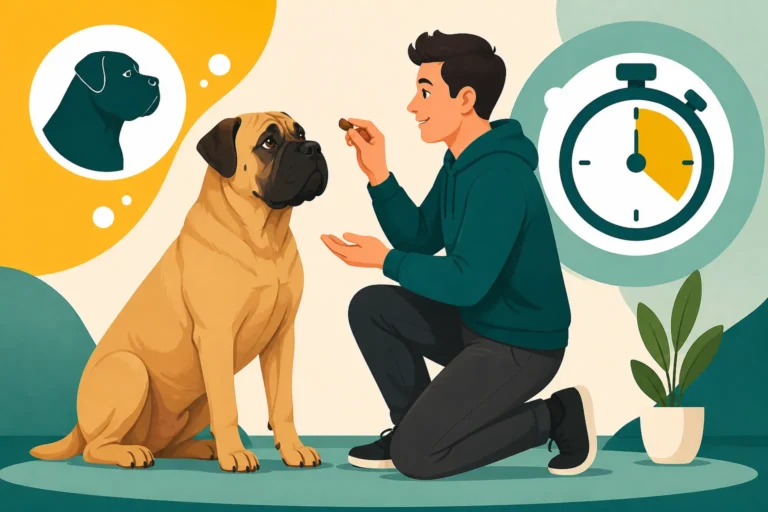
Beyond leash training, a strong foundation in basic obedience commands is non-negotiable for a Bullmastiff. Commands like "sit," "stay," "come," "down," and "leave it" aren't just tricks; they are vital safety cues and manners that ensure your dog can coexist politely in your home and in public. Start teaching these commands with positive reinforcement, using high-value treats and enthusiastic praise. Keep sessions short, fun, and frequent.
Bullmastiffs are intelligent, but they can be deliberate and sometimes stubborn. They may not be as eager to please as some other breeds, and they might pause to "consider" a command before obeying. This isn't necessarily disobedience; it's just their nature. Consistency is key. Everyone in the household needs to use the same commands and hand signals. If you let them get away with ignoring a command sometimes, they'll learn that it's optional.
Enroll in puppy classes as soon as your veterinarian gives the all-clear for vaccinations. These classes provide structured learning, expose your puppy to other dogs and people in a controlled environment, and offer invaluable guidance from experienced trainers. As they grow, consider advanced obedience classes or even private training if you feel overwhelmed. The more training you invest in early, the more manageable and enjoyable your Bullmastiff will be as an adult.
Managing Mouthing and Jumping
Puppy mouthing and jumping up are normal behaviors, but with a Bullmastiff, they quickly become problematic due to their size and strength. A playful nip from a small puppy is cute; a playful nip from a 60-pound Bullmastiff puppy can break skin. A jump from a small dog is annoying; a jump from a 100-pound Bullmastiff can knock over a child or an elderly person. It's crucial to address these behaviors immediately and consistently.
For mouthing, redirect your puppy's attention to an appropriate chew toy every time they mouth you. If they continue, disengage from play completely by standing up and turning your back, or even leaving the room for a few seconds. They quickly learn that mouthing people means the fun stops. Teach bite inhibition by yelping loudly if they bite too hard during play, then withdraw attention. This mimics how puppies learn from their littermates.
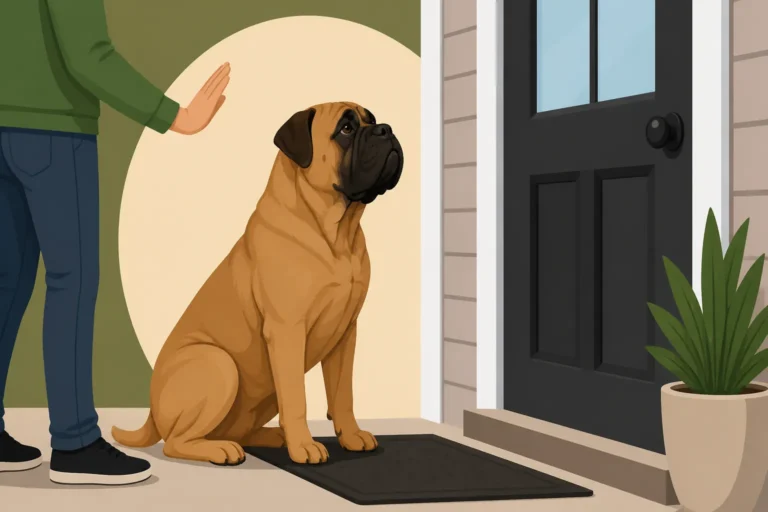
For jumping, never reward the behavior with attention. When your puppy jumps, turn your back, cross your arms, and ignore them completely. Only give attention, praise, or treats when all four paws are on the floor. If guests are visiting, ask them to do the same. You can also teach an alternative behavior, like "sit" to greet people. A Bullmastiff puppy wants attention more than anything, so if they learn that calm behavior gets them what they want, they will choose that path. It takes patience and consistency, but it's incredibly important for safety and manners.
Socialization Beyond the Home: Positive Experiences are Key
Socialization for a Bullmastiff isn't a one-time event; it's an ongoing process throughout their first year, especially given their natural guardian instincts and potential for aloofness with strangers. Positive, controlled exposures to various people, places, sounds, and other dogs are critical to ensure they grow into confident, well-adjusted adults who can discern true threats from everyday interactions.
Introducing Your Bullmastiff to New People
A well-socialized Bullmastiff should be confident, calm, and accepting of polite strangers, even if they remain a bit reserved, which is a characteristic of the breed. From a young age, expose your Bullmastiff puppy to a diverse range of people: men, women, children, people in hats, people with canes, people of different ethnicities. Ensure these interactions are always positive. Ask people to offer a treat (if allowed) and speak in a calm, friendly tone. Avoid forcing interactions if your puppy is shy or overwhelmed.
It's particularly important that your Bullmastiff learns to be comfortable with people entering your home. As natural guardians, they can become wary of visitors if not properly introduced. When guests arrive, keep the initial greetings calm and controlled. Have your Bullmastiff on a leash if necessary, and ensure they don't jump or become overly excited. Encourage guests to ignore your dog until they have settled down, then initiate calm, positive interactions. This teaches your Bullmastiff that visitors are not a threat, but a welcome addition to the household.
Remember, a Bullmastiff's protective nature is inherent, but good socialization ensures it's channeled correctly. You want a dog that can assess situations, not one that reacts out of fear or over-protectiveness to every new face. Consistent positive introductions build a discerning dog. How a Bullmastiff Greets a Stranger will tell you more about what to expect from their inherent personality.
Navigating Dog-to-Dog Interactions
Socialization with other dogs is just as vital as human interaction. However, with a Bullmastiff, it's about quality over quantity. They don't need to be best friends with every dog they meet, but they do need to learn polite canine manners and how to coexist peacefully. Seek out opportunities for your puppy to interact with calm, well-socialized adult dogs who can teach them appropriate play behavior and boundaries. Avoid dog parks or uncontrolled off-leash areas during the critical developmental stages, as negative experiences can have lasting impacts, especially for a large, powerful breed.
When introducing your Bullmastiff to other dogs, keep interactions short, supervised, and positive. Watch for signs of stress or over-excitement in both dogs. Focus on parallel walks or brief, calm greetings rather than boisterous play initially. As they grow, you'll need to be particularly mindful of Same Sex Aggression in Bullmastiffs, which can be a challenge for the breed. Understanding this potential predisposition means you might need to be extra cautious with same-sex dog introductions as they mature.
A well-socialized Bullmastiff should be able to calmly pass other dogs on a walk, or politely greet a new dog without drama. The goal isn't to make them hyper-social; it's to ensure they are confident and comfortable in the presence of other canines, preventing fear, reactivity, or aggression. Continued positive experiences throughout their first year will help shape their canine social skills.
Exposing Your Puppy to the World
The world is full of sights, sounds, and experiences, and your Bullmastiff puppy needs to be exposed to as many of them as possible, always in a positive, controlled manner. Take them for car rides, even short ones to nowhere in particular, so they become accustomed to travel. Visit pet-friendly stores (if permitted), sit on a park bench and observe people and dogs from a distance, or introduce them to different surfaces like grass, concrete, gravel, and even stairs (carefully, as puppies' joints are still developing).
The key is to make every new experience a positive one. Bring high-value treats and reward your puppy for calm, curious behavior. If they seem overwhelmed, remove them from the situation or increase the distance from the stimulating factor. Never force them into a situation that clearly causes distress. You want to build confidence and resilience, not fear. Exposure to everyday noises like vacuum cleaners, doorbells, and street traffic should also be gradual and positive within your home.
This broad exposure helps your Bullmastiff develop into a bomb-proof companion who can handle various environments without becoming anxious or reactive. A Bullmastiff that is comfortable in different settings is a testament to good early socialization and will be a much more enjoyable companion for years to come. Think of it as building a robust emotional immune system for life.
Exercise, Play, and Mental Stimulation for a Growing Bullmastiff
It’s easy to look at a Bullmastiff puppy and think they need hours of running and playing to burn off energy. But with a giant breed, especially during their critical growth phases, less is often more when it comes to physical exercise. Over-exercising can do more harm than good, but under-stimulating their minds can lead to destructive behaviors. It’s all about balance.
Appropriate Exercise for Joints and Growth Plates
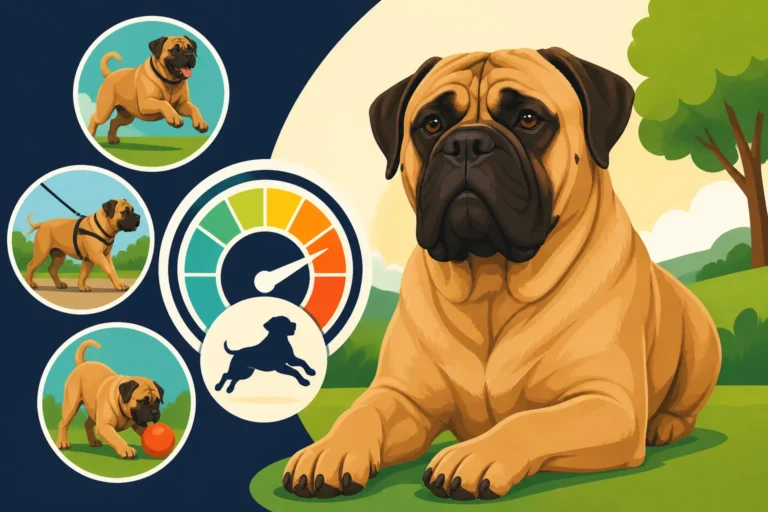
For Bullmastiff puppies, controlled, low-impact exercise is paramount to protect their rapidly developing joints and growth plates. Intense running, jumping, long hikes, or repetitive activities like fetching for extended periods should be avoided until they are fully grown, typically around 18-24 months. Over-exertion during this time can contribute to orthopedic problems like hip and elbow dysplasia, which can be devastating for a large breed.
Instead, focus on short, frequent walks on soft surfaces like grass, and supervised playtime in a securely fenced yard. Let your puppy dictate the pace and duration. If they seem tired, it’s time to rest. As they get older, the walks can gradually increase in length, but always prioritize quality over intensity. Remember, The Exercise Limit for a Bullmastiff Puppy is more restrictive than for many other breeds. A good rule of thumb is 5 minutes of structured exercise per month of age, twice a day, up to around six months old.
Providing a comfortable, supportive bed is also part of protecting their joints. A large orthopedic bed will cushion their heavy bodies, preventing pressure sores and giving their joints a break. This is an area where investing in quality truly makes a difference in their comfort and long-term health.
Engaging Their Minds: Beyond Physical Activity
While physical exercise needs to be controlled, mental stimulation for a Bullmastiff puppy can be, and should be, extensive. These are intelligent dogs, and a bored Bullmastiff is often a destructive Bullmastiff. Mental work tires them out just as much, if not more, than physical exertion. Engage their minds with puzzle toys, which can be easily sourced from Amazon, scent work, and short, frequent training sessions that challenge them to think.
Interactive games like hide-and-seek (with you or a toy) or teaching them new tricks are excellent ways to provide mental enrichment. Even simple obedience commands, practiced in new environments or with added distractions, can be mentally stimulating. Remember that Bullmastiffs often have a deliberate nature, so giving them tasks that require problem-solving or sustained focus can be very satisfying for them.
Regular mental stimulation helps prevent boredom-driven behaviors such as excessive chewing, digging, or even nuisance barking. It also strengthens your bond with your puppy, teaching them to engage with you and see you as a source of fun and challenge. A mentally satisfied Bullmastiff is a calmer, happier housemate.
Safe Play and Toy Selection
Playtime is crucial for a puppy's development, but for a Bullmastiff, it needs to be safe and appropriate for their burgeoning strength. Choose durable, dog-safe toys that can withstand powerful jaws. Avoid toys that can be easily torn apart and ingested, as this can lead to choking or intestinal blockages. Think tough rubber toys, large rope tugs (used for controlled tug games), and heavy-duty chew toys.
Supervise all playtime, especially with new toys, to ensure they are being used safely. Engage in interactive play that encourages appropriate behavior, like fetch (in short bursts) or tug-of-war where your puppy learns "drop it" on command. Avoid rough-housing that encourages biting or jumping on people. Remember, you're teaching a future guardian, and rough play with humans can blur boundaries that are important to maintain.
Rotating toys can help keep your Bullmastiff engaged and prevent boredom. Introduce new textures and shapes to keep their interest piqued. Always ensure toys are appropriately sized – nothing small enough to be swallowed whole. A Bullmastiff's natural desire to chew needs to be directed towards appropriate outlets, and a good selection of safe, durable toys is key to protecting your household items.
Health and Nutrition: Fueling a Bullmastiff's First Year
The first year of a Bullmastiff's life is a period of monumental growth, and their health and nutrition needs are unique and crucial. Providing the right food, ensuring proper medical care, and monitoring their development are critical steps in setting them up for a long, healthy life. Neglecting these aspects can lead to significant problems down the line.
Large Breed Puppy Food Essentials
When it comes to feeding your Bullmastiff puppy, the type of food you choose is paramount. They must be on a high-quality, large breed specific puppy food. These formulas are specially designed to support slower, controlled growth, which is vital for preventing skeletal problems in rapidly growing giant breeds. They typically have carefully balanced calcium-to-phosphorus ratios and lower protein and fat levels than regular puppy foods. What a Bullmastiff Puppy Eats at Four Months will vary, but the type of food should always be large breed specific.
Avoid feeding adult dog food prematurely, or supplementing with extra vitamins, minerals, or calcium unless specifically directed by your veterinarian. These can disrupt the delicate balance required for proper bone development and actually increase the risk of orthopedic issues. Stick to the feeding guidelines on the bag, but always adjust based on your puppy's individual condition – you want them lean, not chubby. You should be able to feel their ribs easily, but not see them prominently.
Break their daily food allowance into two or three meals. This not only aids digestion but also helps reduce the risk of bloat (gastric dilatation-volvulus), a life-threatening condition that Bullmastiffs are susceptible to. Ensure fresh water is always available. A healthy diet in the first year directly impacts their overall well-being and longevity.
Regular Vet Visits and Preventative Care
Regular veterinary care is non-negotiable for a Bullmastiff puppy. In their first year, this means a series of puppy vaccinations to protect them from common and dangerous diseases, regular deworming, and preventative flea and tick medication. Your vet will also advise on heartworm prevention, which is critical. Don't skip these appointments; they are the bedrock of your puppy's health.
Beyond vaccinations, initial vet visits are crucial for overall health assessments. Your vet will monitor their growth, check for any congenital issues, and provide guidance on nutrition and care. A cardiac exam is particularly important for Bullmastiffs due to the breed's predisposition to conditions like subaortic stenosis. Why a Bullmastiff Puppy Needs a Cardiac Exam cannot be stressed enough; early detection of heart murmurs can be life-saving. Discuss spaying or neutering with your vet, considering the latest research on the optimal timing for large breeds to minimize orthopedic and cancer risks.
Keep a close eye on your puppy's health at home. Pay attention to changes in appetite, energy levels, stool consistency, or any signs of discomfort or illness. Signs a Bullmastiff Puppy Is Not Thriving could indicate a number of issues that need prompt veterinary attention. Being proactive about their health care in the first year can prevent minor issues from becoming major problems.
Monitoring Weight and Growth for Optimal Health
Keeping your Bullmastiff puppy at a healthy, lean weight throughout their first year is one of the most impactful things you can do for their long-term health. Overweight puppies put undue stress on their developing joints, increasing the risk of painful and debilitating conditions later in life. It's a common misconception that a "beefy" puppy is a healthy one; for Bullmastiffs, lean is keen.
Work closely with your veterinarian to establish a healthy growth curve for your specific puppy. Your vet can provide charts and guidelines to help you understand what constitutes appropriate growth and weight gain. Regularly assess your puppy's body condition: you should be able to easily feel their ribs when you run your hand along their side, and they should have a discernible waist when viewed from above. If their ribs are difficult to feel, or if they lack a waist, it's time to adjust their food intake or increase their controlled exercise.
This consistent monitoring helps you make necessary adjustments to their diet or activity level before excess weight becomes a problem. It’s an ongoing conversation with your puppy's body, and your vet is your best partner in ensuring they grow into a robust and agile adult Bullmastiff, rather than one burdened by preventable weight-related issues.
Common Challenges and How to Address Them
The first year with a Bullmastiff puppy, while rewarding, definitely comes with its share of challenges. Their size, strength, and unique temperament can sometimes lead to behaviors that require patience, consistency, and a solid plan to manage. It's totally normal to feel overwhelmed sometimes, but know that these challenges are often surmountable with the right approach.
Dealing with Destructive Chewing
Bullmastiff puppies, like most puppies, explore the world with their mouths. But with their powerful jaws and rapid growth, destructive chewing can quickly escalate from an annoyance to serious damage to your home and belongings. They need appropriate outlets for this natural instinct. The key is redirection and providing irresistible alternatives.
Always have a variety of sturdy, appropriate chew toys readily available. Rotate them to keep your puppy’s interest. When you see your Bullmastiff chewing on something inappropriate, calmly interrupt them and immediately redirect them to an approved chew toy. Praise them when they choose the correct item. You can also use bitter sprays on items you don't want them to chew (like furniture legs), but this is usually most effective when paired with providing attractive alternatives. Many durable chew toys can be found on Amazon.
Puppy-proofing your home is also vital. Remove temptations like shoes, remote controls, children's toys, and anything valuable or dangerous from your puppy's reach. A crate can be a lifesaver during times when you can't actively supervise your puppy, ensuring they stay safe and don't practice destructive behaviors. Remember, chewing is a natural behavior; your job is to teach them what to chew.
Separation Anxiety and Independent Living
Bullmastiffs are deeply devoted to their families and thrive on companionship. This strong bond, while wonderful, can sometimes lead to challenges with separation anxiety if not managed from a young age. While true separation anxiety is a complex behavioral issue, many Bullmastiff puppies experience normal levels of distress when left alone, and it's important to teach them independent living skills early.
Start by leaving your puppy alone for very short periods, gradually increasing the duration. Begin with just a few minutes, even if you're just in another room. Provide a safe, comfortable space (like their crate) with a high-value chew toy or a food puzzle to keep them occupied. Practice "alone time" when they are already tired and fed. This helps create a positive association with being by themselves.
Avoid making a big fuss when you leave or return. A calm departure and a low-key return reinforce that your absence is not a major event. If your Bullmastiff shows signs of distress (excessive barking, destructive behavior, house soiling) when left alone, consult with a professional trainer or veterinary behaviorist. Early intervention is key, especially with a large, strong dog, to prevent these behaviors from escalating. Teaching your Bullmastiff to be comfortable and confident when you're not around is a crucial life skill.
The Stubborn Streak: Patience is a Virtue
Ah, the infamous Bullmastiff "stubborn streak." It's less about outright defiance and more about their thoughtful, independent nature. Bullmastiffs are not typically eager-to-please, lightning-fast responders like some retriever breeds. They pause, they consider, and sometimes they decide your command isn't worth their effort at that moment. This can be incredibly frustrating for owners, especially during the adolescent phase.
Patience is your ultimate superpower when training a Bullmastiff. Yelling or harsh corrections are counterproductive; they will often make your Bullmastiff shut down or become more resistant. Instead, focus on positive reinforcement, making training fun and highly rewarding. Use high-value treats and enthusiastic praise to motivate them. Keep training sessions short and engaging to prevent them from getting bored or tuning you out. If your Bullmastiff isn't responding, try breaking the command down into smaller steps or making it easier for them to succeed.
Consistency across all family members is also critical. If one person allows a behavior and another corrects it, your Bullmastiff will quickly learn who to "listen" to. Remember that they thrive on routine and clear expectations. Understanding that their "stubbornness" is often a deliberate thought process, rather than defiance, can help you approach training with a more effective and empathetic mindset. Resources like BAXTER & Bella can provide ongoing training support to help you navigate this particular breed trait.
The Bullmastiff's Personality Unfolds: What to Expect
During that crucial first year, you'll witness the incredible transformation of your Bullmastiff puppy as their unique personality truly begins to blossom. From their earliest days as a clumsy, wrinkly pup to their emergence as a powerful, yet gentle, adolescent, their inherent traits will become more apparent. Understanding these characteristics will help you appreciate the magnificent companion they are becoming.
The Gentle Giant in the Making
Even as a young puppy, the roots of the Bullmastiff's "gentle giant" reputation begin to show. While they can be boisterous and playful, there's often an underlying calm demeanor that sets them apart. They are observant and often surprisingly sensitive dogs, despite their imposing appearance. You'll notice their affection growing, often expressed through leaning against you, resting their head in your lap, or simply following you from room to room. Their desire for companionship is strong, and they thrive on being an integral part of the family unit.
As they mature through their first year, this gentle nature becomes more pronounced, especially within their own family. They often form deep bonds with children, showing remarkable patience and tolerance, though supervision is always necessary with any large breed and young children. How a Bullmastiff Behaves With Children is an important read for families considering this breed. They might be clumsy due to their size, but they generally have a soft mouth and a keen awareness of their bulk when interacting with those they love.
This isn't to say they are always placid; they are still puppies and will have bursts of energy and playful antics. But beneath the puppy exuberance, you'll see the beginnings of the loyal, even-tempered companion that the Bullmastiff is renowned for. Nurturing this gentle side through positive reinforcement and a loving environment will ensure it continues to flourish.
Guarding Instincts and Family Loyalty
The Bullmastiff was originally bred as a "gamekeeper's night dog," designed to track and hold poachers without mauling them. This historical purpose means that guarding instincts are deeply ingrained in the breed, and you'll start to see these traits emerge during their first year, often around 8-12 months of age. They will become more aware of their surroundings, more observant of strangers, and naturally protective of their home and family.
This isn't something you need to "train" into them; it's inherent. However, you do need to manage it through careful socialization. You want a dog that can accurately assess a situation and distinguish between a true threat and a harmless visitor, not one that reacts fearfully or aggressively to every new person or sound. A well-socialized Bullmastiff will typically be aloof with strangers, neither fawning nor aggressive, simply watchful. How Protective a Bullmastiff Is becomes evident as they mature, but always remember that strong training and socialization ensure they are discerning guardians.
Their loyalty to their family is unwavering. Once they accept you, they will be your devoted companion, often placing themselves physically between you and perceived threats, or simply leaning against you as a comforting presence. This deep loyalty means they thrive on being involved in family life, and they are not dogs to be relegated to the backyard. They want to be wherever you are, silently guarding their pack.
Living with a Bullmastiff: The Reality of Their Presence
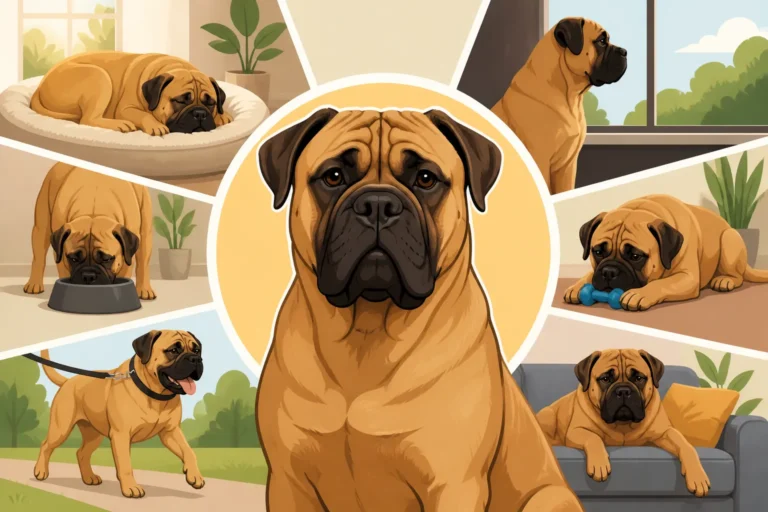
By the end of your Bullmastiff's first year, you'll have a much clearer picture of what life with this magnificent breed truly entails. You'll realize that their presence in your home is substantial, both physically and emotionally. They are not dogs that blend into the background. Their size means they will take up significant space on the couch, in your bed, and certainly in your car. Whether a Bullmastiff Fits in a Sedan becomes a genuine concern for many owners!
You'll also come to terms with the reality of drool. While some Bullmastiffs drool more than others, it's an almost universal trait of the breed, especially after eating, drinking, or during excitement. Having a drool rag handy will become second nature, and you'll quickly learn to spot the tell-tale shake of the head that precedes a flung string of slobber. How Much a Bullmastiff Drools is something you'll become an expert on.
Despite these physical realities, the love and companionship a Bullmastiff offers are immense. Their quiet dignity, profound loyalty, and often goofy affection are incredibly rewarding. You'll learn to appreciate their calm presence, their deep "woofs" when the doorbell rings, and their utter devotion. The first year is a challenging, but ultimately transformative, journey that lays the groundwork for a lifetime with one of the most magnificent and loving breeds you could ever hope to share your home with.
| Bullmastiff Puppy Milestones (Approximate) | Physical Development | Behavioral & Training Focus | Socialization & Care Considerations |
|---|---|---|---|
| 8-12 Weeks | Rapid growth, clumsy, gaining coordination. | Potty training, crate training, bite inhibition. | Safe, positive introductions to home, family, quiet dogs. |
| 3-6 Months | Continued rapid growth, teething, more coordinated. | Basic obedience (sit, stay, come), loose leash walking. | Puppy classes, varied positive exposures to sights/sounds. |
| 6-12 Months | Adolescent growth spurt, filling out. | Reinforce all commands, manage stubbornness, proofing. | Controlled dog-dog interactions, public outings. |
| 12-18 Months | Nearing adult height/weight, still filling out. | Advanced obedience, managing guarding instincts. | Continued exposure to new environments. |
| 18-36 Months | Reaching full physical and mental maturity. | Refine manners, address any lingering behavioral issues. | Solid, reliable temperament fully established. |
Disclaimer
This article is for general informational purposes only and does not constitute professional advice. Laws, prices and regulations vary by location and change over time. Consult a qualified professional for guidance on your specific situation.