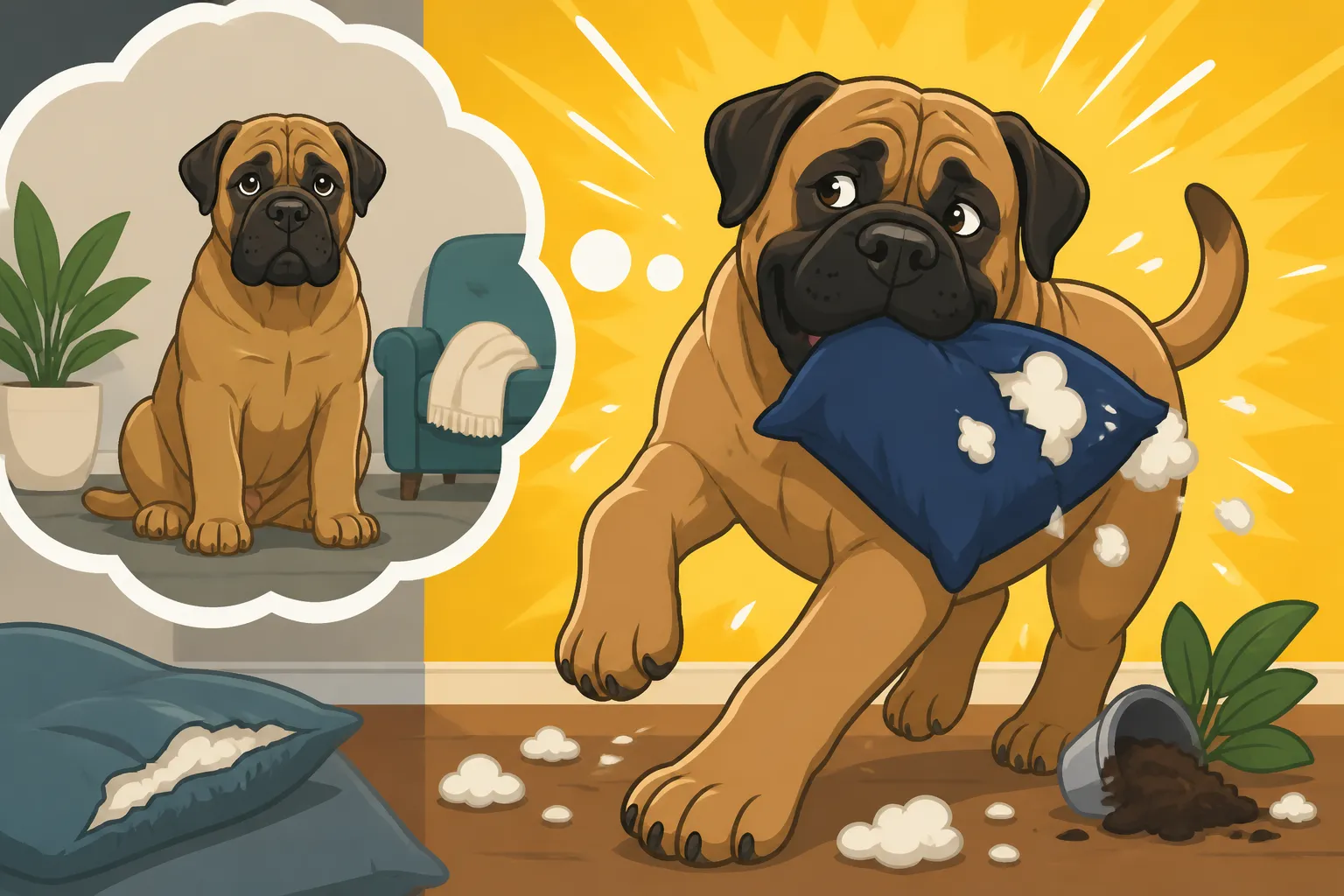
When a Bullmastiff Hits Adolescence
If you've welcomed a Bullmastiff puppy into your home, you've probably experienced that delightful, clumsy stage where they're all paws and innocent enthusiasm. But then, almost overnight, it can feel like your sweet, biddable pup has transformed into a rebellious teenager with selective hearing and an opinion on everything. This guide is here to help you understand exactly when your Bullmastiff will hit that challenging adolescence and, more importantly, how to navigate it with grace, patience, and a whole lot of love.
Understanding Bullmastiff Development Stages
Bringing home a Bullmastiff puppy is an incredible experience, filled with adorable cuddles and rapid growth. Many new owners envision their giant breed dog as a "puppy" for a long time, but the reality is that while their bodies grow, their brains hit various developmental milestones that can feel like a rollercoaster. It's crucial to understand these stages to set realistic expectations and provide the right support.
Puppyhood: The Foundation Years
From eight weeks to roughly six months, your Bullmastiff is squarely in puppyhood. This is the prime time for foundational training, socialization, and establishing your household rules. They are typically eager to please, absorb new information like sponges, and bounce back quickly from minor mishaps. Their primary goal is often to stay close to you and explore their immediate world with boundless curiosity. This is when you're focusing on house training, bite inhibition, and teaching basic cues like "sit," "stay," and "come." The more positive experiences you can provide during this period, the more resilient and well-adjusted your Bullmastiff will be as they grow. Think of it as laying the concrete for a skyscraper – a strong foundation is everything. If you're looking back on this time, you might find some useful insights in The First Year With a Bullmastiff Puppy.
During these early months, a Bullmastiff puppy's focus is relatively narrow. They are learning about their immediate family, their home, and a select few safe environments. While they might occasionally test boundaries, it's usually in a playful, exploratory way rather than a defiant one. Their bodies are growing at an astonishing rate, but their mental capacity for problem-solving and independent thought is still developing. This innocent period is a joy, but it's also a race against the clock to instill good habits before the more challenging adolescent period arrives. Consistency now truly pays dividends later.
Growth Plate Closure and Physical Maturity
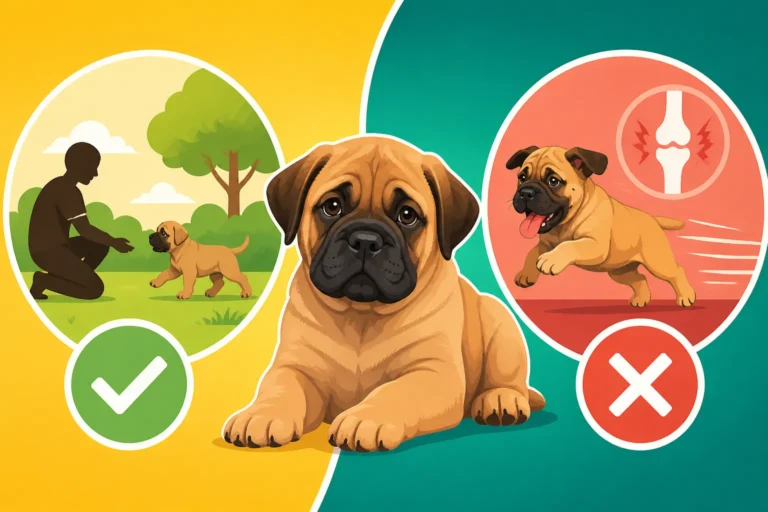
Physically, Bullmastiffs are giant breed dogs, and their growth takes a significant amount of time. While they might reach most of their adult height by 12 to 18 months, they will continue to fill out and gain muscle mass for another year or even two. Their growth plates, the soft areas at the ends of their bones, typically don't close until around 18 months, sometimes even later for larger males. This means that while they might look like full-grown dogs on the outside, their skeletal system is still vulnerable, which is why appropriate exercise and nutrition are so critical during their first couple of years.
The slower closure of growth plates is a good reminder that your Bullmastiff's body is still very much a work in progress, even if their behavior suggests they’re ready to tackle the world. Over-exercising or engaging in high-impact activities too early can lead to orthopedic issues down the line, such as hip or elbow dysplasia. Even as their hormones rage during adolescence, you still need to be mindful of their physical limitations and protect those developing joints. A physically mature Bullmastiff is a sight to behold, but getting there requires patience and careful management during these transitional years.
Mental vs. Physical Maturity
Here's where it gets interesting and, let's be honest, a little frustrating for us owners: a Bullmastiff's mental maturity often lags significantly behind their physical development. While they might look like a fully capable adult by 18 months, their brain is still very much in its "teenage" phase. It's not uncommon for a Bullmastiff to not fully mature mentally until they are two, three, or even closer to four years old. This extended period of adolescence can be a real test of patience, as you're dealing with a huge, powerful dog who still thinks and acts like a rebellious kid.
This disconnect between physical size and mental readiness is a common source of misunderstanding for owners. You might see a 120-pound dog standing tall and proud, and expect adult dog behavior, only to find them suddenly "forgetting" their training, pushing boundaries, or having emotional outbursts. It’s important to remember that they aren't being deliberately difficult; their brain is literally re-wiring itself, similar to human teenagers. Understanding this difference will help you approach their behaviors with more empathy and less frustration. It’s a marathon, not a sprint, with a Bullmastiff.
The Onset of Bullmastiff Adolescence
Adolescence in dogs isn't a single switch that flips; it's a gradual process, but there are definite markers that tell you your sweet puppy is transitioning into a lanky, opinionated teenager. For Bullmastiffs, this phase can feel particularly pronounced due to their sheer size and strength, making the behavioral shifts even more challenging to manage.
Age Range for Adolescent Behaviors
For most Bullmastiffs, the first hints of adolescence usually begin around 6-9 months of age, and this stage can extend well into their second or even third year. While smaller breeds might zip through this phase quickly, your Bullmastiff is on a longer timeline. You might notice subtle changes at first – a little less enthusiasm for recalls, a bit more sniffing on walks, a sudden "deafness" to commands they once knew perfectly. These are often the early warning signs that your puppy brain is starting to grapple with new hormonal surges and a growing sense of self-awareness.
The peak of adolescent challenges typically falls between 12-24 months for Bullmastiffs. This is when you're likely to see the most boundary-pushing, independent thinking, and occasional regression in training. It’s crucial not to mistake this for a lack of intelligence or training failure on your part. It's a normal, albeit frustrating, developmental stage. Just like human teenagers, they're figuring out where they fit in the world, and that often involves questioning authority and testing limits. You can get a sense of what to expect around this time by reading What a Bullmastiff Puppy Is Like at Nine Months.
Hormonal Shifts and Their Impact
The primary driver behind adolescent behaviors is a massive surge in hormones. For intact males, testosterone levels skyrocket, leading to an increased interest in females, marking behaviors, and potentially a greater inclination towards challenging other male dogs. For intact females, their first heat cycle often marks the true beginning of adolescence, bringing with it mood swings, territoriality, and a heightened sense of awareness of their surroundings. Even if your Bullmastiff is spayed or neutered, these hormonal changes still occur to some extent, just perhaps without the intense reproductive drives.
These hormonal shifts don't just affect reproductive urges; they can also alter brain chemistry, impacting their impulse control, fear responses, and overall demeanor. What was once a minor distraction can suddenly become an overwhelming urge. A dog who was previously confident might experience a "fear period," suddenly reacting to things that never bothered them before. This is why consistency, calm guidance, and continued positive reinforcement are absolutely vital during this time. Your Bullmastiff needs you to be their stable, predictable anchor as their internal world undergoes a significant upheaval.
Individual Differences in Development
It’s important to remember that every Bullmastiff is an individual, and while we can give general timelines, your dog might not fit perfectly into the mold. Some Bullmastiffs might have a relatively smooth adolescence, while others might present significant challenges. Factors like genetics, early socialization, and your specific living environment can all play a role in how pronounced and how long this phase lasts. A Bullmastiff from well-bred lines with stable temperaments, for example, might navigate adolescence with fewer dramatic outbursts than one from less reputable origins.
Don't compare your Bullmastiff's progress to a friend's dog or even to a previous dog you owned. Embrace their unique timeline. Some will be mature at two years old, while others might still be a bit goofy and adolescent-like at three. The key is to respond to the dog in front of you, adapting your training and management strategies as needed. What works for one Bullmastiff might not work for another, so stay flexible and keep an open mind. Patience is truly a virtue when owning this magnificent, but slow-to-mature, breed.
Common Behavioral Changes During Bullmastiff Adolescence
When your Bullmastiff hits adolescence, it's like someone suddenly pressed the "reset" button on all your hard work. Behaviors you thought were long-conquered might resurface, and new, frustrating habits can emerge. Understanding these common shifts helps you prepare and respond effectively, rather than getting caught off guard.
Testing Boundaries and Stubbornness
One of the most hallmark signs of Bullmastiff adolescence is their sudden desire to test every single boundary you've ever set. That perfect "sit" they performed for a treat might now require five repetitions, a firmer tone, and a moment of internal debate on their part. They'll push limits, see what they can get away with, and sometimes downright ignore you. This isn't necessarily malicious; it's a natural part of their development as they try to understand their place in the pack hierarchy and their own independence. You might be nodding along right now, recognizing this as just how How Stubborn a Bullmastiff Is can present itself.
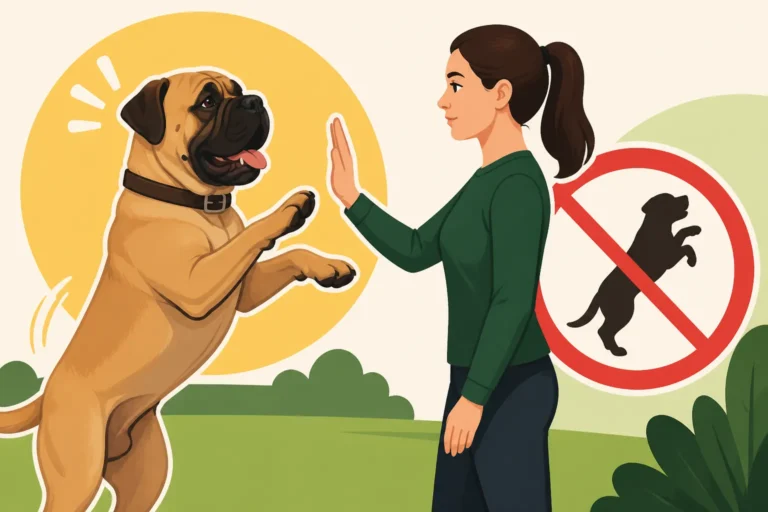
This testing can manifest in various ways: jumping on guests, counter-surfing, refusing to come when called, or even subtly challenging your leadership in other areas. It's vital that you don't give in to these challenges, no matter how exasperating they become. In fact, if you reinforce their stubbornness by letting them "win" a battle of wills, you'll teach them that ignoring you eventually pays off. This is the time to be incredibly consistent, reinforce rules clearly, and make sure that every single family member is on the same page with expectations.
Increased Independence and Selective Hearing
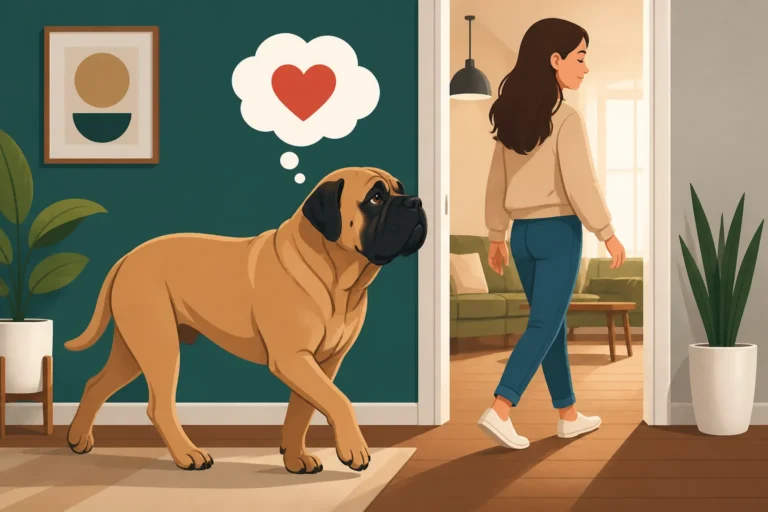
Remember those early puppy days when your Bullmastiff was always glued to your heels? During adolescence, you'll likely see a significant increase in their independence. They might venture further away on walks, be less inclined to check in with you, and generally act as if they have more important things to do than listen to your requests. This "selective hearing" is a common complaint among owners of adolescent dogs and can be particularly dangerous for a powerful breed like a Bullmastiff if they decide to chase something or ignore a critical recall command.
This newfound independence is why continued leash training is non-negotiable. Even if you dreamed of off-leash adventures, during adolescence, it's often best to keep your Bullmastiff on a long line in open areas to ensure their safety and your peace of mind. Revisit recall training in varied environments, making yourself the most exciting thing around. High-value treats and enthusiastic praise are your best friends here. Don't fall into the trap of thinking they've forgotten; they're simply choosing not to comply, and you need to make compliance more rewarding than the distraction.
Heightened Reactivity and Fear Periods
Adolescence isn't just about defiance; it can also be a time of increased emotional sensitivity and reactivity. Your Bullmastiff might suddenly become fearful of things that never bothered them before – a new trash can on the curb, a particular type of person, or a loud noise. These "fear periods" are normal developmental stages where their brains are processing stimuli differently, and it’s important to manage them carefully to prevent long-term anxiety or aggression.
Conversely, some Bullmastiffs might develop a heightened sense of protectiveness or reactivity towards other dogs or strangers. Where they once might have been indifferent, they might now bark, lunge, or posture. This isn't necessarily aggression, but often a lack of confidence or an attempt to create distance. Continue gentle, positive socialization, but don't force interactions. If you notice signs of reactivity, it’s best to seek guidance from a professional trainer to nip it in the bud before it escalates. The goal is to build a confident, stable adult, and careful management during these sensitive times is crucial.
Same-Sex Aggression and Social Dynamics
For many Bullmastiffs, particularly males, adolescence is when same-sex aggression can begin to emerge. What started as playful wrestling with a dog of the same sex might escalate into more serious posturing, growling, or even altercations. This is often driven by the influx of hormones and the natural instinct to establish dominance and avoid perceived threats from rivals. If you have a multi-dog household, especially with two males, this period can become particularly challenging. This topic is so common, there's even an entire post dedicated to Same Sex Aggression in Bullmastiffs.
Managing same-sex aggression requires careful observation and proactive intervention. It might mean supervising all interactions, avoiding dog parks with unknown dogs, or even considering separate exercise schedules if tensions are high. For females, same-sex aggression can also appear, though sometimes less overtly than in males. It's important to understand your dog's cues and not put them in situations where they feel the need to defend themselves or assert dominance aggressively. This might mean adjusting your socialization approach to focus on parallel walks or structured play with known, tolerant dogs rather than free-for-all interactions.
Navigating the Challenges of Bullmastiff Adolescence
Dealing with an adolescent Bullmastiff can feel like a full-time job, but with the right strategies and a healthy dose of patience, you can guide them through this tumultuous time. It’s all about consistency, clear communication, and remembering the powerful, loyal adult they are destined to become.
Reinforcing Basic Obedience and Impulse Control
The "selective hearing" of an adolescent Bullmastiff can be incredibly frustrating. Commands they once executed flawlessly might now be met with a blank stare or a casual saunter in the opposite direction. This is not the time to give up on training; it's the time to double down. Go back to basics, practice cues in low-distraction environments, and gradually increase the challenge. Use incredibly high-value rewards – think small pieces of cheese, boiled chicken, or a favorite squeaky toy from Amazon – to make yourself irresistible.
Crucially, focus on impulse control exercises. Teaching "leave it" and "wait" isn't just about obedience; it's about helping their still-developing brain learn to regulate its reactions. Practice holding a treat in your hand and only giving it when they make eye contact and wait patiently. Incorporate these exercises into daily life: waiting at doors, waiting for their food bowl, and leaving tempting items alone. The more opportunities you give them to practice self-control, the stronger those neural pathways become. Online platforms like BAXTER & Bella offer comprehensive training programs that can be invaluable for reinforcing these skills from the comfort of your home, with guidance tailored to each developmental stage.
Managing Leash Pulling and Reactivity
An adolescent Bullmastiff's strength, combined with their newfound independence, can turn a pleasant walk into a wrestling match. Whether a Bullmastiff Pulls on Leash is a common concern, and if they do, their size makes it a serious safety issue for both of you. This is the time to invest in proper walking equipment if you haven't already. A well-fitting harness that discourages pulling, such as a front-clip harness, can be a game-changer. Never rely on a choke chain or prong collar; these can cause damage and suppress behavior without teaching the dog what to do, potentially making reactive behaviors worse.
Consistent loose-leash training is paramount. Every time your Bullmastiff pulls and gets to where they want to go, you're inadvertently rewarding the pulling. Instead, stop dead in your tracks the moment the leash tightens. Only move forward when there's slack. This teaches them that pressure on the leash means "stop" and a loose leash means "go." If your Bullmastiff is also reactive to other dogs or people, increase the distance. Cross the street, duck behind a car, or find a quieter route. The goal is to keep them under their threshold of reactivity so they can actually learn and practice calm behavior. Reading Teaching a Bullmastiff to Walk on Leash can offer more in-depth strategies.
Socialization and Exposure Continuation
Many owners mistakenly believe that once their puppy passes the critical socialization window (around 16 weeks), the work is done. Not so! For an adolescent Bullmastiff, continued positive exposure to a wide variety of sights, sounds, people, and appropriate dogs is essential. This isn't about letting them run wild at the dog park, which can actually be detrimental during adolescence due to potential negative experiences or the emergence of same-sex aggression. Instead, focus on controlled, positive experiences.
Take your Bullmastiff to quiet parks, pet-friendly stores (if allowed), or just sit outside a coffee shop and let them observe the world from a safe distance. Reward calm behavior when new things appear. Arrange playdates with known, stable, adult dogs who are tolerant of adolescent antics. If your Bullmastiff exhibits How a Bullmastiff Treats Other Dogs that's concerning, consider a professional trainer or behaviorist who can facilitate structured interactions. The goal is to reinforce that the world is a generally safe and interesting place, preventing fear or aggression from developing into ingrained habits.
Maintaining Consistency and Support Through Adolescence
The challenges of Bullmastiff adolescence can feel overwhelming, but your role as a consistent, supportive leader is more critical than ever. This isn't the time to throw in the towel or assume your dog is untrainable. It's a developmental phase that requires patience, understanding, and a willingness to adapt your approach.
The Importance of Routine and Clear Expectations
During adolescence, a Bullmastiff’s world is changing, both internally and externally. Providing a predictable routine can offer a sense of stability and security amidst this chaos. Knowing when to eat, when to go out, and when to expect training sessions can help reduce anxiety and make them feel more secure. A consistent routine also reinforces good habits and reduces opportunities for them to get into trouble.
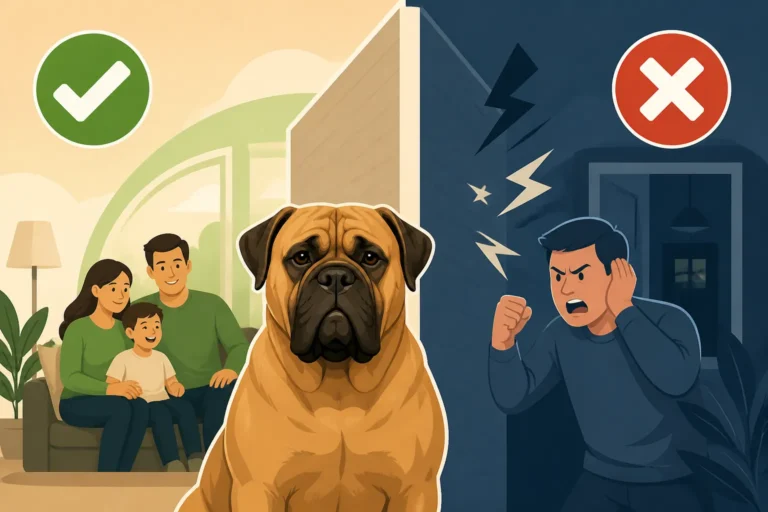
Equally important are clear and unwavering expectations. Every family member needs to enforce the same rules, using the same commands, and offering the same rewards. If one person allows counter-surfing and another punishes it, your Bullmastiff will become confused and frustrated, making boundary-testing even more likely. Hold a family meeting, write down the house rules, and ensure everyone understands their role in reinforcing good behavior. This united front is crucial for navigating the often-confusing signals your adolescent Bullmastiff sends.
Enrichment and Mental Stimulation
A bored Bullmastiff, especially an adolescent one with surging energy and curiosity, is a recipe for destructive behavior. Physical exercise is important, but often, mental stimulation is even more exhausting and satisfying for a developing brain. Engage their natural intellect with puzzle toys, treat-dispensing toys, or even just hiding treats around the house for them to sniff out. Products available on Amazon can be a great resource for finding durable, challenging enrichment toys that can withstand a Bullmastiff's powerful jaws.
Consider incorporating short, fun training sessions throughout the day, focusing on new tricks or sharpening old ones. Even 5-10 minutes of active mental engagement can make a huge difference in their overall demeanor. Flirt poles can provide a fantastic outlet for their prey drive in a controlled way, burning off energy without over-stressing joints. Remember, a Bullmastiff was bred to be a thinking dog, capable of making decisions; tapping into that intelligence positively will make your life much easier. This is where understanding What Motivates a Bullmastiff becomes incredibly useful.
Seeking Professional Guidance
There’s absolutely no shame in admitting you need help, especially with a large, powerful breed like a Bullmastiff going through adolescence. If you're struggling with specific behaviors like reactivity, aggression, severe anxiety, or if you feel overwhelmed, a certified professional dog trainer or veterinary behaviorist can be an invaluable resource. They can provide tailored strategies, observe your dog's behavior in context, and help you understand the underlying motivations.
Sometimes, all it takes is a few sessions to get back on track. A trainer can teach you new techniques, help you refine your timing, and provide the confidence you need to continue working with your Bullmastiff. Remember, Why Harsh Correction Fails on a Bullmastiff is especially true for this sensitive breed. Look for trainers who use positive reinforcement and force-free methods. Websites like BAXTER & Bella also offer virtual coaching and community support, which can be a lifeline when you feel isolated in your struggles. Don’t hesitate to reach out for support; it’s a sign of a responsible owner, not a failing one.
Beyond Adolescence: The Road to Maturity
While adolescence feels like a never-ending journey, it does eventually come to an end. Understanding what lies beyond this challenging phase can give you the motivation and perspective needed to persevere. The mature Bullmastiff is a magnificent companion, well worth the effort.
When a Bullmastiff Finishes Maturing
As we've discussed, Bullmastiffs are late bloomers when it comes to mental maturity. While they might appear physically grown by 18-24 months, their brain often takes much longer to catch up. Most Bullmastiffs don't truly settle into their adult temperament until they are around three years old, and some might even take until four. This extended maturity period means that you could be dealing with adolescent-like behaviors – the occasional stubbornness, bouts of silliness, or a sudden disregard for rules – for quite a while.
This isn't to say that they'll be a complete handful for years, but rather that the truly calm, confident, and reliable adult Bullmastiff takes time to fully develop. Think of it as a fine wine – it needs time to age and mature into its full potential. The consistency and positive training you invest during puppyhood and adolescence are the building blocks that solidify into their adult temperament. Patience during this long developmental arc is perhaps the most important trait an owner of a Bullmastiff can possess. For a deeper dive into this, check out When a Bullmastiff Finishes Maturing.
Patience Pays Off: The Adult Bullmastiff
The reward for navigating the often-turbulent waters of Bullmastiff adolescence is the privilege of sharing your life with an incredible adult dog. A mature Bullmastiff is typically calm, stable, incredibly loyal, and a devoted family protector. They often become more biddable, with their desire to please returning, and their impulse control significantly improving. They retain their playful spirit but temper it with a dignified presence.
Imagine a world where your Bullmastiff walks politely on a leash, greets guests calmly, and genuinely listens when you speak. This is the promise of the adult Bullmastiff. They are still strong and powerful, of course, but their mental and emotional maturity allows them to use that power with discretion and confidence. All those frustrating moments of selective hearing and boundary testing will fade into distant memories, replaced by the deep satisfaction of a strong, respectful bond with your magnificent, gentle giant.
Bullmastiff Developmental Milestones
To help you visualize the journey, here's a general timeline of Bullmastiff development. Remember, these are averages, and your individual dog's journey may vary!
| Age Range | General Characteristics | Owner Focus | Potential Challenges (Adolescence) |
|---|---|---|---|
| 8-16 Weeks | Rapid physical growth, high curiosity, eager to please, crucial socialization window. | Basic house-training, bite inhibition, positive exposure to new sights/sounds, short positive training sessions (How Short a Bullmastiff's Training Session Should Be). | Overwhelm from too much stimulation, accidental nipping. |
| 4-6 Months | Continued rapid growth, teething, more confidence. | Reinforce basic commands, continued socialization, intro to leash walking. | Increased independence, attention span shortening. |
| 6-12 Months | Onset of Adolescence: Testing boundaries, increased independence, hormonal changes may begin. | Consistent training, managing leash manners, introduce impulse control, careful socialization. | Selective hearing, increased pulling on leash, minor reactivity, stubbornness. |
| 12-24 Months | Peak Adolescence: Filling out physically, strong hormonal influence, significant boundary pushing. | Double down on training, proofing commands in distractions, managing reactivity/same-sex aggression, mental enrichment. | Stronger pulling, more pronounced selective hearing, fear periods, same-sex aggression. |
| 24-36+ Months | Late Adolescence/Early Adulthood: Mental maturity slowly developing, body filling out fully. | Consistency, continued light training and enrichment, enjoying the fruits of your labor. | Occasional regressions, continued need for clear boundaries. |
| 3-4 Years & Beyond | Full Adulthood: Calm, stable, loyal companion. Mental and physical maturity reached. | Enjoyment, continued care, occasional refreshers. | Maintaining good habits, preventing boredom. |
This table provides a snapshot, but always remember to observe your own Bullmastiff and respond to their individual needs. How Long a Bullmastiff Lives on Average might be shorter than some other breeds, so cherish every stage and make the most of your time together.
Disclaimer
This article is for general informational purposes only and does not constitute professional advice. Laws, prices and regulations vary by location and change over time. Consult a qualified professional for guidance on your specific situation.