Whether a Bullmastiff Suits a First Time Owner
Considering a Bullmastiff as your very first dog is a big step, and it's completely understandable to feel a mix of excitement and apprehension. These magnificent, powerful dogs are often described as "gentle giants," which sounds incredibly appealing, but that nickname can sometimes lead new owners down a path of underestimated challenges. This guide will walk you through the realities of Bullmastiff ownership, helping you decide if this wonderful breed truly aligns with what you're looking for in a companion, especially if you're venturing into dog ownership for the first time.
Understanding the Bullmastiff Temperament for New Owners
One of the biggest questions I get from folks new to the breed, and often new to any dog, is about the Bullmastiff's famously calm demeanor. While it's true they're not usually bouncing off the walls, it's vital for a first-time owner to understand the nuances of their temperament.
The Gentle Giant Myth vs. Reality
Ah, the "gentle giant." It’s a term that sells Bullmastiffs well, painting a picture of a docile, loving behemoth that's always calm and sweet. And yes, in many ways, they are gentle and incredibly affectionate with their families. They adore being close to their people, often leaning their substantial weight against you or trying to become a lap dog despite their size. They are typically patient with children they know well, treating them with a surprising tenderness. This sweet side is undeniable, and it's why so many of us fall head over heels for them.
However, the "gentle" part often overshadows the "giant" part, and more importantly, the "guarding instinct" part. These dogs were bred for a serious job: to track and hold poachers silently. A Bullmastiff Was Bred to Hold a Man, Not Bite Him. This history means they come hardwired with a protective nature. They are naturally watchful and discerning of strangers. While they might be incredibly gentle with you, they might not extend that immediate warmth to everyone who walks through your door or approaches you on the street. A first-time owner needs to be ready to manage this instinct, not suppress it entirely, but guide it responsibly. They need consistent, early socialization to ensure their natural wariness doesn't turn into fear-based aggression or over-protectiveness. It's about channeling their innate loyalty into appropriate responses, which requires a firm, fair, and experienced hand.
Independence and "Bullmastiff Stubbornness"
Another aspect that can catch new owners off guard is the Bullmastiff's unique approach to learning and obeying. They aren't like some of the more eager-to-please breeds that live to respond to every command instantly. Bullmastiffs are intelligent, no doubt about it, but they are also independent thinkers. When you give a Bullmastiff a command, you might observe a distinct pause, a moment where they seem to weigh your request against their own inclinations. This isn't disrespect; it's just how their minds work. They're often described as "stubborn," but I prefer to think of it as "deliberate."
This deliberateness means that training requires immense patience, consistency, and a strong sense of humor. You can't force a Bullmastiff to do anything it doesn't want to do, especially once it reaches its imposing adult size. A hundred-and-thirty-pound dog has plenty of leverage. If they decide they're not moving from that sunny spot on the rug, you're probably not moving them. For a first-time owner who might expect instant obedience, this can be incredibly frustrating. They respond best to positive reinforcement, gentle guidance, and the feeling that they are collaborating with you, rather than simply obeying. They need to understand why they should do something, not just that they should do it. This unique personality trait is a big part of their charm, but it demands an owner who is resilient and unwilling to give up on training, even when faced with that classic Bullmastiff "side-eye."
Socialization Needs for a Balanced Temperament
For any dog, proper socialization is crucial, but for a breed like the Bullmastiff, it's absolutely non-negotiable. Their inherent guarding instinct, combined with their sheer size, means that inadequate socialization can lead to significant behavioral problems down the line. A Bullmastiff puppy isn't born knowing how to interact politely with the world; it has to be taught. And with a Bullmastiff, "taught" means exposed to a vast array of sights, sounds, people, and other dogs from a very young age.
Think about it: an adult Bullmastiff can be intimidating just by its presence. If that presence is paired with fear or uncertainty because it wasn't exposed to enough novel situations as a puppy, you could end up with a dog that is reactive, fearful, or overly protective in ways that are difficult and dangerous to manage. This isn't just about walks in the park; it's about introducing them to different types of people (kids, older folks, people with hats or glasses), various environments (city streets, quiet trails, busy stores if allowed), and a wide range of friendly, well-socialized dogs. Puppy classes are a great start, but they are only a start. Continuous, positive exposure throughout their adolescence is key. For a first-time owner, this means committing significant time and effort during their puppy's critical developmental periods, which can be overwhelming if you're not prepared for the sheer volume of experiences needed.
Training a Bullmastiff: Size and Strength Considerations
Let's be frank: a Bullmastiff is a lot of dog. They grow quickly, and their strength develops even faster. This physical power presents unique training challenges that a first-time owner must be ready to face head-on.
Managing a Large, Powerful Puppy
A Bullmastiff puppy might start as an adorable, clumsy ball of wrinkles, but they don't stay small for long. Within months, that cute little pup will be a powerful adolescent, capable of pulling you off your feet if not properly leash trained. Imagine a 70-pound, enthusiastic teenager who hasn't quite learned their own strength – that's your Bullmastiff puppy around 6-8 months old. This rapid growth means that training, especially leash manners, must begin the moment they come home. You can't wait until they're "older" or "settled" because by then, they might already be too strong for you to physically manage if they decide to bolt after a squirrel.
Teaching a Bullmastiff to walk politely on a leash, to not jump up, and to respond to basic commands before they gain their adult bulk is crucial. This often means daily, short training sessions, practicing in various environments, and using appropriate tools like a well-fitted harness. For a first-time owner, the sheer physicality of managing a rapidly growing giant breed can be daunting. It's a bit like trying to teach a baby elephant to dance; you need to be patient, consistent, and always aware of their burgeoning power. Training a Bullmastiff That Weighs More Than You Do is not just a clever title, it's a daily reality you'll live with for years.
The Importance of Positive Reinforcement
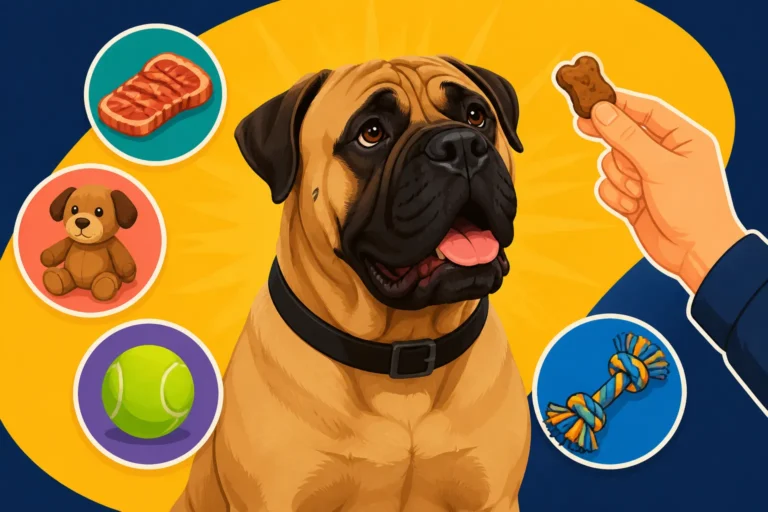
Given their deliberate nature and immense strength, coercive or harsh training methods are not only ineffective for Bullmastiffs but can also be detrimental to their temperament. A Bullmastiff will shut down or become resistant if treated roughly. They thrive on positive reinforcement – praise, treats, favorite toys, and anything that makes learning a fun, rewarding experience. If you can make them believe that doing what you ask is their idea, or at least that it leads to something wonderful, you're halfway there.
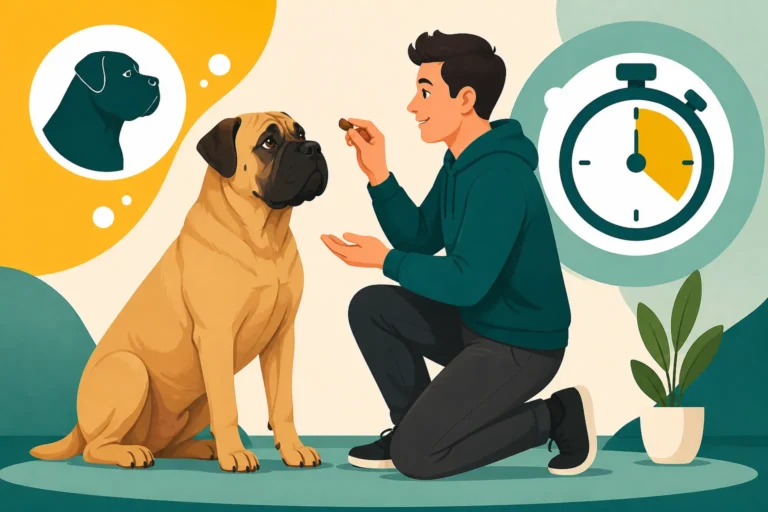
Bullmastiffs are often highly food-motivated, which can be a huge asset in training. Small, high-value treats can work wonders. Consistency is your best friend here; short, frequent training sessions are far more effective than long, drawn-out ones. A Bullmastiff's attention span, especially as a puppy, can be quite brief. Focusing on success and keeping things upbeat will build a strong bond and a cooperative dog. Online resources, like those offered by BAXTER & Bella, often emphasize positive, reward-based training techniques that are perfectly suited for a Bullmastiff's temperament. They can provide structured programs that help a first-time owner navigate the complexities of training a large, intelligent, and sometimes opinionated breed. Remember, you're building a relationship based on trust and mutual respect, not dominance.
Consistency is Key, Especially for First-Timers
If there's one word to hammer home for a first-time Bullmastiff owner, it's consistency. These dogs are masters at testing boundaries. If one family member allows them on the couch and another doesn't, they will quickly learn who to "ask" for couch privileges. If a command is sometimes optional, they'll decide it's always optional. This level of steadfastness is critical for all dogs, but with a breed that can weigh upwards of 130 pounds, inconsistency isn't just an annoyance; it can become a safety issue.
Every member of the household needs to be on the same page regarding rules, commands, and expectations. This means regular family meetings, perhaps even posting a list of "house rules" for the dog. For a first-time owner, establishing this consistent front can be challenging, especially if you're not used to thinking like a dog trainer. It requires proactive planning and a commitment from everyone involved. Without it, you risk raising a magnificent but unruly companion that, due to its size, can inadvertently cause problems. A well-trained Bullmastiff is a joy, but an inconsistently trained one can be a handful, even for experienced owners. They reach physical maturity long before they reach mental maturity, so you'll be training a large adolescent for quite some time. A Bullmastiff Is Not Grown Up Until Three.
Exercise and Living Requirements for a Bullmastiff
When people see a dog as large and muscular as a Bullmastiff, they often assume it needs vast amounts of exercise and a sprawling estate. While ample space is certainly beneficial, their actual exercise needs might surprise a first-time owner.
Debunking the High-Energy Myth
Contrary to popular belief, Bullmastiffs are not high-energy dogs. They are, in fact, quite content to be couch potatoes for much of the day, especially once past the puppy stage. Their working history required bursts of speed and strength, but not sustained endurance. This means they generally need moderate exercise – a good 30-60 minute walk once or twice a day, perhaps some supervised playtime in a secure yard. They're not the breed you'll take on a 10-mile hike or expect to run alongside you for miles. Over-exercising a Bullmastiff, especially as a puppy, can be detrimental to their developing joints.
What they do need, however, is mental stimulation. A bored Bullmastiff can be a destructive Bullmastiff. Short training sessions, puzzle toys, and interactive play can help keep their minds engaged. For a first-time owner, this moderate exercise requirement can be a relief, as it's more manageable than trying to keep up with a high-drive breed. However, it's important not to confuse "moderate" with "minimal." They still need their daily outings to maintain muscle tone, keep their minds fresh, and prevent boredom-induced behaviors. What a Bullmastiff Needs Every Day, Which Is Less Than You Think truly highlights this.
Space Requirements and Apartment Living
While a Bullmastiff isn't a canine marathon runner, their sheer physical presence demands space. They are large, stocky dogs, and they take up a lot of room even when they're just lying down. Imagine a dog bed the size of a small twin mattress, or a gigantic crate from Amazon that barely fits through your doorway. They need enough room to stretch out comfortably, turn around without bumping into furniture, and navigate your home without constantly feeling cramped.
Can a Bullmastiff live in an apartment? It's possible, but it requires an incredibly dedicated owner. They absolutely must get their regular walks and have sufficient mental engagement to prevent cabin fever. A small apartment with an owner who doesn't commit to daily outdoor time would be unfair to a Bullmastiff. Ideally, a home with a secure, fenced yard is best, allowing them to stretch their legs and patrol their territory safely. For a first-time owner in an apartment, carefully consider if you have the time and dedication for multiple daily outings, regardless of weather, and if your living space can comfortably accommodate such a large animal and all its associated gear.
Managing Destructive Chewing and Boredom
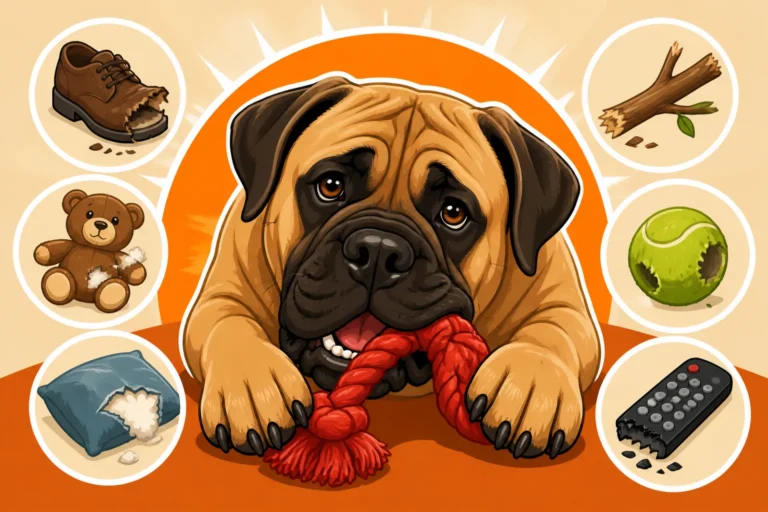
A bored Bullmastiff is not a happy Bullmastiff, and an unhappy Bullmastiff can become a very destructive one. Just like any intelligent dog, they need appropriate outlets for their energy and chewing instincts. If left to their own devices without adequate mental stimulation or physical exercise, they can quickly turn to your furniture, shoes, or even doorframes as an alternative. Their powerful jaws mean they can do significant damage in a short amount of time.
To combat this, a first-time owner needs to be proactive. Provide a variety of durable chew toys, rotating them to keep things interesting. Interactive puzzle feeders can challenge their minds during meal times. Regular training sessions, even short ones, can help tire them out mentally. Consider heavy-duty chew toys and robust beds; Amazon offers a wide selection of products designed for giant breeds that can withstand a Bullmastiff's enthusiasm. Teaching them appropriate chewing habits from puppyhood is essential, along with ensuring they're not left alone for excessively long periods without a break.
Health and Lifespan Realities for First-Time Bullmastiff Owners
This is often the hardest part for new Bullmastiff owners to come to terms with, especially if they haven't owned a giant breed before. Bullmastiffs, like many large breeds, are prone to certain health issues and generally have a shorter lifespan than their smaller canine cousins.
The Costly Truth of Giant Breed Health
Let's not sugarcoat it: Bullmastiffs can be expensive to keep, and a significant portion of that expense often comes from vet bills. They are predisposed to a range of serious health conditions. Bloat (gastric dilatation-volvulus) is a life-threatening emergency common in deep-chested breeds, requiring immediate and costly surgery. Various cancers, particularly lymphoma and mast cell tumors, are tragically prevalent in the breed. Lymphoma Kills More Bullmastiffs Than Anything Else is a somber truth. Hip and elbow dysplasia are joint problems that can lead to arthritis and require ongoing management or even surgical intervention. Subaortic stenosis, a heart condition, can also be present.
For a first-time owner, understanding this financial commitment is paramount. These aren't minor issues; they can involve thousands of dollars in diagnostics, medication, and surgery. Pet insurance is highly recommended, ideally taken out when the dog is a puppy to avoid pre-existing condition exclusions. A Bullmastiff isn't just a puppy purchase; it's a long-term financial investment in their health and well-being. Chemotherapy Is the Bill Most Bullmastiff Owners Face for many families.
The Shorter Lifespan Expectation
This is perhaps the most heartbreaking reality of owning a Bullmastiff: they simply don't live as long as many other breeds. The average lifespan for a Bullmastiff is typically in the range of 8 to 10 years, with some living less, and a lucky few making it a bit longer. The Median Bullmastiff Lives Eight and a Half Years. For someone used to smaller breeds living 12-15 years, this can be a shock. You invest so much love, time, and money into them, and then they're gone too soon.
For a first-time owner, the emotional toll of this shorter lifespan can be particularly intense. You bond deeply with these loving giants, and the thought of saying goodbye after only a relatively few years is tough. It means cherishing every moment, being proactive about their health care, and understanding that their senior years might come sooner than expected. Caring for an aging Bullmastiff can involve managing arthritis, mobility issues, and other age-related conditions, which also adds to the financial and emotional commitment.
Finding a Reputable Breeder
Given the breed's health challenges, choosing a reputable breeder is arguably the most critical step for a first-time Bullmastiff owner. A responsible breeder doesn't just breed dogs; they are dedicated to improving the breed's health and temperament. This means performing comprehensive health screenings on their breeding stock for issues like hip and elbow dysplasia, cardiac abnormalities (like subaortic stenosis), and eye conditions. They should be transparent about the health history of their dogs and the pedigrees.
A first-time owner might be tempted by a cheaper puppy from an unregulated source, but this often leads to significant heartache and massive vet bills down the line. A reputable breeder will provide health clearances, answer all your questions, and often have a waiting list. They will also be a lifelong resource for advice and support. Don't be afraid to ask detailed questions like Which Questions to Ask a Bullmastiff Breeder. This due diligence is the best way to start your journey with a healthy, well-tempered Bullmastiff, giving you the best possible chance at avoiding some of the more severe health problems.
Daily Care and Management for New Bullmastiff Parents
Beyond training and health, the everyday realities of living with a Bullmastiff involve some practical considerations that new owners often don't anticipate. These aren't necessarily "bad" things, just things you need to be prepared for.
The Reality of Drool and Shedding
Let's address the elephant in the room – or rather, the Bullmastiff in the living room: drool. Bullmastiffs are a brachycephalic (short-nosed) breed with loose flews (lips), and as such, they are notorious droolers. It's not a constant waterfall, but after drinking water, eating, or getting excited, a Bullmastiff can produce quite a bit of slobber. You'll find it on your walls, your clothes, your furniture, and if they shake their head, flung across the ceiling. Drool Is the Daily Job With a Bullmastiff.
For a first-time owner, this can be a significant adjustment. You'll quickly learn the art of the "slobber rag" and strategically placed towels. While some Bullmastiffs are "tighter-lipped" than others, expecting a drool-free Bullmastiff is unrealistic. As for shedding, while their coats are short, they are surprisingly dense. Bullmastiffs are moderate year-round shedding dogs, with heavier periods seasonally. Their short, stiff hairs tend to weave themselves into fabric, making them a challenge to remove from upholstery and carpets. Regular brushing with a deshedding tool can help, but you'll likely become very familiar with your vacuum cleaner.
Grooming and Hygiene for Wrinkles and Folds
Bullmastiffs have those adorable, expressive wrinkles, particularly around their faces. While charming, these folds require regular attention to prevent skin irritation and infections. Moisture and debris can get trapped in the folds, creating a warm, damp environment that is perfect for bacteria and yeast to flourish. This can lead to unpleasant odors, redness, and discomfort for your dog.
For a first-time owner, this means incorporating a regular cleaning routine into your weekly (or even daily, for some dogs) care schedule. Gently wiping out the folds with a damp cloth or a vet-approved wipe, followed by thoroughly drying them, is essential. Pay particular attention to the folds around their muzzle and eyes. Learning how to properly clean these areas and recognize the early signs of infection will be an important part of your Bullmastiff ownership journey. This isn't just about aesthetics; it's about preventing painful skin issues.
Dealing with Size in Everyday Life
Living with a giant breed means everything is just bigger – and often more expensive. This isn't just about food bowls or beds; it extends to almost every aspect of daily life.
- Transportation: Your small sedan might not comfortably (or safely) accommodate a full-grown Bullmastiff. You might need a larger vehicle, or at least a durable car cover and ramp (easily found on Amazon) to help them in and out as they age.
- Equipment: Crates need to be industrial strength and giant-sized. Collars and leashes must be heavy-duty. Beds need orthopedic support to protect their joints, and these don't come cheap.
- Vet Visits: A giant dog on a vet's exam table takes up space. Anesthesia dosages are higher, medications cost more by weight, and lifting an injured or infirm Bullmastiff requires strength and often two people.
- Home Accommodations: Beyond just space, you might find you need stronger baby gates, elevated feeders, or even non-slip rugs on hardwood floors to aid their mobility and prevent slips.
For a first-time owner, the sheer scale of everything can be a learning curve. You quickly realize that "dog ownership" for a Bullmastiff is a different ballgame than for a smaller dog. Everything from grooming tools to toys has to be chosen with their size and strength in mind.
Is a Bullmastiff the Right Fit for Your Lifestyle?
Ultimately, the decision of whether a Bullmastiff suits a first-time owner comes down to a realistic assessment of your lifestyle, commitment, and resources. They are incredible companions, but they demand a lot in return.
Time Commitment and Dedication
Owning a Bullmastiff, especially as a first-time owner, requires a significant investment of time and dedication. This isn't a "set it and forget it" kind of dog. From their intensive puppy socialization and training needs to their ongoing health monitoring and daily care, they need an owner who is present and engaged. This means time for training sessions, walks, grooming, cleaning up drool, and simply being with them. They thrive on companionship and don't do well left alone for long periods consistently.
For someone working long hours away from home or with a very active social life that doesn't include their dog, a Bullmastiff might not be the best fit. They require consistent interaction, supervision, and a predictable routine. The first year, in particular, will demand a huge amount of your time and energy as you guide that large puppy into a well-mannered adult.
Financial Preparedness Beyond the Purchase Price
We touched on health costs, but the financial picture for a Bullmastiff is broad. Beyond the initial purchase price from a reputable breeder, expect ongoing expenses to be higher than for a smaller dog. Food costs are substantial; they eat a lot, and often require high-quality large-breed specific formulas. Medication dosages are higher, as are preventative treatments like flea and heartworm medications. Then there are the incidentals: new giant beds, heavy-duty toys, training classes, emergency savings, and potentially specialized care as they age.
For a first-time owner, having a clear understanding of What a Bullmastiff Costs Per Month and over its lifetime is crucial. It’s not just about affording the puppy; it’s about affording the dog for its entire, albeit shorter, life. An emergency fund is a must-have, as is considering pet insurance to mitigate the impact of unexpected vet bills.
Realistic Expectations and Support Systems
Going into Bullmastiff ownership with eyes wide open is the best approach. Don't expect a dog that's effortlessly perfect or that will fit seamlessly into your life without adjustments. Expect challenges, expect to learn, and expect to occasionally feel overwhelmed. They are powerful, sensitive, and intelligent dogs that will push your buttons and test your patience, but also reward you with unparalleled loyalty and affection.
For a first-time owner, having a support system can make all the difference. This might include:
- A mentor: An experienced Bullmastiff owner who can offer advice and guidance.
- A trusted vet: One who has experience with giant breeds and understands their unique needs.
- A good trainer: Especially one who uses positive reinforcement and understands guardian breeds. The BAXTER & Bella online puppy school or similar programs can provide structured guidance.
- Breed communities: Online forums or local clubs where you can connect with other Bullmastiff owners.
In conclusion, while a Bullmastiff can be a fantastic companion for a first-time owner, it's not an easy path. It requires deep commitment, financial readiness, patience, and a willingness to learn and adapt. If you're prepared for the challenges and ready to embrace the unique characteristics of this magnificent breed, you'll be rewarded with one of the most loving and loyal companions you could ever ask for. Just remember: these aren't just dogs; they're Bullmastiffs.
Bullmastiff Suitability for First-Time Owners
Here's a quick look at common traits and how they might impact a first-time Bullmastiff owner:
| Trait | First-Time Owner Impact |
|---|---|
| Size & Strength | High Challenge: Rapid growth to immense size. Requires early, consistent leash training and management to prevent being physically overwhelmed. |
| Temperament | Moderate Challenge: Naturally calm but inherently protective. Needs extensive, early socialization to prevent fear or reactivity towards strangers. Not an "easy" dog despite being gentle with family. |
| Trainability | Moderate Challenge: Intelligent but independent and deliberate (often perceived as stubborn). Responds poorly to harsh methods. Requires immense patience, consistency, and positive reinforcement. How Trainable a Bullmastiff Is might surprise you. |
| Exercise Needs | Low Challenge: Moderate exercise (30-60 min daily walk/play). More prone to overheating and joint issues with excessive exercise. Needs mental stimulation. |
| Socialization | High Challenge: Critical for developing a stable, confident dog. Must be exposed to diverse people, places, and other dogs from a young age. |
| Health Risks | High Challenge: Prone to serious, costly conditions like bloat, cancer, hip/elbow dysplasia, and heart issues. Requires significant financial preparedness and a reputable breeder. |
| Lifespan | High Emotional Impact: Shorter average lifespan (8-10 years) compared to many breeds. Requires cherishing every moment and preparing for senior care relatively early. |
| Grooming | Moderate Challenge: Short coat, but sheds moderately year-round. Drools significantly, requiring daily clean-up of jowls. Wrinkles need regular cleaning to prevent infection. |
| Time Commitment | High Requirement: Demands consistent daily engagement, training, and supervision. Does not do well with long periods of isolation. |
| Financial Cost | High Requirement: Expensive to buy from a reputable breeder, feed, insure, and provide medical care. Everything for a giant breed costs more. |
Disclaimer
This article is for general informational purposes only and does not constitute professional advice. Laws, prices and regulations vary by location and change over time. Consult a qualified professional for guidance on your specific situation.