How Often a Bullmastiff Needs a Bath
One of the most common questions I hear from fellow Bullmastiff owners is how often they really need to drag their giant, loving lumps into the tub. It’s a valid concern, because bathing a Bullmastiff isn't like washing a tiny terrier; it's a full-body workout for both of you, and doing it too much or too little can lead to a host of problems for their skin and coat. This guide will help you navigate the unique challenges of keeping your magnificent Bullmastiff clean, healthy, and smelling fresh, without causing irritation or unnecessary stress.
Understanding Your Bullmastiff's Coat and Skin
Before we even talk about shampoo, it's vital to understand the "canvas" we're working with: your Bullmastiff's unique coat and skin. These aren't just cosmetic features; they're the first line of defense against the environment and indicators of overall health. Treating them properly is key to preventing discomfort and vet visits.
The Short, Dense Bullmastiff Coat
Your Bullmastiff sports a short, dense, weather-resistant coat that, at first glance, seems pretty low maintenance. It's designed to protect them from the elements, whether they were working the estates of England or just rolling in the leaves in your backyard. Unlike some longer-haired breeds that collect burrs and require daily detangling, a Bullmastiff's coat typically sheds dirt quite well on its own. You might find a quick brush-down removes most loose debris and excess fur.
However, "low maintenance" doesn't mean "no maintenance." While their short fur may not mat, it does shed year-round, often surprisingly heavily given its length. Regular brushing, at least a couple of times a week, helps to distribute natural oils, remove dead hair, and keep their coat healthy and shiny. You might be surprised at How Much a Bullmastiff Sheds, even with such a short coat! A good rubber curry brush or grooming mitt can work wonders, acting almost like a gentle massage while cleaning up loose hair.
Bullmastiff Skin Sensitivity and Allergies
Beneath that seemingly robust coat lies skin that can sometimes be surprisingly sensitive. Bullmastiffs can be prone to various skin issues, including allergies (environmental, food-related, or contact), dry skin, and even skin fold dermatitis in their facial wrinkles. These conditions can manifest as redness, itching, flakiness, or even a persistent, yeasty odor. If your Bullmastiff is constantly scratching, licking, or has unusual patches on their skin, over-bathing or using the wrong products could exacerbate the problem.
It’s a delicate balance because while a proper bath can soothe irritated skin with the right medicated shampoo, too much bathing or harsh ingredients can strip away the natural oils that protect their skin barrier, leading to dryness and increased vulnerability to irritants. Always choose shampoos specifically formulated for dogs, and if you suspect allergies or a skin condition, your vet is the best resource for recommending appropriate treatment and bathing protocols. Keeping an eye on their skin health is just as important as the health of their coat, and sometimes, a skin issue can be the first sign that something deeper is going on.
Factors Influencing Bathing Frequency
There's no single "magic number" for how often you should bathe your Bullmastiff. Instead, it's about being observant and tailoring their grooming schedule to a few key factors. What works for one Bullmastiff might be completely unsuitable for another, and that's perfectly okay!
Lifestyle and Environment
Your Bullmastiff's daily routine and the environment they live in play a huge role in how quickly they get dirty. A Bullmastiff who spends most of their time lounging on the couch and only goes for short, leash walks on paved sidewalks might need far fewer baths than one who loves to roll in every mud puddle, explore dusty trails, or swim in the local pond.
Consider these scenarios:
- The Urban Explorer: If you live in a city, your Bullmastiff might encounter grime from sidewalks, exhaust fumes, and general urban grit. While they might not get visibly "muddy," these environmental pollutants can accumulate on their coat and skin, potentially leading to dullness or mild irritation over time. A bath might be needed more frequently, perhaps every 4-6 weeks, just to wash away the accumulated city crud.
- The Countryside Adventurer: Bullmastiffs who roam a backyard or hike frequently will inevitably pick up dirt, leaves, pollen, and possibly even irritating plants. If they're regularly getting genuinely dirty, you'll obviously need to bathe them when that happens. For these dogs, a bath could be monthly or even more often if they have a particular affinity for swampy areas. Just be mindful not to overdo it, especially if they have sensitive skin.
- The Couch Potato: For the true indoor Bullmastiff who lives a relatively clean life, baths can be much less frequent. These dogs might only need a bath every 2-3 months, or even less, unless a specific incident occurs (like rolling in something unpleasant in the park!). For these gentle giants, brushing regularly and spot cleaning is often enough.
It's also worth noting the seasonal changes. Summertime might mean more outdoor adventures and therefore more baths, while winter could see a decrease in outdoor activities, reducing the need for frequent full washes. You'll likely find that you’re simply responding to how dirty they actually get.
Skin Conditions and Veterinary Advice
As mentioned earlier, Bullmastiffs can be prone to certain skin sensitivities. If your dog has a pre-existing skin condition like allergies, dry skin, seborrhea, or skin fold dermatitis, your veterinarian's advice on bathing frequency and product choice is paramount. In these cases, bathing isn't just about cleanliness; it's often a therapeutic part of their treatment plan.
Your vet might prescribe a medicated shampoo designed to treat specific issues – for example, an antifungal shampoo for yeast infections or an antibacterial one for bacterial skin infections. These shampoos often require specific contact times (leaving the lather on for 5-10 minutes before rinsing) and a precise bathing schedule (e.g., twice a week for two weeks, then weekly, then as needed). Deviating from this can hinder treatment effectiveness. Which Shampoo Suits a Bullmastiff's Skin will depend heavily on whether they have a medical need or simply need a gentle cleansing.
It's also important to remember that some skin conditions might look like they need a bath but actually require a different approach. For instance, excessively dry skin might be worsened by too frequent bathing, even with a gentle shampoo, if not followed by proper moisturizing. Always consult your vet if you notice persistent itching, redness, flaky skin, or an unpleasant odor, as these could be signs of a medical issue that needs professional diagnosis and treatment, not just another bath. They might even suggest specific dietary changes or supplements, like those offered by Ollie, to support skin and coat health from the inside out.
The Goldilocks Zone: Finding the Right Bathing Schedule
The key to bathing your Bullmastiff is finding that "just right" spot – not too often, not too little. Striking this balance ensures their coat stays clean, their skin remains healthy, and you avoid unnecessary stress (for both of you!).
The "Too Little" Problem: Odor and Skin Issues
If you let too much time pass between baths, you'll likely notice a few things. First, the "doggy smell" will start to become quite prominent. While Bullmastiffs aren't generally considered a particularly "smelly" breed compared to some others, they can certainly develop an odor if not cleaned periodically. This isn't just unpleasant for you; it can indicate a buildup of oils, dirt, and yeast on their skin and coat. You might notice your Bullmastiff starts to smell a bit like corn chips or just a generally stale, musky scent. This is often the first sign that it's time for a bath, and it's something many owners wonder about, asking Whether a Bullmastiff Smells.
Beyond the smell, infrequent bathing can lead to actual skin problems. Accumulated dirt and oils can clog pores, leading to itching, irritation, and even secondary bacterial or yeast infections. For Bullmastiffs with their natural skin folds, particularly around their face, neck, and sometimes tail, these areas can become breeding grounds for bacteria and yeast if not cleaned regularly, especially between full baths. This can lead to hot spots or skin fold dermatitis, which are painful and require veterinary intervention. You definitely want to avoid these issues by maintaining a reasonable bathing schedule and consistent spot cleaning.
The "Too Much" Problem: Stripping Oils and Irritation
On the flip side, bathing your Bullmastiff too frequently can be just as detrimental, if not more so, than not bathing enough. A dog's skin produces natural oils that act as a protective barrier, keeping their skin moisturized and their coat healthy and shiny. These oils are part of their natural defense system. When you bathe your dog, even with gentle shampoos, you inevitably strip away some of these protective oils.
If you bathe them too often, their skin doesn't have enough time to replenish these essential oils. This can lead to:
- Dry, Flaky Skin: The most common consequence. Just like human skin, dog skin can become dry, itchy, and flaky when stripped of its natural moisture. This can be incredibly uncomfortable for your Bullmastiff and lead to excessive scratching. Whether a Bullmastiff Gets Dry Skin is a common concern that can often be exacerbated by over-bathing.
- Dull Coat: Without proper oil distribution, the coat can lose its natural luster and appear dull or brittle.
- Increased Itching and Irritation: Paradoxically, over-bathing can cause itching because the skin becomes so dry and irritated. This can be a frustrating cycle for owners, as they might bathe more to stop the itching, only making it worse.
- Vulnerability to Infections: A compromised skin barrier is less able to protect against environmental allergens and pathogens, potentially making your Bullmastiff more susceptible to skin infections.
Therefore, resist the urge to bathe your Bullmastiff every time they get a little dirty, especially if they don't have a strong odor. Often, a good brush or a damp cloth is all that's needed.
General Guidelines for a Healthy Bullmastiff
For the average healthy Bullmastiff without specific skin issues or an exceptionally dirty lifestyle, a bath every 6 to 8 weeks is a good starting point. This frequency is usually sufficient to remove accumulated dirt, dander, and odors without stripping their skin of its essential oils.
However, as we've discussed, this is a guideline, not a strict rule. You might find your Bullmastiff needs a bath:
- More Frequently: If they roll in something truly disgusting (it happens!), have a sudden increase in outdoor activity leading to more mud or grime, or if you simply notice a "doggy odor" returning sooner than expected.
- Less Frequently: If they are impeccably clean, mostly indoors, and you keep up with daily brushing and spot cleaning. Some Bullmastiffs might go 3-4 months between full baths if their environment is consistently clean and their skin is healthy.
The best approach is to be flexible and tune into your dog's individual needs. Pay attention to how their coat feels, how their skin looks, and any odors. A routine of regular brushing, wiping their wrinkles, and spot cleaning can often extend the time between full baths significantly.
Here's a quick reference table:
| Factor | Recommended Bathing Frequency | Notes |
|---|---|---|
| Average, Healthy Bullmastiff | Every 6-8 weeks | Good baseline for general cleanliness and skin health. |
| Very Active/Outdoor Dog | Every 4-6 weeks (or as needed) | If often muddy, dusty, or swimming. May require more frequent baths. |
| Mostly Indoor/Clean Lifestyle | Every 8-12 weeks | If minimal exposure to dirt/grime, daily brushing may suffice. |
| Mild Skin Sensitivity/Allergies | Every 2-4 weeks (with vet-approved products) | Consult vet for specific shampoo recommendations. Avoid harsh products. |
| Strong Odor/Visibly Dirty | As needed | Don't delay if they've rolled in something foul or smell strongly. |
| Veterinary Prescribed | Follow vet's instructions | Essential for medicated shampoos and specific skin conditions. |
Essential Supplies and Techniques for Bathing a Bullmastiff
Bathing a Bullmastiff can be quite the undertaking due to their size and strength. Having the right tools and a calm approach can make the process much smoother for both of you.
Choosing the Right Shampoo and Conditioner
This isn't the time to grab whatever human shampoo is in your shower. Human shampoos have a different pH balance than a dog's skin and can cause irritation or dryness. Always opt for a high-quality, dog-specific shampoo.
When choosing, look for:
- Gentle, Hypoallergenic Formulas: If your Bullmastiff has known skin sensitivities or allergies, a hypoallergenic or oatmeal-based shampoo can be very soothing. Many brands available on platforms like Chewy or Amazon offer excellent options specifically for sensitive skin.
- Moisturizing Ingredients: Look for ingredients like aloe vera, oatmeal, or coconut oil that help replenish moisture rather than strip it.
- Conditioner: Don't skip the conditioner! A good dog conditioner helps restore moisture, detangle any stray hairs, and leave the coat feeling soft and looking shiny. It's especially important after using clarifying or medicated shampoos, which can be more drying.
- Avoid Harsh Chemicals/Fragrances: Stay away from shampoos with strong artificial fragrances, dyes, or harsh detergents. These can be irritating and even trigger allergic reactions.
If your Bullmastiff has a diagnosed skin condition, your vet might prescribe a specific medicated shampoo. In this case, use only what the vet recommends, as these are formulated to target specific issues. Which Shampoo Suits a Bullmastiff's Skin will ultimately depend on their individual needs.
Making Bath Time a Positive Experience
Let's be honest: not every Bullmastiff is thrilled about bath time. Their sheer size means you can't just scoop them up and plop them in. Early positive exposure is key, ideally starting when they are a puppy.
Here's how to make it less of a wrestle and more of a spa day:
- Preparation is Key: Gather all your supplies (shampoo, conditioner, towels, brush, non-slip mat, treats!) before you even get your dog near the tub. You don't want to be scrambling for a towel with a wet, slippery Bullmastiff trying to shake.
- Non-Slip Surface: A non-slip mat in the tub or shower is essential. It prevents slips and makes your dog feel more secure, reducing anxiety.
- Use Lukewarm Water: Test the water temperature on your wrist – it should be comfortably warm, not hot or cold.
- Lather and Rinse Thoroughly: Wet your Bullmastiff completely, then apply shampoo. Work it into a good lather, making sure to get down to the skin, especially in their often-overlooked armpits and groin. Rinse, rinse, and rinse again! Any residual shampoo can dry on the skin and cause irritation. For a large dog, this can take a surprisingly long time. I always recommend at least two full rinses to be absolutely sure all suds are gone.
- Stay Calm and Positive: Use a calm, reassuring voice. Offer praise and high-value treats throughout the process, especially for standing still. If your dog is really struggling, break the bath into smaller steps on different days, or consider using a professional groomer who has specialized equipment.
- Consider a Dog Grooming Tub: If you have the space, a walk-in shower or a raised dog grooming tub can save your back and make the process easier. Some owners even take their Bullmastiff to a self-wash dog facility with elevated tubs and forced-air dryers.
The Post-Bath Routine: Drying and Wrinkle Care
The bath isn't over when the water stops running! Proper drying is crucial, especially for a Bullmastiff.
- Towel Dry Vigorously: Bullmastiffs absorb a lot of water. Have plenty of absorbent towels on hand and rub down your dog thoroughly. Get as much moisture off as possible. This also helps to remove any loose hair after the wash.
- Air Dry or Low-Heat Dryer: If it's warm enough, letting them air dry in a confined, clean space (like a bathroom) is fine. If you use a forced-air pet dryer or a human hairdryer, always use the cool or lowest heat setting to avoid burning their skin. Keep the dryer moving constantly, never focusing on one spot for too long. For safety and comfort, avoid anything too loud or startling. How to Dry a Bullmastiff After a Bath thoroughly is key to preventing skin issues.
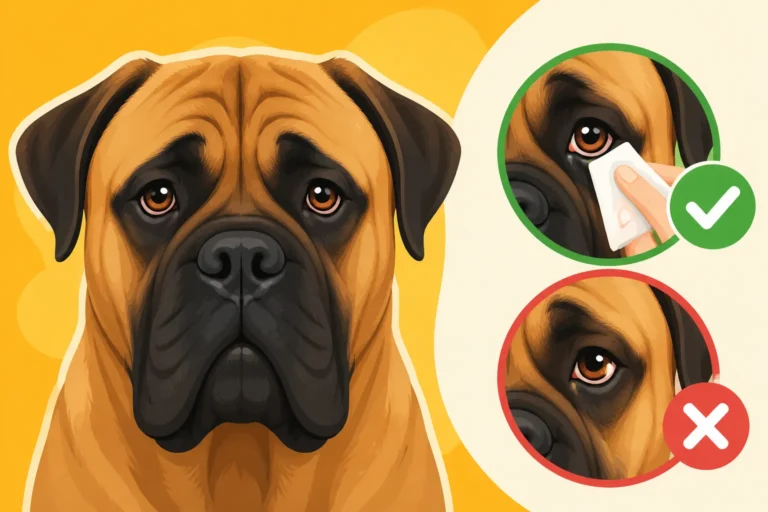
- Wrinkle Care: This is paramount. Bullmastiffs have those adorable wrinkles on their face and sometimes other areas. These folds can trap moisture, dirt, and yeast, leading to infections if not dried completely after a bath. Gently use a clean, dry towel or even a cotton ball to thoroughly dry deep into each fold. Once dry, you can apply a tiny amount of vet-approved wrinkle paste or powder if your dog is prone to irritation in these areas. How to Clean a Bullmastiff's Face Wrinkles is something that often needs attention even between baths.
- Brush Out: A final brush once completely dry helps to remove any last loose hairs and makes their coat lay smoothly. This is also a good time to check their nails and ears for any necessary care.
Dealing with Specific Bullmastiff Cleanliness Challenges
Beyond the full bath, there are daily and weekly tasks that can keep your Bullmastiff looking and feeling fresh, and significantly extend the time between those big bath-time productions.
Managing Drool and Face Wrinkles Between Baths
Let's face it: Bullmastiffs drool. It's part of their charm, but it's also a significant factor in their daily cleanliness routine. Their loose jowls, which were once an asset in their historical role, are now masters at collecting saliva, water, and food debris. Drool Is the Daily Job With a Bullmastiff, and understanding Why a Bullmastiff's Jowls Hold Saliva is key to managing it.
- Regular Wiping: Keep a supply of soft, clean cloths or dedicated drool rags handy. After meals, after drinks, or whenever you notice significant drool, gently wipe their mouth and jowls. This prevents dried-on crusts and reduces odor. Some owners even use specific pet wipes for a quick refresh.
- Face Wrinkle Maintenance: Those deep folds on a Bullmastiff's face are prime spots for dirt, food particles, and moisture to get trapped. Left unattended, this can lead to yeast or bacterial infections. Daily or every-other-day wiping with a damp cloth followed by a dry one is essential. Make sure the folds are completely dry afterwards. If you notice any redness, irritation, or an unusual smell coming from the wrinkles, it’s time to consult your vet. They may recommend a special medicated wipe or cream.
Tackling Odors and Dirt Without a Full Bath
Sometimes your Bullmastiff isn't quite dirty enough for a full bath, but they still need a little sprucing up. This is where spot cleaning and other quick fixes come in handy.
- Spot Cleaning: If your Bullmastiff has a dirty paw, a muddy belly, or a soiled patch of fur, a full bath isn't always necessary. Use a damp cloth with a tiny bit of gentle dog shampoo (diluted) to clean the affected area, then rinse thoroughly with a clean, damp cloth and dry well.
- Dry Shampoo or Waterless Shampoo: These products are a lifesaver for quick freshen-ups. They come in sprays or powders that you apply to the coat, work in, and then brush out. They absorb excess oils and odors, leaving your Bullmastiff smelling much better. They're great for in-between baths or when a full bath is simply too much hassle. You can find many effective dry shampoos on Chewy or Amazon.
- Grooming Mitts/Wipes: A rubber grooming mitt used dry can help remove loose hair and some surface dirt. Pet grooming wipes are also fantastic for a quick wipe-down of paws, bellies, or any particularly dusty areas. They're infused with gentle cleansing agents and are perfect for quick clean-ups after a walk or before company arrives.
- Regular Brushing: As mentioned before, consistent brushing, ideally every couple of days or even daily, can work wonders. It removes loose fur, distributes natural oils, and can help dislodge dried dirt before it sets in. Think of it as a mini-cleanse for their coat. How Often a Bullmastiff Needs Brushing is often more frequent than full baths.
By incorporating these smaller, more frequent cleaning habits into your routine, you can keep your Bullmastiff comfortable and clean, making full baths less frequent and less daunting.
When to Call the Vet About Skin and Coat Issues
While regular bathing and grooming are part of responsible Bullmastiff ownership, it's crucial to know when a skin or coat problem goes beyond routine care and warrants a trip to the veterinarian. Ignoring early signs can lead to more serious, painful, and costly conditions.
Recognizing Signs of Skin Problems
Your Bullmastiff's skin and coat are excellent indicators of their overall health. Any significant change or persistent issue should raise a red flag. Here's what to look out for:
- Excessive Itching or Licking: If your Bullmastiff is constantly scratching, chewing, or licking at a particular spot or all over, it's not normal. This could indicate allergies, parasites (fleas, mites), a fungal infection, or simply dry, irritated skin. Don't just dismiss it as "they're just itchy."
- Redness, Rash, or Bumps: Any unusual redness, a widespread rash, or the appearance of bumps, pustules, or scabs on their skin needs veterinary attention. These could be signs of bacterial infections (pyoderma), fungal infections (ringworm), or allergic reactions. Sometimes Where a Bullmastiff Gets Hot Spots can give clues, as certain areas are more prone.
- Hair Loss or Thinning Coat: Patchy hair loss, a generally thinning coat, or a dull, brittle coat texture can point to a range of issues from allergies and hormonal imbalances (like hypothyroidism – Signs a Bullmastiff's Thyroid Is Low) to nutritional deficiencies or even stress.
- Unusual Odor: While a "doggy smell" is normal before a bath, a truly foul, yeasty, or rancid odor, especially if localized to certain areas like ears, paws, or skin folds, often signals an infection that requires treatment.
- Flaky Skin or Dandruff: While a little flakiness can be normal, excessive dandruff or greasy, scaly patches could indicate seborrhea, allergies, or other skin conditions.
- Pain or Discomfort: If your Bullmastiff yelps when touched in certain areas, avoids being groomed, or seems generally uncomfortable due to their skin, it's definitely time for a vet visit.
These symptoms require professional diagnosis because many skin issues can look similar but require completely different treatments. Your vet can perform diagnostics like skin scrapes, fungal cultures, or allergy tests to pinpoint the cause and prescribe the correct medication or therapeutic approach.
The Role of Diet in Coat Health
It's easy to focus on external care, but what goes into your Bullmastiff plays a monumental role in the health and appearance of their skin and coat. A high-quality, balanced diet provides the essential nutrients needed for healthy skin cells and a robust hair follicle.
- Essential Fatty Acids: Omega-3 and Omega-6 fatty acids are particularly crucial for skin and coat health. They help maintain the skin barrier, reduce inflammation, and promote a shiny coat. Many high-quality dog foods include these, and some owners supplement with fish oil.
- Protein and Vitamins: Adequate protein is essential for hair growth and repair, while vitamins (especially A, E, and B-complex) contribute to overall skin health and cell turnover.
- Food Allergies: Sometimes, persistent skin issues are a manifestation of a food allergy or sensitivity. If your vet suspects this, they might recommend a prescription hypoallergenic diet or a novel protein diet trial to identify the culprit. Services like Ollie, which provide fresh, human-grade food, can sometimes be a good option for dogs with sensitivities, as their ingredients are often simpler and less processed, which can make it easier to pinpoint and avoid allergens.
If your Bullmastiff's coat is consistently dull, flaky, or they're experiencing unexplained itching, don't overlook their diet as a potential contributing factor. Discussing their current food with your veterinarian can be a valuable step in diagnosing and resolving chronic skin and coat problems. Sometimes, the solution isn't another bath, but a change in their dinner bowl.
Disclaimer
This article is for general informational purposes only and does not constitute professional advice. Laws, prices and regulations vary by location and change over time. Consult a qualified professional for guidance on your specific situation.