Whether a Bullmastiff Gets Mange
It can be incredibly frustrating when your big, beautiful Bullmastiff starts scratching incessantly, developing bald patches, or showing irritation on their skin. You immediately wonder if it's something serious, and the word "mange" often pops into mind, bringing with it a wave of anxiety. This guide is here to shed light on mange in Bullmastiffs, explaining what it is, how to spot it, and what steps you can take to get your beloved companion back to feeling comfortable and healthy.
Understanding Mange in Bullmastiffs: The Basics
When you hear "mange," it often conjures up images of neglected, scruffy street dogs, but the truth is, mange can affect any dog, including our majestic Bullmastiffs. It's a skin condition caused by mites, tiny parasites that can make life miserable for your dog. Understanding the different types is the first step to knowing what you're dealing with.
What is Mange, Really? Demodectic vs. Sarcoptic
Mange isn't just one thing; it's a blanket term for skin diseases caused by two primary types of mites: Demodex and Sarcoptes. They each cause distinct forms of mange, and knowing the difference is vital for effective treatment.
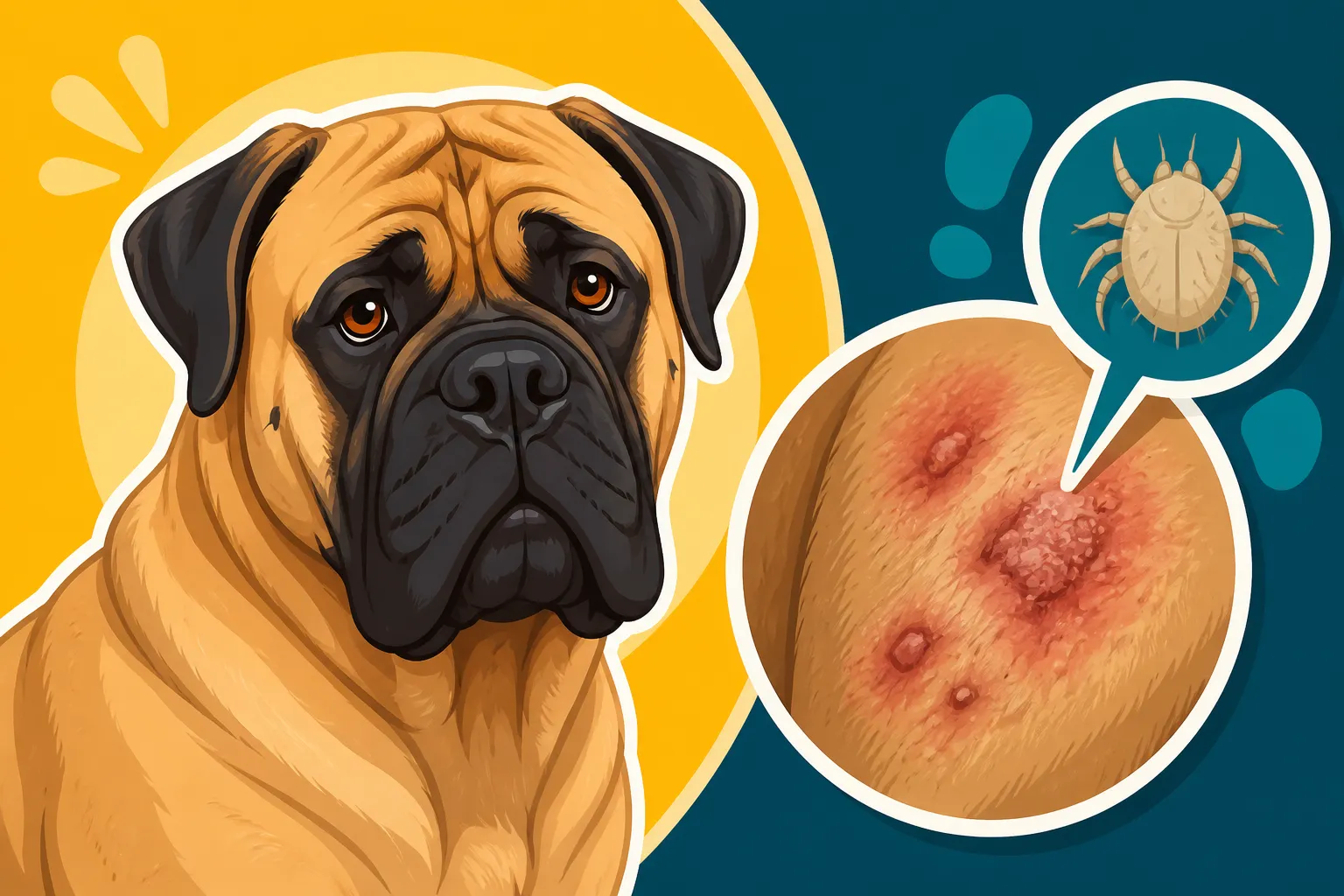
Demodectic mange, often called "red mange" or simply "demodex," is caused by Demodex canis mites. These cigar-shaped mites actually live harmlessly in the hair follicles and sebaceous glands of most dogs, including Bullmastiffs. In fact, puppies usually pick them up from their mothers shortly after birth. The problem arises when a dog's immune system is compromised or immature, allowing the mites to multiply uncontrollably. This can happen in puppies, senior dogs, or dogs with underlying health conditions. It's generally not considered contagious to other dogs or humans, as these mites are a normal inhabitant of dog skin. You'll often see localized patches of hair loss, redness, and sometimes scaling, frequently starting around the face, eyes, or front legs.
Sarcoptic mange, on the other hand, is caused by Sarcoptes scabiei mites. This is the intensely itchy kind, commonly known as scabies. These mites burrow just under the skin's surface, causing extreme irritation and an allergic reaction. Unlike Demodex, Sarcoptic mites are not a normal part of a dog's fauna and are highly contagious. They can spread rapidly between dogs, and even from dogs to humans (though the human infection is usually temporary and self-limiting, as the mites can't complete their lifecycle on us). If your Bullmastiff has sarcoptic mange, you're likely to see relentless scratching, severe hair loss, crusty skin, and redness, often starting on the ears, elbows, hocks, and chest. The itching is usually disproportionate to the visible lesions, meaning your dog will be scratching furiously even if you don't see much initially.
Why Bullmastiffs Might Be Prone to Skin Issues (Though Not Necessarily Mange More Than Others)
While Bullmastiffs aren't inherently more prone to mange than other breeds, their unique physiology can sometimes make them seem that way, or at least predispose them to other skin issues that can be mistaken for mange. Their massive size and body type, combined with their short, dense coats, mean that issues can sometimes be harder to spot or might progress rapidly.
Firstly, their wonderful, characteristic wrinkles and skin folds, particularly on their face and neck, can be a breeding ground for problems. These warm, moist areas can trap dirt, moisture, and bacteria, leading to conditions like skin fold dermatitis or pyoderma (bacterial skin infection). These infections can cause redness, itching, and hair loss, mimicking some symptoms of mange. If you've ever cleaned out those deep facial folds, you know how quickly things can get smelly if not attended to regularly. The Wrinkles and Folds on a Bullmastiff's Face offers more insights into caring for these unique features.
Secondly, Bullmastiffs, like many large breeds, can sometimes have sensitivities or allergies that manifest as skin problems. Environmental allergies (atopy) or food allergies can lead to chronic itching, redness, ear infections, and secondary skin infections. These can sometimes be misdiagnosed or overlap with concerns about parasitic infestations. When a Bullmastiff's immune system is busy fighting off allergens, it might make them more susceptible to an overgrowth of naturally occurring Demodex mites, leading to a secondary demodectic mange flare-up. Therefore, while mange itself isn't necessarily more common, other skin issues are, and those can potentially open the door to mange.
Differentiating Mange from Other Common Bullmastiff Skin Problems
It's easy to jump to conclusions when your Bullmastiff starts scratching or losing hair. However, many skin conditions present similar symptoms, and distinguishing them is key before you panic.
Allergies: This is a big one. Many Bullmastiffs suffer from environmental allergies (pollen, dust mites, mold) or food allergies. Symptoms often include intense itching, redness, ear infections, paw licking, and sometimes hot spots or secondary bacterial skin infections. The itching from allergies can be year-round or seasonal, unlike mange which is caused by a persistent parasite. A Bullmastiff with Skin Allergies in a Bullmastiff will often have a history of recurrent skin issues, whereas mange might appear more suddenly.
Pyoderma and Skin Fold Dermatitis: As mentioned, those adorable wrinkles can be trouble. Skin Fold Infections on a Bullmastiff are incredibly common, especially on the face, lips, and tail pocket. The constant friction and moisture create a perfect environment for bacteria and yeast. You'll notice redness, a foul odor, discharge, and perhaps scabbing or hair loss right in the folds. This often looks very different from the more diffuse hair loss or specific patterns of mange.
Flea Allergy Dermatitis (FAD): Even if you don't see fleas, a single bite can trigger an intense allergic reaction in a sensitive Bullmastiff. The itching is typically focused on the rear half of the body – the base of the tail, inner thighs, and abdomen. This causes redness, scabbing, and hair loss, and again, can be mistaken for sarcoptic mange due to the extreme itch. Regular flea prevention is critical for all dogs, regardless of breed.
Understanding these distinctions helps you provide your vet with a clearer picture of what's happening, leading to a quicker and more accurate diagnosis.
Recognizing the Signs and Getting a Diagnosis
Spotting any changes in your Bullmastiff's skin or coat can be worrying. Knowing what to look for and, more importantly, when to call the vet, can make all the difference in a swift recovery.
Visible Symptoms of Mange in Your Bullmastiff
The specific signs of mange can vary depending on the type and severity, but here are some common indicators to watch for in your Bullmastiff:
Demodectic Mange (Demodex):
- Localized hair loss: Often circular patches, sometimes with a "moth-eaten" appearance. These usually start around the eyes (giving a "spectacled" look), on the muzzle, or on the legs. In Bullmastiffs, you might notice it on their chest or along their flanks.
- Redness and inflammation: The affected skin might look red and inflamed, though initially, it might not be very itchy.
- Scaling and crusting: As the condition progresses, you might see flaky skin or small crusts.
- Secondary bacterial infections: If the skin becomes broken from scratching or irritation, bacteria can move in, leading to pustules, sores, and more generalized inflammation. This is when itching usually becomes more noticeable.
Sarcoptic Mange (Scabies):
- Intense, relentless itching: This is the hallmark symptom. Your Bullmastiff will scratch, bite, and chew at themselves almost constantly, sometimes to the point of self-mutilation. This itching is often worse at night or when the dog is warm.
- Severe hair loss: Due to the scratching, hair loss is often widespread and can be quite dramatic, especially on the ears, elbows, hocks, and underside of the chest and abdomen.
- Redness, rash, and papules: The skin will often be very red and bumpy, with small red lesions (papules) that are the mite's burrows.
- Thickening and crusting of the skin: Especially on the ear margins, elbows, and hocks, the skin can become thickened, leathery, and covered in scabs or crusts from the chronic inflammation and self-trauma.
- Body odor: Secondary bacterial or yeast infections can develop, leading to an unpleasant smell.
It's important to remember that Bullmastiffs are stoic creatures and can sometimes mask discomfort. How a Bullmastiff Hides Pain is a helpful resource to understand this aspect of their nature, which means you need to be extra vigilant for subtle signs. Regular full-body checks during grooming are essential for catching any skin changes early.
The Importance of Early Veterinary Consultation
As soon as you notice persistent scratching, hair loss, or any unusual skin lesions on your Bullmastiff, it's crucial to contact your veterinarian. Don't try to self-diagnose or treat at home. Here's why early veterinary consultation is so vital:
- Accurate Diagnosis: As we've discussed, many skin conditions look alike. Only a vet can perform the necessary diagnostic tests to determine if it's mange, and if so, which type, or if it's an allergy, infection, or something else entirely. Without a correct diagnosis, any treatment you attempt might be ineffective, or worse, harmful.
- Preventing Progression: Both types of mange can worsen significantly if left untreated. Demodectic mange can become generalized, covering large portions of the body and leading to severe secondary infections. Sarcoptic mange can lead to widespread skin damage, extreme discomfort, and can quickly spread to other pets in the household.
- Contagion Control: If it's sarcoptic mange, early diagnosis allows you to take immediate steps to prevent its spread to other animals (and even family members, though briefly).
- Managing Discomfort: Your Bullmastiff is likely very uncomfortable. The sooner they get the right treatment, the sooner they can find relief from the itching and irritation.
- Addressing Underlying Issues: Sometimes, demodectic mange is a symptom of an underlying immune system issue. A vet can help identify and address any other health problems that might be contributing to the skin condition. Regularly checking in with your vet for routine exams can also help catch these things early, as outlined in How Often a Bullmastiff Needs a Wellness Exam.
How a Vet Diagnoses Mange
When you take your Bullmastiff to the vet for suspected mange, they'll typically follow a systematic approach to get to the bottom of it.
- Thorough History and Physical Exam: The vet will ask you detailed questions about your Bullmastiff's symptoms (when they started, severity of itching, any changes in diet or environment) and perform a head-to-tail examination of their skin and coat. They'll be looking for specific patterns of hair loss, skin texture changes, and signs of secondary infection.
- Skin Scrapes: This is the most common and definitive diagnostic test for mange. The vet will use a scalpel blade to gently scrape the surface of the skin, often after applying a drop of mineral oil, to collect skin cells, debris, and hopefully, mites. The collected material is then placed on a slide and examined under a microscope.
- For Demodex: These mites live deep in the hair follicles, so the vet might need to perform several deep skin scrapes until a tiny amount of capillary blood is visible. This is a common and usually non-painful procedure.
- For Sarcoptes: These mites burrow superficially, but they can be notoriously difficult to find on skin scrapes, even when they are present. Because the itching is largely an allergic reaction, only a few mites might be present. Therefore, if the vet strongly suspects sarcoptic mange based on symptoms and clinical signs, they might proceed with treatment even if scrapes are negative.
- Hair Plucks: Sometimes, especially in areas where skin scraping is difficult or sensitive, the vet might pluck hairs and examine the follicles under a microscope for Demodex mites.
- Tape Impression Cytology: This involves pressing clear adhesive tape onto the skin, then sticking it onto a slide to look for surface mites, bacteria, or yeast. This is more for identifying secondary infections but can sometimes reveal mites.
- Biopsy: In rare, persistent, or atypical cases where other tests are inconclusive, a skin biopsy might be taken and sent to a veterinary dermatopathologist for examination.
- Response to Treatment (for Sarcoptes): As mentioned, sarcoptic mites are elusive. If skin scrapes are negative but the clinical signs (especially intense itching that is out of proportion to the lesions) strongly suggest scabies, your vet might recommend a "diagnostic trial" by treating your Bullmastiff for sarcoptic mange. If the dog improves dramatically, it confirms the suspicion.
The veterinary team is there to help, so be open and honest about your observations and concerns.
Treatment Options and Long-Term Management
Once your veterinarian has a confirmed diagnosis of mange, they will tailor a treatment plan specifically for your Bullmastiff. It’s important to follow their instructions precisely to ensure the best outcome and prevent recurrence.
Common Treatments for Demodectic Mange
Demodectic mange treatment has evolved significantly over the years, moving away from harsh dips to more convenient and effective options.
- Oral Medications (Isoxazolines): This class of drugs has revolutionized demodectic mange treatment. Medications like fluralaner, afoxolaner, sarolaner, and lotilaner are now commonly prescribed. They are given orally (either as a chewable or tablet) and work by killing the mites systemically. These are generally very effective, safe, and easy to administer, often clearing the condition within weeks to a couple of months. They are usually given monthly or every few months, depending on the specific product and veterinarian's recommendation.
- Topical Treatments (Dips, Washes, Spot-Ons):
- Mitaban (Amitraz) Dips: Historically, amitraz dips were a common treatment for generalized demodex. These required weekly or bi-weekly dips, which could be cumbersome and had potential side effects. While still an option, they are less commonly used now due to the efficacy of newer oral medications.
- Medicated Shampoos and Washes: These are often used as an adjunct to other treatments, helping to soothe the skin, remove crusts, and treat secondary bacterial infections. Ingredients like benzoyl peroxide or chlorhexidine are common. They won't cure the mange on their own but support skin health.
- Antibiotics for Secondary Infections: Because a compromised skin barrier from demodex often leads to bacterial infections, your Bullmastiff might be prescribed oral antibiotics to clear these up. It's crucial to complete the entire course of antibiotics, even if the skin looks better.
- Addressing Underlying Causes: For adult-onset generalized demodex, the vet will often perform diagnostics to check for an underlying immune suppression or medical condition that allowed the mites to proliferate. This could involve blood tests or other screenings.
Puppies with localized demodex often resolve spontaneously as their immune systems mature, but larger or more severe cases will still need treatment. Your vet will usually recommend repeat skin scrapes until no mites are found for several consecutive tests to ensure complete eradication.
Tackling Sarcoptic Mange in Bullmastiffs
Sarcoptic mange requires a different approach, primarily due to its highly contagious nature and the intense itching it causes.
- Oral Medications (Isoxazolines): Similar to demodectic mange, the isoxazoline class of oral medications are highly effective against sarcoptic mites. A single dose (or sometimes two doses given a month apart) is often enough to kill the mites and resolve the condition, bringing immense relief to your Bullmastiff. This makes treatment far easier than in the past.
- Topical Medications (Spot-Ons and Injections):
- Selamectin (Revolution/Stronghold): A spot-on medication that can be applied to the skin, effective against sarcoptic mites, fleas, and some other parasites.
- Moxidectin (Advantage Multi/ Advocate) or Milbemycin (Interceptor/Sentinel): These are heartworm preventatives that, at certain doses, are also effective against sarcoptic mites. Your vet might prescribe an increased frequency for treatment.
- Ivermectin Injections: While effective, ivermectin injections are less commonly used now due to the availability of safer and more convenient oral options. Some breeds (not typically Bullmastiffs, but always worth discussing with your vet) can have sensitivities to ivermectin.
- Medicated Baths: Often, your vet will recommend medicated baths (e.g., lime sulfur dips) to help soothe the skin, remove crusts, and kill surface mites. These can provide immediate, though temporary, relief from the intense itching.
- Anti-itch Medications: To provide your Bullmastiff with some respite from the severe itching, the vet might prescribe anti-inflammatory medications like corticosteroids (e.g., prednisone) or newer anti-itch drugs like oclacitinib (Apoquel) or lokivetmab (Cytopoint). These manage symptoms but don't kill the mites.
- Environmental Decontamination: Because sarcoptic mites can survive off a host for a period, it's important to thoroughly clean and decontaminate your Bullmastiff's environment. Wash all bedding, blankets, and toys in hot water. Vacuum carpets and upholstery thoroughly. Consider treating areas where your dog spends a lot of time. This helps prevent reinfection and protects other pets.
All dogs in the household, even those not showing symptoms, should be treated for sarcoptic mange if one dog is diagnosed, due to its highly contagious nature.
Supporting Your Bullmastiff's Skin Health During and After Treatment
Treatment for mange is essential, but equally important is supporting your Bullmastiff's overall skin health to aid recovery and prevent future issues.
- High-Quality Nutrition: A healthy diet is the foundation of a strong immune system and healthy skin. Ensure your Bullmastiff is eating a complete and balanced large breed formula appropriate for their age and activity level. Look for quality protein sources and healthy fats. Brands like Ollie provide customized fresh food options that can be beneficial for skin and coat, while Chewy offers a wide variety of premium kibbles and wet foods from trusted brands. Feeding a Hundred and Thirty Pound Bullmastiff can help you understand the nutritional demands of this magnificent breed.
- Omega Fatty Acid Supplements: Omega-3 and omega-6 fatty acids are crucial for skin barrier function and reducing inflammation. Fish oil, flaxseed oil, or specialized skin and coat supplements can be incredibly beneficial. You can often find a wide selection of these supplements on Amazon or through specialized pet supply stores.
- Regular, Gentle Grooming: Even if their coat is thin during recovery, continue with gentle brushing to stimulate circulation and remove loose hair and skin flakes. Keep those skin folds clean and dry to prevent secondary infections. What a Bullmastiff's Coat Should Feel Like is a good benchmark for what you're aiming for.
- Appropriate Bathing: Follow your vet's recommendations for bathing, especially if medicated shampoos are prescribed. Be gentle, ensure thorough rinsing, and dry your Bullmastiff completely, paying special attention to those deep wrinkles to prevent moisture trapped.
- Weight Management: Keeping your Bullmastiff at a healthy weight is paramount for their overall health, including skin and joints. An overweight Bullmastiff might have more pronounced skin folds, making them harder to keep clean and more prone to issues. Regularly checking their body condition, as described in How to Feel a Bullmastiff's Ribs, is a vital part of proactive care. Keeping a Bullmastiff Lean Is the Best Thing You Can Do for their health.
- Stress Reduction: Stress can impact a dog's immune system, potentially making them more susceptible to skin problems. Ensure your Bullmastiff has a calm, stable environment, sufficient exercise (appropriate for their breed and age, not over-exercising), and plenty of mental stimulation.
By combining veterinary treatment with excellent supportive care, you give your Bullmastiff the best chance for a full and lasting recovery from mange.
Preventing Future Mange and Maintaining a Healthy Bullmastiff Coat
While we can't always prevent every health issue, there are proactive steps you can take as a Bullmastiff owner to minimize the risk of mange and keep their magnificent coat and skin in top condition. Prevention often comes down to maintaining robust overall health.
The Role of Nutrition and a Strong Immune System
Think of your Bullmastiff's immune system as their internal army, constantly defending against invaders like mites, bacteria, and viruses. A strong army starts with good nutrition.
- Quality Diet is Non-Negotiable: As discussed, feeding a high-quality, balanced diet is fundamental. Avoid cheap, filler-laden foods. Focus on ingredients that support overall health and are easily digestible. Many Bullmastiff owners find success with large-breed specific formulas that are designed to support their unique growth and maintenance needs. A diet rich in antioxidants (from fruits and vegetables, often found in high-quality dog foods or supplements) can also bolster immune function. You can explore a vast range of options, including fresh and raw-inspired diets, from reputable online retailers like Chewy and Ollie.
- Supplements for Skin and Immunity: Beyond omega fatty acids, some owners choose to add other supplements under veterinary guidance. Probiotics can support gut health, which in turn influences the immune system. Certain vitamins and minerals, when properly balanced, also play a role. However, always consult your vet before adding supplements, as too much of a good thing can sometimes be detrimental.
- Maintain a Healthy Weight: Obesity puts undue stress on every system in your Bullmastiff's body, including their immune system. Keeping a Bullmastiff Lean Is the Best Thing You Can Do for their overall health and longevity. It also means less pronounced skin folds, which are easier to keep clean and less prone to infection.
A Bullmastiff with a strong, well-supported immune system is simply better equipped to fend off opportunistic issues like demodectic mange and recover from sarcoptic infestations.
Regular Grooming and Skin Checks
Your daily interactions with your Bullmastiff are the first line of defense against skin problems. Regular grooming isn't just about aesthetics; it's a vital health check.
- Daily Visual Inspection: Make it a habit to quickly look over your Bullmastiff every day. A quick pat-down and visual check can reveal new bumps, redness, or areas of irritation. Pay close attention to their face, ears, armpits, groin, paws, and tail area—places where mites or infections often start or hide.
- Weekly Hands-On Examination: Dedicate time each week for a more thorough hands-on examination. Part their fur, feel for any lumps or bumps, check for excessive dryness or oiliness, and look for any scabs, crusts, or signs of hair loss. Compare your findings to What a Bullmastiff's Coat Should Feel Like. This is also the perfect time to clean their ears and ensure those deep facial wrinkles are spotless and dry, preventing conditions like Skin Fold Infections on a Bullmastiff.
- Brushing Routine: While Bullmastiffs have short coats, regular brushing is still beneficial. It removes loose hair, stimulates blood flow to the skin, and distributes natural oils. How Much a Bullmastiff Sheds can give you an idea of what to expect, and How Often a Bullmastiff Needs Brushing can guide your routine. Brushing also offers another opportunity to spot any changes.
- Nail Trims and Paw Checks: Long nails can sometimes cause discomfort and alter gait, and paws can be a common site for itching and infection. Regularly trim your Bullmastiff's nails and check between their paw pads for redness, swelling, or foreign objects.
These consistent checks help you catch minor issues before they become major problems, including mange. For an aging Bullmastiff, these checks become even more important as their skin and coat can change with age, as covered in What an Aging Bullmastiff's Coat Looks Like.
Environmental Control and Reducing Stress
Your Bullmastiff's environment and emotional well-being also play a significant role in their skin health.
- Clean Living Environment: A clean home helps reduce allergens, dust mites, and potential sources of external parasites. Regularly vacuuming, washing bedding (especially your Bullmastiff's bed), and cleaning floors can make a big difference. For bedding, look for durable, washable options, perhaps even with waterproof liners, which are readily available on sites like Amazon.
- Parasite Prevention: Consistent use of vet-recommended flea and tick prevention products is crucial. These products often also protect against other external parasites, including some types of mites. This is particularly important for preventing sarcoptic mange, as exposure can come from the environment or other infected animals. Always choose a product designed for your dog's weight and consult your vet for the best option.
- Manage Stressors: Just like in humans, stress can suppress a dog's immune system, making them more vulnerable to illness, including skin conditions. Identify and minimize stressors in your Bullmastiff's life. This could include ensuring they have a quiet, safe space to retreat to, maintaining a consistent routine, providing adequate mental stimulation, and avoiding situations that cause them anxiety. A calm, happy Bullmastiff is often a healthier Bullmastiff.
By being proactive in these areas – providing excellent nutrition, consistent grooming and health checks, and a clean, low-stress environment – you're doing everything you can to safeguard your Bullmastiff against mange and promote a lifetime of healthy skin and a beautiful coat.
Disclaimer
This article is for general informational purposes only and does not constitute professional advice. Laws, prices and regulations vary by location and change over time. Consult a qualified professional for guidance on your specific situation.