Whether a Bullmastiff Needs a Ramp to the Car
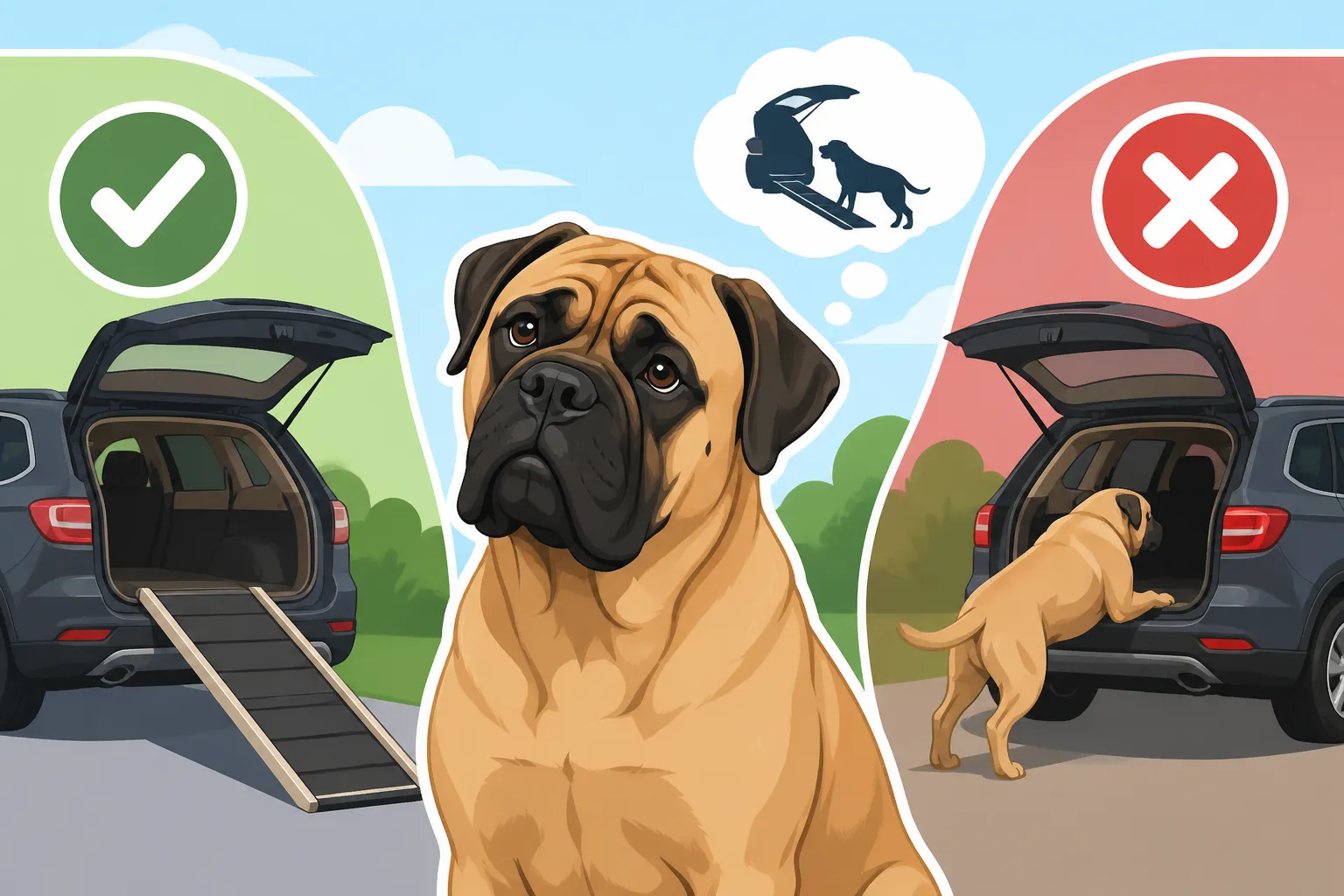
Getting your majestic Bullmastiff into and out of the car can feel like a Herculean task, not just for you, but for their large, heavy bodies. The thought of them jumping down from a high SUV or truck repeatedly, day after day, can bring a pang of worry to any devoted owner, especially knowing the breed's predisposition to joint issues. This guide will delve into whether a car ramp is a necessary investment for your Bullmastiff, exploring the benefits for their long-term health, ease of travel, and your peace of mind.
The Weighty Reality: Why a Bullmastiff's Size Matters for Car Entry
Bullmastiffs are truly gentle giants, but their impressive size and substantial weight come with unique considerations, particularly when it comes to their skeletal system. While they might seem robust and capable of anything, repeated high-impact activities like jumping can take a significant toll on their joints over time.
Protecting Precious Joints from Puppyhood Onward
From the moment they are little pups, Bullmastiffs are growing rapidly, and their bones and joints are still developing. Even a young, seemingly agile Bullmastiff can put undue stress on their hips, elbows, and shoulders with every jump. Imagine a growing child repeatedly jumping off a tall wall; the impact might not show immediately, but it can contribute to problems down the road. For a Bullmastiff, who can easily weigh over a hundred pounds, the force exerted on their joints when landing from a car can be immense.
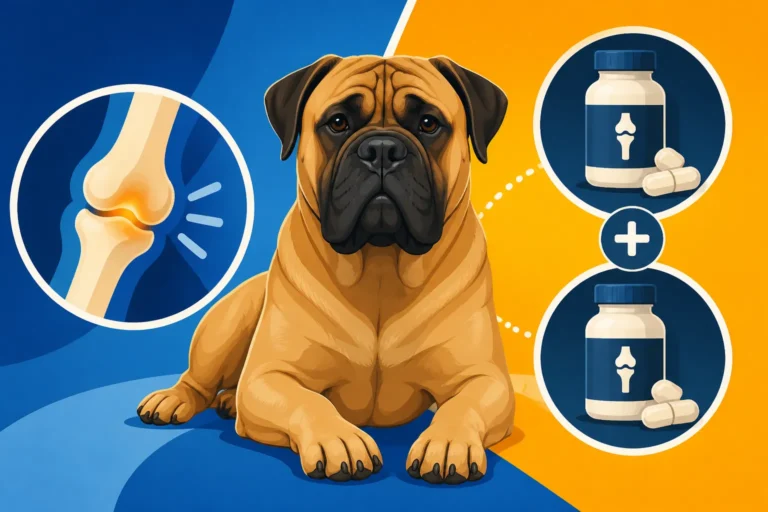
Preventing injury and excessive wear and tear on these critical joints is paramount. Conditions like hip and elbow dysplasia are unfortunately prevalent in many large breeds, including Bullmastiffs. While genetics play a huge role, environmental factors, such as improper exercise and repetitive high-impact movements, can exacerbate or accelerate the onset of these issues. A ramp offers a smooth, controlled ascent and descent, drastically reducing the shock and strain on their delicate structures. Thinking ahead and implementing a ramp from an early age can be one of the kindest things you do for their long-term comfort and mobility. Protecting those joints is crucial, as issues like Hips and Elbows Under a Hundred and Thirty Pound Bullmastiff can severely impact their quality of life.
The Inevitable March of Time and Joint Wear
As our beloved Bullmastiffs age, their joints naturally start to show the signs of years of use, just like ours do. Arthritis becomes more common, cartilage thins, and muscles may weaken, making those once-effortless jumps a painful ordeal. An aging Bullmastiff, perhaps one that's pushing The Age a Bullmastiff Is Considered Senior, might begin to hesitate before getting into the car, or you might notice a subtle stiffness after they've jumped out.
For senior Bullmastiffs, a ramp isn't just a convenience; it's often a necessity. Their comfort and dignity are important, and forcing them to struggle with entry or exit can cause unnecessary pain and anxiety. A ramp allows them to maintain their independence and continue to enjoy car rides without the physical burden. It also protects you from potential strain trying to lift a reluctant, heavy dog. As we dedicate ourselves to Caring for an Aging Bullmastiff, providing proper mobility support becomes a top priority. Witnessing Why an Aging Bullmastiff Struggles to Rise is heartbreaking, and a ramp can significantly alleviate this daily challenge.
Recognizing the Need: When a Ramp Becomes Essential
It's easy to dismiss a ramp as an extra expense or a luxury, especially when your Bullmastiff is young and spry. However, being proactive and recognizing subtle cues can make all the difference in preventing future discomfort and injury for your dog.
Subtle Signs Your Bullmastiff Is Struggling
Even the most stoic Bullmastiff might display subtle signs that jumping into or out of the car is becoming uncomfortable. They might not cry out in pain, but their behavior can speak volumes. Look for hesitation at the car door, a slower approach, or a slight whimper before attempting the jump. Perhaps they try to brace themselves with their front paws before leaping, or they land with a noticeable thud, shaking it off immediately after. Some dogs might even try to find lower entry points, like a back seat, if available.
Another sign could be a change in their general enthusiasm for car rides. If they used to bound excitedly towards the vehicle and now seem a bit subdued or even try to avoid it, it’s worth considering if physical discomfort is playing a role. Observing these small shifts in behavior can alert you that it's time to introduce a ramp, providing them with a much gentler alternative. These nuanced changes are part of What Changes in an Aging Bullmastiff's Care and are important to recognize.
Proactive Planning: Don't Wait for Injury
Waiting until your Bullmastiff is actively limping or showing obvious signs of pain before introducing a ramp is often too late. By then, damage might already be done, or the act of using the ramp might be associated with previous pain, making training more challenging. Starting early, even when they're still able to jump, familiarizes them with the ramp as a normal, non-threatening part of their routine.
Think of it as preventative medicine for their joints. Just like we consider Whether a Bullmastiff Needs Joint Supplements long before they show signs of arthritis, introducing a ramp is a preventative measure against future joint strain. By making it a regular part of car travel, you safeguard their joint health and extend their years of comfortable mobility. It's about setting them up for a life where they can continue to enjoy adventures with you, well into their senior years, potentially helping them Whether a Bullmastiff Can Reach Twelve.
Choosing the Right Ramp for Your Gentle Giant
Not all dog ramps are created equal, especially when you're dealing with the formidable size and weight of a Bullmastiff. Selecting the correct ramp is crucial for their safety, comfort, and your convenience.
Material and Construction: Safety First
When choosing a ramp, the material and construction are paramount. You need something robust enough to safely support your Bullmastiff's substantial weight without flexing or buckling. Look for ramps made from durable materials like reinforced plastic or aluminum. Aluminum ramps are often lighter but still incredibly strong. Plastic options can also be sturdy but ensure they are heavy-duty, not flimsy. The last thing you want is a ramp that feels unstable under their weight, which could deter them from using it or even lead to injury. Always check the weight capacity; it should significantly exceed your Bullmastiff's maximum weight to ensure a safe margin. Many reputable pet supply retailers like Chewy or Amazon offer detailed specifications, making it easier to compare options.
Length, Width, and Grip: Making it Easy to Ascend
The length of the ramp directly impacts the incline. A longer ramp will provide a gentler slope, which is much easier and safer for a large, heavy dog to navigate, especially for those with existing joint issues. A steep incline can be intimidating and put strain on their legs. As a general rule, aim for a ramp that allows for a gradual angle, especially for higher vehicles like SUVs or trucks.
Width is also crucial. Your Bullmastiff needs ample space to walk comfortably and confidently without feeling cramped or worried about slipping off the sides. A wider ramp provides better stability and prevents them from having to contort their body. Finally, the surface grip is non-negotiable. Look for ramps with a high-traction surface – things like sandpaper-like textures, rubberized treads, or even carpeted surfaces. This prevents slips and falls, especially in wet weather, making the experience safe and positive for your dog.
Here's a quick comparison of common ramp types:
| Ramp Type | Pros | Cons | Best For |
|---|---|---|---|
| Folding | Compact when folded, generally sturdy | Can be bulky when set up, a visible hinge | Owners with enough trunk space, regular use |
| Telescoping | Variable length for different vehicles, no hinges | Can be heavier, may require more effort to extend | Owners with multiple vehicles, limited storage space |
| Bi-fold | Good balance of length and portability | Still requires space to open/close | Most standard SUVs and trucks, good for general use |
| Tri-fold | Even more compact than bi-fold | Potentially less stable due to more hinges | Smaller vehicles, occasional use, very limited storage |
Portability and Storage: Practical Considerations
A ramp is only useful if you can easily transport and store it. Consider how often you'll be using it and what kind of vehicle you drive. If you travel frequently with your Bullmastiff, a lightweight, easily foldable or telescoping ramp will be a godsend. Telescoping ramps slide into themselves, offering adjustable length and a relatively compact stored size. Folding ramps, as the name suggests, fold in half (or more) for storage.
Before purchasing, measure your vehicle's cargo space or back seat area to ensure the folded or retracted ramp will fit. Also, think about the ramp's weight. While a sturdy ramp is essential, one that's too heavy for you to comfortably maneuver defeats the purpose of making car travel easier. Many online stores will list the ramp's weight, helping you make an informed decision for yourself and your dog. Considering options like those available on Amazon can simplify this process.
Teaching Your Bullmastiff to Master the Ramp
Introducing a new piece of equipment, especially one as large and novel as a ramp, requires patience and positive reinforcement with any dog, and especially with a deliberate Bullmastiff. Their intelligent nature means they might pause to assess the situation, so a gentle, encouraging approach is key.
Positive Reinforcement and Patience
Bullmastiffs respond beautifully to positive reinforcement. Never force your dog onto the ramp; this can create a negative association and make future training much harder. Instead, make it a fun, rewarding experience. Start by placing the ramp flat on the ground, perhaps with one end slightly elevated, and use high-value treats to lure them across. A handful of tasty treats, like those from Ollie, can work wonders. Toss a treat onto the ramp, then a few more leading them across. Praise them enthusiastically for every step they take towards or on the ramp.
Break the training down into tiny, achievable steps. If they only put one paw on it, that's a win! Reward it. If they walk halfway, celebrate it. The goal is to build confidence and positive associations. Keep training sessions short and sweet, ending on a high note before they get bored or frustrated. Remember, a Bullmastiff will decide whether you are worth it, so make it worth their while! You might even find this process helps you better understand The Bullmastiff That Pauses to Decide Whether You Are Worth It.
Practice Makes Perfect: Gradual Introduction
Once your Bullmastiff is comfortable walking on the flat ramp, gradually increase the incline. Start by propping one end against a low step or curb, then slowly move to the tailgate of your car. Continue using treats and praise generously. It's often helpful to have another person assist, one holding the dog's leash for safety and the other providing treats and encouragement from the other end of the ramp. This also gives them the confidence of having you nearby.
Practice getting them both into and out of the vehicle using the ramp. Some dogs are more comfortable going up than coming down, or vice versa. Always ensure the ramp is stable and doesn't wobble, as any instability can spook them. With consistent, positive training, your Bullmastiff will soon associate the ramp with fun car rides and effortless travel. This dedication to training early on helps immensely when addressing How a Bullmastiff Rides in a Car. By investing this time, you're not just teaching a trick; you're investing in a lifetime of comfortable adventures with your magnificent companion.
Disclaimer
This article is for general informational purposes only and does not constitute professional advice. Laws, prices and regulations vary by location and change over time. Consult a qualified professional for guidance on your specific situation.