The Temperature at Which a Bullmastiff Struggles
It’s a heartbreaking reality for many Bullmastiff owners, especially those new to the breed: a slight uptick in temperature that wouldn’t bother another dog can send your majestic companion into distress. You might find yourself frantically searching for answers when your gentle giant starts panting excessively after a short walk, or you worry every time the mercury climbs past a certain point. This guide is here to walk you through exactly what temperatures pose a real risk to your Bullmastiff, why they struggle so much more than other breeds, and what you can do to protect them when the heat sets in.
Understanding Your Bullmastiff's Vulnerability to Heat
Bullmastiffs are truly special dogs, known for their calm demeanor and protective instincts. However, their unique physical characteristics, which make them so impressive to behold, also put them at a significant disadvantage when it comes to regulating their body temperature. It's not just about how hot it feels to you; it's about how effectively their bodies can dissipate heat, and for Bullmastiffs, that system is often working overtime from the start.
The Brachycephalic Challenge: Breathing and Cooling
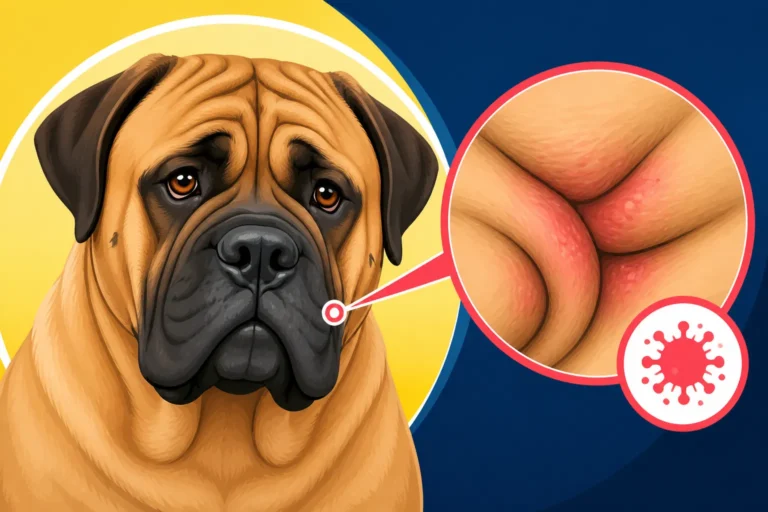
One of the most defining features of a Bullmastiff is their distinctive, broad head and relatively short muzzle. This "brachycephalic" (short-nosed) structure, while undeniably charming, comes with a severe trade-off for their ability to cool down. Unlike dogs with longer snouts, who have more surface area in their nasal passages to humidify and cool incoming air, a Bullmastiff's airways are often compressed and restricted.
Think of it like trying to breathe through a very small straw while running a marathon. Their soft palates can be elongated, their nostrils can be narrow (stenotic nares), and their tracheas can be narrower than average for their size. All these factors make it harder for them to inhale and exhale efficiently. Since dogs primarily cool themselves by panting, a restricted airway means less effective heat exchange. They have to work much harder to move the same amount of air, which itself generates more body heat. This is a fundamental reason why you need to be so vigilant about Why a Bullmastiff's Short Muzzle Cannot Cool It. Even on a moderately warm day, if they're excited or moving around, they can quickly get into trouble because their built-in cooling system is simply not as efficient.
Bulk and Coat: Double Whammy for Heat Retention
Beyond their unique facial structure, Bullmastiffs carry a significant amount of muscle and bone, often weighing over 100 pounds. This substantial body mass generates a lot of internal heat, much like a large engine running. Unlike smaller dogs, they have a larger volume-to-surface-area ratio, meaning there's less skin surface relative to their body mass to release heat into the environment.
Their coat, while short and dense, also plays a role. It's designed to protect them from the elements, but it doesn't offer much in the way of cooling. In fact, a dark coat color can absorb more solar radiation, making them feel even hotter when exposed to direct sunlight. When you combine this massive body heat generation with a compromised ability to pant effectively, you begin to understand Why a Bullmastiff Overheats So Easily. They are essentially walking furnaces with an underdeveloped air conditioning system, making them incredibly susceptible to rapid temperature increases, especially if they're not kept lean.
Beyond the Thermometer: Humidity and Activity
It's tempting to look at the temperature reading and think that's the only factor. However, for a Bullmastiff, humidity levels are just as crucial, if not more so. Dogs cool themselves by evaporating moisture from their tongues and respiratory tracts through panting. When the air is already saturated with moisture (high humidity), this evaporative cooling becomes far less effective. The sweat they do produce on their paw pads also can't evaporate as easily.
Imagine trying to dry your laundry on a humid day – it takes forever. The same principle applies to your Bullmastiff's internal cooling. A 75-degree Fahrenheit day with high humidity can be far more dangerous than an 85-degree day with low humidity. Moreover, their activity level dramatically increases their internal body temperature. A sedentary Bullmastiff might tolerate a slightly higher temperature than one who has been playing or exercising, even lightly. Factors like excitement, stress, or even just digesting a meal can also slightly raise their body temperature, pushing them closer to that dangerous threshold.
Identifying the Danger Zone: Specific Temperatures and Scenarios
So, what’s the magical number when it comes to heat and Bullmastiffs? The truth is, there isn't one single, universal temperature that applies to every dog or every situation. It's a combination of factors, but we can certainly identify a general range where caution becomes paramount and where outright danger begins. Ignoring these thresholds can have severe consequences, as a Bullmastiff's internal temperature can skyrocket surprisingly fast.
The Tipping Point: General Temperature Guidelines
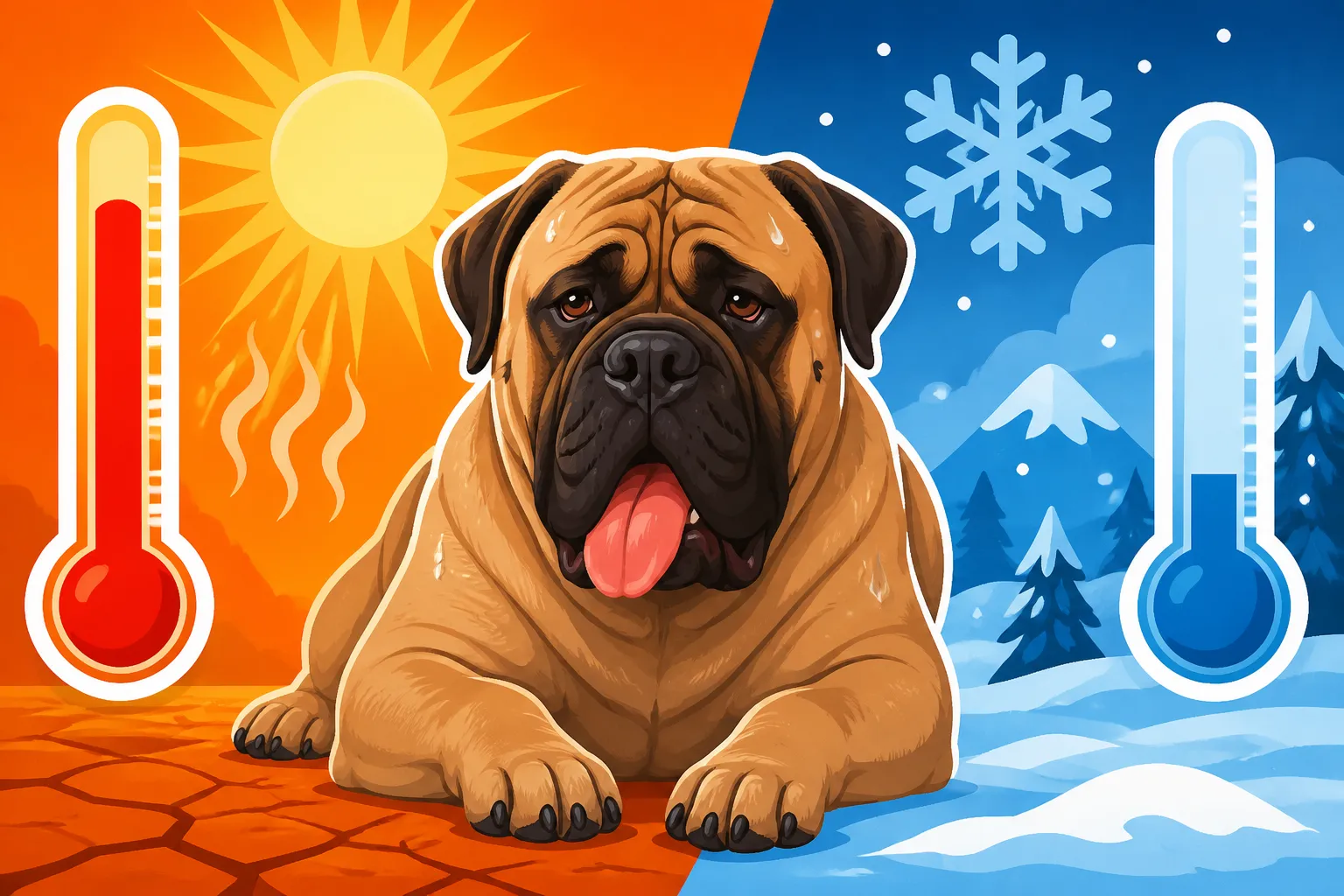
While some dogs can happily frolic in 80-degree weather, for a Bullmastiff, that's often far too warm. Generally, once the ambient temperature reaches around 75 degrees Fahrenheit (24 degrees Celsius) or higher, you should start exercising significant caution. Above 80-85 degrees Fahrenheit (27-29 degrees Celsius), the risk dramatically increases, even if they are just lounging in the shade. When temperatures climb to 90 degrees Fahrenheit (32 degrees Celsius) and above, it becomes an emergency situation, and you should consider it unsafe for your Bullmastiff to be outside for anything more than a quick potty break, even in the shade.
Keep in mind that these are just general guidelines. If the humidity is high, if there’s no breeze, or if your dog has any underlying health conditions (like a heart murmur or an older age), their personal tipping point could be much lower. Many Bullmastiff owners find that even in the high 60s or low 70s, their dog starts panting more than usual if they are active. This is their body already working hard to stay cool. It's better to be overly cautious than to regret it later. When you live in a climate that regularly exceeds these temperatures, you really need to consider Whether a Bullmastiff Can Live in a Hot State.
When Exercise Becomes a Risk
Exercise, which is crucial for a dog’s physical and mental well-being, turns into a potential hazard for a Bullmastiff when temperatures rise. Even a brisk walk that would be refreshing on a cool morning can quickly lead to overheating on a warm afternoon. Their massive bodies generate a tremendous amount of heat during activity, and their inefficient cooling system struggles to keep up.
As a rule, if you’re questioning whether it’s too hot for a walk, it probably is. If the pavement is too hot for your bare hand, it's definitely too hot for their paws and will radiate additional heat into their bodies. In warmer months, you should shift all outdoor activity to the very early morning hours or late evening after the sun has set and the air has cooled down considerably. Even then, keep it short and listen to your dog. If they start panting heavily, slowing down, or seeking shade, it’s time to go inside immediately. This is why understanding When to Walk a Bullmastiff in Summer is so vital for their health. Fetch games, running alongside bikes, or even extended play sessions with other dogs are best reserved for cooler days or indoor, air-conditioned environments.
The Silent Threat: Cars and Direct Sun
One of the most insidious dangers for Bullmastiffs in warm weather is the interior of a car. We've all heard the warnings, but it bears repeating with extreme emphasis for brachycephalic breeds. A car parked in direct sunlight, even on a seemingly mild 70-degree day, can reach well over 100 degrees Fahrenheit in minutes. Cracking a window offers negligible relief. For a Bullmastiff, who already struggles to cool down, this environment is a death trap. Never, ever leave your Bullmastiff unattended in a car, even for a few minutes, even with windows down, and certainly not if the sun is shining. The speed at which they can overheat is terrifying. Learn more about How Fast a Bullmastiff Overheats in a Car and why it’s so critical to understand.
Direct sun exposure, even when not in a car, also poses a significant threat. A Bullmastiff's short, dense coat and often dark coloring absorb the sun's rays, raising their body temperature rapidly. They can suffer sunburn on their noses or thinner-haired areas, but the primary danger is the overall internal heat gain. Always ensure your Bullmastiff has access to ample shade whenever they are outdoors, and consider keeping them indoors during the hottest parts of the day, especially if your yard doesn't offer robust, consistent shade.
Recognizing the Red Flags: Signs of Overheating
Knowing the dangerous temperatures is only half the battle; the other half is being able to spot the subtle and not-so-subtle signs that your Bullmastiff is getting too hot. Because they are stoic dogs and can often hide discomfort, it's crucial for owners to be vigilant. Missing these early warning signs can mean the difference between a quick cool-down and a life-threatening emergency.
Early Warning Signs You Can't Ignore
The earliest indicator that your Bullmastiff is struggling with the heat is often an increase in their panting. It's normal for dogs to pant, but pay attention to the intensity and duration. If their panting is heavier, faster, and more labored than usual, especially when they haven't been engaging in strenuous activity, that's your first clue. They might also appear restless, trying to find cooler spots on the floor or shifting positions frequently.
Other early signs include:
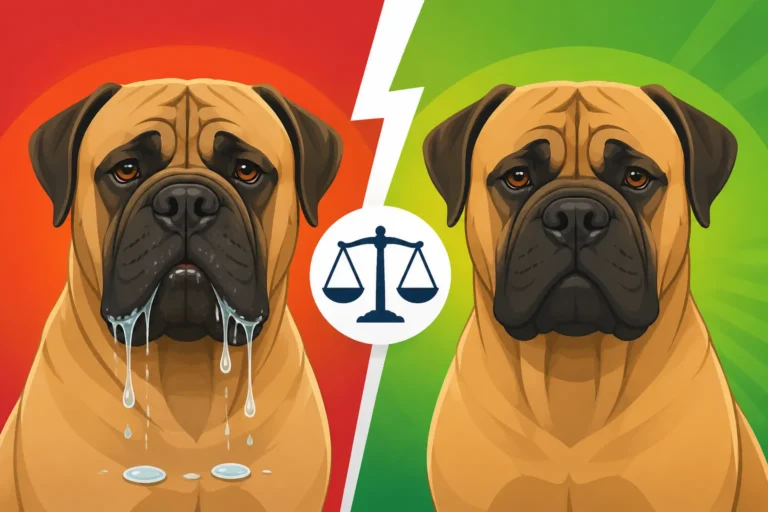
- Increased drooling: While Bullmastiffs are known for their drool, an excessive amount, especially thick, stringy saliva, can indicate overheating. You might notice them soaking their jowls more than usual.
- Reddened gums or tongue: Their mucous membranes might appear darker red than their healthy pink.
- Seeking shade or water: They might actively try to lie in the coolest spot they can find or repeatedly go to their water bowl.
- Reduced energy or sluggishness: They might not be as eager to play or move around, seeming a bit "off."
If you observe any of these signs, even mild ones, it's time to intervene. Don't wait for things to escalate. Get them indoors, offer fresh water, and begin cooling efforts immediately. These are important precursors to more severe conditions, and addressing them promptly can prevent a much more serious situation. Keep a mental checklist of Signs a Bullmastiff Has Heatstroke so you are prepared.
When Heat Exhaustion Becomes Heatstroke
If the early warning signs are ignored or not recognized, your Bullmastiff can quickly progress from heat exhaustion to full-blown heatstroke, a medical emergency that can cause irreversible organ damage or death. This is where things become critical and often happen faster than owners expect.
Signs of heatstroke are much more severe and include:
- Extreme, uncontrolled panting: The panting will be rapid, noisy, and frantic.
- Difficulty breathing: They may gasp for air, their chest heaving. You might hear rattling or gurgling sounds from their restricted airways.
- Vomiting or diarrhea: Often with blood.
- Wobbly gait or collapse: They may stumble, lose coordination, or completely collapse.
- Seizures: Uncontrolled muscle spasms or convulsions.
- Mental dullness or unresponsiveness: They might appear confused, disoriented, or even lose consciousness.
- Bright red or purple gums/tongue: A clear sign of oxygen deprivation and circulatory collapse.
At this stage, time is of the essence. Every minute counts. This is not something you can just "wait out" at home. Your Bullmastiff needs immediate veterinary attention.
The Critical Moments: Immediate Action
If your Bullmastiff is showing signs of heat exhaustion or, worse, heatstroke, you need to act quickly and decisively. Your primary goal is to safely lower their body temperature while seeking professional help.
- Get them out of the heat immediately: Move them into an air-conditioned space, a cool basement, or at least a deeply shaded area.
- Start cooling them:
- Cool (not ice cold!) water: Gently wet them down with cool water. Focus on areas with good blood flow, like their belly, inner thighs, and paw pads. You can use a hose on a gentle setting or wet towels. Avoid ice-cold water as it can constrict blood vessels, trapping heat inside, and can also cause them to shiver, which generates more heat.
- Fans: Direct a fan towards them to aid in evaporative cooling. A simple box fan or even a hand-held fan can make a difference.
- Cooling mats: Many pet supply stores, like Chewy or Amazon, offer cooling mats that don't require refrigeration. These can provide a cool surface for them to lie on.
- Offer water: If they are conscious and able to drink, offer small amounts of cool water. Do not force water on them.
- Call your vet immediately: Even if your dog seems to be recovering, they still need to be checked for potential internal damage. Tell them you're coming and describe the situation. They can give you specific instructions for the journey.
Remember, cooling them down too fast can also be dangerous. The aim is a gradual reduction. Focus on stabilization and getting them to the vet for comprehensive care, which could include IV fluids and monitoring. Being prepared for What to Do When a Bullmastiff Overheats can save their life.
Proactive Measures and Emergency Responses
Preventing your Bullmastiff from overheating is always easier, and infinitely safer, than trying to treat heatstroke. As a Bullmastiff owner, you need to be constantly thinking a step ahead, especially when the temperatures start to rise. It's about building a lifestyle that keeps them comfortable and safe.
Creating a Cool Environment at Home and On the Go
Your Bullmastiff's environment is key to preventing heat-related illnesses. At home, especially during warmer months, air conditioning is not a luxury, it's a necessity for many Bullmastiffs. Whether a Bullmastiff Needs Air Conditioning isn't really a question if you live in an area with consistently warm temperatures. Keep your home cool, especially during the hottest parts of the day. If you don't have central AC, consider a window unit in the room where your Bullmastiff spends most of their time.
Other home cooling strategies include:
- Cooling mats and elevated beds: Provide multiple cool spots for your dog to rest. Brands like Chewy and Amazon offer a wide range of cooling mats that absorb and dissipate body heat. Elevated dog beds allow air to circulate underneath, preventing heat buildup from the floor.
- Frozen treats and ice cubes: Freeze Kongs stuffed with wet food or peanut butter. Offer ice cubes in their water bowl or as a treat. These can help cool them from the inside out.
- Kiddie pools: A shallow plastic kiddie pool with a few inches of cool water can be a fantastic way for your Bullmastiff to cool off in the yard, provided they enjoy it and you supervise closely.
- Window coverings: Keep curtains and blinds closed during the day to block direct sunlight and prevent your home from heating up.
When you're out and about, always ensure you have a plan for keeping them cool. If traveling in a car, use sun shades on windows and ensure the AC is blasting. If you're visiting friends, confirm they have a cool, shaded spot for your dog. A portable battery-operated fan purchased from Amazon can also be a lifesaeline for keeping them comfortable in various situations.
Smart Exercise Strategies in Warmer Weather
As mentioned earlier, exercise needs to be approached with extreme caution in warm weather. Rethink your routine entirely during the summer months or in hot climates.
- Early mornings, late evenings: This is non-negotiable. Plan all walks and outdoor play for before 8 AM and after 8 PM, or whenever the sun's intensity and ambient temperatures are lowest.
- Short, frequent potty breaks: During the day, keep outdoor trips to the bare minimum required for bathroom breaks. Avoid any vigorous activity.
- Indoor mental stimulation: Instead of physical exertion, focus on engaging their minds. Puzzle toys, training sessions in an air-conditioned room, or even just quiet cuddle time can satisfy their needs without risking their health.
- Consider swimming: If your Bullmastiff enjoys water and you have access to a safe, clean pool (dog-friendly, of course), swimming can be an excellent low-impact way to exercise and cool down simultaneously. Always supervise them, and ensure easy entry/exit from the water. Learn How to Cool a Bullmastiff Down safely.
Always carry water for your Bullmastiff when you're outside, even for short periods. A portable water bottle with an attached bowl is a great investment. Remember, a bored Bullmastiff is better than an overheated one.
Emergency First Aid: What to Do While Heading to the Vet
Even with the best preventative measures, accidents can happen. If you suspect your Bullmastiff is overheating, after initiating the immediate cooling steps mentioned above, your next and most critical step is to get them to a veterinarian. Don't second-guess yourself.
While en route to the vet:
- Continue cooling efforts: If possible, keep wetting them down with cool water and have the car's AC on full blast, directed towards them. You can use wet towels or even place them on a Whether a Cooling Mat Helps a Bullmastiff purchased from a brand like Chewy or Amazon in the car.
- Monitor their temperature (if you have a rectal thermometer): If you have a digital rectal thermometer, you can take their temperature every 5-10 minutes. Aim to bring their temperature down to 103 degrees Fahrenheit (39.4 degrees Celsius) before stopping external cooling, to prevent hypothermia. However, do not delay travel to the vet to take temperatures if it's not immediately accessible.
- Stay calm: Your Bullmastiff will pick up on your stress. Talk to them in a reassuring voice, even if you’re panicking internally.
Remember, heatstroke is a true emergency. Even if your Bullmastiff seems to have recovered, internal organ damage may have occurred, and only a vet can properly assess and treat these underlying issues. Prompt professional care is paramount to their survival and long-term health. Consider proactive measures like having fresh, hydrating food options delivered from services like Ollie, ensuring they have access to moisture-rich meals that can contribute to overall hydration, especially important during warmer periods.
Disclaimer
This article is for general informational purposes only and does not constitute professional advice. Laws, prices and regulations vary by location and change over time. Consult a qualified professional for guidance on your specific situation.