How Often a Bullmastiff Should Be Weighed
The sheer size of a Bullmastiff can make subtle weight changes hard to spot, and it's easy to dismiss a few extra pounds as "just being a big dog." But those unnoticed fluctuations can have a profound impact on their health, putting strain on joints and organs. This guide will walk you through why, when, and how often you should be weighing your beloved Bullmastiff to ensure they stay in peak condition throughout their relatively short lifespan.
Why Regular Weight Checks Are Non-Negotiable for Your Bullmastiff
Monitoring your Bullmastiff's weight isn't just about vanity; it's a cornerstone of their preventive healthcare. These gentle giants are prone to certain health issues that can be exacerbated or even caused by inappropriate weight, making consistent checks a vital part of responsible ownership. It's a simple, yet incredibly effective tool in your arsenal to keep them healthy.
Catching Weight Fluctuations Early
Imagine trying to spot a five-pound weight gain on a dog that already tips the scales at 130 pounds. It’s tough, right? Their massive frame can easily mask early signs of weight creep, meaning you might not notice until they’ve packed on significant extra weight. Regular weighing takes the guesswork out of it, giving you concrete data to act upon. You're not just looking at them and guessing; you're seeing the numbers change.
Even a slight increase in weight can put undue stress on their already hardworking joints, especially hips and elbows. This breed is already prone to Hip Dysplasia in a Bullmastiff and Elbow Dysplasia in a Bullmastiff, and extra weight can accelerate the progression of arthritis or make existing conditions far more painful. Conversely, unexpected weight loss can be a red flag for serious underlying health conditions that need immediate veterinary attention.
Monitoring Growth in Bullmastiff Puppies
Puppyhood for a Bullmastiff is a critical period where their massive bones and joints are rapidly developing. The goal isn't to get them as big as possible, as fast as possible, but rather to encourage slow, steady growth. Too rapid growth, often fueled by overfeeding or inappropriate food, can lead to developmental orthopedic diseases that haunt them for life. Why a Bullmastiff Puppy Should Not Grow Fast is a principle every owner needs to understand.
Weekly weight checks for puppies allow you to fine-tune their diet and exercise to ensure they're growing at a healthy rate. You can easily spot if they're gaining too quickly or, conversely, if they're not thriving as they should be, which could indicate a nutritional deficiency or an underlying issue. It’s about building a strong foundation for their adult bodies. Regularly Weighing a Bullmastiff Puppy Every Week can feel like a chore, but it's an investment in their long-term health.
Tracking Health and Medication Effectiveness
Beyond just general well-being, weight changes can be crucial indicators of specific health problems. For instance, a Bullmastiff with Hypothyroidism in a Bullmastiff might start to gain weight despite no changes in their diet, due to a slowed metabolism. On the other hand, a dog developing cancer, like What Lymphoma Does to a Bullmastiff, might experience unexplained weight loss even if their appetite remains good.
Furthermore, if your Bullmastiff is on medication for any condition, their weight is often a key factor in determining the correct dosage. An inaccurate weight can lead to under-dosing, making the medication ineffective, or over-dosing, leading to potentially dangerous side effects. This is especially true for drugs where precise dosing by weight is critical, reinforcing why up-to-date weight records are invaluable for your vet.
The Ideal Weighing Schedule for Your Bullmastiff
Establishing a consistent weighing schedule is less about rigid rules and more about understanding your dog's life stage and health needs. Just like with humans, a Bullmastiff's weight requirements and growth patterns shift dramatically from puppyhood through their senior years.
Puppyhood: Frequent Checks for Critical Development
For Bullmastiff puppies, especially from the time you bring them home at around eight weeks until they're about six months old, weekly weighing is truly ideal. During these foundational months, they are growing at an incredible pace, and small adjustments to their diet can have a big impact on their long-term orthopedic health. Think of it as actively managing their growth curve. This is the period when their growth plates are developing, and careful management prevents future joint issues.
After six months and up to their first birthday, monthly weigh-ins are usually sufficient. By this point, the explosive growth rate has typically slowed a bit, but they're still filling out and maturing. This monthly check continues to ensure they're on a healthy trajectory. If you're wondering what a healthy growth looks like, here’s a general guide, though remember every puppy is an individual:
| Age (Months) | Approximate Weight Range (Female) | Approximate Weight Range (Male) | Growth Stage Notes |
|---|---|---|---|
| 2 | 25-35 lbs | 30-40 lbs | Rapid growth, establishing feeding routine. |
| 4 | 55-70 lbs | 60-75 lbs | Still growing fast; crucial for bone development. |
| 6 | 75-90 lbs | 85-100 lbs | Entering adolescence, growth rate may slightly decelerate, but still substantial. |
| 8 | 90-105 lbs | 100-115 lbs | Continued filling out; maintaining lean body condition is key. |
| 10 | 100-115 lbs | 110-125 lbs | Approaching adult height, still gaining muscle and weight. |
| 12 | 105-120 lbs | 115-130 lbs | Nearing full size, but will continue to fill out until 2-3 years. |
Please note: These are general ranges. Always consult your vet about your individual puppy's ideal growth.
Adulthood: Maintaining Optimal Condition
Once your Bullmastiff is fully grown, typically between 18 months and two years, you can transition to weighing them every one to two months. The goal here is maintenance. Their growth has stabilized, but metabolism can still shift, and it’s surprisingly easy for those extra pounds to creep on over time without you noticing. This routine ensures you catch any insidious weight gain before it becomes a significant health problem.
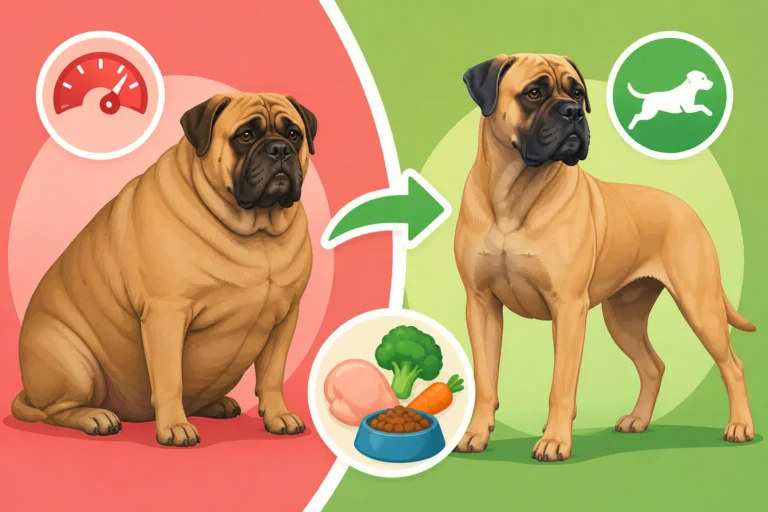
For an adult Bullmastiff, maintaining a healthy weight is paramount for joint health and overall longevity. Keeping a Bullmastiff Lean Is the Best Thing You Can Do cannot be stressed enough. If you find their weight is creeping up, it's a sign to re-evaluate their food portions and exercise levels. Consistency in your weighing schedule is far more important than the exact interval; picking a routine and sticking to it allows you to spot trends.
Senior Years: Adapting to Aging Needs
As your Bullmastiff enters their senior years, usually around six years of age, their metabolism can start to slow down. The Age a Bullmastiff Is Considered Senior marks a time when their physical needs begin to change, and weight monitoring becomes even more critical. They might become less active, leading to weight gain, or conversely, some older dogs might start losing muscle mass and become too thin, especially if they have underlying health issues.
For senior Bullmastiffs, I recommend returning to a monthly weigh-in schedule, or even more frequently if they have specific health conditions or are on medications that might affect their weight. Keeping a close eye on their weight helps you adjust their diet as needed, ensuring they maintain a healthy body condition to support their aging joints and overall vitality. It's a key part of Caring for a Bullmastiff Past Six.
Practical Tips for Weighing Your Giant Companion
Weighing a large dog like a Bullmastiff isn't always as simple as picking them up and stepping on a scale. Their sheer size and weight require a bit of strategy, but with the right approach, it can become a stress-free part of your routine.
Finding the Right Scale or Method
The gold standard for accuracy is always going to be your veterinarian's office. They have large, sturdy, calibrated scales designed specifically for big dogs. If you're unsure about your at-home measurements, a quick trip to the vet just for a weigh-in is always a good idea, and many clinics offer this service for free or a nominal fee.
For at-home weighing, you have a couple of options. The simplest method for many involves a standard human bathroom scale. First, weigh yourself alone. Then, pick up your Bullmastiff (if you can safely do so – this becomes less feasible as they grow!) and weigh yourself and your dog together. Subtract your weight from the combined weight, and voilà, you have your dog's weight. This works best for puppies and smaller adults. However, for a fully grown Bullmastiff, which can easily reach 130 pounds or more, this method is often impractical or unsafe.
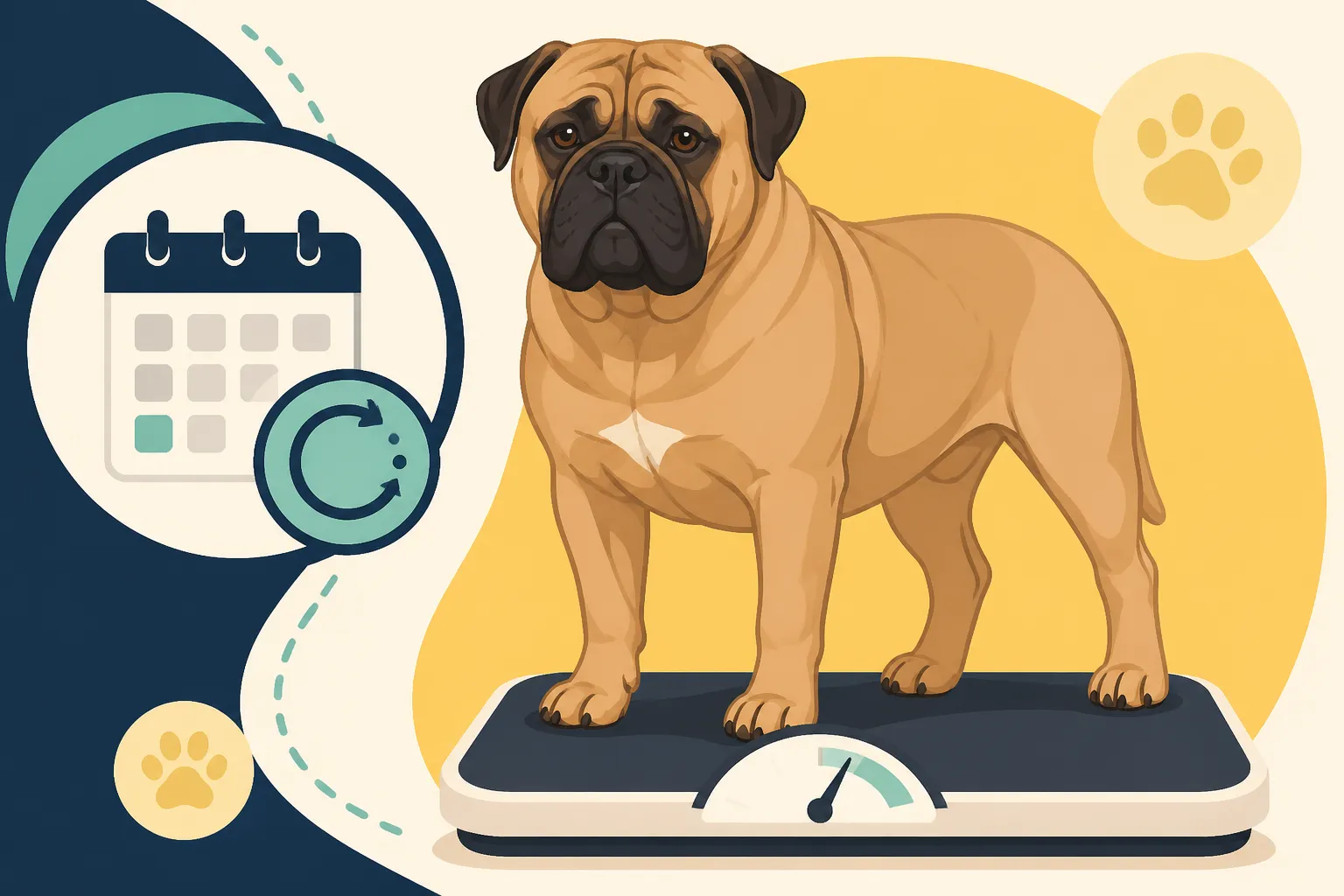
For larger adults, consider investing in a dedicated large-breed pet scale. These are low-profile, sturdy platforms that your dog can simply walk onto. You can find excellent options on online retailers like Amazon or Chewy, which offer a range of sizes and capacities. Look for one with a high weight limit and a non-slip surface. While an initial investment, it pays off in convenience and accuracy over their lifetime.
Making the Process Stress-Free
Nobody wants to force their giant dog onto a cold, intimidating scale. The key to successful, stress-free weighing is positive reinforcement and making it a routine. Start early with puppies, introducing the scale as a positive place. Place treats on it, praise them for stepping on, and don't make a big deal out of it.
For adult Bullmastiffs, use high-value treats and calm, encouraging words. If using a human scale, try to get them to stand calmly with you. If using a dedicated pet scale, lure them on with a treat and practice "stay." The more routine it becomes, the less resistance you'll encounter. Some dogs might be apprehensive at first, but with patience and positive associations, most will learn to tolerate, or even look forward to, their weigh-in, especially if there’s a tasty reward involved. Ollie's fresh food, for example, could be a highly motivating treat for these sessions.
Recording and Interpreting the Numbers
Keeping a detailed log of your Bullmastiff’s weight is just as important as the weigh-ins themselves. A simple notebook, a spreadsheet, or a pet-care app can work wonders. Record the date, their weight, and any significant observations (e.g., "just ate," "after a long walk," "started new food"). This creates a historical record that allows you to spot trends over time.
Don't panic over minor fluctuations of a pound or two; weight can vary slightly throughout the day. However, a consistent upward or downward trend over several weigh-ins, or a sudden, significant change, warrants a closer look. If you notice a persistent change that concerns you, it's always best to contact your veterinarian. They can help you interpret the numbers in the context of your Bullmastiff's overall health and lifestyle.
Beyond the Scale: Visual Cues and Body Condition Scoring
While the numbers on the scale are invaluable, they don't tell the whole story. A Bullmastiff can carry its weight differently, and what's "normal" for one might be slightly different for another. That's why combining regular weigh-ins with visual cues and body condition scoring is so crucial.
The Rib Test and Waistline Check
This is where you get hands-on with your Bullmastiff. The "rib test" is a simple, effective way to gauge their body fat. Gently run your hands along their sides, feeling for their ribs. You should be able to feel the ribs distinctly, with only a thin layer of fat covering them, without having to press hard. If you can't feel them easily, or if you feel a thick cushion, your Bullmastiff is likely overweight. On the other hand, if the ribs are extremely prominent and easily visible without touching, your dog might be underweight. Learning How to Feel a Bullmastiff's Ribs is a skill every owner should master.
Next, look at your Bullmastiff from above and from the side. From above, you should see a discernible waist tuck in behind the ribs, before their powerful hindquarters. From the side, their abdomen should tuck up slightly after the rib cage, not sag or appear heavy. If they look like a solid block from above, or their belly sags, it's another indicator of excess weight.
Understanding Body Condition Score (BCS)
The Body Condition Score (BCS) is a standardized, more objective way for veterinarians and owners to assess a dog's fat reserves. Most systems use a 1-5 scale (with 3 being ideal) or a 1-9 scale (with 4-5 being ideal). It's essentially a visual and tactile assessment that complements your scale readings. An ideal Bullmastiff, as described by the standard, should be powerful, muscular, and substantial, but not obese. What a Lean Bullmastiff Looks Like means you can easily feel their ribs, see a distinct waist, and their muscles are well-defined.
A BCS of 4-5 on a 9-point scale or 3 on a 5-point scale means they have an appropriate amount of muscle mass and fat, crucial for their joint health and overall vitality. Anything higher suggests they're carrying too much weight, while anything lower means they're too thin. Your vet can demonstrate how to properly assess your Bullmastiff's BCS during routine check-ups, helping you train your eye and hand to recognize the ideal condition. This holistic approach, combining hard numbers from the scale with visual and tactile assessment, provides the most accurate picture of your Bullmastiff's physical health.
Keeping track of your Bullmastiff's weight might seem like a small detail, but it's a monumental part of their overall health strategy. From protecting their developing joints as puppies to ensuring their comfort in old age, consistent weighing, combined with keen observation, empowers you to be the best advocate for your big dog's well-being. It’s a proactive step that truly makes a difference in their quality of life.
Disclaimer
This article is for general informational purposes only and does not constitute professional advice. Laws, prices and regulations vary by location and change over time. Consult a qualified professional for guidance on your specific situation.