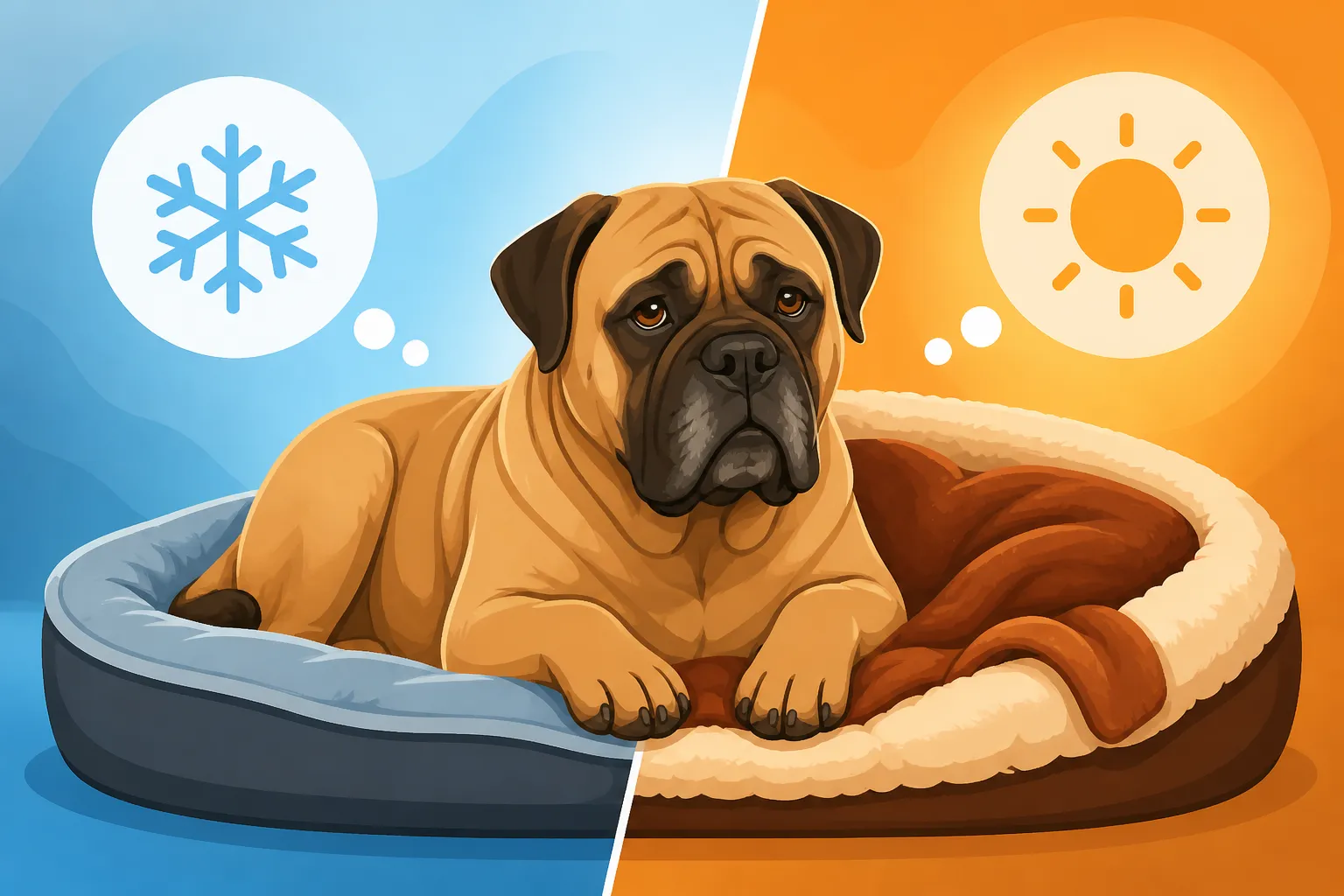
Whether an Aging Bullmastiff Needs a Warmer Bed
As our beloved Bullmastiffs age, their needs subtly shift, and one of the most common concerns I hear from owners is about their comfort, particularly when it comes to sleeping. It’s heartbreaking to see your once-spry giant struggle, and often, their ability to regulate their body temperature changes with time. This guide is here to help you understand why an aging Bullmastiff might need a warmer bed and how you can provide the ultimate cozy sanctuary for them.
Understanding How Age Affects a Bullmastiff's Temperature Regulation
It’s easy to think of our big, burly Bullmastiffs as being impervious to the cold, with their dense coats and formidable size. However, as they transition into their senior years, a variety of physiological changes can significantly impact their ability to stay warm and comfortable, even in a seemingly temperate indoor environment. Just like us, older dogs aren't quite as robust as they once were.
The Gradual Slowdown of Metabolism
One of the primary reasons an aging Bullmastiff can feel the cold more acutely is a general slowdown in their metabolism. Their internal engines aren't running quite as hot as they did in their younger days. A slower metabolism means their body generates less internal heat. Think of it like an older furnace that doesn't kick on as powerfully or as often. This isn't a sudden change but a gradual process that creeps up on them.
Compounding this metabolic shift is often a reduction in activity levels. A younger Bullmastiff might be up and down, exploring the yard, playing, or simply shifting positions more frequently, all of which generate some body heat. An older dog, especially one dealing with joint discomfort, might spend more time lying still, conserving energy, but also producing less warmth. This means they rely more heavily on their environment – and their bedding – to maintain a comfortable core temperature. What might have been a perfectly fine spot for a younger dog can become a chilly, uncomfortable resting place for a senior.
Impact of Arthritis and Joint Pain on Mobility and Warmth
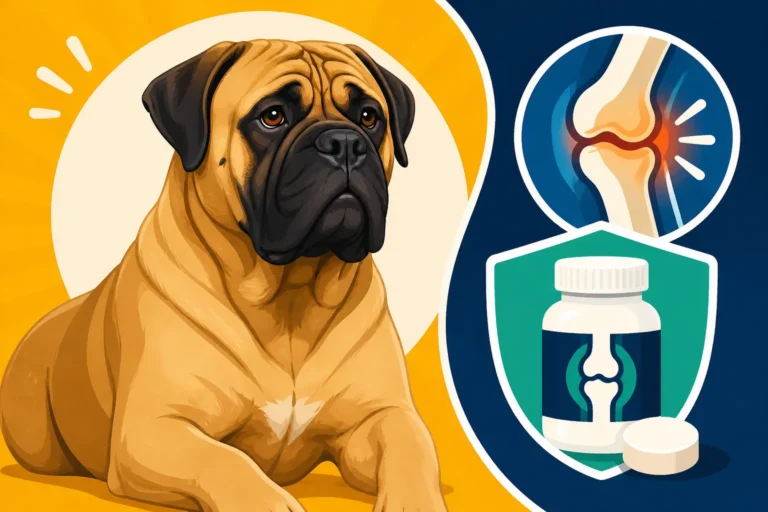
Arthritis and general joint pain are almost inevitable companions for many large breed dogs as they age. A Bullmastiff, with their significant weight and powerful build, often carries a heavy load on their joints, making them particularly susceptible. When a Bullmastiff's joints hurt, they are naturally reluctant to move. Less movement, as we just discussed, leads to less self-generated heat. This creates a challenging cycle: cold exacerbates joint stiffness and pain, and stiff, painful joints lead to less movement, which in turn makes them feel colder.
Imagine waking up with stiff knees or a sore back; the last thing you want to do is get out of a warm bed into a cold room. For your Bullmastiff, this feeling is amplified. Warmth can be incredibly therapeutic for arthritic joints, helping to improve circulation, reduce inflammation, and simply make them feel more pliable and less painful. A cold, hard floor or a thin bed offers no relief and can actually worsen their discomfort overnight or during long naps. Providing a warm, supportive bed isn't just about luxury; it's about pain management and improving their quality of life. Many Bullmastiffs begin to show signs of joint pain around mid-life, so understanding The Age a Bullmastiff Gets Arthritis is crucial.
Thinning Coats and Muscle Loss
While Bullmastiffs have naturally short, dense coats, even this can change subtly with age. The coat might thin slightly, or its insulating properties could diminish. More significantly, muscle loss is a common occurrence in senior dogs, a condition known as sarcopenia. As your Bullmastiff loses muscle mass, especially along their spine, hips, and shoulders, they also lose a layer of natural insulation that helps keep them warm. Muscle tissue itself generates heat, so less muscle means less warmth produced.
This is especially noticeable around their bony prominences, such as hips and elbows, which might become more prominent and therefore more prone to feeling cold. The fat pads that once provided cushioning and warmth may also decrease. These changes mean that their natural defenses against the cold are weakened, making external warmth from their bedding even more essential. You might notice your aging Bullmastiff seems a little less "filled out" than they used to be, and this subtle Why an Aging Bullmastiff Loses Muscle is directly related to their ability to stay warm.
Signs Your Senior Bullmastiff Might Need a Warmer Sleeping Space
Our Bullmastiffs are stoic creatures, often trying to hide discomfort, so it's up to us to be observant and pick up on the subtle cues that indicate they might be feeling chilly or that their current sleeping arrangements aren't providing adequate warmth. Paying close attention to their behavior and physical state can help you intervene before they become truly uncomfortable.
Behavioral Cues to Watch For
Your Bullmastiff might not be able to tell you directly that they're cold, but their actions often speak volumes. One of the most common signs is shivering, even when indoors or when the room temperature doesn't seem particularly cold to you. Another tell-tale sign is curling up tightly, often tucking their paws under them or trying to make themselves as small as possible. This instinctual behavior is an attempt to conserve body heat and reduce their surface area exposed to the cold.
They might also start actively seeking out warmer spots in the house. This could mean gravitating towards sunbeams filtering through a window, positioning themselves directly in front of heating vents, or even trying to burrow under blankets on the couch or in a laundry pile – places they might not have chosen when younger. Observe if they are reluctant to leave a particularly warm spot, or if they seem to hesitate before getting out of bed in the morning, especially if their resting area is uninsulated. These are all subtle hints that their current bedding isn't cutting it. Remember, Bullmastiffs are masters at hiding discomfort, so understanding How a Bullmastiff Hides Pain is key to catching these early signs.
Physical Indicators of Cold Stress
Beyond behavior, there are also physical signs that your Bullmastiff might be feeling cold. Gently touch their ears, nose, or paws. While these areas are naturally cooler than their core body temperature, if they feel distinctly cold to the touch even after they've been indoors for a while, it could indicate they're having trouble staying warm.
You might also observe a noticeable stiffness or slowness when they first rise from a lying position. While this can be a general sign of arthritis, the cold can significantly worsen joint stiffness. If they seem to "warm up" and move more freely after being active for a few minutes, it suggests that the initial coldness of their resting spot was contributing to their discomfort. Look for them hunching their back or walking with a stiff, unnatural gait right after getting up.
Here's a quick table to help differentiate between signs of cold stress and normal behaviors:
| Indicator | Sign of Cold Stress | Normal Behavior |
|---|---|---|
| Shivering | Persistent, even indoors; body feels cool. | Occasional, brief shiver (excitement); body feels warm. |
| Body Posture | Tightly curled, tucked paws, hunched. | Relaxed, stretched out, sprawling. |
| Seeking Heat | Actively moving to sunbeams, vents, blankets. | Stays in preferred spot regardless of external heat. |
| Ear/Paw Temp | Noticeably cold to the touch. | Cool, but not excessively cold; normal body temperature. |
| Mobility | Stiff upon rising, worsens in cold areas. | Smooth transition from lying to standing, minimal stiffness. |
| Sleeping Spot | Chooses unconventional spots for warmth. | Consistently uses designated bed or cool floor. |
Changes in Sleeping Habits
An uncomfortable Bullmastiff might also change their sleeping patterns. If they previously slept soundly through the night but now seem restless, frequently shifting positions, or getting up more often, it could be due to an inability to get truly comfortable and warm in their bed. They might be trying to find a warmer spot, even if it's just a few inches away.
Another clue is if they start avoiding their designated dog bed altogether, preferring instead to sleep on rugs, blankets, or even trying to squeeze onto your sofa or human bed – places where they can find more insulation or body heat. This is a clear sign that their own bed isn't meeting their needs anymore. It's not about being naughty; it's about survival and comfort for an animal whose internal thermostat isn't working as efficiently.
Choosing the Right Warm Bedding and Accessories for Your Aging Bullmastiff
Once you've identified that your aging Bullmastiff could benefit from a warmer sleeping space, the next step is to choose the right tools to achieve that comfort. It's not just about adding a blanket; it's about providing targeted warmth and support that caters to their changing physiological needs. The market offers a wonderful array of options, so you can find something that suits both your Bullmastiff and your home.
Orthopedic and Insulated Beds
For a senior Bullmastiff, an orthopedic bed is no longer a luxury but a necessity. Their heavy frames and often arthritic joints require significant support to alleviate pressure points and provide cushioning. Look for beds with high-density, memory foam construction. The key here is thickness – a bed needs to be thick enough that your Bullmastiff's weight doesn't compress the foam entirely, allowing their hips and shoulders to sink without hitting the hard floor beneath. You'll find excellent options on online retailers like Chewy and Amazon, which offer a wide range of sizes and materials.
Beyond just support, many orthopedic beds now incorporate insulating properties. Some feature a reflective material that bounces your dog's own body heat back to them, creating a self-warming effect without any electricity. Others are designed with denser fills that simply trap heat more effectively. These beds offer a double whammy of comfort: superior joint support and a cozy, warm sleeping surface. When thinking about Which Bed a Bullmastiff Needs, prioritize both cushioning and warmth.
Supplemental Warmth Options
Sometimes, an orthopedic bed alone might not be enough, or you might want to add an extra layer of warmth, especially during colder months or for particularly chilly dogs.
- Heated Dog Beds: These are a fantastic option for consistent, therapeutic warmth. They come in various styles, from low-wattage electric pads that fit under or within a regular bed to fully integrated heated beds. The benefits are clear: continuous, regulated warmth that can soothe aching joints and keep your Bullmastiff toasty. However, safety is paramount. Always choose a product specifically designed for pets, with chew-resistant cords and automatic shut-off features. Monitor the temperature to ensure it's comfortably warm, not hot. While the initial investment might be higher, the relief they provide can be priceless.
- Microwaveable Warming Pads: These offer a convenient, albeit shorter-term, burst of warmth. They are typically filled with a non-toxic gel or grains that retain heat after being microwaved. They can be placed under a blanket or directly into your dog's bed. They're great for a quick warm-up before bed or for targeting a specific sore area, but they will gradually cool down over a few hours.
- Blankets and Covers: Don't underestimate the power of a good, soft blanket! Fleece or faux fur blankets can add a significant layer of insulation and comfort. They're easy to wash and can be layered for adjustable warmth. Some dogs love to burrow, and a soft blanket gives them the ability to create their own warm den. Consider placing several blankets in their bed so they can arrange them to their liking.
Placement and Environment
Even the best warm bed won't do its job effectively if it's placed in a drafty or cold spot. Location, location, location!
- Avoid Drafts: Pay attention to where air currents flow in your home. Placing your Bullmastiff's bed near an exterior door, a leaky window, or a drafty hallway can negate the benefits of a warm bed. Instead, choose a quiet corner in a warmer, interior room.
- Away from Exterior Walls: Exterior walls tend to be colder than interior walls, especially in older homes. Placing a bed directly against an outside wall can mean heat loss through conduction. Pull the bed a few inches away from the wall, or ideally, place it against an interior wall.
- Consider Room Temperature and Humidity: While you don't want to overheat your home, maintaining a consistent, comfortable room temperature is important for a senior dog. Humidity levels can also play a role; dry air can sometimes feel colder. A whole-house humidifier might not be necessary, but ensuring the air isn't overly dry can contribute to overall comfort. Taking excellent care of an older Bullmastiff involves addressing many aspects of their environment, and understanding Caring for an Aging Bullmastiff fully often means considering these nuances.
Practical Tips for Maintaining Your Bullmastiff's Comfort Year-Round
Providing a warm bed is a fantastic step, but it's part of a larger picture of holistic care for your aging Bullmastiff. Their comfort, health, and well-being are interconnected, and a few other practical considerations can make a world of difference in keeping them happy and cozy throughout their golden years.
Regular Vet Check-ups and Pain Management
It's crucial to remember that while a warm bed significantly improves comfort, it's not a substitute for proper veterinary care. A stiff or cold Bullmastiff might be experiencing underlying pain from conditions like arthritis, hip or elbow dysplasia, or other age-related ailments. Regular check-ups with your veterinarian are paramount. Your vet can accurately diagnose any issues and prescribe appropriate pain management strategies, which might include anti-inflammatory medications, joint supplements, or even alternative therapies like acupuncture or laser treatment.
Warmth helps to alleviate symptoms, but addressing the root cause of pain will make your Bullmastiff much more comfortable overall. Discuss your Bullmastiff's mobility and any signs of discomfort you've noticed. Your vet can help you understand the severity of their joint issues and tailor a plan. The cost of managing an aging Bullmastiff's health can be significant, so being aware of What an Aging Bullmastiff's Medication Costs can help you plan.
Diet and Weight Management
Maintaining a healthy weight is one of the single most impactful things you can do for an aging Bullmastiff's comfort and longevity. Extra pounds put immense stress on already compromised joints, exacerbating pain and making movement more difficult. An overweight dog will struggle more with mobility, which in turn reduces their ability to generate body heat and contributes to a feeling of coldness and stiffness.
Work with your vet to establish an appropriate diet and portion control. Senior dog foods are often formulated with fewer calories and added joint support. Keeping your Bullmastiff lean can literally add years to their life and significantly improve their daily comfort. This also ties into their ability to regulate temperature naturally. A lean dog might feel the cold more acutely in certain situations, but their overall health will be better, making them more resilient. The core principle of Keeping a Bullmastiff Lean Is the Best Thing You Can Do cannot be overstated. You might also want to explore specialized diets, and a brand like Ollie offers fresh, human-grade food that can be tailored to your dog's specific needs, including senior formulations, supporting weight management and overall health. Furthermore, as they age, their dietary needs change, so consider Whether an Aging Bullmastiff Needs Softer Food to ensure they can eat comfortably.
Gentle Exercise and Enrichment
Even aging Bullmastiffs need regular, gentle exercise to maintain muscle mass, promote circulation, and keep their minds active. While they won't be joining you for marathons, short, slow walks on soft surfaces can do wonders for their joint flexibility and overall well-being. Keeping their muscles active helps them generate natural body heat, reducing their reliance on external warmth.
Avoid high-impact activities, long hikes, or strenuous play sessions that could overexert them or cause injury. Instead, focus on consistency. A couple of short, leisurely strolls a day are far better than one long, exhausting walk once a week. Mental stimulation, through puzzle toys or gentle training sessions, is also vital. A dog that is mentally engaged tends to be happier and more comfortable. Remember to consult your vet about the appropriate exercise level for your specific Bullmastiff, as their individual needs will vary depending on their health status. Understanding Whether an Aging Bullmastiff Should Still Be Walked is about finding the right balance of activity for their comfort and health.
Disclaimer
This article is for general informational purposes only and does not constitute professional advice. Laws, prices and regulations vary by location and change over time. Consult a qualified professional for guidance on your specific situation.