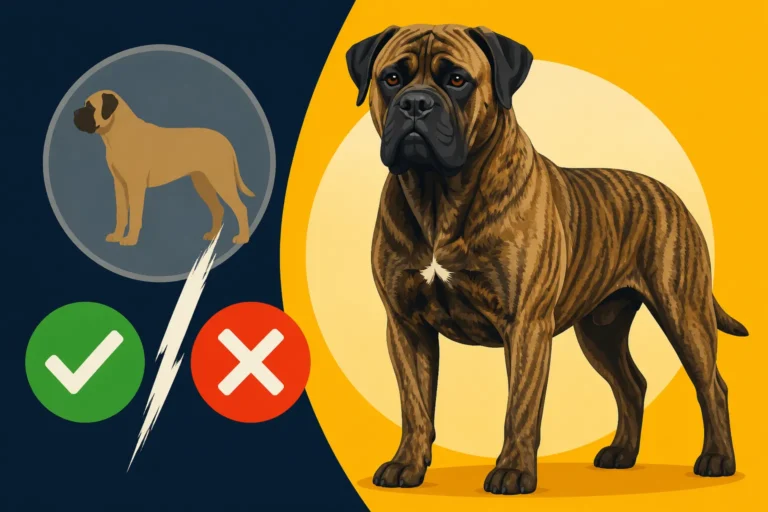
A Hundred and Thirty Pounds of Bullmastiff, Measured
Bringing a Bullmastiff into your home means making space for a whole lot of love – and a whole lot of dog! Many new owners are completely captivated by their powerful, protective presence but might underestimate the sheer physical scale of this magnificent breed. Understanding the typical size and weight of a Bullmastiff, from their gangly puppy days to their full adult majesty, is crucial not just for fitting them in your car or on your sofa, but for ensuring their health and well-being. This guide will walk you through everything you need to know about the impressive dimensions of a Bullmastiff.
The Standard Bullmastiff: Height and Weight Expectations
When you look at a Bullmastiff, you're looking at a dog specifically bred for strength, intimidation, and the ability to hold a man. This historical job required a substantial build, and the breed standard reflects that legacy. These aren't dainty dogs; they are robust, muscular, and carry considerable weight for their height. Knowing what to expect in terms of their standard measurements helps you appreciate their unique structure and identify if your dog is developing appropriately.
Ideal Height Ranges for Males and Females
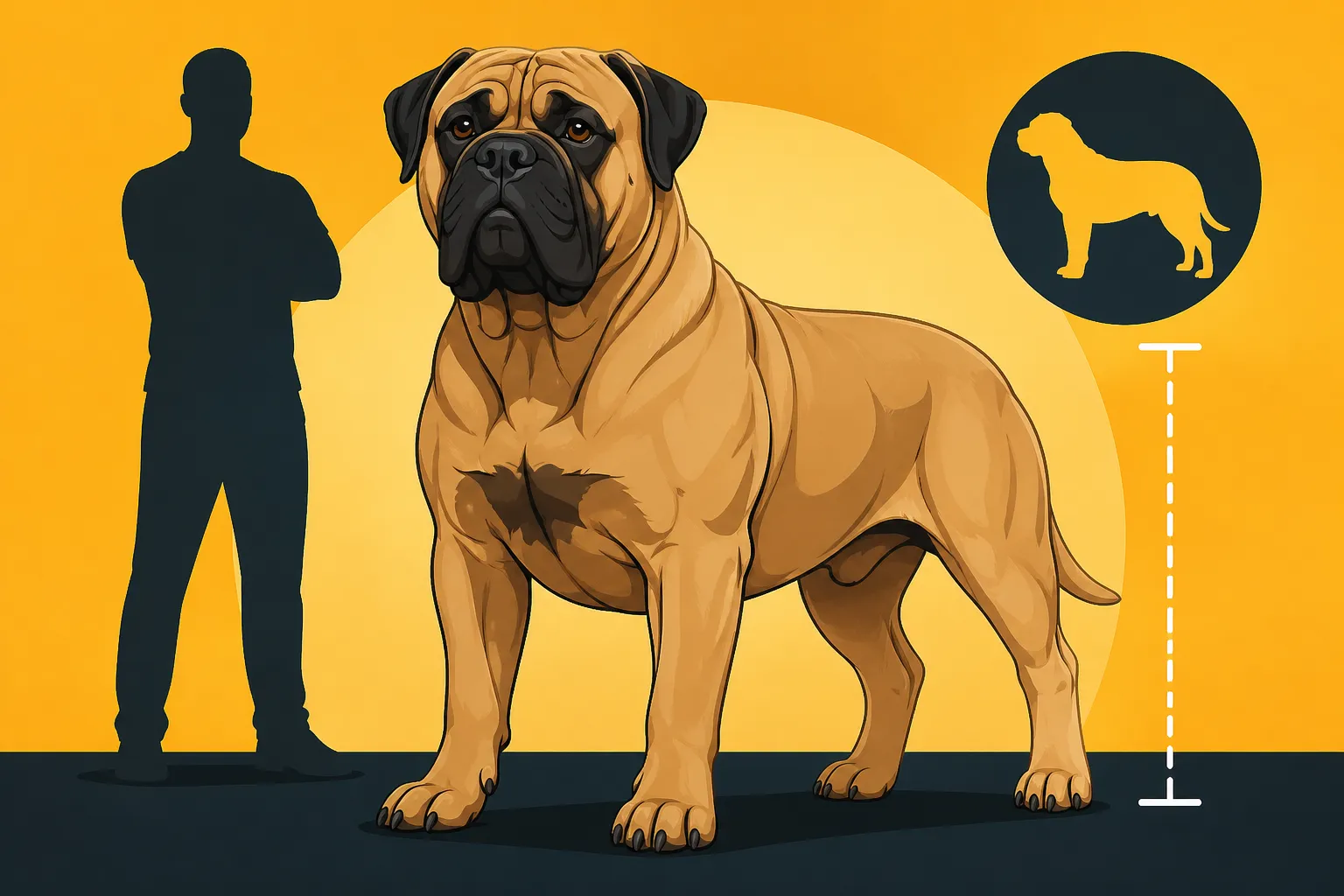
The official breed standards provide clear guidelines for how tall a Bullmastiff should stand at the shoulder. For males, this typically falls between 25 to 27 inches (about 63.5 to 68.5 cm), while females are generally a bit shorter, ranging from 24 to 26 inches (about 61 to 66 cm). These heights are measured from the top of the dog's shoulder blade to the ground, with the dog standing squarely. A Bullmastiff should appear powerful and symmetrical, not overly leggy or too low to the ground. Their build is about substance over extreme height.
It's common for owners to be surprised by just how much dog this translates to in person. When you're standing next to a Bullmastiff, especially a fully grown male, their head might come up to your hip or even higher, depending on your own height. This substantial presence is part of their charm and their historical purpose. A Bullmastiff that falls outside these ranges isn't necessarily unhealthy, but it might not perfectly match the breed's ideal conformation.
Typical Weight for a Fully Grown Bullmastiff
As for weight, this is where the "hundred and thirty pounds" in our title truly comes into play. Adult male Bullmastiffs typically weigh between 110 to 130 pounds (about 50 to 59 kg). Females, being slightly smaller in stature, usually weigh between 100 to 120 pounds (about 45 to 54.5 kg). These are significant figures, putting them firmly in the giant breed category. Imagine trying to scoop up a hundred-pound bag of dog food – that's roughly the weight of your canine companion!
This substantial weight isn't just fat; it's distributed over a powerful, well-muscled frame. A healthy Bullmastiff should have a firm, athletic build, not appear obese or overly slight. The weight contributes to their imposing presence and their ability to perform their original job, which was to effectively corner and hold a poacher without causing severe injury. You can feel the density of their bones and the power in their musculature, even when they're just lounging on the rug. How Much a Bullmastiff Weighs is a question many people ask, and the answer is usually "more than you expect!"
Understanding the "Why" Behind Bullmastiff Size
The Bullmastiff's impressive size isn't just for show; it's a direct result of their carefully curated lineage and the specific demands of their original role. Unlike breeds bred for speed or agility, the Bullmastiff needed bulk and power to perform its duties effectively and safely. Looking into their history helps us appreciate why they developed into the magnificent giants we know today.
The Influence of Mastiff and Bulldog Ancestry
The Bullmastiff is famously described as being 60% Mastiff and 40% Bulldog. This blend is critical to understanding their physical characteristics. The Mastiff component contributes the sheer size, bone density, and general "mass" to the breed. Imagine the enormous English Mastiff, and you get a sense of where the Bullmastiff's impressive frame comes from. This genetic inheritance is why they carry so much weight and have such a broad, powerful build.
The Bulldog influence, particularly from the Old English Bulldog type, brings a different kind of strength: broad shoulders, powerful jaws, and a dense, compact musculature that lends itself to a lower center of gravity and a powerful grip. While the Bullmastiff doesn't have the extreme brachycephalic (short-nosed) features of modern Bulldogs, the historical Bulldog contribution gave them their distinctive head, muscular neck, and overall stockiness. It's this combination of formidable parentage that created a dog large enough to deter, but agile enough to control, an adult human. The Bullmastiff Was Built to Catch Poachers in the Dark is a key part of their story.
Functional Purpose: A Gamekeeper's Night Dog
The Bullmastiff's size was a practical requirement for their original job. English gamekeepers in the 19th century needed a dog that could track, catch, and hold poachers without mauling them. A small dog wouldn't be intimidating enough, and a dog that was too light could easily be overpowered. Therefore, they needed a substantial animal, one that could stand its ground against a potentially desperate individual.
Their robust build and heavy frame allowed them to effectively "body block" or hold a person down until the gamekeeper arrived. They were bred for immense physical presence and a strong "holding" instinct rather than a biting one. This meant they needed strong bones and powerful muscles to exert that kind of control. So, every pound and every inch of a Bullmastiff's standard measurement is a testament to this very specific, historical function. You'll notice their powerful neck and broad chest, built for impact and stability. The Outline a Gamekeeper Wanted in a Bullmastiff prioritized this functional build.
Growth Stages: From Puppy to Mighty Adult
Watching a Bullmastiff puppy grow is an incredible experience. They start as adorable, clumsy bundles of wrinkles and quickly transform into substantial young dogs. Understanding their growth curve, and particularly the pace at which they should grow, is vital for their long-term health, especially given their predisposition to certain orthopedic issues.
Puppy Growth: Slow and Steady Wins the Race
Bullmastiff puppies, like all giant breeds, require a slower, more controlled growth rate than smaller dogs. While it might be tempting to feed them extra to get them big faster, this is actually detrimental to their developing joints and bones. Rapid growth can exacerbate issues like hip and elbow dysplasia. For this reason, a high-quality large breed puppy food, specifically formulated to support slow, steady growth, is essential. Brands like Chewy often carry a wide selection of these specialized foods.
It's common for Bullmastiff puppies to experience significant growth spurts, but these should be monitored to ensure they're not growing too quickly. A good rule of thumb is to keep them lean, allowing you to easily feel their ribs without them being visibly prominent. Regular weigh-ins and discussions with your vet are crucial during this period. You'll often find yourself remarking, "Didn't you just grow another inch overnight?" as they seem to sprout. Why a Bullmastiff Puppy Should Not Grow Fast is an important concept for every Bullmastiff owner to grasp.
Adolescence and Maturation: When They "Fill Out"
While a Bullmastiff reaches much of its height and length by 12-18 months, they aren't considered truly mature until much later. They continue to "fill out," adding muscle mass and depth to their frame, sometimes until they are three years old. This means that a two-year-old Bullmastiff might look quite substantial, but they still have significant development ahead in terms of their body conditioning and overall solidity.
During this adolescent phase, their energy levels might still be quite high, but their bone plates are still fusing, so it's important to avoid overly strenuous exercise that could damage growing joints. Instead, focus on consistent, moderate activity. You'll notice their chest widening, their head becoming more massive, and their overall presence becoming more imposing. This filling-out period is where they truly become the heavy, powerful dogs of their breed standard. Many owners don't realize that When a Bullmastiff Finally Settles Down is a process that extends well into their third year.
Tracking Weight and Height Progress
Keeping track of your Bullmastiff's weight and height is more than just curiosity; it's a valuable health monitoring tool. While weekly weigh-ins might be excessive for an adult, regular checks during puppyhood and then annually for adults can help you spot trends. Here’s a general guide for tracking:
| Age (Months) | Approximate Male Weight Range (lbs) | Approximate Female Weight Range (lbs) | Notes |
|---|---|---|---|
| 2 | 25-35 | 20-30 | Rapid initial growth, keep lean |
| 4 | 50-65 | 45-60 | Still growing fast, focusing on skeletal development |
| 6 | 75-90 | 70-85 | Approaching adult height, starting to broaden |
| 9 | 95-115 | 85-105 | Significant muscle development begins |
| 12 | 100-120 | 90-110 | Nearing adult height, still gaining muscle |
| 18 | 110-130 | 100-120 | Reaching full height and nearly full weight |
| 24+ | 110-130 | 100-120 | Continue to fill out and mature |
Remember, these are averages, and individual dogs will vary. Your vet is the best resource for determining if your Bullmastiff's growth is on track. If you're concerned about your Bullmastiff puppy's development, always consult with your veterinarian.
Beyond the Scale: What "Healthy" Looks Like
It's easy to get caught up in numbers, but true health isn't just about hitting a specific weight or height. For a Bullmastiff, "healthy" means having a strong, well-proportioned body that functions optimally, free from excess strain on their joints and organs. A Bullmastiff's build should exude power and presence without being cumbersome.
The Importance of Lean Body Condition
For Bullmastiffs, maintaining a lean body condition throughout their lives is paramount for their long-term health. An overweight Bullmastiff is at a significantly higher risk for exacerbating hip and elbow dysplasia, developing arthritis prematurely, and suffering from other weight-related health issues like heart strain and diabetes. It's often difficult for owners of large, powerful dogs to recognize when their dog is carrying too much weight, as "big" can be mistaken for "fat."
You should be able to easily feel your Bullmastiff's ribs with slight pressure, without them being visually prominent. They should also have a noticeable tuck-up from their chest to their abdomen when viewed from the side, and a visible waist when viewed from above. If you're struggling to identify these markers, don't hesitate to ask your vet for a body condition assessment. Even a few extra pounds on a Bullmastiff can put immense strain on their frame, shaving years off their lifespan and reducing their quality of life. Keeping a Bullmastiff Lean Is the Best Thing You Can Do for their overall health.
Assessing Musculature and Bone Structure
A healthy Bullmastiff should have a well-developed musculature that is firm to the touch, not flabby. Their powerful appearance comes from dense bone structure and strong, defined muscles. You'll notice their broad chest, strong neck, and powerful hindquarters, all working in harmony to support their substantial weight. When they move, they should do so with purpose and power, even if they aren't known for their extreme speed or endurance.
It's important to distinguish between a dog that is simply "heavy-boned" and one that is overweight. A heavy-boned dog will still have a lean covering of muscle and skin over its ribs, while an overweight dog will have a layer of fat making it harder to feel the bones. A Bullmastiff should have a solid, compact feel. Any signs of limping, stiffness, or reluctance to move, especially in a young dog, should be investigated by a veterinarian, as these could be indicators of underlying orthopedic issues.
Proportion and Balance
The Bullmastiff standard emphasizes proportion and balance. A truly well-built Bullmastiff is a harmonious blend of its Mastiff and Bulldog heritage, with no single feature appearing exaggerated. Their body should be powerful and compact, with a relatively short back. The head should be large and broad, but in proportion to the body. Their movement should be free, powerful, and unhindered, despite their bulk.
When evaluating a Bullmastiff's overall size and structure, consider how all the parts fit together. Does their height complement their weight? Do they look like they could easily cover ground and perform their historical job? A Bullmastiff that is overly leggy, too fine-boned, or disproportionately heavy in one area might be outside the ideal. This balance is not just aesthetic; it contributes to their functional strength and helps reduce strain on their joints.
Measuring Your Bullmastiff: Practical Tips
While a vet visit is the most accurate way to get official measurements, there are some simple methods you can use at home to keep an eye on your Bullmastiff's growth and weight. This can be especially useful for tracking progress between vet appointments or simply satisfying your curiosity about your big dog's dimensions.
How to Measure Height Accurately
Measuring your Bullmastiff's height, often referred to as "height at the withers," requires a little patience and a stable surface. The withers are the highest point of the shoulder blades, where the neck meets the back.
- Preparation: Have your Bullmastiff stand squarely on a flat, level surface. It helps if they are calm and still. You might need a helper to hold a treat to keep them focused.
- Tools: You'll need a measuring tape and something straight, like a carpenter's level, a yardstick, or even a book.
- Method: Place the straight edge across their withers, ensuring it's level. Then, measure from the underside of the straight edge down to the floor. Make sure your measuring tape is perfectly straight down to the floor. Take a few measurements to ensure accuracy.
This method will give you a good estimate of How Tall a Bullmastiff Stands. Remember, their attention span might be short, so be prepared for a few attempts!
Weighing Your Large Dog at Home
Weighing a Bullmastiff at home can be a bit more challenging than measuring their height, given their considerable weight. Standard bathroom scales usually aren't equipped for a 100+ pound dog.
- The "Hold and Subtract" Method: The most common home method is to weigh yourself first, then pick up your Bullmastiff (if safely possible) and weigh yourself holding them. Subtract your weight from the combined weight to get your dog's weight. This works best for puppies or smaller females.
- Pet Scales: For larger adults, you might need to invest in a heavy-duty pet scale, which can be found at pet supply stores or online retailers like Chewy. These are designed for large animals and offer accurate readings.
- Vet Scales: The most reliable option is to use the walk-on scale at your veterinarian's office. Many clinics are happy to let you stop by for a quick weigh-in, even if you don't have an appointment, especially if you call ahead.
Regular weighing is a crucial part of Caring for a Bullmastiff Past Six, as weight management becomes even more critical as they age.
Living with a Giant: Accommodations and Considerations
Bringing a Bullmastiff into your life means adjusting your home and habits to accommodate their impressive size. They might be gentle giants, but their sheer mass requires thought and planning in many aspects of daily living, from the car you drive to the dog bed they sleep on.
Space Requirements Indoors and Out
While Bullmastiffs are known for being relatively calm indoors and don't necessarily need acres to run, their physical size still demands adequate living space. A tiny apartment might feel cramped for a 120-pound dog who likes to stretch out on the floor. They also need space to turn around, sprawl out, and move without knocking over lamps or furniture with their powerful tails. Consider their need for a large, comfortable bed in a quiet corner where they can retreat.
Outdoors, while they don't require extensive exercise, a secure yard is highly beneficial. A tall, sturdy fence is essential, not because Bullmastiffs are escape artists, but because their size can make even casual jumping a potential breach. A small patch of grass simply won't do for their bathroom needs or for them to just amble around and sniff. Everything for a Bullmastiff needs to be scaled up, including their living environment. Whether a Bullmastiff Suits a Small House is a common concern, and the answer often depends more on the owner's commitment to space management than the actual square footage.
Equipment and Gear: Sizing Up
From leashes to crates, everything for a Bullmastiff needs to be heavy-duty and appropriately sized. A standard nylon collar and leash designed for a Labrador simply won't cut it for a Bullmastiff. You'll need extra-wide, sturdy collars and strong leashes made from durable materials to handle their power. Imagine How to Walk a Bullmastiff That Outweighs You; reliable equipment is non-negotiable.
When it comes to crates, prepare for a truly massive enclosure. A "giant" or "XXL" size crate is typically needed, one large enough for them to stand up, turn around, and lie down comfortably. Dog beds should be orthopedic and generously sized to support their heavy joints and prevent pressure sores. Even items like food bowls need to be large and sturdy enough not to tip over during enthusiastic meal times. You'll quickly realize that Why Everything for a Bullmastiff Costs Large Breed Money is a simple matter of scale and necessary durability.
Transportation and Travel
Transporting a Bullmastiff requires a vehicle with ample space. A small sedan, while possible for a puppy, quickly becomes impractical for an adult. SUVs, minivans, or trucks with secure bed covers are often preferred by Bullmastiff owners. They need enough room to lie down comfortably, especially on longer journeys, and adequate ventilation. For safety, a crash-tested travel crate or a secure harness that attaches to a seatbelt is recommended.
Consider how your Bullmastiff will get in and out of the vehicle. Ramps can be a lifesaver for protecting their joints, especially as they get older. Trying to lift a 120-pound dog into a car every day is a recipe for back trouble for you and potential injury for your dog. Road trips will involve more frequent stops for stretching and bathroom breaks, and you'll need to think about cooling options if traveling in warmer weather, as these dogs can overheat easily.
Size and Health: The Interplay
A Bullmastiff's size, while magnificent, also comes with specific health considerations. Being a giant breed means they are prone to certain conditions that are less common or less severe in smaller dogs. Understanding this interplay is key to proactive care and ensuring a good quality of life for your powerful companion.
Orthopedic Challenges
Due to their rapid growth and heavy bone structure, Bullmastiffs are particularly susceptible to orthopedic issues. Hip and elbow dysplasia are unfortunately common. These conditions involve the malformation of the hip or elbow joints, leading to pain, arthritis, and mobility problems. Responsible breeders screen their dogs for these conditions, but even with careful breeding, the risk can't be entirely eliminated. Hips and Elbows Under a Hundred and Thirty Pound Bullmastiff are a significant concern for owners.
To mitigate the risk, proper nutrition during puppyhood (slow growth diet), avoiding excessive exercise that stresses joints, and maintaining a lean body weight throughout their lives are crucial. Supplements like glucosamine and chondroitin are often recommended proactively or once signs of joint issues appear. Regular veterinary check-ups are essential to monitor joint health, especially as they age, and early intervention can make a significant difference in managing discomfort and preserving mobility.
Bloat and Emergency Preparedness
Gastric Dilatation-Volvulus (GDV), commonly known as bloat, is a life-threatening condition that disproportionately affects large, deep-chested breeds like the Bullmastiff. It occurs when the stomach fills with gas and twists, cutting off blood supply. A Bullmastiff's large size and deep chest contribute to their susceptibility. Symptoms include restlessness, unproductive retching, a distended abdomen, and obvious discomfort.
Owners of Bullmastiffs must be educated on the signs of bloat and understand that it is a dire emergency requiring immediate veterinary attention. Prevention strategies often include feeding multiple smaller meals instead of one large one, avoiding vigorous exercise immediately before or after eating, and sometimes considering a prophylactic gastropexy (a surgical procedure that tacks the stomach to the abdominal wall) during spay or neuter. Knowing Signs a Bullmastiff Is Bloating can save your dog's life.
Heart Conditions and Respiratory Concerns
While not directly tied to their size in the same way as orthopedic issues, Bullmastiffs can be prone to certain heart conditions, such as subaortic stenosis (SAS) and dilated cardiomyopathy (DCM). Their powerful build doesn't make them immune to these internal challenges. SAS is a congenital narrowing of the aorta that can impact blood flow from the heart, and Subaortic Stenosis Is There Before a Bullmastiff's First Birthday. Dilated cardiomyopathy involves the weakening and enlargement of the heart muscle, affecting its ability to pump blood efficiently.
Their relatively short muzzles, a trait inherited from their Bulldog ancestry, can also lead to some respiratory considerations, especially in extreme heat or during strenuous activity. While not typically as severely brachycephalic as some other breeds, their airway structure means they can overheat more easily and may snore loudly. Monitoring for heavy panting, labored breathing, or collapsing in warm weather is vital. Why Eighty Degrees Is Dangerous for a Bullmastiff highlights their sensitivity to heat.
Dispelling Myths About Bullmastiff Size
Like many large and powerful breeds, Bullmastiffs are often subject to misconceptions about their size and its implications. It's important to separate fact from fiction to truly understand and appreciate these wonderful dogs.
Bigger Doesn't Always Mean Better (or Healthier)
One common misconception is that a "bigger" Bullmastiff, one exceeding the breed standard in height or weight, is somehow superior or more impressive. In reality, an oversized Bullmastiff can be at a disadvantage when it comes to health and longevity. Excess size, especially if it means extra weight, puts additional strain on their joints, heart, and other organs, potentially leading to a shorter lifespan and more health problems.
Responsible breeders strive for dogs within the standard, recognizing that these dimensions represent the optimal balance of power, agility, and health for the breed's historical purpose. An overly large dog might struggle with mobility, be more prone to overheating, and simply not be as functional. While an oversized Bullmastiff might initially look imposing, it often comes with a trade-off in terms of physical well-being. Whether an Oversized Bullmastiff Can Be Shown is a question that highlights this distinction in the breeding world.
Weight vs. Perceived Threat: Presence Over Mass
Another myth is that a Bullmastiff's effectiveness as a guard dog is solely determined by its weight. While their impressive size certainly contributes to their deterrent factor, it's their calm, confident demeanor, their protective instincts, and their imposing presence that truly make them effective guardians. A Bullmastiff isn't about being the heaviest dog; it's about being the most formidable.
Their historical role involved holding a poacher, not mauling them. This required strength and intimidation, yes, but also control and a steady temperament. A Bullmastiff’s silent, watchful nature, combined with their sheer bulk, is often enough to make intruders think twice. It's the combination of their physical presence and their inherent protective instincts that makes them so effective, not just a number on a scale. How Protective a Bullmastiff Is relies more on their temperament than just their pounds.
Genetic Factors and Lifespan
There's a natural tendency to assume that larger dogs inherently have shorter lifespans, and while this is generally true across dog breeds, it's often attributed solely to their size. For Bullmastiffs, while their size certainly plays a role in some health challenges, their relatively short median lifespan of The Median Bullmastiff Lives Eight and a Half Years is also influenced by specific genetic predispositions to certain cancers, like lymphoma, which Lymphoma Kills More Bullmastiffs Than Anything Else.
While size might contribute to the wear and tear on joints over time, it's important not to solely blame their bulk for all health issues. Genetic health screening and careful breeding practices aim to reduce the incidence of these inherited diseases, regardless of the dog's size. Owners can play a significant role in maximizing their Bullmastiff's healthy years through excellent nutrition, appropriate exercise, maintaining a lean weight, and regular veterinary care, all of which are important for managing a giant breed.
Disclaimer
This article is for general informational purposes only and does not constitute professional advice. Laws, prices and regulations vary by location and change over time. Consult a qualified professional for guidance on your specific situation.