Whether a Bullmastiff Can Reach Twelve
It’s a heartbreaking question, isn't it? When you fall in love with a giant breed like a Bullmastiff, their majestic presence and gentle nature quickly make them an indispensable part of your family. But almost inevitably, a shadow looms: the knowledge that these magnificent dogs often have shorter lifespans than their smaller counterparts. The dream of spending a full decade or more with your beloved companion can feel like a distant one, leaving you to wonder if a Bullmastiff can realistically reach twelve years old. This guide will delve into the truths about Bullmastiff longevity, the challenges they face, and how you can do everything in your power to give your gentle giant the longest, happiest life possible.
The Harsh Reality of Bullmastiff Lifespan Averages
Bringing a Bullmastiff into your home means embracing their incredible personality, their protective instincts, and yes, their unfortunately shorter time with us. It's a tough pill to swallow, but understanding the typical lifespan is the first step in appreciating every moment you have.
What the Statistics Tell Us
When we look at the data, the picture for Bullmastiff longevity can be sobering. On average, a Bullmastiff typically lives between 8 and 9 years. While you'll hear anecdotal stories of dogs living longer, these averages come from studies and veterinary records, reflecting the most common outcomes for the breed. This range places them firmly in the category of giant breeds with shorter lifespans, largely due to their rapid growth, massive size, and genetic predispositions to certain health issues. It means that while a Bullmastiff reaching ten years is a fantastic achievement, twelve years old is truly beating the odds. If you're looking for more details on this, our article, The Median Bullmastiff Lives Eight and a Half Years, offers a deeper dive into the numbers.
It's natural to compare them to smaller breeds that might easily live to 14 or 15 years, and that comparison can sting. The sheer biological burden on a large dog's body, from their circulatory system to their joints, contributes to accelerated aging. Their systems simply work harder and wear out faster than those of a Chihuahua or a Poodle.
Why Some Bullmastiffs Die at Five
The average lifespan tells one story, but it's equally important to acknowledge that many Bullmastiffs don't even reach that average. It’s a devastating reality for owners when a cherished dog passes away at a seemingly young age, sometimes as early as five or six. The primary culprits for these earlier departures are often specific health issues prevalent in the breed.
One of the most significant threats is cancer. Bullmastiffs are particularly prone to certain aggressive forms. Lymphoma Kills More Bullmastiffs Than Anything Else is a tragic truth for many families. This cancer can strike relatively young and progress quickly. Other cancers like mast cell tumors and hemangiosarcoma also pose serious risks. The insidious nature of these diseases often means they're quite advanced before symptoms become obvious, making early intervention difficult.
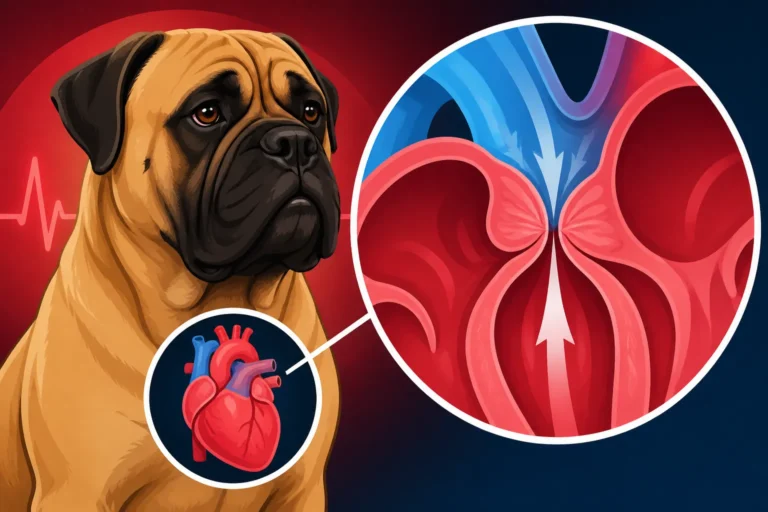
Heart disease is another major concern. Subaortic Stenosis Is There Before a Bullmastiff's First Birthday is a congenital heart condition that can severely impact a Bullmastiff’s lifespan, sometimes leading to sudden death. While some dogs with mild cases can live full lives, severe cases can be devastating. Dilated cardiomyopathy, another form of heart disease, can also appear, reducing the heart's ability to pump blood effectively.
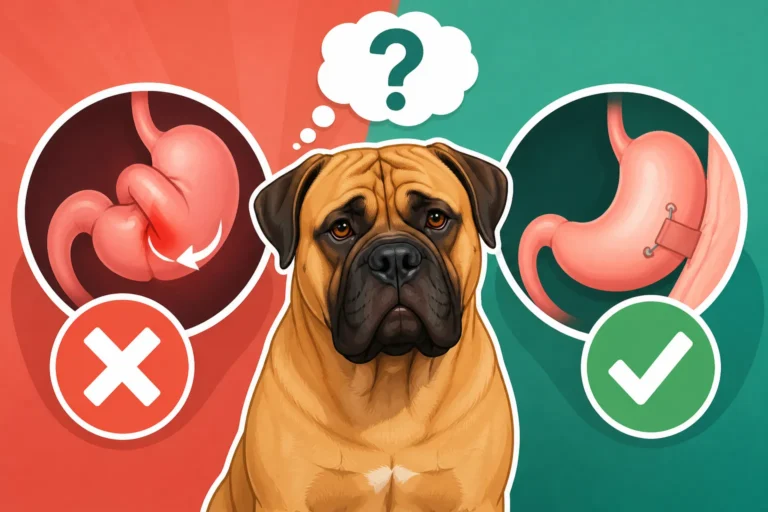
Then there's bloat, or Gastric Dilatation-Volvulus (GDV), a terrifying, life-threatening condition where the stomach fills with gas and often twists. It can happen with alarming speed, and even with immediate veterinary intervention, it carries a high mortality rate. Our guide, Bloat in a Bullmastiff, provides more detailed information on this emergency. The sheer size of the Bullmastiff's chest cavity contributes to their increased risk for this condition, making it a constant worry for owners. These health challenges are a stark reminder of why some Bullmastiffs don't get to enjoy as many years as we wish they could.
Factors Influencing a Bullmastiff's Longevity
While some elements are beyond our control, there are significant factors we, as owners, can influence to help our Bullmastiffs live their fullest, healthiest lives. It’s a commitment, but one that’s deeply rewarding.
Genetics and Responsible Breeding
The foundation of a long, healthy life often begins long before your puppy comes home – it starts with responsible breeding. Genetics play a monumental role in a Bullmastiff's predisposition to various health conditions.
A reputable breeder will be transparent about the health history of their breeding dogs and their lines. They should perform extensive health screenings on both parents, including evaluations for hip and elbow dysplasia, cardiac exams (often by a board-certified cardiologist), and sometimes thyroid screenings. This proactive approach significantly reduces the likelihood of passing on hereditary diseases to puppies. If you're unsure what to ask, our guide What a Bullmastiff Breeder Should Have Screened can help. They should be able to provide certifications from organizations like the Orthopedic Foundation for Animals (OFA) or the Canine Health Information Center (CHIC).
Furthermore, a good breeder will track the health and longevity of dogs in their pedigrees. While it's impossible to guarantee a dog will never get sick, knowing the health trends in a particular line can give you a better idea of potential risks. For example, some lines might unfortunately have a higher incidence of specific cancers. Understanding Whether Lymphoma Runs in Bullmastiff Lines from a breeder's experience can be incredibly insightful. While a long-lived pedigree isn't a silver bullet, it certainly tips the odds in your favor, suggesting a genetic predisposition for health and resilience.
Lifestyle and Environmental Care
Beyond genetics, the day-to-day care and environment you provide have a profound impact on your Bullmastiff’s health and longevity. These are the areas where you, as an owner, can make the biggest difference.
Nutrition and Weight Management: This cannot be stressed enough: a healthy weight is paramount for a Bullmastiff. Puppyhood nutrition is critical. Feeding a large breed specific puppy food ensures a slow, steady growth rate, which is vital for proper bone and joint development. Rapid growth in a giant breed puppy can lead to skeletal problems that impact them for life. You can learn more about this in our article Why a Bullmastiff Puppy Should Be Kept Lean.
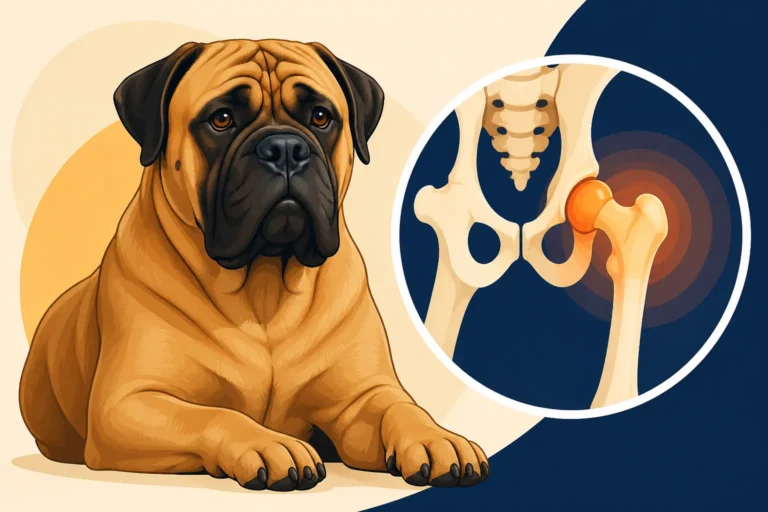
As adults, keeping your Bullmastiff lean is the best defense against a myriad of health issues. An overweight Bullmastiff puts immense strain on their joints, exacerbates conditions like hip and elbow dysplasia, and can worsen heart disease. It also increases their risk for conditions like diabetes and certain cancers. Our post, Keeping a Bullmastiff Lean Is the Best Thing You Can Do, delves deeper into the importance of this. You should be able to easily feel, but not necessarily see, your Bullmastiff's ribs, and they should have a discernible waist when viewed from above. Portion control, high-quality food, and limiting treats are essential.
Appropriate Exercise: While Bullmastiffs are not high-energy dogs, they do need regular, moderate exercise to maintain muscle tone and a healthy weight. This isn't about running marathons; it’s about daily walks, playtime in a securely fenced yard, and mental stimulation. Avoid over-exercising puppies, especially on hard surfaces, as their growth plates are still developing. Be acutely aware of temperature, as Bullmastiffs can overheat very easily due to their brachycephalic (short-nosed) structure.
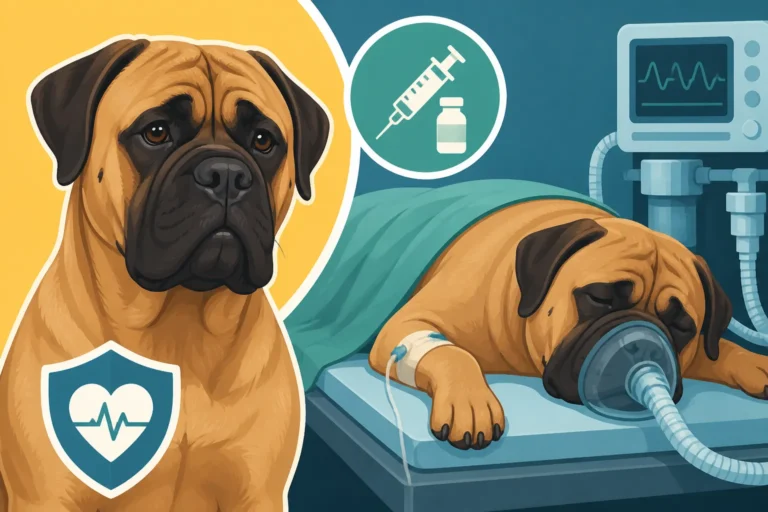
Proactive Veterinary Care: Regular veterinary check-ups are non-negotiable. Annual exams allow your vet to monitor overall health, catch potential issues early, and ensure vaccinations and parasite prevention are up to date. As your Bullmastiff ages, these check-ups might become more frequent, often twice a year, and include routine blood work to screen for organ function and common age-related conditions.
Considering pet insurance from an early age can also be a game-changer. Unexpected medical emergencies or the diagnosis of a chronic illness can lead to incredibly high veterinary bills. A good pet insurance policy, like those offered by Healthy Paws, can help cover the costs of diagnostics, treatments, and even emergency surgeries, ensuring you don't have to make agonizing decisions based on finances. Having the peace of mind that you can afford the best care for your Bullmastiff means you can pursue treatments that might genuinely extend their life and improve their quality of life. For example, if your Bullmastiff were to develop cancer, chemotherapy protocols can be incredibly expensive, and insurance helps alleviate that burden.
Can a Bullmastiff Realistically Reach Twelve Years?
So, back to the big question: can a Bullmastiff actually make it to their twelfth birthday? While it's not the norm, it's certainly not impossible.
The Unicorns of the Breed
Let's be clear: a Bullmastiff living to 10, 11, or even 12 years old is truly an exception to the rule. These dogs are the "unicorns" of the breed, testaments to excellent genetics, meticulous care, a touch of good fortune, and possibly, owners who caught and managed health issues incredibly early. When you hear about a Bullmastiff reaching such an advanced age, it usually means that they have avoided the major breed-specific health crises like aggressive cancers, severe heart disease, or bloat.
Owners of these long-lived Bullmastiffs often talk about an unwavering commitment to their dog's health from day one. This includes maintaining a lean body condition throughout their lives, providing premium nutrition, ensuring consistent but never excessive exercise, and being incredibly diligent with veterinary care. As a Bullmastiff enters their senior years, typically around six or seven, their needs shift dramatically. Our article The Age a Bullmastiff Is Considered Senior details these changes. These senior giants often require specialized diets, joint supplements, and more frequent veterinary visits. Caring for a Bullmastiff past this age is a dedicated effort, as explored in Caring for a Bullmastiff Past Six.
Maximizing Their Potential Years
While we can't guarantee a specific lifespan, we can certainly maximize the healthy years our Bullmastiffs have. It's about being proactive, observant, and prepared.
Proactive Veterinary Care: Beyond annual check-ups, consider specialized screenings as your Bullmastiff ages. Regular cardiac evaluations can help monitor heart health, especially if a murmur is detected. Early and regular screening for cancer is also crucial for a breed so prone to it. Our article, How Often a Bullmastiff Should Be Checked for Cancer, provides excellent guidance on this. Routine blood work, even when your dog appears healthy, can catch subtle changes in organ function before they become critical. It’s also wise to know Whether a Bullmastiff Needs Bloodwork Yearly as they get older.
Weight and Mobility Management: Continuing to keep your Bullmastiff lean is vital to protect their joints, which naturally degenerate with age. Consider joint supplements like glucosamine and chondroitin, often starting in middle age, to support cartilage health. Providing orthopedic bedding helps cushion their heavy frames and prevent pressure sores. As they age, you might need ramps or steps to help them get into vehicles or onto furniture, reducing strain on their aging bodies.
Dental Hygiene: Don't underestimate the impact of dental health on overall well-being. Regular tooth brushing at home and professional dental cleanings at the vet, when needed, prevent dental disease, which can lead to systemic infections affecting the heart, kidneys, and other organs.
Early Detection and Swift Action: Be vigilant for any changes in your Bullmastiff’s behavior, appetite, energy levels, or lumps and bumps. Because Bullmastiffs are stoic and can hide pain or illness, even subtle changes warrant a call to your vet. Catching issues like cancer or organ disease in their earliest stages significantly improves the chances of successful treatment and can buy you precious extra time.
This is another area where pet insurance, like a comprehensive plan from Healthy Paws, really shines. Facing a diagnosis of a serious condition is already emotionally taxing; worrying about how to pay for life-extending treatments shouldn't add to that burden. A robust insurance policy can cover extensive diagnostics (X-rays, ultrasounds, biopsies), specialist consultations (oncologists, cardiologists), and ongoing treatments, empowering you to make decisions based on your dog's best interest, not your wallet. This financial safety net can make all the difference in providing the best possible care, and potentially, the longest possible life.
The Emotional Journey of Owning a Bullmastiff
Owning a Bullmastiff is an incredibly profound experience, filled with immense joy, laughter, and an unparalleled bond. Part of this journey, however, also involves confronting the reality of their lifespan.
Embracing the Shorter Chapter
It’s easy to get caught up in the numbers and feel a sense of dread about their shorter years. But focusing solely on the duration can overshadow the incredible quality of the time you do have. Bullmastiffs are known for their deep loyalty, their calm demeanor, and their unwavering love. They teach us to live in the moment and cherish every slobbery kiss, every lean, and every contented sigh.
Instead of lamenting the years you might not have, embrace the richness of the years you are given. Focus on providing the best possible life filled with love, comfort, good health, and enriching experiences. The bond you form with a Bullmastiff is not measured by the calendar, but by the depth of connection and the memories created. They pack a lifetime of love into their eight or nine (or lucky twelve!) years.
Preparing for the Inevitable
No one wants to think about saying goodbye, but for responsible Bullmastiff owners, understanding their shorter lifespan means preparing for the inevitable. This preparation isn't morbid; it's an act of profound love and responsibility.
As your Bullmastiff ages, their needs will change. They might struggle to rise, lose muscle mass, or experience cognitive decline. Providing a warm, comfortable environment, modifying your home to make it easier for them to navigate, and being patient with their changing abilities are all part of the journey. The goal is to ensure their comfort and dignity until their very last day.
Having an open conversation with your veterinarian about quality of life as they decline is crucial. Knowing when treatment stops being beneficial and when the kindest choice is to offer them a peaceful farewell is one of the hardest decisions an owner will face. In these difficult times, having a pet insurance plan that includes coverage for end-of-life care, palliative treatments, or even euthanasia can be a small but significant comfort. For example, a Healthy Paws policy can help ease the financial burden of these final stages, allowing you to focus entirely on comforting your beloved companion. It ensures that even in their last moments, your Bullmastiff receives the most compassionate care, free from financial worry. The love we give is infinite, even if their time with us is not.
Lifespan Factors at a Glance
To summarize, here’s a quick overview of what helps and what hinders a Bullmastiff's potential longevity:
| Factor | Positive Impact on Lifespan | Negative Impact on Lifespan |
|---|---|---|
| Genetics | Reputable breeder, health-tested parents | Unscreened parents, unknown health history, poor lines |
| Weight | Lean body condition, ideal weight maintained | Overweight/obese, excessive strain on joints & organs |
| Nutrition | High-quality, appropriate large-breed diet | Poor quality food, inappropriate feeding for growth rate |
| Exercise | Regular, moderate, appropriate for age/condition | Insufficient exercise, overexertion, high-impact activity |
| Veterinary Care | Regular check-ups, early detection, vaccinations | Infrequent vet visits, delayed treatment, lack of screenings |
| Disease | Absence of major breed-specific diseases | Cancers (lymphoma, mast cell), heart disease (SAS, DCM), Bloat |
| Environment | Safe home, appropriate temperature control | Exposure to extreme heat, hazardous living conditions |
| Financial Support | Pet insurance (e.g., Healthy Paws), emergency fund | Inability to afford diagnostics or advanced treatments |
Disclaimer
Please note that the information provided in this article is for educational and informational purposes only and does not constitute veterinary advice. Always consult with a qualified veterinarian for any health concerns or before making any decisions about your Bullmastiff's medical care or treatment plan. Individual results may vary, and the health outcomes of any dog depend on a multitude of factors.