When a Bullmastiff Tests Its Owner
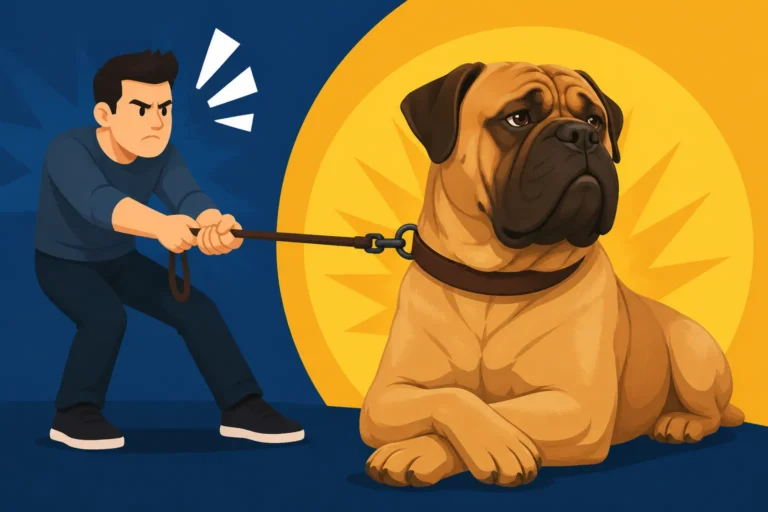
It’s a scenario many Bullmastiff owners know all too well: you give a command your big, beautiful dog knows perfectly, and they just… stare. Or maybe they take their sweet time, weighing their options, before maybe deciding to comply. It can feel like your Bullmastiff is actively testing your patience, pushing boundaries, or simply ignoring you. This guide is here to help you understand when and why your Bullmastiff might display these "testing" behaviors and, more importantly, how to respond effectively to foster a respectful, cooperative relationship.
The Bullmastiff's Unique Approach to Obedience
When you live with a Bullmastiff, you quickly learn they aren't like every other dog. Their intelligence isn't about lightning-fast obedience; it's about thoughtful assessment. This breed was developed for a specific job: to silently guard vast estates and apprehend poachers without harming them. That required a dog capable of independent thought and judgment, not just blind adherence to commands.
Not Stubbornness, But Deliberation
It's easy to label a Bullmastiff "stubborn" when they don't immediately spring into action, but it's often more accurate to call it deliberation. Unlike some breeds eager to please, a Bullmastiff often processes the request, assesses the situation, and then decides if it's worth their while. This inherent trait comes directly from their history. A gamekeeper's Bullmastiff needed to make independent decisions in the dead of night, often far from direct command, deciding whether an approaching figure was a genuine threat or just a harmless wanderer. They weren't just following orders; they were using their intellect.
This means when you ask your Bullmastiff to "sit," they might not be defying you out of spite. They might be thinking, "Is there a better spot to sit? What's in it for me? Is that squirrel more interesting?" This deliberate nature is deeply ingrained. They don't react impulsively; they choose to respond. Understanding this fundamental difference is the first step in managing their behavior. It's not about breaking their will, but about convincing them that your way is the best way. This is also why Why a Bullmastiff Pauses Before Obeying is such a common topic among owners.
The Adolescent "Testing" Phase
Just like human teenagers, Bullmastiff puppies go through an adolescent phase where they truly start to "test" their boundaries and try to figure out where they stand in the household hierarchy. This period typically begins around 9 months of age and can extend well into their second, or even third, year. Remember, A Bullmastiff Is Not Grown Up Until Three, so you're dealing with a giant, powerful adolescent for a good long while.
During this time, your Bullmastiff is rapidly maturing, both physically and mentally. They're gaining immense strength and confidence, and their inherent guardian instincts are starting to truly kick in. This combination can lead them to challenge rules they previously accepted. They might ignore a recall in favor of exploring a fascinating scent, or push past you at the door when they never used to. It's a natural developmental stage, but with a breed that will easily outweigh most adults, managing this phase with consistent training and clear expectations is absolutely critical. If these behaviors aren't addressed, they can quickly escalate into larger problems, making life with your gentle giant a lot less harmonious. This is truly the period when you'll understand When a Bullmastiff Hits Adolescence and its implications.
Common Scenarios Where Your Bullmastiff Might "Test" You
It's one thing to understand the why behind their deliberate nature, and another to live through the how. Bullmastiffs will find creative ways to explore the limits of your rules, often making you question if they ever learned anything at all!
Refusing Known Commands
This is perhaps the most frustrating form of "testing." You've spent countless hours teaching your Bullmastiff basic obedience. They know "sit," "stay," and "come" perfectly in the living room. But then you're at the park, or a friend comes over, and suddenly those commands seem to vanish from their memory. Your Bullmastiff might just stand there, gaze fixed on something far more interesting, pretending they didn't hear you, or slowly, deliberately, fail to comply. It's not that they don't know the command; it's that they are weighing the perceived reward of obeying against the perceived reward of ignoring you.
A Bullmastiff, unlike a Golden Retriever, often needs a compelling reason to follow through, especially if there's a strong distraction. Why a Bullmastiff Ignores a Cue It Knows often boils down to a risk-reward assessment in their powerful minds. They might be thinking, "Is my owner's call really more exciting than chasing that leaf?" This isn't a sign of unintelligence, but rather a reflection of their independent and thoughtful nature. Your job is to make your commands the most attractive option, every single time. This means consistent, positive reinforcement with rewards they truly value, especially in distracting environments.
Pushing Boundaries for Attention or Resources
Bullmastiffs are masters of subtle manipulation. They might nudge your hand insistently for pets, try to jump up on the couch (despite being taught not to), or even attempt to steal food from the counter when your back is turned. These aren't always outright acts of defiance, but rather calculated attempts to see what they can get away with. They are large, powerful dogs, and their sheer presence can often intimidate owners into letting things slide.
A common example is counter-surfing. You leave a plate of cookies on the counter, turn your back for a second, and suddenly your Bullmastiff is having an unplanned snack. This isn't just about food drive; it's about seeing if the boundary is truly firm. If they get away with it once, they'll try again. Similarly, a Bullmastiff might "lean" on you or guests, which can be endearing, but can also be a way of taking up space and asserting their presence. It's crucial to consistently enforce rules regarding personal space, furniture, and food access, right from puppyhood. Any wavering on your part will be seen as an invitation to push further.
Strategies for Responding to Your Bullmastiff's Challenges
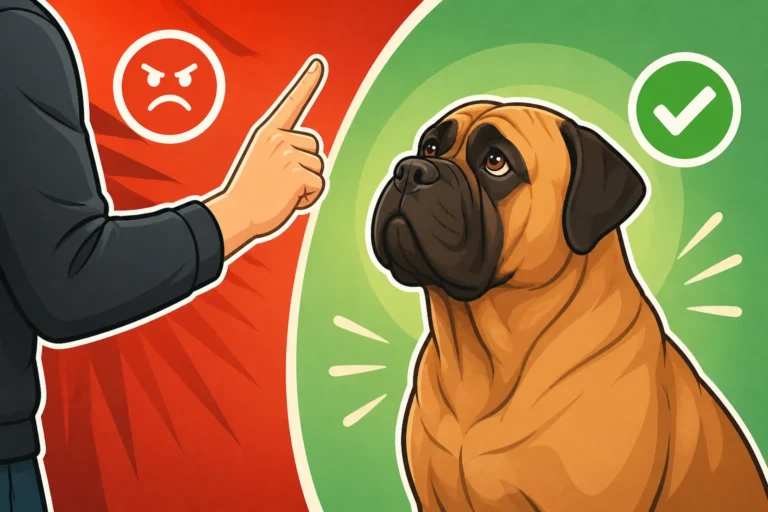
Dealing with a Bullmastiff that seems to be "testing" you requires a calm, consistent, and patient approach. Yelling or harsh punishment is almost always counterproductive with this sensitive breed. Why Harsh Correction Fails on a Bullmastiff is something every owner quickly learns – it can damage trust and make them even more reluctant to obey.
Reinforcing Your Leadership with Consistency
The absolute cornerstone of managing a Bullmastiff's "testing" behaviors is unwavering consistency. Bullmastiffs are intelligent, and they quickly learn patterns. If a rule applies sometimes but not always, they will inevitably try to find the loopholes. This means every member of the household needs to be on the same page, enforcing the same rules, every single time. If one person lets the Bullmastiff on the couch, but another doesn't, the dog will continually test who will give in.
Consider implementing a "Nothing in Life Is Free" program. This means your Bullmastiff earns everything they want – food, toys, walks, even attention – by performing a simple command first, like "sit." Want a belly rub? Sit. Want dinner? Sit. Want to go outside? Sit. This simple approach reinforces that you control the resources and that compliance leads to good things. It subtly yet powerfully establishes your leadership without resorting to force or intimidation. Remember, Why a Bullmastiff Must Be Trained Before It Is Strong is paramount, as their sheer size means you need their cooperation, not just their obedience.
Making Training Rewarding and Engaging
Bullmastiffs are motivated by rewards, but not just any rewards. Because of their thoughtful nature, they need high-value incentives to make obeying you more appealing than whatever else is catching their attention. This isn't about bribing them; it's about making compliance genuinely enjoyable and worthwhile. Think beyond dry kibble for training sessions. Cubes of cooked chicken, cheese, or special commercial treats can be incredibly effective. Understanding How Food Motivated a Bullmastiff Is can give you a significant advantage in training.
Keep your training sessions short, positive, and fun. Bullmastiffs aren't built for long, repetitive drills. Their attention span, especially as adolescents, can be quite limited. How Short a Bullmastiff's Training Session Should Be is key; a few 5-10 minute sessions throughout the day will be far more productive than one long, tedious one. Incorporate play, praise, and physical affection (if your dog enjoys it) as rewards. Puzzle toys, readily available on platforms like Amazon, can also be fantastic for mental stimulation, channeling their intelligence into problem-solving rather than boundary-pushing. When you make training a game they want to play, rather than a chore, you'll see a marked improvement in their willingness to engage and obey. Which Rewards a Bullmastiff Works For will differ for every dog, so experiment to find what truly motivates your gentle giant.
Seeking Professional Guidance
Sometimes, despite your best efforts, you might find yourself struggling to manage your Bullmastiff's "testing" behaviors. This is absolutely nothing to be ashamed of. These are large, powerful dogs with strong personalities, and it takes a particular skill set to guide them effectively. If you're feeling overwhelmed, or if behaviors are escalating, it's a smart decision to seek help from a professional dog trainer or behaviorist.
A good professional can help you identify the root causes of your Bullmastiff's actions, provide tailored strategies, and teach you how to communicate more clearly with your dog. They can also provide hands-on demonstrations and support, which can be invaluable when dealing with a strong-willed breed. Whether a Bullmastiff Needs a Professional Trainer is often yes, especially for first-time owners or those struggling with specific challenges. There are many excellent resources out there, from local in-person classes to comprehensive online programs. For example, some owners find programs like those offered by BAXTER & Bella helpful for structured, consistent guidance from the comfort of their home. Investing in professional help early on can prevent minor "testing" from becoming major behavioral problems, ensuring a happier life for both you and your Bullmastiff.
Understanding the Bullmastiff's Motivation Beyond "Testing"
It's important to remember that not every act that feels like "testing" is actually your Bullmastiff deliberately trying to defy you. Sometimes, their actions are simply expressions of their innate breed characteristics and deep loyalty.
The Instinct to Guard and Protect
Bullmastiffs were bred as guardians, and that instinct runs deep. What might seem like your dog "testing" you by being overly watchful or suspicious of strangers could simply be them fulfilling their protective role. When a new person enters your home, or even when you're out on a walk, your Bullmastiff is constantly assessing the situation. They might stand between you and a perceived threat, or bark a low, rumbling warning. This isn't necessarily defiance; it's them doing their job, often without direct command. For example, if you notice your Bullmastiff intently watching someone from the window, it's not always them ignoring your "leave it" command, but rather Whether a Bullmastiff Guards the Yard is kicking in.
It's vital to differentiate between intentional disobedience and instinctual behavior. While you want your Bullmastiff to be well-socialized and accepting of friendly guests, you also need to respect their guardian nature. Training should focus on teaching them when and how to use their guarding instincts appropriately, rather than trying to suppress them entirely. A well-trained Bullmastiff understands that you are the ultimate decision-maker, and they will defer to your judgment about who is and isn't a threat. This creates a balanced dog who is protective when needed, but also calm and composed in everyday situations. A Bullmastiff Was Bred to Hold a Man, Not Bite Him, which speaks to their controlled protective nature.
The Importance of a Strong Bond
Ultimately, how your Bullmastiff responds to your guidance, especially when they're in a "testing" phase, hinges on the strength of the bond you share. Bullmastiffs are incredibly loyal and sensitive dogs. They thrive on trust, respect, and clear communication. If your Bullmastiff trusts you implicitly, believes you have their best interests at heart, and respects your leadership, they are far more likely to listen and cooperate, even when their adolescent brain is telling them to push the limits.
Building this bond requires more than just training. It involves daily positive interactions, play, consistent routines, and showing them affection in ways they understand and appreciate. It means being fair, predictable, and always advocating for your dog. When your Bullmastiff views you as a benevolent leader, they are less likely to question your authority or actively "test" your rules. They learn that listening to you leads to a secure, happy life. A strong, positive relationship transforms potential challenges into opportunities for growth and strengthens the unique partnership you have with your incredible Bullmastiff.
Here's a quick look at common testing behaviors and how to tackle them:
| Testing Behavior | Underlying Reason (Often) | Effective Response (Summary) |
|---|---|---|
| Ignoring known commands | Assessing perceived reward/distraction | Increase high-value rewards, practice in varied environments, maintain consistency |
| Counter-surfing/stealing food | Pushing boundaries, self-rewarding | Strict "no counter" rule, secure food, "Nothing in Life Is Free," consistent correction |
| Pulling on leash | Desire to explore, lack of training | Consistent leash training from puppyhood, proper equipment (harness), reward loose-leash walking |
| Jumping on people | Seeking attention, lack of manners | Teach "four on the floor," turn away if jumping occurs, reward calm greetings |
| Not coming when called | Distraction, lack of motivation | High-value recall training, long lines for safety, make coming back highly rewarding |
| Disregarding "place" or "stay" | Seeking engagement, boundary testing | Consistent practice, gradually increase duration/distance, reward calm compliance |
Remember, your Bullmastiff is a thinking dog. They're not just trying to be difficult, but often trying to understand their world and their place in it. With patience, understanding, and consistent leadership, you can navigate these testing phases and build an even stronger relationship with your magnificent companion.
Disclaimer
This article is for general informational purposes only and does not constitute professional advice. Laws, prices and regulations vary by location and change over time. Consult a qualified professional for guidance on your specific situation.