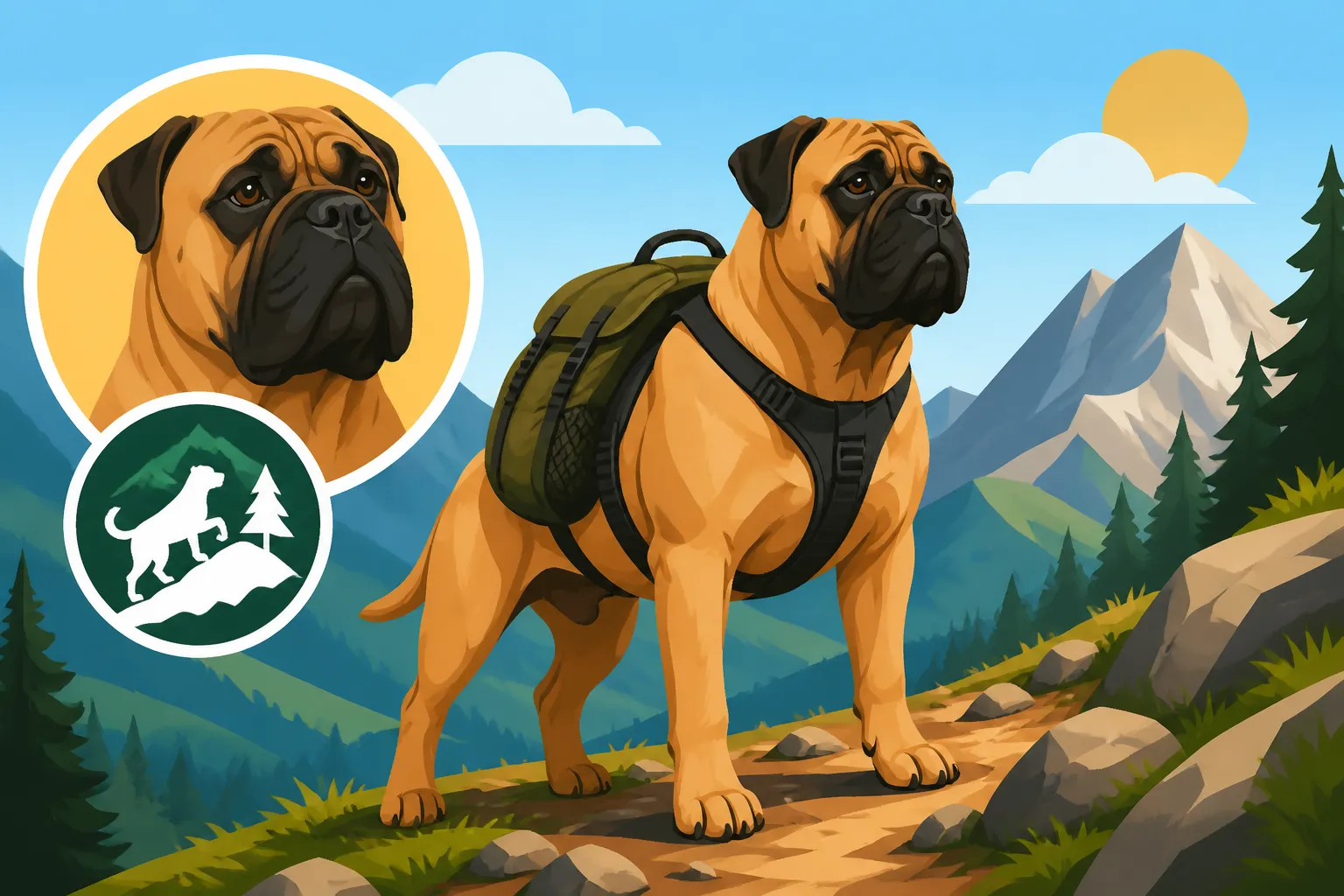
Whether a Bullmastiff Can Hike
It’s a natural desire, isn't it? You look at your magnificent Bullmastiff, all muscle and heart, and picture them majestically trekking alongside you on a beautiful forest trail or a scenic mountain path. The idea of sharing such an experience with your loyal companion is incredibly appealing. However, the reality of hiking with a Bullmastiff isn't always as simple as a picture-perfect postcard. These wonderful dogs, while robust in many ways, come with a unique set of physical considerations that mean a casual, spur-of-the-moment hike can quickly turn into a dangerous situation for them. This guide will walk you through the essential considerations, precautions, and realistic expectations for taking your Bullmastiff on the trail, ensuring their safety and your peace of mind.
Understanding Your Bullmastiff's Physical Limits on the Trail
Before you even think about lacing up your hiking boots, it's crucial to understand what your Bullmastiff's body is built for, and, perhaps more importantly, what it isn't. Their impressive size, powerful build, and unique physiology mean they're not naturally suited for every kind of outdoor adventure, especially those involving sustained effort or extreme conditions. Ignoring these fundamental breed characteristics can put your beloved dog at serious risk.
Brachycephalic Concerns and Overheating
One of the most significant factors to consider when contemplating a hike with your Bullmastiff is their brachycephalic (short-nosed) nature. While not as extreme as some other brachycephalic breeds, their shorter muzzles and often narrower windpipes mean they struggle to regulate their body temperature as efficiently as longer-nosed dogs. Panting is a dog's primary way to cool down, and with less surface area in their respiratory system, a Bullmastiff's cooling mechanism is inherently less effective.
This makes them incredibly susceptible to overheating, even on days that feel mild to you. A comfortable spring day with temperatures in the 60s Fahrenheit might be perfectly fine for a Setter or a Border Collie, but for a Bullmastiff, especially if they're exerting themselves, it can quickly become dangerous. What Temperature Is Dangerous for a Bullmastiff is a critical piece of information every owner should know. Humidity further compounds this problem, as it reduces the efficiency of evaporative cooling from panting. Signs of overheating, like excessive panting, drooling, lethargy, or stumbling, can escalate rapidly into a life-threatening emergency like heatstroke. Recognizing Signs a Bullmastiff Has Heatstroke is vital, as immediate action can save their life. This is why many owners find that hiking, particularly during warmer months, simply isn't a safe activity for their Bullmastiff.
Joint Health and Endurance
Bullmastiffs are heavy, powerful dogs, and with that weight comes a predisposition to certain joint issues. Hip and elbow dysplasia are unfortunately common in the breed, and even in dogs cleared by health screenings, the sheer bulk they carry puts significant stress on their joints over time. Hips and Elbows Under a Hundred and Thirty Pound Bullmastiff are not designed for sustained, high-impact activities like navigating uneven hiking trails. Every jarring step, every leap over a root, every climb up an incline, adds wear and tear.
Beyond chronic conditions, acute injuries like cruciate tears can also occur when a heavy dog is performing movements on unstable ground that their joints aren't prepared for. Imagine carrying an extra 50 pounds on your back and then trying to scramble up a rocky path; that's akin to the stress a Bullmastiff's joints endure. Their impressive muscular build lends itself to short bursts of protective activity, not long-distance treks. They are sprinters, not marathon runners, and asking them to perform beyond their natural endurance can lead to exhaustion, injury, and a painful recovery. Even dogs without diagnosed joint problems can suffer from excessive strain if pushed too hard on the trail.
Stamina and Pace
While a Bullmastiff might initially pull ahead with enthusiasm, their stamina is often surprisingly limited compared to more athletic breeds. They are not built for miles of continuous trotting or sustained climbing. Their heavy bones and muscle mass require a lot of energy to move, making them less efficient over long distances. You might find your Bullmastiff quickly lagging, needing frequent rests, or simply refusing to move if the pace is too fast or the distance too great.
This isn't stubbornness; it's often their body telling them they've reached their limit. Expecting a Bullmastiff to keep pace with a human hiker on a moderate to strenuous trail is unrealistic and unfair to the dog. Their ideal "hike" might be a leisurely stroll on a flat, shaded path, perhaps a mile or two at most, with plenty of opportunities to sniff and observe. Anything beyond that risks both physical exhaustion and heat-related issues, especially given Why a Bullmastiff Overheats So Easily. Their natural inclination is to guard and protect, a task that historically required bursts of speed and strength, not sustained endurance.
Preparing Your Bullmastiff for a Hike: What to Consider Before You Go
If you're still determined to share a trail experience with your Bullmastiff, meticulous preparation is non-negotiable. This isn't just about packing snacks for yourself; it's about making informed decisions that prioritize your dog's health and safety above all else. Skipping these steps could turn a pleasant outing into a veterinary emergency.
Vet Check-ups and Conditioning
Before any serious trail adventure, a comprehensive veterinary check-up is absolutely essential. Your vet can assess your Bullmastiff's overall health, paying particular attention to their heart and joints. Bullmastiffs are known to be susceptible to conditions like subaortic stenosis, a heart defect that can significantly impact their ability to exert themselves safely. Subaortic Stenosis Is There Before a Bullmastiff's First Birthday and should always be screened for. An existing heart condition, even a mild one, could be exacerbated by the demands of hiking, leading to collapse or worse. You should understand What a Bullmastiff's Cardiac Screening Costs and consider it a necessary investment.
Once given a clean bill of health, gradual conditioning is key. Don't go from couch to mountain summit in a weekend. Start with short, flat walks and slowly increase the distance and slight elevation over weeks or months. Pay close attention to how your Bullmastiff recovers. Are they limping? Excessively tired? Panting more than usual? These are all signs to slow down. Remember, How Much Exercise a Bullmastiff Needs is often less than you might assume, and it should always be tailored to their individual fitness level and the weather.
Choosing the Right Trail and Weather
This is perhaps the most critical decision you'll make. Forget about steep climbs, rocky scrambles, or long, exposed ridge lines. These are simply not appropriate for a Bullmastiff. Look for trails that are:
- Flat and Even: Paved paths, well-maintained dirt trails, or wide gravel roads are far preferable to rugged, uneven terrain that forces them to constantly adjust their footing.
- Shaded: Seek out trails with continuous tree cover to minimize sun exposure and help keep temperatures down.
- Short: Keep hikes brief, especially when starting out. A mile or two might be their absolute maximum, depending on their fitness and the conditions. It's much better to have a happy, energized dog who wants to do more than an exhausted, struggling one.
- Cool and Low Humidity: Check the weather meticulously. Early mornings or late evenings are best, and only if temperatures are genuinely cool – ideally below 65-70°F (18-21°C) with low humidity. Avoid anything above this, as Why Eighty Degrees Is Dangerous for a Bullmastiff isn't just a guideline; it's a stark warning.
| Trail Characteristic | Bullmastiff Suitability | Explanation |
|---|---|---|
| Flat, Paved/Dirt Paths | Excellent | Low impact, predictable footing, easy on joints. |
| Gentle Rolling Hills | Good (Short distances) | Mild incline is acceptable, but monitor closely for exertion. |
| Steep Climbs/Descents | Poor | Excessive strain on joints, high risk of overheating and injury. |
| Rocky/Uneven Terrain | Poor | Unstable footing, risk of paw injuries, high joint impact. |
| Long, Exposed Paths | Dangerous | Direct sun exposure greatly increases overheating risk. |
| Trails with Water Access | Excellent (with caution) | Opportunities for cooling, but supervise swimming closely. |
Essential Gear for Your Bullmastiff
Proper gear can make a significant difference in safety and comfort. Don't skimp on these items.
- Water, and Lots of It: This is non-negotiable. Bring more than you think you'll need for both you and your Bullmastiff. A portable, collapsible bowl is a must-have. You can find excellent options on Amazon.
- Appropriate Leash and Harness: Given their strength, a sturdy, comfortable harness that distributes pressure evenly across their chest (not their neck) is crucial. A strong, non-retractable leash, at least 6 feet long, will give you control. Teaching a Bullmastiff to Walk on Leash is paramount before hitting a trail where you might encounter others or wildlife. If your Bullmastiff is a puller, consider a front-clip harness or a head halter, and continue working on How to Walk a Bullmastiff That Outweighs You.
- First-Aid Kit: A pet-specific first-aid kit should include paw balm, antiseptic wipes, bandages, tweezers (for thorns or ticks), and any necessary medications your vet recommends.
- Cooling Gear: A cooling vest or bandana can be a good proactive measure on warmer (but still acceptable) days. Remember, these are supplementary and not a license to hike in hot weather.
- Identification: Ensure your Bullmastiff has up-to-date ID tags on their collar and is microchipped, just in case they get separated from you.
On the Trail: Managing Your Bullmastiff During a Hike
You've done the prep work, chosen a safe trail, and packed your gear. Now, it's about staying vigilant and listening to your Bullmastiff every step of the way. Their stoic nature means they might not always outwardly show discomfort until it's severe, so you need to be their advocate.
Pacing and Breaks
The key to a successful Bullmastiff hike is a slow, steady pace with frequent, generous breaks. Your hiking speed should be dictated by your dog, not by your own desire to get a workout. If they're panting heavily, slowing down, or looking for shade, it's time to stop and rest. Don't wait for them to collapse. Take short breaks every 15-20 minutes, even if they seem fine. This allows their body temperature to regulate and their joints to recover.
Observe their posture, breathing, and gait constantly. If they start to lag consistently, stumble, or show any signs of discomfort, it's time to turn back, even if you haven't reached your intended destination. Pushing them "just a little further" can lead to serious consequences. Remember the goal is shared enjoyment, not distance records. Exercise needs to be balanced with understanding their limits, especially in an environment like a trail.
Hydration and Cooling Strategies
Water is your best friend on the trail. Offer your Bullmastiff water every time you stop for a break, and even more frequently if they're panting. Don't let them drink from stagnant puddles or streams, which can harbor harmful bacteria or parasites. Always bring your own clean water supply.
If you notice your Bullmastiff getting warm, seek shade immediately. You can try wetting their paw pads, belly, and ears with cool (not ice-cold) water to help them cool down. A wet bandana around their neck can also provide some relief. If you have access to a clean, cool stream or lake, a brief dip can be beneficial, but always supervise closely and ensure they don't ingest too much water. Never, ever, allow them to become truly overheated before acting. Prevention is always easier than treatment when it comes to heatstroke.
Leash Etiquette and Trail Safety
Bullmastiffs are strong dogs, and even a well-trained one can react to unexpected stimuli on a trail. Keeping them on a leash is not just a courtesy to other trail users and wildlife; it's a safety measure for your dog. A sudden encounter with a squirrel, another dog, or a person running by could trigger a strong pull. How to Walk a Bullmastiff That Outweighs You is a skill you'll appreciate having mastered before you hit the trail.
Their protective instincts, while generally a comfort at home, can be a liability on a public trail. They might be wary of strangers or other dogs, and their sheer size can be intimidating, even if they're just curious. Always be aware of your surroundings. If you're working on improving your Bullmastiff's leash manners, recall, or general obedience for public outings, resources like BAXTER & Bella's online training programs can be incredibly helpful. Consistent training before embarking on adventures will make for a much more enjoyable and safer experience for everyone. Be mindful of their powerful jaws; What a Bullmastiff's Bite Force Is is significant, and while they are not aggressive, any accidental nip, even playful, can be serious due to their size.
After the Hike: Recovery and Monitoring
The adventure doesn't end when you get back to the car. What happens immediately after and in the days following a hike is just as important for your Bullmastiff's well-being. This recovery phase allows you to assess the impact of the activity and address any potential issues.
Post-Hike Assessment
Once you're home, take the time to thoroughly check your Bullmastiff.
- Paw Pads: Inspect their paw pads for any cuts, scrapes, thorns, or excessive wear. Rough terrain can be hard on their feet. Consider applying a paw balm if they look dry or cracked.
- Body Check: Run your hands over their entire body, checking for ticks, burrs, or any new lumps or bumps. Pay attention to their ears for any debris or signs of irritation.
- Hydration and Appetite: Ensure they drink plenty of water and are eating normally. A slight decrease in appetite is okay, but a prolonged refusal to eat or drink is a red flag.
- Gait and Energy: Watch how they walk in the hours and day following the hike. Are they limping? Stiff? Showing any reluctance to move? Are they excessively tired for a prolonged period? These could indicate overexertion or injury.
- Breathing: Listen to their breathing. Any persistent heavy panting, wheezing, or labored breathing long after cooling down warrants a call to your vet.
Recovery and Rest
Just like humans, Bullmastiffs need a proper cool-down and rest after physical exertion. Don't let them immediately jump into strenuous play or another activity. A gentle, short walk on a leash can help them cool down slowly. Provide them with a comfortable, soft bed to rest on – preferably an orthopedic one that supports their heavy joints. Allowing them to sprawl on a hard floor can exacerbate stiffness.
Ensure they have access to fresh water at all times. Their muscles will be working to repair themselves, and hydration is crucial for this process. Keep an eye on them for the next 24-48 hours. Any lingering signs of discomfort, lameness, or lethargy should be discussed with your veterinarian. This is especially true as they get older; The Age a Bullmastiff Is Considered Senior means their recovery time will increase, and their tolerance for exertion will decrease.
Long-Term Joint Care
Even with careful planning, occasional hikes will put some stress on your Bullmastiff’s joints. Long-term joint health is a significant concern for the breed. Discuss with your vet whether a joint supplement regimen is appropriate, even if your dog doesn't currently show signs of arthritis. Many Bullmastiff owners proactively use supplements containing glucosamine, chondroitin, and MSM to support cartilage health. Whether a Bullmastiff Needs Joint Medication Early is a conversation worth having with your vet, as preventative measures can sometimes slow the progression of joint issues.
Maintaining a lean body weight is also paramount. Every extra pound your Bullmastiff carries puts additional strain on their joints, making them more susceptible to injury and discomfort, especially during activities like hiking. Regular, low-impact exercise like swimming (supervised, of course) or gentle walks on soft surfaces are generally better for their long-term joint health than frequent, strenuous hikes. Remember, the goal is a long, comfortable life for your Bullmastiff, and sometimes that means choosing gentle adventures over rugged ones.
Disclaimer
This article is for general informational purposes only and does not constitute professional advice. Laws, prices and regulations vary by location and change over time. Consult a qualified professional for guidance on your specific situation.