Meal Timing and Bloat in a Bullmastiff
The sudden, terrifying onset of bloat, or gastric dilatation-volvulus (GDV), is a shadow that looms large over every Bullmastiff owner's heart. It's a condition that can turn a perfectly normal, happy evening into a life-or-death emergency within hours, often leaving us feeling helpless and frantic. This comprehensive guide will delve into the critical role of meal timing and other feeding practices in mitigating the risk of bloat, helping you understand how to feed your beloved Bullmastiff safely and proactively.
Understanding Bloat: A Bullmastiff Owner's Worst Nightmare
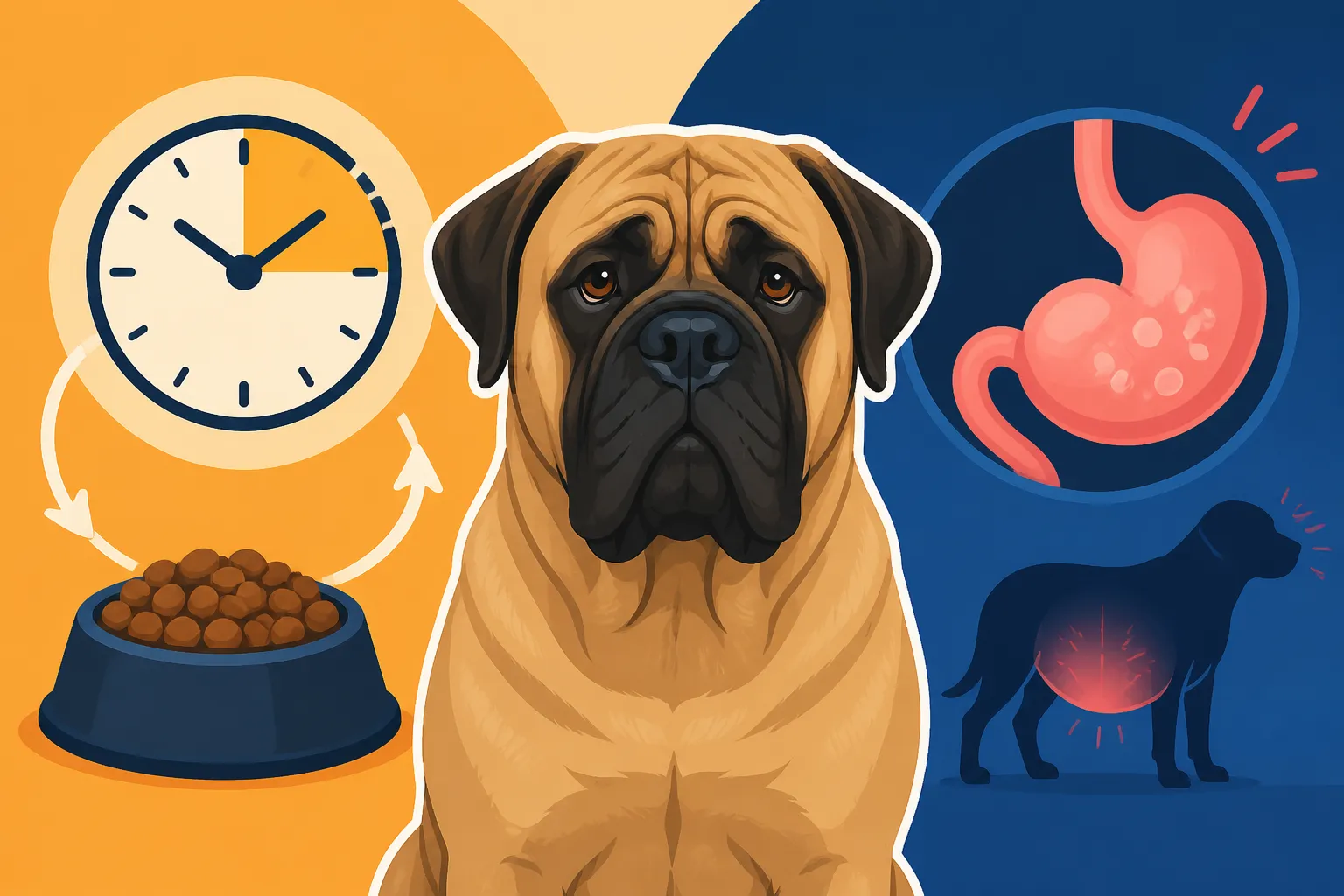
Gastric Dilatation-Volvulus, or GDV, commonly known as bloat, is not just an upset stomach; it's a rapidly progressing, life-threatening condition where the stomach fills with gas and then twists upon itself. This twisting, or volvulus, traps the gas and stomach contents, cutting off blood supply to the stomach and often the spleen, leading to shock and organ damage. For Bullmastiff owners, this isn't just a clinical term; it's a terrifying reality that can strike with little to no warning, demanding immediate, often costly, veterinary intervention.
What Exactly Is Bloat (GDV)?
Imagine your Bullmastiff's stomach as a balloon. In bloat, this balloon first inflates rapidly with gas, a condition called dilatation. This expansion can happen due to swallowing air, fermentation of food, or other digestive processes gone awry. Then, in the volvulus stage, this distended stomach actually twists around its long axis, effectively pinching off both the entry (esophagus) and exit (duodenum). Nothing can get in or out. The gas is trapped, the food is trapped, and blood flow is compromised. It’s a literal knot in their digestive system, and it's incredibly painful.
The immediate consequence of this twisting is that the stomach tissue begins to die due to lack of blood supply. Toxins are released into the bloodstream, and pressure on major blood vessels returning to the heart can lead to circulatory shock. The spleen, which is often attached to the stomach, can also twist and become damaged. This cascade of events progresses quickly, and without emergency surgery, it is almost always fatal. It's truly a race against the clock when bloat occurs.
Why Bullmastiffs Are at Such High Risk
Bullmastiffs, like many large and giant breeds with deep chests, are genetically predisposed to bloat. Their body conformation, specifically the deep, narrow chest cavity, allows for more room for the stomach to shift and twist when it becomes distended. It's not just about their size; it's about their shape. A Great Dane, a German Shepherd, a Standard Poodle, and yes, our beloved Bullmastiffs, all share this unfortunate characteristic. It's a risk factor we, as owners, simply cannot change.
Beyond genetics and conformation, certain factors are believed to increase the risk. Eating too quickly, eating one large meal a day, exercising vigorously before or after meals, and even stress can play a role. Anecdotal evidence also points to temperament—anxious or high-strung dogs might have a higher risk, although this is harder to quantify. For Bullmastiff owners, understanding this inherent vulnerability means being hyper-vigilant about preventive strategies and recognizing the Signs a Bullmastiff Is Bloating.
The Terrifying Speed of Onset
One of the most terrifying aspects of bloat is how quickly it can escalate. A dog can be seemingly fine, romping in the yard, enjoying their dinner, and within an hour or two, they can be in critical condition. I've heard countless stories, and experienced some close calls myself, where a dog goes from appearing slightly uncomfortable to full-blown shock in what feels like minutes. This rapid progression is why it's often called a "silent killer" – the initial signs can be subtle, easily mistaken for indigestion or mild discomfort.
A Bullmastiff who was just happily playing might suddenly become restless, try to vomit but produce nothing (dry heaving), or repeatedly look at their side. These initial signs are often dismissed, but time is of the essence. By the time the abdomen is noticeably distended and hard, or the dog is collapsed and in obvious distress, the situation is dire. Every minute counts in securing veterinary attention, and delaying even for an hour can drastically reduce survival chances.
The Role of Meal Timing in Preventing Bloat
When it comes to managing bloat risk, how and when you feed your Bullmastiff can be just as crucial as what you feed them. For a breed so susceptible to this devastating condition, meal timing isn't just about convenience; it's a vital part of their health management strategy. Breaking up meals and establishing a consistent schedule are key pillars in this preventative approach.
Why Feeding Once a Day Is a Bad Idea
While it might seem convenient to give your Bullmastiff one massive meal a day, especially with their hearty appetites, this practice significantly increases their bloat risk. A single large meal puts a tremendous amount of food and gas into the stomach all at once, stretching it to its maximum capacity. This distension is the first step towards a potential twist. Think of it like a giant, heavy bag swinging around—it has more momentum and is more likely to get tangled.
When a Bullmastiff's stomach is overloaded, the sheer volume of contents can make it more prone to abnormal movements or rotation, especially if they then move around, drink a lot of water, or get excited. The stomach simply has too much to handle in one go. Spreading that volume out over multiple smaller feedings reduces the immediate pressure and distension, making the stomach less likely to become unstable. It's about moderation and giving their digestive system a more manageable workload.
Breaking Meals Into Smaller, More Frequent Portions
The consensus among veterinarians and experienced Bullmastiff owners is that feeding two, or even three, smaller meals a day is far safer than one large one. This approach keeps the stomach from becoming excessively full at any single point. Instead of a massive influx of food, your Bullmastiff receives a steady, manageable supply throughout the day. For a growing Bullmastiff puppy, this is even more critical, as their developing digestive systems are more sensitive.
For example, if your adult Bullmastiff typically eats 6 cups of kibble daily, dividing that into 3 cups in the morning and 3 cups in the evening is a good start. For those with busy schedules, an automatic feeder can help dispense a mid-day meal, or you might find that adding a small lunch of a different food type, perhaps some fresh food like Ollie, works well. The goal is to keep the stomach comfortably full, not distended, and to prevent long periods of emptiness followed by a sudden, large meal. This strategy is also beneficial for managing overall weight, a topic explored in Keeping a Bullmastiff Lean Is the Best Thing You Can Do.
Consistency Is Key: Regular Feeding Schedules
Dogs thrive on routine, and Bullmastiffs are no exception. A consistent feeding schedule not only helps regulate their digestive system but also helps them anticipate mealtimes, which can reduce anxiety-related gulping of food. Feeding at roughly the same times each day—say, 7 AM and 6 PM—allows their body to prepare for digestion, releasing enzymes and acids at predictable intervals. This regularity can contribute to more efficient digestion and potentially reduce gas buildup.
Irregular feeding, where meals are skipped or given at vastly different times each day, can disrupt this natural rhythm. A dog might become overly hungry, leading to faster eating and more air intake. Think of a human who skips breakfast and lunch and then devours a huge dinner—it's not ideal for digestion. Establishing a predictable schedule provides a sense of security for your Bullmastiff and a more stable environment for their internal workings. It’s a simple change that can have a profound impact on their overall gastrointestinal health and their risk of conditions like Bloat in a Bullmastiff.
Meal Components and Their Impact on Bloat Risk
Beyond when you feed, what you feed and how it's presented can also play a role in your Bullmastiff's susceptibility to bloat. From the texture and size of their kibble to the use of specific feeding tools, every detail matters when you're managing the health of a breed prone to such a serious condition. Understanding these nuances helps you make informed choices that contribute to your dog's safety and well-being.
Kibble Size and Shape Considerations
There's been a lot of discussion over the years about whether the size and shape of kibble impact bloat risk. Some theories suggest that very small kibble, which a Bullmastiff can gulp down quickly, leads to more air swallowing, potentially increasing bloat risk. Conversely, some large breed formulas feature larger kibble pieces, designed to encourage slower eating and more chewing. The idea is that more chewing means less air swallowed, and a longer mealtime.
While the evidence isn't entirely conclusive, many owners and vets advocate for larger kibble pieces for deep-chested breeds. If your Bullmastiff is an enthusiastic eater, opting for a large-breed specific formula often means larger kibble that takes more effort to consume. You might find a good selection of these on platforms like Chewy, making it easier to compare options. Ultimately, the goal is to prevent rapid ingestion, regardless of the kibble's specific dimensions.
The Debate Around Raised Bowls
For a long time, raised bowls were recommended for large breed dogs, with the idea that they would prevent gulping air by making the dog eat in a more "natural" standing position. However, recent research has actually suggested that raised bowls might increase the risk of bloat in large and giant breeds. The exact reasons aren't fully understood, but it's thought that the eating posture might facilitate gastric torsion in some way, or perhaps dogs still gulp air even from an elevated position.
Given this conflicting information, many experts now recommend feeding Bullmastiffs from bowls placed directly on the floor. It's a significant shift from previous advice, and it highlights how our understanding of complex conditions like bloat evolves with scientific inquiry. If you've been using a raised bowl, it might be worth considering transitioning to a floor-level feeding setup, especially if your Bullmastiff is particularly fast at eating. This is definitely a point worth discussing with your own veterinarian, particularly in light of articles like Whether a Bullmastiff Should Eat From a Raised Bowl.
Wet Food, Raw, and Homemade Diets: Do They Help or Hurt?
When it comes to alternative diets, the impact on bloat risk is also a frequent topic of debate. Some proponents of wet, raw, or homemade diets suggest that these foods, being less processed and often higher in moisture, are digested more easily and may reduce gas production compared to dry kibble. The argument is that they don't expand in the stomach like some dry kibble, and their natural moisture content aids digestion. Brands like Ollie, which offer fresh, human-grade meals, fit into this category and are popular among owners seeking alternatives.
However, there's no definitive scientific evidence to prove that these diets prevent bloat. While they might offer other health benefits, owners still need to be mindful of meal timing, portion control, and post-meal activity, regardless of the food type. Raw diets, in particular, come with their own set of risks related to bacterial contamination, so any switch should be done under veterinary guidance. The key takeaway is that while diet quality is always important, it's the management of feeding—slow eating, multiple small meals, and proper post-meal rest—that remains paramount in bloat prevention.
Managing Post-Meal Activity and Rest
Feeding your Bullmastiff isn't just about putting food in a bowl; it's also about managing what happens immediately before and after. For a breed so susceptible to bloat, the period surrounding mealtimes is critical, and failing to provide adequate rest and a calm environment can significantly increase the risk. This isn't just about preventing a tummy ache; it's about potentially saving their life.
The Critical Period After Eating
After a Bullmastiff eats, their stomach is full, heavy, and potentially producing gas as digestion begins. This is the most vulnerable time for the stomach to distend and twist. Imagine trying to run a marathon right after a huge Thanksgiving dinner—your body would be protesting loudly! For a Bullmastiff, that internal protest can manifest as bloat. The consensus among vets and experienced owners is that a period of quiet rest is absolutely essential following every meal.
This critical window typically lasts for at least one to two hours after they finish eating. During this time, the stomach is processing food, and sudden movements, jumping, running, or even excessive drinking can cause it to shift and potentially rotate. It's a delicate balance, and we, as owners, need to be proactive in creating an environment that minimizes any undue stress or physical agitation on their digestive system.
No Exercise, No Excitement: Creating a Calm Environment
To best protect your Bullmastiff, the rule of thumb is simple: absolutely no strenuous exercise or overly exciting play for at least an hour before and two hours after a meal. This means no vigorous games of fetch, no wrestling with other dogs, no long walks, and certainly no car rides that might cause them to jostle around. Even getting them overly excited by visitors or a new toy can be risky, as excitement can lead to gulping air and increased stomach motility.
Creating a calm environment means directing your Bullmastiff to a quiet place to settle down after they eat. This could be their crate, a comfy bed in a low-traffic area, or just a designated "quiet zone." Encourage napping, gentle chewing on a safe toy, or simply relaxing. It's not about punishment or isolation; it's about giving their body the physiological space and stillness it needs to properly digest their meal without incident. This practice goes hand-in-hand with the advice found in Why a Bullmastiff Should Rest After Eating.
When Is It Safe to Resume Normal Activity?
While two hours is often cited as the minimum, many owners opt for a slightly longer buffer, especially after their Bullmastiff's last meal of the day, to be extra safe. Generally, once that two-hour mark has passed, and your Bullmastiff appears comfortable and relaxed, they can gradually resume their normal, moderate activities. This doesn't mean immediately launching into an hour-long run, but a leisurely walk or some gentle supervised play is usually fine.
It’s always best to err on the side of caution. If your Bullmastiff seems particularly energetic or prone to zoomies, extend the quiet period a bit longer. Observe their habits and learn what "normal" digestion looks like for them. If they seem uncomfortable, restless, or are trying to burp or vomit without success, that rest period needs to be immediately interrupted by a call to your emergency veterinarian. You know your dog best, and paying close attention to their behavior during this critical post-meal window is essential.
Practical Strategies for Reducing Bloat Risk in Your Bullmastiff
While you can't eliminate the risk of bloat entirely due to your Bullmastiff's genetic predisposition, there are several practical steps you can take to significantly reduce their chances of experiencing this life-threatening condition. These strategies focus on how they eat, drink, and when they receive veterinary care.
Slow Feeders and Puzzle Bowls
For Bullmastiffs who inhale their food at lightning speed, a slow feeder bowl can be a game-changer. These bowls are designed with ridges, mazes, or pillars that force your dog to eat around obstacles, slowing down their intake considerably. By making it harder to get to the food, they can't gulp down large mouthfuls of kibble (and air) as quickly. This extended mealtime allows for better digestion and reduces the immediate distension of the stomach. You can find a wide variety of effective slow feeders on Amazon or Chewy, ranging from simple designs to more complex puzzle feeders that also provide mental enrichment.
Another option is to use a puzzle toy or scatter their kibble across a clean floor or snuffle mat. This makes mealtime an engaging activity, forcing them to "hunt" for their food rather than just gobble it up. Not only does this slow down eating, but it also provides mental stimulation, which is crucial for a breed like the Bullmastiff. These tools are often an affordable and highly effective first line of defense against rapid ingestion, directly addressing the concerns raised in Whether a Bullmastiff Needs a Slow Feeder.
Monitoring Water Intake Around Meals
While hydration is vital, sudden, large intakes of water around mealtimes can also contribute to bloat. When a Bullmastiff drinks a large volume of water very quickly, especially after a meal, it can further distend the stomach, adding to the pressure and volume that might trigger a twist. It's a bit like adding extra liquid to an already full container that's prone to tipping.
Encourage your Bullmastiff to drink smaller amounts of water more frequently throughout the day, rather than allowing them to gulp down an entire bowl after a meal or strenuous activity. Remove the water bowl for about an hour before and after meals, and then offer smaller, controlled amounts. If your Bullmastiff tends to gulp water, consider using a bowl designed to slow down drinking, or even adding ice cubes to their water to make them drink more slowly. Ensure fresh water is always available at other times, but manage the intake strategically around feeding.
Considering a Prophylactic Gastropexy
Perhaps the most significant proactive step an owner can take to prevent bloat is a prophylactic gastropexy. This is a surgical procedure where the stomach is permanently tacked or sewn to the abdominal wall, preventing it from twisting. While it doesn't stop the stomach from filling with gas (dilatation), it does prevent the dangerous volvulus, which is the truly life-threatening part of the condition. Many deep-chested breed owners opt for this procedure, often performed at the same time as spaying or neutering when the dog is still young.
The decision to undergo a gastropexy is a personal one, with both benefits and considerations. It involves surgery, which always carries some risk, and there is a cost involved, though it is generally far less than emergency bloat surgery. However, for many Bullmastiff owners, the peace of mind knowing that the stomach cannot twist is invaluable, given the high mortality rate and acute nature of bloat. This is a crucial discussion to have with your veterinarian, and you can learn more about this procedure in Whether a Bullmastiff Should Have a Gastropexy. It's a choice that reflects a deep commitment to protecting your Bullmastiff from one of the breed's most pervasive health threats.
Recognizing the Signs of Bloat and Acting Fast
Knowing the preventative measures is critical, but equally important, if not more so, is recognizing the signs of bloat and understanding that immediate veterinary care is non-negotiable. Bloat is an emergency that evolves quickly, and your swift, informed action is often the sole determinant of your Bullmastiff's survival.
Early, Subtle Indicators That Something Is Wrong
The initial signs of bloat can be subtle, easily mistaken for general discomfort or a mild stomach upset. This is why vigilance is paramount, especially in a predisposed breed like the Bullmastiff. One of the earliest and most common signs is restlessness or anxiety. Your dog might pace, be unable to settle down, or seem agitated without a clear reason. They might repeatedly stand up and lie down, shift positions, or stretch as if trying to relieve an internal discomfort.
Another common early indicator is unproductive retching or dry heaving. Your Bullmastiff will look like they are trying to vomit, their body convulsing, but nothing, or very little foamy saliva, comes up. This is because the twisted stomach has blocked the exit. They might also drool excessively, whine, or appear to be in pain when you touch their abdomen. Pay attention to any change in their normal demeanor, especially after a meal or exercise. Even if you're unsure, it's always better to be overly cautious.
Classic Symptoms of Advanced Bloat
As bloat progresses, the symptoms become far more obvious and alarming. The most tell-tale sign is a visibly distended abdomen, which will feel tight and hard, almost drum-like, if you gently tap it. This swelling can be more prominent on one side than the other, though it may appear generalized. Your Bullmastiff will likely be in significant pain, showing signs like groaning, grunting, or whimpering.
As the condition worsens, they will display signs of shock: pale gums, rapid, shallow breathing, a weak pulse, and increased heart rate. They may become lethargic, weak, and eventually collapse. Their movements will be labored and uncomfortable. At this stage, time is incredibly short, and the risk of irreversible organ damage or death is imminent. If you see any of these advanced symptoms, there is no time to wait or see if it improves; it is a full-blown emergency.
The Emergency Protocol: What to Do Right Away
If you suspect bloat, even based on subtle signs, your immediate action is to call your emergency veterinarian. Do not wait. Do not try home remedies. Do not try to make your dog vomit or give them anything by mouth. Every minute counts. When you call, clearly state that you suspect GDV/bloat in your Bullmastiff and that you are on your way. This allows the veterinary staff to prepare for your arrival, assembling the necessary team and equipment.
Once you are on the way to the clinic, transport your Bullmastiff as gently as possible. Try to keep them calm and comfortable. Upon arrival, the veterinary team will perform a rapid assessment, often including X-rays to confirm the stomach twist. Treatment typically involves stabilizing the dog from shock, decompressing the stomach if possible, and then, most critically, emergency surgery to untwist the stomach and perform a gastropexy to prevent recurrence. Understanding What Bloat Surgery Involves on a Bullmastiff can help prepare you for what to expect during this terrifying ordeal. Quick action dramatically increases the chances of survival, transforming a probable tragedy into a hopeful outcome.
Dispelling Common Myths and Misconceptions About Bloat
The fear of bloat naturally leads to a lot of advice, some accurate, some anecdotal, and some outright myths. As Bullmastiff owners, it's crucial to distinguish fact from fiction when trying to protect our beloved companions. Let's tackle some common misconceptions that often circulate regarding bloat prevention and management.
Is Grain-Free Truly Better for Bloat?
For a period, grain-free diets became extremely popular, with many owners believing they were inherently healthier and could prevent various conditions, including bloat. The idea was that grains were harder to digest or caused more gas. However, there is no scientific evidence to support the claim that grain-free diets specifically reduce the risk of GDV. In fact, concerns have arisen regarding a potential link between certain grain-free, legume-rich diets and dilated cardiomyopathy (DCM) in dogs, though research is ongoing.
When it comes to bloat, the type of food (grain-free vs. grain-inclusive) appears to be less important than how the food is consumed and digested. Rapid eating, large meal volumes, and post-meal activity remain the primary dietary risk factors. Instead of focusing solely on whether a food contains grains, concentrate on choosing a high-quality, nutritionally complete large breed formula, and, more importantly, implementing proper feeding strategies like smaller, more frequent meals.
Does a Certain Food Ingredient Cause Bloat?
Similarly, pinpointing a single food ingredient as a direct cause of bloat has been a long-standing pursuit, but research has largely failed to identify one. While some studies have explored potential links to things like specific fat sources or the presence of citric acid as a preservative, no clear, consistent culprit has emerged. Bloat is a multifactorial condition, meaning many different factors—genetics, conformation, eating habits, activity levels, and stress—all contribute to the overall risk.
Instead of obsessing over avoiding a particular ingredient, focus on the overall quality and digestibility of your Bullmastiff's food. Ensure it's appropriate for large breeds and that they tolerate it well. If your Bullmastiff experiences excessive gas or digestive upset with a particular food, that might be a reason to change, but it's not necessarily a direct bloat trigger. The emphasis should always be on managing the behavioral and environmental aspects of feeding rather than solely scrutinizing the ingredient list for a mythical "bloat trigger."
The Myth of Lying on Their Back After Eating
You might have heard or read that dogs are more prone to bloat if they lie on their backs after eating. The image of a dog with all four paws in the air, belly exposed, seems to suggest a posture that could encourage a stomach twist. However, this is largely a myth. There is no scientific basis or veterinary evidence to support the idea that a dog lying on its back after a meal increases its risk of bloat.
In fact, some dogs find lying on their back (the "roach" or "upside-down" position) to be quite comfortable and relaxing. It's usually a sign of contentment and trust. The real danger isn't the specific way they are resting, but rather any strenuous activity or sudden, jarring movements that occur when the stomach is full. As long as your Bullmastiff is resting quietly and calmly after a meal, the particular position they choose for their nap is unlikely to be a factor in developing bloat. The key, as always, is quiet rest and preventing vigorous activity.
A Lifetime of Vigilance: Ongoing Bloat Prevention for Your Bullmastiff
Living with a Bullmastiff means accepting a certain level of vigilance, especially concerning their health. Bloat isn't a one-time concern; it's a lifelong threat for this breed, which unfortunately contributes to Why Lymphoma Is Why Bullmastiffs Die Young, among other serious conditions. The good news is that by integrating smart feeding practices and maintaining consistent awareness, you can significantly empower yourself to protect your beloved companion. It’s about building a routine that minimizes risk without compromising their joy.
Regular Health Checks and Open Communication with Your Vet
Establishing a strong relationship with your veterinarian is invaluable for managing your Bullmastiff's health, including bloat prevention. Regular check-ups allow your vet to monitor your dog’s overall condition, assess their weight, and discuss any changes in diet or behavior. Don't hesitate to bring up your concerns about bloat at every visit, especially if you have a young Bullmastiff or are considering a prophylactic gastropexy. Your vet can provide tailored advice based on your dog's individual health profile and local recommendations.
Open communication means asking questions and reporting anything unusual. Did your Bullmastiff recently start eating faster? Are they gassier than usual? Even seemingly minor changes can be clues in the broader picture of their digestive health. Your vet is your best partner in navigating the complexities of Bullmastiff care, offering insights into What Most Bullmastiffs Die Of and helping you understand all the preventative options available.
Understanding Your Bullmastiff's Eating Habits and Stressors
Every Bullmastiff is an individual. Some are naturally slower eaters, while others approach their bowl like it’s a competitive sport. Observe your dog closely during mealtimes. Do they gulp air? Do they seem stressed by their environment while eating? Identifying these individual habits can help you fine-tune your preventative strategies. If your Bullmastiff becomes anxious around other pets or people during feeding, consider feeding them in a quiet, separate space to reduce stress and frantic eating.
Stress, in general, can also play a role in digestive upset, which could theoretically contribute to bloat risk, though this link is less direct. Things like changes in routine, new environments, or even loud noises can make some dogs more anxious. While you can't eliminate all stressors, being aware of them and providing a stable, predictable environment for your Bullmastiff can contribute to their overall well-being and a more settled digestive system.
The Long-Term Commitment to Bloat Awareness
Owning a Bullmastiff means making a lifelong commitment to their specific needs and vulnerabilities. Bloat awareness isn't a temporary phase; it's an ongoing practice that becomes second nature. It's about consistently portioning meals, enforcing rest periods, investing in slow feeders, and being prepared to act instantly if the worst should happen. This persistent diligence, while demanding, is a testament to the love we have for these majestic dogs.
While the thought of bloat is undoubtedly daunting, remember that you have the power to implement significant preventative measures. By understanding the risks, adopting smart feeding routines, and knowing exactly what to do in an emergency, you are providing your Bullmastiff with the best possible chance at a long, healthy life. It’s an investment of time and care that truly pays off in peace of mind and the well-being of your cherished companion.
Comparative Overview of Bloat Prevention Strategies
This table provides a quick reference to the different strategies discussed and their primary focus in preventing Gastric Dilatation-Volvulus (GDV) in Bullmastiffs.
| Strategy | Primary Action | How it Helps Prevent Bloat (GDV) | Key Considerations |
|---|---|---|---|
| Multiple Small Meals | Divides daily food intake into 2-3 portions. | Reduces stomach distension from single large meals; prevents overload. | Requires consistent scheduling; auto-feeders can assist. |
| Slow Feeder Bowls | Uses physical barriers to slow eating. | Decreases air intake during eating; prevents rapid gulping. | Available on platforms like Amazon and Chewy; choose appropriate size. |
| Floor-Level Bowls | Feeds from bowls placed on the ground. | Current research suggests it may be safer than raised bowls. | Counter to older advice; discuss with your vet. |
| Post-Meal Rest (1-2 hours) | Enforces quiet time after eating. | Prevents stomach movement/twisting while full and digesting. | Crucial period; no vigorous exercise, play, or excitement. |
| Controlled Water Intake | Limits large volumes of water around meals. | Reduces stomach distension; prevents excessive fluid intake near food. | Provide ample water at other times; use slow-drinking bowls if needed. |
| Prophylactic Gastropexy | Surgical tacking of the stomach to abdominal wall. | Prevents the stomach from twisting (volvulus), though not gas buildup. | Elective surgery; often done with spay/neuter; discuss risks/benefits with vet. |
| High-Quality Diet | Provides a nutritionally balanced large breed formula. | Supports overall digestive health; reduces digestive upset/gas. | Ingredient focus less important than eating behavior; no proven "anti-bloat" food. |
Disclaimer
This article is for general informational purposes only and does not constitute professional advice. Laws, prices and regulations vary by location and change over time. Consult a qualified professional for guidance on your specific situation.