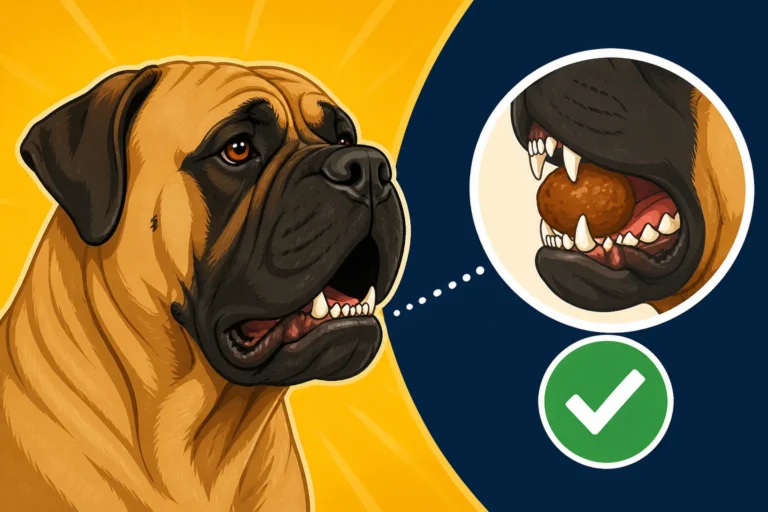
How Many Meals a Bullmastiff Should Have
One of the most common worries for new Bullmastiff owners, and even seasoned ones, is ensuring their giant companion is getting the right amount of food, and just as importantly, at the right times. It's easy to feel overwhelmed by all the conflicting advice out there, especially with a breed as unique as the Bullmastiff, but getting meal frequency right is absolutely crucial for their health, happiness, and long-term well-being. This guide will walk you through everything you need to know about how many meals your Bullmastiff should have at every stage of their life.
The Foundation: Why Meal Timing Matters for Your Bullmastiff
Feeding your Bullmastiff isn't just about filling their belly; it's about establishing a consistent routine that supports their massive frame, delicate digestive system, and even their mental stability. For a breed prone to specific health concerns, particularly bloat, the when can be just as critical as the what. Ignoring meal timing can lead to more than just an upset stomach; it can impact their growth, energy levels, and overall quality of life.
Beyond Just Hunger: Digestive Health and Bloat Prevention
Let's be frank: Bullmastiffs are big dogs with big appetites, but their digestive systems aren't always as robust as their size might suggest. One of the most terrifying health emergencies for any deep-chested breed like the Bullmastiff is Gastric Dilatation-Volvulus (GDV), more commonly known as bloat. This isn't just an uncomfortable gas bubble; it's a life-threatening condition where the stomach fills with gas and can twist on itself, cutting off blood supply. Knowing that Bloat in a Bullmastiff is a serious risk, one of the simplest preventative measures we can take as owners is to manage their meal times and portion sizes.
Feeding one massive meal a day is a recipe for disaster with a Bullmastiff. It encourages rapid eating, excessive gulping of air, and a stomach that gets overly full, all significant risk factors for bloat. Instead, dividing their daily food into smaller, more manageable portions throughout the day helps keep the digestive process smooth and steady. This reduces the sudden distension of the stomach, minimizing the chances of it twisting. Furthermore, spacing out meals ensures that their metabolism is consistently working, rather than experiencing a huge spike and then a long lull. Many veterinarians and experienced Bullmastiff owners will tell you that it's not just about what goes in, but how and when.
Mental Well-being and Routine: The Canine Clock
Dogs, much like us, thrive on routine. A Bullmastiff, with their calm yet discerning nature, especially benefits from predictable schedules. Knowing when their meals are coming provides a sense of security and reduces anxiety. Imagine being perpetually unsure when your next meal would arrive; it would be unsettling! For a Bullmastiff, who can be quite sensitive despite their formidable appearance, a predictable feeding schedule contributes significantly to their mental well-being.
When a Bullmastiff knows their meal times, they are less likely to engage in behaviors born of anxiety or hunger, such as counter-surfing or excessive begging. It helps them regulate their internal clock and fosters a trusting relationship with you. A consistent schedule also helps with house training, as their bathroom needs become more predictable following meals. This foundational routine is especially important during puppyhood but remains valuable throughout their entire life. A settled, well-fed Bullmastiff is a much happier and better-behaved Bullmastiff.
Puppyhood: Building a Strong, Slow Foundation
The puppy stage is perhaps the most critical time for establishing proper feeding habits. Bullmastiff puppies grow at an incredible rate, transforming from small, pudgy bundles into substantial young adults in a relatively short period. This rapid growth, however, must be managed carefully to prevent developmental orthopedic diseases that can plague large breeds.
The "Grow Slow" Mantra: Why Multiple Meals are Critical for Puppies
Bullmastiffs are not meant to grow like weeds. Excessive calories and rapid weight gain in puppyhood can put undue stress on their developing bones and joints, contributing to problems like hip and elbow dysplasia later in life. This is why the "grow slow" philosophy is paramount for Bullmastiff puppies. You can read more about this in Feeding a Bullmastiff Puppy So It Grows Slowly. Multiple, smaller meals throughout the day help manage their caloric intake and prevent them from gorging.
For a Bullmastiff puppy, typically from 8 weeks to around 4-6 months, feeding three to four times a day is ideal. This frequency ensures a steady supply of nutrients for their rapid development without overwhelming their still-developing digestive system. It also prevents them from feeling overly hungry, which could lead to them eating too quickly when food is eventually offered. Think of it like a human baby: they need frequent, smaller meals to thrive. A well-known brand like Ollie offers tailored meal plans that can help you manage portion sizes for your growing giant. This multi-meal approach is crucial for maintaining a healthy growth curve. You'll want to keep an eye on What a Bullmastiff Puppy Should Weigh by Month to ensure they're on track without gaining too quickly.
| Puppy Age | Recommended Meal Frequency | Rationale |
|---|---|---|
| 8 weeks – 4 months | 4 meals per day | Supports rapid growth, prevents overeating, aids digestion. |
| 4 months – 6 months | 3 meals per day | Continues steady growth, reduces stomach distension, establishes routine. |
| 6 months – 12 months | 2-3 meals per day | Prepares for adult schedule, supports maturation, continues bloat prevention. |
Transitioning to Fewer Meals: A Gradual Process
As your Bullmastiff puppy grows and approaches adolescence, usually around 6 months of age, you can gradually begin to reduce the frequency of their meals. This isn't a sudden switch but a slow, careful transition. For instance, if you're feeding four times a day, you might shift to three meals a day for a few weeks, then to two meals a day by the time they are around 10-12 months old. The exact timing can vary slightly depending on your individual dog's growth rate, metabolism, and overall health.
When reducing meal frequency, it’s important to maintain their total daily caloric intake, simply distributing it across fewer meals. For example, if they were getting four cups a day split into four meals (one cup per meal), when transitioning to three meals, they would get roughly 1.33 cups per meal. Always use a measuring cup to ensure accuracy. This gradual reduction helps their digestive system adapt and continues to mitigate the risk of bloat, which can remain a concern for younger dogs even before they reach full maturity. Remember, consistency is key during these transitions. You'll also want to make sure you're still on Why a Bullmastiff Puppy Needs Large Breed Food throughout this period to support their unique nutritional requirements.
Adulthood: Finding the Right Balance
Once your Bullmastiff is fully mature, typically between 18 months and two years, their nutritional needs stabilize, and their meal frequency can be adjusted to an adult schedule. This stage is about maintenance, sustained health, and continued bloat prevention.
Two Meals a Day: The Gold Standard for Most Adults
For the vast majority of adult Bullmastiffs, feeding two meals a day is considered the gold standard. This means dividing their total daily food allowance into two equal portions, typically offered in the morning and evening. This schedule offers several significant benefits:
First and foremost, it continues to minimize the risk of bloat. By splitting the food, you prevent the stomach from becoming overly full at one time, reducing the chances of gas accumulation and twisting. This is a non-negotiable aspect of Bullmastiff care. You can gain more insight into this specific preventative measure in Meal Timing and Bloat in a Bullmastiff.
Secondly, two meals a day helps to maintain a consistent energy level throughout the day. Instead of a huge energy spike after one large meal followed by a slump, they get a steady release of nutrients, which is ideal for their relatively low-key but powerful activity levels. It also helps manage their appetite, preventing them from feeling ravenously hungry between meals. If your dog is getting their food at roughly the same time each day, they learn to expect it, and you'll find they settle into a calm routine around feeding.
Lastly, this schedule makes it easier to monitor their appetite and consumption. If your Bullmastiff suddenly leaves food, or shows a decreased interest, it's a much clearer sign that something might be amiss than if they had access to food all day. You'll want to have a good grasp on How Much an Adult Bullmastiff Eats to make sure those two meals are correctly portioned. Brands like Chewy offer auto-ship options for dog food, making it easier to ensure you always have enough on hand for consistent mealtimes.
Factors Influencing Meal Frequency: Activity, Health, and Schedule
While two meals a day is generally recommended, there can be individual variations that might lead you to adjust this. Every Bullmastiff is unique, and their specific needs can shift.
- Activity Level: A Bullmastiff that is particularly active (though most are not intensely athletic) might benefit from slightly more frequent, smaller meals if they are burning a lot of calories. Conversely, a very sedentary Bullmastiff might do perfectly well on two meals, ensuring they don't overeat. However, high-impact activities immediately after eating should always be avoided due to bloat risk.
- Health Conditions: Dogs with certain health issues might require adjustments. For example, a Bullmastiff with diabetes might need carefully timed meals to manage blood sugar, while a dog with a sensitive stomach might benefit from three smaller meals a day to ease digestion. Always consult your veterinarian if your Bullmastiff has an underlying health condition that might impact their feeding schedule.
- Owner's Schedule: Realistically, your daily routine plays a role. If you work long hours, ensuring a regular mid-day meal might be challenging. However, consistency is paramount. If you can't reliably offer three meals, sticking to a consistent two-meal schedule at set times (e.g., 7 AM and 6 PM) is far better than an irregular three-meal schedule. Automated feeders can be a helpful tool here for precise portioning and timing if you’re not always home, and many can be found on Amazon.
It's all about finding a balance that works for both you and your Bullmastiff, prioritizing their health and well-being above all else. Remember, strict consistency is always preferable to variability.
Senior Years: Adapting to Changing Needs
As your magnificent Bullmastiff enters their golden years, typically around six years of age (you can learn more in The Age a Bullmastiff Is Considered Senior), their bodies begin to change, and so too might their nutritional requirements and how they best process their food. What worked perfectly for their adult years might need a little tweaking to keep them comfortable and healthy in their twilight.
Gentle on the Gut: Smaller, More Frequent Portions
An aging Bullmastiff's digestive system can become a bit more sensitive and less efficient. They might not absorb nutrients as effectively, or they might struggle with larger volumes of food at one sitting. Just like with puppies, transitioning a senior Bullmastiff to smaller, more frequent meals can be incredibly beneficial. This might mean going back to three meals a day, even if they've been on two meals for years.
This approach is gentler on their aging gut, reducing the workload on their digestive organs. It can also help prevent nausea and indigestion, which some older dogs experience. Smaller portions are less likely to cause a bloated, uncomfortable feeling, which is particularly important if they also have joint pain or difficulty lying down comfortably after eating. Spacing out meals ensures they are consistently nourished without overwhelming their system. You may also notice they struggle with certain textures or hard kibble, so you might consider Whether an Aging Bullmastiff Needs Softer Food as well.
Medication Schedules and Appetite Changes
Senior Bullmastiffs often come with a whole new set of considerations, particularly when it comes to medication. Many older dogs require daily medication for conditions like arthritis, hypothyroidism, or heart issues. Timing these medications with meals can be crucial, as some need to be given with food to prevent an upset stomach, while others might be more effective on an empty stomach. If your senior Bullmastiff needs multiple medications, spreading out their meals can provide more opportunities to administer doses correctly.
Beyond medication, appetite changes are common in older dogs. Some might have a decreased appetite, making it vital to offer palatable, smaller meals more frequently to ensure they consume enough calories. Others might become pickier eaters. For those with a reduced appetite, offering enticing, smaller portions multiple times a day might encourage them to eat more than trying to get them to finish one or two large meals. Conversely, if an aging Bullmastiff starts losing muscle mass (as discussed in Why an Aging Bullmastiff Loses Muscle), those frequent meals ensure consistent nutrient intake to help them maintain condition. Always consult your vet to tailor a feeding plan that accommodates their specific health needs and medication schedule. Caring for an Aging Bullmastiff covers many of these considerations.
Special Considerations: Health and Behavior
While meal frequency is a crucial aspect of feeding, it doesn't exist in a vacuum. Other important factors, particularly the risk of bloat and specific behavioral tendencies, must be integrated into your Bullmastiff's feeding routine.
Bloat Risk and Meal Frequency
We've touched on bloat already, but it bears repeating: for a Bullmastiff, understanding and mitigating the risk of Gastric Dilatation-Volvulus (GDV) is paramount. Proper meal frequency is one of the strongest defenses against this deadly condition. Feeding at least two, preferably three, meals a day for adult Bullmastiffs, and even more for puppies, significantly reduces the likelihood of the stomach overfilling and potentially twisting. But it's not just about the number of meals; it's about how they eat those meals.
Rapid eating is a major risk factor for bloat because it leads to excessive air intake. Bullmastiffs are notorious for gulping their food down. To combat this, slow feeder bowls are an excellent investment. These bowls have various ridges and obstacles that force your dog to eat around them, drastically slowing down their consumption. You can find many effective slow feeder bowls from retailers like Chewy or Amazon. Another critical practice is to ensure your Bullmastiff rests for at least an hour before and after meals. Strenuous exercise, running, or even rough play immediately before or after eating can increase the risk of bloat. This is covered in more detail in Why a Bullmastiff Should Rest After Eating. Watching for Signs a Bullmastiff Is Bloating is something every owner should know.
While some owners opt for raised food bowls, the current veterinary consensus is mixed, with some studies suggesting they might actually increase bloat risk for large, deep-chested breeds. It's best to discuss this specific topic with your veterinarian, but often, feeding on the floor is the safer bet. You can read more about this discussion in Whether a Bullmastiff Should Eat From a Raised Bowl. The bottom line is that a combination of appropriate meal frequency, slow eating techniques, and post-meal rest is your best strategy.
Managing Resource Guarding and Feeding Dynamics
Bullmastiffs are naturally protective, and while they are generally gentle giants, some can develop resource guarding tendencies, particularly around their food. This is less about aggression and more about a deep-seated instinct to protect valuable resources. If you have multiple dogs or even young children in the household, managing feeding dynamics becomes crucial.
Feeding dogs separately is the simplest and most effective way to prevent resource guarding around food. This might mean feeding them in different rooms, in their crates, or at different times. Each dog should have their own designated, safe space to eat without feeling threatened or rushed. If you're feeding multiple Bullmastiffs, or a Bullmastiff alongside other breeds, respecting this natural instinct can prevent potential conflicts and ensure everyone eats peacefully.
For single Bullmastiffs, especially puppies, practice approaching their bowl while they're eating, gently dropping in a high-value treat, and then walking away. This teaches them that human presence near their food bowl is a positive thing, associating you with adding good things, not taking them away. This builds trust and reduces the likelihood of guarding behavior as they mature. Consistency, clear boundaries, and positive reinforcement are key to ensuring a harmonious mealtime routine for your Bullmastiff.
Disclaimer
This article is for general informational purposes only and does not constitute professional advice. Laws, prices and regulations vary by location and change over time. Consult a qualified professional for guidance on your specific situation.